Renault Bhikaji Cama
A2/8, Africa Ave, Block A 2, Safdarjung Enclave, New Delhi, Delhi 110029
Last Updated on: 15 May 2026
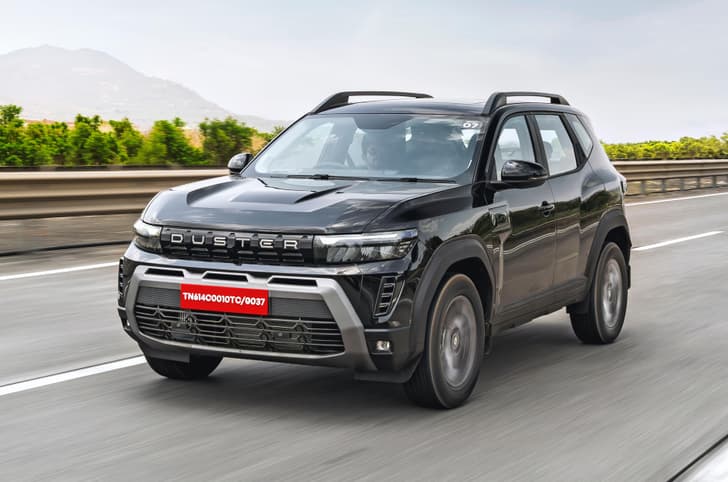
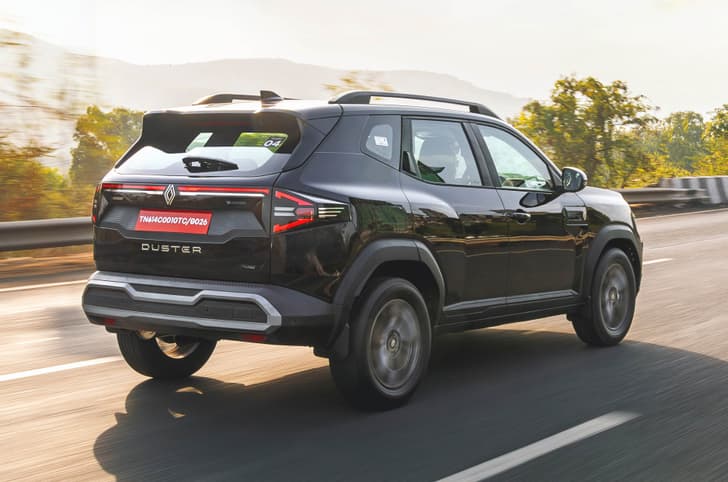
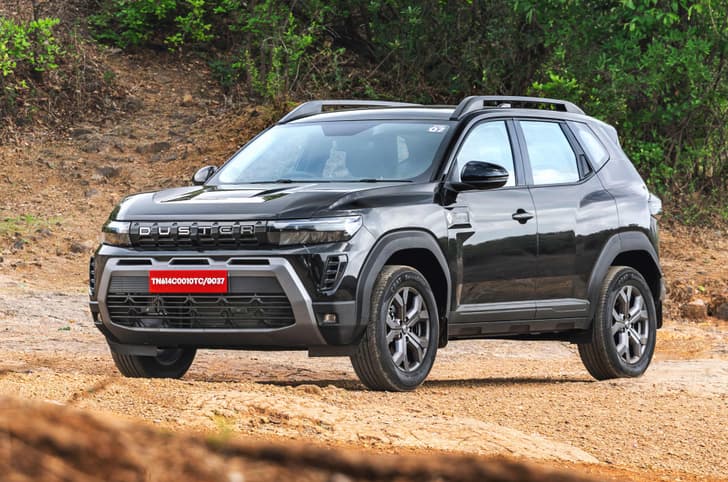
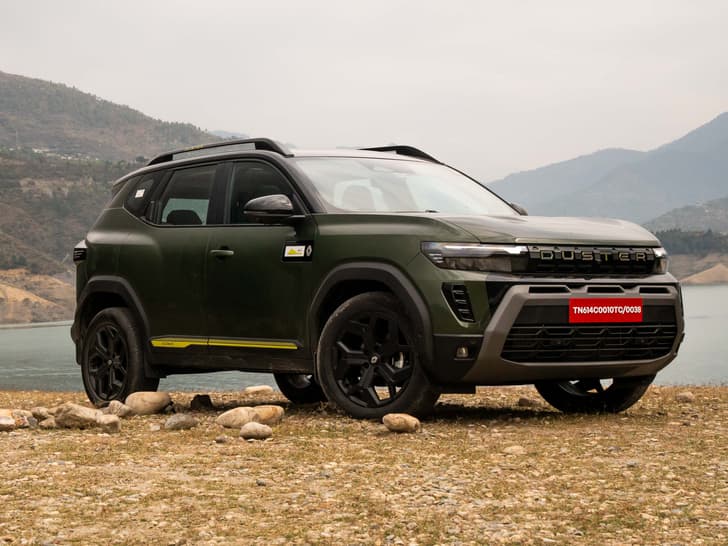
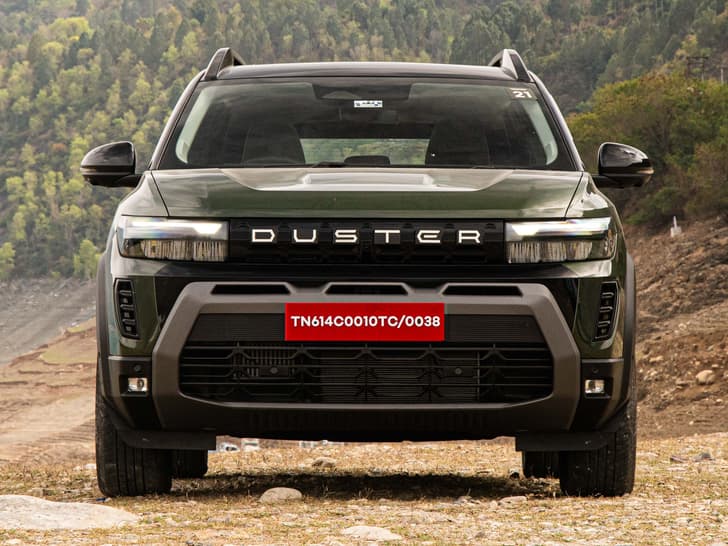
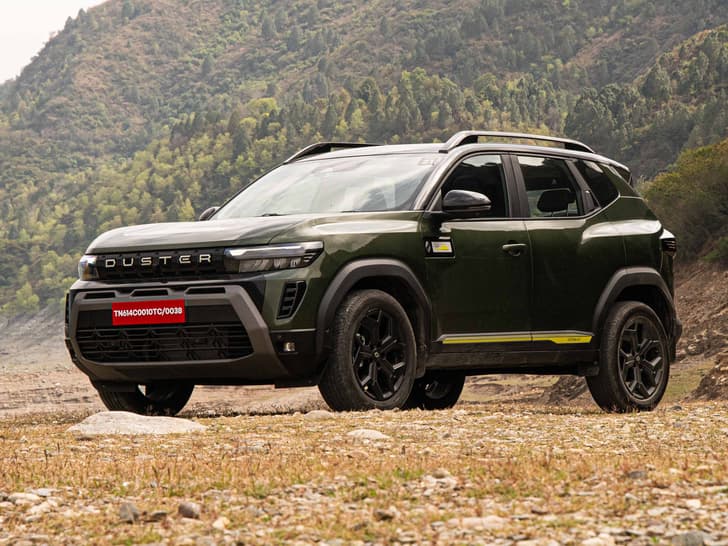
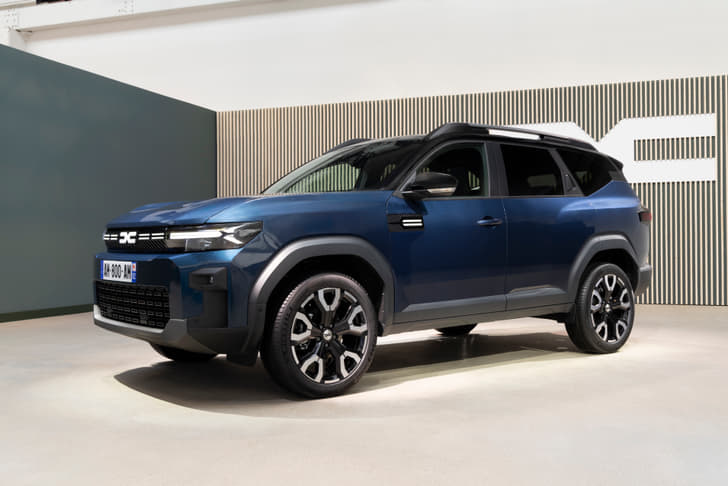
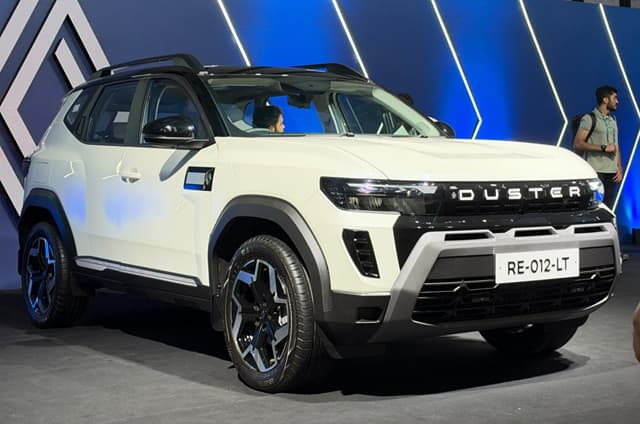
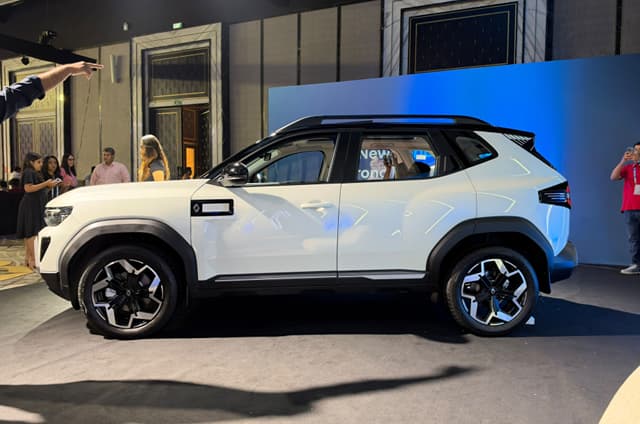
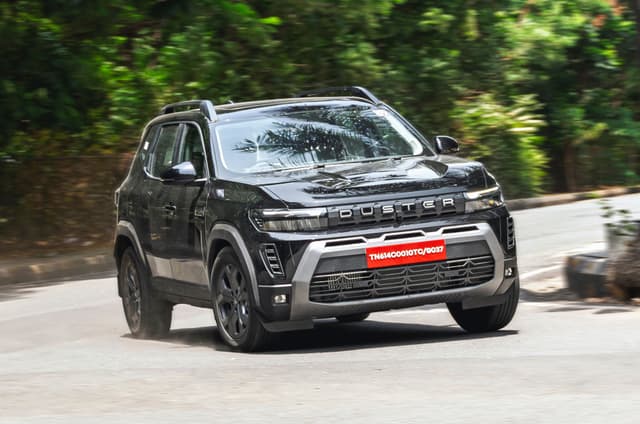
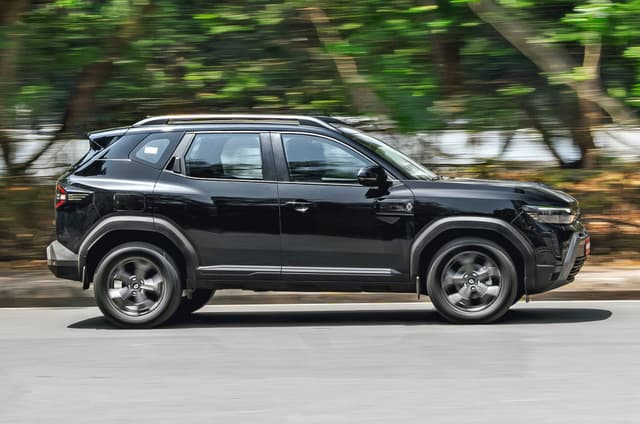
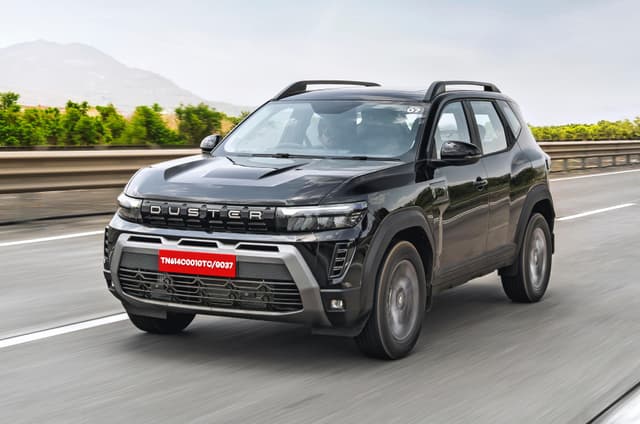
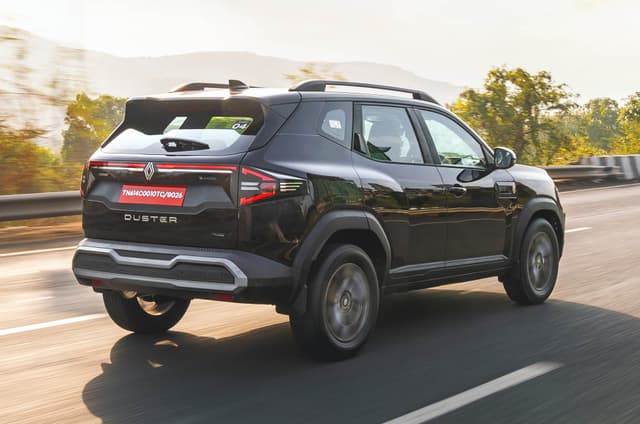
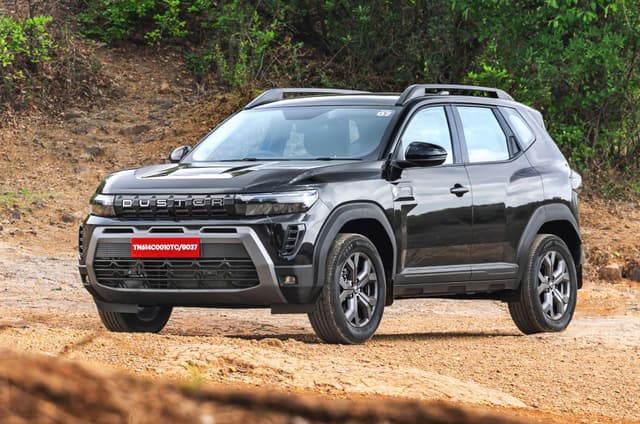
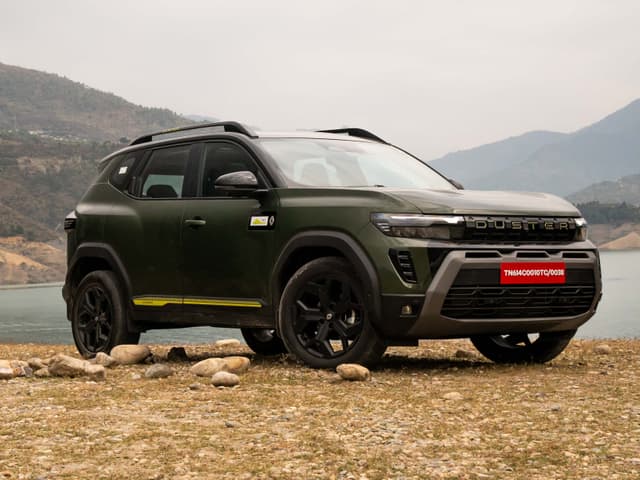
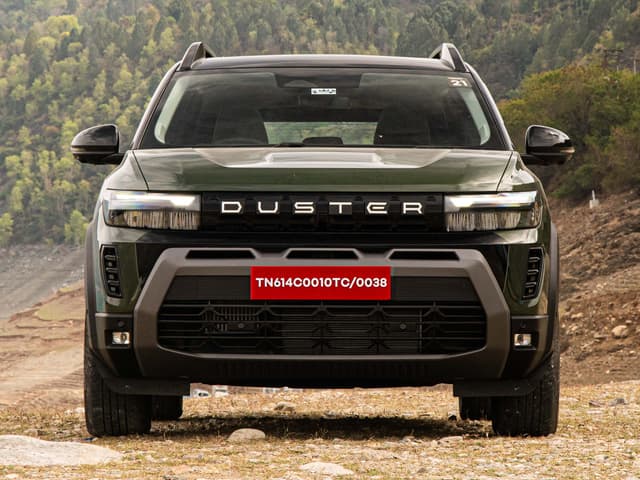
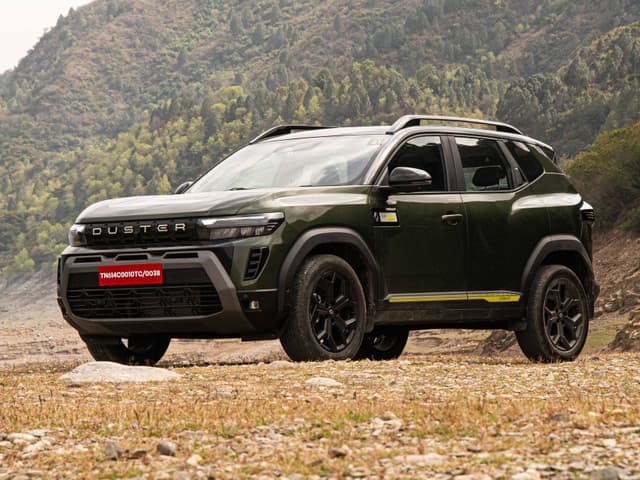
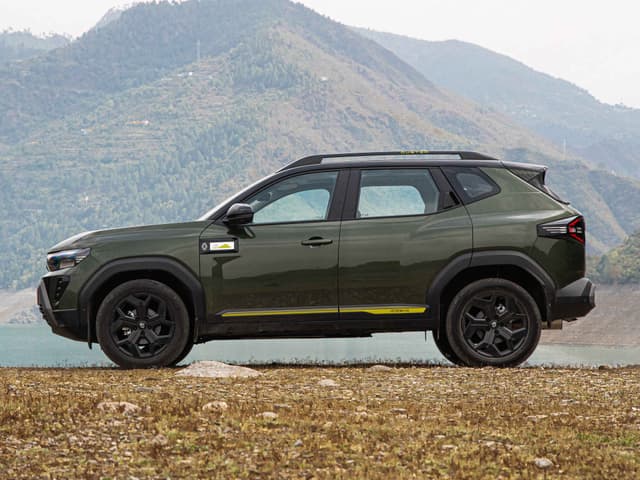
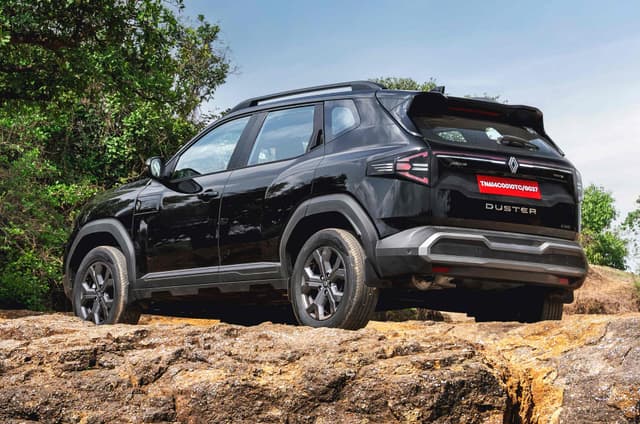
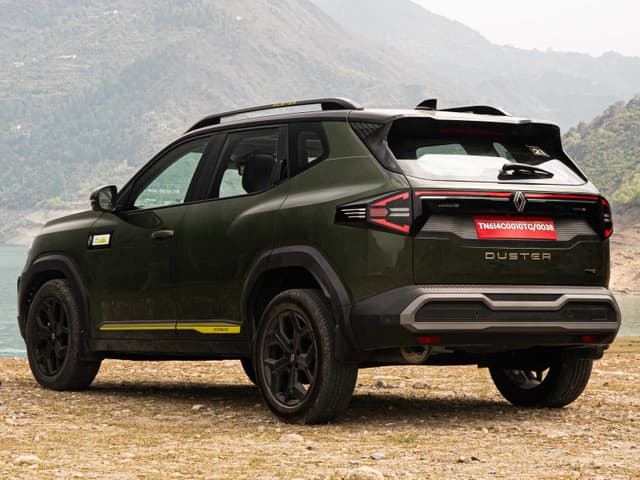
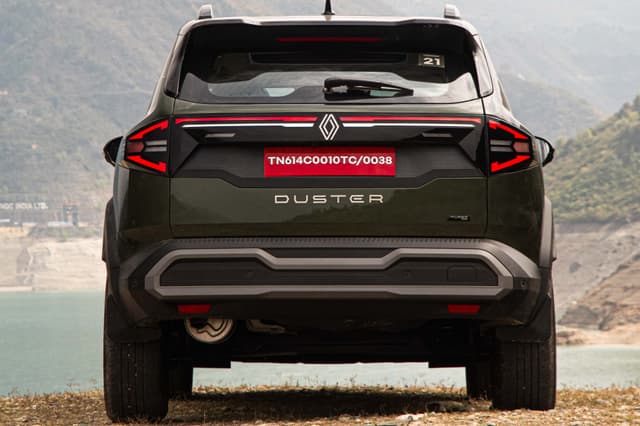
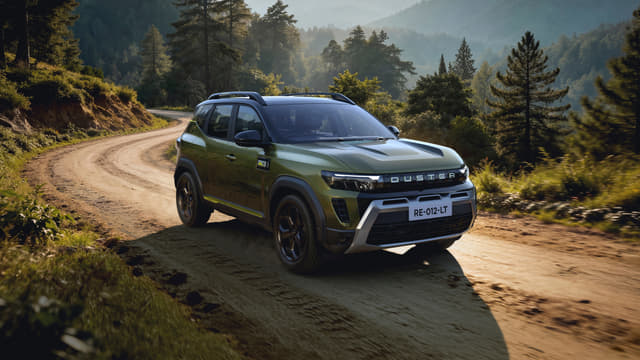
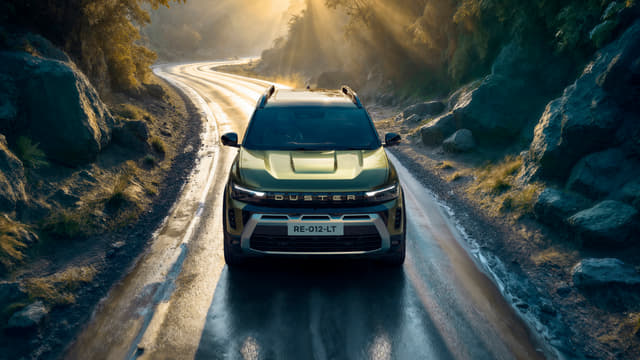
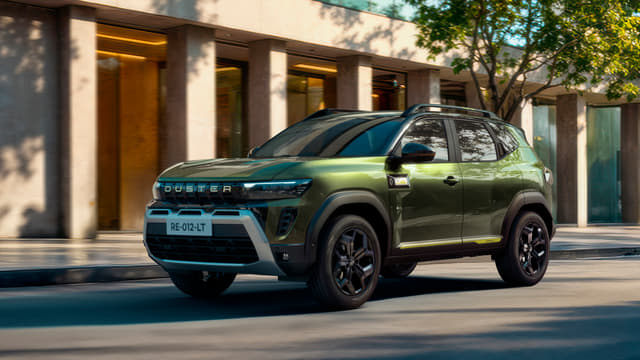
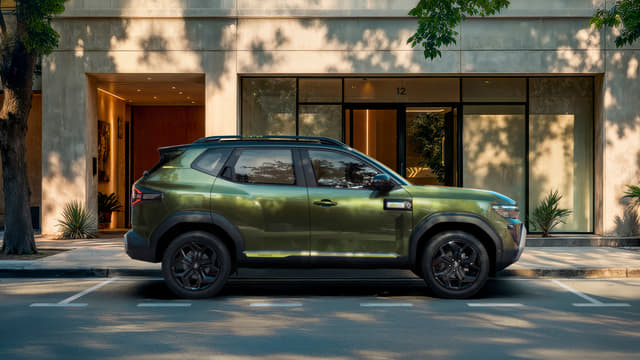
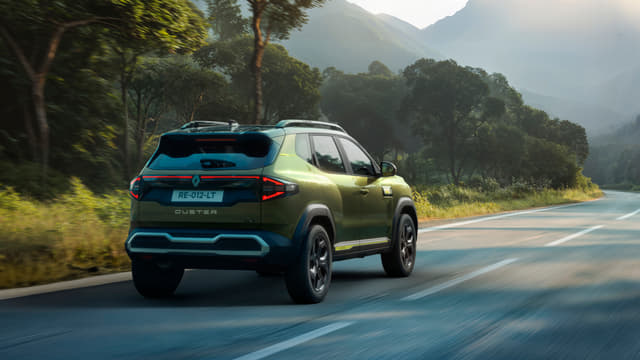
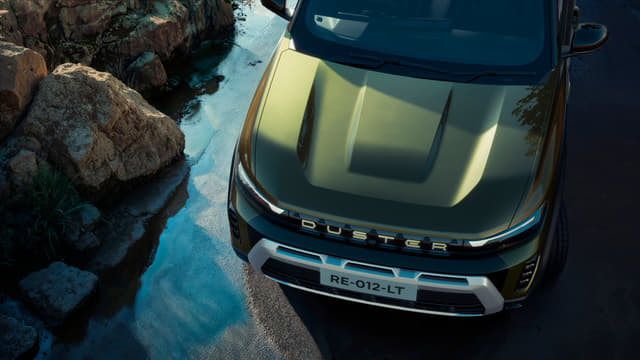
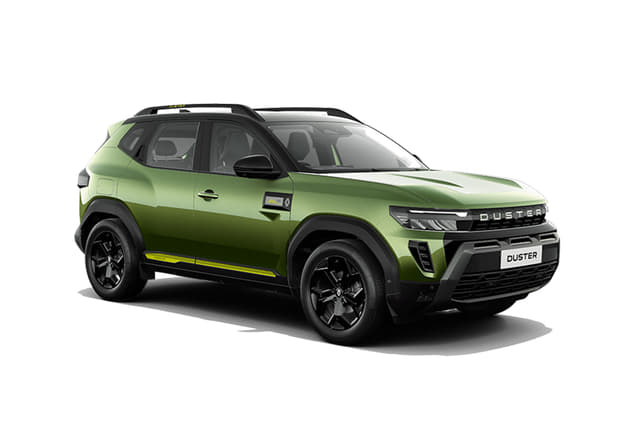
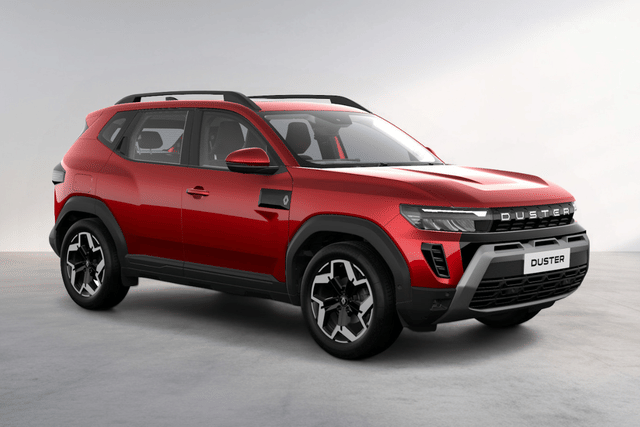
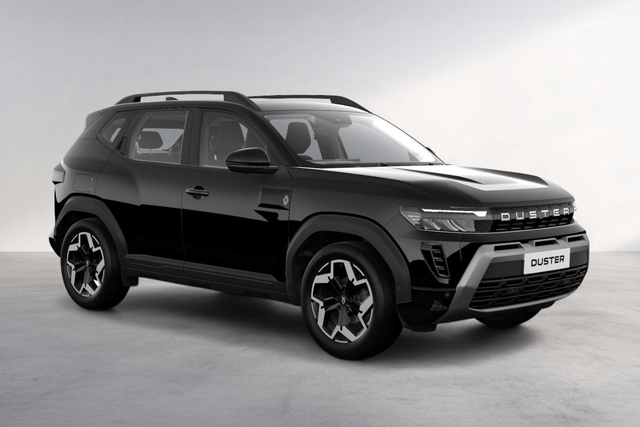
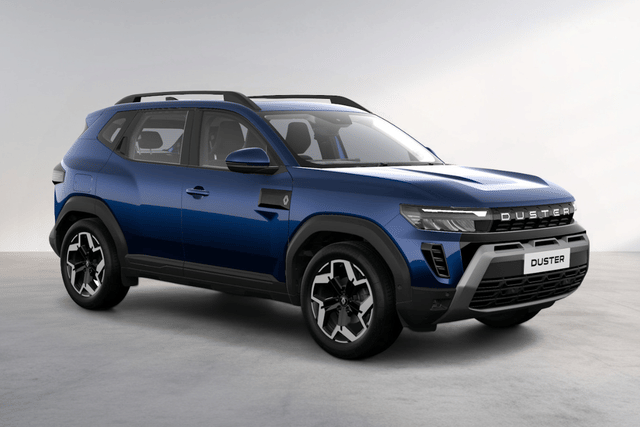
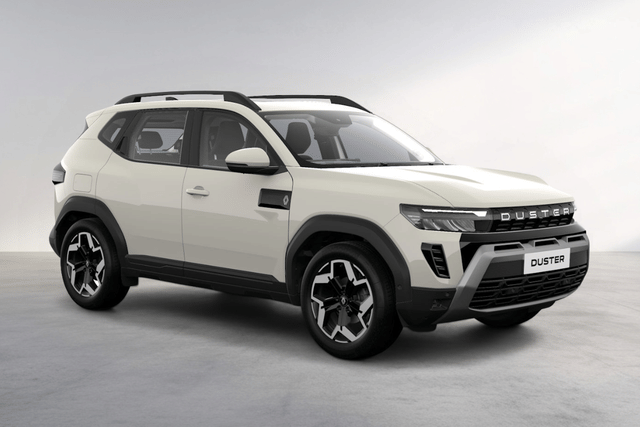
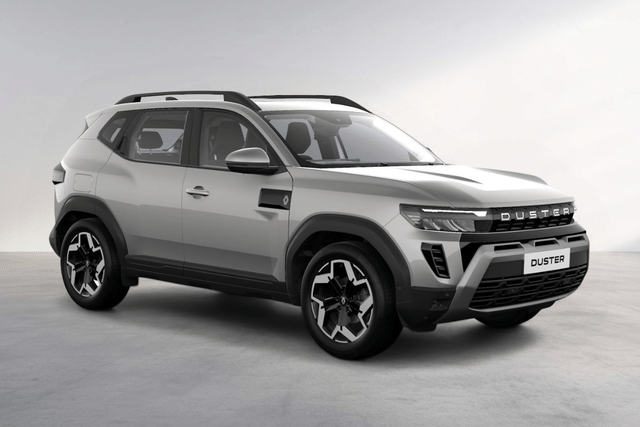
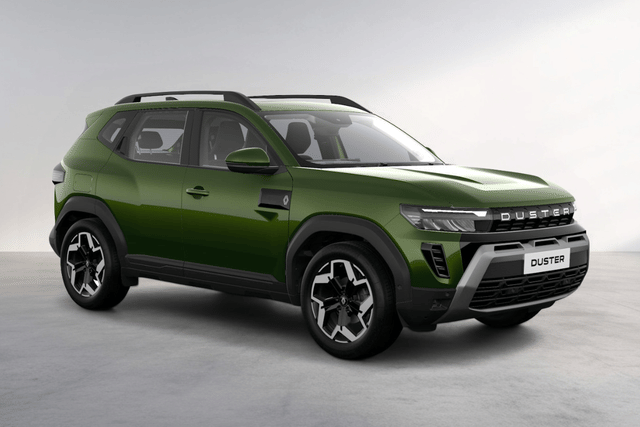
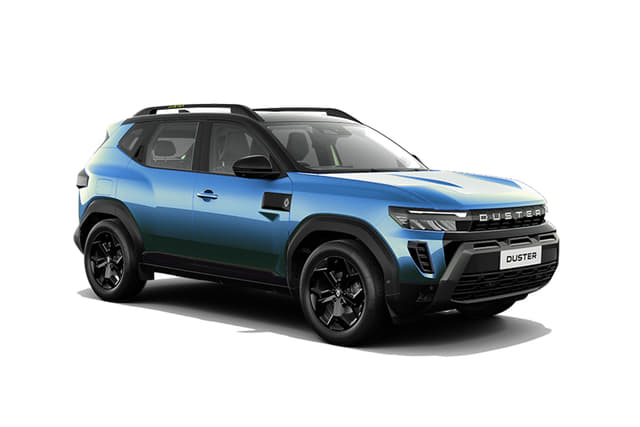
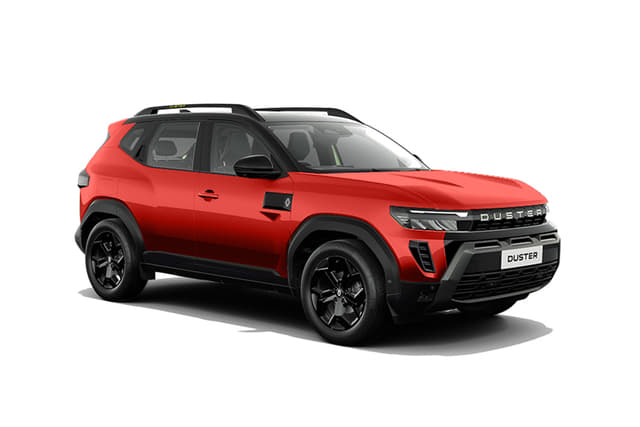
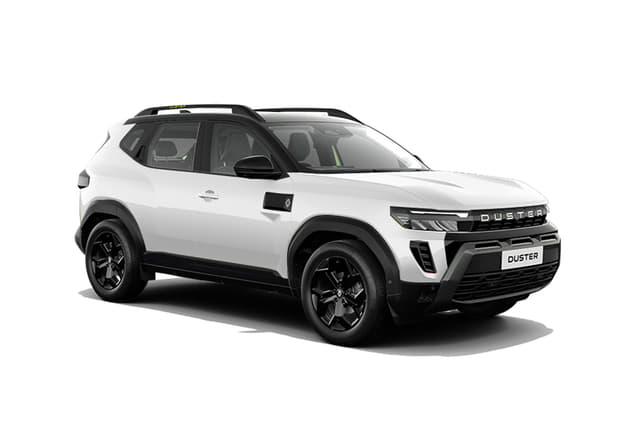
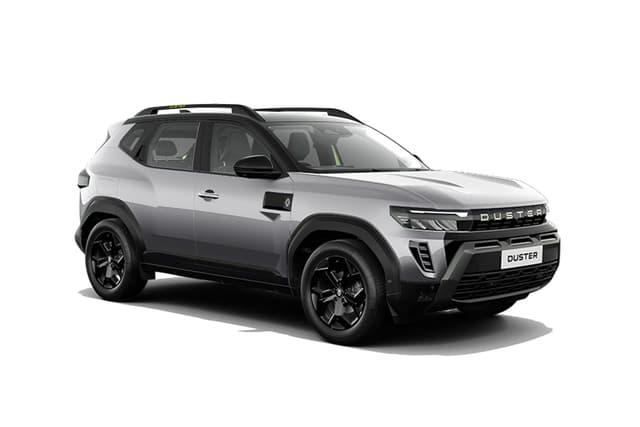
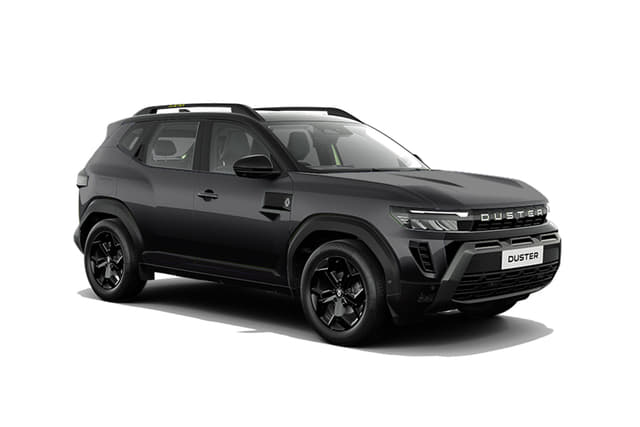
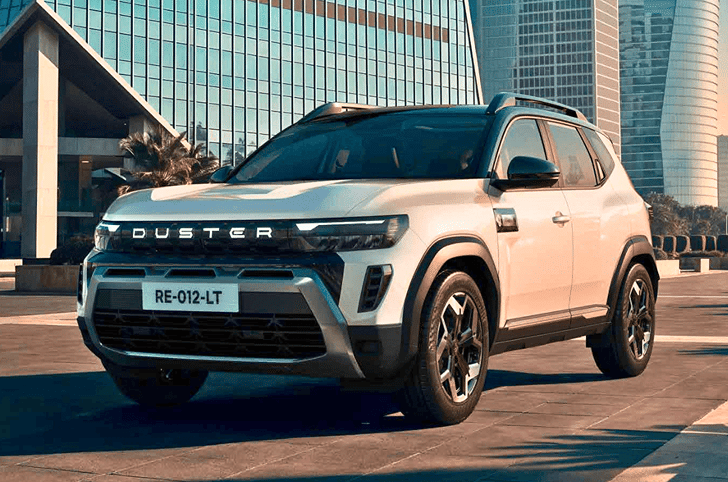
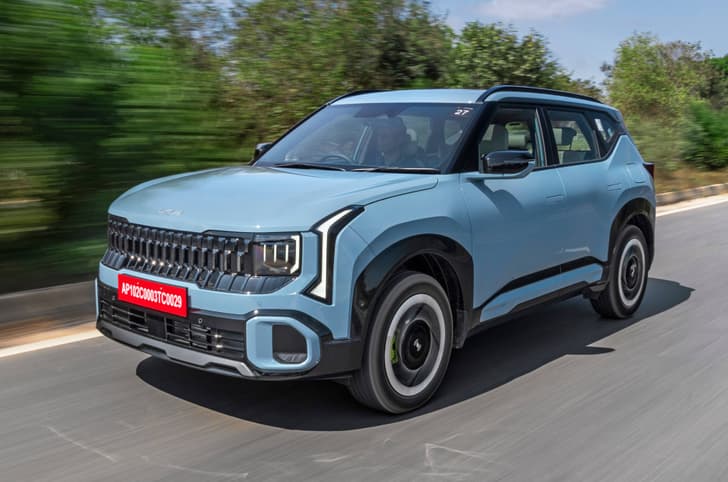
The Duster car price in Delhi starts at ₹10.49 lakh (ex-showroom). Meanwhile, the 2026 Duster top models price is ₹18.49 lakh (ex-showroom). The new Renault Duster's on-road price in Delhi begins at ₹12.22 lakh. Check the Renault Duster on-road price in your city for all variants to see what fits your budget and preferences.
Planning to buy Duster? Here are a few dealers in Delhi
A2/8, Africa Ave, Block A 2, Safdarjung Enclave, New Delhi, Delhi 110029
GI-3, Grand Trunk Road, Industrial Road, Azadpur, New Delhi, Delhi 110033
A-10, B-1, Block B1, Block E, Mohan Cooperative Industrial Estate Area, New Delhi, Delhi 110044
B-88/2, Block B, Mayapuri Industrial Area Phase I, Mayapuri, New Delhi, Delhi 110064


The Renault Duster base model on road price in Delhi starts at Rs 12.22 lakh.
Renault Duster base model price in Delhi starts at Rs 10.49 lakh (ex-showroom).
Renault Duster top model price in Delhi starts at Rs 18.49 lakh (ex-showroom).
The Renault Duster top model on road price in Delhi starts at Rs 21.42 lakh.
The Renault Duster automatic price in Delhi starts at Rs 14.49 lakh (ex-showroom).
The Renault Duster 1.3 turbo-petrol price in Delhi starts at Rs 12.99 lakh (ex-showroom).
The Renault Duster’s price in Delhi ranges between ₹10.49 lakh and ₹18.49 lakh (ex-showroom).
The Renault Duster’s on-road price in Delhi ranges from ₹12.22 lakh to ₹21.42 lakh.
Rahul Rajbhoj
•1dHow is the Duster (DCT Evolution variant) for city driving as well as occasional highway use? What long-term issues or problems can I face with this car? Is there a better alternative within the same budget that is also fun to drive and reliable for city usage, considering this uses a wet clutch system?

Autocar India
The new Duster DCT Evolution is actually a strong city plus highway package, and the fact that it uses a wet clutch DCT is a key advantage. Unlike dry clutch DCTs, wet clutch systems run the clutches in oil for cooling, which makes them smoother at crawling speeds, better at handling heat and generally more tolerant of heavy stop go traffic. So if your concern is city usability, this is far less worrying than older dry clutch DCTs.That said, it still will not be as seamless at very low speeds as a good torque converter or CVT. On the highway, though, the Duster should feel right at home because the turbo petrol and DCT combination suits open road driving very well, and the Duster has the ingredients to be an engaging driver’s SUV.Long term, the bigger question mark is not the wet clutch gearbox itself, but the fact that this is a brand new product with no long term Indian ownership data yet. Wet clutch DCTs are generally more robust than dry clutch units, but they are still mechanically complex systems, so if something does go wrong out of warranty, repairs will not be cheap. Renault’s service reach and ownership ecosystem also are not as confidence inspiring as some established rivals.If you want a more proven alternative in the same budget, the Kia Seltos HTK IVT is worth serious consideration. It falls in a similar price bracket, uses a naturally aspirated petrol with an IVT automatic that is far smoother in city traffic, and offers a much more proven long term ownership proposition. You will give up some outright performance and driver engagement compared to the Duster turbo DCT, but if reliability and fuss free city use matter more, the Seltos is the safer pick.
Madhu
•1dI own a 2018 Innova Crysta, 3rd owner. with Odo at 1.16 lakh km. In reality, I am the second owner as the vehicle was in the name of the company before the MD decided to transfer it to his individual name. I have two questions- 1. It is a BS-IV model, and can I drive it in Delhi safely, without being penalised? 2. Looking at the policy fluidity concerning diesel vehicles, what would you recommend- A replacement car- I love Ecosport. and would prefer a driver's car. Please advise.
Autocar India
A 2018 BS‑IV diesel is allowed in Delhi‑NCR till it completes 10 years from its first registration. So you’re fine till 2028 if your RC, insurance and PUC are valid. Be aware that on some severe pollution days, Delhi temporarily stops BS‑IV diesels from running; on those days, it’s safer to park it to avoid a penalty or even impound.Given the diesel policy swings and that you enjoy a driver’s car, shift to petrol. The Skoda Kushaq 1.5 turbo‑petrol fits best. It feels quick, the steering has a good feel, and the size is like your loved EcoSport, so it’s easy in the city yet steady on highways. Being petrol keeps you clear of future diesel bans in Delhi.Trade-offs: it’s much smaller inside than your Crysta, and if you drive hard, the fuel use will go up. If you prefer another brand with the same fun-to-drive nature, look at the Renault Duster 1.3-litre turbo.
Shoibal Karmaka
•4dI currently own a Renault Kiger CVT and really like its smooth and tractable engine, both in city driving and on highways. However, I now feel that the car is slightly small for my needs, and the interior quality also feels a bit average. Because of this, I am planning to upgrade. At the moment, I am confused between the Renault Duster and the Tata Sierra. My priorities are: Good boot space Comfortable front and rear seats Strong family SUV appeal Excellent ride and handling dynamics At the same time, I do have concerns about Tata’s long-term engine reliability and the brand’s after-sales service experience, as Tata service is often considered inconsistent. Could you please guide me on which of these SUVs would make more sense for long-term ownership and family usage?

Autocar India
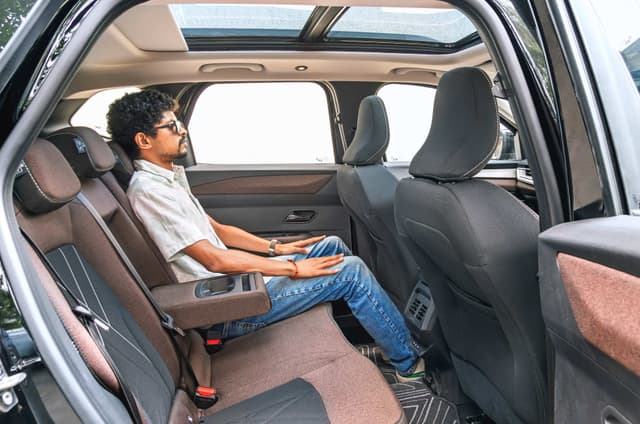
The Renault Duster certainly rides and handles better, and has a bigger boot too. However, its rear seat space is tight compared to a Tata Sierra, which is much more spacious in comparison. And besides a roomier cabin, the Sierra's seats (front and rear) are comfier, its cabin feels more inviting than the Duster's, and the turbo-petrol is a strong performer too.Overall, as a family car, the Sierra fits the brief better. Yes, it doesn't have a good reputation as far as reliability and after-sales service go, so we'd recommend you opt for the longest warranty coverage on the car.
Shrey Patil
•1wI am confused between the new Tata Sierra and the newly launched Renault Duster. Which is the better option between these two cars?

Autocar India
If you want the more rugged and driver focused SUV, pick the Renault Duster. It is likely to feel more engaging from behind the wheel, with a smoother dual clutch automatic and a tougher, more no nonsense character that should appeal if driving feel matters to you.The Tata Sierra, on the other hand, is the better choice if your priorities are comfort, premium cabin feel and family use. It feels more modern, more desirable and likely to offer a richer overall cabin experience, with a comfortable ride and strong road presence.The real difference comes down to character. The Duster feels like the more rugged, enthusiast friendly choice, while the Sierra is the more polished and premium family SUV.
Rajdeep Purkayastha
•1wI have shortlisted four cars: the Kia Seltos, Tata Sierra, Renault Duster, and Mahindra Thar Roxx. I want a turbo-petrol car with an automatic transmission. The car should be comfortable, good-looking, safe, and have strong build quality. My annual running is approximately 10,000-12,000 km.

Autocar India
The Kia Seltos 1.5 turbo-petrol with the 7-speed dual-clutch automatic (DCT) is the one that fits your brief best. The DCT changes gears very quickly once you are moving, so city drives feel easy and highway trips feel strong and smooth. The Seltos also rides well for daily use, the seats are supportive, and the cabin looks and feels upmarket. For safety and build, it gives you a solid-feeling body, a long list of safety features, and on higher trims even driver assist tech; plus it received a 5-star Bharat NCAP crash test rating.A couple of things to note for your use: like most dual-clutch gearboxes, there can be a small pause at very low speeds, and if you spend hours in slow traffic every day it is best to drive gently. From your list, the Mahindra Thar Roxx 2.0 petrol automatic is the one to pick if you mainly want a tough, go-anywhere machine and love the stance, but for daily comfort and ease it is not as relaxed as the Seltos, and it has very poor fuel economy. The suspension isn't as absorbent and the controls aren't as light. The Duster and Sierra come much closer, the Renault imparting a tougher feel while still remaining comfortable, and the Sierra feeling large and more comfortable. However, overall, for mixed city-highway use and your priorities, the Seltos turbo DCT lines up best.
Sajal
•1wI am planning to buy a new car. I absolutely love my current car, but I no longer find the driver’s seat very comfortable, I feel the suspension could be better, and the 1.2-litre Hyundai engine lacks serious power. The cars I am currently considering are: Mahindra BE 6 Pack Three Hyundai Verna 1.5 Turbo HX(O) Kia Seltos 1.5 Turbo (variant yet to be finalised) My usage mainly involves driving to work in Bengaluru, along with at least one weekly night drive for pleasure. I also take occasional drives around Bengaluru every month and go on longer trips once every quarter. I genuinely enjoy driving and the freedom that owning a car gives me. I am not particularly fond of long motorcycle rides, although I do own an Harley-Davidson X440. The reasons behind my shortlist are: I do not want an ordinary car; I want something with a strong wow factor. I like all three cars from a design and styling perspective, which is important to me. All three felt comfortable, with my comfort ranking being: Seltos > Verna > BE 6. However, I found the high-speed stability of all three to be just average and expected better. I have admired the Mahindra BE 6 ever since it was announced, but I am unsure about EV practicality in my situation. I live in a rented apartment with only a 3kW sanctioned electricity load, and I am also uncertain about charging infrastructure. Additionally, Mahindra’s warranty recommendation of charging at least 25% through AC charging concerns me slightly. I would have also considered the Volkswagen Virtus, but I feel its interior quality does not justify the price. Could you please help me decide which option would make the most sense for my needs?
Autocar India
The Kia Seltos 1.5 turbo automatic (the DCT that changes gears on its own) fits you best. It lines up with what you value and what you felt in your test drives.As you mentioned, the Seltos' seat is the most comfortable; the 1.5 turbo is quick, feels strong and has that oomph that you're looking for. Also, being the newest car, its interior quality is a step up compared to the other options listed.Of course, being a taller car, its stability and handling prowess aren't as good as the Hyundai Verna 1.5 turbo DCT, which will give you a relatively sportier driving experience due to its low-set seating.We would advise you against the Mahindra BE 6, especially when you're currently residing in a rented flat with no assured socket at your parking, and even though Bengaluru has many public chargers, you can't solely rely on public charging. You could also check out the new Renault Duster 1.3 Turbo before finalising the Seltos.
Rahul
•1wI am interested in the Kia Seltos DCT and the Renault Duster DCT, but I am confused about the Duster’s warranty policy, as it does not seem to cover clutch components. Does this mean the Duster’s DCT gearbox is not fully covered under warranty? Considering this concern, should I go ahead with the Seltos DCT instead?

Autocar India
You should not read too much into Renault excluding clutch components from the Duster’s warranty, because clutch packs in DCTs are generally treated as wear and tear items by most manufacturers, including Kia. Even Kia’s warranty excludes clutch discs and facing components under normal wear and tear clauses. That does not mean the entire DCT gearbox is uncovered. Major transmission or mechatronic issues are still typically covered under standard warranty terms unless the failure is linked directly to clutch wear or misuse. Renault’s wording looks more worrying, mainly because they have explicitly listed exclusions in detail for the additional warranty package.So buy the one that suits your priorities better. The Kia Seltos feels more premium, more spacious and more feature-rich, while the Renault Duster has a more rugged character and is likely to feel more involving to drive. Although both use dual-clutch automatic transmissions, the Duster uses a wet clutch setup while the Seltos uses a dry clutch unit. In the real world, this usually means the Renault’s gearbox should feel smoother and cope better with heavy traffic and heat. On the other hand, the Kia’s DCT feels quicker and sportier during fast driving, but can feel slightly jerkier at low speeds.
Balasubramanian
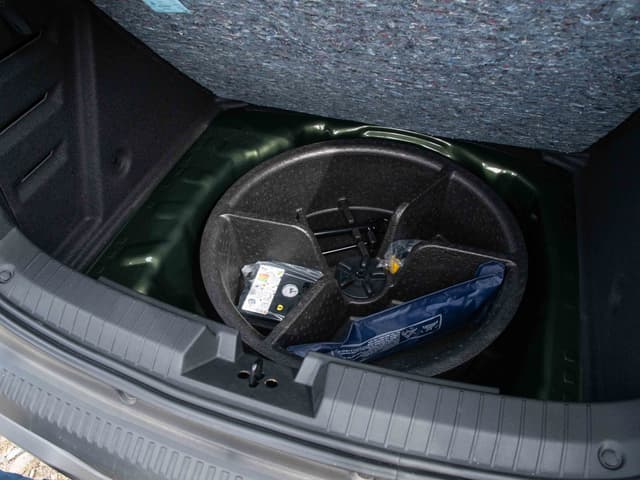
•1wI recently upgraded from a Skoda Rapid Diesel DSG to a Honda Elevate ZX CVT. I drive around 62 km daily in Mumbai (Navi Mumbai to Andheri) in bumper-to-bumper traffic. I like everything about the Elevate except its 40-litre fuel tank, due to which I need to refuel every 4-5 days, which is becoming frustrating. I am even considering changing my car by the end of the year to the Renault Duster (which is expected to have a larger 50-litre tank). I also need sufficient boot space. I understand the Duster may not offer a spare wheel (stepney), though space might be available to carry one. While the Duster Hybrid is tempting, the lack of boot space and a proper spare tyre could be deal-breakers, especially since I take occasional long drives to the South where a spare tyre feels essential. Given this situation, should I continue with the Elevate or consider switching? What would you suggest?

Autocar India
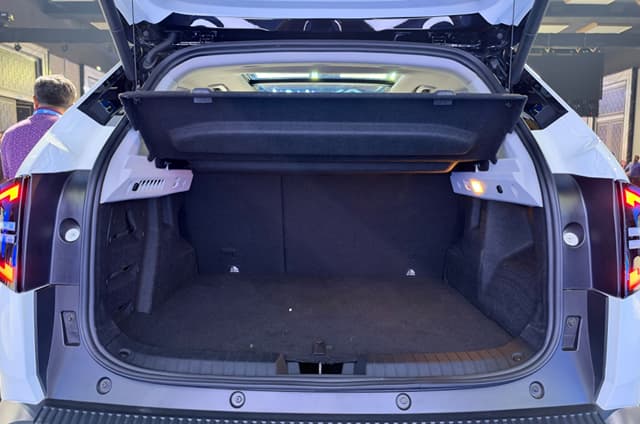
If you're looking to replace the Honda Elevate CVT with a Renault Duster, make sure you opt for the hybrid version. The Duster's 1.3-litre turbo-petrol-DCT combination isn't likely to deliver respectable fuel efficiency, especially in bumper-to-bumper traffic; hence, your fuel stops are likely to be as frequent, if not more so. A hybrid, on the other hand, will remain in EV mode while idling or at low speeds, which will significantly reduce fuel consumption. While Renault provides a puncture repair kit, a spare tyre will certainly come in hand in the event of a sidewall cut, which is a possibility on long drives and unfamiliar roads. Hence, you could purchase an extra tyre and place it in the boot, however that is likely to compromise luggage space.Alternatively, you could consider retaining your Honda Elevate. It is a very sensible, no-nonsense car. Also, keep in mind that because it isn't a popular model, resale value is likely to be on the lower side, hence you will have to add a fair bit from your pocket, to make the new purchase.
Dr Biswas PP
•1wWill the Renault Duster hybrid have any body changes compared to the ICE Duster? Especially since it has to accommodate the battery pack. Will rear seat legroom decrease? I’ve booked one and am worried about this.

Autocar India
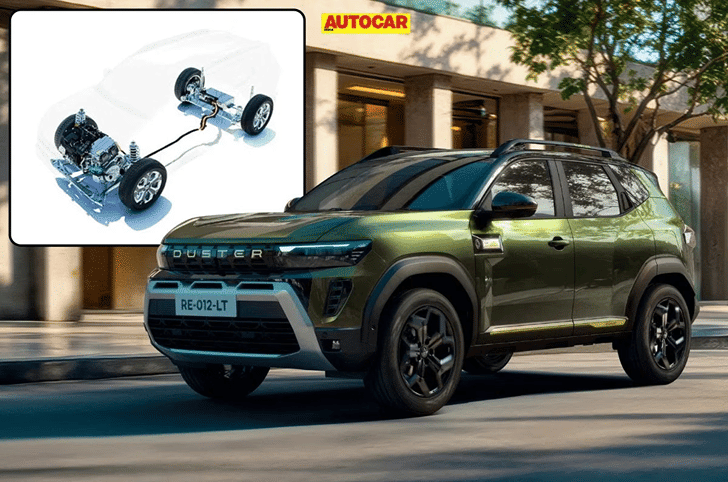
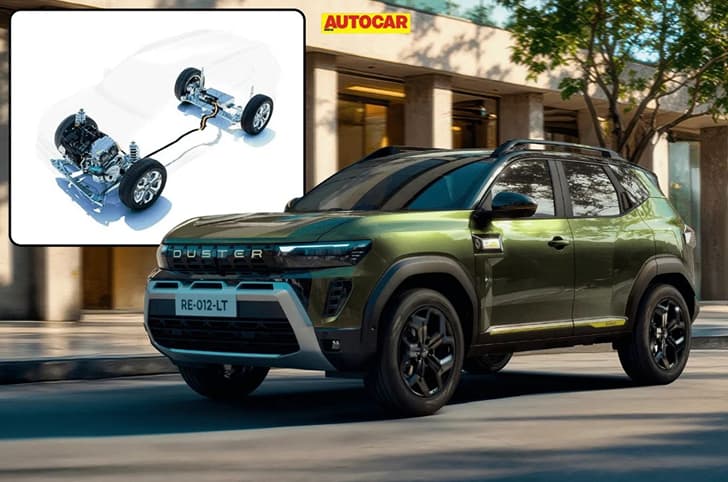
In most modern strong-hybrid setups, the battery is packaged low in the floor or under the boot area, not under the rear seats. This means rear seat legroom and seating position remain largely unchanged. Even globally, the Duster sold as the Dacia Duster hybrid manages its battery packaging quite well, with minimal impact on cabin space. So, from a passenger comfort point of view, it should feel very similar to the ICE version.Where you may see a change is in the boot area. To accommodate the battery, the boot floor can be slightly raised, something we have already seen in cars like the Toyota Hyryder and Maruti Grand Vitara. This can reduce usable boot depth a bit, but manufacturers usually integrate it neatly, so the impact is not drastic.
Kathiravan Anandan
•1wI’m Kathir from Chennai. I have been following Autocar for many years, and it has always been interesting and useful, with clear explanations. I often recommend Autocar to others for reliable information, so thanks to the entire team! I currently drive a 2008 i10 1.2 Magna, and my wife drives a 2016 Grand i10 Asta automatic, which has now covered 92,000 km. We are planning to sell this car and buy a new automatic petrol car within a ₹20 lakh on-road budget. Earlier, choosing a car was easier, but now it feels more confusing. We like Hyundai cars but now, we are open to trying other brands. We have test-driven the Ertiga AT, Victoris AT, Creta AT, and Carens AT, and are also planning to test Volkswagen and Skoda models. I like the Sierra, Duster, and XUV 7XO, but I am not fully confident about buying them. I am also unsure whether to buy a new car or consider a used one. Please suggest both a new car option and advice on buying a used car.

Autocar India
You are upgrading from a Grand i10 automatic and want something that is easy to drive, comfortable for family use and reliable for long-term ownership. The Creta ticks all those boxes. The IVT automatic is smooth and effortless in city driving, the ride is soft and comfortable which your family will appreciate, and Hyundai’s aftersales experience is something you are already familiar with. It also feels like a proper step up in space, comfort and overall refinement without being intimidating to drive.The Grand Vitara automatic is a good alternative if fuel efficiency is a priority. It is smooth and easy to drive, but the engine feels less responsive and overall it does not feel as premium or as refined as the Creta. The Ertiga and Carens Clavis are practical, but they are more MPV-focused and since you do not specifically need a third row, they are not the best fit.Cars like the Sierra, Duster and XUV 7XO are interesting, but your hesitation is valid. They are either new or evolving products, and compared to the Creta, they do not offer the same level of proven reliability and ownership peace of mind yet.