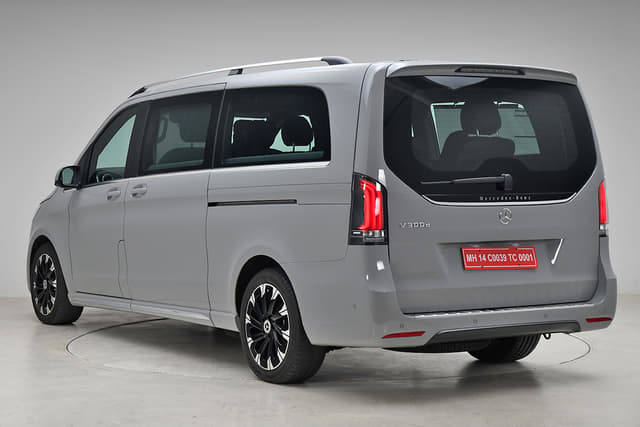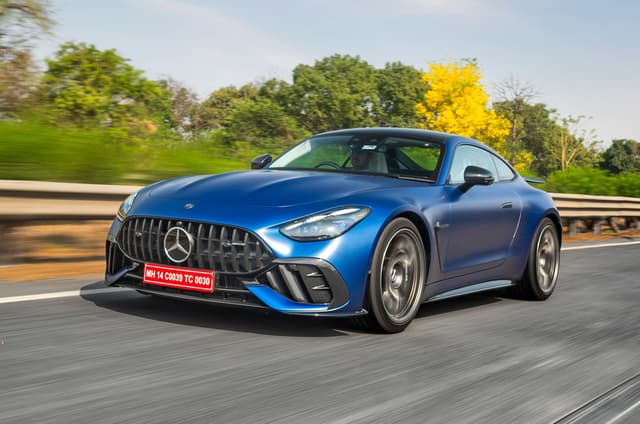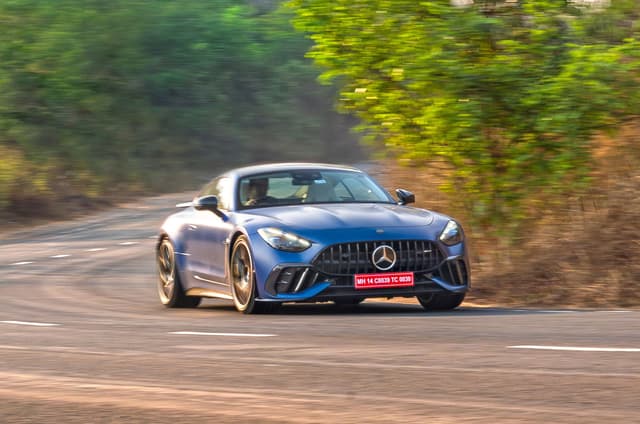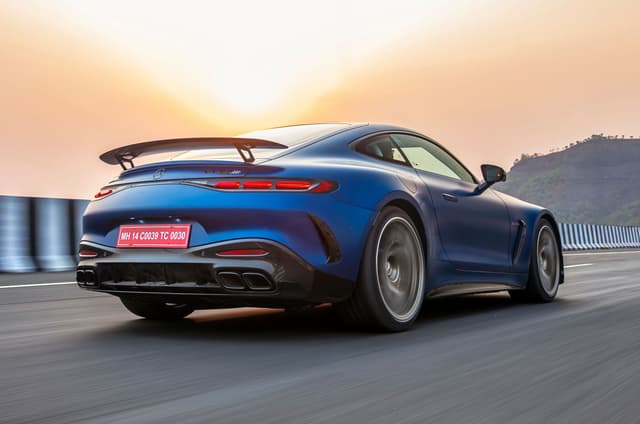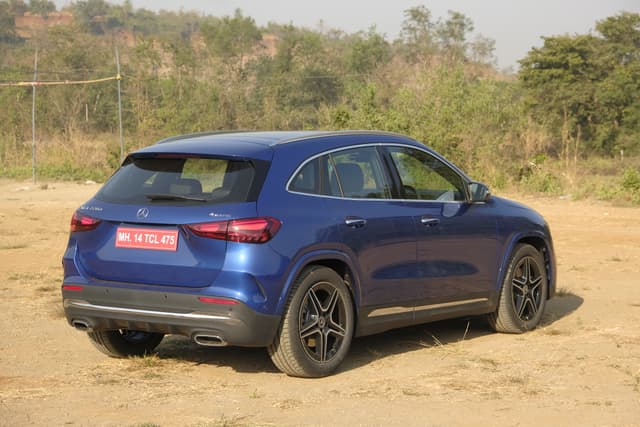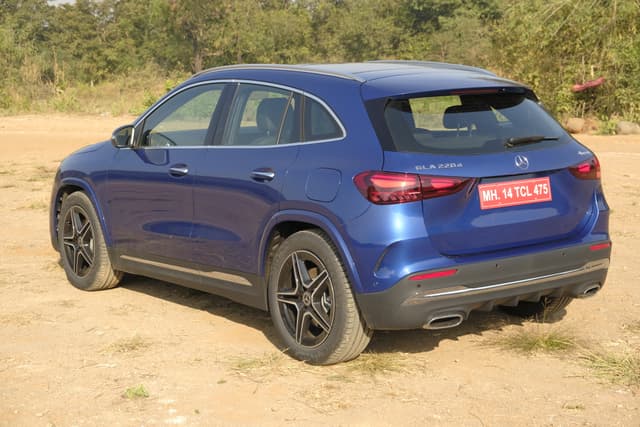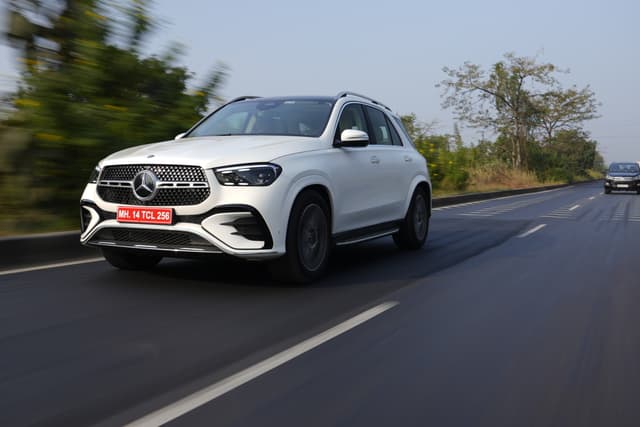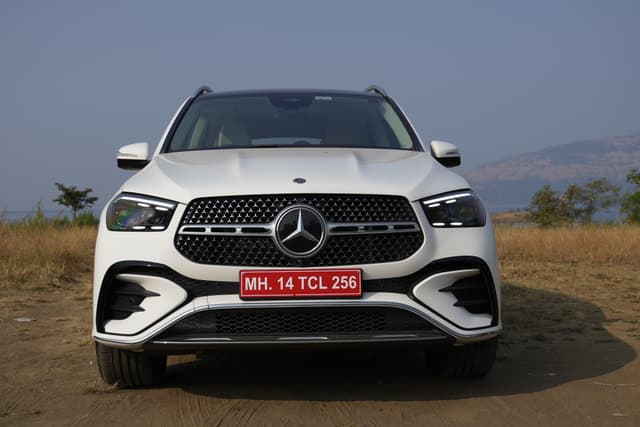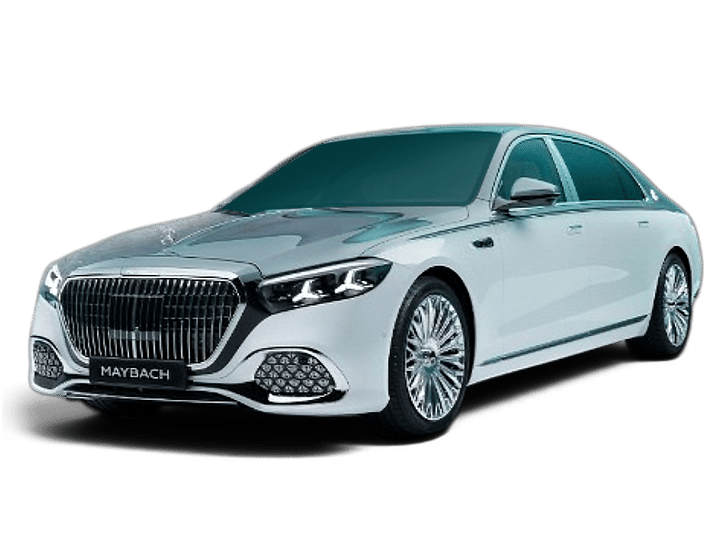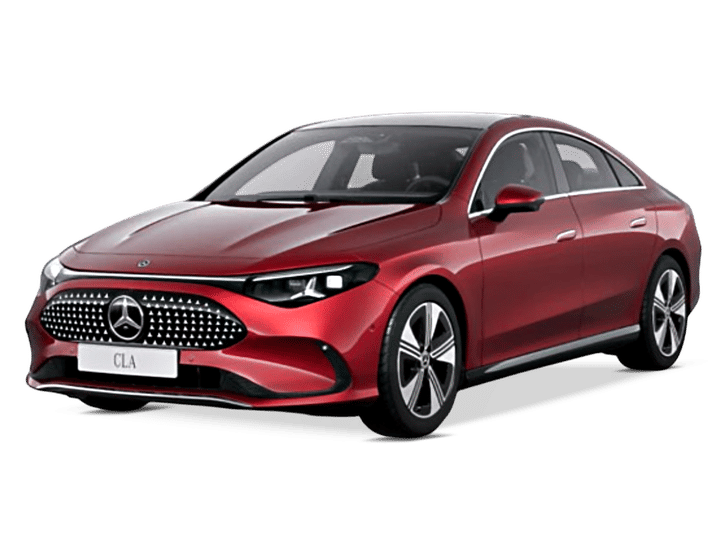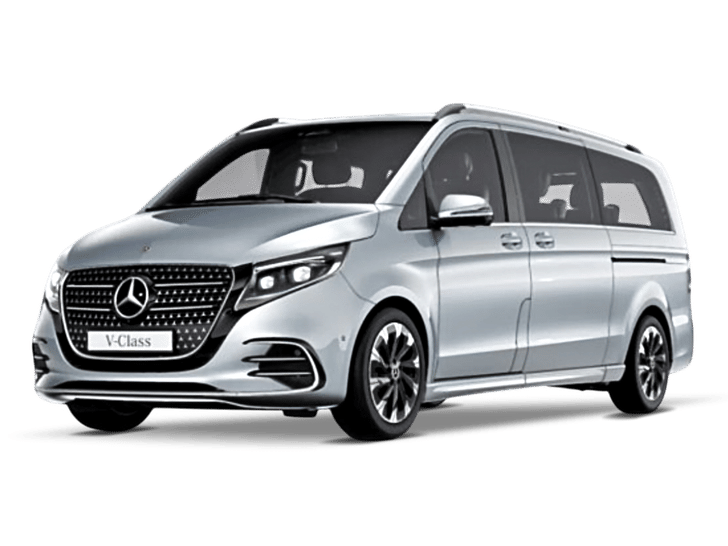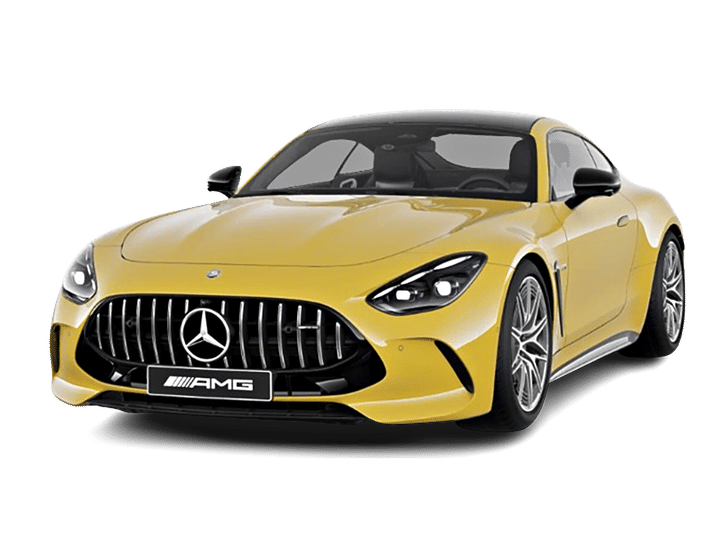
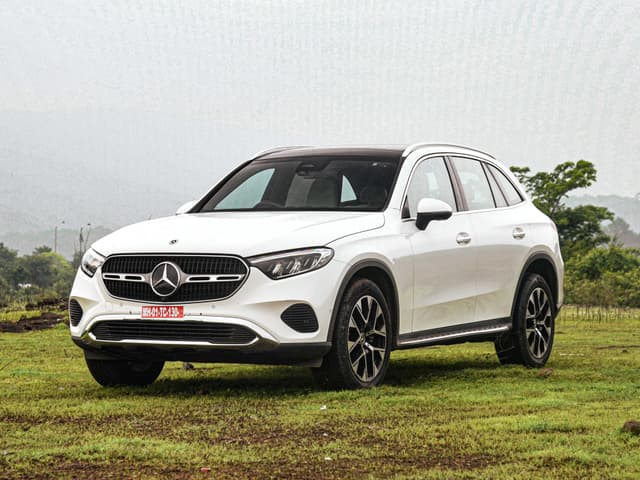
Mercedes-Benz cars in India (22)
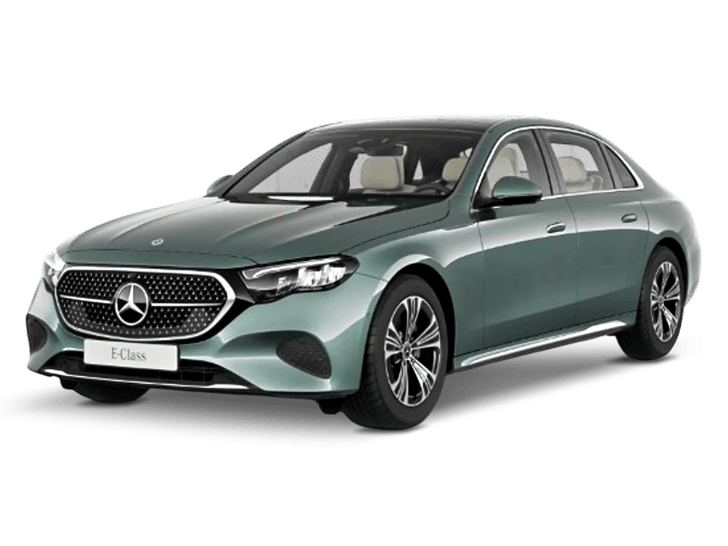
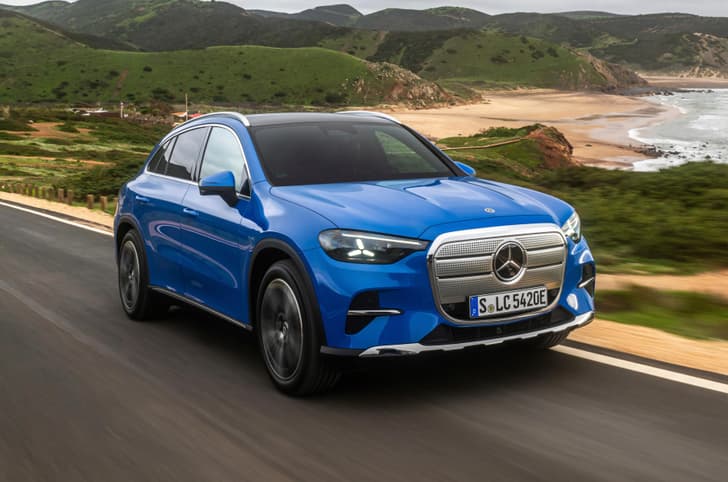
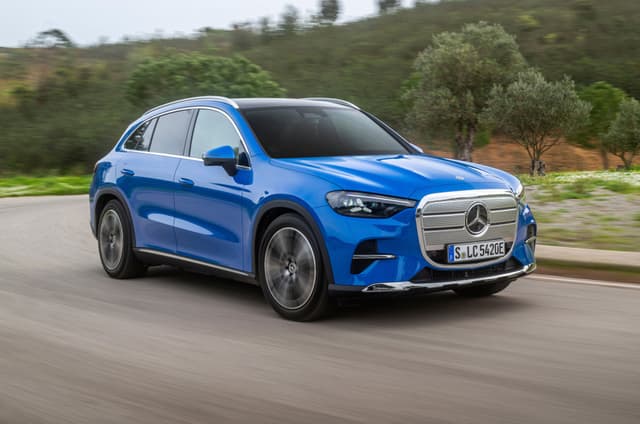
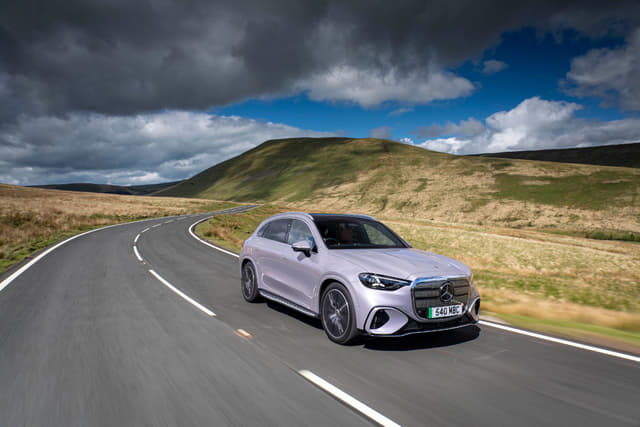
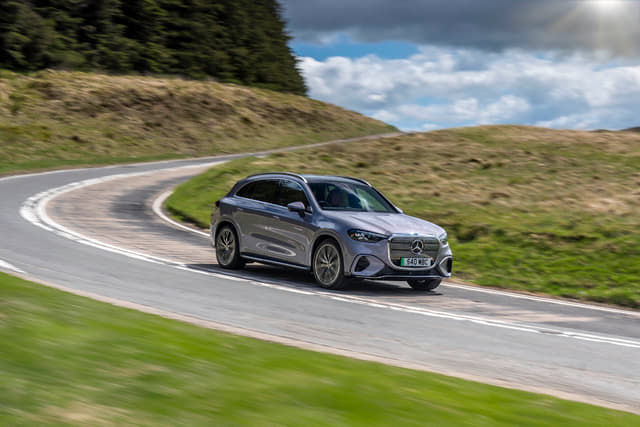
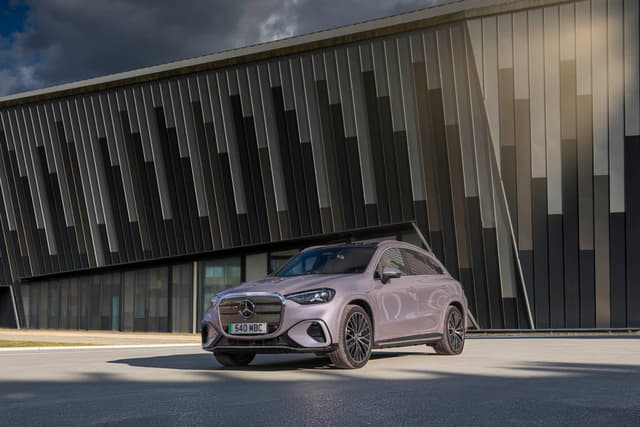
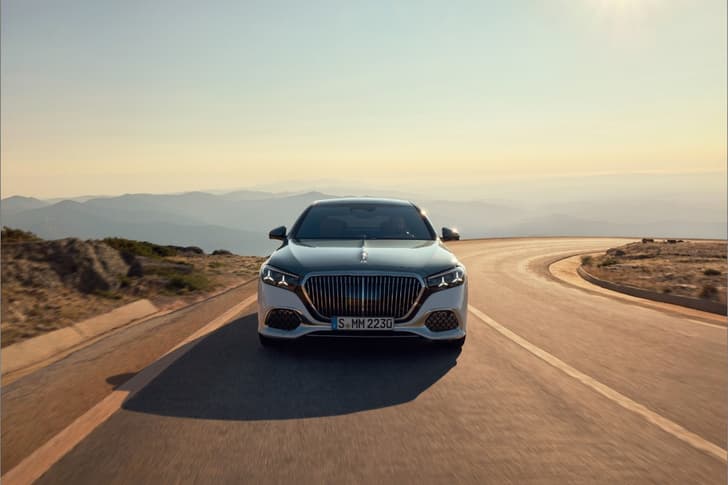
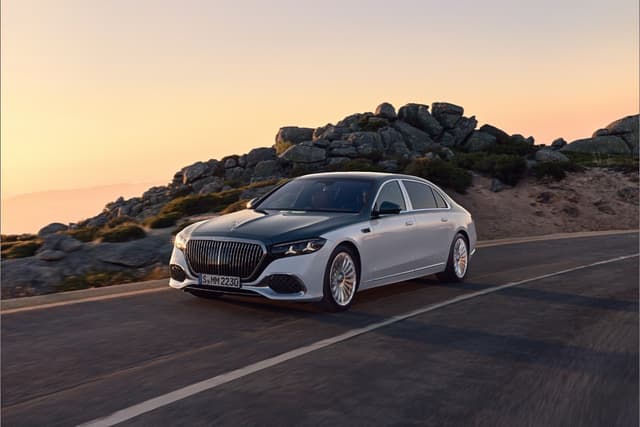
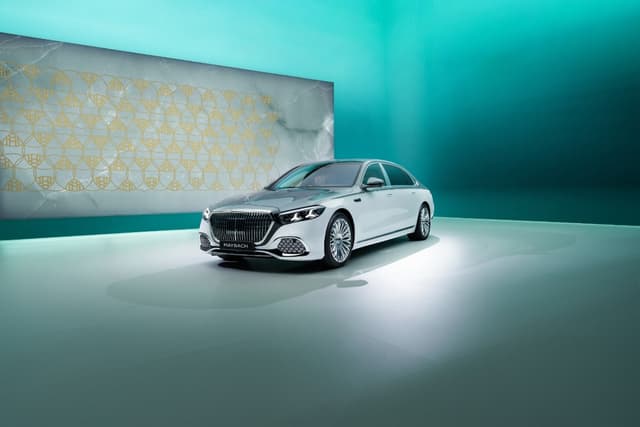
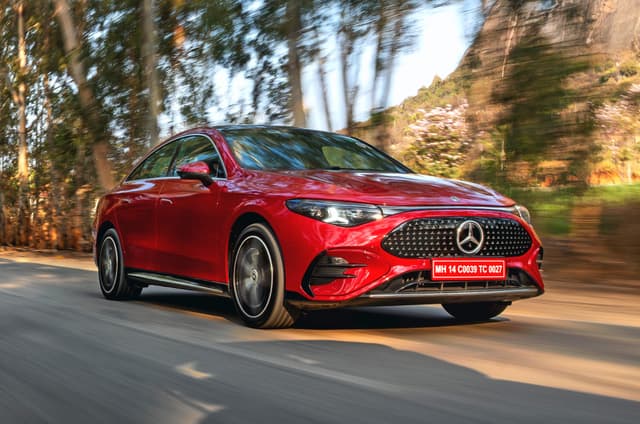
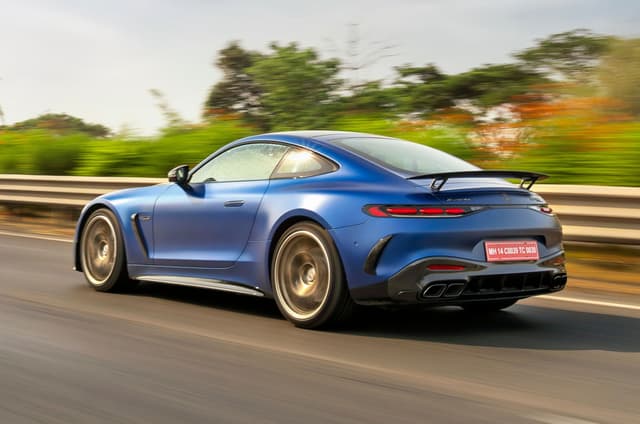
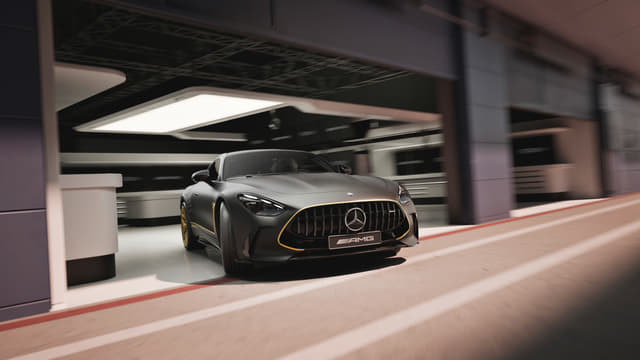
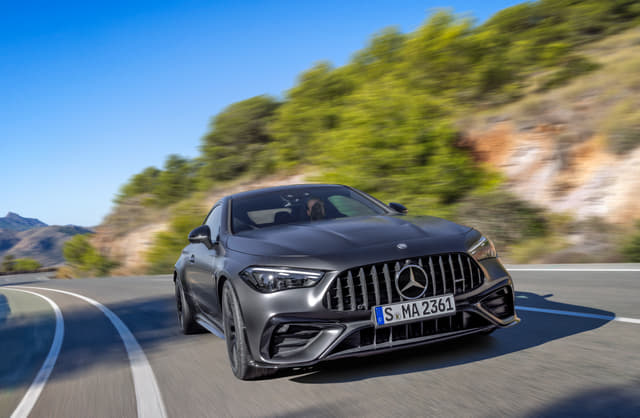
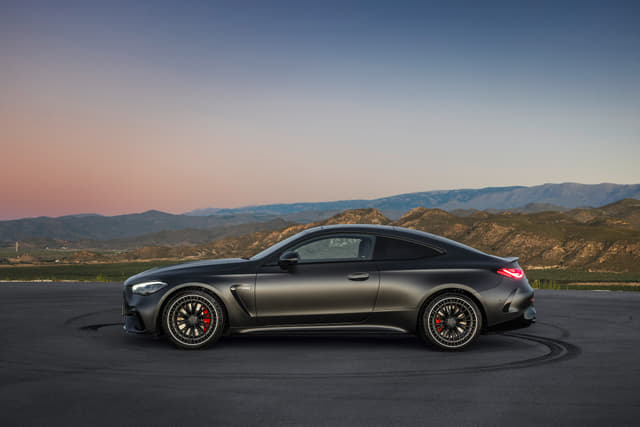
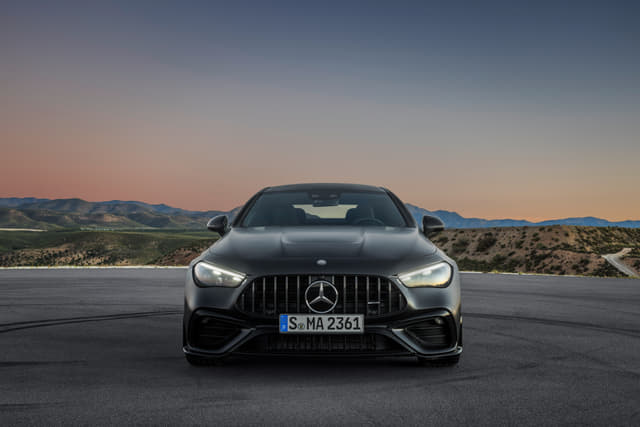
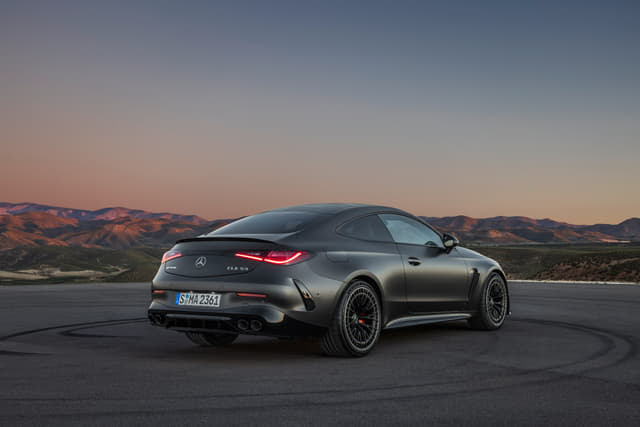
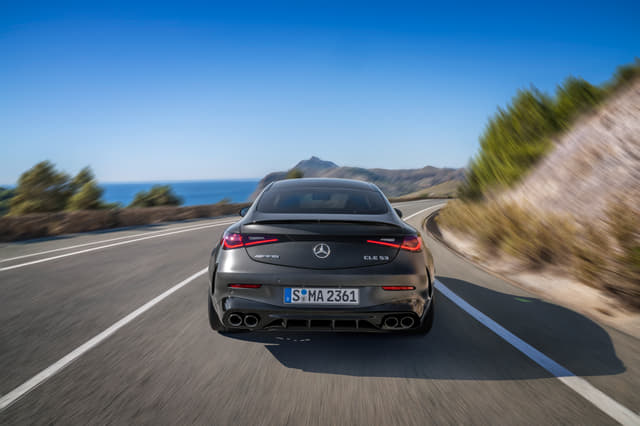
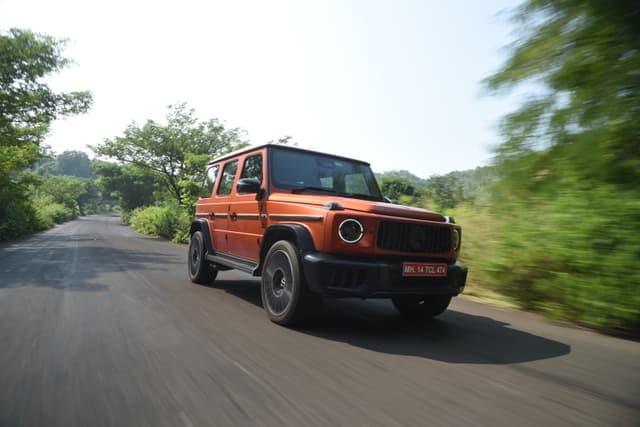
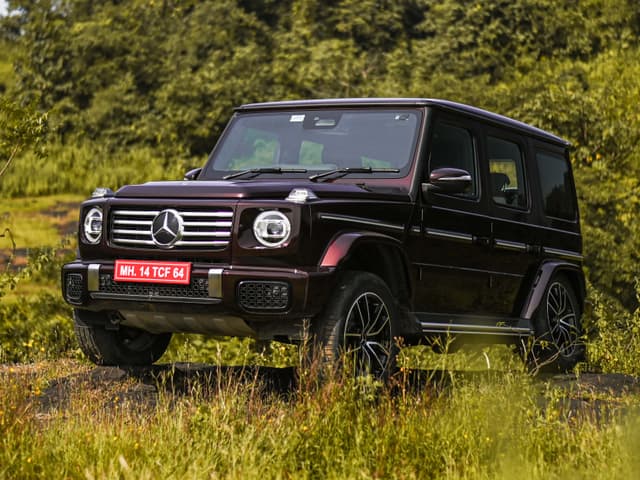
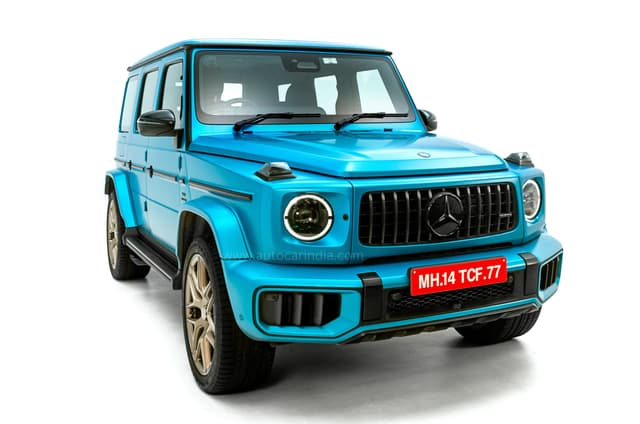
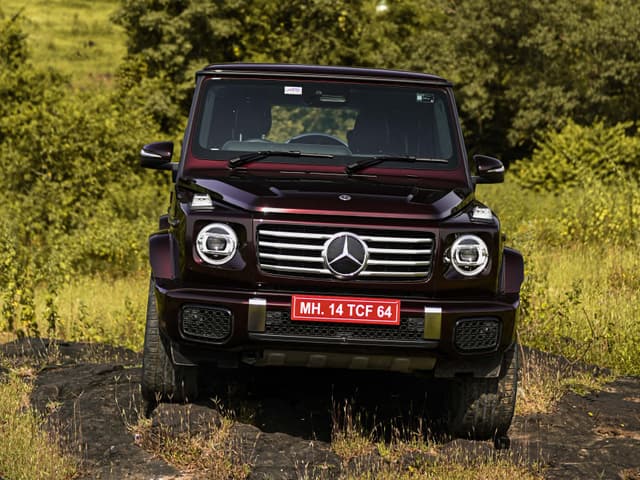
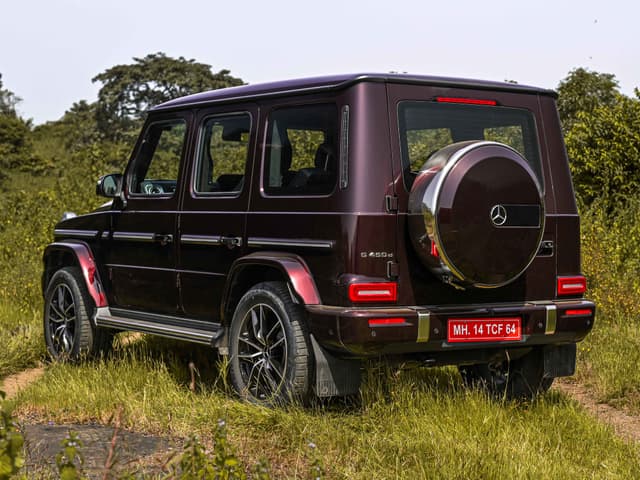
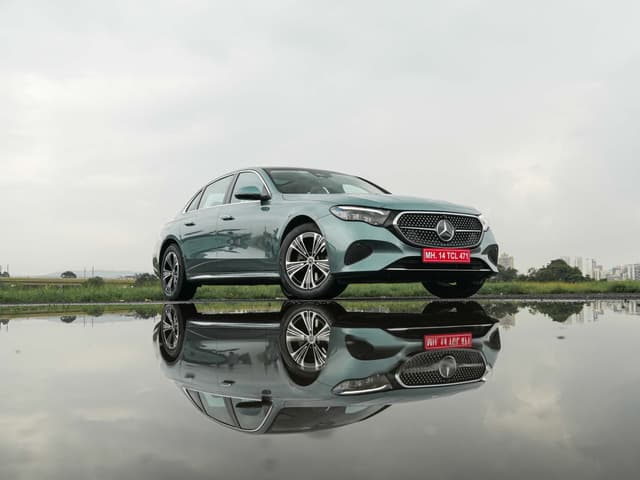
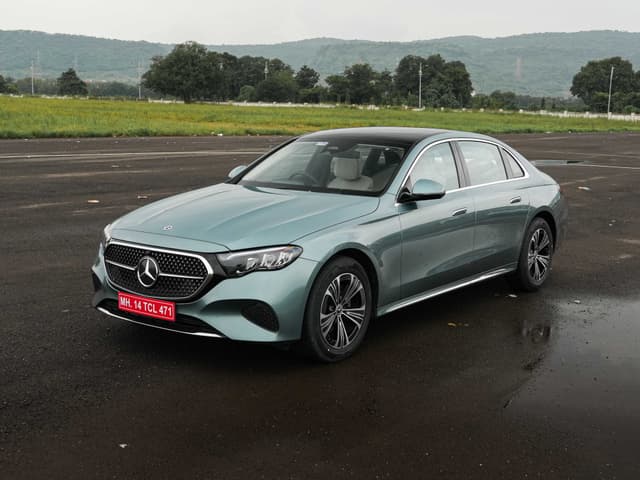
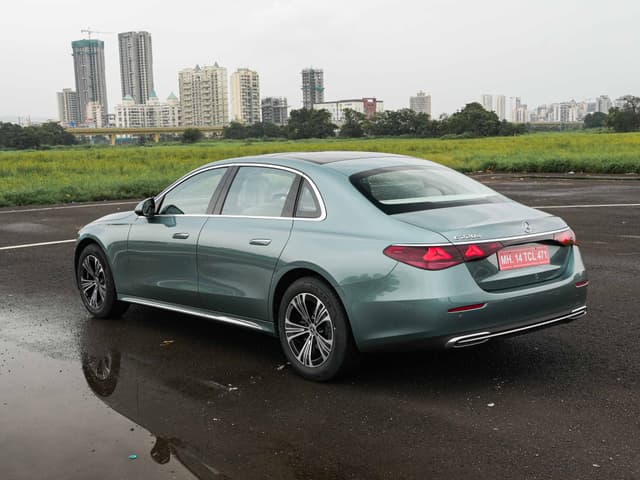
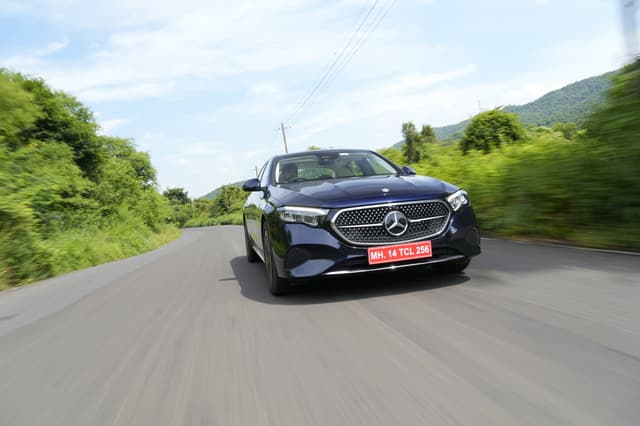
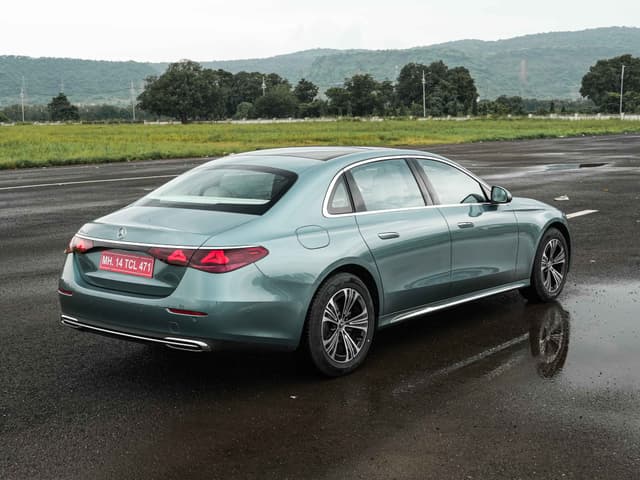
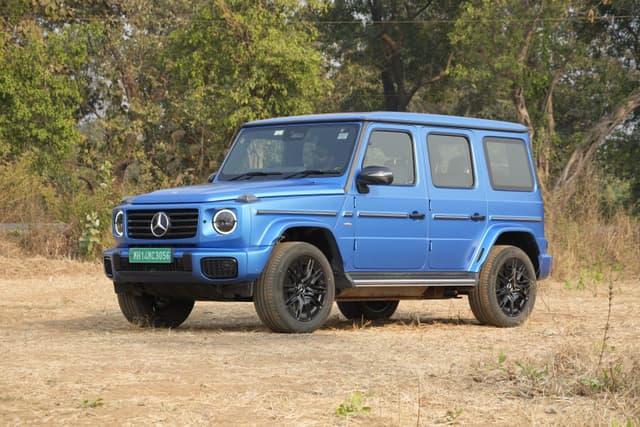
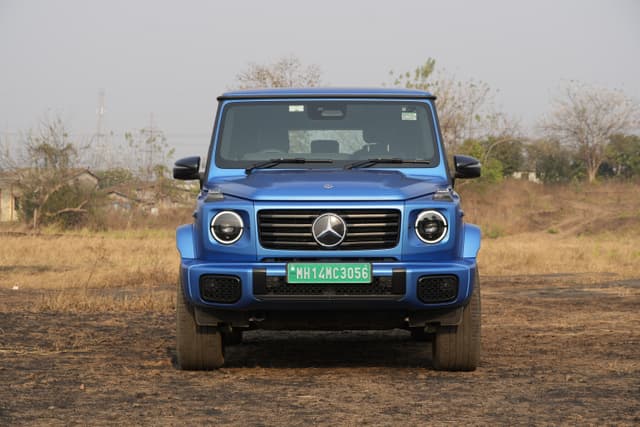
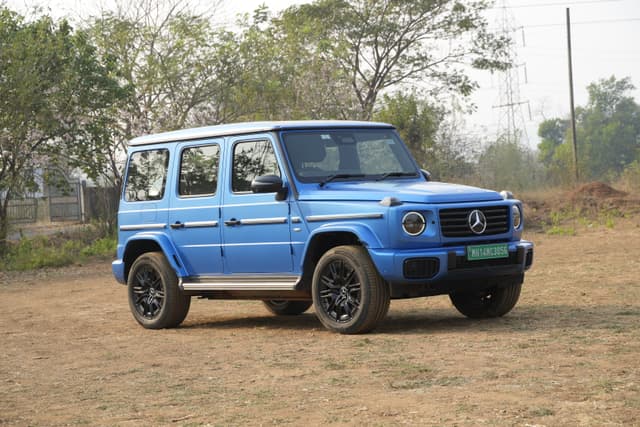
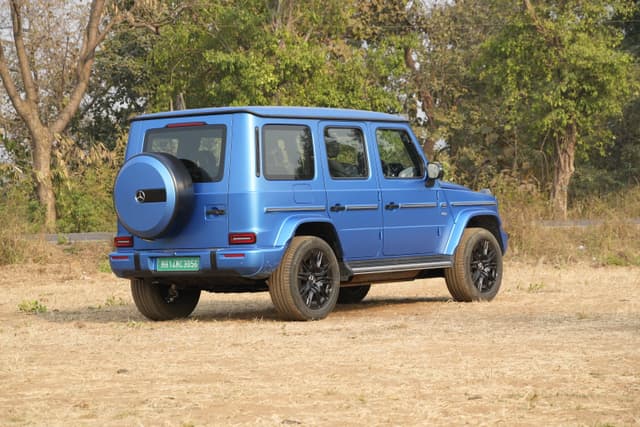
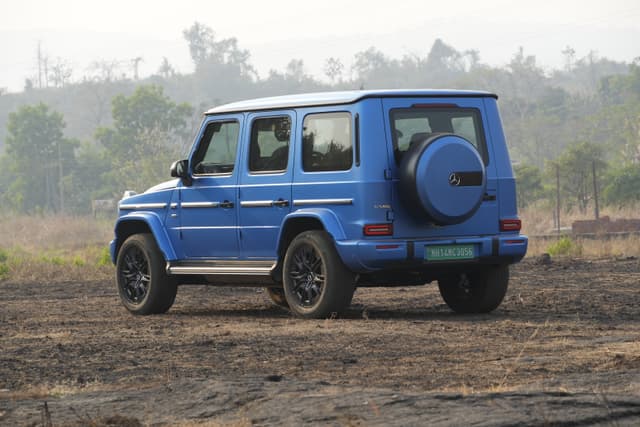
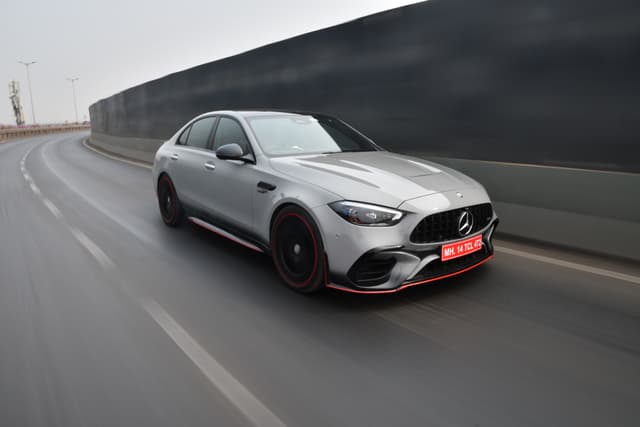
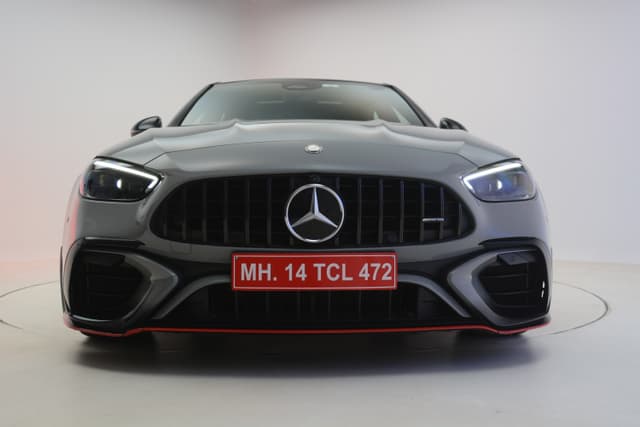
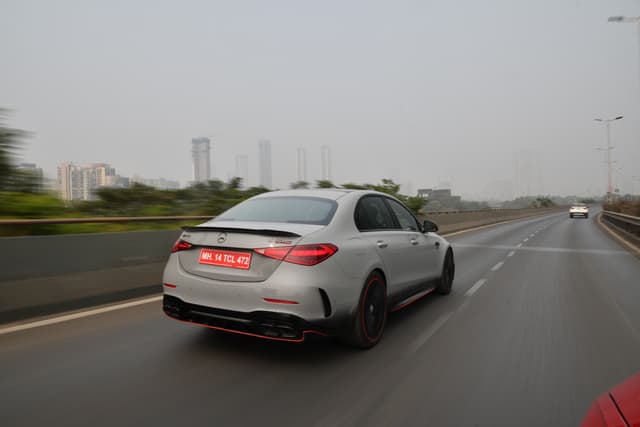
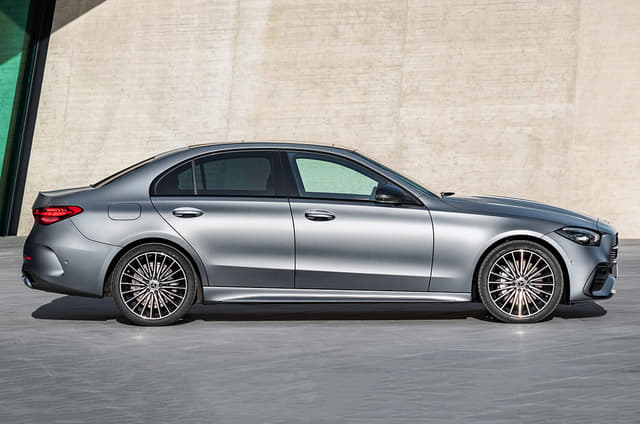
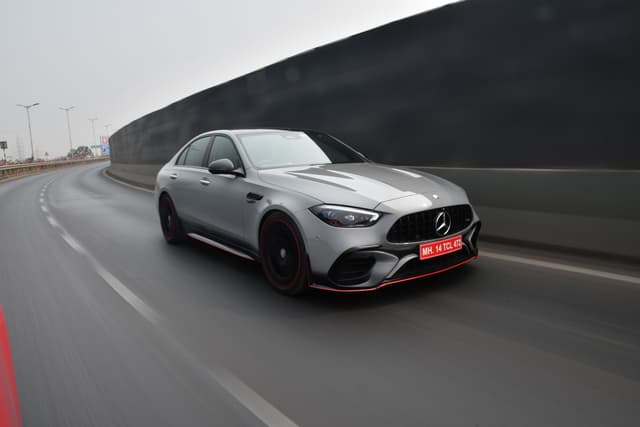
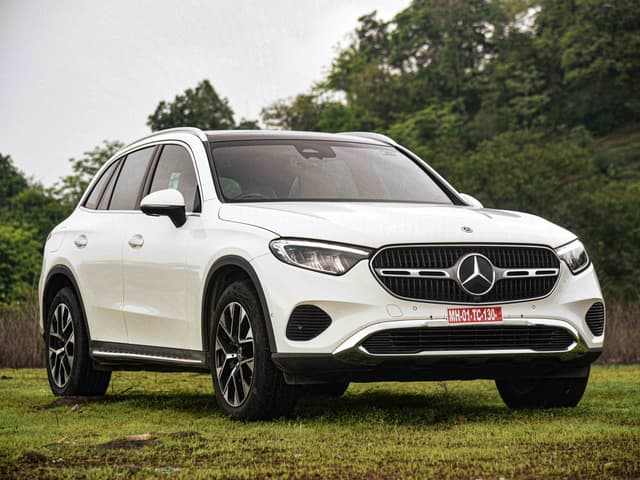
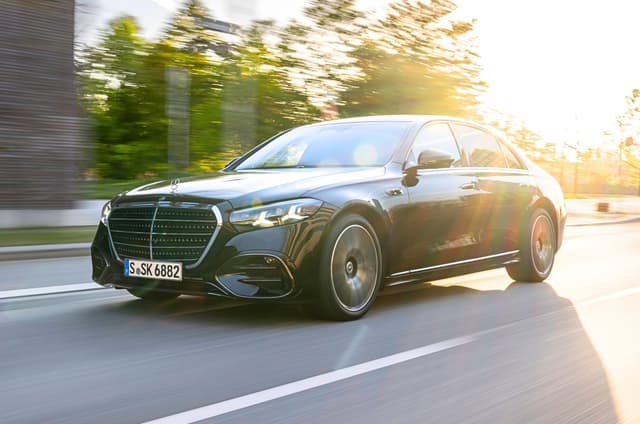
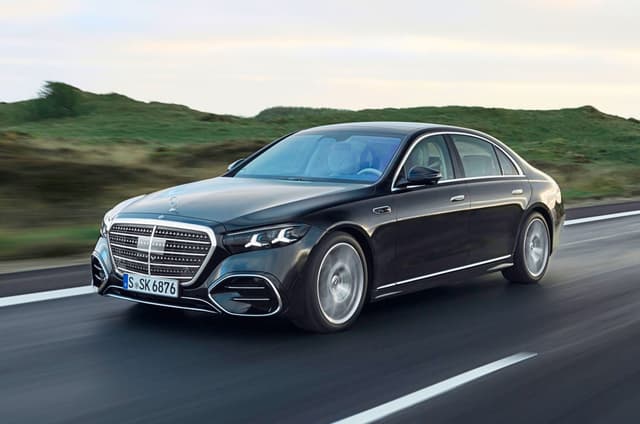
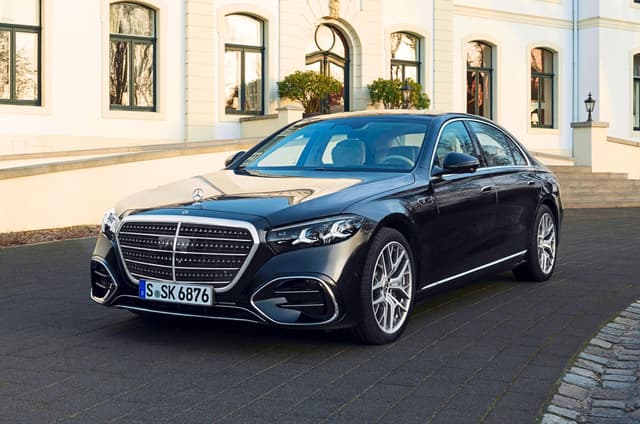
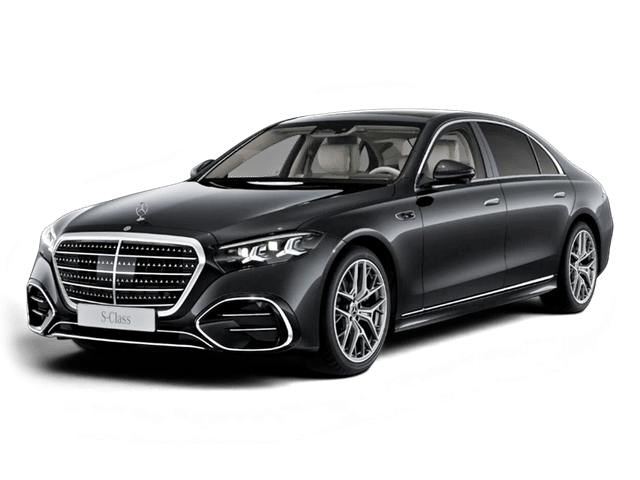
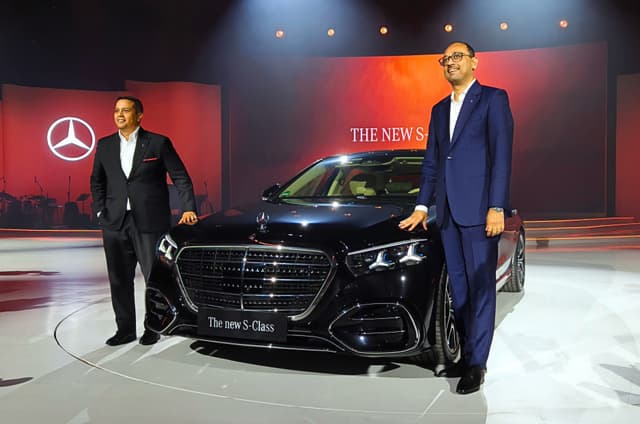
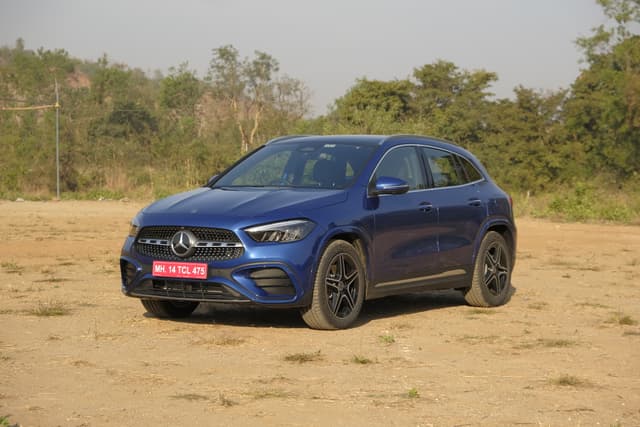
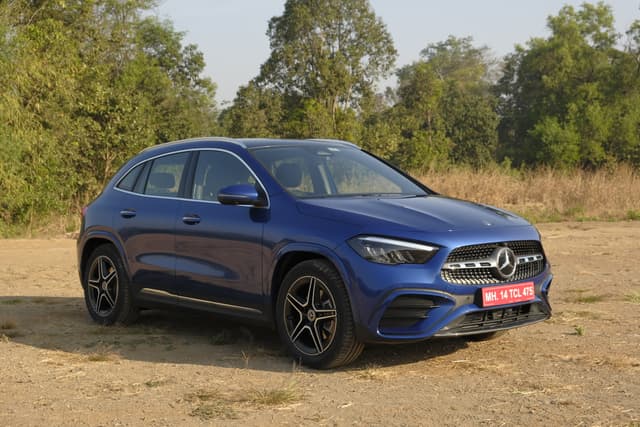
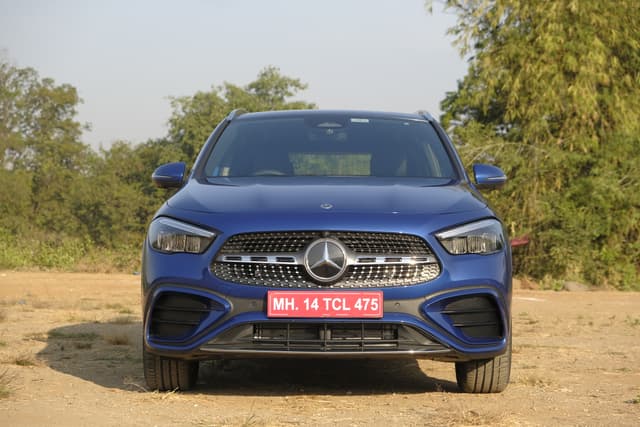
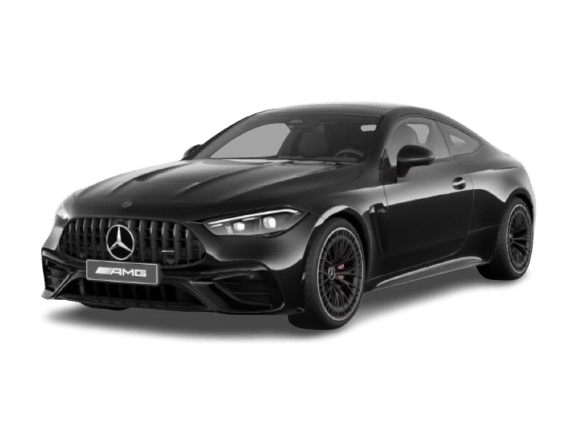
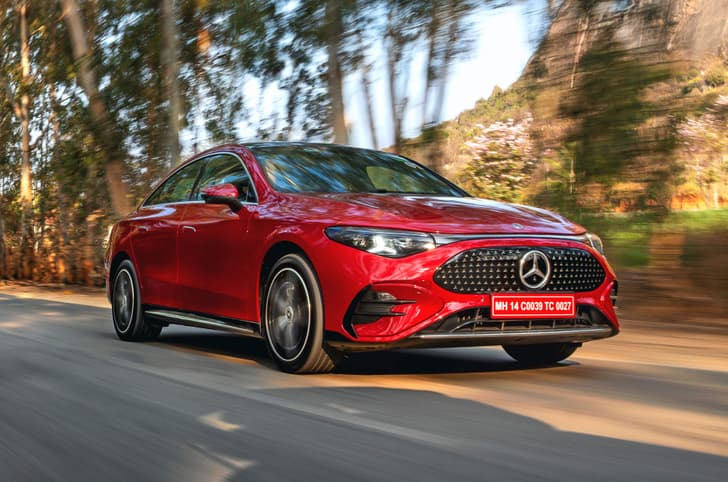
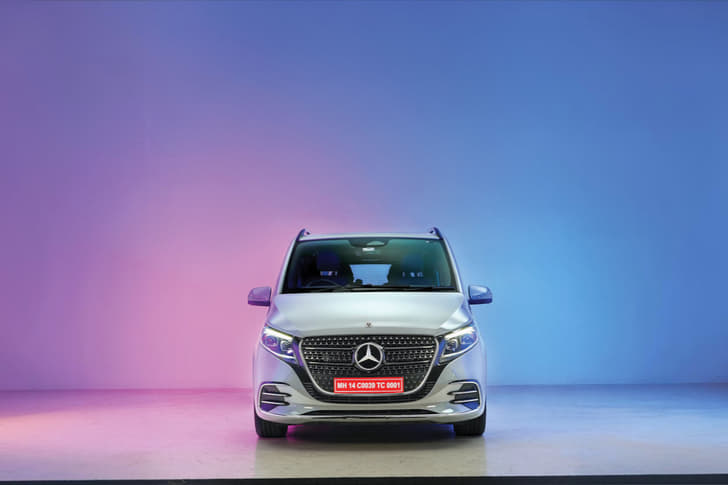
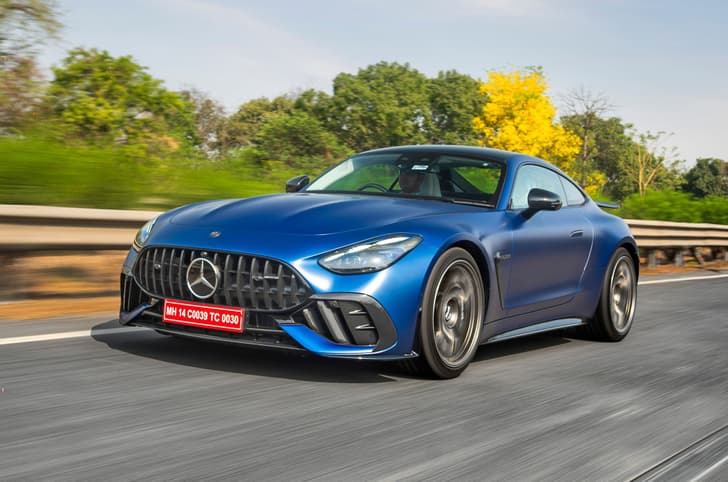
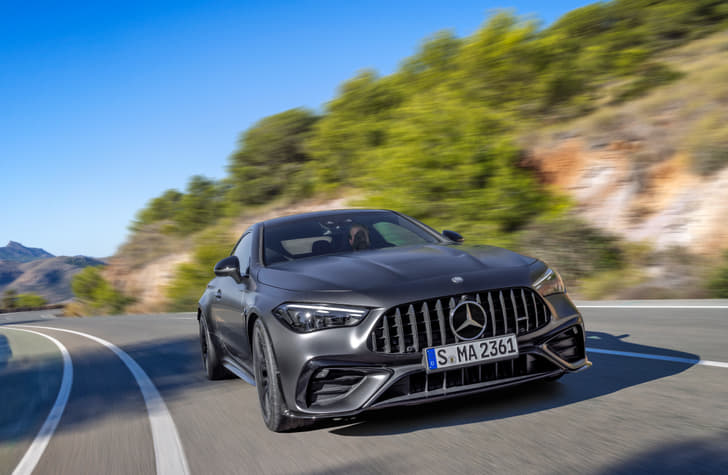
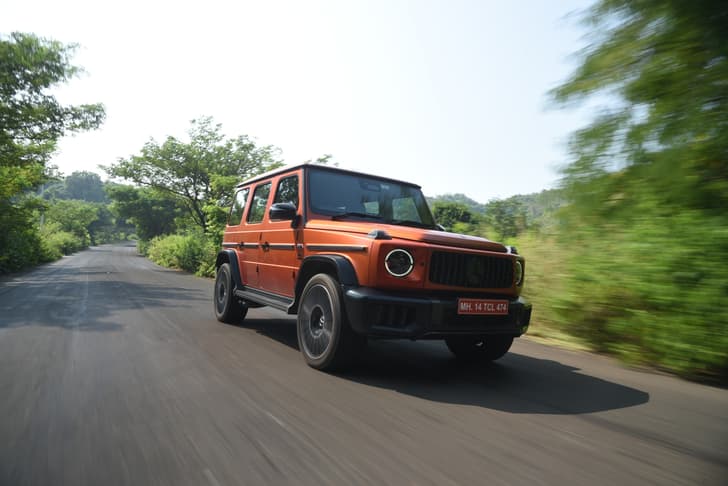
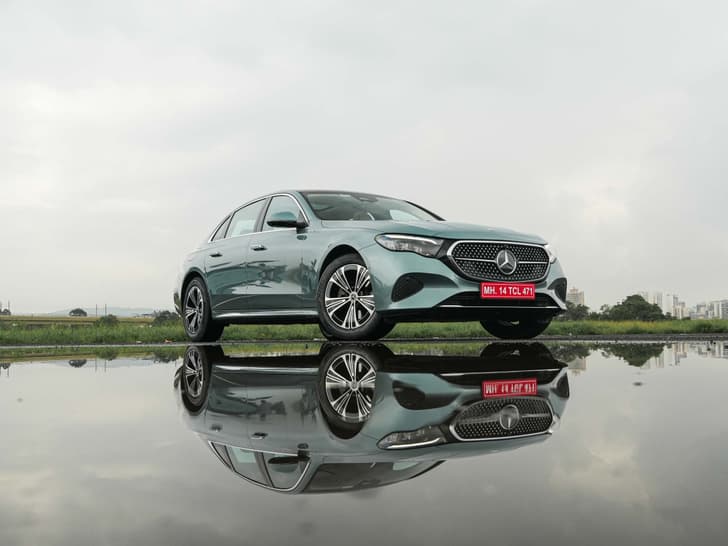
Mercedes-Benz was established in India in 1994 when the German marque introduced the W124 E-Class. Fifteen years later, in 2009, Mercedes set up its local production facility in Chakan, just outside Pune. Mercedes-Benz India also includes the performance division, AMG, and the ultra-luxury division, Maybach. Mercedes retails almost every body type, which include petrol, diesel, plug-in hybrid and fully electric models.


Find cars by body type


Find cars by body type


Filter your search


Filter your search
Mercedes-Benz Cars - FAQs
As of July 2026, there are 27 Mercedes-Benz models on sale in the Indian market.
Mercedes-Benz's range-topping models like the S-Class, GLS, G-Class and the fully electric EQS SUV saw a growth in demand in India during the 2025-2026 financial year. Moreover, the brand also claims that its niche Maybach sub-brand also seen an uptick in sales.
Indian customers have always had a special place in their hearts for Mercedes-Benz. After all, it was the first German luxury brand to reach our shores. However, when it comes to absolute build and material quality of the interior and its overall fit & finish, BMW has had the edge for quite sometime now.
Mercedes-Benz's 8 core models in India all offer customers diesel engine options. These include the brand's top-selling sedans such as the C-Class and E-Class, plus popular SUVs like the GLC, GLE and GLS.
Trending Questions on Mercedes-Benz Cars - Answered by Autocar Experts
Does a plug-in hybrid combine an ICE and an EV? Can it run on the ICE for long journeys and as an EV for local driving? Which cars are available in this segment?
Yes, a plug-in hybrid (PHEV) is exactly that - a combination of an internal combustion engine (ICE) and an electric motor with a battery that can be charged from an external source. The idea is that you can use the electric-only mode for short local trips, and then the car seamlessly switches to the petrol engine for longer journeys, so you never have to worry about range.In India, however, the options are quite limited. You have the Mercedes S 450e at the top end as the only plug-in hybrid available at the moment. However, JSW MG is launching the MG Hector Tomahawk later this week, a plug-in hybrid, and next year you will get a Jetour T2-based SUV from JSW, also a plug-in hybrid. Other than these, there are no PHEV options for now.
I have a Škoda Superb L&K 2022, which comes with a front-wheel-drive (FWD) drivetrain, while in some international markets, the Superb has been offered with a rear-wheel-drive (RWD) setup. My first question is: how does FWD differ from RWD in terms of basic driving dynamics? Secondly, what does chassis weight distribution mean in a car, and what significance does it have for driving dynamics and handling? Is an ideal weight distribution necessarily associated with an RWD setup? Also, is it correct to say that RWD is always better than FWD or AWD? Finally, does a four-cylinder engine with twin turbochargers have any significant advantage over an inline-six-cylinder engine?
The Skoda Superb is a front-wheel-drive car globally, including in international markets. There is no rear-wheel-drive version of the Superb. The confusion may come from the fact that some premium sedans in the same segment, such as the BMW 5 Series and Mercedes E-Class, are rear-wheel drive, but the Superb itself is not. The Superb is available in some markets with AWD (all-wheel drive), but that too is a front-biased system with the rear wheels driven only when needed.The difference between FWD and RWD is most noticeable in driving dynamics. In a front-wheel-drive car, the front wheels are responsible for both steering and putting power down, which can lead to understeer (the car does not turn as much as intended) and torque steer (the car pulls to one side on its own) when pushed hard. In a rear-wheel-drive car, the front wheels steer while the rear wheels deliver the power, which generally results in better balance and a more engaging driving experience, especially in performance driving.Weight distribution refers to how the car's mass is spread between the front and rear axles. A 50:50 weight distribution is often considered ideal because it helps the car remain balanced during cornering. This is not exclusive to rear-wheel-drive cars, but it is easier to achieve in RWD layouts because the drivetrain components are more evenly distributed along the length of the car.It is not correct to say that RWD is always better than FWD or AWD. Each layout has its own advantages. FWD is more space-efficient, cost-effective, and better in slippery conditions; RWD offers better driving dynamics; and AWD provides the best traction in all conditions.On the engine front, a 4-cylinder twin-turbo can produce impressive power and torque, and tends to be lighter, but an in-line 6 or V6 is inherently smoother and more refined. A larger-capacity engine tends to also be more effortless than a boosted low-capacity engine making the same power output. The choice between the two depends on the application: the 4-cylinder is lighter and more efficient, while the inline-6 offers a more premium and refined driving experience.
I want to buy a car in the Rs. 60 lakh to Rs. 70 lakh range. An SUV seems like the more practical choice, but there aren't many exciting options from BMW or Mercedes-Benz in this budget. Sedans like the BMW 3 Series are available, but I am concerned about their low ground clearance, especially since the roads in my area are not in great condition and waterlogging is a common issue. Toyota appeals because of its reliability, but I don't find the interiors very appealing. As for Skoda and Volkswagen, I am not very confident about their after-sales service. Would the BMW 3 Series still be comfortable and practical to own on bad roads and during waterlogged conditions? Above all, I want complete peace of mind after the purchase.
Within a budget of Rs. 70 lakh, the BMW 3 Series is one of the best choices. However, if ground clearance is a concern, an SUV would be the more practical option. Equivalent SUVs such as the BMW X3 and the Mercedes-Benz GLC will require stretching the budget by another Rs. 10-15 lakh. Otherwise, the alternatives will have to come from a segment below.Since comfort is a priority, it would be worth waiting for the upcoming BMW X1 Long Wheelbase, which is set to launch on 21 August. As it will be assembled in India, pricing is expected to remain competitive and within your budget.The Audi Q3 and Q3 Sportback are also worth considering. They offer a refined petrol engine, smooth performance, and a high-quality cabin. Their only drawback is that they are not the most modern in terms of features. With the new-generation Q3 expected to arrive soon, attractive discounts on the current models are also likely.
I have an Audi Q3 (that I want to replace) and an Innova. My budget is Rs. 1.3 crore (on-road), and I use my car mainly for city driving, with an average speed of 20 kph. I need a car that delivers a minimum mileage of 10 kpl, is easy to manoeuvre, and has features like a powered tailgate and ventilated seats.
Since mileage is key, most petrol-powered luxury SUVs available in this price will deliver single digit figures, especially given your average speeds of 20kph. The Lexus RX is a car that might interest you. Being a hybrid, fuel efficiency is likely to be impressive. Further, this Lexus car isn't too large to feel cumbersome to drive in the city. Also, it is well-equipped with powered tailgate and ventilated seats that you're looking for.If you're looking for something that's a bit more fun-to-drive, and you don't mind opting for a diesel, you could pick between a BMW X5 and a Mercedes-Benz GLC. The BMW car will be a bit nicer to drive but it misses seat ventilation, while the Mercedes' interior is very impressive, and it packs in the features you're looking for. Hence, it is the GLE 300d that would get our vote.
Hi Autocar team, I'm buying my first luxury sedan and have shortlisted the newly launched Lexus ES350h, BMW 530Li LWB and Mercedes E-Class LWB. I plan to keep the car for 10-12 years, so reliability, comfort, refinement and low ownership costs matter more to me than outright performance. If all three had the same badge, I'd choose the Lexus. However, the BMW and especially the Mercedes have much stronger brand recognition in India, and my family feels that matters at this price point. The Mercedes is also around 20 lakh more expensive than the Lexus on-road. Given my priorities, would you still recommend the Lexus, or do the BMW/Mercedes offer enough additional ownership satisfaction over the long term to justify the higher price?
Given your priorities of long-term ownership, reliability, comfort and low running costs, the Lexus ES Hybrid 350h is the most sensible choice. The hybrid powertrain is refined, efficient and well-proven, and Lexus has a strong reputation for reliability and low ownership costs over a 10-12 year period. The new-generation ES that's just been launched is also a genuinely comfortable and luxurious car, with a focus on refinement and rear-seat comfort that suits your usage perfectly.The BMW 530Li LWB and Mercedes E-Class are both excellent cars, and the Mercedes in particular has the strongest brand pull in India. However, as you've pointed out, this Mercedes-Benz car is significantly more expensive than the well-priced Lexus. Similarly, the BMW 530Li LWB is priced higher and offers a more engaging driving experience, but that does not seem to be your primary requirement.If you are genuinely happy with the Lexus car, we would not let brand perception override that decision. The ES 350h is genuinely a premium sedan, and over a decade of ownership, the satisfaction of a reliable, comfortable and refined car will matter far more than the badge on the bonnet.
Last Updated on: 15 Aug 2026