
Maruti Suzuki cars in India (19)




FAQs
Trending Questions on Maruti Suzuki Cars - Answered by Autocar Experts
My 80 to 90 percent running is in the city. I want an automatic car, and I am confused between the Maruti Brezza AT, Honda Amaze CVT, and Hyundai Venue DCT.
I am looking to buy an EV within a ₹20-21 lakh budget. Right now, I am confused between the MG Windsor Pro Essence trim and the Maruti e Vitara Alpha trim. Which one should I go for?
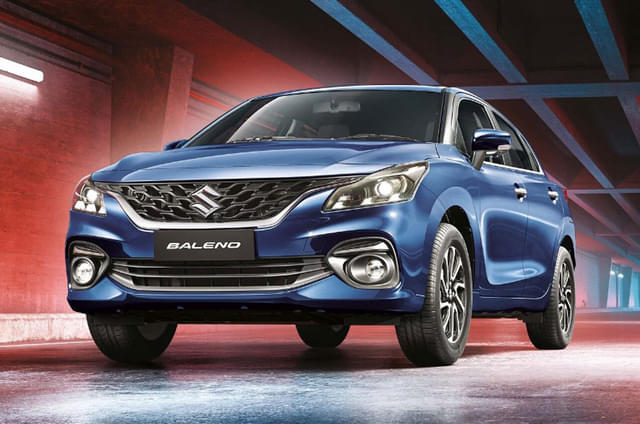
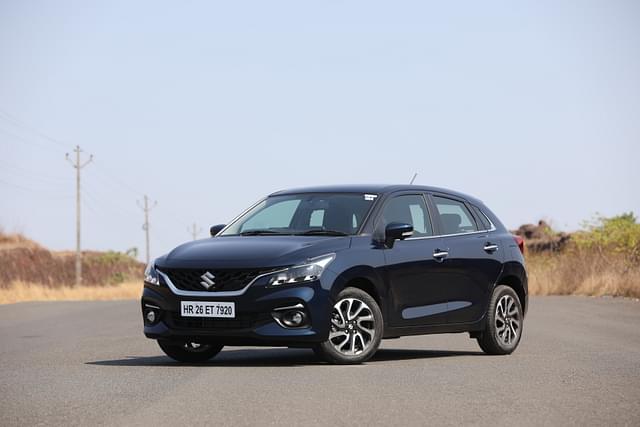
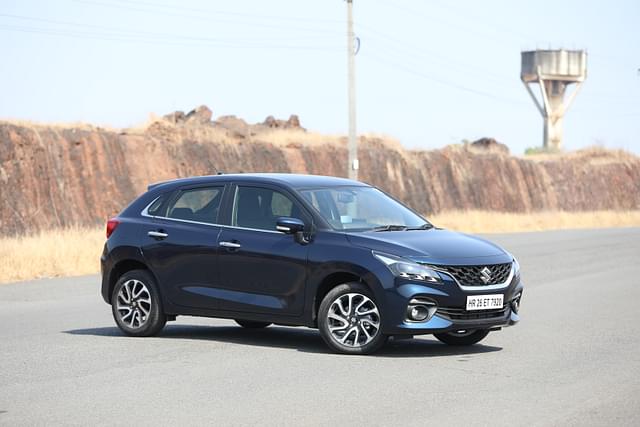
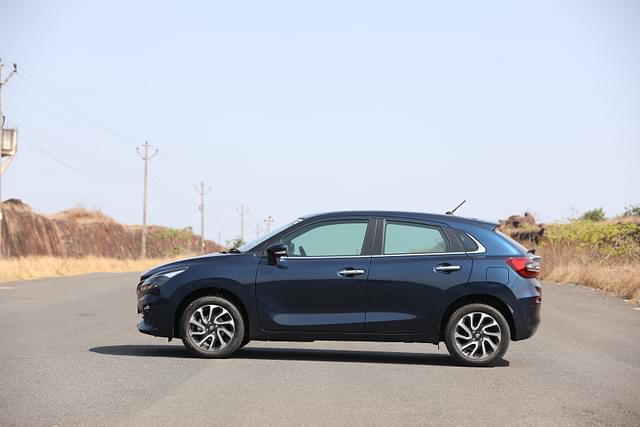
Hi Autocar team! My driving is almost 80% in the city (about 30-40 km/day) with a 1,000 km highway run once every 3 months. I’m confused between the Maruti Baleno AMT and the Tata Punch EV. Please suggest which one I should pick between these two.
If you have the option to install an EV charger at your home or office or have easy access to EV charging, we'd suggest you go for the Tata Punch EV. It makes for a very good city car, with highlights being smoothness and refinement made possible by the EV powertrain.
The Punch's relatively small size also makes it easier to drive and park, in case that's a consideration. The Punch EV 40kWh also has the power for your highway journeys. Also, you would need to work your route around the availability of chargers.
The Maruti Suzuki Baleno is a larger car and makes more sense if rear seat space is a priority. It's a good city car with impressive ride comfort. However, the AMT gearbox will not deliver Punch EV-rivalling smoothness.
I want to buy an automatic car, and 90% of my driving will be in the city. I am confused between the Maruti Brezza AT, Honda Amaze CVT, and the new Hyundai Venue DCT.
I am planning to buy an automatic car. My 90% running is on the highway. I am confused between the Hyundai Venue DCT and the Maruti Brezza AT.
I am using Alto for 18 years. I want to upgrade to AMT car with 10-12 lakhs budget. Mostly city ride with occasional highway trips. I like smooth ride with better road visibility. Short listed Amaze, Fronx etc. Please suggest choices
Even though you were thinking of an AMT, the Honda Amaze actually comes with a CVT automatic, which is significantly smoother and more refined than a traditional AMT which the Maruti Suzuki Fronx comes with. From a city driving perspective, the seamless nature of the CVT makes everyday traffic much more effortless and relaxed, especially compared to AMT gearboxes that can feel jerky in stop-and-go conditions.
On the other hand, the Maruti Suzuki Fronx scores highly on practicality and ride comfort. Its SUV-like seating position gives you better road visibility, the cabin feels more spacious, and the rear seats fold flat when you need to carry larger luggage. The Fronx also generally feels more comfortable over rough urban roads and highways compared to the Amaze.
If your priority is the smoothest possible automatic experience for city traffic, the Amaze’s CVT makes it a very easy and stress-free car to live with. But if you value better ride comfort, higher seating position, more space and everyday practicality, then the Fronx is the more well-rounded choice
I have recently got my driving licence. Hence not confident in driving a car. But I plan to buy a car. My budget is under Rs. 11 lacs. Prefers low maintenance cost, good mileage and good thigh support in seating. My daily running will be around 5 km within Kochi city in Kerala. My monthly running will be about 80 km in single journey. Prefers petrol car. My parking space is about 12.5 foot in length. Hence length of car should be less than 12.5 foot. Which car is suitable for me.
The best options for you are the Maruti Suzuki Ignis and the Hyundai Grand i10 Nios.
Both cars are compact and simple to handle, which makes them easy to park in tight spots and suitable for a new driver. These models are well within your budget and known for low running and maintenance costs. They will deliver good fuel efficiency for your short daily runs within Kochi and occasional longer trips of around 80 km.
The Ignis is shorter in length and fits your parking requirement comfortably. It also has a peppy petrol engine and a comfortable ride quality. The Grand i10 Nios is slightly longer than 3.8 metres, but it feels more premium on the inside and offers a refined cabin.
I will be driving a car for the first time. My main usage will be in Bangalore city for office commute and occasional family outings, with plans for short weekend road trips. I am a calm driver and don’t need the fastest engine - I want an automatic petrol 5-seater SUV. My priorities are: Safety features Easy to drive and maintain Good mileage Modern looks (interior & exterior) Sunroof Spacious, especially boot space Value for money with good utility No frequent niggles after purchase My budget is around ₹12 lakh and can stretch a bit. I can wait 3-4 months to buy the car. I see the Tata Sierra as one contender, but please suggest what would be the best option.
You will have to stretch your budget significantly to purchase the Tata Sierra automatic. For around Rs 12 lakhs on-road, what you can shortlist instead are the Mahindra XUV 3XO MX3 Turbo-AT and Skoda Kylaq Signature AT, both of which are safe, spacious, comfortable, and also get a sunroof.
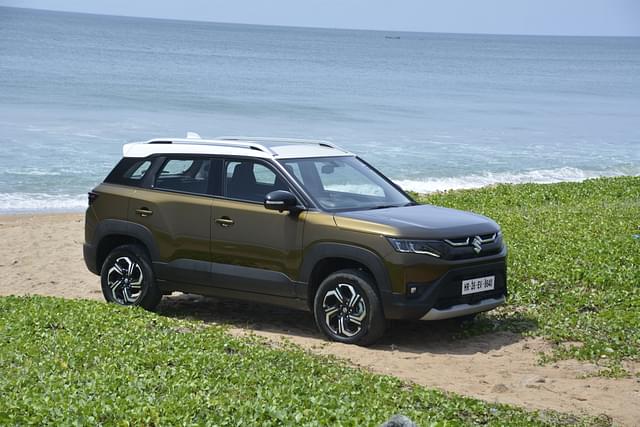
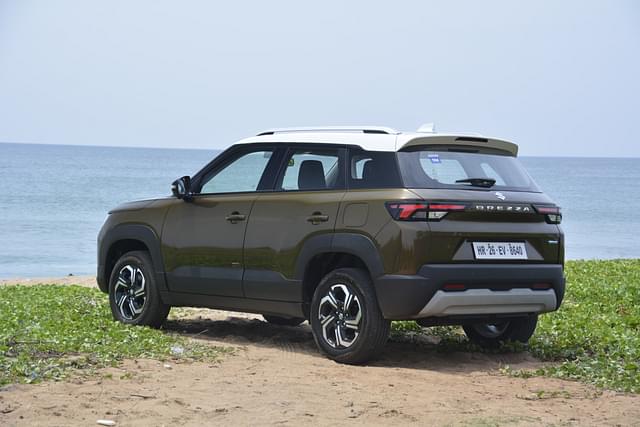
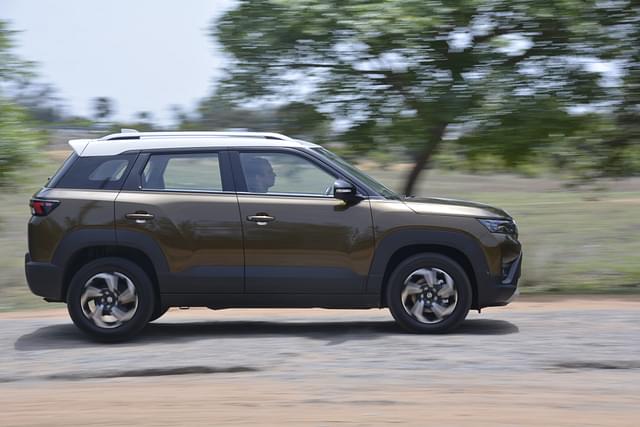
The Maruti Brezza is likely to get an update in the coming weeks. Since you are not in a hurry, you could wait and see what it has to offer wait for, before going ahead with the purchase.
I am thinking of buying a new Kia Seltos and have decided on the HTK-O model. I am confused between the petrol and diesel variants because the diesel costs around ₹2.30 lakh more, and my driving is around 1,500-1,600 km a month. Which one should I choose?
With a monthly running of around 1,500 to 1,600 km, the petrol version of the Kia Seltos HTK(O) makes more sense than the diesel. Earlier, the big fuel efficiency gap between petrol and diesel helped recover the higher diesel purchase cost fairly quickly.
Today, with tighter emission norms, diesel engines are no longer as efficient as they once were, especially in city conditions. As a result, recovering the roughly ₹2.3 lakh premium you pay for the diesel is likely to take well over five years. This makes it a less logical choice purely from a cost point of view.
If most of your driving is in the city, the petrol engine will also be quieter, smoother and easier to live with daily. The diesel still makes sense only if you have very high highway usage and plan to keep the car for a long time. Otherwise, the petrol Seltos fits your usage better and keeps the initial investment lower.
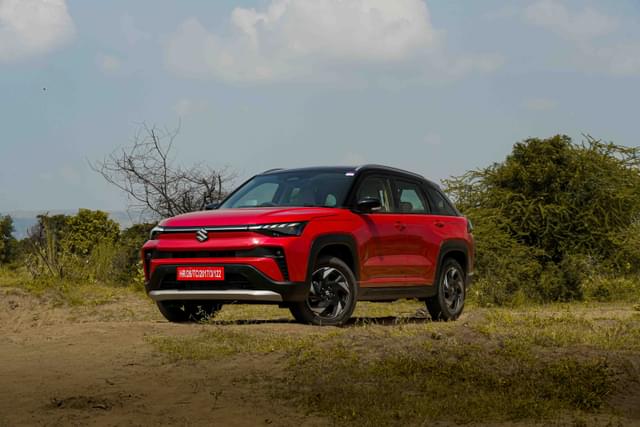
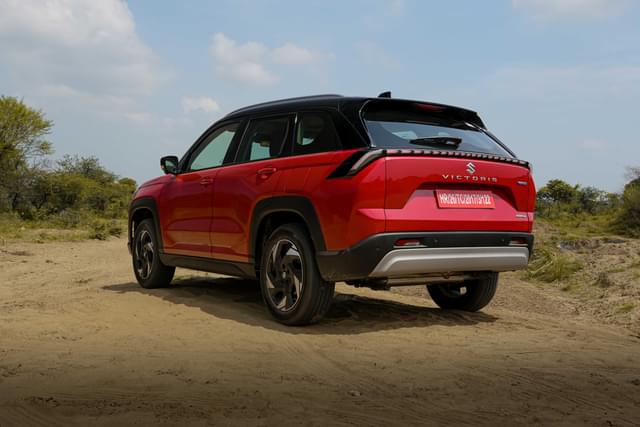
If fuel efficiency is a key concern and you are open to other powertrains, you could also consider a strong hybrid like the Maruti Suzuki Victoris, which will be significantly more efficient in city driving. It is also worth noting that the next-generation Hyundai Creta and even the current Seltos are expected to get strong hybrid options by early next year.
I’m a new driver looking for a comfortable and reliable five-seater car. I’m considering the Maruti Suzuki Victoris VXI (₹11.80 L ex-showroom) and the Tata Sierra Smart Plus (₹11.49 L ex-showroom). Could you help me compare these two options in terms of comfort, driving ease for beginners, safety features, running costs, and long-term reliability? Which one would you recommend for a first-time owner?
Between the two, based on your requirements, the Maruti Suzuki Victoris VXI is the more sensible choice. Unlike the Tata Sierra Smart Plus, the VXI sits one variant above the base and is noticeably better equipped. In fact, the Smart Plus variant of the Tata Sierra feels quite bare for a midsize SUV, missing features that are now considered standard in the segment. It includes a proper infotainment system, which matters for day-to-day convenience and ease of ownership.
From a driving perspective, the Victoris is easier to live with, especially for a beginner. Its 1.5 litre naturally aspirated petrol engine is smooth. It offers better performance than the Sierra’s petrol motor and, paired with a light clutch and slick gearbox, makes city driving far less tiring. Maruti Suzuki’s engines also have a long-standing reputation for reliability, low running costs and fuss-free ownership, which is reassuring for a first-time buyer. The Sierra’s 1.5-litre naturally aspirated petrol engine is refined. But in a car of this size, it feels underpowered and requires more effort to drive, particularly with passengers on board.
Where the Sierra does score is space and comfort. Its cabin feels roomier, and rear seat comfort is a notch or two better than the Victoris, making it the more comfortable option if rear seat usage is frequent.
Last Updated on: 17 Feb 2026