
Last Updated on: 19 Jun 2026
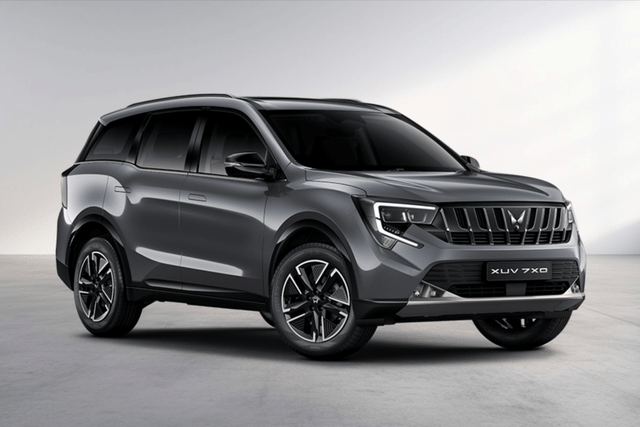
Mahindra XUV 7XO
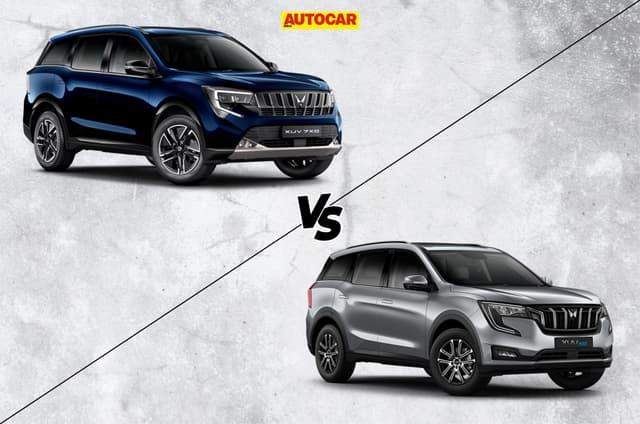
The Mahindra XUV 7XO price starts from ₹13.66 lakh to ₹24.92 lakh (ex-showroom). There are 27 variants of XUV 7XO available in India. The XUV 7XO is the facelifted version of the XUV 700 SUV.
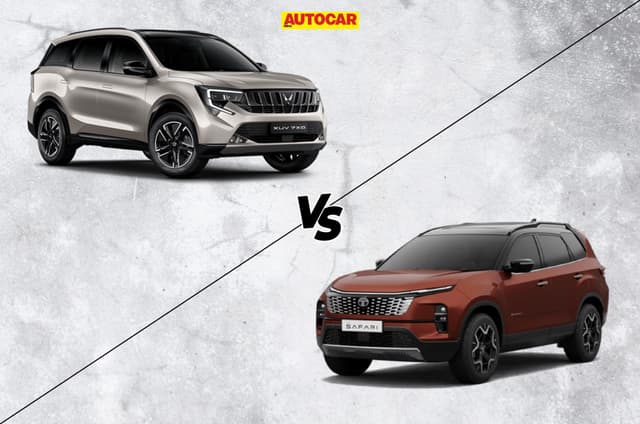
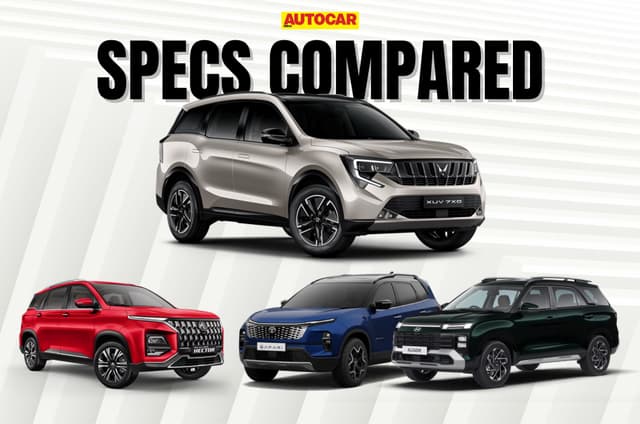
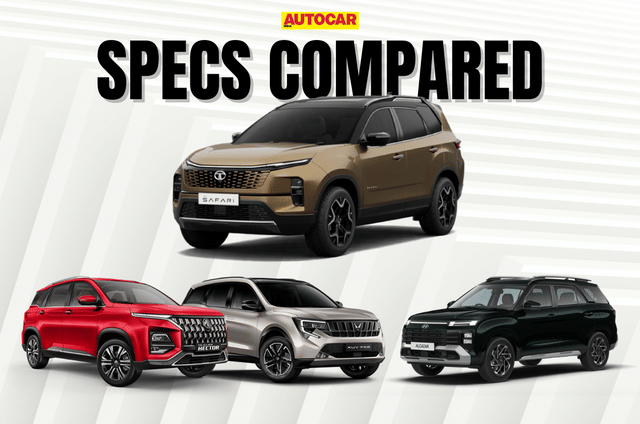
The XUV 7XO mileage, as per ARAI certification, ranges from 13kpl to 17kpl, depending on the fuel type and transmission option. XUV7XO engine options include a 203hp, 2-litre turbo-petrol engine and a 185hp, 2.2-litre diesel engine. Both engines are available with manual as well as automatic gearbox options. The XUV 7XO diesel-automatic option also comes with an all-wheel-drive (AWD) setup in the higher trims. Mahindra XUV 7XO rivals include Tata Safari, Hyundai Alcazar and MG Hector.
XUV 7XO Key Highlights:
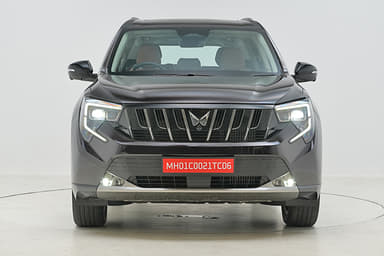
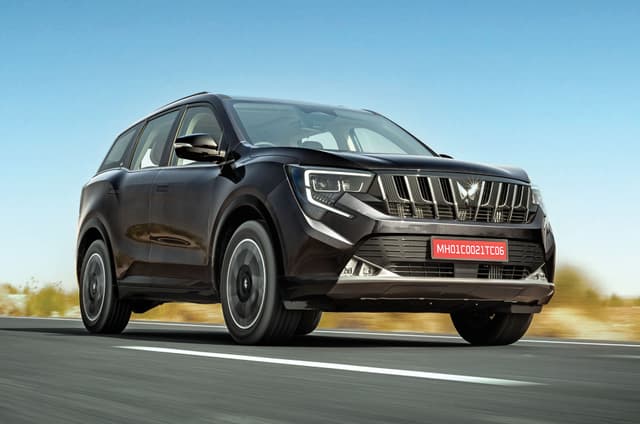
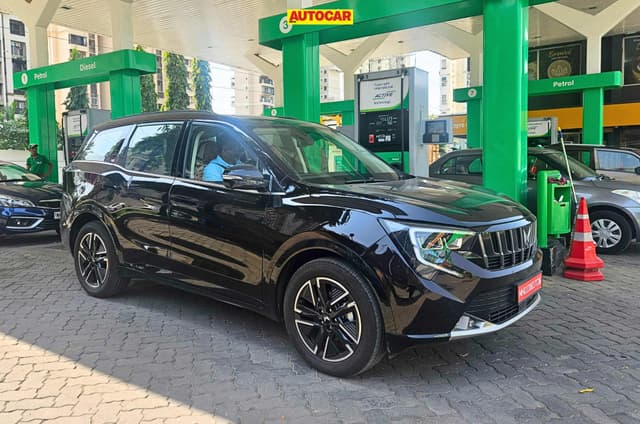
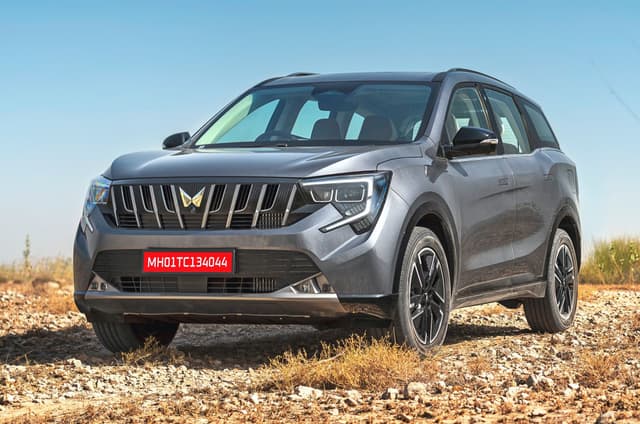
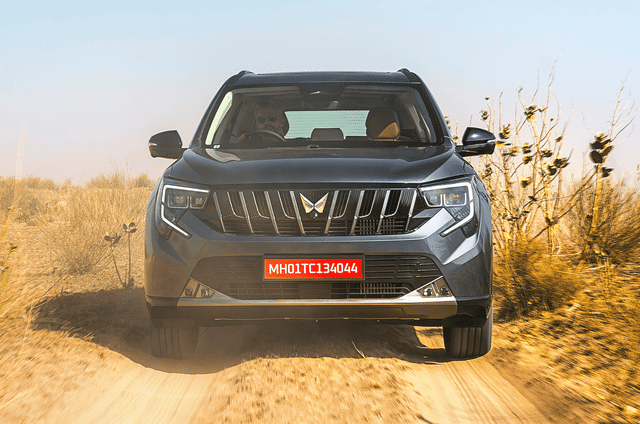
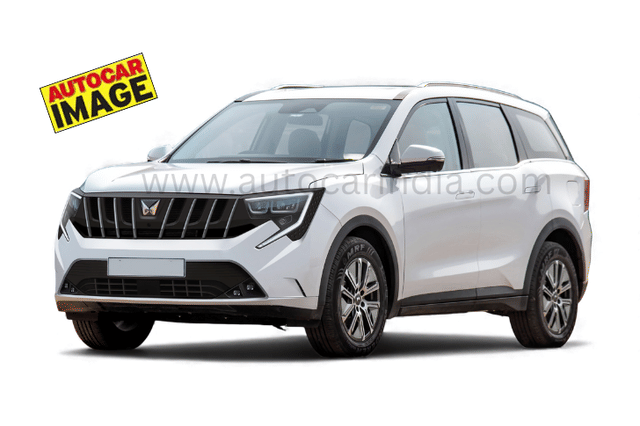
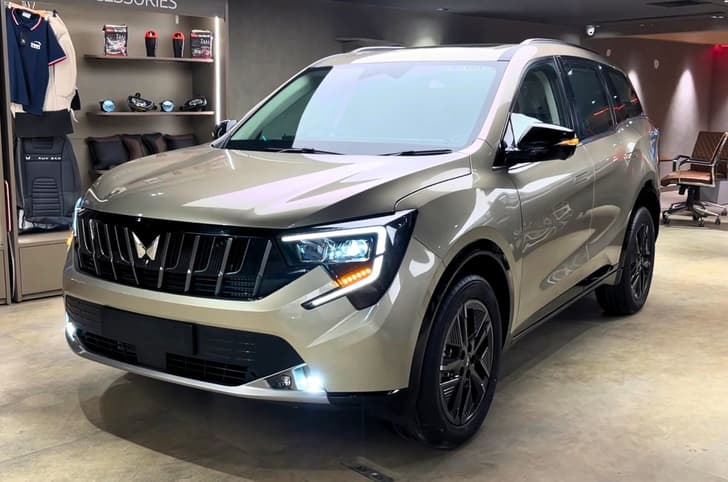
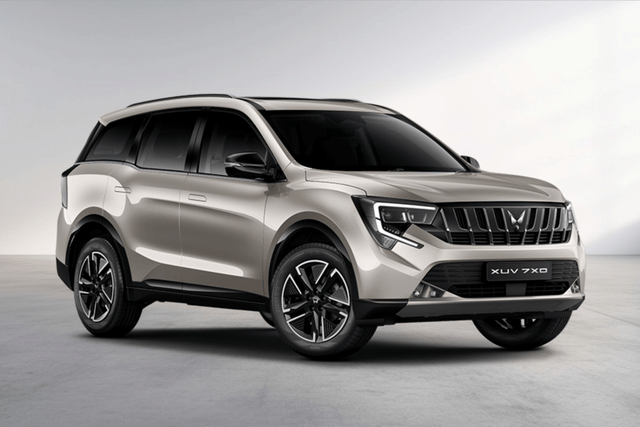
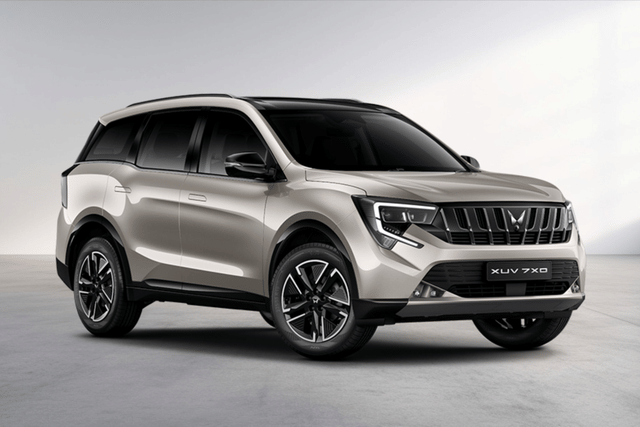
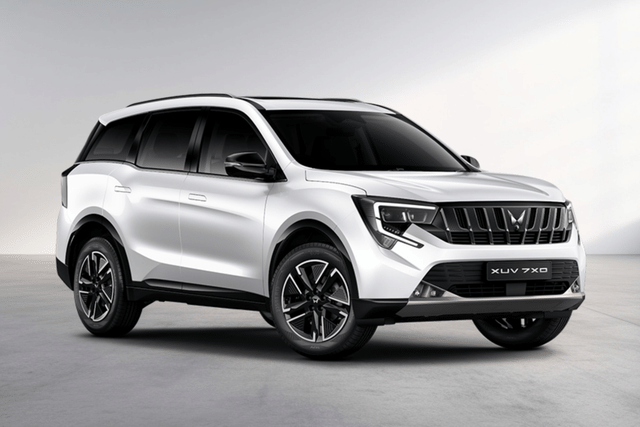
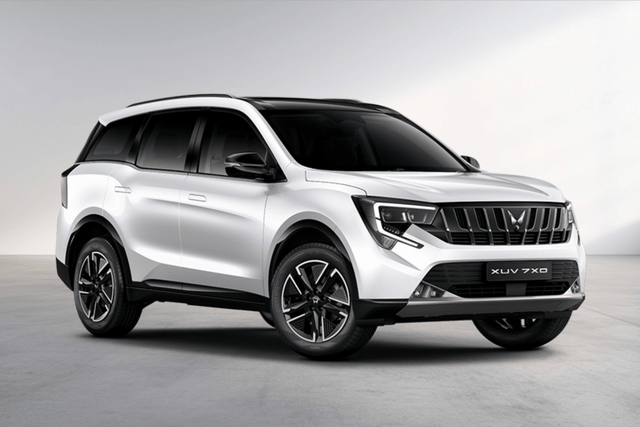
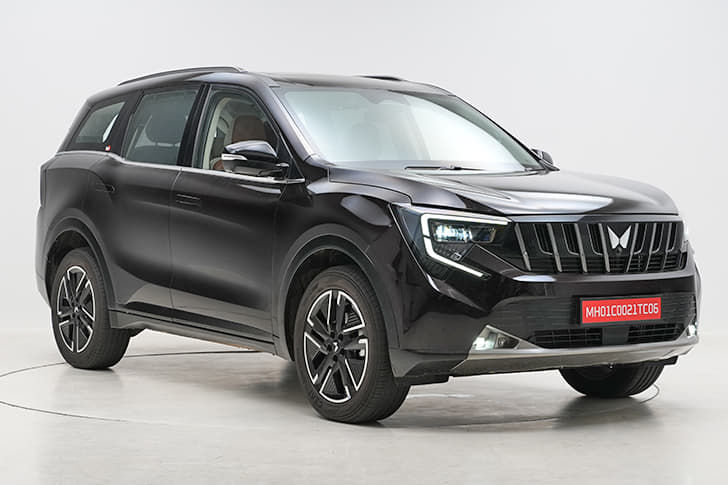
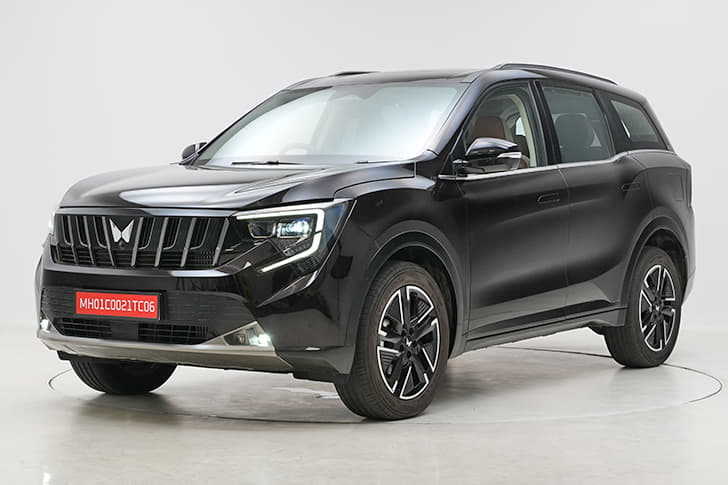
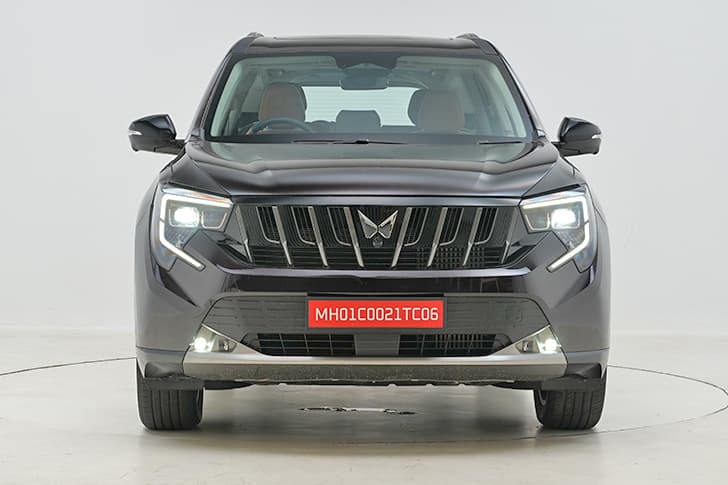
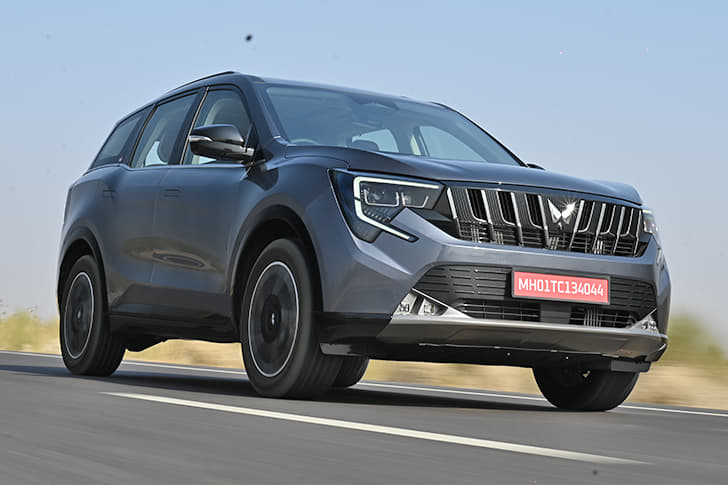
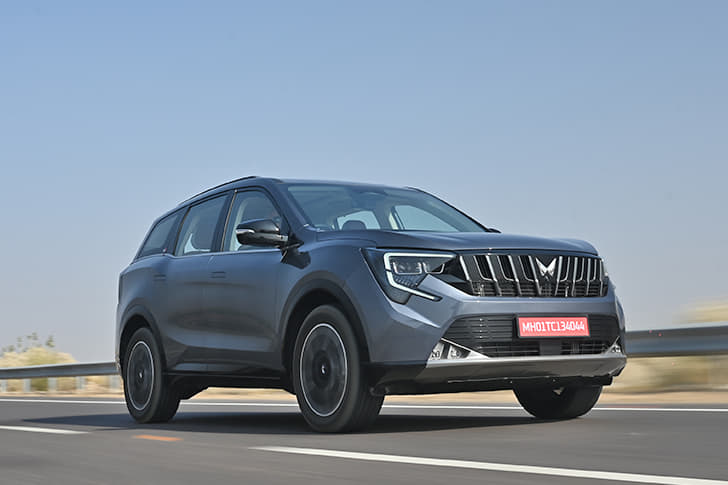
- It gets a new grille with gloss black and chrome elements and new projector LED headlights.
- It also gets pixel-shaped LED fog lamps now.
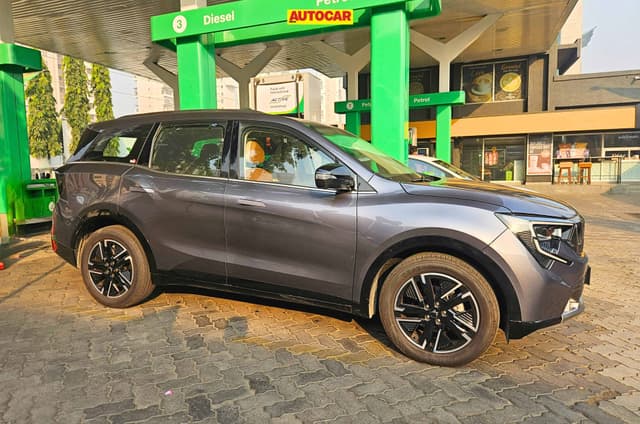
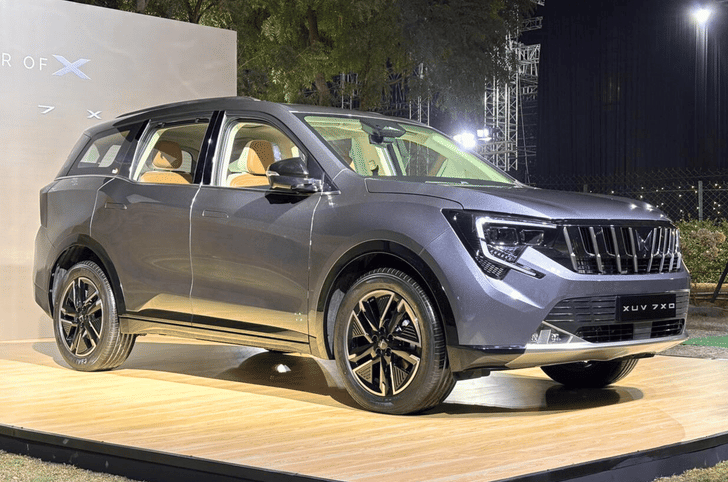
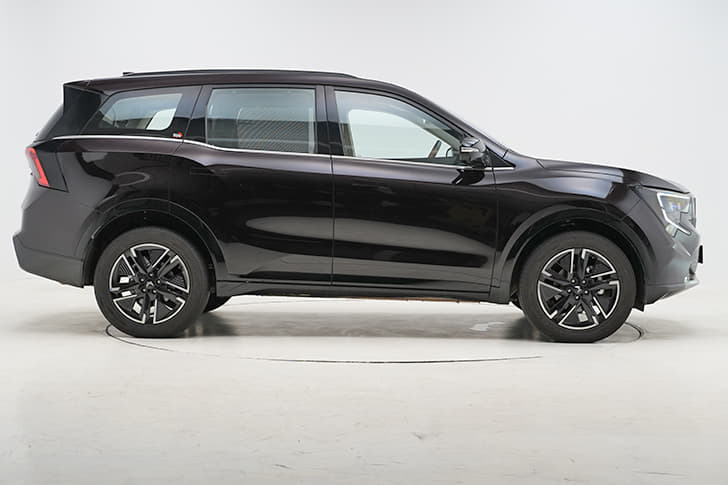
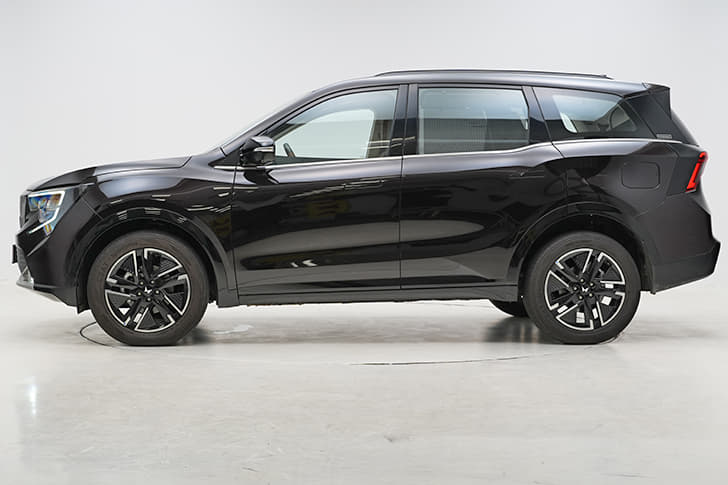
- In profile, it continues with flush-type door handles and a chrome strip on windowline, but features new gloss black cladding on wheel arches.
- It also gets new 19-inch dual-tone alloy wheels.
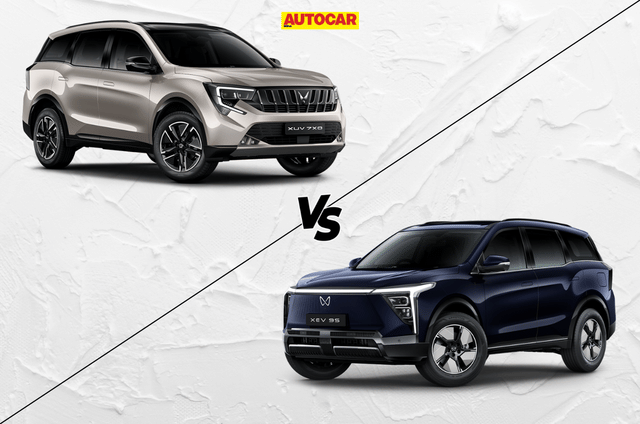
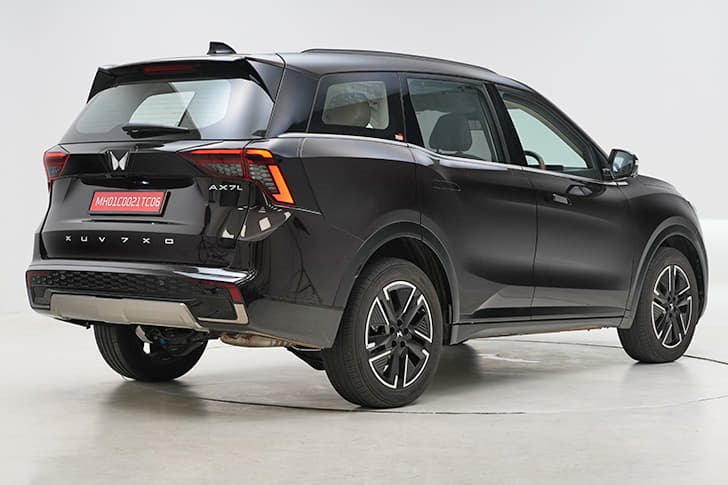
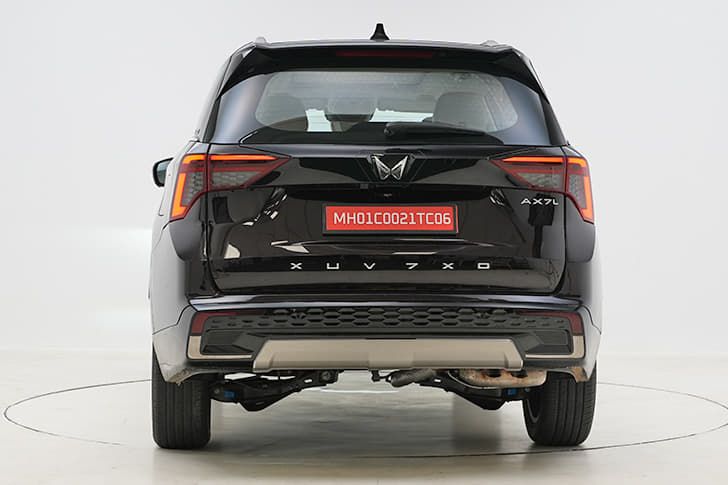
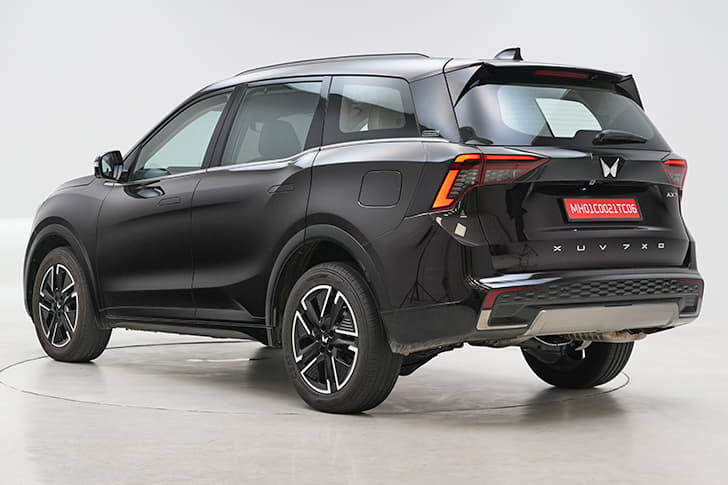
- At the rear, it features the XEV 9S wraparound LED taillights with a gloss black section between them.
- The rear bumper and tailgate have also been reworked with significant cuts and creases.
- XUV 7XO cabin has a triple-tone beige, black and tan theme, with the seats also featuring the same theme.
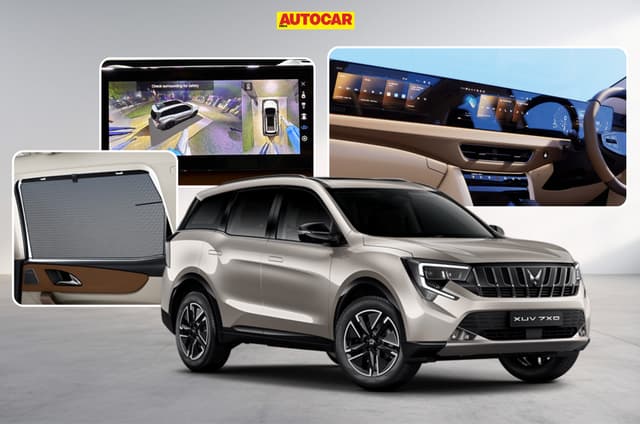
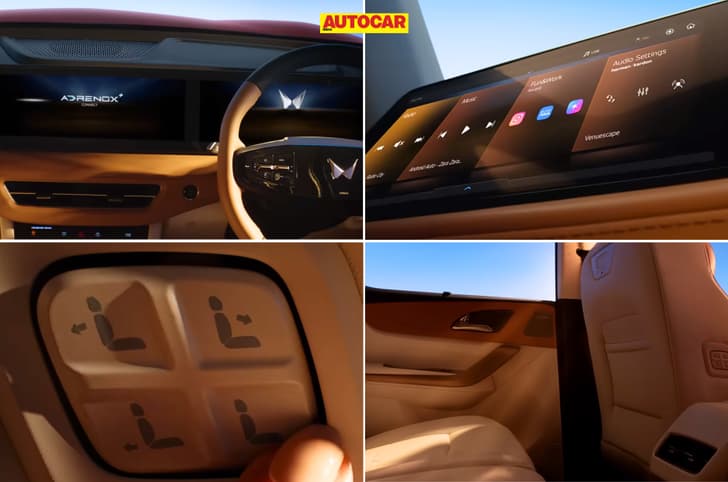
- New features include a new triple-screen setup on the dashboard, an electric boss mode on the front passenger seat, and rear seat ventilation.
- It also gets a 360-degree camera with a transparent bonnet function, similar to the Harrier EV.
Which XUV 7XO variant should you buy?
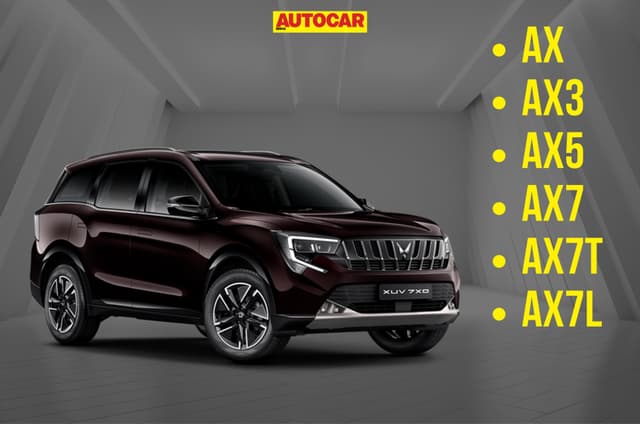
- XUV 7XO AX7: Represents good value by packing in plenty of features, and offering all available powertrain options.
- XUV 7XO AX7L: Aimed at the chauffeur-driven; both 6 and 7-seater seating layout choices are available.
Mahindra XUV 7XO Latest Updates
- February 7, 2026: Waiting period for Mahindra XUV 7XO revealed; the XUV 7XO’s higher-spec AX7 Tech has the shortest waiting time.
- January 14, 2026: Mahindra XEV 9S, XUV 7XO log 93,689 bookings combined on first day; these translate into a booking value of over Rs 20,500 crore; XUV 7XO deliveries have already begun.
- January 5, 2026: Mahindra XUV 7XO launched at Rs 13.66 lakh; the new SUV is essentially the XUV700 facelift, and it packs several updates to the exterior and interior.
Mahindra XUV 7XO Features and specifications
Our Rating | 9 |
Engine | 1997 cc - 2184 cc |
Fuel Type | Petrol, Diesel |
Transmission | Manual, Torque Converter |
Seats | 6 - 7 |
Body Style | SUV |
Doors | 5 |
Max Power | 185 hp at 3500 rpm |
Max Torque | 450 Nm at 1750 - 2800 rpm |
| Number of Cylinders | 4 |
| Engine Installation | Front |
| Engine Displacement | 2184 cc |
| Max Engine Torque | 450 Nm at 1750 - 2800 rpm |
| Terrain Modes | No |
| Emission Standard | Bharat Stage VI |
| Drive Mode Types | Multiple |
| Auto Start/Stop | Yes |
| Front Brakes | Ventilated Disc |
| Rear Brakes | Disc |
| 4 Wheel Steer | No |
| Type of Power Assist | Electric |
| Wheelbase | 2750 mm |
| Width | 1890 mm |
| Chassis Type | Monocoque |
| Height | 1755 mm |
| warranty Duration | 3 |
| warranty Distance | 100000 |
| 12 Volt Port | |
| Powered Backseat Recline Adjustment | |
| Rear Parcel Tray | |
| Rear AC Vents |
| Electronic Parking Brake | |
| Heads Up Display | |
| Front Collision Avoidance | |
| Electronic Stability Control |
| LED fog lamps | |
| LED DRLs | |
| Outside rear view mirror (ORVM) | |
| LED taillights |
| Low Fuel Level Warning | |
| Distance to Empty | |
| Gear Indicator | |
| Head-up Display |
| Front Passenger Screen | |
| Display | 12.3-inch Touchscreen |
| Apple CarPlay | Wireless |
| Audio System |
| Tow Away Alert | |
| Breakdown Assistance Call Button | |
| Alexa Compatibility | |
| Auto Crash Alert |
Mahindra XUV 7XO price & variants
The XUV 7XO price ranges from ₹13.66 lakh to ₹24.92 lakh, ex-showroom. Whereas, the XUV 7XO on road price starts from ₹16.14 lakh and goes up to ₹30.18 lakh, varying by place of registration.
The XUV 7XO variants include 27 choices. Notably, the 3-row Mahindra SUV is available with both petrol and diesel engine options, with manual and automatic transmission choices. It comes in both 6- and 7-seater configurations.
Mahindra XUV 7XO Official Brochure
Download the complete brochure with specs, features, and variants.
Mahindra XUV 7XO expert review
We like
Punchy performance from both powertrains
Ride comfort and high-speed composure
Feature packed
We don't like
Third row is tight for adults
Confusing infotainment UI
8.0
The XUV 7XO is instantly recognisable, albeit with an edgier treatment for its front fascia. The signature DRLs are still there but aren’t as large as before, the LED headlight flanks a new slimmer grille and below is a sharper bumper with four ICE cube-shaped lighting units.
The silhouette hasn’t changed, but wheel size has gone up from 18 to 19-inchers and trim around the wheel arches is gloss black. At the rear, the LED taillamps are taken from the XEV 9S and it gets a more squared-off bumper. Overall, the design isn’t quite as cohesive as the original design, but it is well executed nonetheless.
8.0
Comfort up front is excellent, with the wide seats offering good support and a decent range of adjustment. Both front seats are ventilated and powered, with the driver getting a memory function, while the passenger seat has powered boss mode. The steering wheel now also adjusts for reach as well as rake. The two-spoke steering is also lifted from the 9S, but this time gets physical buttons instead of the haptic ones. The middle row is similarly comfortable, with a wide bench or optional captain’s chairs – both options are ventilated. The seat reclines, but it doesn’t slide like the one in the XEV 9S. While there is plenty of legroom in the middle row without it, a sliding function would have helped the third row. As it stands, the third row is cramped for adults. With it stowed away the luggage area is substantial.
9.0
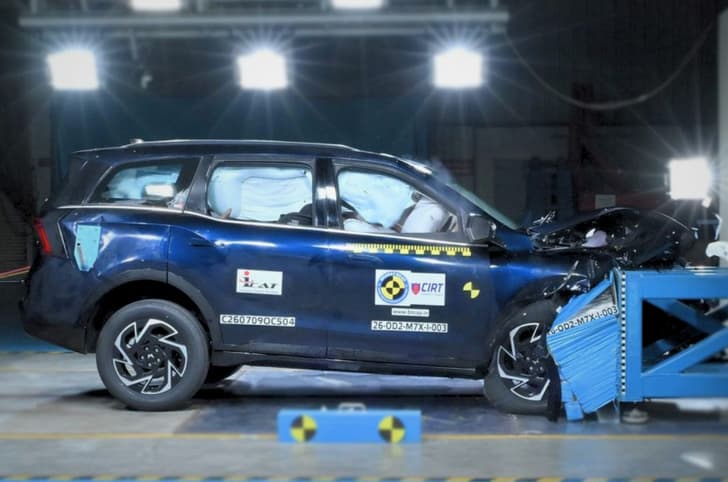
The trio of 12.3-inch displays – standard across the range – are sharp and bright, and the infotainment and passenger display are responsive to touch, though the user interface does take some getting used to. The absence of physical buttons means adjusting the HVAC is now, at minimum, a two-step process. The passenger screen gets a privacy filter here unlike on the BEVS, so it no longer draws your eye when checking the far-side mirror. Also featured is a 1,400W 16-speaker Harman Kardon music system, a bring-your-own-device provision to mount tablets on the front seatbacks, with an integrated 65W Type-C charger. The all-important panoramic sunroof is available from the mid AX5 trim onwards, but for rear window sunblinds you’ll need to splurge for the top AX7 L trim. Safety kit is equally comprehensive, with six airbags, four-wheel disc brakes, ABS, ESC, hill-hold and hill-descent control standard. The AX7 T trim adds a knee airbag and an upgraded Level 2 ADAS suite.
9.0
The 2.0-litre turbo-petrol makes 203hp and 380Nm, channelled to the front wheels via a six-speed manual or torque-converter automatic. It feels grunty, almost diesel-like at the lower end, but is happy to extend to the 5,800rpm redline. It’s refined and smooth too, with no vibrations creeping into the cabin. The six-speed automatic is also well suited to the engine, but paddle shifters are still missing. The 2.2-litre diesel motor puts out 185hp and 450Nm (420Nm with the manual), and while it’s not as effortless as the petrol, it’s no slouch either. Refinement is good; the engine gets vocal when pushed hard, but in day-to-day driving it’s nicely muffled. Here too, the automatic is a good match for the engine, but the manual feels shorter geared than you’d expect. It’s happy to chug along in third around town and rarely requires a downshift to make an overtake, but a taller sixth would help it settle into a cruise and eke out better efficiency still.
7.0
Mahindra hasn’t quoted fuel-efficiency figures, but we don’t expect them to differ much from the XUV700. The ARAI figures for the petrol XUV700 are 13kpl with the automatic and 15kpl with the manual – in the real world, these often drop into the single digits. The diesel XUV700 is more frugal, with ARAI figures of 17kpl and 16.57kpl for the manual and automatic respectively, and it’s possible to get close to these numbers on a steady highway cruise.
9.0
Despite the wheel size going up an inch, the low-speed ride is even better than before thanks to the new DaVinci dampers. There’s a newfound plushness to the way it soaks up rough patches without letting anything through to the cabin. It also gets hydraulic bump stops that greatly soften that thud you get when the suspension bottoms or tops out. As before, high-speed manners are superb with an uncanny ability to mask speed as the dampers do a great job of keeping the body flat and composed. Confidence is high through the bends as the XUV 7XO unflinchingly sticks to the chosen line. Even unsettling mid-corner bumps and dips are dealt with in a fluid, one-and-done motion. The electric steering is light enough to be twirled with one finger at a standstill but weights up and provides good feedback as speeds rise. Braking performance is strong too, with disc brakes on all four corners – now standard across the range.
9.0
The starting price of Rs 13.66 lakh – exactly the same as the outgoing MX trim of the XUV700 – is incredible bang for your buck. These prices are introductory and set to rise after the first 40,000 bookings, but it is still tremendous value for what you get. The strong engines continue to deliver the punchy performance we’ve come to love, and the ride and handling balance is even better than before. If that isn’t enough, there is enough tech to shame some from segments above. Sure there’s still bits that need improving like a less confusing UI and more physical controls and those who regularly seat seven will find more comfort in the back of some of the competition, but given the XUV7XO’s tremendous abilities in all other areas, this is something many will ignore.
Reviewed by: Lenny D'sa
Mahindra XUV 7XO reviews

Mahindra XUV 7XO comparison
Mahindra XUV 7XO news
Mahindra XUV 7XO Images
Check out 123 Mahindra XUV 7XO images, where we have detailed its bold exterior design, feature-loaded cabin and its robust safety features.
The Mahindra XUV 7XO combines a bold exterior design with a lot of modern-day elements, a loaded cabin and a strong safety suite.
Mahindra XUV 7XO videos
In our detailed Mahindra XUV 7XO videos, we give a detailed walkaround of the SUV, where we talk about its exterior and interior design, and also detail its features.


Mahindra XUV 7XO Colours
The Mahindra XUV 7XO colour options include 11 choices. These include Desert Myst, Desert Myst Dual Tone, Everest White, Everest White Dual Tone, Galaxy Grey, Galaxy Grey Dual Tone, Midnight Black, Midnight Black Dual Tone, Nebula Blue, Ruby Velvet, Stealth Black.
The Mahindra XUV 7XO cabin colour theme is a mix of black, beige and tan hues, which is also the case with the SUV’s seats, which get a leatherette upholstery.
Mahindra XUV 7XO FAQs
The Mahindra XUV 7XO prices range between ₹13.66 lakh and ₹24.92 lakh (ex showroom price).
Yes, the Mahindra XUV 7XO is offered with an AWD choice in the higher-spec variants.
The Mahindra XUV 7XO measures 4,695mm in length, 1,890mm in width, 1,755mm in height. It has a wheelbase of 2,750mm.
Over the XUV 700, the 7XO gets a triple-screen setup, a 6-way powered co-driver's seat with boss mode, a 16-speaker Harman Kardon sound system and ventilated second-row seats.
The XUV7XO gets a new grille, dual-barrel LED headlights, new LED taillights, 19-inch alloy wheels, and gloss black cladding on wheel arches and the lower edge of the SUV.
With ARAI-certified figures between 13 and 17 kmpl, the XUV 7XO offers fuel efficiency that varies by fuel type and transmission.
The Mahindra XUV 7XO gets 6 airbags as standard. The top-spec AX7 Tech trim gets 7 airbags.
Questions you may find useful
Mahindra XUV 7XO AX7L Diesel AT or XUV 7XO AX7L Diesel AT AWD for the next 10 years? My usage will be 70% city and 30% highway driving, including trips to hilly regions such as Himachal Pradesh and Uttarakhand.
Pick the Mahindra XUV 7XO AX7L Diesel AT 2WD. With 70% city use, the AWD hardware is just extra weight on most days, costs more to purchase, and will be less fuel efficient. For HP and UK hill trips on normal tarmac, the diesel’s torque, good tyres and the drive modes are enough for climbs and wet hairpins. Simpler 2WD also means fewer drivetrain parts. You’ll only feel AWD’s real benefit in snow, slush, or on steep, broken tracks. If that kind of terrain is a regular thing each winter, then spending on the AWD makes sense.
I am looking to buy an SUV under Rs 25 lakh with good comfort, a powerful engine, plenty of features and strong road presence. I do not like the look of the Mahindra XUV 7XO or Scorpio N. I am currently leaning towards the Thar Roxx. Are there any better options? I am open to EVs as well.
The Thar Roxx is a good choice if you are prioritising road presence. It has strong engines, good performance and is well equipped. It is also reasonably comfortable for a ladder-frame SUV. However, it cannot match the XUV 7XO in terms of passenger comfort and ride quality.Alternatively, you could consider the Tata Safari or the Harrier if you do not need seven seats. They ride well on bad roads, have comfortable cabins, and offer the broad-shouldered stance you are after. The 2.0-litre diesel has strong torque for quick highway overtakes and hill driving, and the automatic makes traffic easy to deal with.The Thar Roxx looks great and is brilliant off-road, but in daily use, the ride is busier, the rear seat is tighter, and the boot is smaller.If you want a petrol SUV with a more tech-heavy feel, the Kia Seltos 1.5 turbo-petrol automatic is also a solid choice within your budget, but it will not have the same road presence as the Harrier or the Roxx.
As we all know, the Mahindra XUV 7XO AX5 diesel still has a long waiting period. In that case, how does the Tata Safari Adventure X Plus Automatic Diesel compare to it? Since it is available for quicker delivery, would it be a good alternative to the XUV 7XO AX5 Diesel?
The Tata Safari Adventure X Plus Automatic Diesel is a good alternative if the waiting period for the XUV 7XO is proving too long.The Safari's biggest strengths are its comfortable ride, spacious cabin and excellent second-row seating. It is a very capable long-distance cruiser and feels premium. The diesel automatic powertrain is well suited to highway use and delivers relaxed performance for family touring.That said, the XUV 7XO still has the edge as an overall package. Its diesel engine feels stronger and more refined, the automatic gearbox is better calibrated, and it offers a more modern feature set in comparable variants. It is also the more engaging SUV to drive.If immediate delivery is important, the Safari is not a compromise that will leave you disappointed. In fact, buyers who prioritize rear-seat comfort and long-distance travel may even prefer it to the Mahindra car.
I want to purchase a car for my daily commute on village roads, as well as for highway driving. My monthly running is around 3,000 km, and once every quarter, I travel to a city that is approximately 350 km away from my town. Considering my usage pattern, would an EV be a suitable choice? Please suggest the best options within a budget of Rs. 20-30 lakh.
If you can install a charger at home and have charging stations on the route to your destination, an EV does make sense for your heavy use. Under Rs. 20 lakh, consider the Tata Curvv EV with the 55kWh battery pack. In our real world tests, it managed 352km on the highway which means your 350km journey is possible with a quick stop in between to top up. It also has good ground clearance and rides well, so it will deal with village roads nicely.For under Rs. 30 lakh, consider the Mahindra XEV 9e with the 79kWh battery pack. In our tests, it managed 488km on the highway meaning with some care, your 350km journey is possible in one go. You will need to charge at your destination though. EVs are less efficient on the highway and particularly with a full load require care to ensure the battery doesn't deplete too quickly. Your charging stops will also need to be planned in advance and there is possibility that you will have to wait at a stop for charge to become available. If this seems like too much work, then stick to a diesel. Under Rs. 20 lakh, consider the Kia Seltos diesel or the Hyundai Creta diesel. Under 30 lakh, you could consider the Mahindra XUV 7XO or the Scorpio N. All of these will comfortably manage village roads and do long highway stints without worries.
I am buying the Mahindra XUV 7XO AX7T Diesel Automatic. My annual usage is approximately 12,000-13,000km with this pattern: Highway (guaranteed): approximately 6,000km annually. City: Weekend drives of minimum 15-20km, one 150km City exploration monthly. No daily office commute by car — public transport for that. The car will sit idle Monday to Friday. The authorised Mahindra workshop is 3km from home. My questions: 1. Is my pattern low-risk or high-risk for DPF issues? 2. Does the car sitting idle on weekdays followed by 15-20km weekend drives create cumulative soot risk? 3. Diesel AT or Petrol AT for my profile - which do you recommend? I am leaning toward Diesel AT, but want expert validation before booking
Go for the Mahindra XUV 7XO diesel automatic. Your guaranteed highway running every year is exactly what a DPF likes, and the diesel will be cheaper to run and nicer to cruise with its strong torque. With your usage, the diesel should return clearly better highway economy than the petrol and feel more relaxed on long trips.Your pattern is low-risk for DPF trouble. Those steady highway stretches will keep the filter clean via passive regen, and Mahindra’s active regen will step in if needed. A workshop 3 km away also means any rare forced regen is easy to sort.The car sitting Monday to Friday does not create soot. Soot builds only when driving, especially on repeated cold starts with short, crawling trips. Your weekend 15-20 km runs are long enough to get the exhaust hot unless they are pure bumper-to-bumper. The monthly 150 km city loop adds a good safety margin.Between diesel AT and petrol AT for you, diesel wins. Expect lower fuel costs on highways and stronger pull when loaded.
I want to buy an SUV, and my budget is around 20 lakh. I have seen the MG Hector, the Mahindra XUV and the Tharr Rox. Which car should I buy, and given the current scenarios on the govt policies, should I go for petrol or diesel?
Pick the Mahindra XUV 7XO. At around Rs. 20 lakh, it gives you the best mix of space, strong performance and safety, and it is far easier to live with every day than the Thar Roxx while being a better value than a low or mid Hector variant. You also get both petrol and diesel choices, so you can match it to your running.Fuel choice is simple. Go petrol if most of your use is in the city or your running is under about 1,200 km a month. It is quieter, has fewer policy worries, and resale stays safe even if some cities tighten diesel rules. Pick diesel only if you drive long highway distances often, want a longer tank range, or haul a full family with luggage regularly.The only real downside with the XUV 7XO is that the fanciest features push you beyond Rs. 20 lakh, and there may be a wait period. If you mainly want a rugged toy, the Thar Roxx is great, but for family life, the XUV 7XO fits better.
Hi Autocar, I am looking to buy a 6-seater car under 35 lakhs. I have checked out the Mahindra XUV 7XO AX7L Diesel Automatic and the Tata Safari Accomplished Ultra Diesel Automatic. Now I am in confusion about what to buy since I want a balance of both performance and comfort in the 2nd row seats. Tata Safari excels in 2nd row comfort, but the engine is moderate, whereas the Mahindra XUV 7XO engine is excellent to drive, and 2nd row comfort is good. But the waiting period of 7XO is making it difficult to choose what to buy. Please provide your suggestions on this.
The Safari's biggest advantage over the XUV 7XO is its third row packaging and the slightly more premium second row experience. However, once performance, drivability, technology and overall ownership proposition are considered, the XUV 7XO pulls ahead in most areas.The waiting period is understandably frustrating, but considering this is likely to be a long-term purchase, a few extra months of waiting is generally easier to justify than living with a second choice for several years.The only reason to choose the Safari would be if second row comfort is overwhelmingly more important than every other factor, and the vehicle needs to be purchased immediately. Otherwise, the XUV 7XO AX7L Diesel Automatic is the better all-around product and worth waiting for.
Hi, I have booked the Mahindra XUV 7XO AX7T Diesel. This will be my second car and will be used primarily for highway travel, serving as an alternative vehicle with occasional family trips. My annual running will be around 5,000 km, and I plan to sell the car after about two years. Given this usage pattern, would it be better to opt for the diesel variant despite potential DPF-related concerns, or should I consider the petrol variant instead? I am also somewhat concerned about the resale value of the petrol version.
In your case, we would actually stick with the diesel. The reason is that this is not going to be your primary city car. You have clearly stated that it will be used mainly for highway travel, occasional family trips and as a second vehicle. Those are exactly the conditions under which a modern diesel is happiest. With regular highway runs, the DPF gets the opportunity to regenerate properly, so we would not be overly concerned about DPF issues.The bigger factor is your planned two-year ownership period. In the used market, the diesel XUV 7XO is likely to be more desirable and easier to sell than the petrol, especially because buyers looking at a large SUV often prefer the stronger torque delivery and superior fuel efficiency of the diesel. That should help residual values as well.If you were doing 5,000 km a year entirely in city traffic, we would steer you towards the petrol. But your usage pattern is different. The car will spend most of its time doing exactly the kind of driving that suits the diesel powertrain.
I currently own a Maruti Suzuki Ertiga, which is either 5-seater or a 7-seater with a large boot space. I am planning to upgrade and am currently confused between the Toyota Innova HyCross and the Mahindra XUV 7XO. My annual running is around 35,000-40,000 km. Space and seating capacity are important requirements for my daily work. Based on these needs, which of these two vehicles would you recommend? Alternatively, is there any other option that might suit my requirements better?
Go for the Toyota Innova HyCross, because space is your maximum priority, and it has the most usable third row and the best boot flexibility here. The HyCross’ cabin is wider, the floor is flatter, and access to the last row is easier, so adults actually fit. Fold the third row and you get a big, clean load bay for daily work. The hybrid is smooth and quiet in traffic and will save you fuel in city use, as well as out on the highway.Pick the Mahindra XUV 7XO only if you want diesel punch, the SUV body style and road presence, and the latest tech. Its third row and boot are smaller and fuel use is higher, so is ultimately not as practical a 7-seater as the Hycross. The only thing you have to bear in mind is the Innova Hycross hybrid price at the top end will be higher than the XUV 7XO. That aside, however, the Toyota car remains the better option for you.
I am planning to buy the Mahindra XUV 7XO AX7T Automatic and would like to keep it for the next 10 years. However, I am confused between the petrol automatic and diesel automatic variants. My annual running will be around 6,000-8,000 km, with an occasional long highway trip once every three months. Considering my usage pattern, especially the potential DPF-related concerns with a diesel vehicle, which variant would you recommend?
For your usage, we would recommend the Mahindra XUV 7XO AX7T petrol automatic without much hesitation. Your yearly running is relatively low for a diesel to make financial sense. More importantly, while your occasional highway trips every three months will help, the usage pattern still does not naturally favour a diesel. Modern diesels are happiest when they are regularly driven for longer distances, and while you may never face a DPF issue, you are also not really using the diesel in the way that maximizes its advantages.The petrol automatic will be smoother for everyday use, quieter, easier to live with and better suited to a 10 year ownership horizon. The fuel efficiency will be lower than the diesel, but at your annual running, the difference in fuel cost is unlikely to offset the higher purchase price and the potential complexity of diesel ownership.
Mahindra XUV 7XO price in India
Mahindra Cars