Lexus cars in India (6)
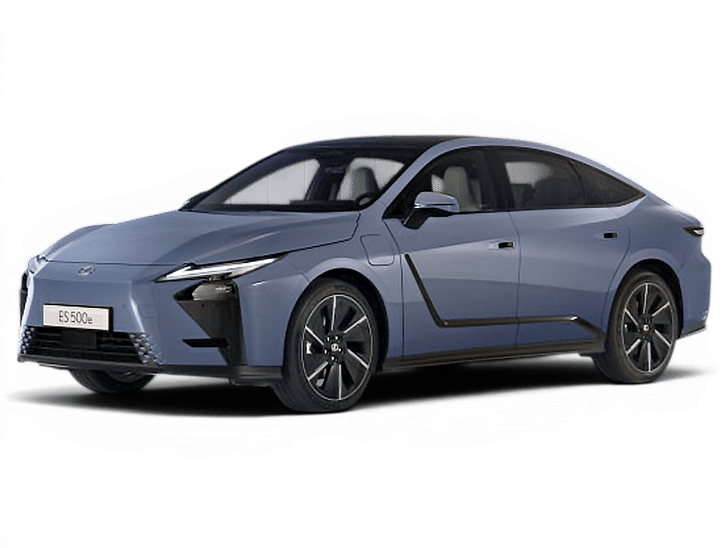
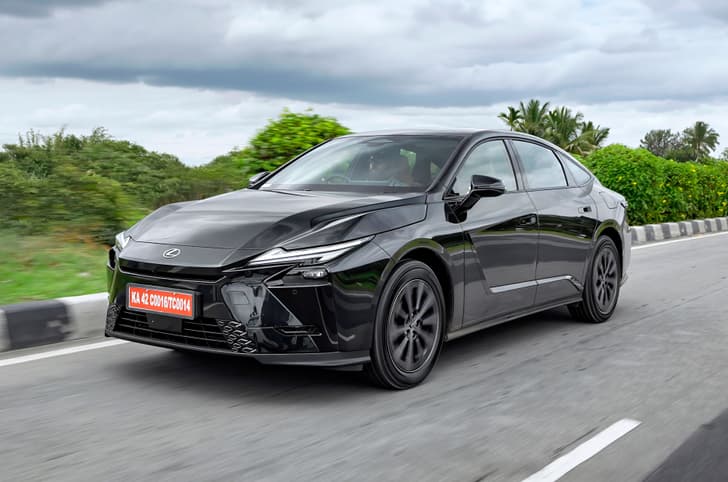
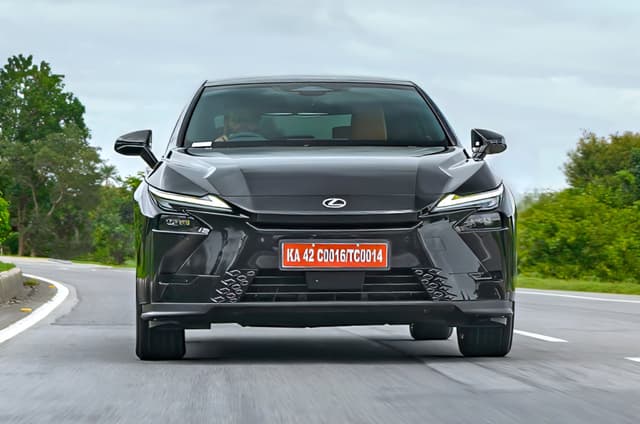
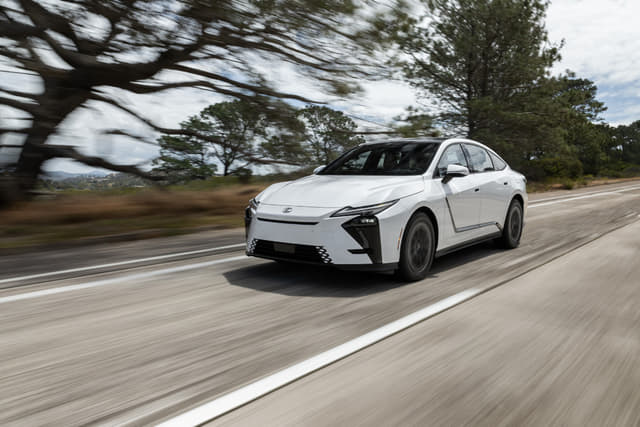
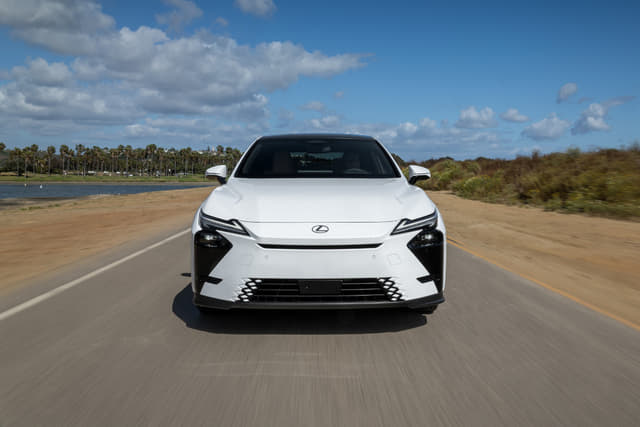
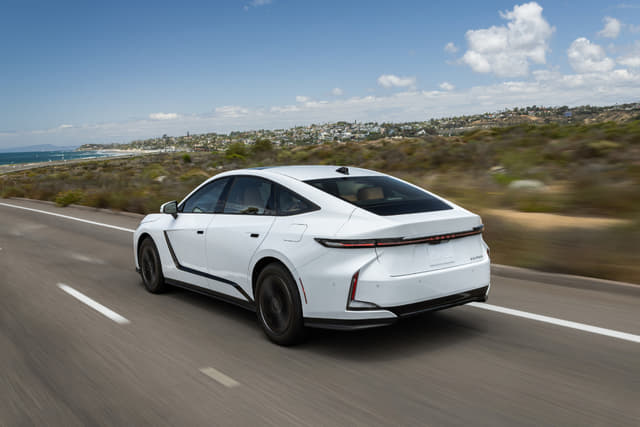
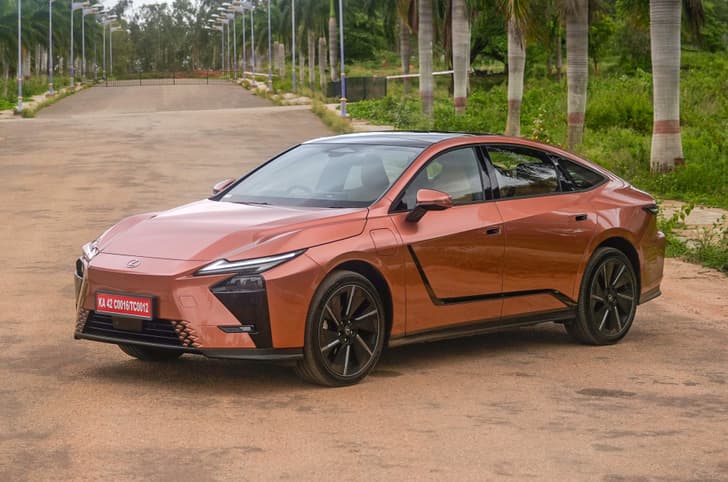
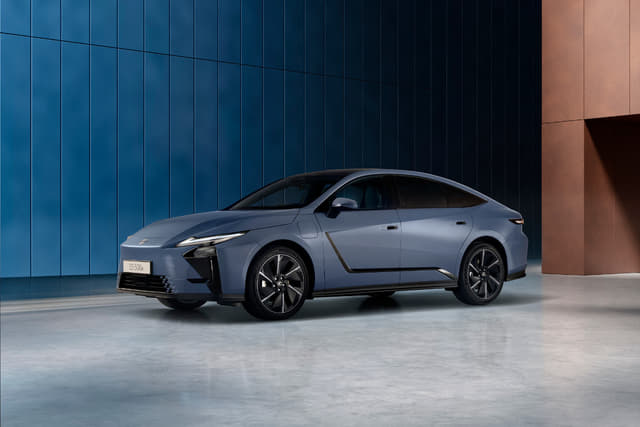
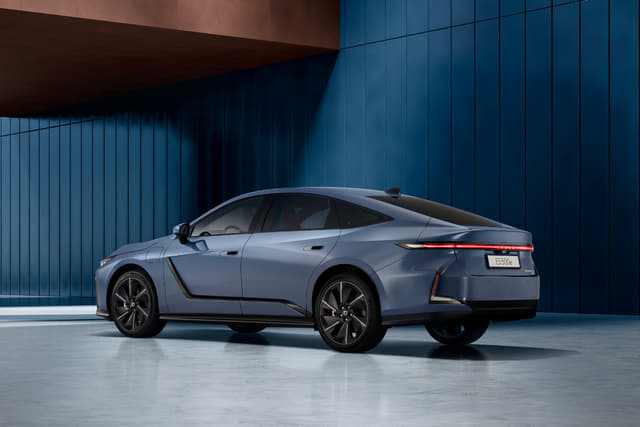
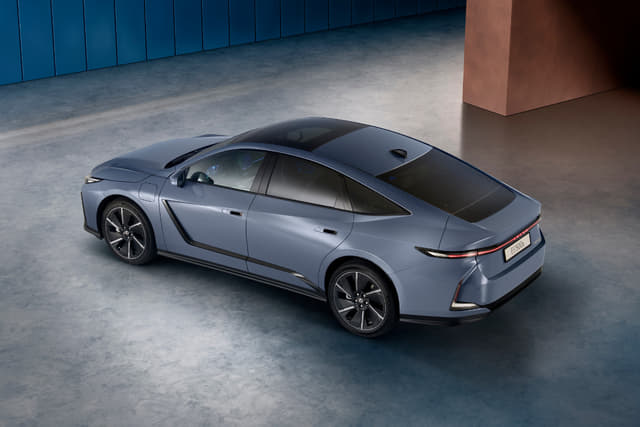
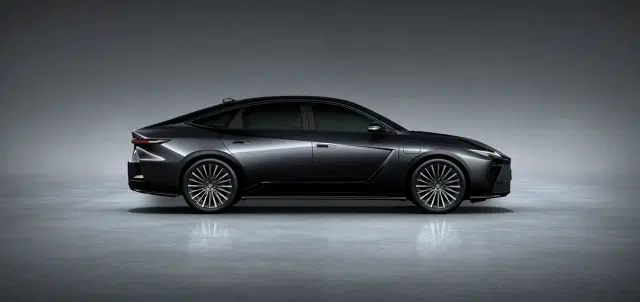
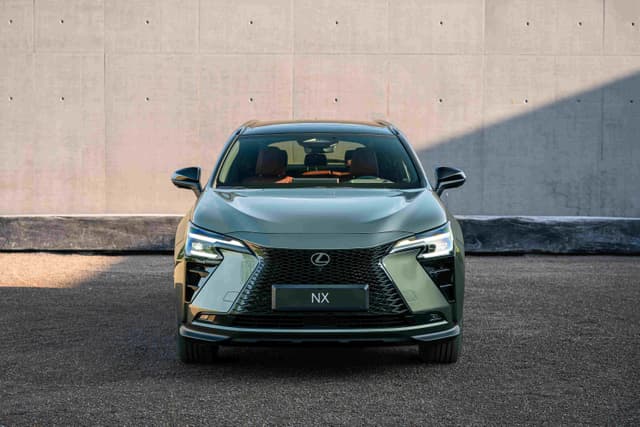
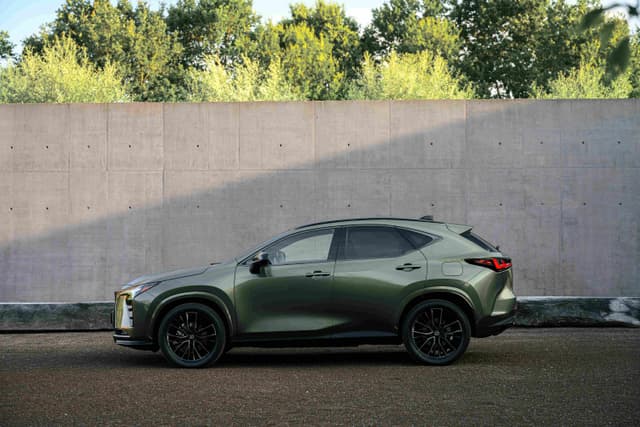
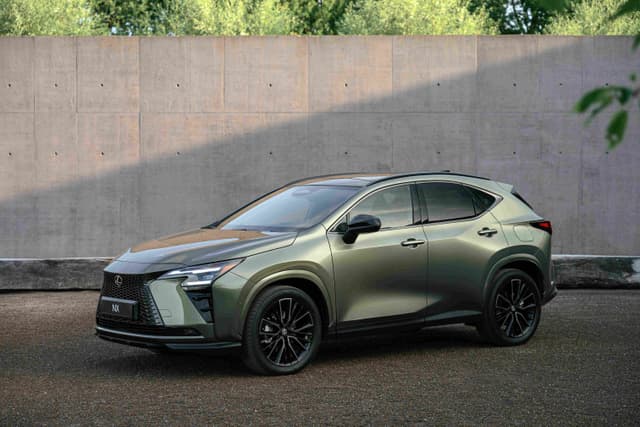
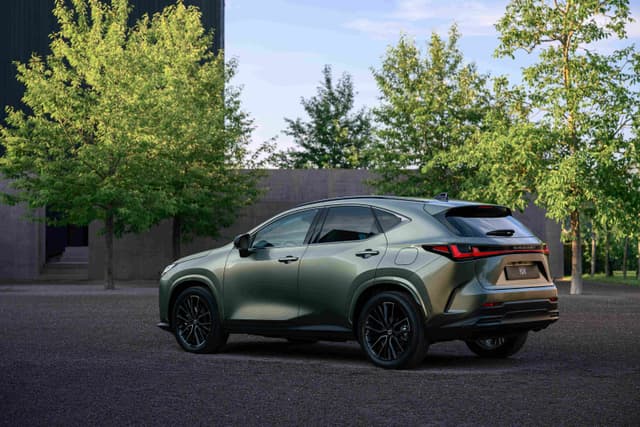
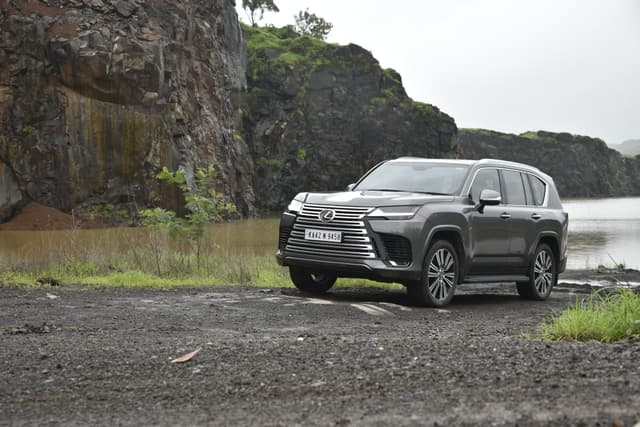
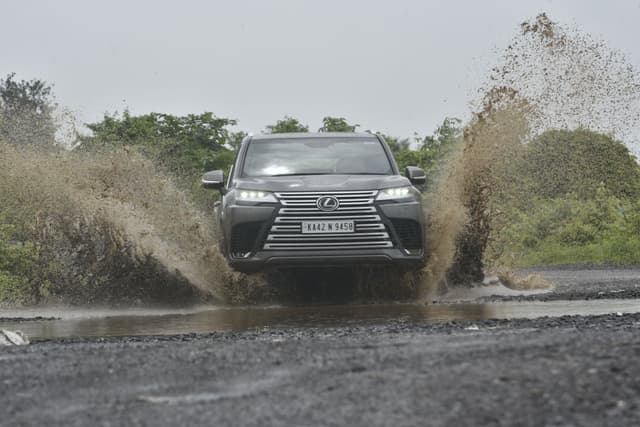
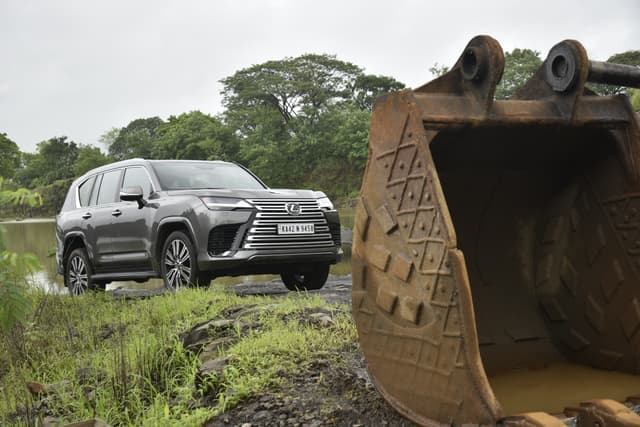
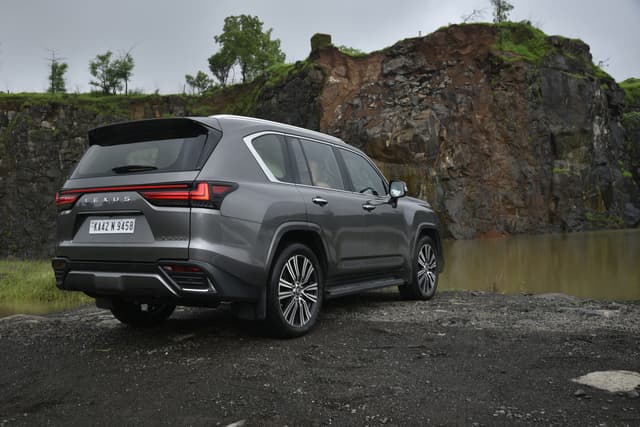
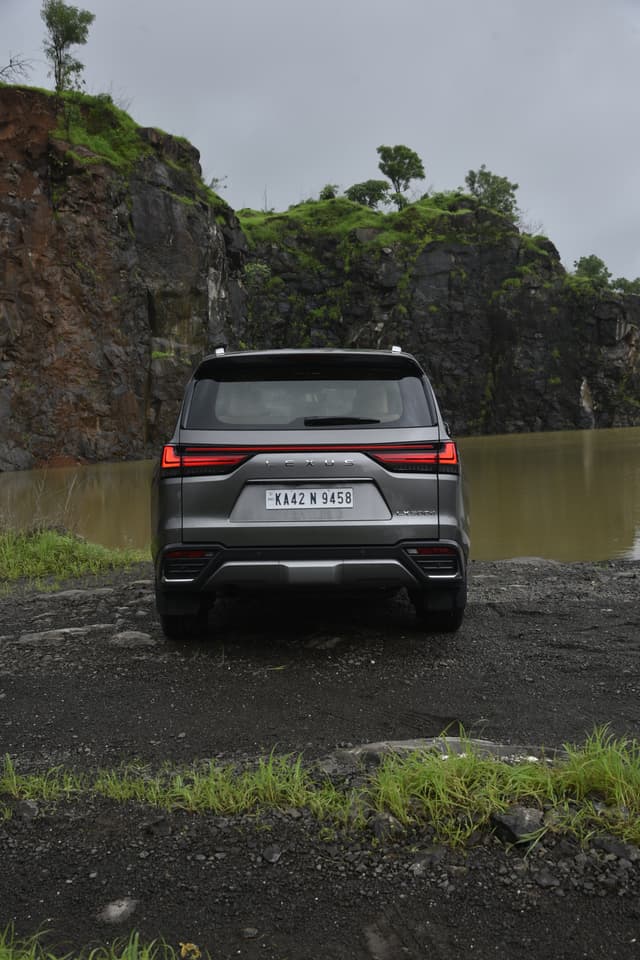
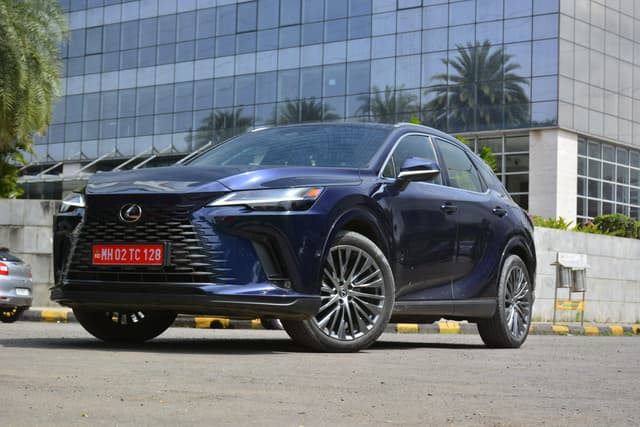
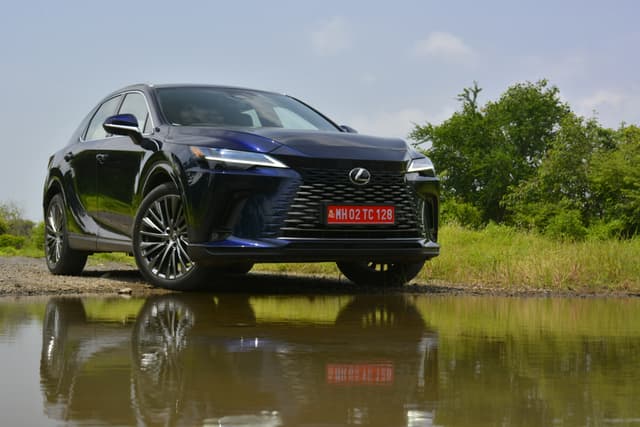
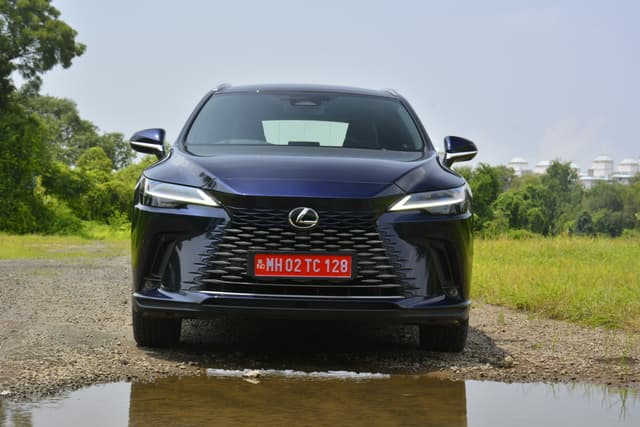
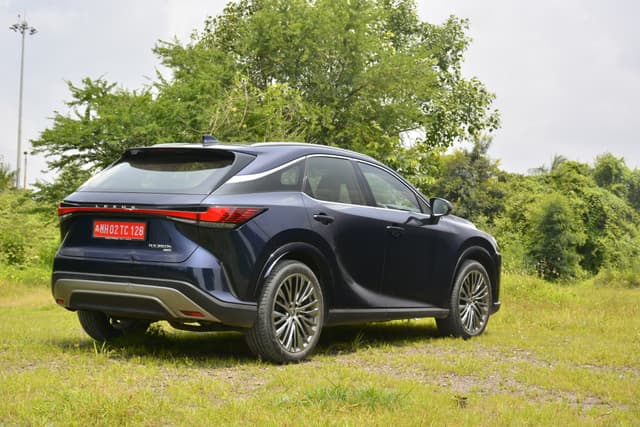
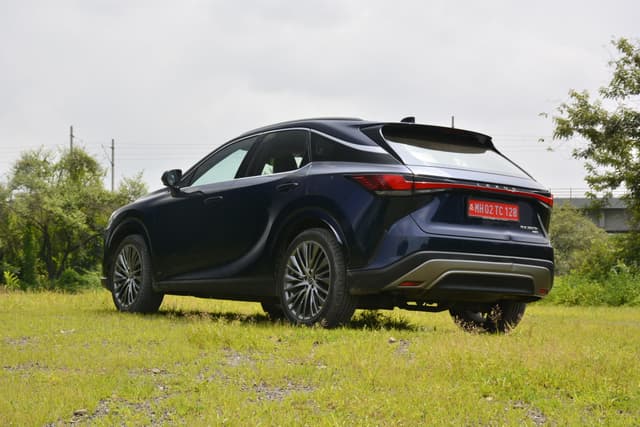
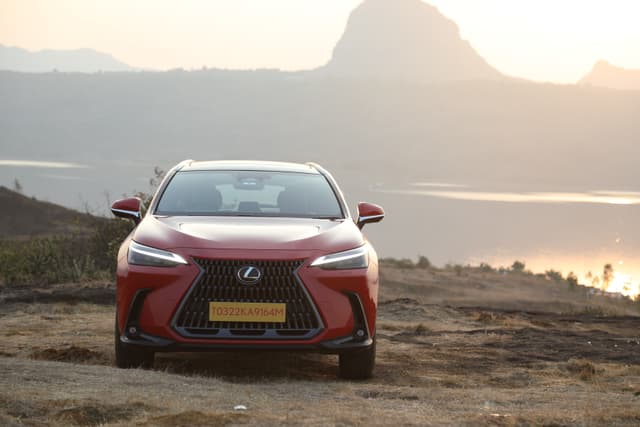
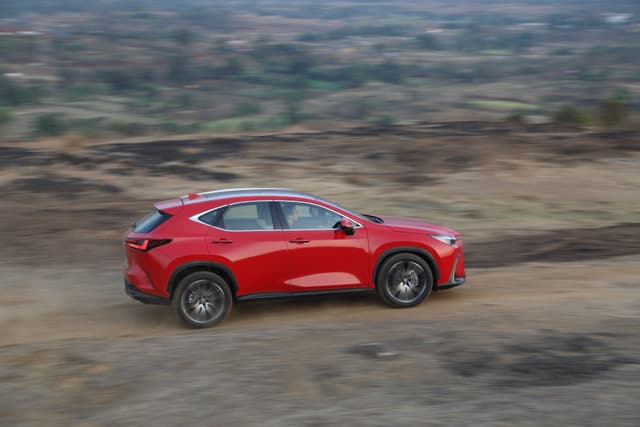
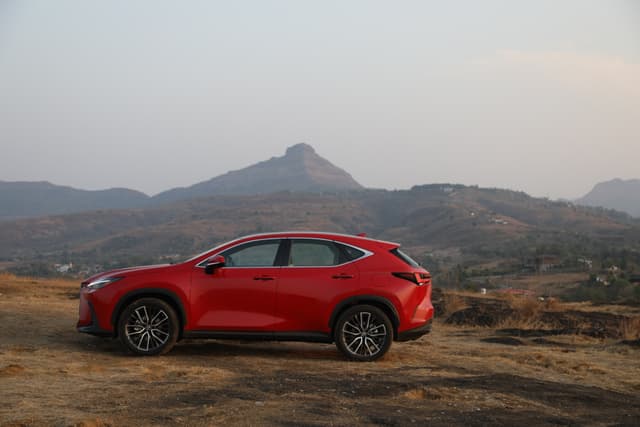
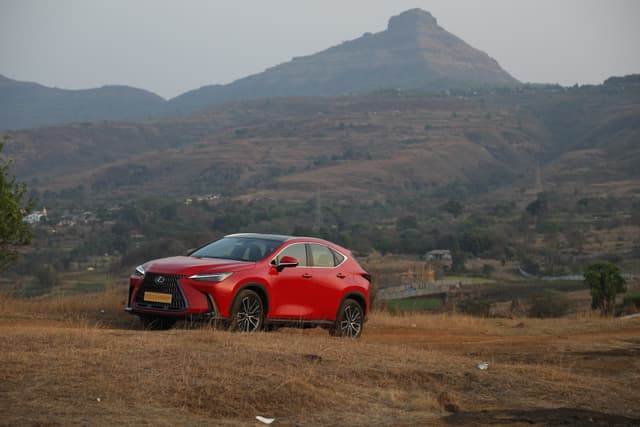
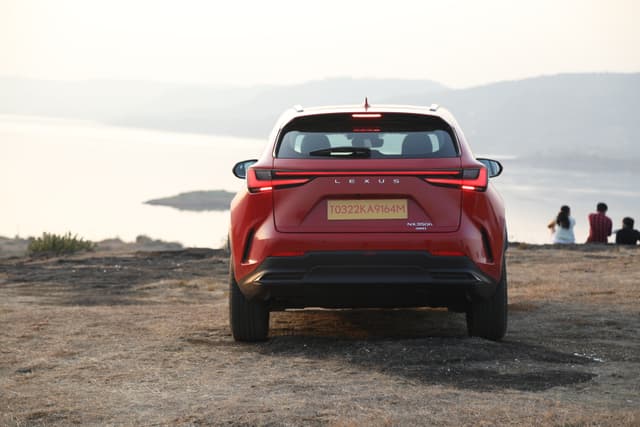
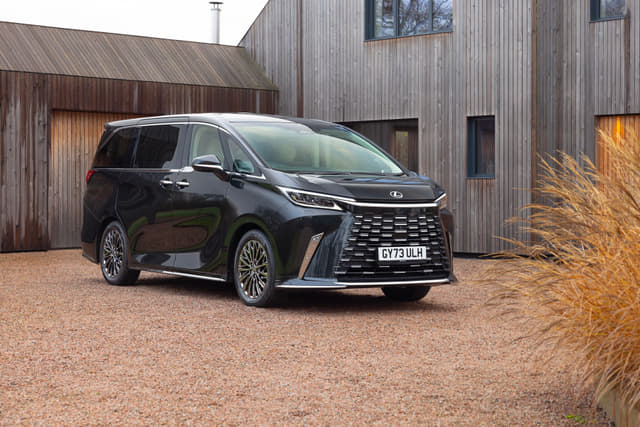
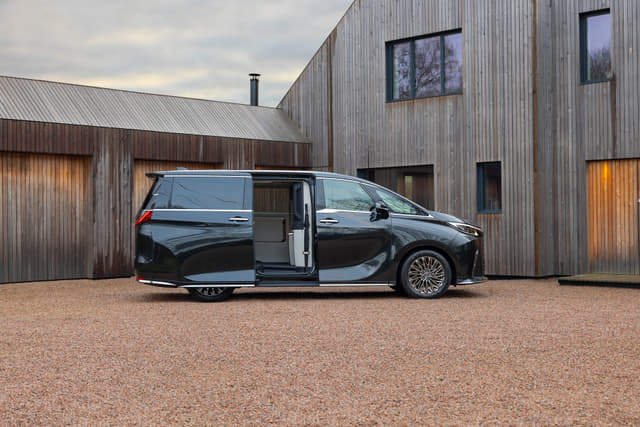
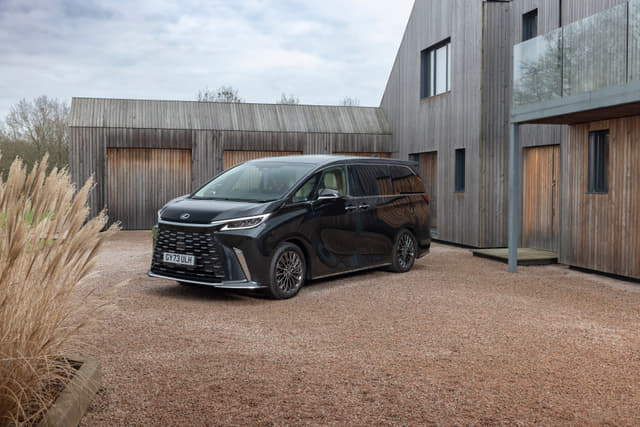
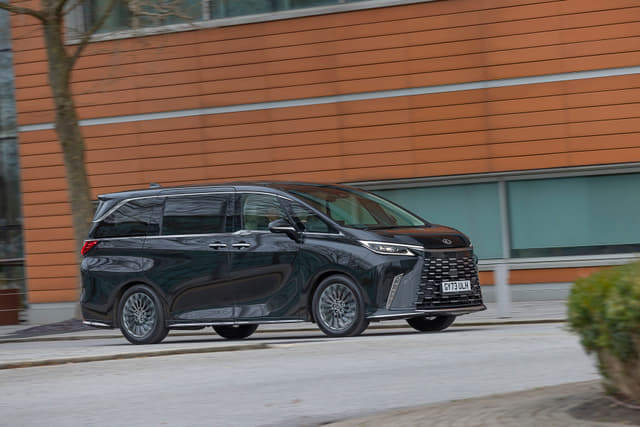
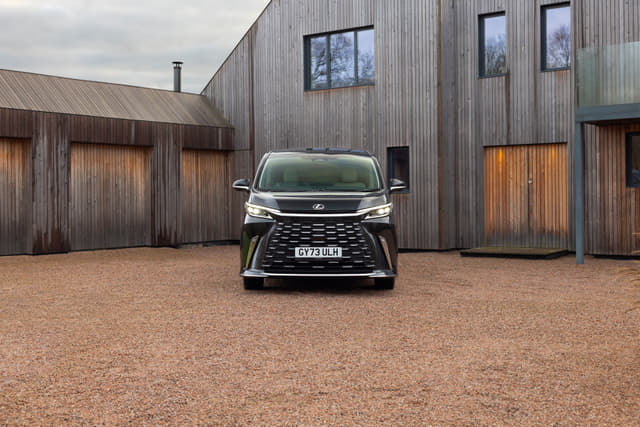
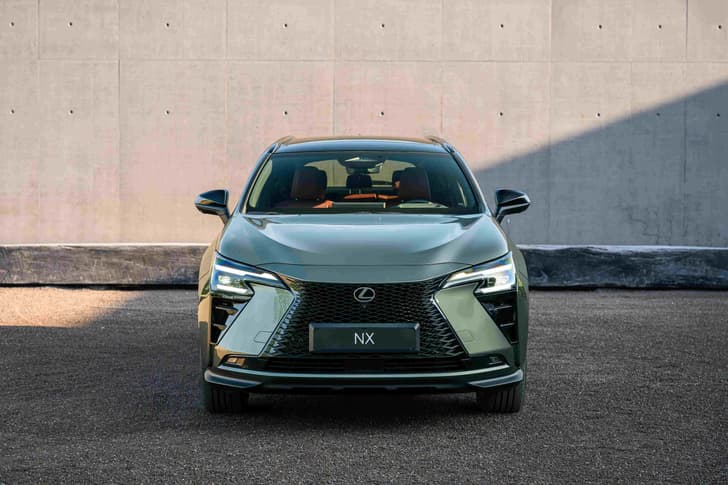
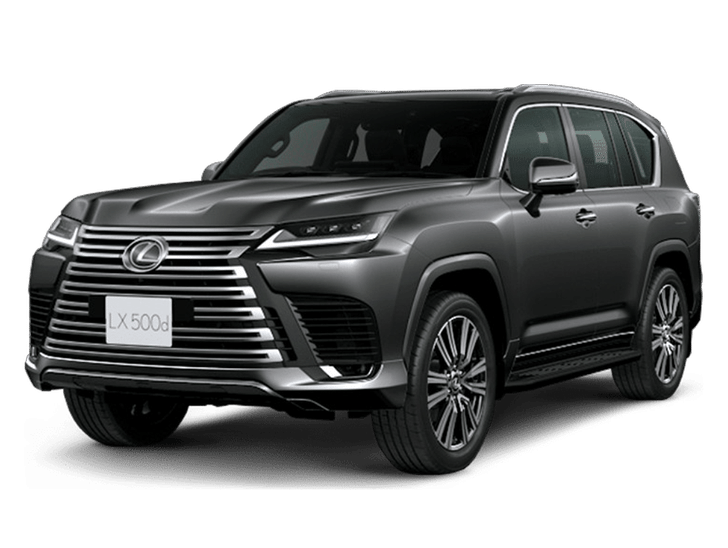
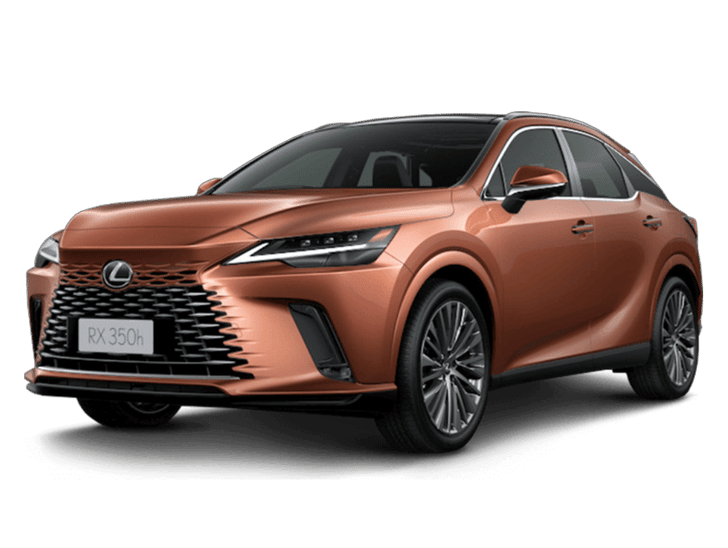
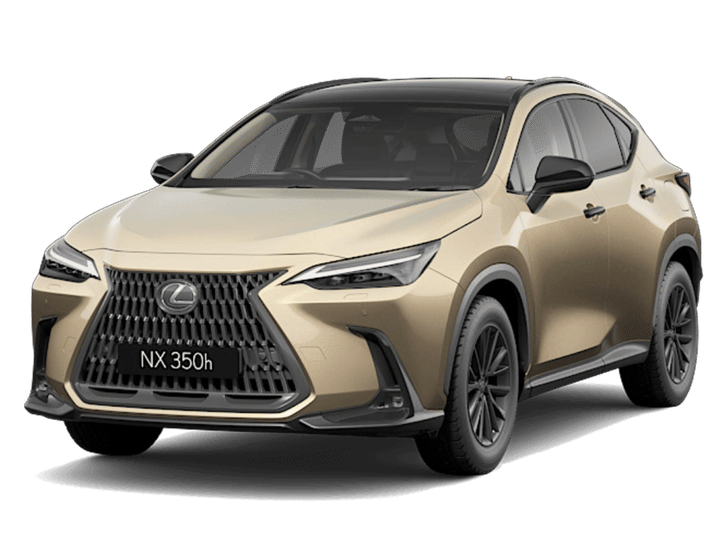
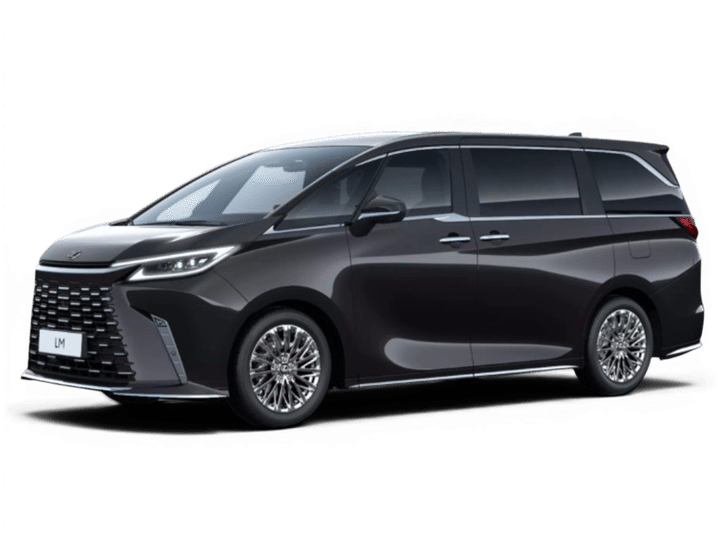
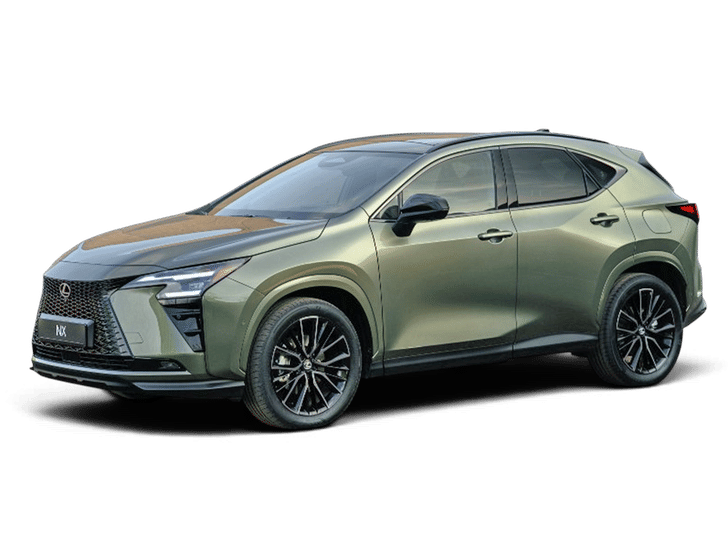
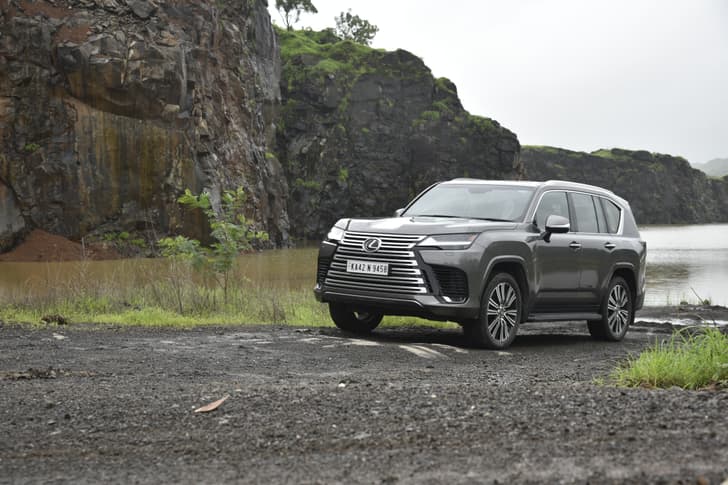
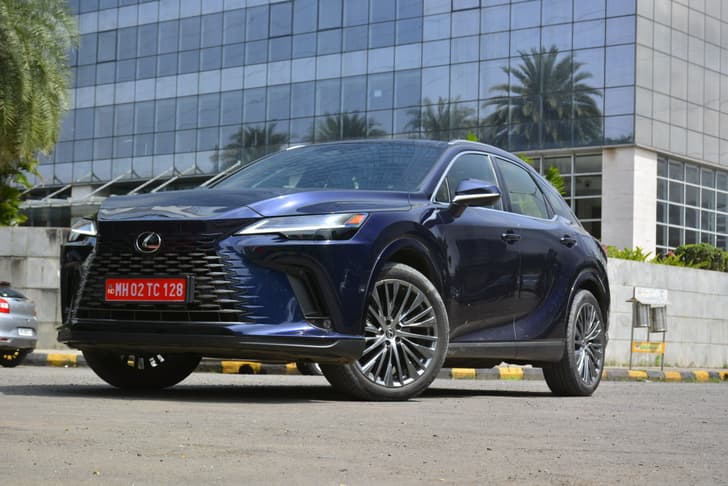
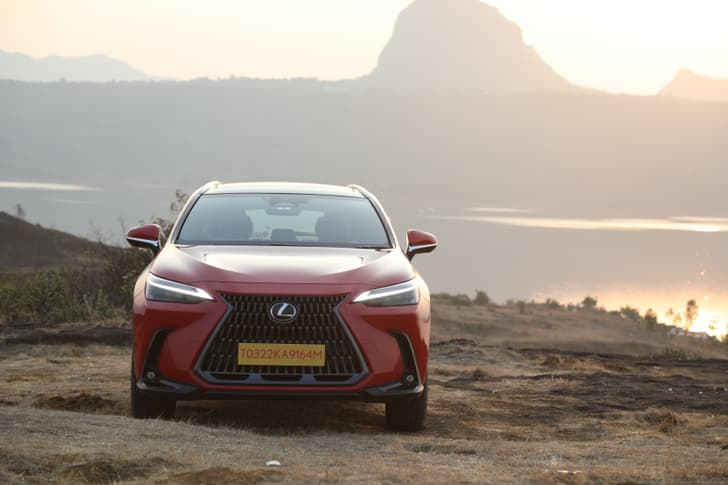
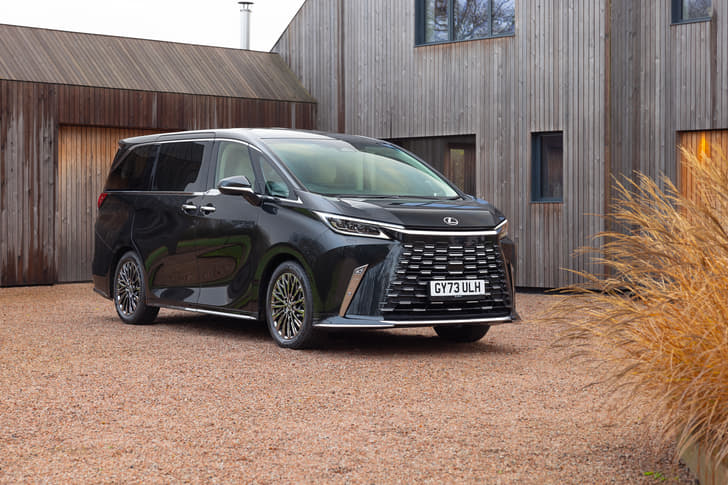
As a wholly-owned subsidiary of Toyota Motor Corporation, Lexus India retails popular luxury SUV models such as the NX, RX, and the flagship LX. The Japanese marque also has the ES luxury sedan and LM luxury MPV on sale in India. Lexus’ India line-up consists of petrol, diesel and hybrid powertrain options that vary from model to model.


FAQs
As of 2026, the Lexus India line-up includes five models: three SUVs (Lexus NX, RX, LX), one sedan (Lexus ES), and 1 MPV (Lexus LM). All Lexus cars in India, except for the flagship LX, come with hybrid powertrains.
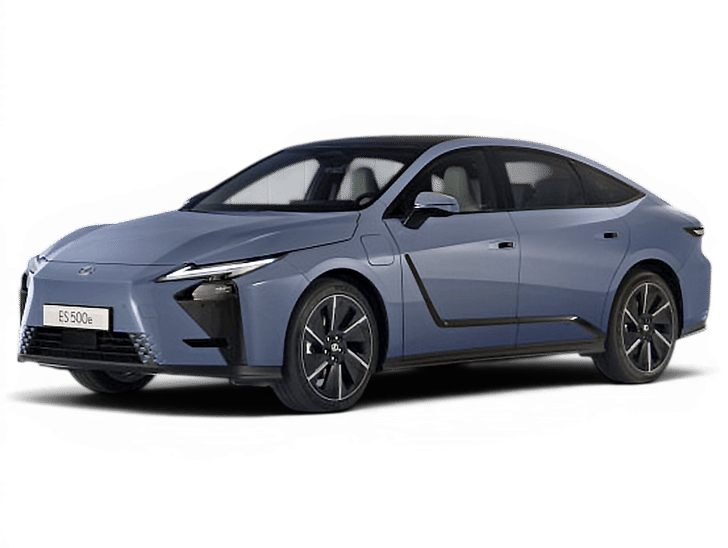
The cheapest Lexus car in India is the Lexus ES 300h sedan, priced at ₹64.00 lakh (ex-showroom). Its on-road price is ₹74.08 lakh in Delhi, ₹77.28 lakh in Chennai, and ₹79.20 lakh in Bangalore.
The most expensive Lexus car in India is the Lexus LX 500d Overtrail Edition, priced at ₹2.81 crore (ex-showroom). The on-road price for this variant is ₹3.48 crore in Delhi.
Each Lexus model in India comes with multiple variants:
- Lexus RX - 2 variants (RX 350h Luxury, RX 500h F-Sport+)
- Lexus LM - 2 variants (LM 350h VIP 7-seater, LM 350h Ultra Luxury 4-seater)
- Lexus LX - 2 variants (LX 500d Urban, LX 500d Overtrail Edition)
- Lexus NX - 3 variants (NX 350h Exquisite, Luxury, and F-Sport)
- Lexus ES - 1 variant (ES 300h)
The Lexus NX has the lowest on-road pricing among all Lexus cars in India, starting from ₹78.75 lakh in Delhi.
Trending Questions on Lexus Cars - Answered by Autocar Experts
I own a Mercedes-Benz E250 CDI (May 2014) that has covered only 63,000 km. I am thinking of replacing it. Which brand and model would you recommend among the Mercedes-Benz GLE, BMW X5, and Lexus RX, and why? My priorities are high reliability and low servicing costs, as the Mercedes-Benz E250 CDI has been disappointing.
Given your experience with the E250 CDI and your clear priority for reliability and lower servicing costs, the Lexus RX is the recommendation. The RX has a strong reputation for long-term reliability, lower maintenance costs and a very refined ownership experience. Lexus’ hybrid powertrain is proven, efficient and well-suited to Indian conditions, and the brand’s focus on durability and customer service is a key advantage over the German rivals.The Mercedes-Benz GLE and BMW X5 are both excellent SUVs, but they are more complex vehicles with higher long-term maintenance costs and a greater reliance on electronics and software. The Lexus car may not have the same outright performance or brand cachet as the German options, but it is the most sensible choice for an owner looking for a premium SUV that will deliver a hassle-free ownership experience over the long term.
I own a May 2014 Mercedes E250 CDI, which has covered just over 63,000 km. It still runs well, but the annual servicing costs are high, and one part or another needs replacement. I don't feel Mercedes cars are as bulletproof as they once were. I was thinking of replacing this with an SUV - which would you recommend between the GLE, the BMW X5 and the Lexus RX and which model? My usage is mainly city driving a couple of days a week, along with occasional long-distance trips.
Given your usage pattern of mainly city driving with occasional long runs, the Lexus RX 350h would be our recommendation. The hybrid powertrain is particularly well-suited to your needs, offering excellent refinement and efficiency in urban conditions while still being capable and comfortable on longer journeys. Lexus cars also have a strong reputation for reliability and lower long-term maintenance costs, which addresses your concerns with the E 250 CDI.The Mercedes GLE and BMW X5 are both excellent SUVs, but they are more performance-oriented and can be more expensive to maintain over time. The GLE 300d is a strong diesel option, but with your limited usage, the benefits of a diesel are less compelling. The X5 xDrive30d is similarly impressive, but again, the Lexus hybrid makes more sense for your driving pattern. There are also these cars' respective petrol versions, but coming from a diesel, you might find their respective running costs much higher.The RX 350h strikes the right balance between luxury, efficiency and long-term ownership peace of mind. The only downsides are that it's not that exciting to drive, and that Lexus' network isn't anywhere near as big as Mercedes or BMW cars. But if you have a dealer close to you, and don't mind a more relaxed drive, it is a genuinely premium SUV that should prove to be a more satisfying ownership experience over the long term.
I am looking to buy a car for around Rs. 1 crore by the end of this year. I love sedans, but I am horrified about ground clearance, as my current C-Class scrapes over speed breakers quite often in my city. I am only considering hybrid or electric vehicles. I do not see diesel as a viable long-term option, as I typically keep my cars for around 10 years. Petrol is also not ideal for me because my monthly running is around 2,000 km, making it less economical. Could you please suggest suitable options?
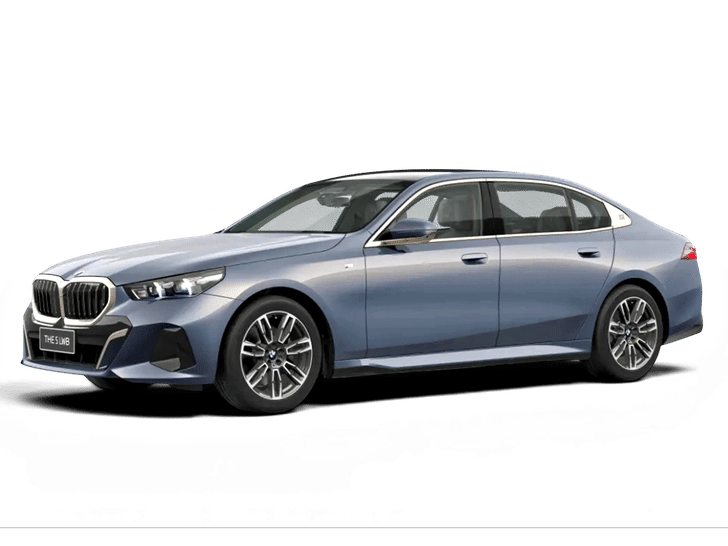
For the moment, there's no hybrid sedan that fits your requirements. The Lexus ES 350h hybrid is due for launch, though.The Lexus ES is already on sale in a full electric Lexus ES 500e avatar. It packs in crisp styling, a lot of features and the promise of a reasonable range. However, we have yet to drive one and cannot comment on ground clearance at this time.Since you are open to buying electric, an enticing option is in the works. BMW is readying a long wheelbase version of the all-electric i5, and a key engineering job on the project is to ensure ample ground clearance for Indian conditions. The BMW i5 M60, sold in short wheelbase form, was notorious for scraping its belly on speedbreakers and bad roads, and the promise is that this won't be an issue on the i5 LWB. The model is expected to go on sale in the coming months and could be an exciting option to look for.
Which car should I purchase with a budget of ₹1 crore? My usage is mostly city driving (around 30 km daily and approximately 10,000 km annually). Should I choose the Mercedes-Benz GLE or GLC, or wait for the BMW iX3? My priorities are a reliable engine and gearbox, good seat comfort (as I have a back problem), and reasonable mileage. Please suggest.
For your needs, we'd recommend the Mercedes-Benz GLC from your shortlist. The GLC’s front seats have good lumbar support and wide adjustment, so it is easy to set up a posture that is kind to a weak back, and the cabin is quiet which reduces fatigue on longer days. Between the petrol and diesel, it's a trade-off between mileage and maintenance - the diesel's fuel economy is no doubt better, but it also requires AdBlue topups and DPF regeneration every so often, so keep that in mind.You'll have to stretch well beyond ₹1 crore on-road for the GLE, but then it does ride and drive better, especially if you choose a six-cylinder model with air suspension. As for the BMW iX3, it is still a while away, with a launch not expected before 2027. If you can wait that long, however, it is coming here in long-wheelbase guise, so space and comfort should be plenty. Another offbeat alternative you should consider is the Lexus RX 350h. It fits in your budget, is spacious and comfortable, and offers a unique take on luxury with all the features you might want. Its biggest strength is its hybrid powertrain that is incredibly efficient and reliable too. Lexus' network in India, however, is smaller than Mercedes' or BMW's.
How is the Lexus RX 350h? Is it worth the price being asked compared to its immediate rivals like Volvo and BMW? I will mostly be using the rear seat, so comfort there is a key priority. Could you please advise?
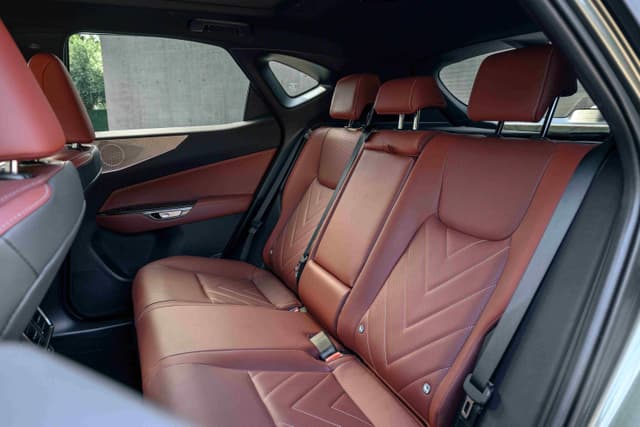
If you are mostly sitting in the back seat and your use is primarily in the city, the Lexus RX 350h fits that role well. It scores high on refinement, space and luxury, with exceptional attention to detail and a uniquely Japanese take on cabin design. Being a strong hybrid, the RX 350h moves mostly on electric power in traffic, and the switchover is near imperceptible; as you can imagine, fuel consumption is incredibly low by luxury SUV standards. Noise levels are low, so calls or resting in the back seat are easy. Lexus also has a strong record for trouble-free ownership, which matters when you plan to keep the car for a long.There are a few things to note for a back-seat user. The rear seat is comfortable and reclines, but the floor is a bit high, so tall people may sit a little knee-up. It is a wide five-seater, but it does not feel as airy as the biggest rivals. If you want a roomier back seat and a more stretched-leg feel, the Volvo XC90 will feel bigger, and it also gives you seven seats if that ever helps. If you sometimes drive yourself and enjoy a sportier feel, the BMW X5 is the one that feels more lively from the front seat, though its ride can feel firmer in the back.However, both those cars are more expensive than the Lexus, which today spells exceptional value in the segment.
I want to buy a new SUV for daily driving under ₹1.5 crore. My driving is around 3,000 km per month, including both city and highway use. I own a GLS Maybach and a Volvo XC90.
While there are a few interesting options in this price range, we feel you should pick the BMW X5 xDrive30d M Sport. Apart from being excellent to drive and very luxurious, it will feel like a nice departure from your GLS and Volvo XC90. BMW's straight-six engines are superb when it comes to refinement, smoothness and performance, and given your intended heavy usage, some of which is on the highway, we'd recommend the diesel, which is strong and efficient. You can easily get more than 700km out of a tank of diesel in your mixed driving cycle.An alternative is the Mercedes-Benz GLE, which offers more rear-seat space and a slightly more comfortable ride, though we feel it will be too similar to your GLS, or the Lexus RX 500h, whose smooth and efficient hybrid powertrain is an excellent alternative to the established order.
I am considering the Mercedes‑Benz GLC 220d, BMW X3, Lexus NX, and Toyota Camry Hybrid. My monthly usage will be around 4,000 km, and resale value is also an important factor. Which one would be the best option to buy?
Given your extremely heavy usage, your decision to choose between diesel or strong hybrid powertrains is correct, as running costs would be through the roof on a petrol vehicle. Strong hybrids still have the edge on fuel economy, and the Lexus NX is a superb SUV with a luxurious and well-equipped interior. It's comfortable too, and quite a unique proposition. However, when it comes to resale value, sadly, it isn't quite as good as the more established German brands. Thus, we would recommend the Mercedes-Benz GLC 220d. Its diesel engine is strong yet efficient, its 9-speed AT gearbox is smooth, and it has a comfortable ride too. Plus, it has a high-quality and high-tech cabin that feels classy and plush, and will likely hold its value better than the other options you've listed here.
Hello Autocar India, having recently sold my Mercedes GLC, I am looking to transition to a sedan that offers superior rear-seat comfort, lower maintenance costs, and stronger resale value. My absolute priority is the rear-seat experience for my parents, specifically a model with significant power-recline and a smooth ride. Considering the Camry, Lexus ES 300h, and German rivals like the BMW 3 Series, Mercedes-Benz C-Class, and Audi A6, which offers the best “boss-seat” experience?
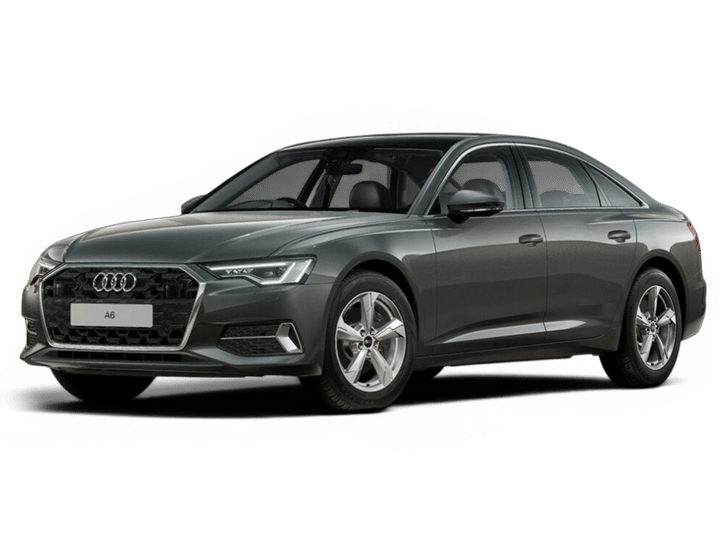
Given the requirements you've listed out, it's hard to go wrong with the Lexus ES 300h. It's the only one in this price range that offers the power recline function at the rear; its ride quality is superb. Also, being a Toyota underneath, maintenance and services are fewer and more affordable than those of other luxury cars. The Toyota Camry is, of course, even better value, but it doesn't have the same luxurious interior as the Lexus. With German brands having got significantly more expensive lately, the Lexus has somehow remained in the lower price bracket. Alongside the Mercedes-Benz C-Class and BMW 3 Series LWB, which only further enhances its value proposition.
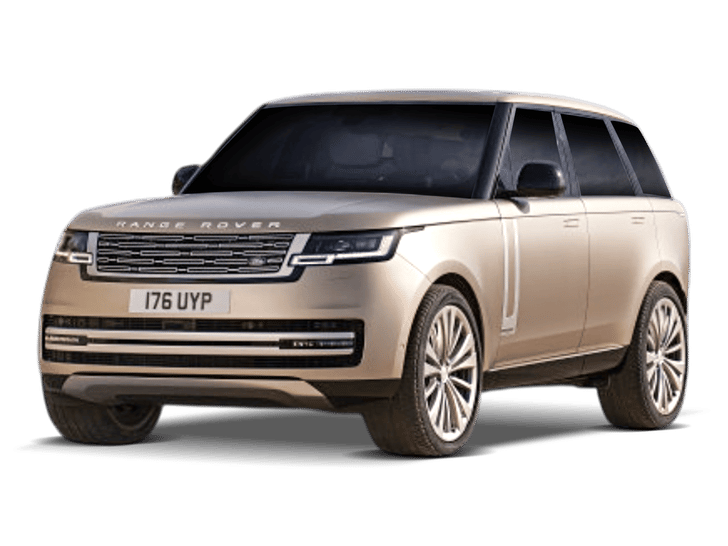
Hi, I’m looking to buy a new car primarily for my dad, who will be chauffeur-driven to work, but on weekends and road trips, I will drive it. I’m torn between the Lexus LM and the Range Rover HSE or Autobiography. I realize these are completely different vehicles, but neither my family nor I have been able to finalize a choice. Also, please share your insight on whether the petrol Autobiography is worth the ₹30 lakh premium.
The Lexus LM and Land Rover Range Rover HSE are completely different vehicles. The Lexus LM is a fantastic chauffeur-driven car with a pair of rear seats that resemble a first-class cabin. We can see your father being very comfortable in the back seat, which has all amenities, and getting in and out of those sliding doors will be very easy. The Range Rover doesn’t have the same lounge-like cabin, but the back seat is fantastically comfortable too. Where the Range Rover noses ahead of the LM is with its far better ride quality and the sheer class it offers. An MPV, no matter how luxurious, somehow can’t match the status and image of an SUV. And lastly, for your weekend drives and road trips, the Range Rover drives much better than the LM.
I am planning to sell my Hyundai i20 and am confused between the Lexus ES and the Honda City Hybrid. Please advise which one I should buy.
There is a huge difference between the Honda City Hybrid and the Lexus ES 300h. Though both are hybrids, the City is a mainstream mid-size sedan, and the Lexus ES is a luxury car.The Lexus is in a different league compared to the Honda car and costs around three times more than the City hybrid. So, if you can afford the Lexus, go ahead and buy it. It will offer you a far more luxurious experience and, thanks to its relatively low cost of ownership, is remarkably light on the pocket for a Rs 70 lakh-plus luxury car.
Last Updated on: 14 Jul 2026