

autocar-logo
Mumbai
Hyundai

Hyundai cars in India (12)

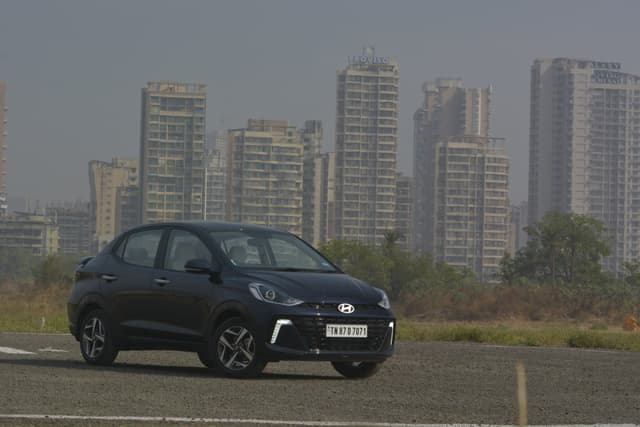
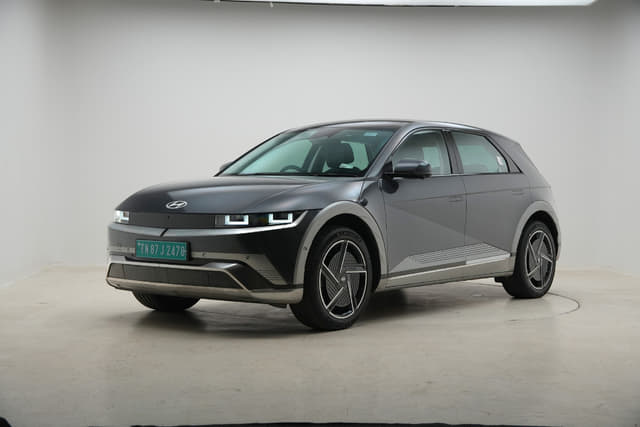
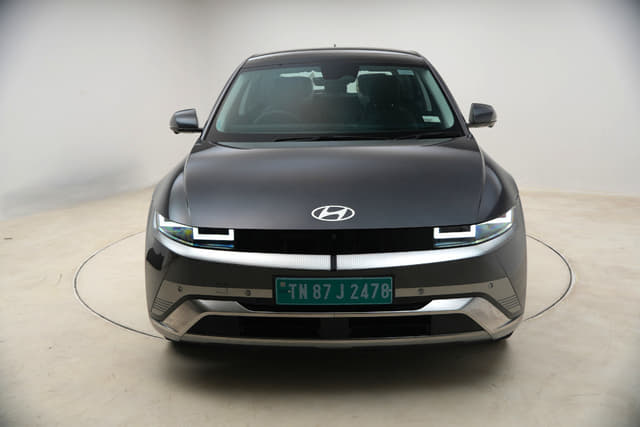
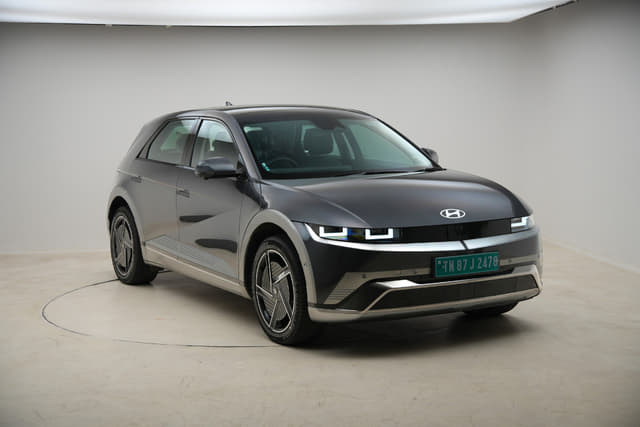
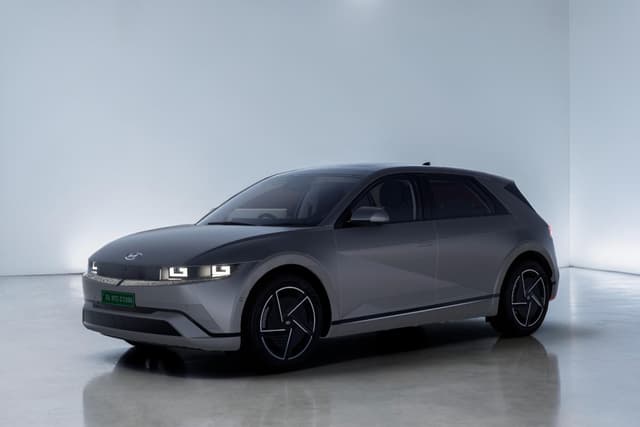
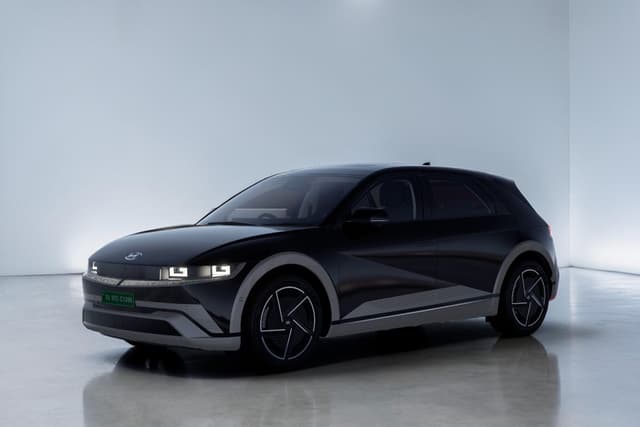
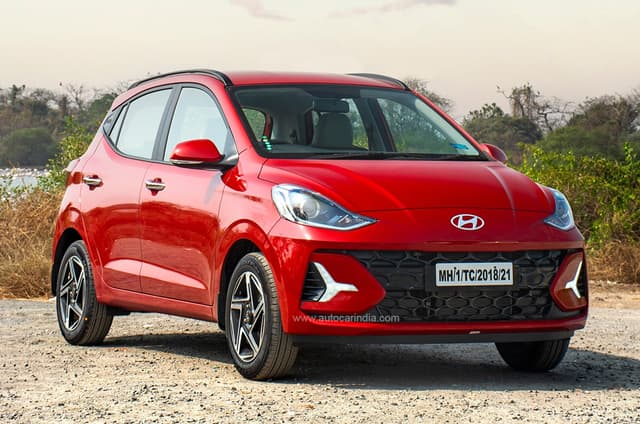
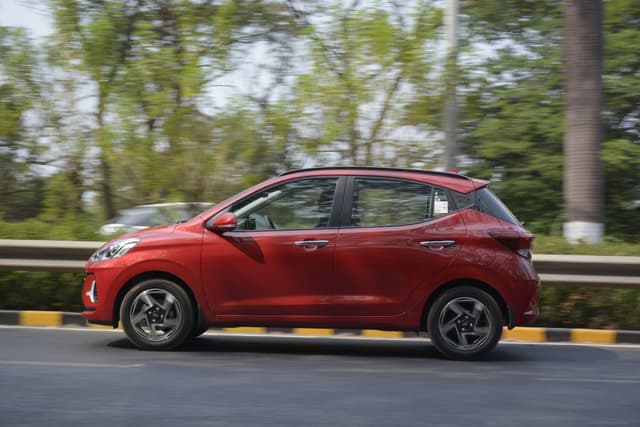
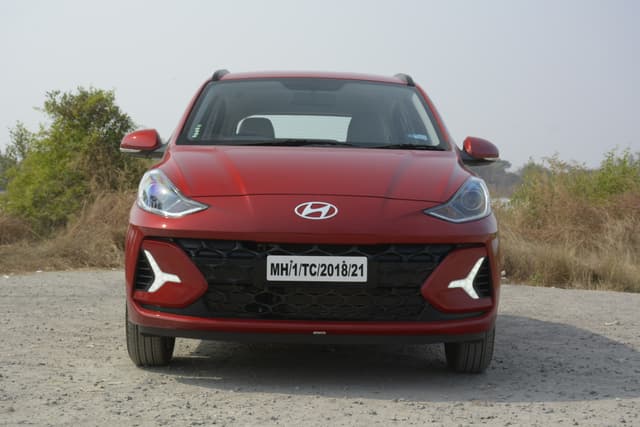
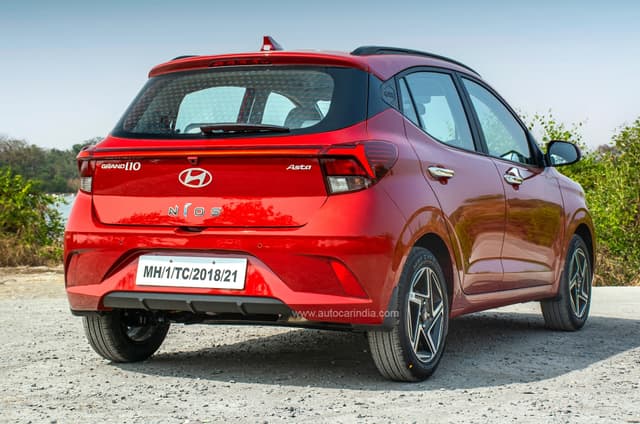
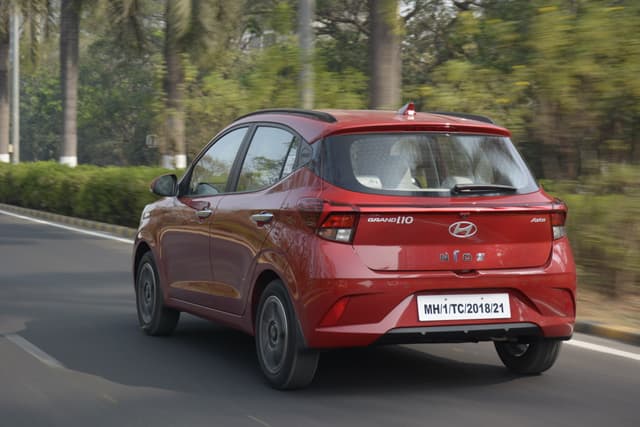
In March 2026, there are currently 13 Hyundai cars in India, out of which 10 are available for sale, and 3 are upcoming. The Hyundai India lineup includes 9 SUVs, 2 Hatchbacks, and 2 Sedans. The Hyundai car price in India starts at ₹5.55 lakh for the Grand i10 Nios, which is also the most affordable Hyundai model in India. The most expensive Hyundai car in India is the Hyundai Ioniq 5, priced from ₹46.30 lakh (ex-showroom).


Hyundai has been one of the most popular car brands in India since its entry in late 1998 with the Santro. Hyundai India has two manufacturing plants, both located near Chennai, with a third plant in Talegaon opening shortly. Most of the Hyundai cars are made in India. Hyundai currently has close to 1,400 showrooms and 1,200 service centres across India. 

Hyundai Car Price List in India April 2026

Here are the latest Hyundai car prices in India as of April 2026:

Hyundai Car Model

Price (ex-showroom)

Hyundai Grand i10 Nios

₹5.55 lakh - ₹7.92 lakh

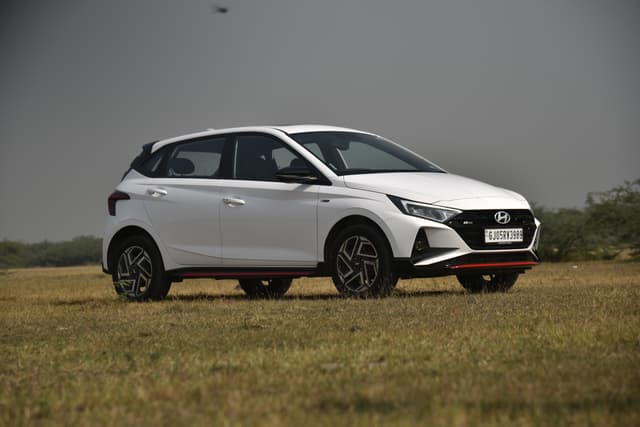
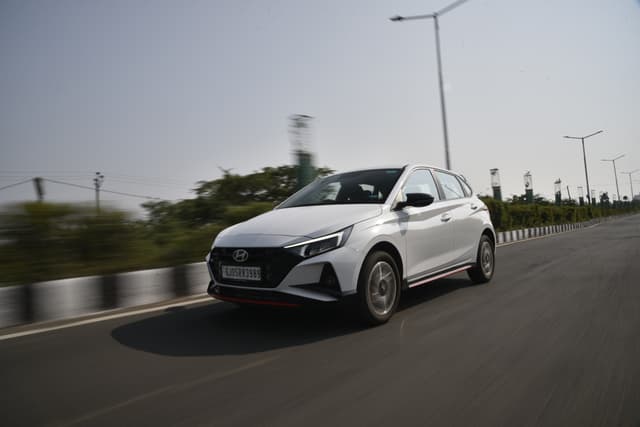
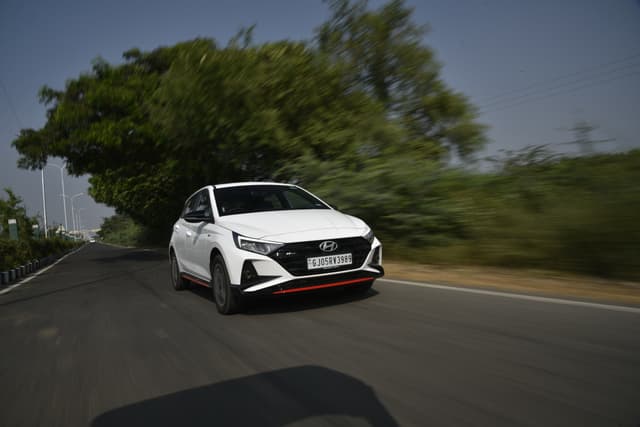
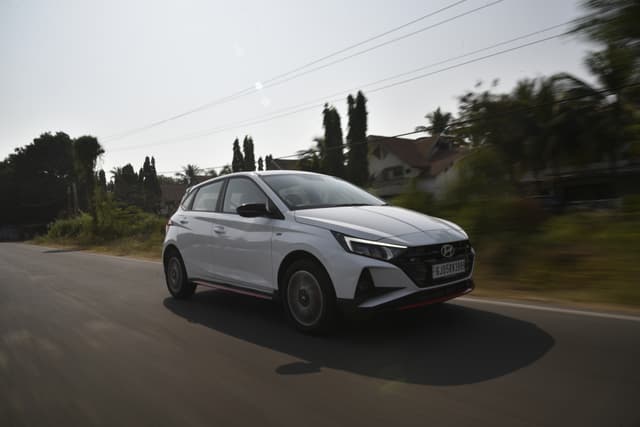
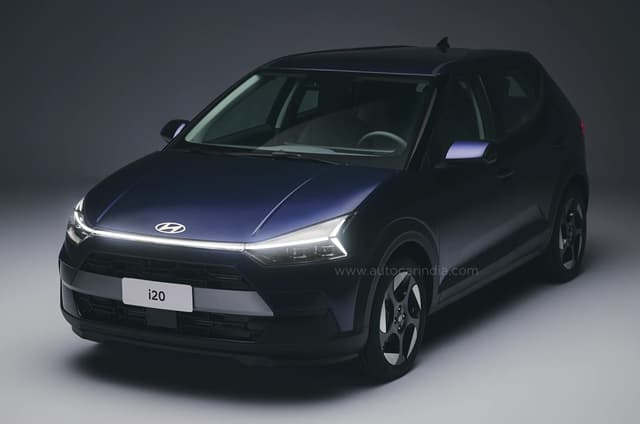
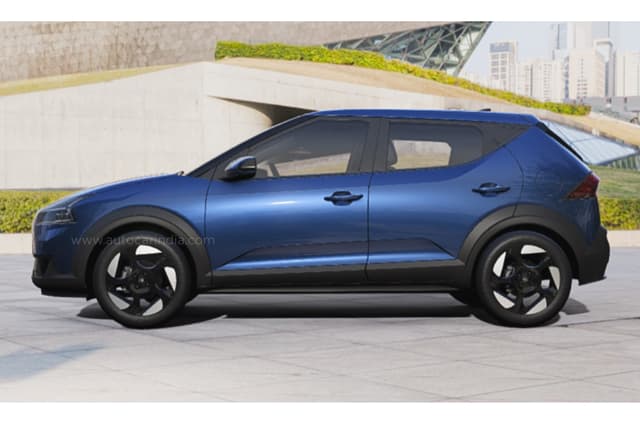
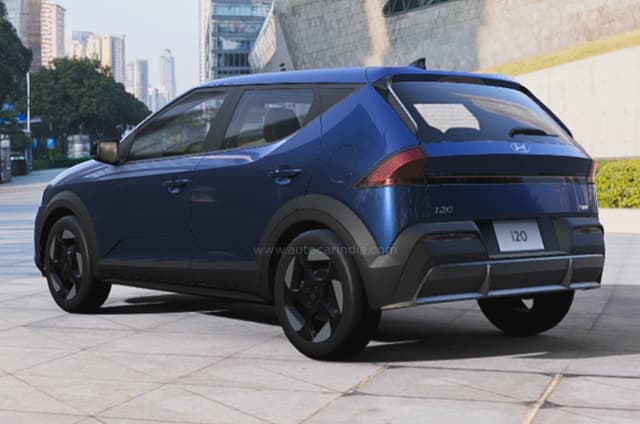
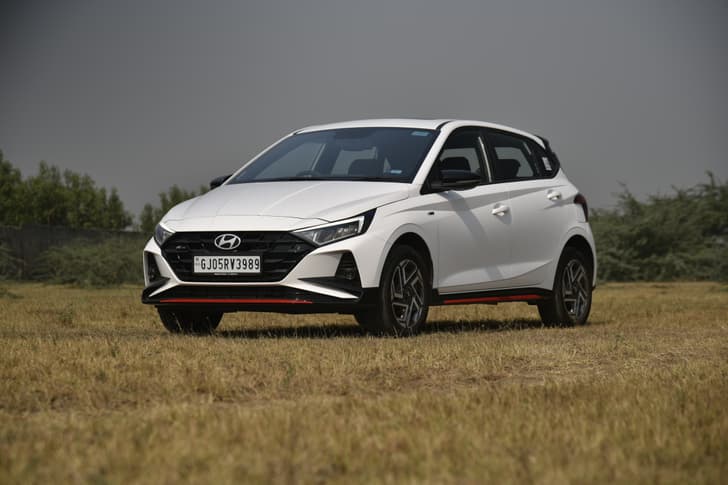
Hyundai i20

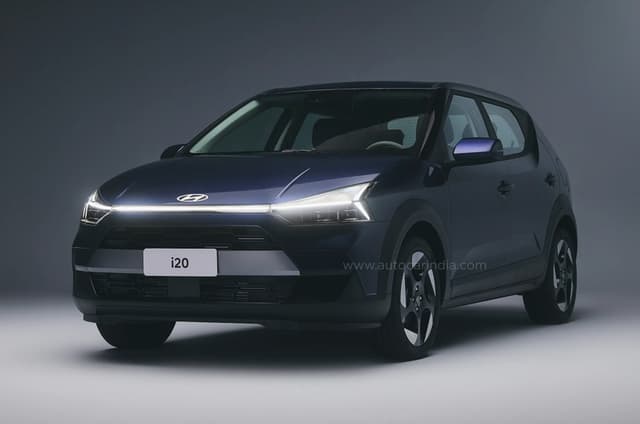
₹5.99 lakh - ₹11.53 lakh

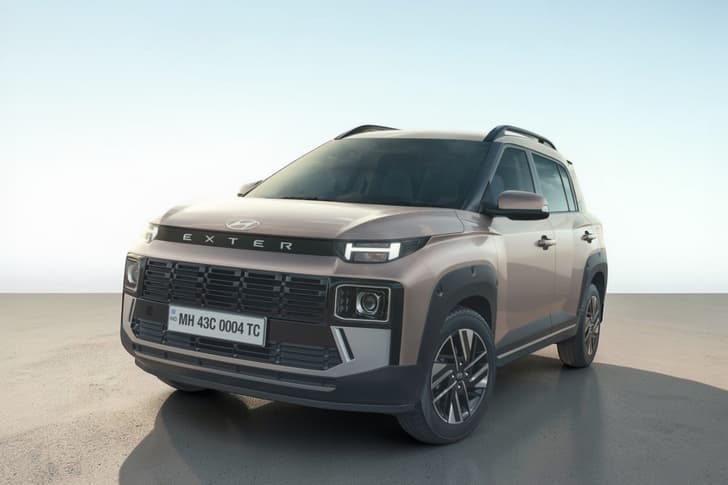
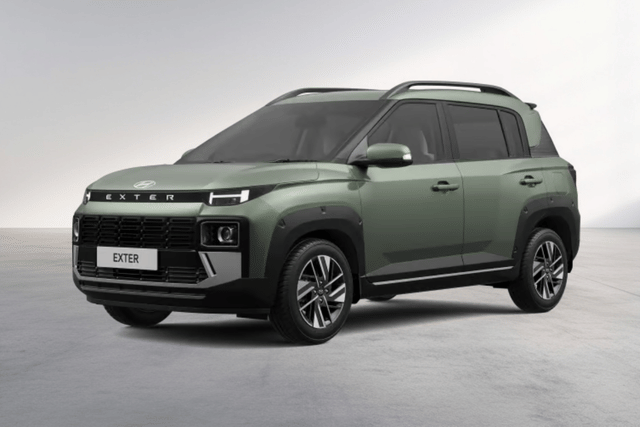
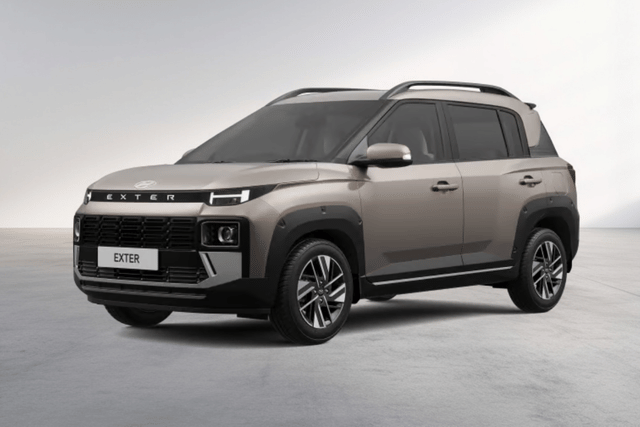
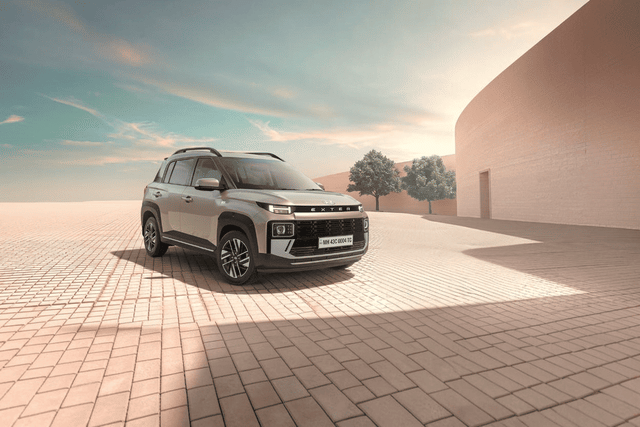
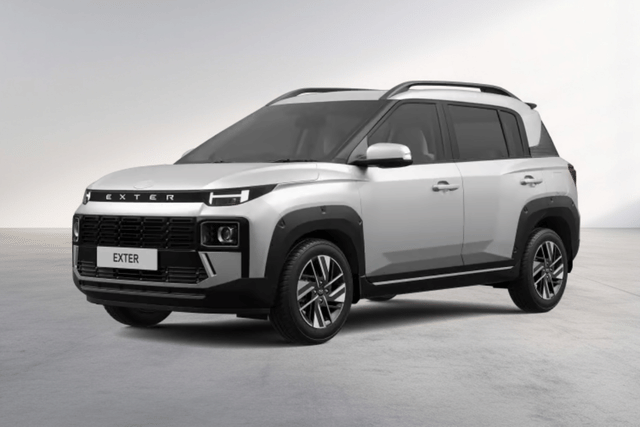
Hyundai Exter

₹5.64 lakh - ₹9.38 lakh

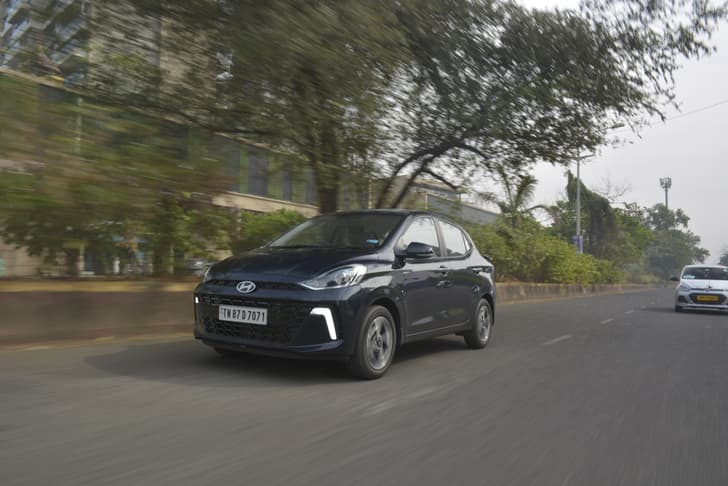
Hyundai Aura

₹6.00 lakh - ₹8.54 lakh

Hyundai Venue 

₹8.00 lakh - ₹15.51 lakh

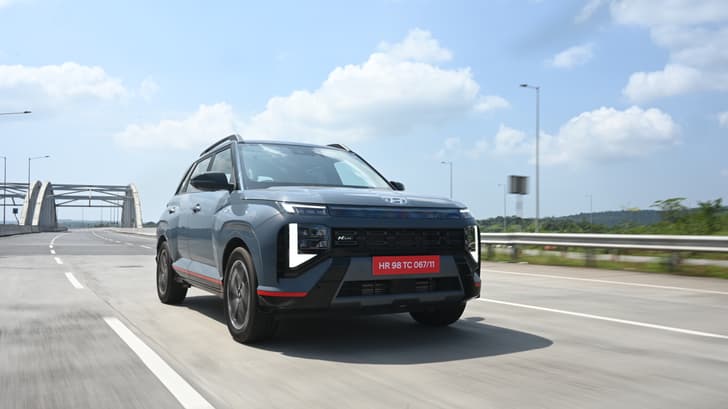
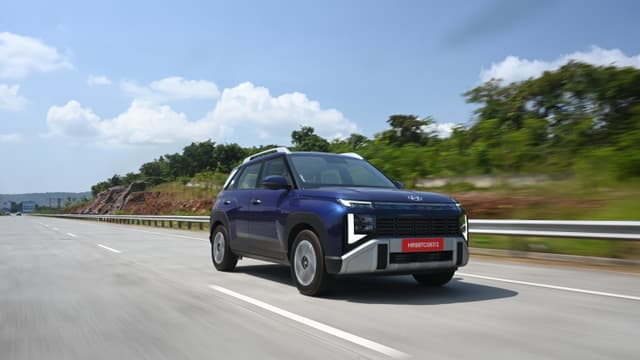
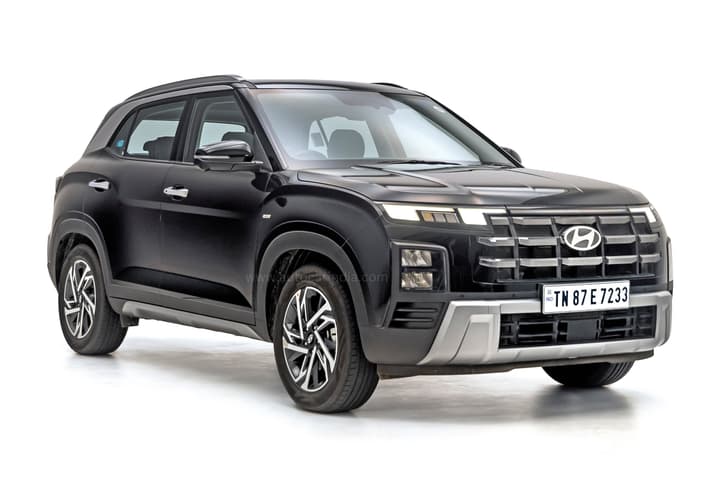
Hyundai Creta

₹10.79 lakh - ₹20.05 lakh

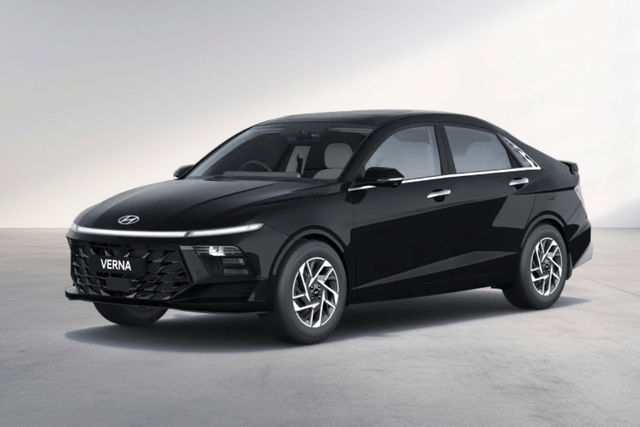
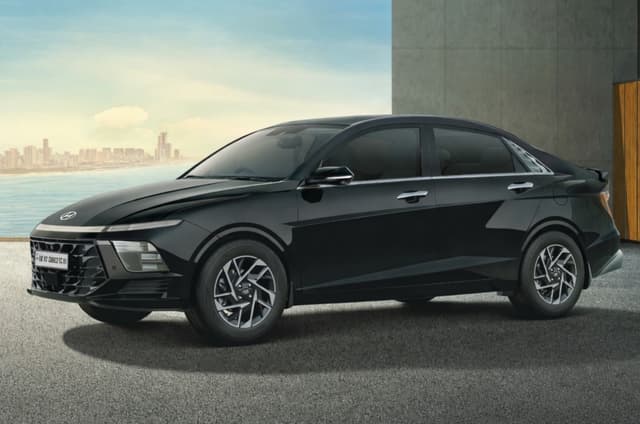
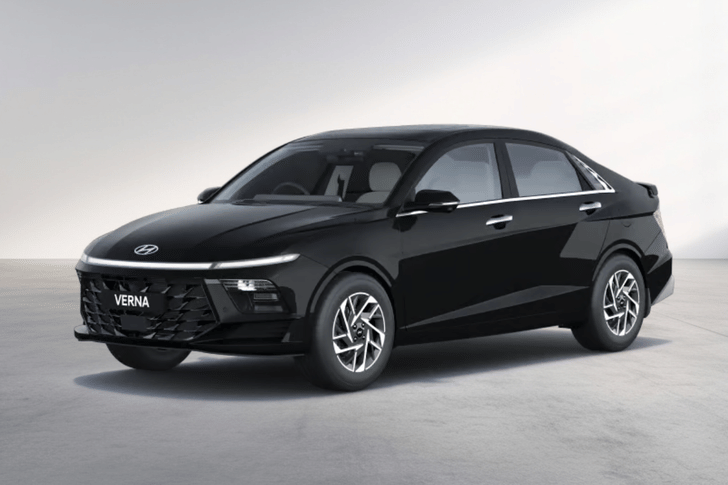
Hyundai Verna

₹10.98 lakh - ₹18.25 lakh

Hyundai Alcazar

₹14.50 lakh - ₹21.06 lakh

Hyundai Creta Electric

₹18.02 lakh - ₹23.82 lakh

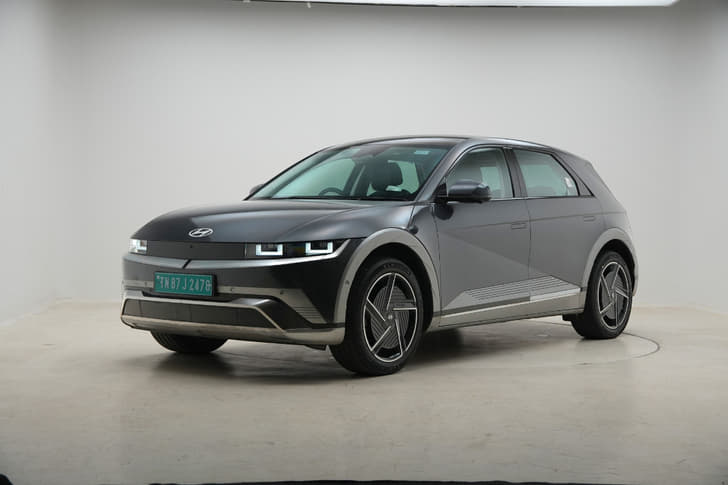
Hyundai Ioniq 5

₹46.30 lakh

Upcoming Hyundai Cars April 2026

Explore the list of upcoming Hyundai cars set to launch in India:


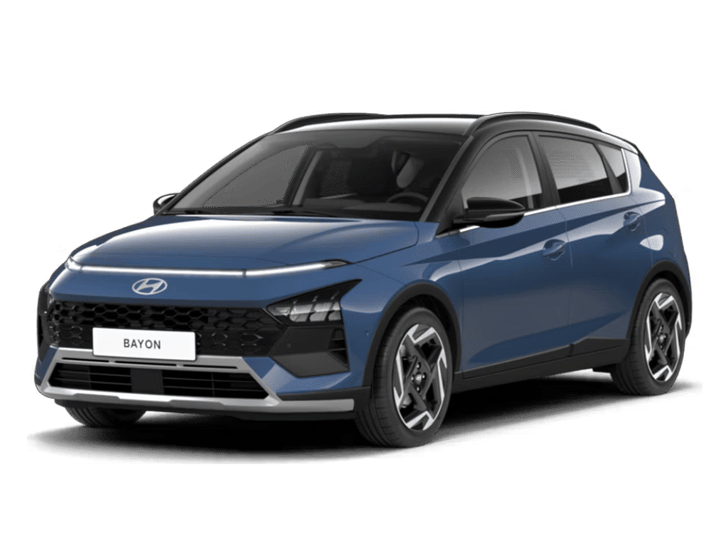
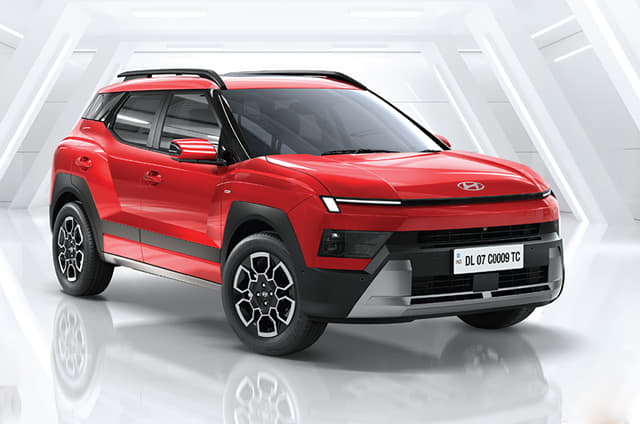
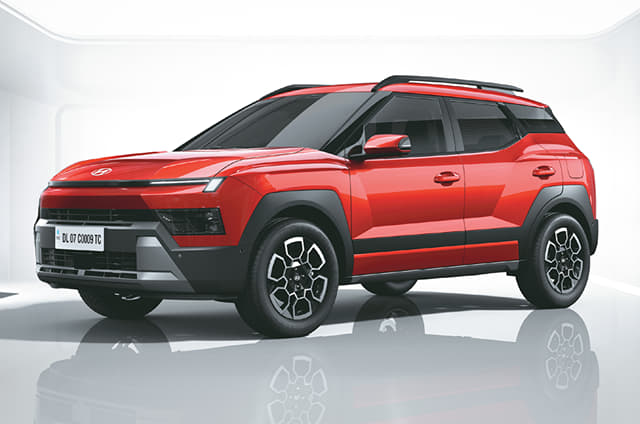
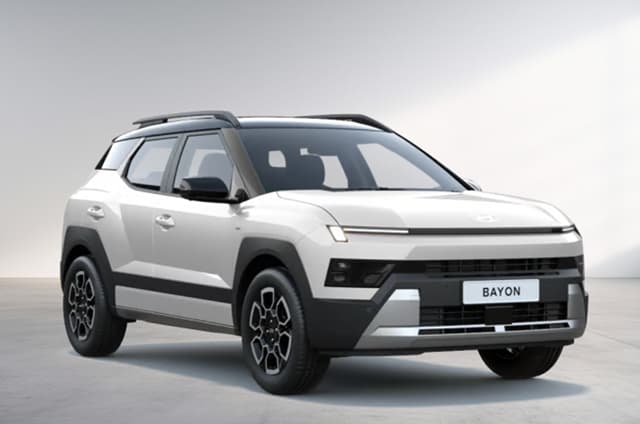
  • Hyundai Bayon
    • Expected Launch: Late 2026
    • Estimated Price: ₹8.00 lakh - ₹15.00 lakh
    • Fuel Type: Petrol


  • Hyundai New Creta
    • Expected Launch: 2027
    • Estimated Price: ₹11.30 lakh - ₹20.50 lakh
    • Fuel Type: Petrol


Hyundai Electric Cars in India

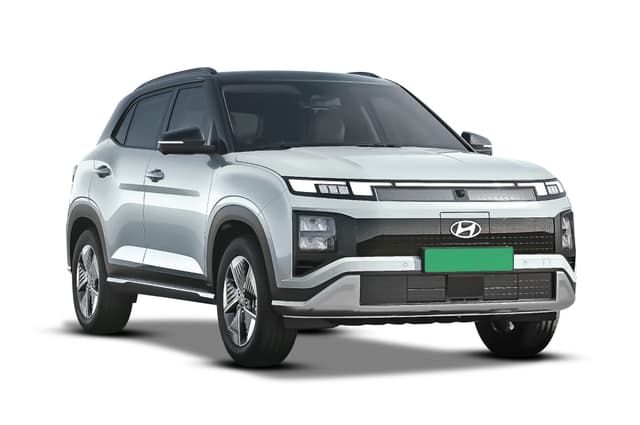
The Hyundai electric car price starts at 18.02 lakh for the Creta Electric and goes up to 46.30 lakh for Ioniq 5 (ex-showroom). The brand has plans to launch more electric cars in India, which could include an entry-level electric hatchback and also the Hyundai Ioniq 6 in the future.  


Hyundai India Latest Updates April 2026

  • 30 March 2026: The Hyundai Venue scores a 5-star safety rating in Bharat NCAP.
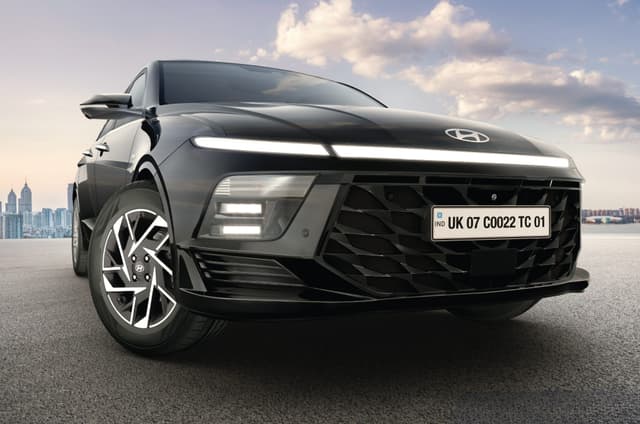
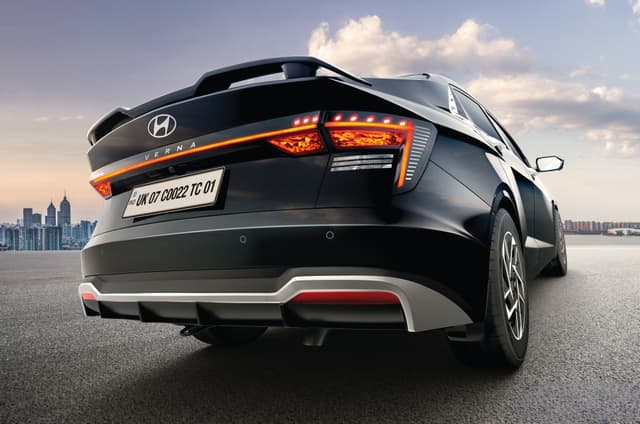
  • March 9, 2026: 2026 Hyundai Verna launched at Rs 10.98 lakh with Boss mode, 360-degree camera and 7 airbags.
  • January 12, 2026: Hyundai has unveiled the Staria Electric, its largest EV yet, with a claimed range of up to 400 km, a nine-seat layout, and 800V fast-charging capability.
  • December 15, 2025: Hyundai’s 2026 India roadmap includes facelifts for the Verna, Exter and Ioniq 5, along with the launch of the new Bayon crossover.
  • November 11, 2025: Hyundai discontinues the Tucson SUV in India.
  • November 4, 2025: New Hyundai Venue launched at ₹7.89 lakh.
  • September 2025: Hyundai Creta King launched at ₹17.89 lakh


Hyundai Car Models in India


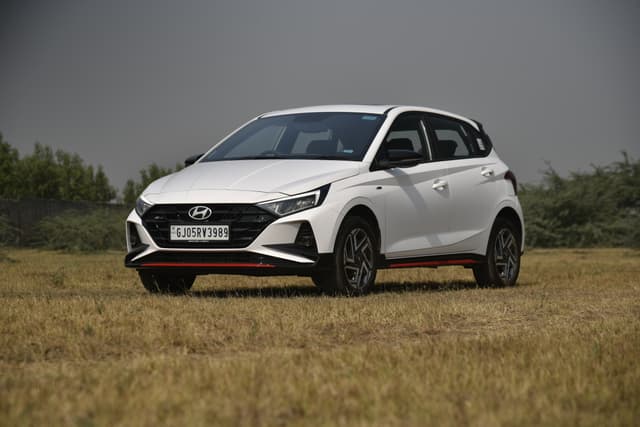
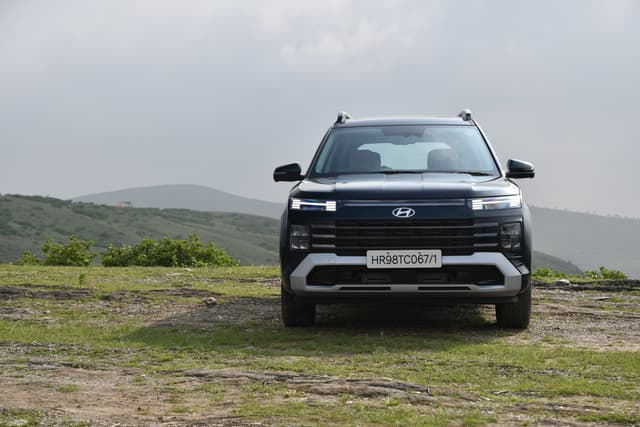
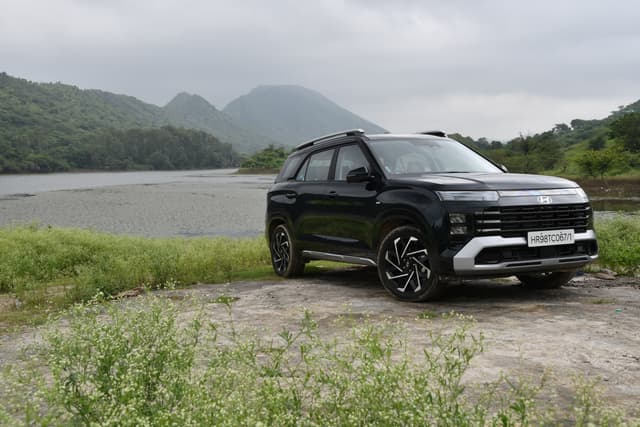
Hyundai cars in India are available with petrol, petrol-CNG, diesel and electric powertrains. Hyundai does not have an MPV in its line-up, unlike sister-brand Kia, which sells the Carens and the Carens Clavis. Hyundai India’s SUV line-up consists of the ExterVenue, Creta, Ioniq 5, Creta Electric, and the Alcazar. Models like the Hyundai i20, Creta, and the Verna are some of the popular Hyundai cars sold in India.


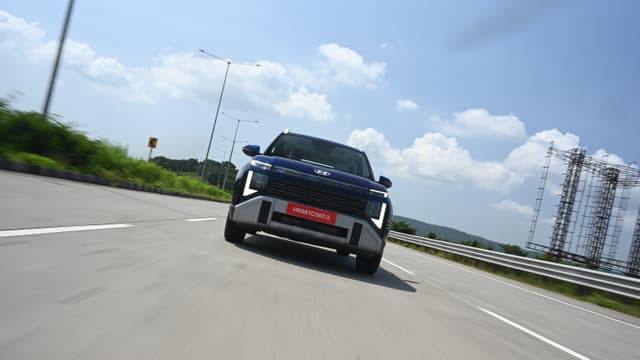
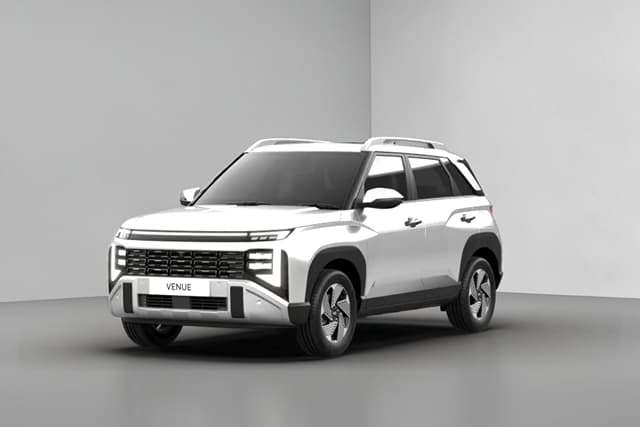
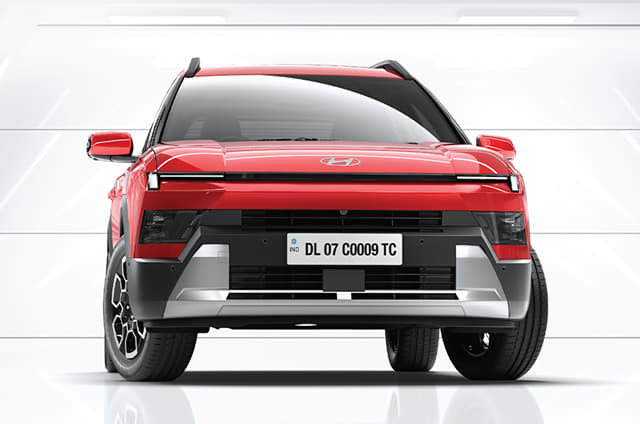
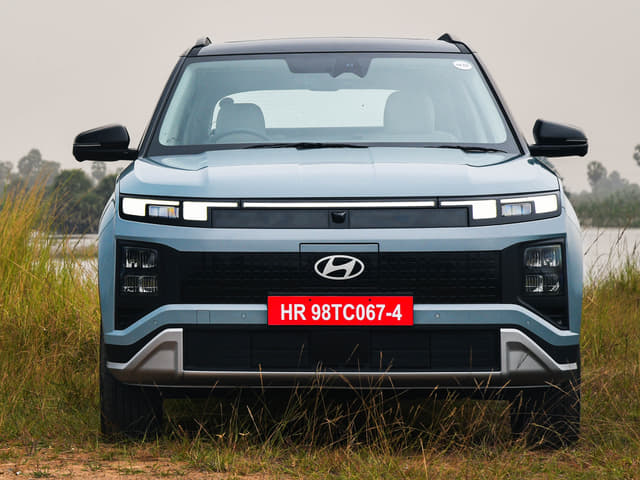
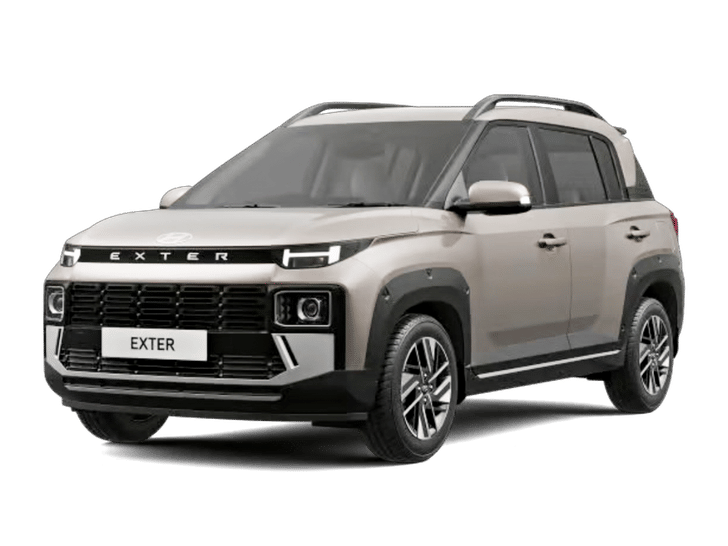
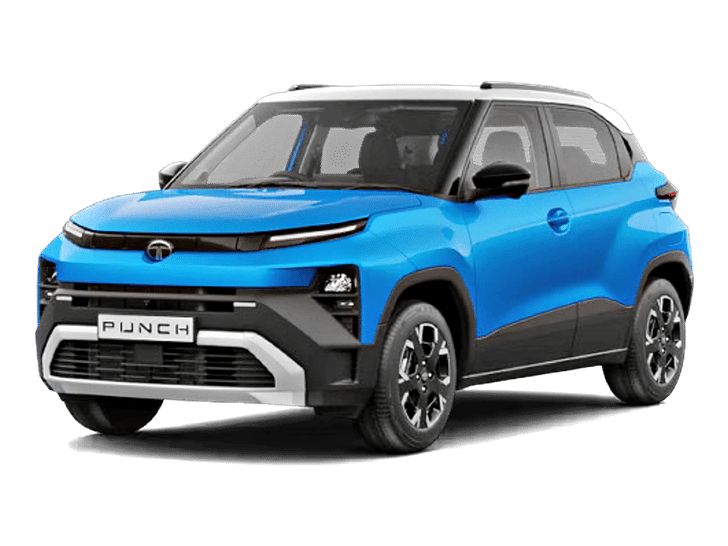
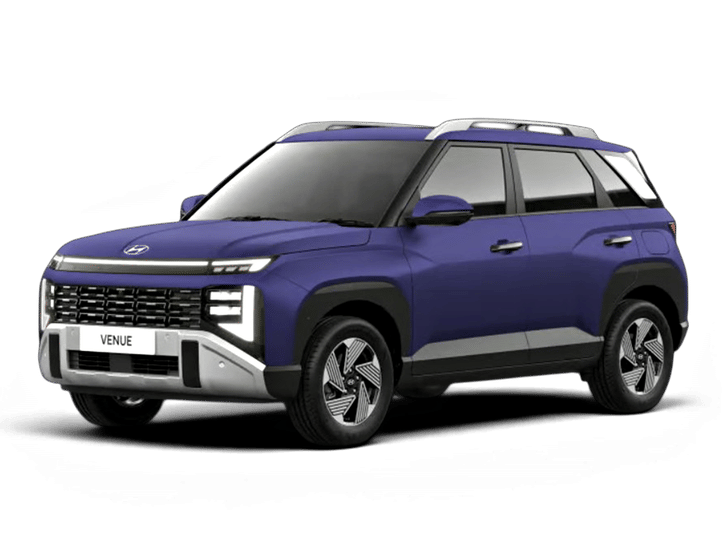
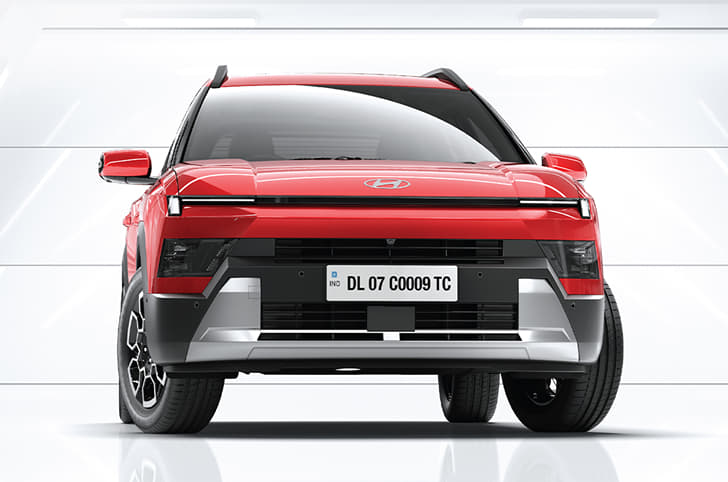
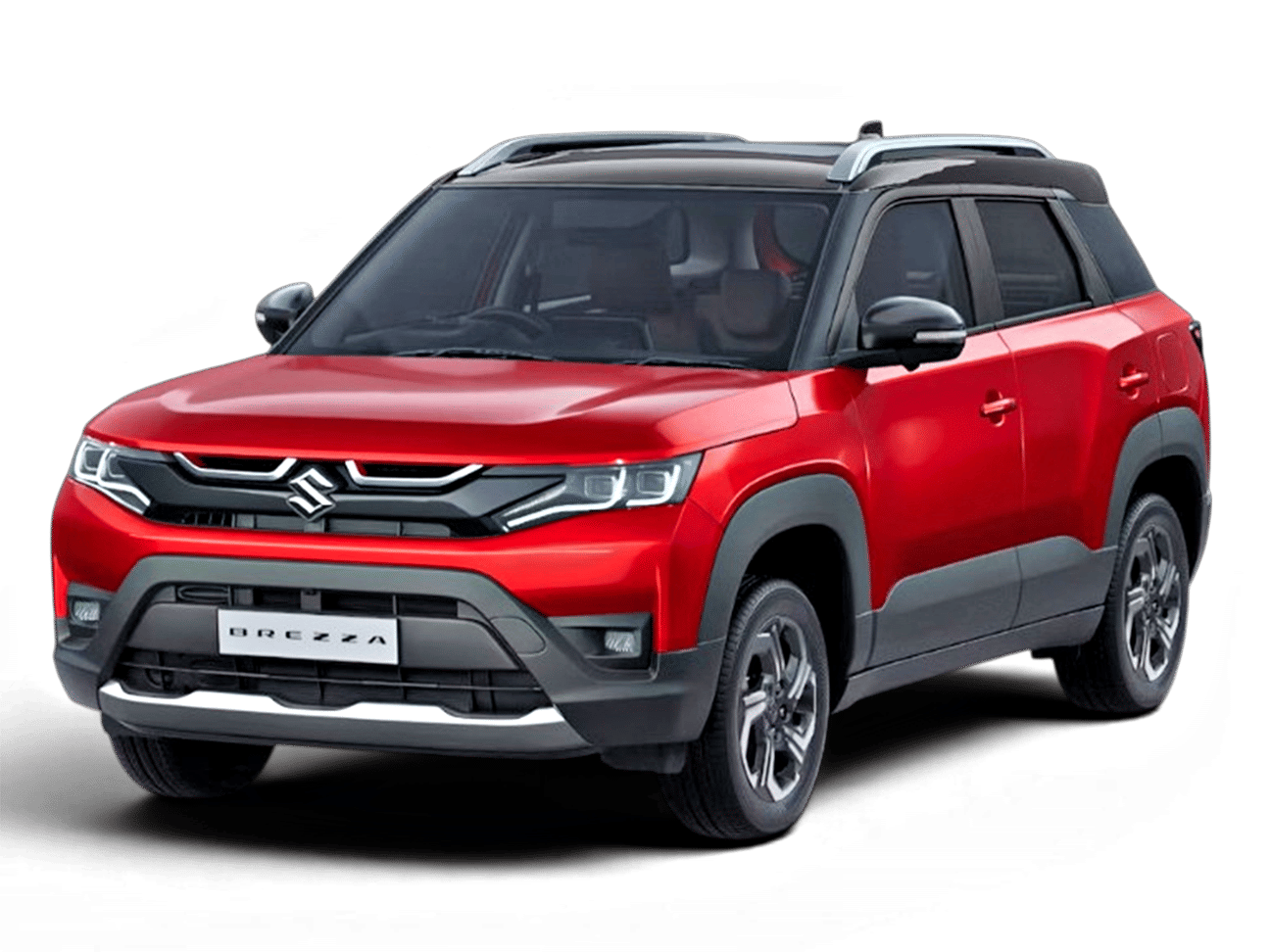
Hyundai Exter price starts at ₹5.68 lakh, making it the most affordable Hyundai SUV in India. The Exter rivals the likes of the Tata Punch and the Citroen C3. The Venue compact SUV takes on the Mahindra XUV 3XOTata NexonKia Syros and Sonet, and the Maruti Brezza


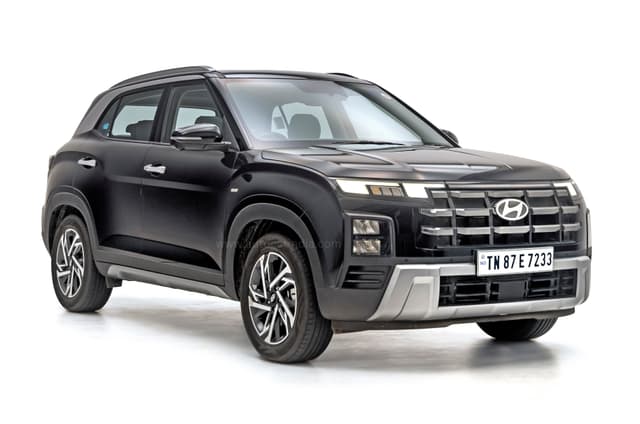
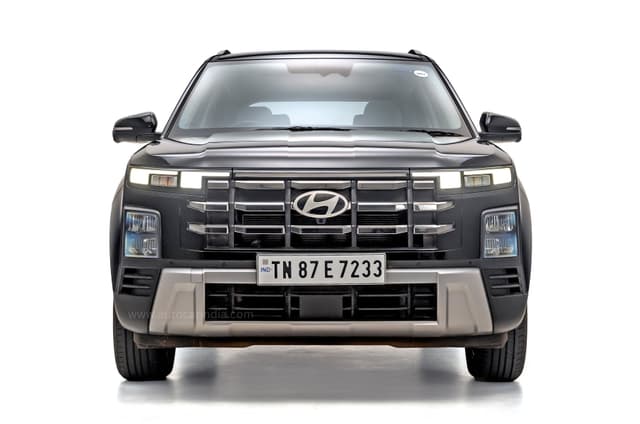
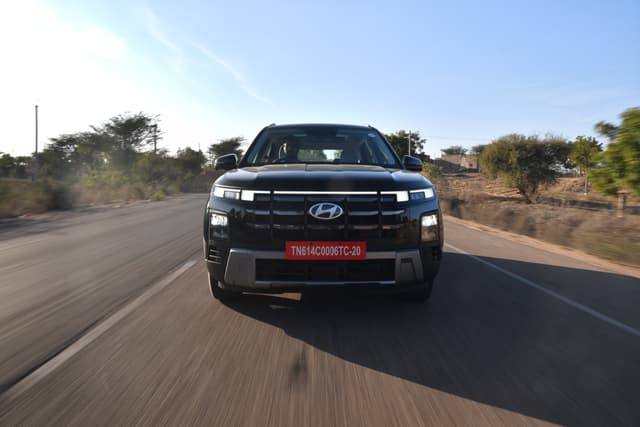
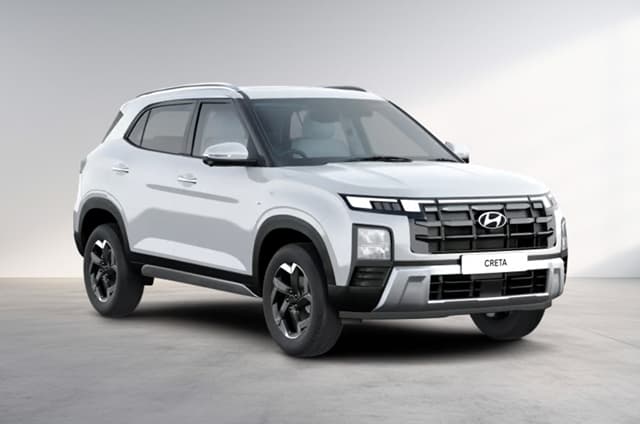
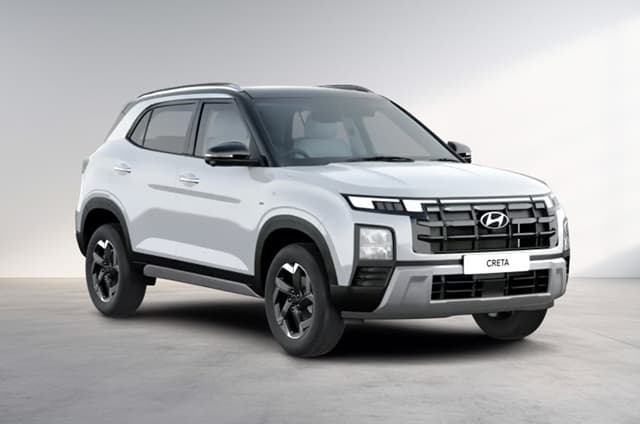
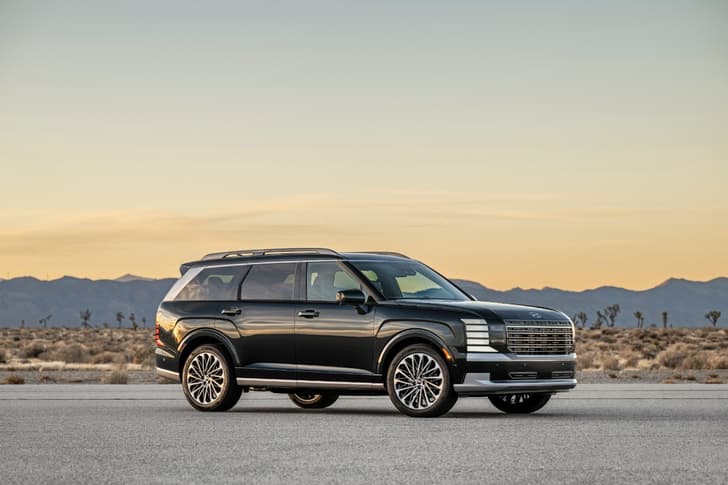
The most popular SUV in India, the Hyundai Creta, is the segment leader that rivals SUVs like the Kia SeltosMaruti Grand VitaraToyota Hyryder and the Mahindra XUV700. The Alcazar is Hyundai’s three-row SUV based on the Creta that rivals the Hector Plus and the Mahindra Scorpio N in our market.

Show more
Can't decide which car to buy?
Ask our experts and get answers to all your cars related queries.

FAQs

Hyundai India sells 10 models in India. Popular models include the Creta, Exter, Venue, Alcazar, Tucson, i20, and Verna.

The Hyundai car price in India starts at ₹5.55 lakh for the Grand i10 Nios and goes up to ₹46.30 lakh for the Hyundai Ioniq 5 (ex-showroom).

The Hyundai Grand i10 Nios is the most affordable Hyundai car in India, priced at ₹5.55 lakh (ex-showroom).

The Hyundai Ioniq 5 electric SUV is currently the most expensive Hyundai model in India, priced from ₹46.30 lakh (ex-showroom).

Hyundai India currently offers the Creta Electric and the Ioniq 5. More electric models like the Ioniq 6 and an entry-level EV are expected in the future.

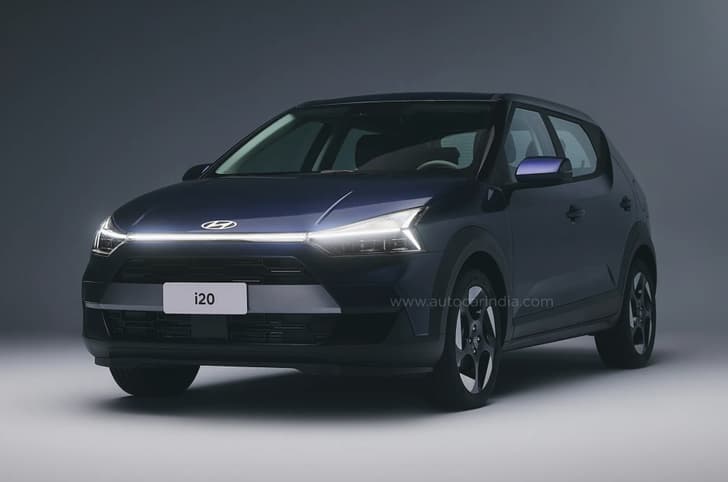
The list of upcoming Hyundai cars in India for 2026 includes a facelift for the Exter, along with the debut of the Bayon SUV and new Creta.

There's no single "best" Hyundai, as it depends on your needs (family, city, budget, electric), but popular top contenders include the Creta, Exter, Venue, and Ioniq 5 (premium EV).

Top-selling Hyundai cars as of 2025 are: Creta, Venue, Exter, Aura, i20, Alcazar, and Verna.

Hyundai offers 13 models in India, out of which 10 are available for sale, and 3 are upcoming.

Hyundai cars under ₹6 lakh (ex-showroom) include models like the Grand i10 Nios, i20, and Exter, available in their entry-level variants.
Need an expert opinion on your car related queries?

Trending Questions on Hyundai Cars - Answered by Autocar Experts

D
Asked by: DEEPAK JOSEPHon Mar 31, 2026

Hi, I am 67 years old and have knee and back issues. I have been driving a Ford EcoSport automatic for a long time and am now looking to upgrade. I am considering a used MG Hector Savvy Pro CVT or a Hyundai Creta IVT, with a budget of ₹15-16 lakh. Please suggest which option would be better for me, or recommend any other suitable cars.

Between the two, the Hyundai Creta IVT is the better choice, largely due to Hyundai’s wide service network and reputation for hassle-free ownership. You will appreciate its light steering and the IVT’s gentle creep function. The 1.5-litre engine is refined, and the IVT makes good use of the available performance. Ride quality is comfortable, and it is easy to step in and out of, which is important for you. Hyundai’s wide service network also means shorter trips for routine care and faster parts availability, keeping ownership simpler. Opt for the latest model, which was launched in 2024.

Also, ideally, buy from sources like Hyundai’s own certified used car platform or trusted outlets like Spinny, which can offer you a warranty.

During the test drive, do three park-reverse cycles and a tight U-turn; check thigh support, lumbar comfort, and that brake-to-accelerator transitions feel effortless. Also, ask the dealer about any remaining warranty, along with the terms and conditions of the used-car warranty.

A
Asked by: Achalon Mar 31, 2026

Hi, I prefer a 5-seater or maybe a 6-seater SUV/MUV within a budget of up to ₹25 lakh. It will be driven by a driver. The passenger seat in the back row should be spacious with plenty of legroom. There will be limited city running, with maybe 1-2 outstation trips per month within a range of 300-400km. Please advise. I currently have a Honda City.

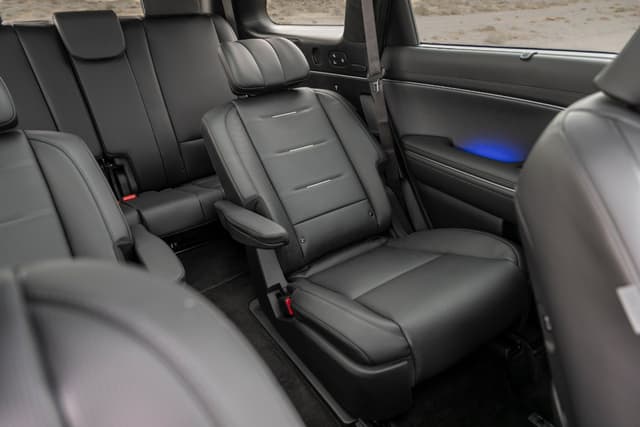
Consider the Hyundai Alcazar Signature 1.5 Petrol DCT 6 seat. It offers very comfortable and supportive captain’s chairs in the middle row, with winged headrests, manual under-thigh support extensions and even a ventilation function. Furthermore, they can slide and recline for more space, and the front passenger seat can be moved forward using the powered Boss mode function.
Other niceties in the second row include a folding table, window sunshades and a wireless charger. For your usage, the 1.5-litre turbo-petrol is a good fit with refined performance, while the DCT is also generally smooth in operation.
What you miss out on is a usable third row. If that is important, then the Kia Carens Clavis offers a similar experience, but its second-row captain’s chairs aren’t as plush and lack ventilation.
On the test drive, sit in the left rear for 20 minutes. Check thigh support, recline comfort and second-row slide range.
A
Asked by: Ajay Kandarion Mar 31, 2026

My budget is 14 lakhs, and running is 100km per week (50% highway and 50% Traffic). I prefer feature and performance equally. I am confused which SUV or hatchback with a naturally aspirated engine and low maintenance to opt for? Please suggest a low-maintenance turbo engine option, if any. Kindly provide the best options.

Go for the Hyundai Venue 1.2-litre MT in HX6T trim. It has the naturally aspirated engine and low maintenance you are looking for, and is very well-equipped for its segment. Your 5,200 km/year running suits a simple NA engine; you avoid turbo complexity while still getting adequate performance for a 50:50 city/highway mix. For everyday use, the NA engine is silent and refined, with good throttle response. The new Venue’s cabin also looks and feels premium, and the space has improved compared to the previous generation.
The one thing you give up is outright punch. Quick overtakes above 80kph may need a downshift, whereas small turbo engines feel stronger here. If you find pick-up lacking, then try the 1.0-litre turbo-petrol, which has a lot more power and will make highway journeys easier.
On the test drive, check second-gear crawl over speed breakers, in-gear pick-up and highway cruising ability.
G
Asked by: Gagan Deepon Mar 31, 2026

I want to buy a petrol SUV/car. My budget is around 13 lakh. My priorities are mileage and safety.

Consider the Hyundai Venue 1.2-litre MT in the HX6 trim. It has recently received a full five-star safety rating from Bharat NCAP and comes with six airbags, ABS with EBD, and a tyre pressure monitoring system. The naturally aspirated 1.2-litre petrol offers sufficient performance, along with good refinement and efficiency. The official claimed fuel efficiency is 18kpl, and you should get reasonably close to that on a steady highway cruise.
Alternatively, if you are looking for a larger car, consider the Kia Seltos HTE with the 1.5-litre NA engine and manual combination, which also offers good efficiency for its size.
On the test drive, check if the pick-up from the engine is satisfactory and whether the cabin feels comfortable for longer journeys.
A
Asked by: Adit Vaidyaon Mar 30, 2026

I am planning to upgrade from my existing car (Baleno) to an SUV. My budget is around 15 to 18 lakhs. I am confused between the Honda Elevate automatic and the Hyundai Creta automatic.

Pick the Hyundai Creta S(O) CVT. It falls within your Rs 15-18 lakh budget and has a smoother powertrain and a more premium, refined cabin than the Honda Elevate.
The Creta's 115hp, 1.5-litre naturally aspirated petrol engine is more refined than the Elevate's, and its CVT auto gearbox is more seamless, so it feels easier and more relaxing to drive in the city. The Creta also offers a comfortable ride quality, which helps on the highway. Plus, the S (O) variant is equipped with all necessary comfort, convenience and safety features. You'll also be backed by Hyundai's aftersales network, which is more widespread than Honda's in our country.
The one thing you give up is the outright boot volume. The Creta offers around 433 litres, while the Elevate is roughly 458 litres, and the Elevate also has a higher 220mm ground clearance.
K
Asked by: Ketanon Mar 30, 2026

I am currently driving a Renault Captur diesel and am planning to upgrade my car with a budget of ₹20–22 lakh. I am confused between the Tata Harrier, Tata Sierra, Hyundai Creta, and Mahindra XUV 3XO. My yearly running is around 10,000–12,000 km, and my usage includes city driving, highways, and occasional off-roading. Could you suggest the best car and suitable variant for my needs? Also, are there any better alternatives I should consider?

For your requirement, the Tata Harrier does make a strong case, especially coming from a diesel like the Captur. Its diesel engine offers strong torque, which makes highway cruising and overtaking effortless, and the overall ride and stability are very reassuring on long drives as well as broken roads. The spacious cabin and solid build further add to its appeal as a proper upgrade.

The Hyundai Creta is easier to drive in the city, offers more features and a smoother overall ownership experience, but it does not feel as robust or as planted as the Harrier at highway speeds. The Mahindra XUV 3XO sits in a segment below, so while it is more compact and easier to manage in the city, it won’t give you the same sense of upgrade in space or road presence. The Tata Sierra has a smaller 1.5-litre diesel engine, which, just like the Creta, won't feel like an upgrade over your Captur.

A very important alternative you should consider is the Maruti Suzuki Grand Vitara or its sibling, the Toyota Urban Cruiser Hyryder in AWD form. These are very good all-around road cars, and the AWD system adds genuine capability for mild off-roading and slippery conditions by sending power to all four wheels when needed. This makes them more versatile than the Harrier or Creta for rough trails, even if they are not hardcore off-roaders.

The trade-off, however, is performance. The petrol engines in these AWD versions are not very torquey, especially compared to the Harrier’s diesel, which means they don’t feel as effortless on highways or when fully loaded.

R
Asked by: Rayaanon Mar 29, 2026

Hi, We currently own a 2004 Hyundai Santro and are looking to upgrade to a new car suitable for my parents, who are around 55 years old. My father prefers the Hyundai Grand i10 Nios AMT, as the car will be mainly used for city driving of around 500–700 km per month. In Bangalore, the on-road price for the Sportz (O) variant comes to approximately ₹8.8–9 lakh. Considering this price, are there any better alternatives we should consider, or would the Grand i10 Nios AMT be a good choice for our needs?

For your requirement, the Hyundai Grand i10 Nios Sportz (O) AMT is a very sensible and well-suited choice. It is compact, easy to drive and park in city conditions like Bengaluru. The light steering, along with the AMT gearbox, makes stop-and-go traffic much less tiring, which is ideal for your parents. It also offers a comfortable ride and a familiar hatchback form factor, making it an easy upgrade from your current Santro.

Given your monthly running of 500-700 km, a small petrol automatic fits perfectly, and Hyundai’s strong service support adds to the peace of mind.

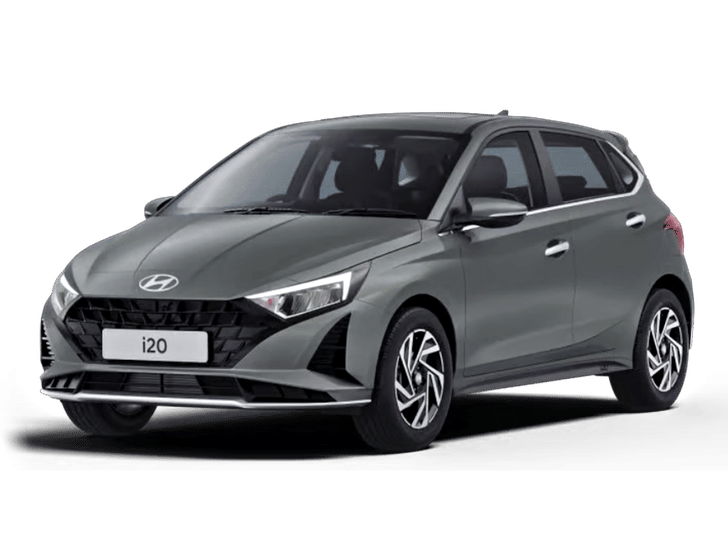
That said, one thing to be aware of is that AMT gearboxes can feel slightly jerky at low speeds. If smoothness and comfort are a higher priority, you could consider slightly stretching the budget for options with smoother automatic gearboxes like the Hyundai i20. It comes with a more refined IVT/CVT option and offers a more seamless driving experience.

If your parents would prefer a higher seating position for easier ingress and better visibility, the Hyundai Exter AMT is also worth considering as an alternative.

A
Asked by: Asad Shaikhon Mar 29, 2026

Hi, We are looking to buy a good car within a budget of ₹25 lakh. Our top priority is comfort. The car will mostly be used for daily commuting (20-25 km) and occasional city drives on weekends, with outstation trips once every couple of months. The car should be suitable for a family of three, including myself (25 years old) and my parents in their 50s. Please suggest suitable options.

You should look at the Kia Seltos GTX (A) 1.5 petrol CVT, which falls well within your budget. It's among the best new mid-size SUVs around, with loads of space at the front, and crucially in the rear seat as well. It's got ample ground clearance without being too high off the ground to be a challenge to get into and out of. It's easy to drive with light controls and good manoeuvrability, which should be handy on your daily commute. 

Most importantly, the 1.5 petrol CVT is the best suited to city use of all the options, and is strong enough to work on the highway as well, with decent fuel economy. It's comfortable around town, too, with good high-speed stability for your out-of-town trips. The GTX (A) is the fully loaded variant with all the bells and whistles, including ADAS, should you want it. The new Seltos recently scored 5 stars in Bharat NCAP crash test ratings, for a bit of extra peace of mind. 

Alternatively, you could consider the Hyundai Creta, which has the same engine and gearbox, but feels a little dated now compared to the Seltos.

V
Asked by: Vigneshon Mar 29, 2026

Recently, I sold my 2012 i20 Magna, which I bought 4 years ago. Fixed my budget to 5 lakhs and looked for a car in second hand market. Then my friends and relatives suggested me to go for a new car. I didn't get any for my budget. So, I increased my budget to 8 lakhs. I've shortlisted Exter, Punch, Magnite and Citroen. First, I visited the TATA showroom. I'm 6'1" tall, and my legs were colliding with the steering wheel, and it was the same with the Altroz. I was shown Nexon, which is more than 10 lakhs, so I went for my other choices. Next, I visited Hyundai, I checked the i20 and the Exter. Same issue with the i20, and I was comfortable with the Exter. So I did not check Nissan and Citroen. The showroom I visited did not offer a Test drive, but the other showroom (PeeYesYem) I enquired offered a test drive and followed up. Then I searched for Cons in Exter, the main thing that can be found on the internet is rear suspension and Body roll. So I waited, then came 3XO into the picture and I seems worth for money. I picked 3XO RevX M, and I visited 3 showrooms, but none of them offered a test drive. Initially, they will ask for arranging the test drive, and then they will arrange it. They don't follow up. One of the showrooms I visited twice, and asked for a test drive. Still, they didn't provide. I gave feedback on the official website as well still no response. The attitude is very poor from the Mahindra sales team across the showroom, so I took a step back. My mind is stuck between Exter SX and 3XO RevXM. Can you please suggest one from above or any other car around 10L? Requirement: Mileage and Value for money. Want to hold for the long term. Thanks a lot!!!

Between your two choices, the Mahindra XUV 3XO offers more for your money. It sits a segment above the Hyundai Exter and therefore has more interior space. That said, only go ahead with the Mahindra if the showroom is willing to offer a proper test drive.

In terms of the powertrain, the XUV 3XO’s turbo-petrol engine offers stronger performance than the Exter’s naturally aspirated unit, while ride and handling are also superior. While you will be giving up some creature comforts compared to the Hyundai, such as a dashcam and keyless entry, the XUV 3XO is still very well equipped for the price. In our real-world tests, the XUV 3XO managed 10.4kpl in the city and 14.9kpl on the highway, which is actually better than what we recorded in the Exter.

What you do give up is boot space. Despite its larger size, the XUV 3XO actually has a smaller boot than the Exter. If that is a concern, then consider the Kia Sonet HTK 1.2-litre petrol MT instead.

On the test drive, check if the clutch and shifter action are to your liking, and whether performance and refinement meet your expectations.

A
Asked by: Abhishek Sinhaon Mar 29, 2026

I want to buy an automatic transmission car for Bangalore traffic, as it is quite bumper-to-bumper driving. My daily commute is 40Km. I need a car that offers good mileage and performance in city traffic. If it's diesel, it would be better. A SUV or something else. My budget is between 12 lakh and 13 lakh.

Since your preference is for a diesel, the Hyundai Venue diesel AT in the HX5 trim is a good fit for your requirements and fits within your budget.
Your 40km daily commute means a smooth torque-converter automatic like the Venue’s 6-speed unit is ideal. Its diesel engine is very refined and barely audible below 2,000rpm. While throttle response is a bit dull, overall performance is adequate, and it makes for a relaxed highway cruiser. Moreover, its compact dimensions make it easy to drive in Bengaluru’s bumper-to-bumper traffic, and the cabin is a comfortable place to spend time.
If you are open to a petrol, also consider the Maruti Suzuki Fronx Boosterjet and the Skoda Kylaq, both of which come with 6-speed torque-converter automatics.
During the test drive, spend some time in stop-and-go traffic. Feel for creep in Drive without throttle, check for jerkiness, assess pick-up, and monitor cabin noise.

Last Updated on: 2 Apr 2026