Last Updated on: 09 Apr 2026
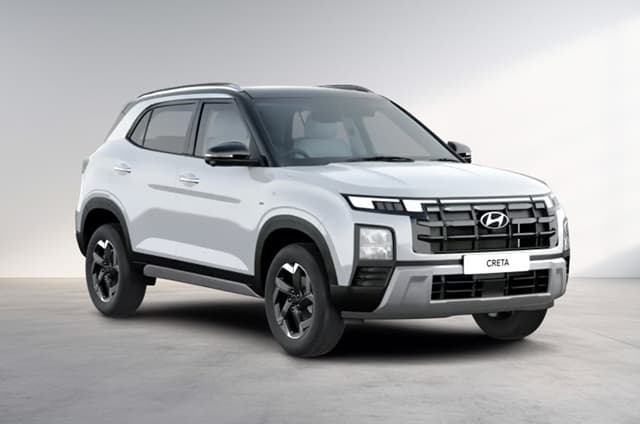
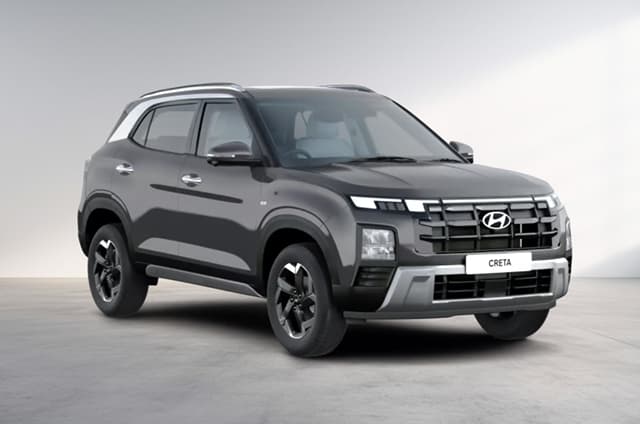
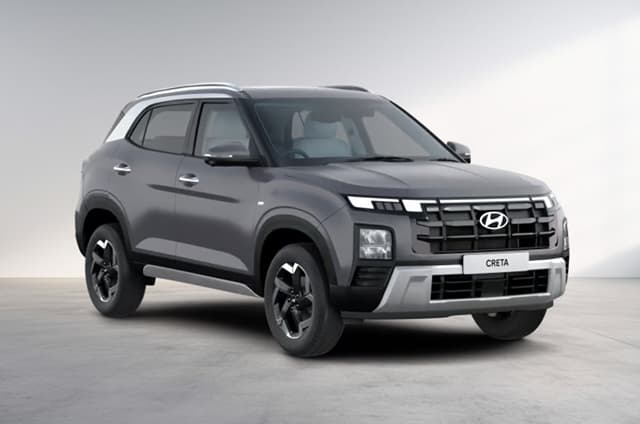
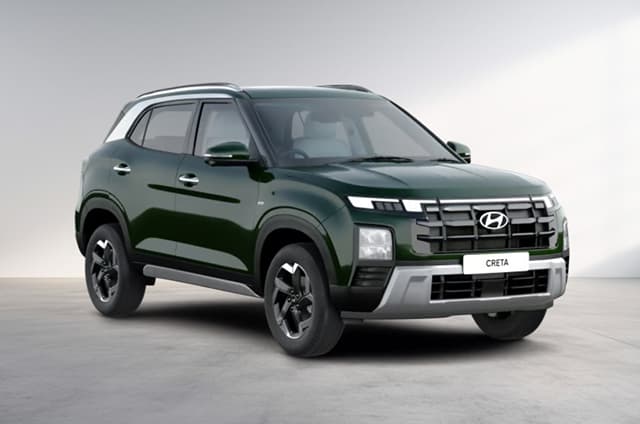
Hyundai Creta price in Delhi
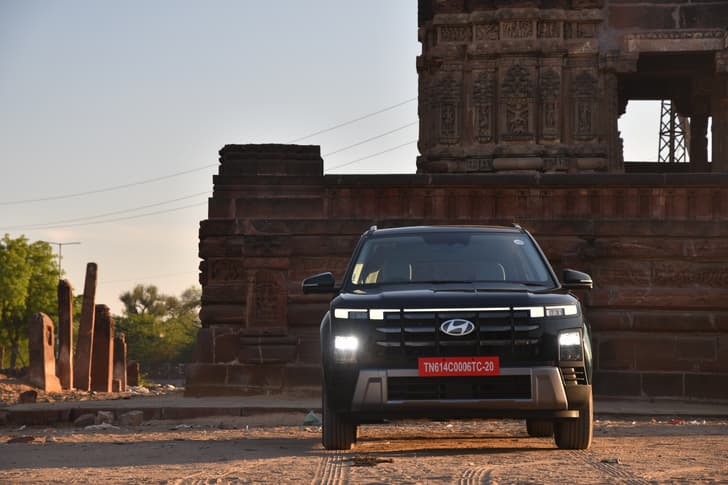
The Hyundai Creta on road price in Delhi ranges from Rs 12.56 lakh for the base model to Rs 23.82 lakh for the top variant (including all taxes, RTO fees, and insurance). In comparison, the ex-showroom prices of Creta in Delhi are between Rs 10.79 lakh and Rs 20.05 lakh.
Hyundai Creta price list in Delhi 2026 (ex-showroom)
Hyundai Creta 1.5 NA petrol price range
- E: Rs 10.79 lakh
- EX: Rs 11.96 lakh
- EX(O): Rs 12.59 lakh to Rs 13.94 lakh
- S: Rs 13.07 lakh
- SX: Rs 14.94 lakh to Rs 17.38 lakh
- SX(O): Rs 16.86 lakh to Rs 17.58 lakh
Hyundai Creta 1.5 turbo petrol price range
- SX(O): Rs 19.49 lakh to Rs 19.64 lakh
Hyundai Creta 1.5 diesel price range
- E: Rs 12.40 lakh
- EX: Rs 13.49 lakh
- EX(O): Rs 14.12 lakh to Rs 15.47 lakh
- S: Rs 14.48 lakh
- SX: Rs 17.31 lakh to Rs 17.45 lakh
- SX(O): Rs 18.39 lakh to Rs 19.79 lakh
Hyundai Creta on road price includes:
- RTO / registration charges (Delhi specific tax rates)
- Comprehensive insurance
- Handling and registration charges
- Fastag and statutory costs
Is the Hyundai Creta worth the price in Delhi?
The Creta price in Delhi is justified if you are looking for:
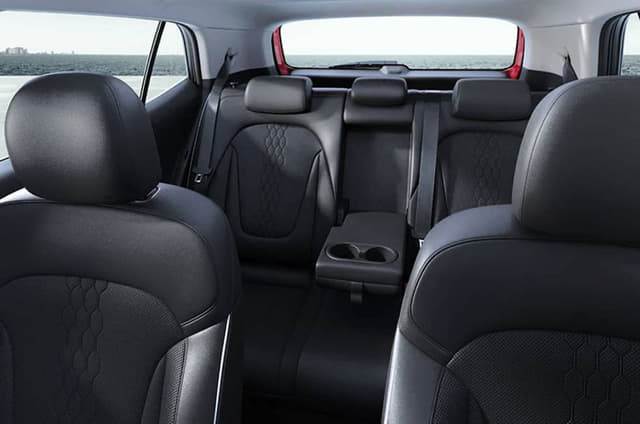
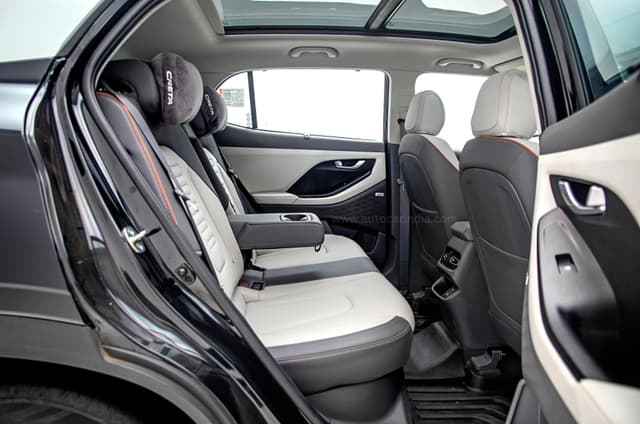
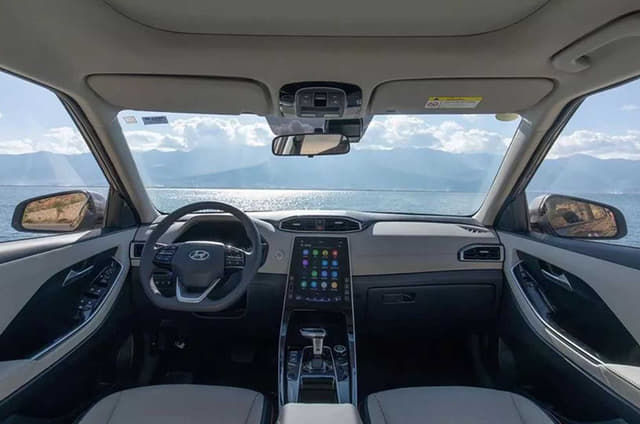
- Roomy interior
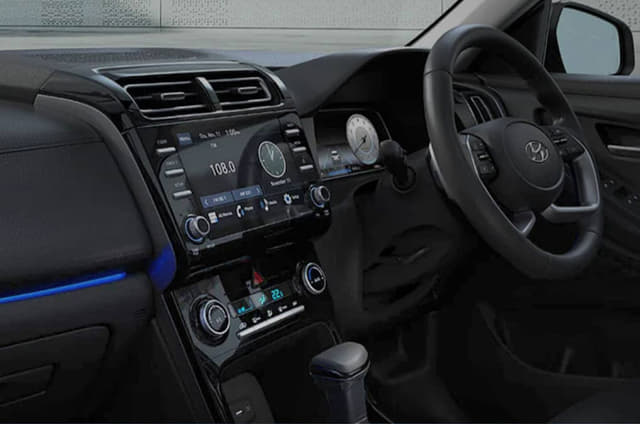
- Feature-packed SUV
Hyundai Creta price & variants
Price of Hyundai Creta alternatives
Hyundai Creta news
Hyundai Creta Images
Hyundai Creta videos


Hyundai Creta Colours
Hyundai Creta FAQs
The base model of Hyundai Creta (Petrol E MT) price in Delhi is ₹10.79 lakh, ex-showroom.
The base-spec (Petrol E MT) Hyundai Creta on road price in Delhi is ₹12.56 lakh.
The Hyundai Creta (Diesel S(O) AT) price in Delhi is ₹17.12 lakh ex-showroom.
The Creta top model (Diesel King Knight AT) price in Delhi is ₹20.05 lakh ex-showroom.
The Hyundai Creta top model on road price in Delhi is ₹23.82 lakh.
The Creta price in Delhi starts from Rs 10.79 lakh to Rs 20.05 lakh ex-showroom
The on road price of Creta starts from Rs 12.56 lakh and goes upto Rs 23.82 lakh.
The Creta diesel price in Delhi starts from Rs 12.40 lakh (Hyundai Creta Diesel E MT) ex-showroom price.
The Creta automatic price in Delhi starts Rs 13.94 lakh (Hyundai Creta Petrol EX(O) CVT) ex-showroom price.
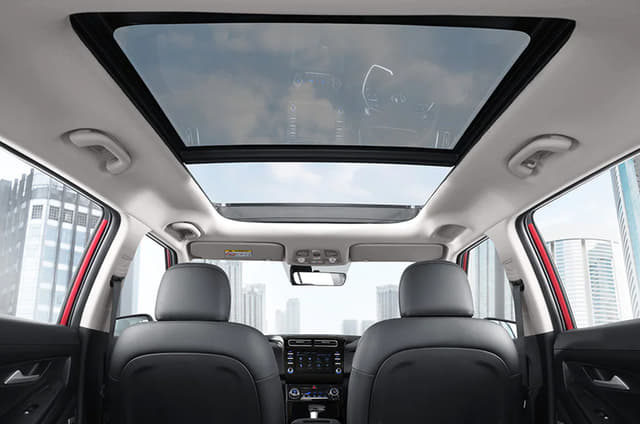
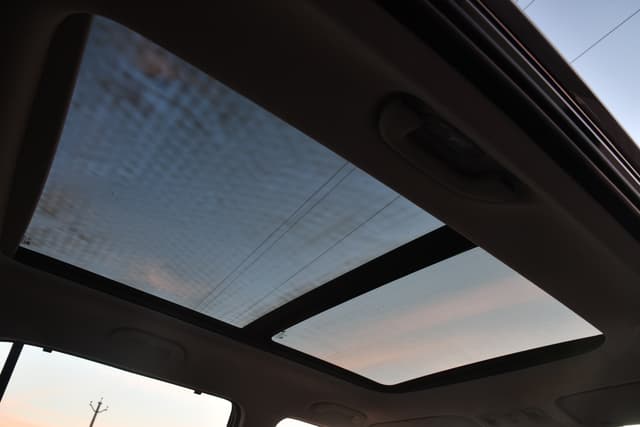
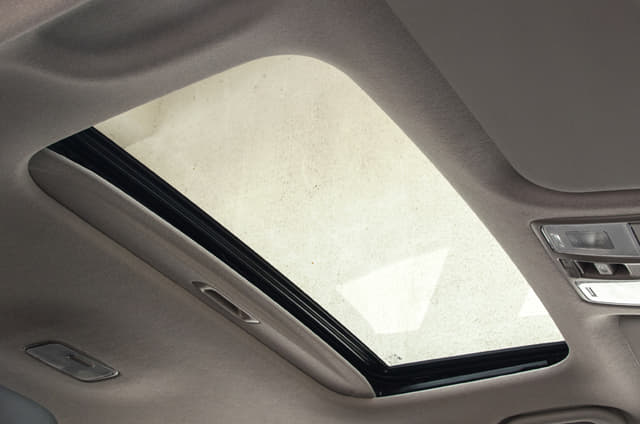
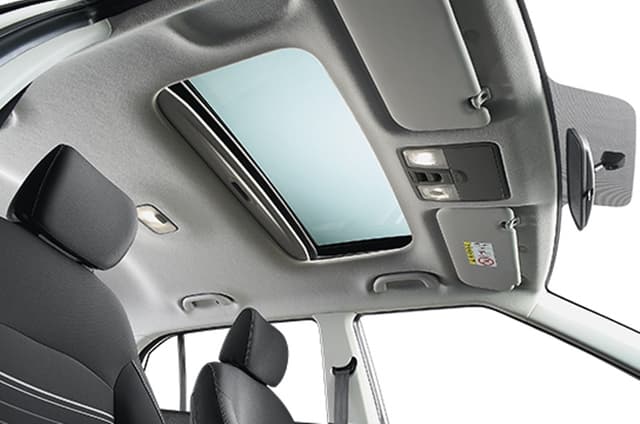
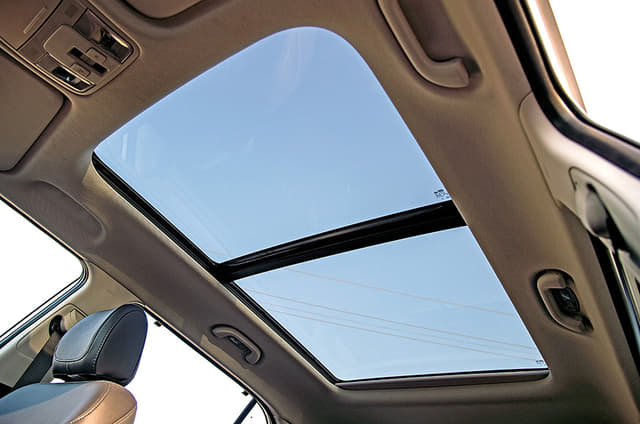
In Delhi, The price of Creta with sunroof starts from Rs 12.58 lakh (Hyundai Creta Petrol EX(O) MT) ex-showroom price.
The Creta on road price starts from Rs 12.56 lakh and goes upto Rs 23.82 lakh.
The on road price of Hyundai Creta base model is Rs 12.56 lakh depending on the city and taxes.
The Creta top model on road price is Rs 23.82 lakh depending on the city and taxes.
Questions you may find useful
Astitva
•1dI have a budget of 15L, and I'm confused between Elvate and Creta. I currently own a Honda Amaze 2014 model, which has been a nice car that has 2.5L in odometer. Which one will be a good upgrade, as my travel is 3000 km per month in the city?

Autocar India
Go for the Honda Elevate V CVT - for 3,000 km a month in city traffic and a Rs 15 lakh budget, it will be the smoothest and least-stress upgrade from your Amaze. You’ll feel right at home with the familiar Honda driving manners, light steering and clear view out. The CVT is seamless in operation and will make your daily commutes easier. Given how well your Amaze has served you, Honda’s long-life engines and simple ownership should appeal for the next few years, too.One thing to be aware of: the CVT does have that typical rubber band effect when you push the engine hard, and the cabin isn't quite as premium as the Hyundai Creta and Kia Seltos. Pick the Kia Seltos HTE instead if you can stretch a bit for a plusher cabin, extra features and a slightly quieter, more cushioned city drive.On the test drive, drive in heavy traffic for 10 minutes and do a few tight parking moves - that will show you which one feels easier day to day.
Balakrishna
•2dCurrently, we own a Hyundai Xcent and a Tata Tiago, both with manual transmission. We are now looking to buy an automatic SUV within a budget of ₹16-18 lakh. Which make and model would be most suitable for our usage of approximately 20,000 km per year?

Autocar India
Go for the Hyundai Creta diesel automatic. With your 20,000 km yearly usage and ₹16-18 lakh budget, it offers the best balance of comfort, space and running efficiency. The diesel engine suits high running, and the automatic gearbox is smooth in traffic while keeping the engine relaxed on highways. Compared to your current cars, it will feel like a proper upgrade with a higher driving position, a more spacious cabin and better ride comfort over long distances.If you are open to stretching your budget slightly, it is worth considering strong hybrid options like the Toyota Urban Cruiser Hyryder or the Maruti Grand Vitara. With your kind of running, hybrids can make more sense today. They offer better real-world efficiency, especially in city conditions, along with a smoother and quieter driving experience without the concerns typically associated with modern diesel engines.
Vinay Chhetri
•3dMy budget is around ₹15 lakh, and I am confused between the Mahindra XUV 3XO and the Hyundai Creta S(O). I currently own a Hyundai Grand i10, which I have been using for over 10 years, but it now feels quite small. Which of these two would be a better upgrade for my needs?

Autocar India
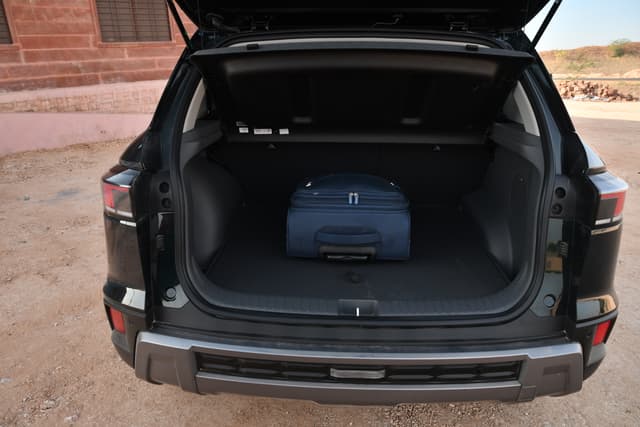
Go for the Hyundai Creta S(O) petrol manual coming from a Grand i10 that now feels small, this gives you the size, comfort and ease of use you’re looking for. The Creta’s cabin is bigger and feels more roomy inside, and the boot is much larger too and can take family bags without a squeeze. The ride feels more comfortable over broken roads, the higher seat gives you a clear view out, and Hyundai’s light steering and smooth clutch will feel familiar to you after 10 years with the i10. Sticking with Hyundai also means a wide service network and a hassle-free shift in ownership.
Pajit
•3dHello Team, I am looking to buy a petrol automatic mid-size or compact SUV within a budget of ₹15 lakh. My priorities are safety, a good driving experience, comfort, and fuel efficiency. I am not particularly interested in features like a sunroof or cosmetic aspects. My usage will be around 100 km per week (4 days of driving), with a 60:40 mix of city and highway driving. I have previously used both hatchbacks and sedans.

Autocar India
The Skoda Kushaq will nicely meet most of your priorities. The car is very safe, with an extensive list of standard safety features. It includes 6 airbags, ESP, hill hold control, and multi-collision braking, which automatically applies the brakes after a severe accident to prevent the car from rolling further. As for the driving experience too, you will find this very good with the Kushaq, the 1.5 litre unit is really very lively, and even the smaller 1.0 litre engine is peppy enough in most scenarios. Mileage and space will not be as much as some rivals, but efficiency is quite acceptable; the 1.0-litre automatic should get you about 8 to 10 kpl in the city and 14 to 15 kpl on the highway, while the larger 1.5-litre TSI engine with the DSG gearbox, should also return similar figures. As for comfort, there's a decent level on offer with adequate all-round room and supportive seats. Uniquely, the Kushaq also offer rear seat massagers. Since the Kushaq is also not as long as rivals like the Hyundai Creta, you should find it a bit more manageable, given you drive a bit more in the city.
Manan Jain
•3dHi, I already own a Hyundai Creta Diesel Knight Edition and am planning to buy a new 7-seater within a budget of around ₹45 lakh. I am confused between the Mahindra XUV 7XO AX7L (diesel/petrol) and the Toyota Innova Hycross ZX(O). While the XUV 7XO offers more features, a better interior, and is about ₹10 lakh more affordable, the Innova Hycross seems more reliable, comfortable, and fuel-efficient. I am also concerned about potential software issues in the XUV 7XO, similar to what has been reported in the XUV700. Additionally, the diesel variant raises concerns about DPF-related issues, whereas the petrol variant has relatively low fuel efficiency. The car will mostly be used by my father for office commutes, and it should be comfortable for my grandmother on longer journeys. We frequently travel from Navi Mumbai to Pune (almost once a month) and may take occasional long trips to Rajasthan every couple of years. Given these factors, is it worth paying the additional ₹10 lakh for the Innova Hycross despite having fewer features?

Autocar India
Pick the Toyota Innova Hycross ZX(O) 7‑seater. For your use, it will make daily life easier for your father, keep your grandmother most comfortable on long trips, and be the safer long-term bet even if it costs more and has fewer flashy features.In the city, the Hycross strong-hybrid stays on electric power a lot, and the engine comes in gently, so it feels very smooth and uses less fuel. The hybrid automatic (called an e‑CVT) has no jerks and no gear changes you can feel, which is great in traffic. The second row captain seats are wide and supportive, the floor is flat, and getting in and out is easy for elders. Space in the third row is better than most, and the ride stays calm on rough patches, so Pune runs and that Rajasthan drive will feel relaxed. Toyota’s service network and reliability add peace of mind outside big cities, and resale will be stronger. Coming from your Hyundai Creta diesel, you will notice the Hycross is quieter and roomier, and there is no diesel filter to worry about.One thing to be aware of: when you press hard, the hybrid’s engine can sound loud for a moment because of how this gearbox works. Also, with all three rows up, boot space is limited.Go for the Mahindra XUV 7XO AX7L only if saving the ~Rs. 10 lakh is crucial, and you really value its extra features. The diesel is best if your father’s commute includes regular, faster runs that keep the diesel filter clear. The petrol is smooth but will use more fuel in the city, and as a fresh launch, there may be some early software niggles.
ARVINDER SINGH
•3dMy annual running is around 25,000-30,000 km, with approximately 60% highway usage. I also undertake one annual adventure trip, such as the Spiti circuit or Leh-Ladakh. Currently, I drive an MG Astor but am not satisfied with its power and fuel efficiency. My budget is around ₹20-23 lakh. Could you please suggest some cars that offer a good balance of performance and fuel efficiency for my usage?

Autocar India
The Mahindra XUV 7XO AX7 diesel manual should be your first choice. It offers a larger, more powerful diesel engine, which will feel like a proper upgrade from your Astor. It pulls strongly on highways and climbs effortlessly in high-altitude conditions. It is also spacious, feature-loaded and very comfortable for long-distance driving. If you want an automatic, go for the AX5 diesel, which is the more value-for-money option.The Mahindra Scorpio N diesel is the more rugged alternative. It is better suited for tougher terrain and rough roads, making it ideal if your Ladakh or Spiti trips involve more challenging sections. However, it is not as comfortable or as easy to drive daily as the 7XO.The Hyundai Creta diesel is the more refined and easy-to-drive option if you want something similar in size to your Astor. It is smooth and comfortable for highways, but it does not offer the same level of power or ruggedness as the Mahindra options.
Anshul Anand
•1wMy budget is around ₹23 lakh, and I am confused between the Duster and the Creta. Which one is the better option? I love going on long drives, so which one should I prefer?

Autocar India
Given your love for long drives, you will be happier with the Renault Duster. It's got a fantastic ride and handling balance, which will make your journeys comfortable and very enjoyable. The great suspension and body control are matched by a strong 160hp, 1.3-litre turbo-petrol engine. Power and performance are good. Going for a Duster does come with a slight compromise in terms of cabin space. It's not as roomy as the Hyundai Creta and other models, like the Kia Seltos and Tata Sierra. If more space is a key priority, the Hyundai Creta Turbo-DCT is worth a look. Of the other alternatives, the Kia Seltos Turbo DCT and Tata Sierra turbo AT are also strong options.
Gopalaseshan S
•1wI currently use a Maruti Ciaz petrol from 2019 and am planning to replace it with another 1500 cc SUV priced around ₹18 lakhs. My monthly city running is less than 1,000 km. Please suggest a comfortable car.

Autocar India
The key point here is what you are upgrading from. The Ciaz has one of the best rear seats, and at this price point, no SUV really matches that level of rear-seat space and comfort.We would have recommended the Maruti Suzuki Grand Vitara or the Hyryder, especially since you already own a car from the same brand. However, both are on the weaker side when it comes to rear-seat space and overall comfort, so they will feel like a step down compared to your current car.For a proper upgrade, you are better off looking at the Seltos, Creta or even the Elevate.The Kia Seltos would be the first recommendation. The new generation is a larger car than before, and that reflects in its cabin. It feels more spacious and the rear seat is comfortable enough for family use, making it the closest you will get to a proper upgrade in this segment.The Hyundai Creta is also a very good option. It offers a similar level of comfort and uses the same 1.5-litre naturally aspirated petrol engine, which is refined, smooth and easy to drive. It is slightly smaller on the inside compared to the Seltos, but still comfortable for most family needs.The Honda Elevate is the more sensible and slightly more affordable option. It offers good space and a comfortable ride, and in fact has very good rear seat legroom, but the engine is not as refined as the Kia and Hyundai cars, which you will notice in everyday driving.
JV
•1wI am looking to buy a compact car for my family, with an annual running of 30,000–40,000 km. My father strongly prefers diesel vehicles, while I am also considering an electric vehicle within a ₹20 lakh budget. We currently own a 2017 Hyundai i20 (top model), which is nearing 3 lakh km and needs replacement. The new car will be used mostly for city driving, along with occasional long trips of 300-500 km. We also have a 2021 Jeep Compass 4x4 Model S, which has clocked 1.2 lakh km and will be retained, although its fuel efficiency is around 11 km/l. Given our usage and long-term ownership plans (up to 3 lakh km), should we opt for an electric vehicle, a diesel car, or a hybrid? We also have an 8 kW solar setup at home with surplus power generation. I am considering EVs like the Tata Punch EV, Tata Nexon EV, MG Astor EV (if launched), and the upcoming Kia Syros EV. For diesel options, I am looking at the Kia Sonet, Hyundai Creta, and Tata Curvv. However, while I like Tata cars, I have some concerns about after-sales service. Could you suggest the most suitable electric or diesel automatic options for my needs?

Autocar India
With your kind of usage of 30,000-40,000 km a year, mostly city driving, long-term ownership and an 8 kW solar setup, going electric makes a lot of sense. Running costs will be significantly lower, especially since you can charge at home using surplus solar, and the smooth, silent nature of an EV suits city driving perfectly.The Tata Nexon EV Long Range is still one of the most well-rounded options here. It offers a good balance of range, practicality and ease of use, and can handle your occasional 300-500 km trips with one planned charging stop. It is also a proven product with a wide user base.However, since you have concerns about Tata’s service, it is worth considering alternatives. The MG Windsor EV with the larger battery pack is a strong option. It offers more space, a more premium feel and a bigger battery, which helps with range and reduces charging stops. The Maruti Suzuki e-Vitara is another promising option, especially from a long-term ownership perspective, thanks to Maruti’s strong service network and reliability.Diesel is still a valid fallback. If you prefer complete flexibility and do not want to depend on charging infrastructure at all, options like the Hyundai Creta diesel automatic or Kia Sonet diesel automatic make sense, offering strong mileage and effortless highway performance.So, the decision comes down to priorities. Given your high running and solar setup, an EV is clearly the smarter long-term choice. Among EVs, the Nexon EV is the proven option, the Windsor EV offers more space and range, and the e Vitara is the safest bet for long-term ownership. Diesel should only be considered if you want maximum convenience without planning charging stops.
DEEPAK JOSEPH
•1wI am considering buying a used MG Hector Savvy Pro CVT or a Hyundai Creta IVT. Which one would be the better choice, especially considering I have back and knee issues?

Autocar India
Choose the used MG Hector Savvy Pro CVT; its taller seating and 2750 mm wheelbase give easier ingress and a cushier ride that’s kinder to sore backs and knees.With joint pain, getting in and out matters most. The Hector’s higher hip‑point means less knee bend, and the broader front seats support your thighs better on longer drives. Its 2750 mm wheelbase (about 140 mm longer than the Creta’s 2610 mm) helps the body stay flatter over potholes and speed breakers, reducing back jolts. The CVT’s smooth take‑off and creep also cut the little shunts in stop‑go traffic that often aggravate back discomfort. Since you’re eyeing a used unit, ride comfort depends heavily on condition, but when healthy, the Hector is notably plusher.The one thing you give up is easy manoeuvrability; the Hector’s turning circle is roughly 0.5 m larger than the Creta IVT, so U‑turns and tight basement slots take more effort.If most of your driving is in crowded city lanes or very tight parking, consider the Creta SX(O) IVT instead; it’s about 350 mm shorter, feels easier to place, and will strain your knees less while parking.Another point to consider is that the Hector is quite thirsty and not as fuel-efficient as the Creta