
Last Updated on: 23 Jun 2026
Hyundai Creta
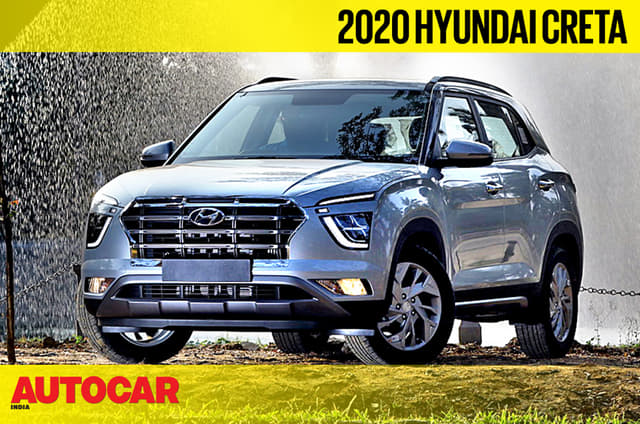
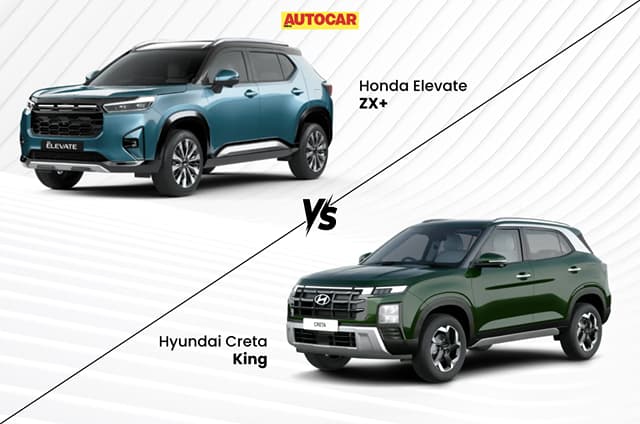
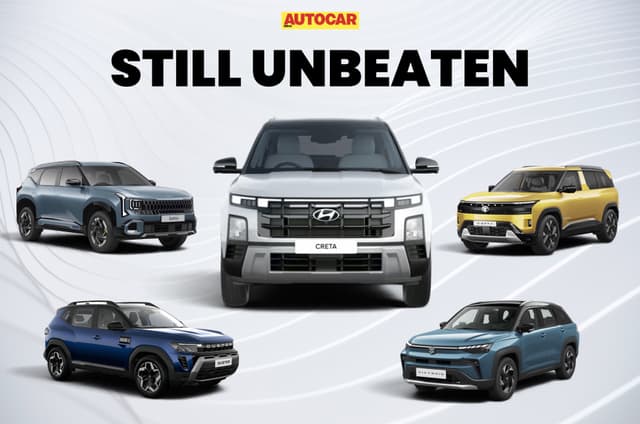
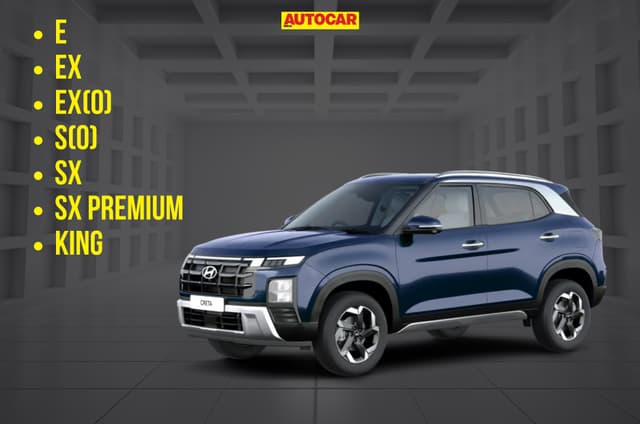
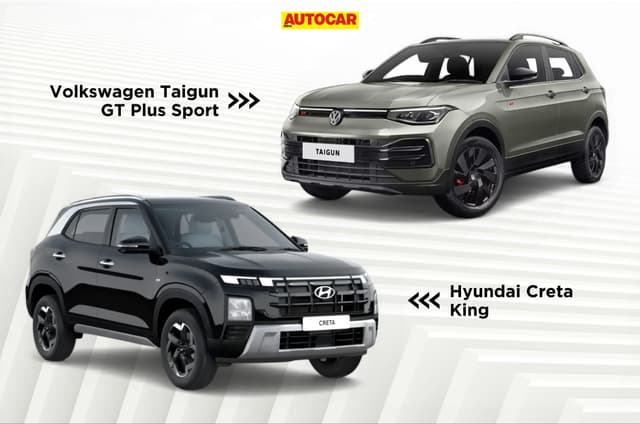
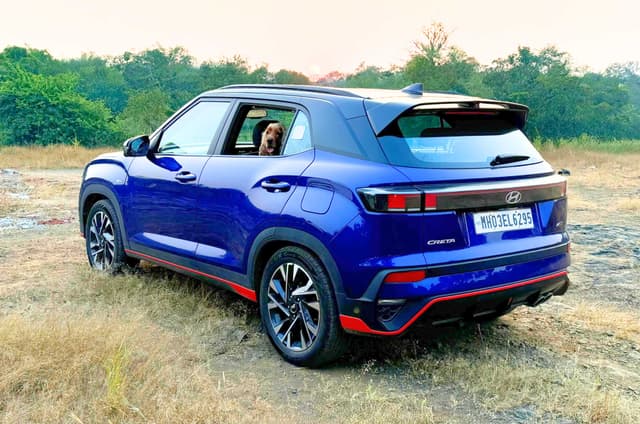
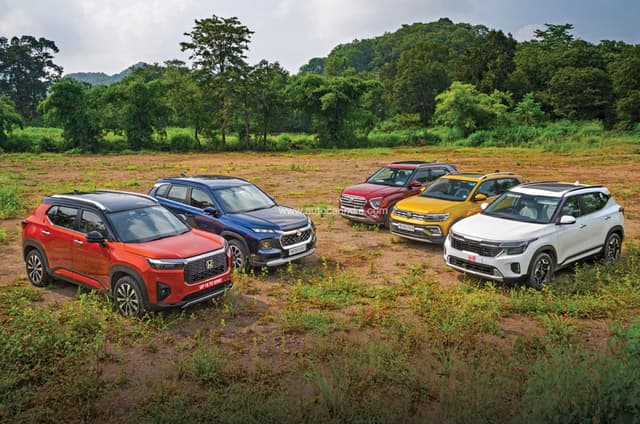
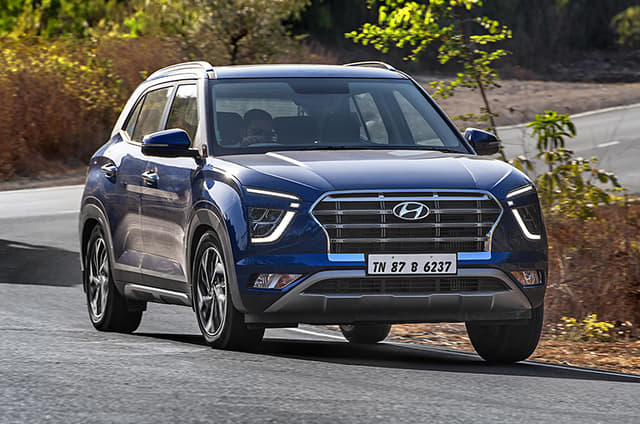
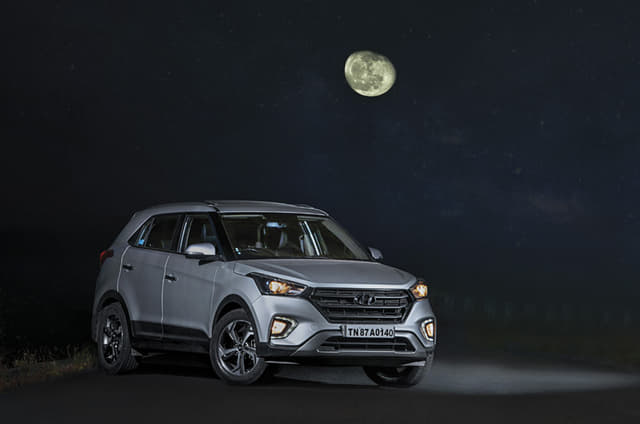
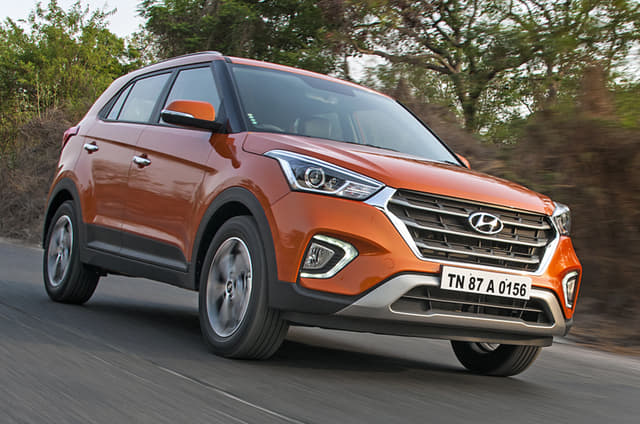
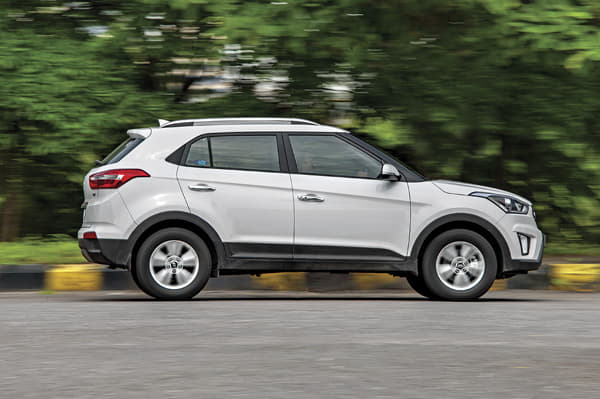
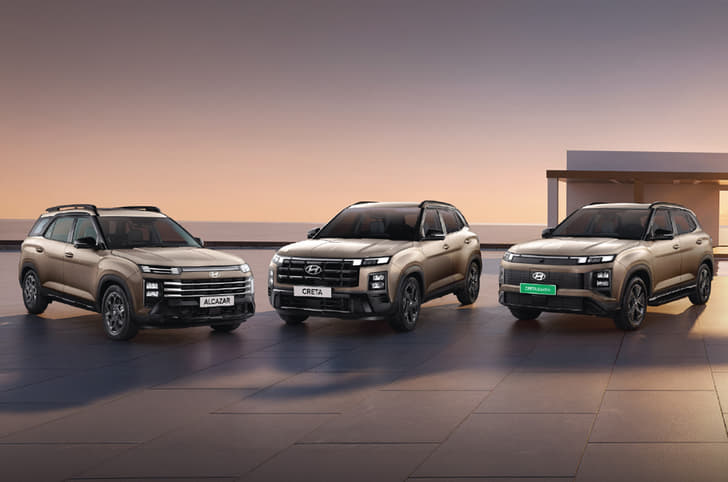
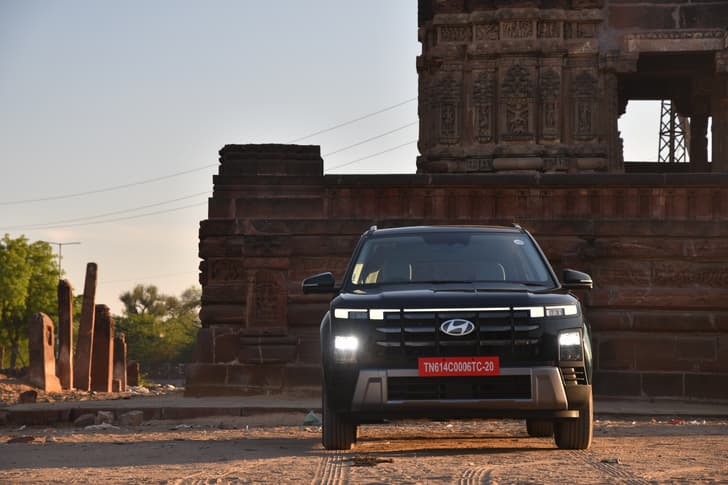
The Creta price starts from ₹10.91 lakh to ₹20.11 lakh (ex-showroom) with 27 variants on sale in India. The Creta 5 seater SUV is Hyundai’s bestselling model in India. The Creta is offered with multiple engine options depending on the variant: a 1.5‑litre NA petrol, a 1.5‑litre turbo‑petrol, and a 1.5‑litre turbo‑diesel, paired to 6‑MT, 7‑DCT (turbo‑petrol), CVT (petrol), and 6‑AT (diesel) depending on trim. Creta variants options include E, EX, S, SX, SX(O), Knight and King editions, along with the Creta N Line for buyers looking for a more sporty appeal.
The Creta also comes loaded with the latest features and includes an extensive suite of autonomous driver assistance features to improve safety. The Creta mileage varies by powertrain and transmission and ranges between 17.4 kmpl - 21.8 kmpl.
Creta Key Highlights:
- In terms of engine options, the Creta gets a 1.5-litre NA petrol, 1.5-litre turbo-petrol, and a 1.5-litre turbo-diesel unit.
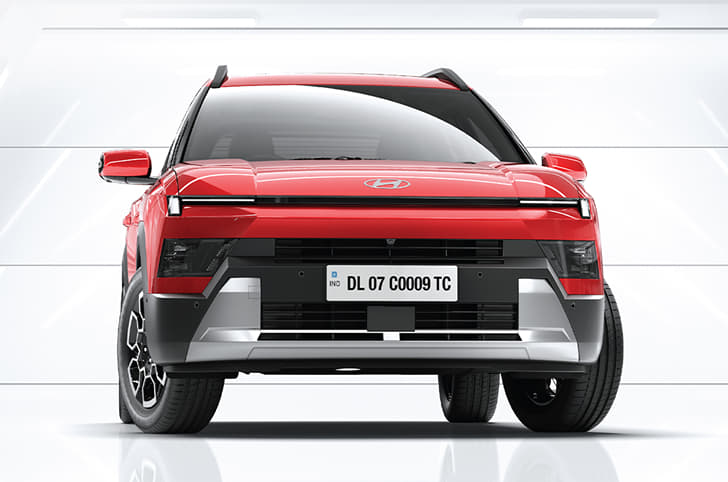
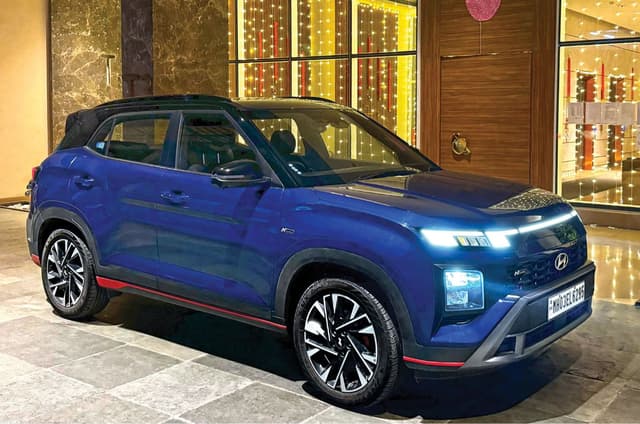
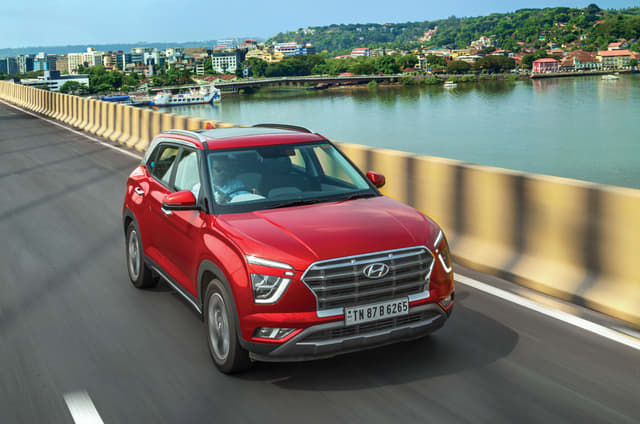
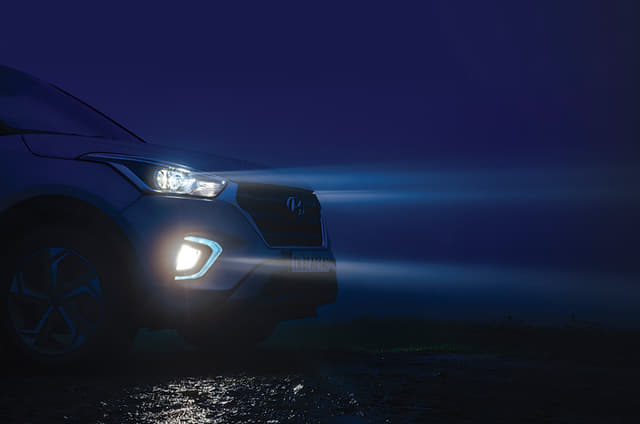
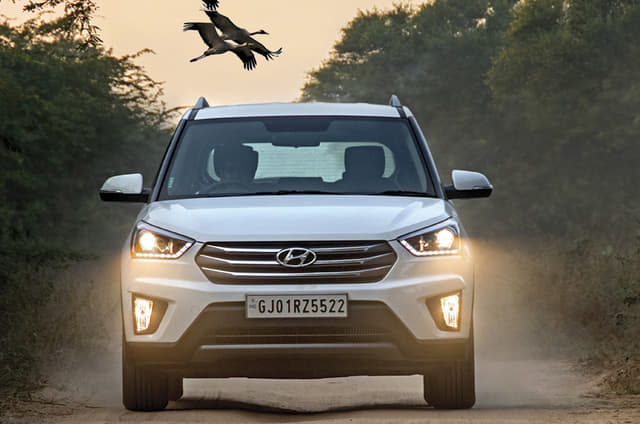
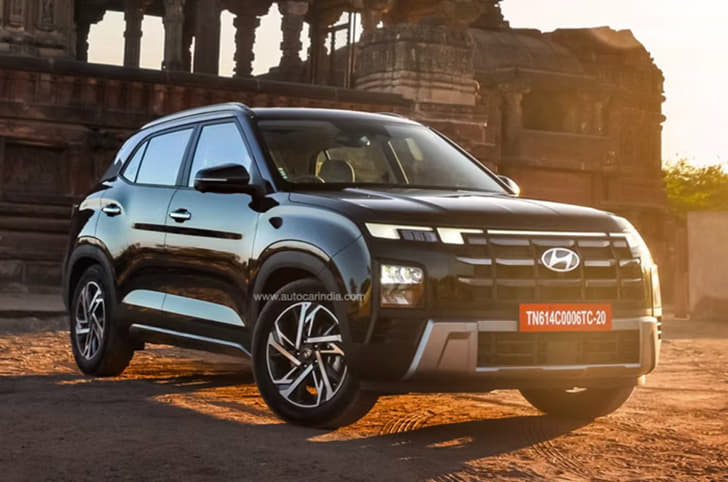
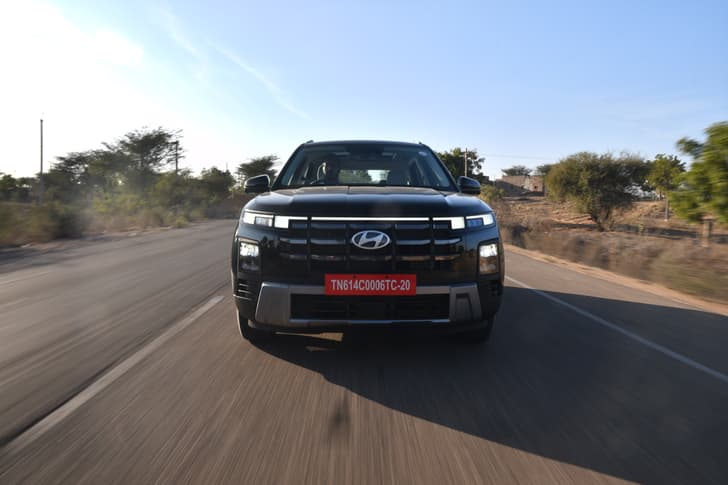
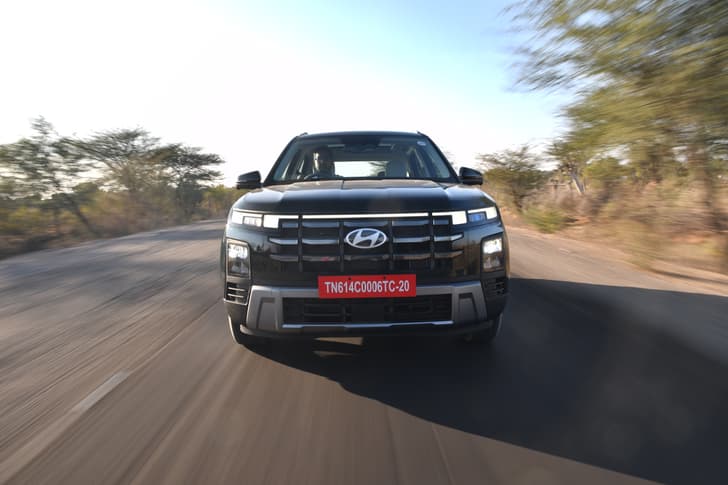
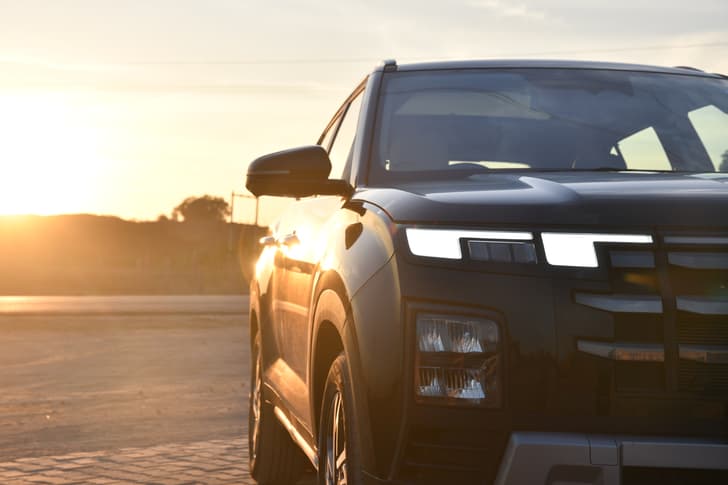
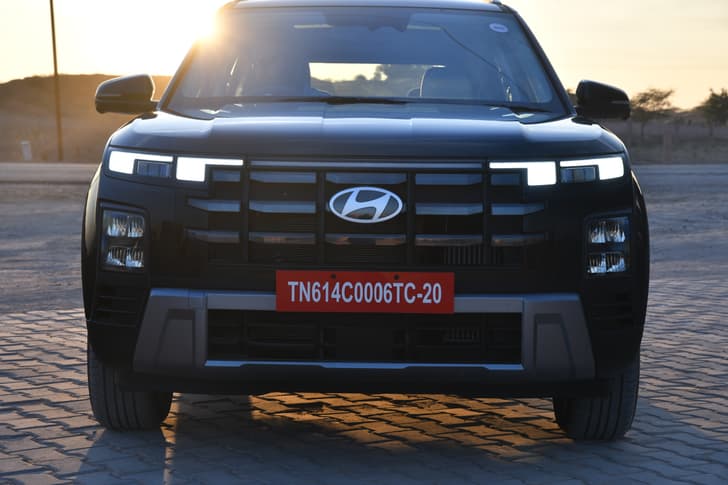
- The connected LED lighting setup on the front and rear of the Creta enhances its modern design and road presence.
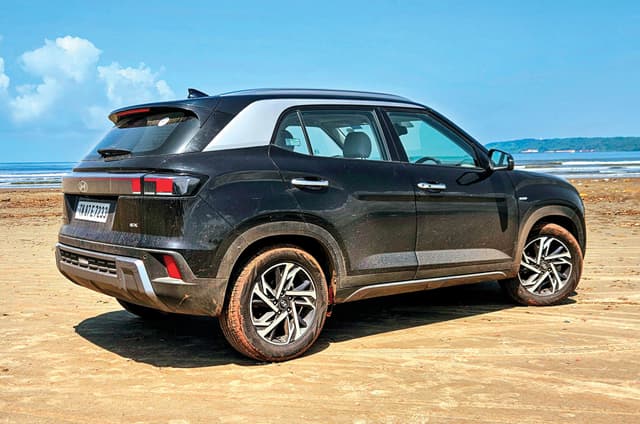
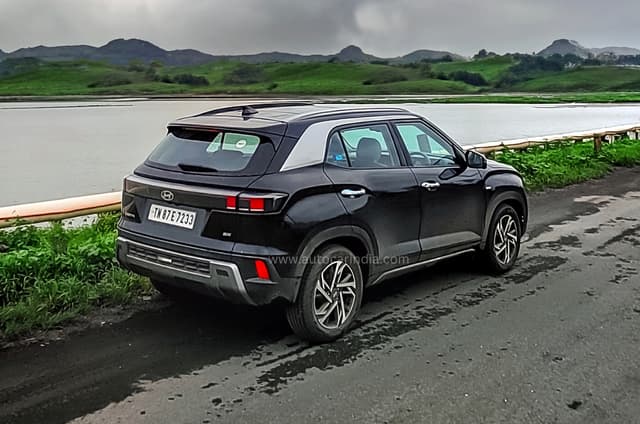
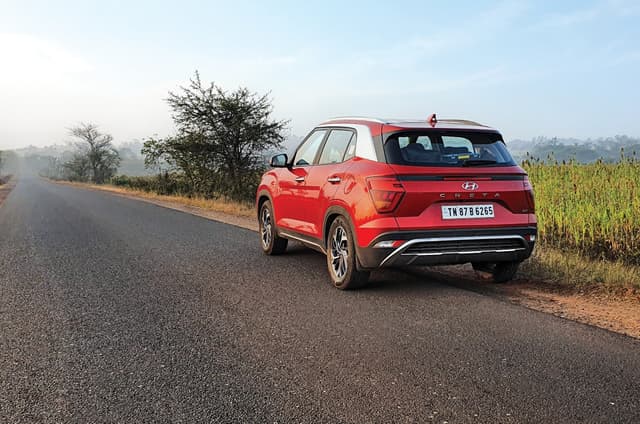
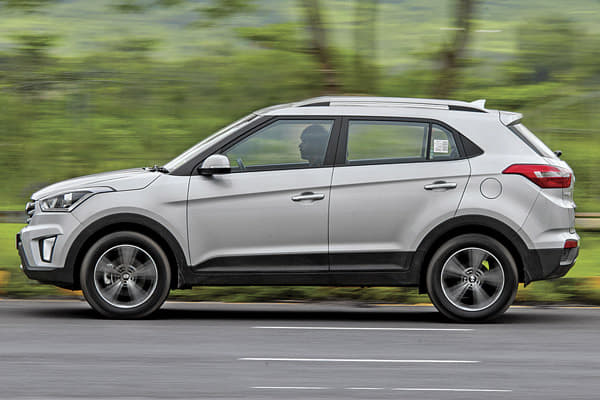
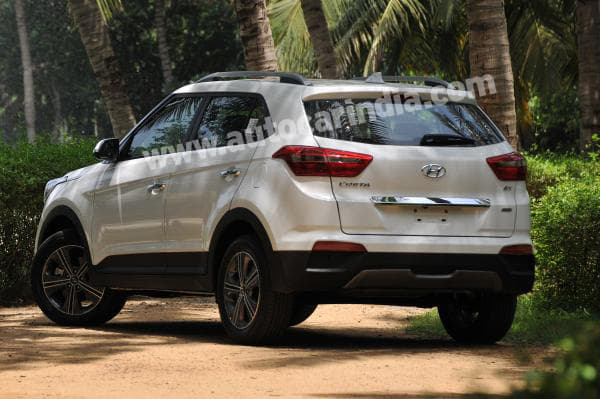
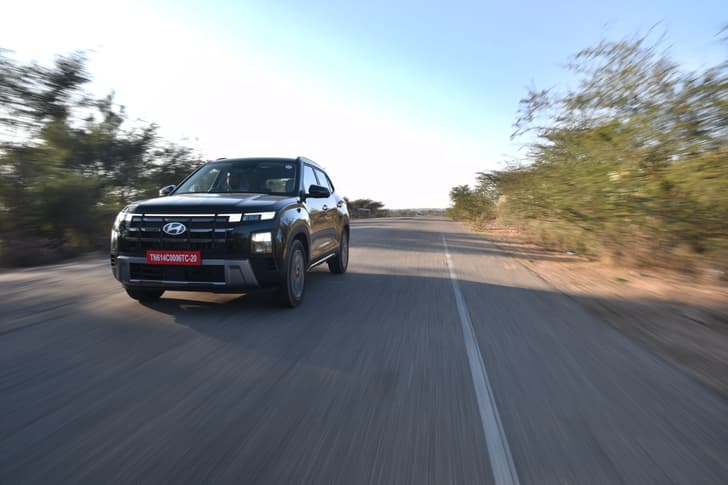
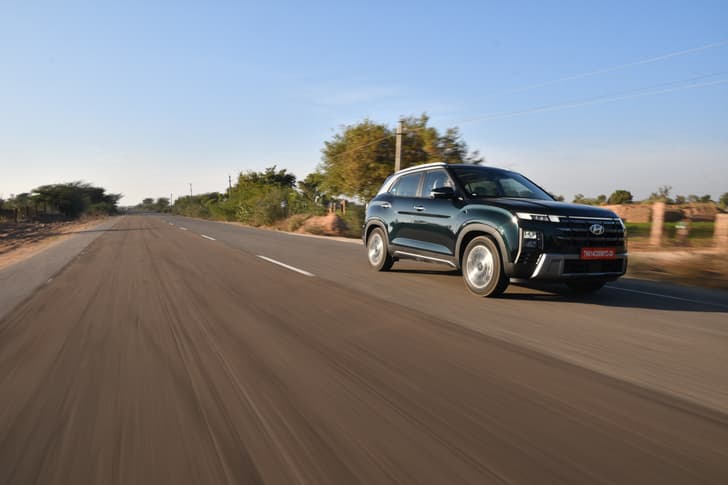
- The Creta also gets a shark fin antenna and roof mounted spoiler for some sporty touches.
- The Creta gets Level 2 ADAS (Hyundai Smart Sense) on higher variants, including features such as AEB, lane keep assist, blind‑spot avoidance and High Beam Assist.
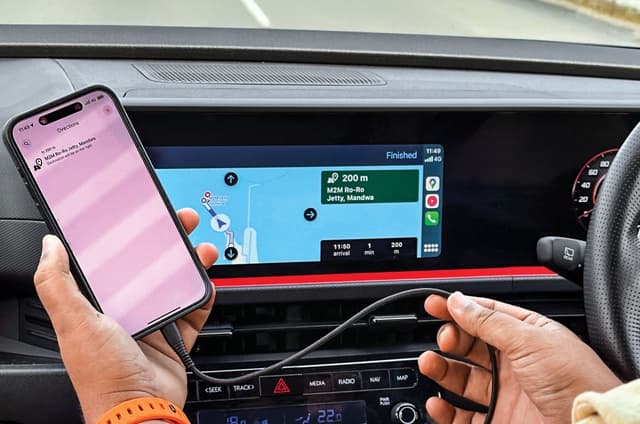
- Key feature highlights of the Creta include a panoramic sunroof, ventilated front seats, dual 10.25-inch digital displays, a premium Bose sound system, a 360-degree camera, and advanced connected car technology, depending on the variant.
- Equipped with a strong suite of safety features, the Creta comes with six airbags as standard, along with Vehicle Stability Management, ESC, ABS with EBD, Hill-start Assist Control, rear parking sensors, and a rear parking camera.
- The pre facelift Creta secured a 3 star safety rating from GNCAP. The current model has not been tested yet, though it features six airbags as standard.
- With three different drive modes on offer, the Creta also features paddle shifters for added convenience and responsiveness.
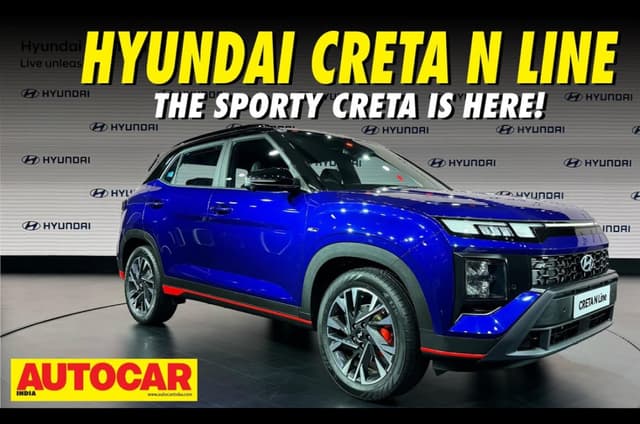
- The Creta N Line adds sportier styling, dynamics, and distinct interior accents, positioned above equivalent standard trims.
- In terms of dimensions, the Creta measures 4,330 mm in length, 1,790 mm in width, and 1,635 mm in height, supported by a 2,610 mm wheelbase.
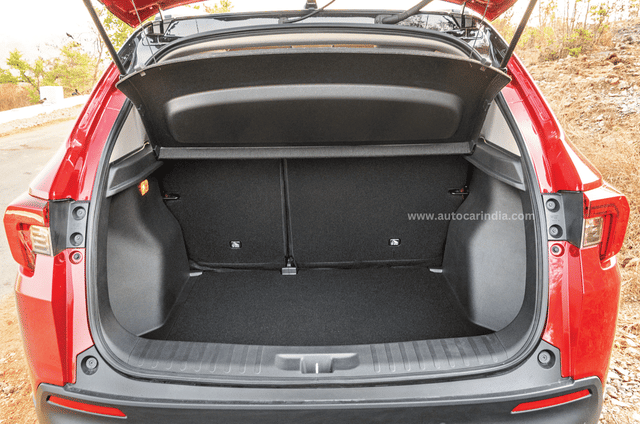
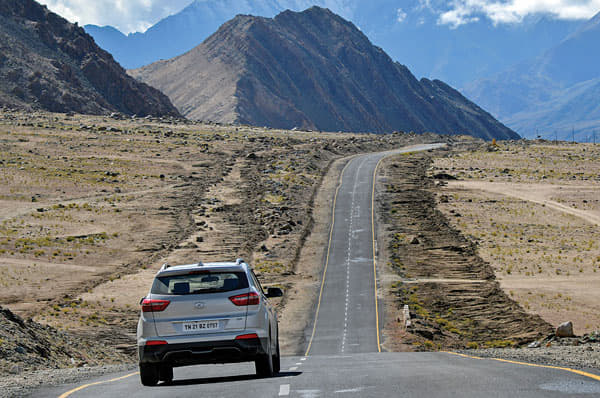
- With a generous 433-litre boot space, the Creta offers ample luggage capacity, while a 190 mm ground clearance ensures confident driving on Indian roads.
Hyundai Creta Latest Updates
- June 5, 2026: Hyundai Creta gets benefits of up to Rs 1 lakh in June 2026.
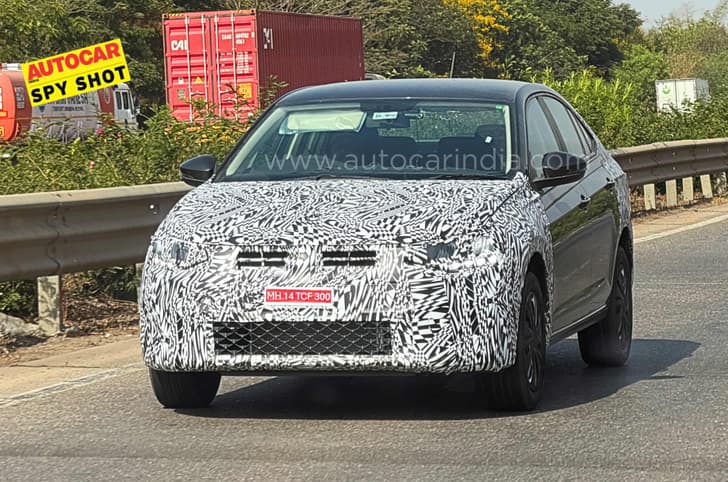
- May 11, 2026: Third-gen Hyundai Creta spied in India for the first time; it'll be underpinned by the K3 platform and is likely to launch here in 2027.
- May 5, 2026: 2027 Hyundai Creta interior spied with bigger touchscreen; the new freestanding unit is likely based on the brand’s new Pleos Connect in-car infotainment software platform.
- May 5, 2026: Hyundai discontinues Creta's SX Tech and SX(O) trims; the midsize SUV’s line-up has been reduced to seven trims.
- April 9, 2026: Hyundai launches Creta Summer Edition at Rs 12.06 lakh; the Summer Edition adds more features to the Creta’s lower and mid-spec trims.
Hyundai Creta Features and specifications
Our Rating | 9 |
Mileage | 17.4 kmpl - 21.8 kmpl |
Engine | 1482 cc - 1497 cc |
Fuel Type | Diesel, Petrol |
Transmission | Manual, Torque Converter, DCT, CVT |
Seats | 5 |
Body Style | SUV |
Doors | 5 |
Max Power | 116 hp at 4000 rpm |
Max Torque | 250 Nm at 1500 - 2750 rpm |
Warranty Distance | Unlimited km |
Warranty Duration | 3 Years |
| Fuel Type/ Propulsion | Diesel |
| Engine Installation | Front |
| Number of Cylinders | 4 |
| Pure Electric Driving Mode | No |
| Fuel Tank Capacity | 50 litres |
| Fuel Supply System | Common Rail |
| Official Fuel Economy | 19.1 kmpl |
| Terrain Modes | No |
| Front Brakes | Discs |
| Rear Brakes | Discs |
| Type of Power Assist | Electric |
| Steering Adjust | Tilt and Telescopic |
| Length | 4330 mm |
| Width | 1790 mm |
| Chassis Type | Monocoque |
| Height | 1635 mm |
| Power Windows | Front and Rear |
| Powered Tailgate | |
| Power Windows with One Touch-Down | Driver Window Only |
| Sunglass Holder |
| Airbags | 6 |
| Lane Departure Avoidance | |
| Lane Keep Assist | |
| High Beam Assist |
| Body Coloured Bumpers | |
| Illuminated Logo | |
| Outside rear view mirror (ORVM) | |
| Headlight Height Adjuster |
| Speedometer | Digital |
| Tachometer | Digital |
| Trip Meter | |
| Average Fuel Consumption |
| Audio System | |
| Front USB port | Type C |
| Branded Music System | Bose |
| Inbuilt Music App |
| Breakdown Assistance Call Button | |
| Find My Car | |
| Car Light Flashing & Honking via App | |
| Find and Book Parking Slot |
Hyundai Creta price & variants
The Creta variants are divided into E, EX, EX(O), S(O), SX, SX Tech, SX Premium and SX(O). The Creta car is offered with 3 engine options: 1.5‑litre NA petrol, 1.5‑litre turbo‑petrol, and 1.5‑litre turbo‑diesel. Transmission choices include 6MT, 7DCT, CVT, and 6AT, depending on the engine.
Hyundai Creta Official Brochure
Download the complete brochure with specs, features, and variants.
Hyundai Creta expert review
We like
Feature-packed
Roomy interior
We don't like
Top versions are pricey
Some plastics could be better
8.0
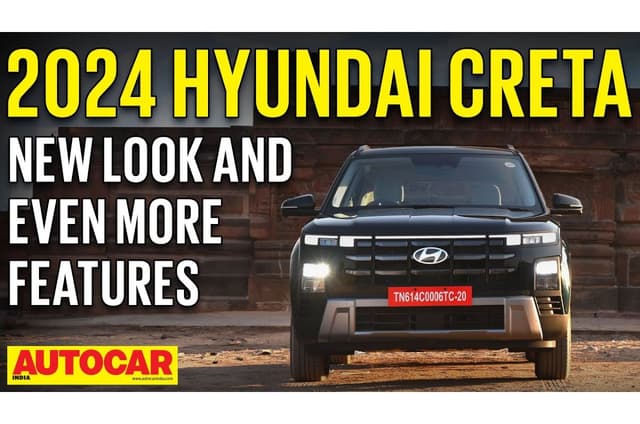
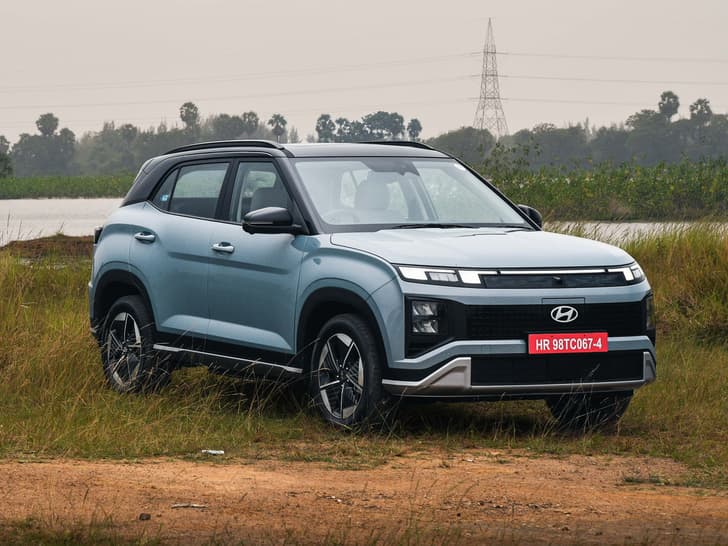
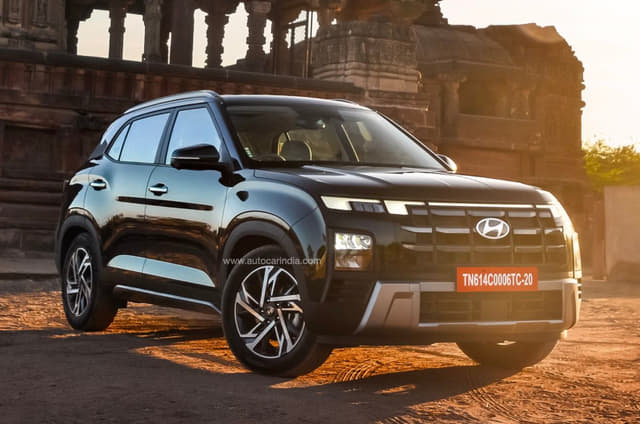
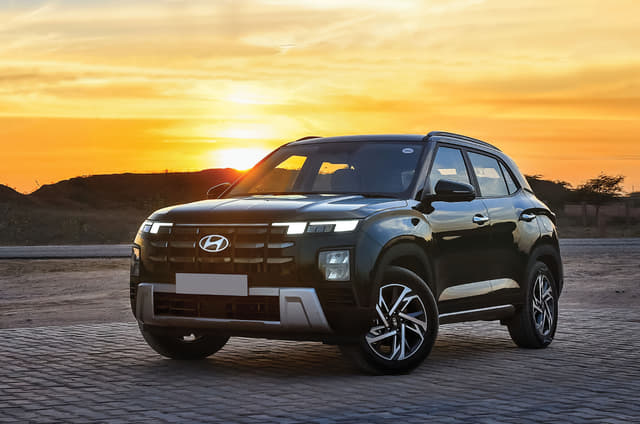
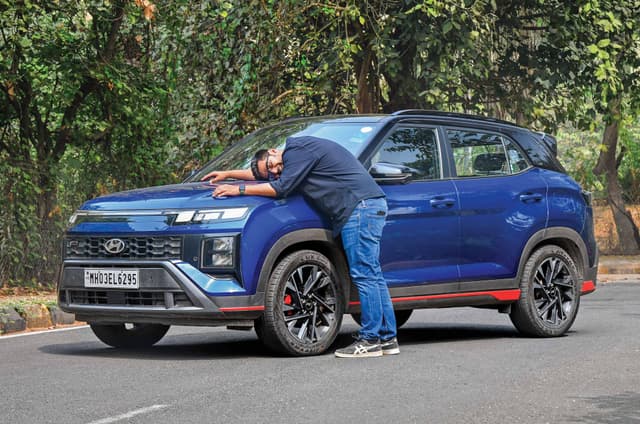
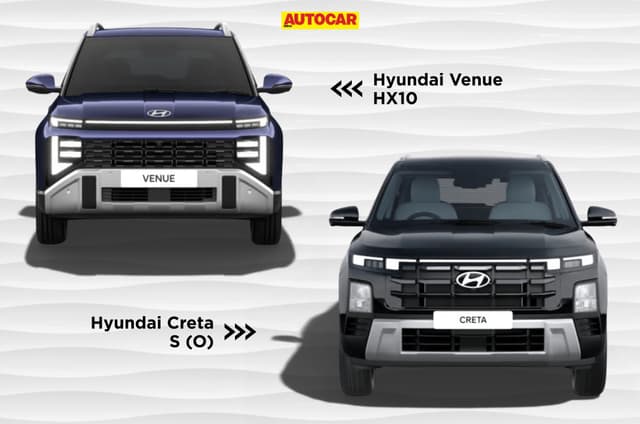
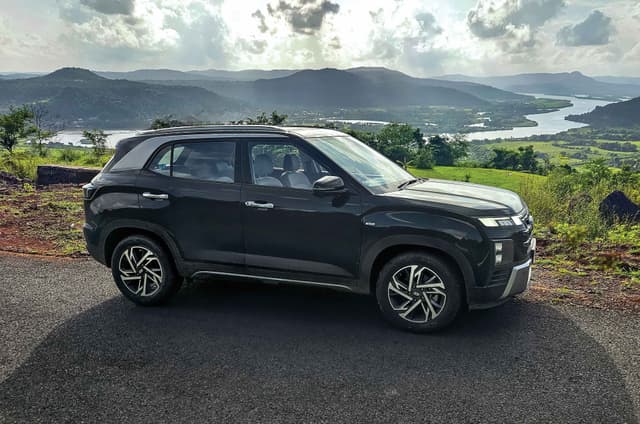
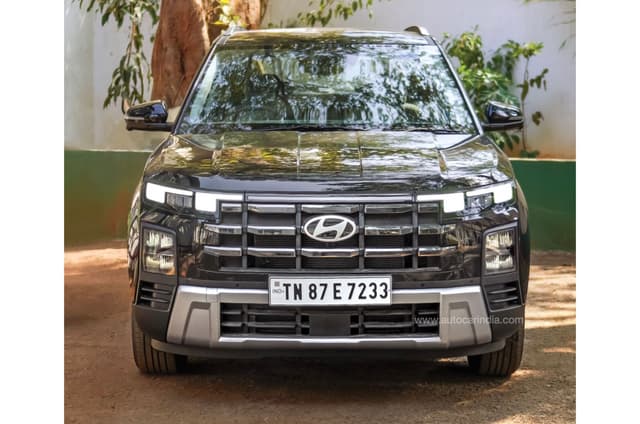
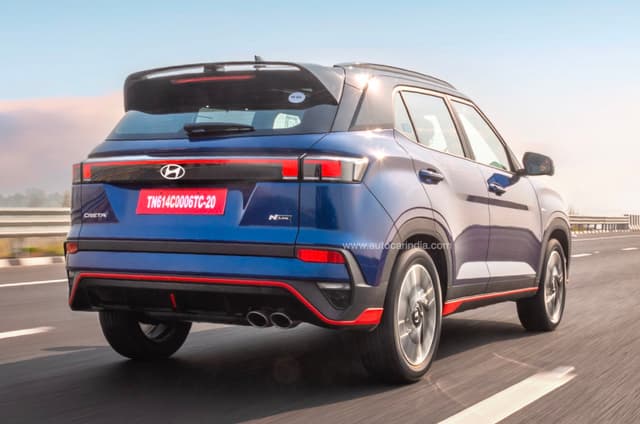
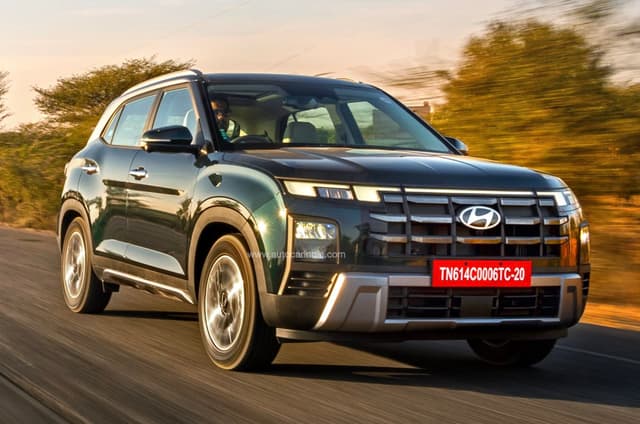
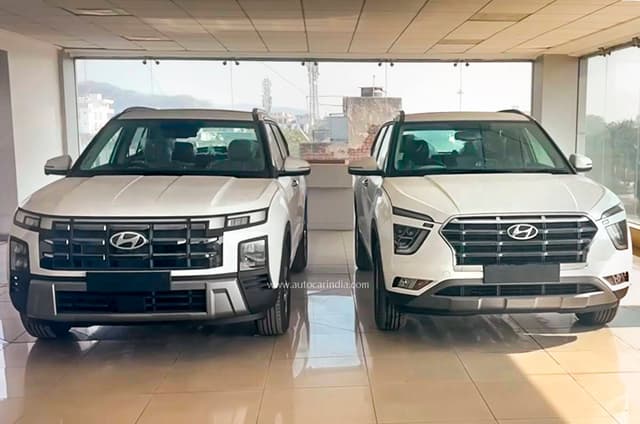
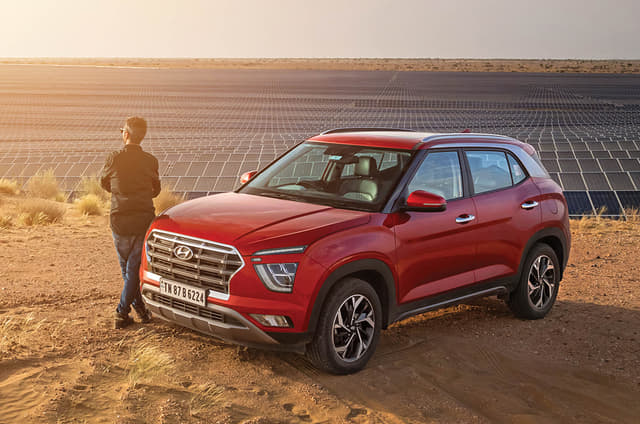
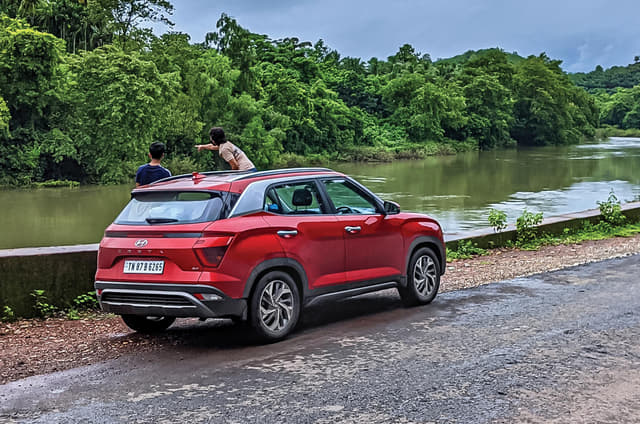
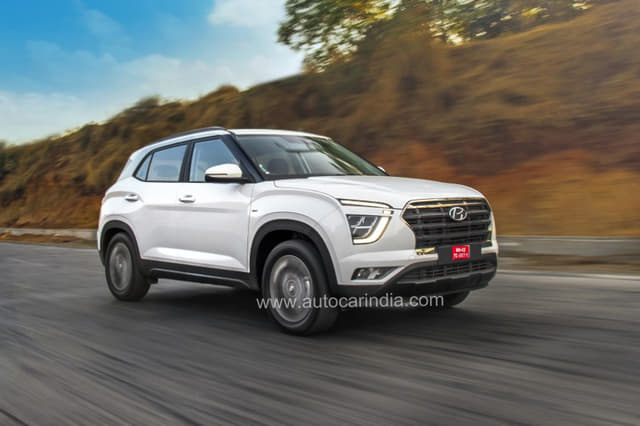
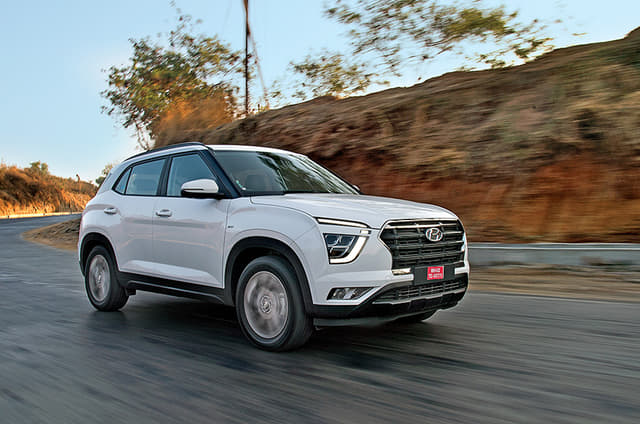
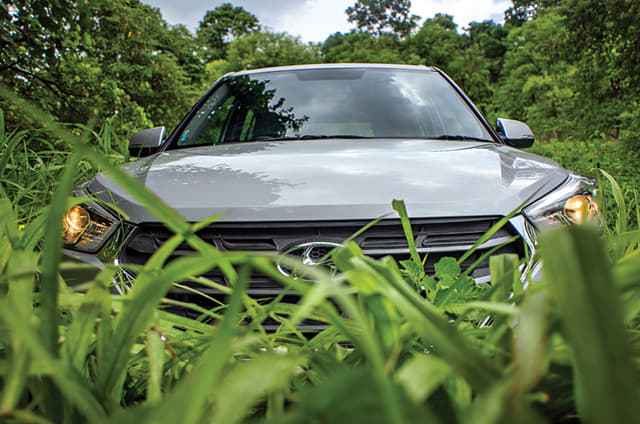
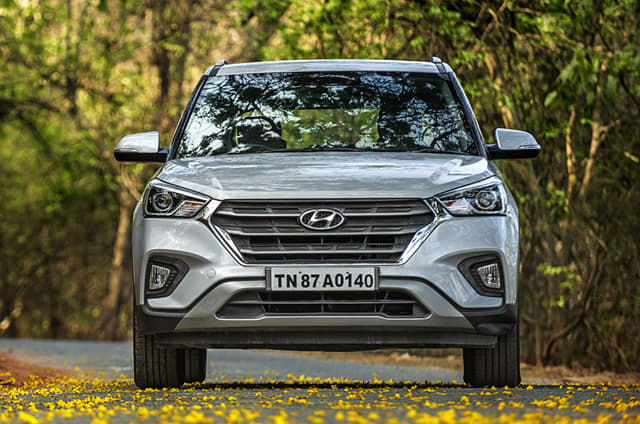
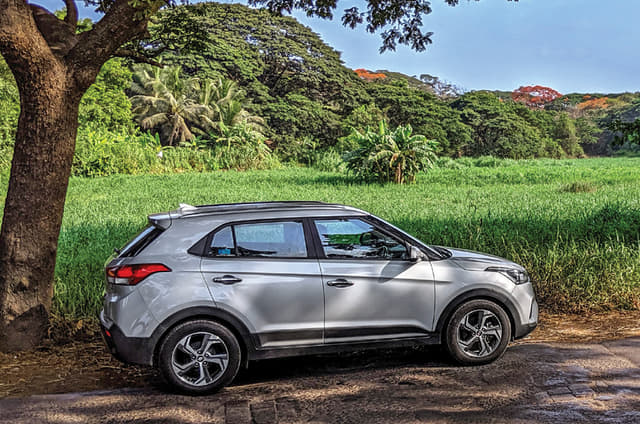
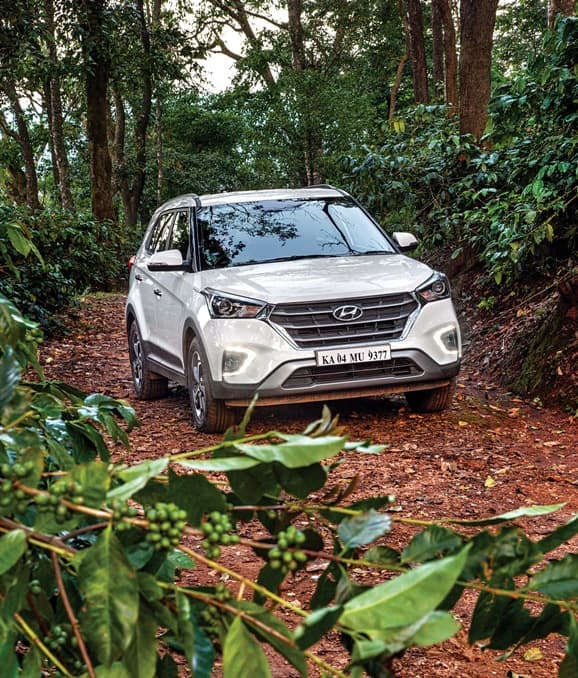
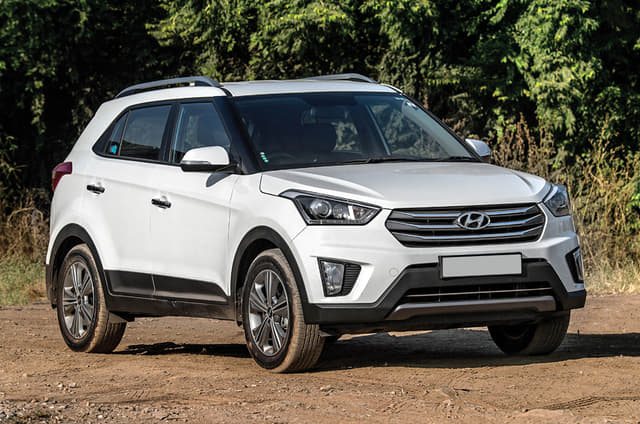
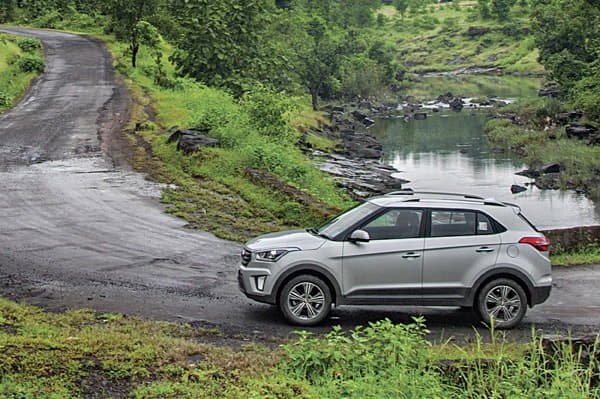
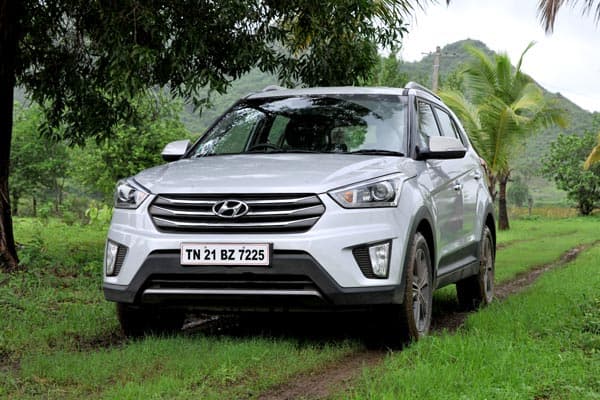
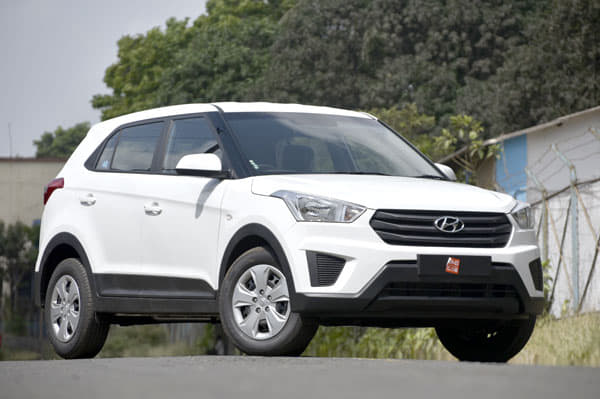
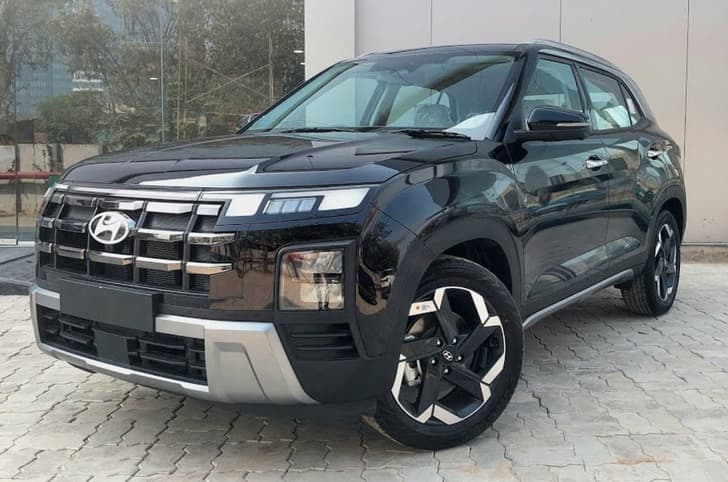
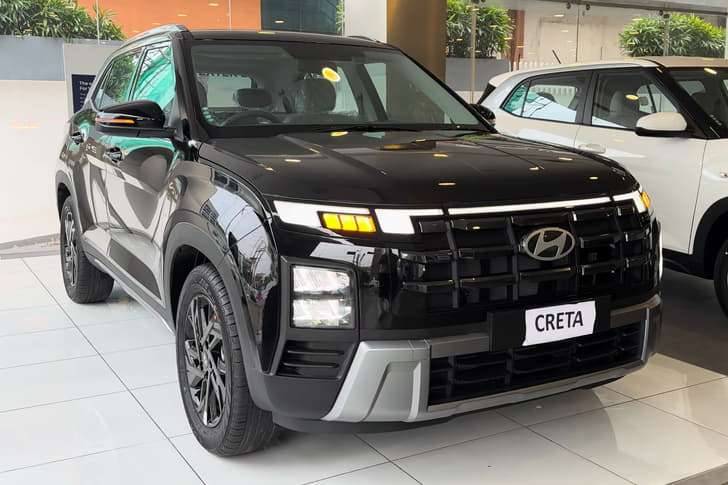
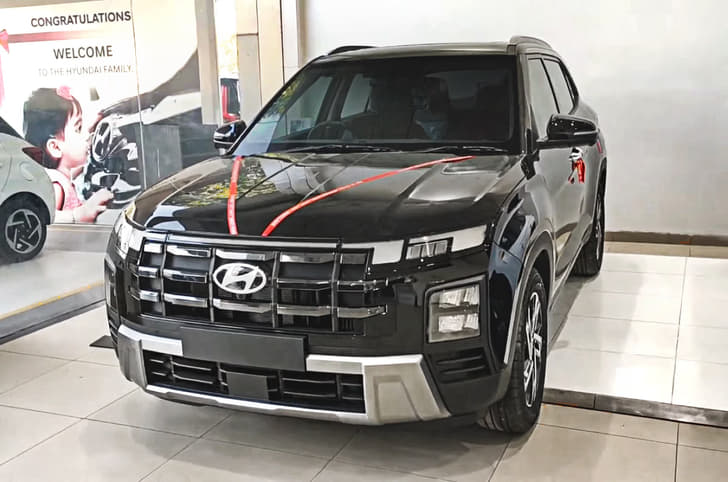
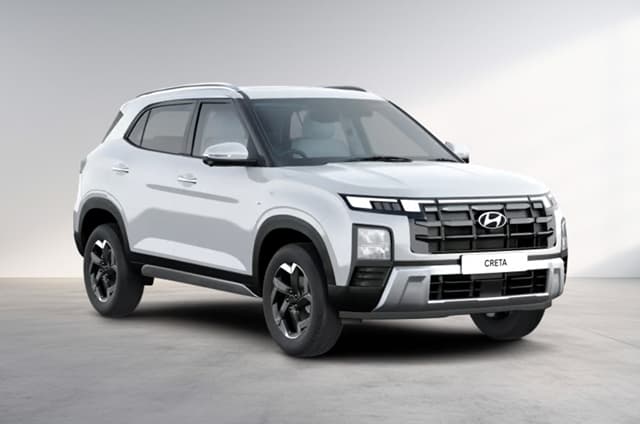
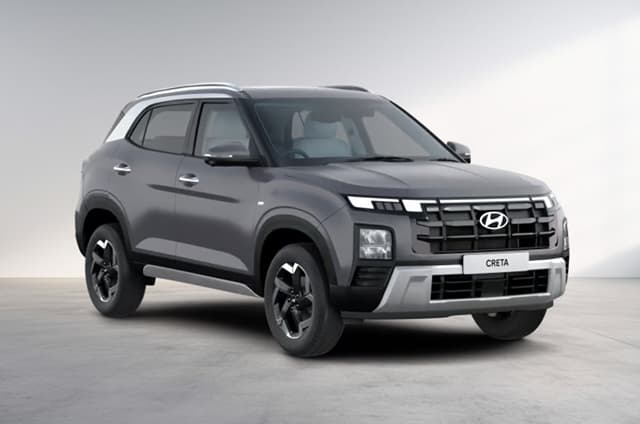
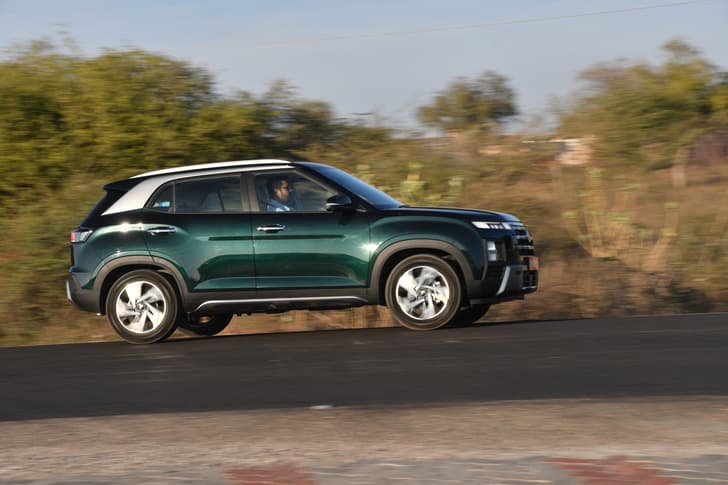
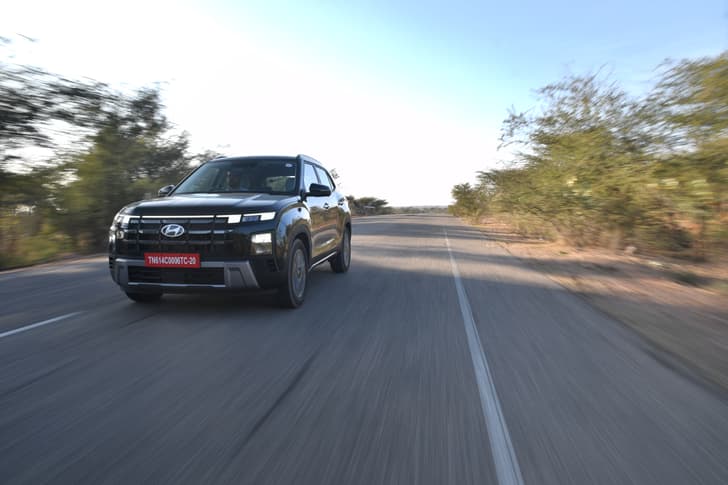
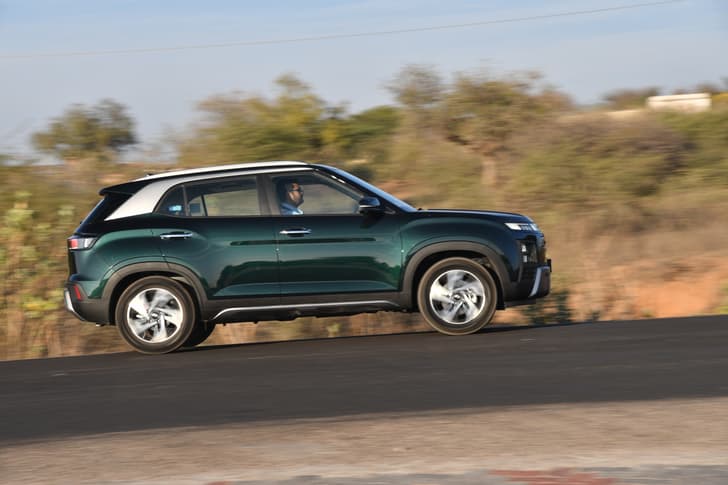
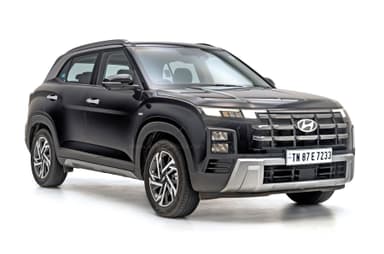
The 2024 Hyundai Creta facelift keeps the popular SUV’s familiar shape but refreshes its presence with a more squared-out and modern face. Up front there’s a bigger grille with parametric detailing and a split lighting layout where LED daytime running lights sit above the primary quad LED headlamps. The rear gets angular full LED tail lamps joined by a full-width light bar and a re-profiled bumper that gives the Creta a distinctive new identity while staying recognisable.
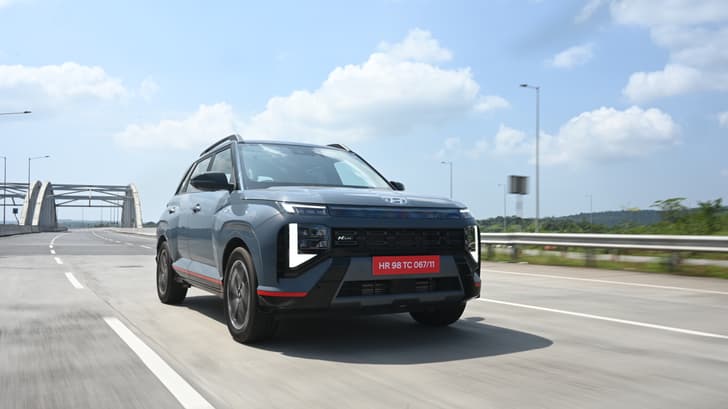
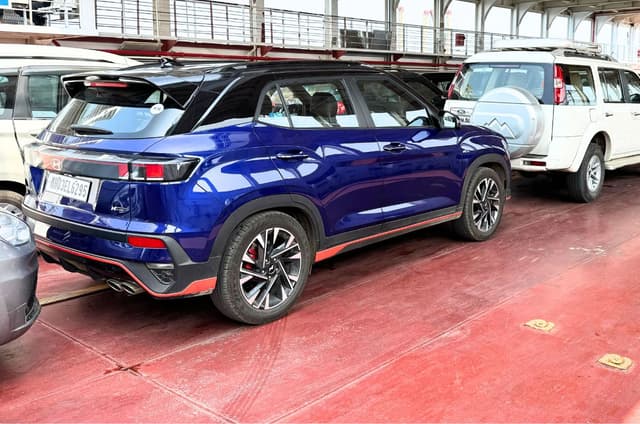
The Creta N Line adds a sportier spin on this core design with an aggressive bumper, red detailing along the skirts and bumpers, 18-inch wheels, roof-mounted spoiler and twin faux exhaust tips. The N Line’s lower-set grille and blacked-out theme clearly differentiate it from the standard Creta.
Underneath, the Creta’s chassis and suspension layout remain unchanged. It is engineered more for comfort and urban composure than sharp dynamics. The N Line benefits from subtle steering and damping tweaks to add confidence, but it does not fundamentally change the SUV’s mechanical character.
9.0
Hyundai has overhauled the Creta’s cabin with a wraparound dashboard that integrates twin 10.25-inch displays for the touchscreen and digital driver’s cluster. This layout emphasises a modern and premium look, though taller drivers might find the screens sit a bit low. Light dual-tone materials and ample glasshouse space add to a bright, roomy feel.
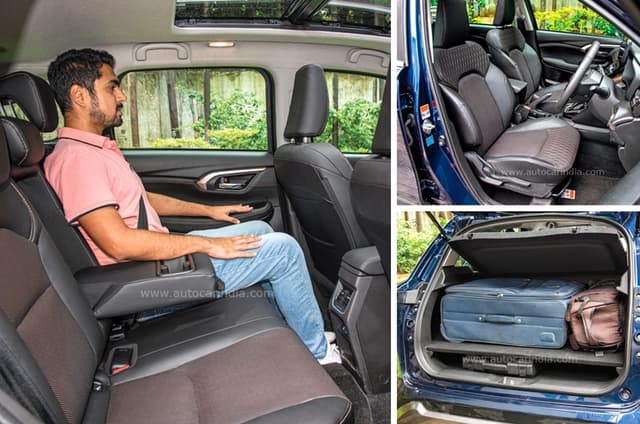
Rear seats remain generous for a midsize SUV, with good legroom and adequate width for three adults. The absence of a headrest for the middle occupant remains a sore point, but features like sunshades and additional USB-C ports add practicality. Boot space is a competitive 433 litres and the rear seats fold in a 60:40 split for extra cargo flexibility.
In the N Line, the interior adopts an all-black theme with red stitching and N Line logos on the seats, steering wheel and gear lever. The ambience feels sportier and more engaging, though the base layout and cabin ergonomics are the same as the standard Creta. Fit and finish in places fall slightly short of class-best execution.
8.0
The facelifted Creta offers three engines. A likable 115 hp 1.5-litre naturally aspirated petrol and a 116 hp 1.5-litre diesel continue, with the latter providing smooth and quiet performance on highways.
A new 160 hp, 1.5-litre turbo-petrol replaces the older 1.4 turbo. It pulls well through the rev range and feels eager for daily driving, aided by crisp refinement.
In the Creta N Line, the same 160 hp turbo unit is paired with either a 6-speed manual or a 7-speed dual-clutch automatic (DCT). The manual offers satisfying gear shifts that suit enthusiastic driving, but the DCT feels the better-matched option overall thanks to smooth responses, drive and traction modes and adaptive cruise control.
Both versions avoid outright performance heroics, choosing a linear and refined delivery that suits family use and highway cruising more than sporty excitement.
7.0
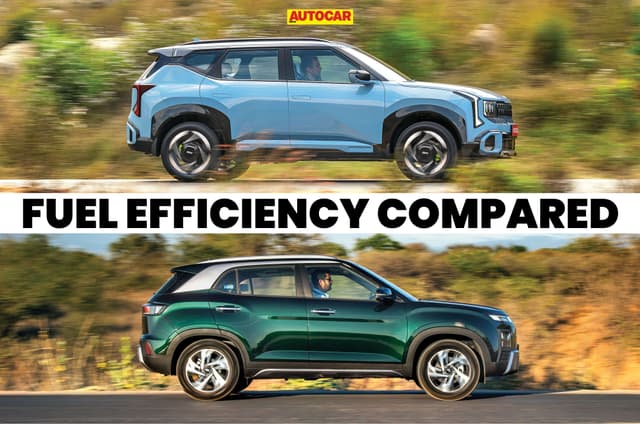
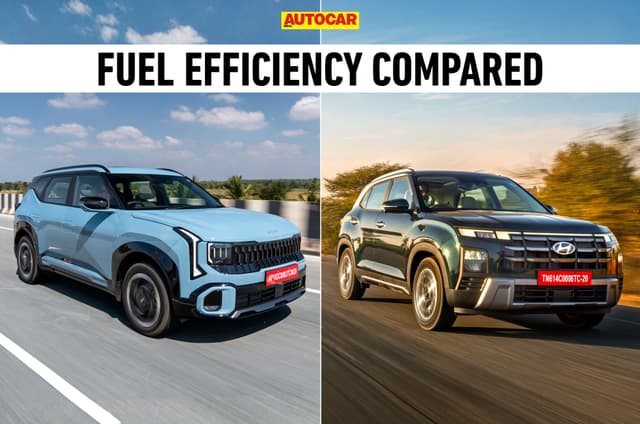
Fuel efficiency for the facelifted Creta varies by engine and gearbox. The diesel remains the most frugal with official figures around 21.8 kmpl, while the turbo-petrol and naturally aspirated petrol deliver respectable real-world economy for an SUV of this size.
The Creta N Line is claimed to return around 18 kmpl with the DCT and marginally less with the manual, figures that are decent considering the sportier focus and larger wheels.
8.0
Ride comfort remains a core strength. The Creta delivers a composed and planted ride over city ruts and highway expansion joints, absorbing most bumps with ease while maintaining body control. A light steering feel and manageable dimensions make it friendly in urban use.
The N Line’s sport-tuned setup introduces a hint of firmness and increased confidence at higher speeds, but it never compromises overall comfort. Steering feedback feels communicative, and the larger tyres provide adequate grip, though body roll is still noticeable when pushed hard.
9.0
The Creta remains richly equipped. Depending on variant, you get ventilated seats, wireless charging, dual-zone climate, panoramic sunroof, 360-degree cameras and connected tech including live apps and music streaming.
Safety kit is comprehensive with 6 airbags, ABS with EBD, stability control, tyre pressure monitor and ISOFIX mounts. Higher trims add advanced driver assistance systems including adaptive cruise control, lane-keeping assist and autonomous emergency braking, bringing Level 2 capabilities to the SUV.

The N Line shares this list and adds sport-themed touches like metal pedals, exclusive trim accents and custom ambient lighting.
9.0
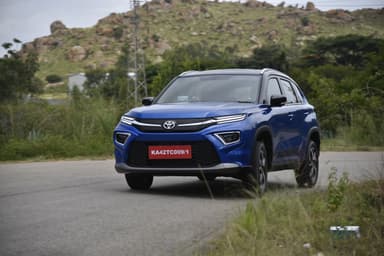
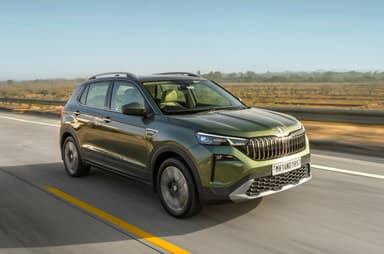
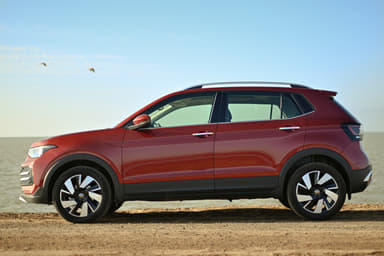
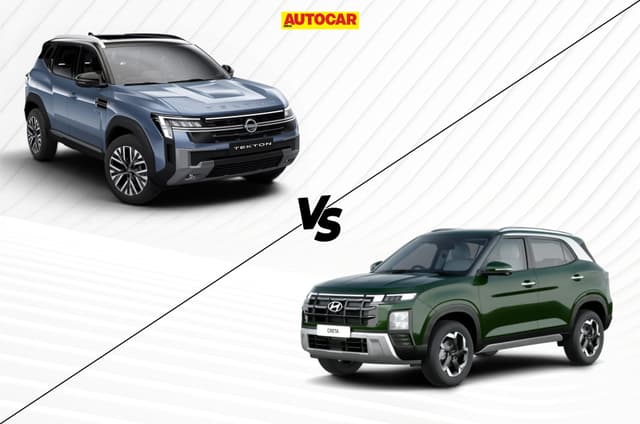
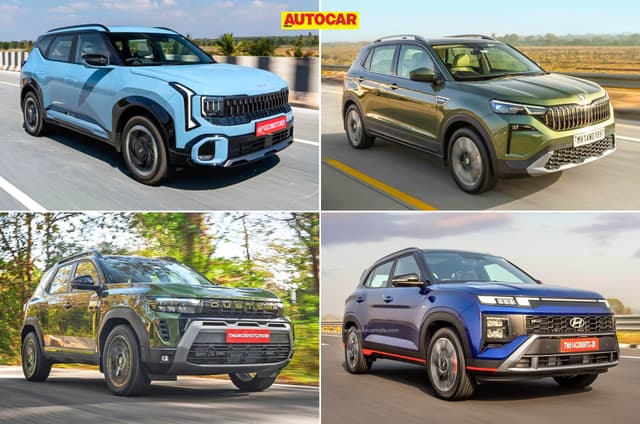
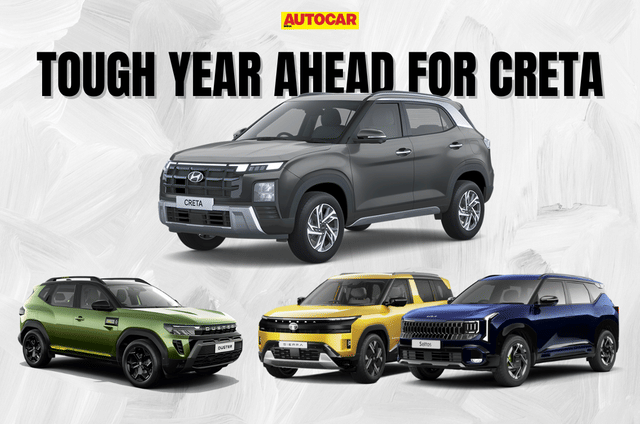
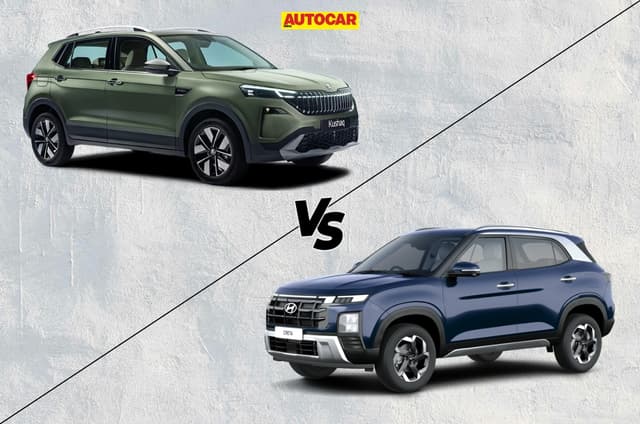
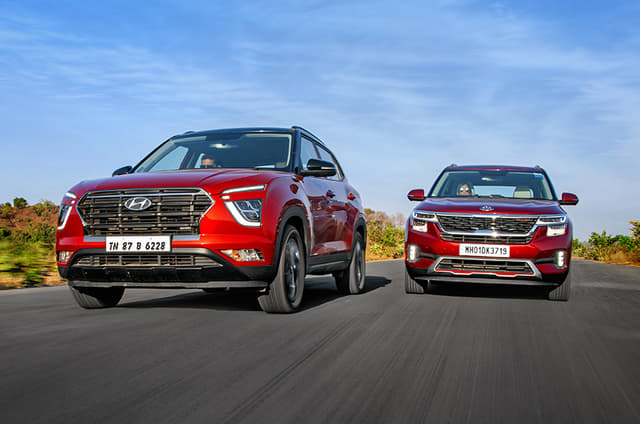
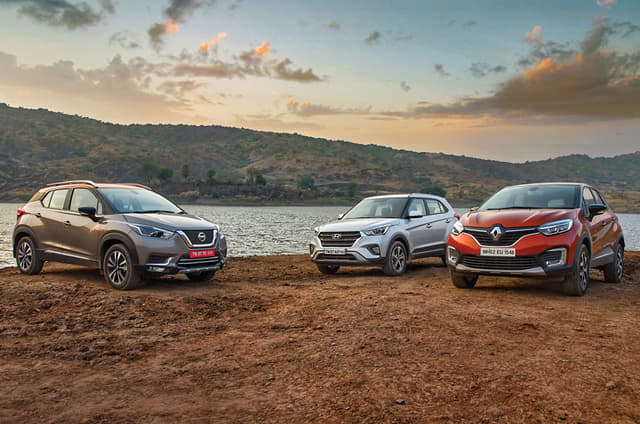
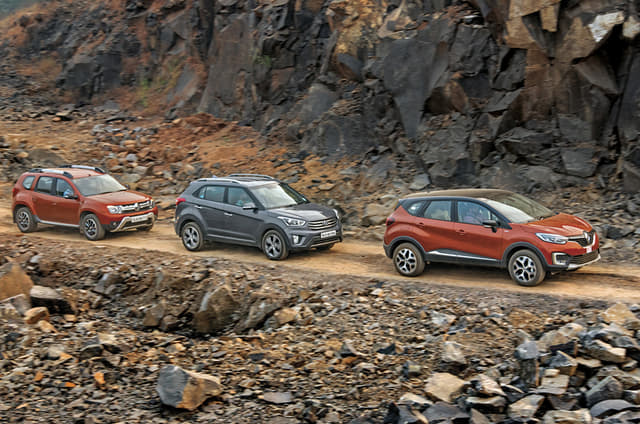
The Creta continues to justify its strong sales with a broad powertrain lineup, abundant features and family-friendly comfort. The facelift sharpens its appeal with updated styling and next-gen tech while keeping competition like the Kia Seltos, VW Taigun and Skoda Kushaq firmly in sight.
The Creta N Line sits at a premium over equivalent standard Creta variants but is priced competitively against sporty rivals. Its visual flair, engaging gearbox options and strong kit list make it an attractive choice for buyers seeking character and enhanced expressiveness without straying far from Creta’s core strengths.
Reviewed by: Nikhil Bhatia
Hyundai Creta reviews

Hyundai Creta comparison


Hyundai Creta mileage
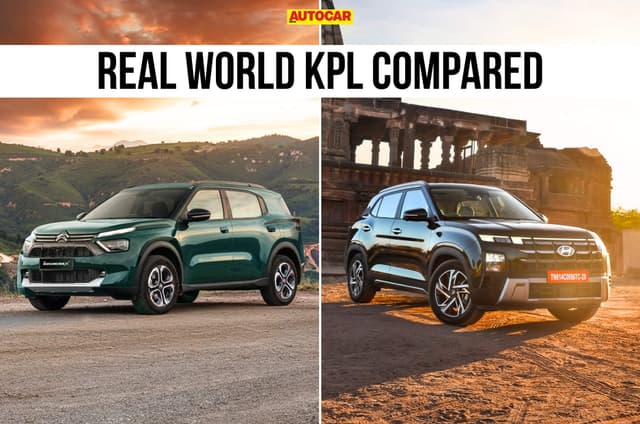
The Hyundai Creta mileage range is 17.4 kmpl - 21.8 kmpl, which differs as per the chosen powertrain option. The Creta SUV is offered with multiple engine options: 1.5‑litre NA petrol, 1.5‑litre turbo‑petrol, and 1.5‑litre turbo‑diesel. Transmission options include 6MT, 7DCT, CVT, and 6AT, depending on the engine.
Here are the details of the Hyundai Creta mileage (claimed):
| PowertrainThe combination of engine type, fuel, and transmission that powers your vehicle and determines how it drives and what it runs on. | ARAI MileageMileage certified by the government, tested under controlled lab conditions. Real-world mileage will vary. | Autocar Tested MileageAutocar's experts test each vehicle on fixed city and highway routes under standardised conditions - single occupant, AC running, manufacturer-recommended tyre pressures. Tanks are filled to the brim before and after each run to calculate efficiency. Results reflect realistic real-world usage. | User Reported MileageMileage figures are reported by vehicle owners and represent the approximate real-world efficiency you may experience. Actual mileage will vary based on driving conditions, habits, and vehicle condition. |
|---|---|---|---|
Diesel-Manual 1493 cc | 21.8 kmpl | - | 17.74 kmpl |
Diesel-Automatic (Torque Converter) 1493 cc | 19.1 kmpl | - | 16.72 kmpl |
Petrol-Automatic (DCT) 1482 cc | 18.4 kmpl | - | - |
Petrol-Manual 1482 cc | 18 kmpl | - | 15.17 kmpl |
Petrol-Manual 1497 cc | 17.4 kmpl | - | 15.7 kmpl |
Petrol-Automatic (CVT) 1497 cc | 17.7 kmpl | 13.11 kmpl | 17.3 kmpl |
Hyundai Creta news
Hyundai Creta Images
Check out 120 Hyundai Creta images, which showcase the exterior design of the popular mid-size SUV. The Creta image gallery shows the SUV’s sleek exterior design and features such as LED headlights and alloy wheels, as well as its interior, with features like dual digital screens, panoramic sunroof and more.
Hyundai Creta videos
Hyundai Creta video reviews cover the facelift’s ADAS performance, powertrain differences, ride and handling, and a variant‑by‑variant features breakdown to help pick the right trim.


Hyundai Creta Colours
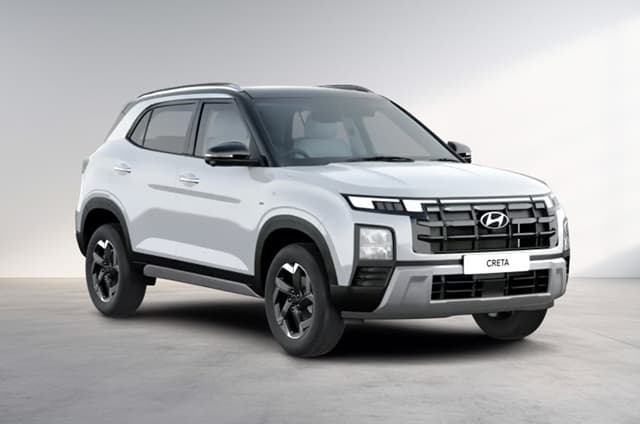
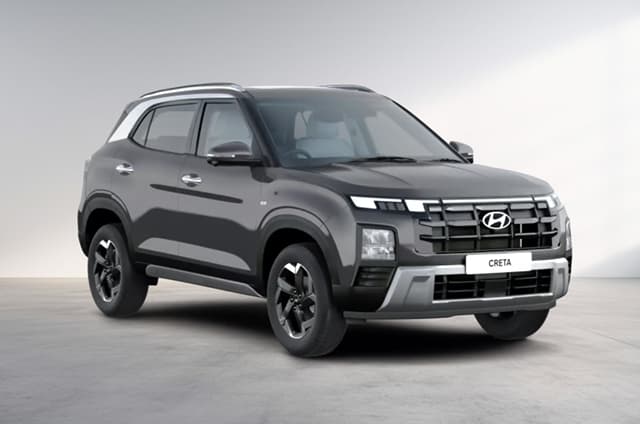
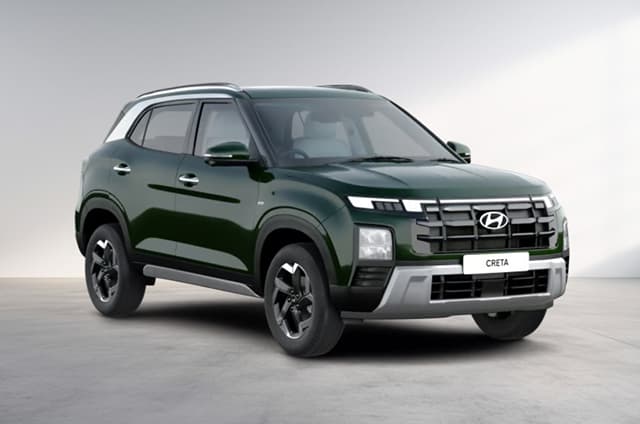
The Creta comes in 9 colour options. Each shade complements its bold styling. Check out our Hyundai Creta colours gallery below.
Hyundai Creta FAQs
The tired-and-tested Creta gets most things right - it’s spacious, well equipped five-seater and the driving experience is satisfactory across the five engine-gearbox variants.
The mid-spec Creta S(O) trim comes across as well-equipped for its price and is available in NA petrol and diesel versions.
Space remains a highlight with good rear legroom and adequate width for three adults to sit in comfort.
It definitely feels worth that slight premium considering how effective the aesthetic changes are in conveying its sporty demeanour. It even features suspension and steering differences over the standard Creta.
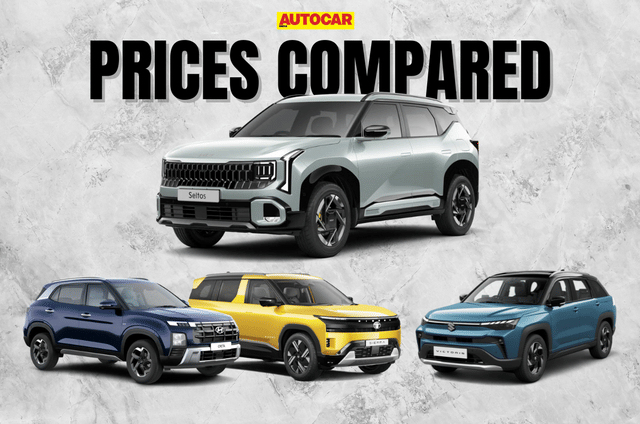
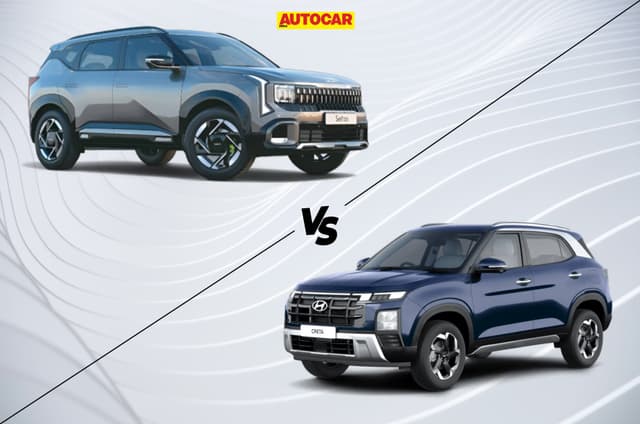
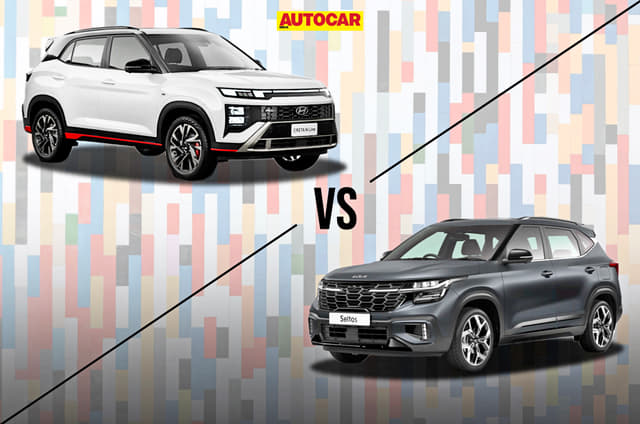
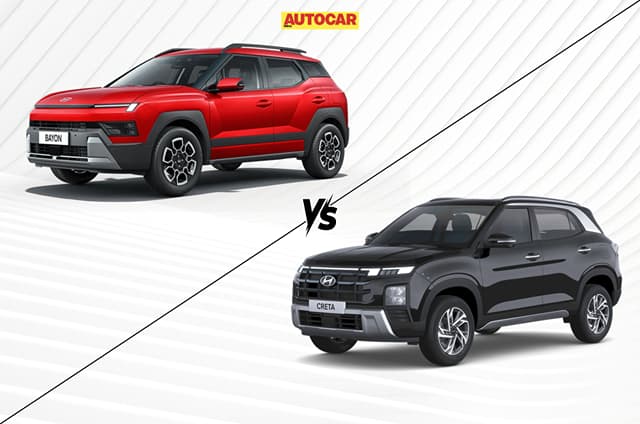
The new-generation Kia Seltos has moved to a new platform and is larger in size than before. While its engine options are similar to the Creta, it packs several new features. As an overall package, the Seltos is the one to go for.
Questions you may find useful
Is buying a new Creta N line worth it?
The Hyundai Creta N Line is a sportier-looking derivative of the Creta. It gets revised front-end styling, red detailing, larger 18-inch wheels, a rear spoiler and dual tip exhausts on the outside. The interior gets an all-black look with red detailing, which does give the cabin a sporty flavour. Unique to the Creta N Line is the option of a manual gearbox with the turbo-petrol engine. The steering has also been redone for more weight.The larger wheels and tweaks to the steering do make the Creta N Line feel slightly sportier to drive. However, the dual tip exhausts sound no different to the standard Creta's, and that's a downer. Further, the move to larger wheels comes with a firmer ride, which can get uncomfortable. Also, the 6-speed manual gearbox isn't the slickest or most enjoyable. We'd stick to the DCT.In a nutshell, while the N Line does look distinctive and attractive, it isn't the best Creta you can buy. The standard model feels comfier, and its lower price also makes it a better deal. If you want an enjoyable driving experience above all else, the Skoda Kushaq 1.5 TSI DSG or VW Taigun 1.5 TSI DSG will satisfy you more.
Hi, Is it ok to buy the Creta Non-Turbo IVT now, or should I wait for the facelift? I use a car for both city and highways. I'm also a little scared of the Ethnol confusion now.
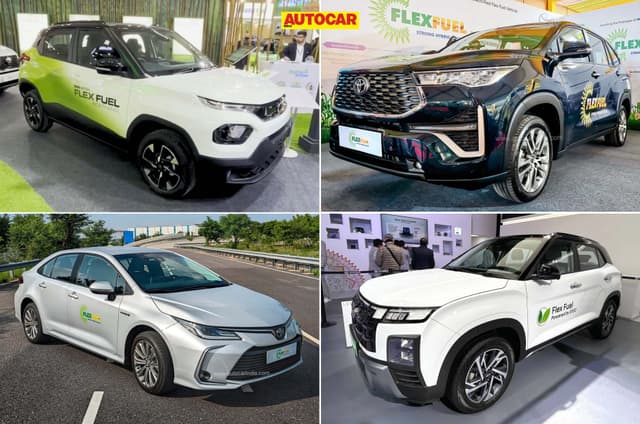
The Hyundai Creta 1.5 IVT is a great buy and is our pick of the Creta range. Its smooth gearbox and refined engine are highlights. You'll appreciate the seamless performance in town, and the power is fair for highway use too.The all-new Creta is due in the coming months and promises to be larger, more refined and more tech-laden. If these are key considerations for you, it might be worth your while to wait for the new Creta. Otherwise, there's a good opportunity to haggle on a current Creta IVT and get a good price. About the ethanol worry, the Creta is built for E20 fuel and should support higher blends of ethanol (such as E30) without any undue wear and damage. Do note, the manufacturer has not given any official communication on this.
Hello autocar team, I am looking to buy a new car and currently drive a Ford EcoSport Automatic. I am planning to purchase the Hyundai Verna. Would it be a wise decision to buy a sedan in 2026, considering current market trends and ownership requirements?
Coming from a Ford EcoSport Automatic, the Verna will feel like a significant upgrade in terms of refinement, comfort, space and overall quality. One of its biggest strengths is that it shares its 1.5-litre naturally aspirated petrol and 1.5-litre turbo-petrol engines with the Creta, so you're not missing out on performance by choosing the sedan. In fact, the Verna is every bit as spacious as the Creta, offers a more comfortable ride and is generally more enjoyable to drive on highways.The Verna also feels more premium inside, with a higher-quality cabin, better fit and finish and a feature-rich interior. Despite offering all of this, it is often more affordable than an equivalent Creta, which makes it excellent value for money.The only caveat is that you will have to be a little more mindful of rough roads and steep ramps compared to an SUV. However, if your driving is predominantly on good roads, this is a small compromise.
My current vehicle is a Maruti Suzuki Baleno. I am a first-time SUV buyer, and my budget is Rs. 20 lakh. I am looking for a petrol automatic SUV. My usage is primarily within the city, with daily driving of around 70 km, and I do not take long-distance trips very frequently. I would also like an SUV that offers a good driving experience, plenty of features, strong safety, good stability in both city and highway conditions, reliability, and a proven track record. Considering my requirements, which petrol automatic SUV would you recommend?
Go for the Kia Seltos 1.5 petrol automatic, because it balances daily city ease with real highway stability and has a strong safety rating. For 70 km of mostly city use, its smooth IVT and light controls make it stress free, yet it does not feel floaty at speed. The latest Seltos has 5-star crash safety, six airbags on the right trim, and the braking and body control inspire confidence, which matters on highway runs. It also packs the useful stuff you will actually use every day - good cameras and sensors, a crisp screen, wireless charging, ventilated seats on higher trims - and Kia’s network and reliability record are solid now, so ownership is simple.Expect around 11-12 kpl in typical city traffic if you drive calmly, which is fair for the size. The ride is a touch firm at low speed, so sharp bumps are felt more than in a Creta, but it pays you back with better control when you go faster. Coming from a Baleno, the Seltos isn’t intimidating to park or thread through traffic, yet feels like a proper upgrade.
I am confused between the Creta SX Premium and the New Seltos HTK (O) model, both in petrol. Kindly suggest which is better?
Go for the Hyundai Creta SX (Premium) petrol. You’re getting a higher trim for similar money, with more everyday comfort and an easier ride for family and city use. Both cars use the same 1.5 petrol, so performance and mileage feel near identical, but the Creta’s suspension is softer, and the rear seat is kinder on longer runs.At this price point, the Seltos HTK(O) is a mid variant, so you miss a lot of the nice-to-have kit that makes living with it feel special. In the Creta SX, you step up to more features and better cabin convenience, which you will notice every single day.However, the Seltos is bigger, and its cabin is richer. It's a newer model too and has a more premium feel, but for most first-time buyers who just want a smooth, comfy petrol SUV that feels complete out of the box, the Creta SX (Premium) is the smarter pick.
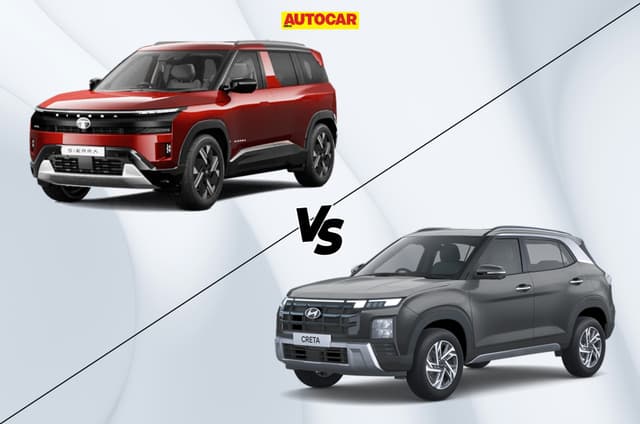
I am comparing the Hyundai Creta King petrol IVT, Kia Seltos petrol GTX A IVT and Tata Sierra petrol accomplished turbo. The car will be required for long ownership, expected annual mileage of around 8-10000 kilometres with almost 70-80% in Delhi NCR limits. Please suggest which one is a better option.
The Kia Seltos GTX+ IVT would be the recommendation here. Given your annual running of 8,000-10,000km and predominantly city-based usage in Delhi NCR, a naturally aspirated petrol automatic is the right choice. That's why we'd suggest narrowing your decision down to the Creta IVT and Seltos IVT, rather than the Tata Sierra Turbo AT. While the Sierra is an impressive package, the turbo-petrol powertrain is likely to be less efficient and more expensive to run over the long term than the Hyundai-Kia 1.5-litre naturally aspirated petrol.Between the Creta and Seltos, the nod goes to the Seltos. It is the newer product, feels more premium inside, offers a slightly more spacious cabin and remains one of the most feature-rich SUVs in the segment. Ride comfort is also very good, and the IVT automatic is exceptionally well-suited to urban driving.Another factor worth considering is that the next-generation Creta is expected within the next year or so, whereas the Seltos has a longer lifecycle ahead of it, making it the safer long-term bet.
Which car is the better choice under Rs. 15 lakh: the Maruti Suzuki Brezza or the Hyundai Creta?
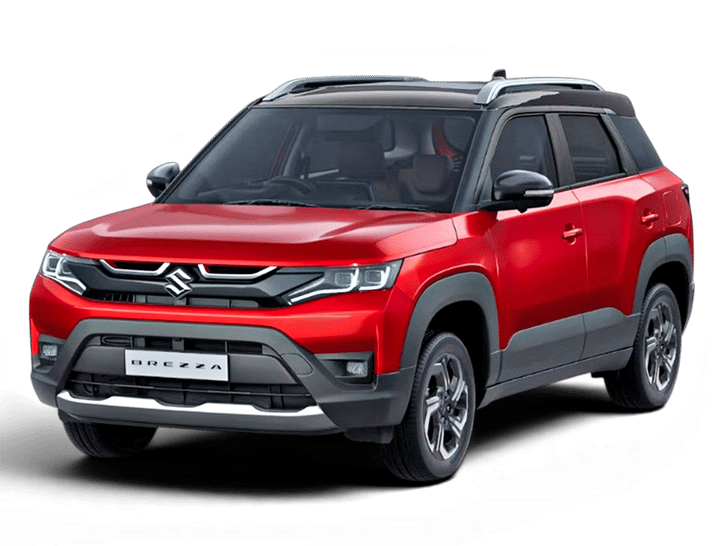
It depends on what you are looking for from the vehicle. If you want a larger car with a bigger boot, get the Hyundai Creta, which is in a segment above the Brezza. However, note that you will only get the low-spec EX and EX(O) variants with the 1.5-litre naturally aspirated petrol engine and manual gearbox in your budget. While you can get a panoramic sunroof in the EX(O), the rest of the features are very basic. Meanwhile, in the Maruti Suzuki Brezza is available in fully loaded ZXi+ guise comfortably within your budget. You get far more features than the Creta in this budget, including auto climate control, a heads-up display, split-folding rear seats, LED headlamps, rear washer-wiper, keyless entry and go, wireless Apple Carplay and Android Auto, and more. What's more, you can get an automatic gearbox with the Brezza within your budget, which adds hugely to convenience. The cabin and boot space are also not too much less than the Creta, and the mileage will be much higher.
I have been using a Hyundai Creta Diesel since 2017 and have driven it for almost 2 lakh km. I am now planning to upgrade my vehicle. Would the Mahindra XUV 7X0 base diesel variant be a good choice for my requirements?
Yes, the XUV 7XO base diesel is a solid upgrade from your 2017 Creta if you do long highway runs. The 2.2 diesel pulls stronger, sits at cruise with less effort, and the bigger, heavier Mahindra car feels more settled at speed and over broken roads. You also get a roomier cabin and boot, which helps on long trips with family and luggage.Be ready for a few compromises. It is a big SUV, so parking in tight city spots takes getting used to, and the diesel manual’s clutch can feel heavier than your Creta’s in traffic. Expect slightly lower kpl than your old 1.6 diesel.Overall, the XUV 7XO AX is a strong choice.
I am looking for an SUV under company car policy with a maximum budget of Rs. 18 lakhs (ex-showroom) including insurance. On-road price is secondary. I already have two Honda City and am now looking for a petrol automatic SUV for daily commute to office and highway trips once in 3 months. I want a car that is reliable and a proper SUV. I am not looking for a compact SUV.
Pick the Hyundai Creta 1.5 petrol automatic. It meets your requirements, the mid variant will fit under your budget and it feels like a proper midsize SUV with the space, ground clearance and comfort that you won’t get in the sub-4m segment. In daily office runs, the smooth CVT automatic and light controls will make driving in traffic easy, its visibility is good. In addition, Hyundai’s service reach keeps life simple for a company car. For once-in-3-month highway trips, it cruises calmly on the highway, rides comfortably, has a big boot for bags, and the cabin is roomy enough too.It's worth noting though that the 1.5 petrol is more about smoothness than speed, so with five people and luggage you might want more performance. Also, the fanciest features sit in the top-spec versions. But for reliability, ease of use, and total ownership peace of mind, this is the balanced choice.
I am planning to buy a Hyundai Creta Automatic in 2026. I am not interested in the upcoming version, as I do not like its design. However, I am confused between the petrol and diesel variants because of the government's future fuel-blending policies, such as E30, and the uncertain long-term future of diesel vehicles. At the same time, I feel diesel is unlikely to disappear completely, given its widespread use in commercial vehicles and trucks. I live in a Tier-2 city and occasionally travel to Bengaluru and Pune. I am also concerned about whether E30 fuel could cause any issues for vehicles that are only E20-compliant. Ideally, I feel the government should continue offering E20 as a standard fuel option. Considering these factors, would you recommend the petrol or diesel Creta Automatic? Kindly guide me.
About E30, using it in an E20‑compliant car is not advised but the harm will be a drop in mileage rather than major material compliance issues. Most manufacturers have material compliance for blends in the higher 20's now mainly due to the fact that this is the case in international markets (like Brazil e27) and it makes little sense to develop a separate material standard for India. Thus, pick the Creta petrol automatic, because your life is mostly tier 2 city runs with only occasional Bangalore or Pune trips, and petrol avoids the DPF fuss that modern diesels can throw up in short, stop‑go use. It is already E20 compatible, so you’re aligned with current fuel, and the petrol is quieter and smoother in traffic.Go diesel only if you drive a lot every month and do long drives of about 20 to 30 minutes and with speeds above 50 to 60kph at least once in two weeks, where the DPF will get a chance to heat up and burn off the soot.