
Autocar India
BYD

BYD cars in India (5)

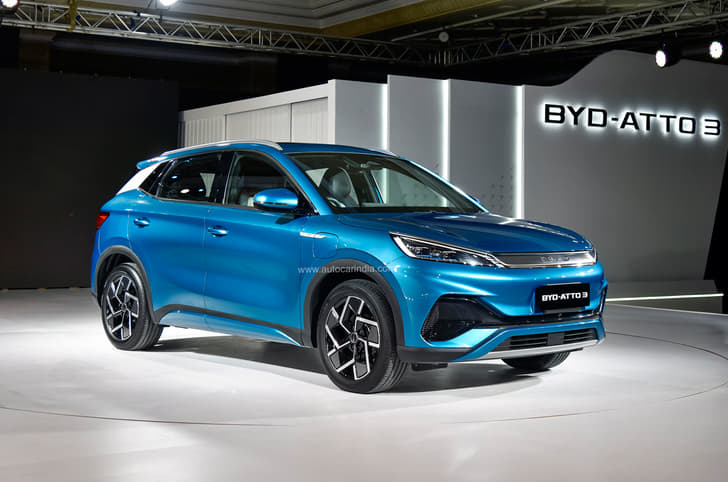
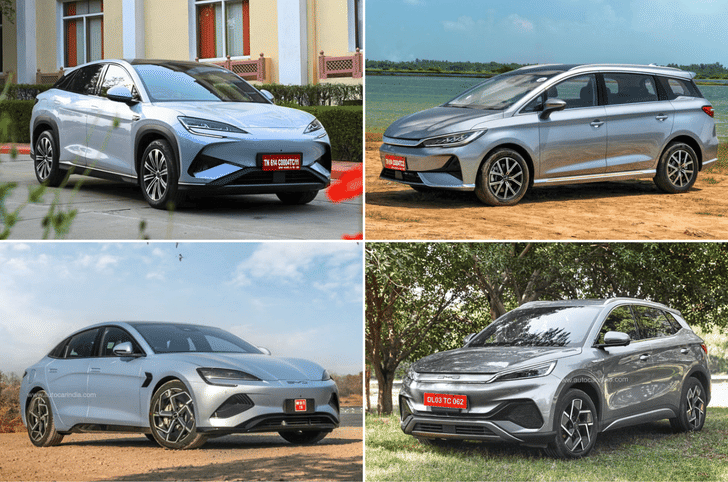
As of now, there are 5 BYD cars in India, out of which 4 are available for sale and 1 is upcoming. The BYD car price starts at ₹24.99 lakh and goes up to ₹54.90 lakh. The cheapest BYD car in India that's currently available for sale is the Atto 3, whereas the most expensive model is the Sealion 7. The upcoming BYD car, the Atto 2 is expected to launch in 2026, and is estimated to be priced between 18.00 lakh and 25.00 lakh.  Once it gets launched, it will become the most affordable model in the lineup. 


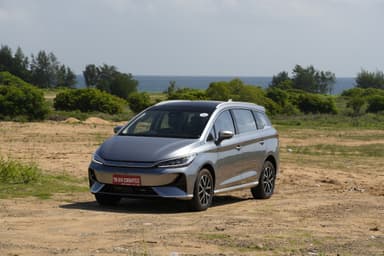
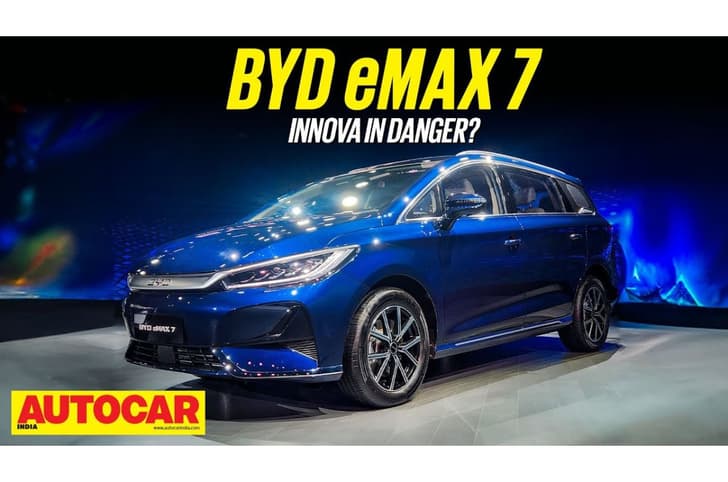
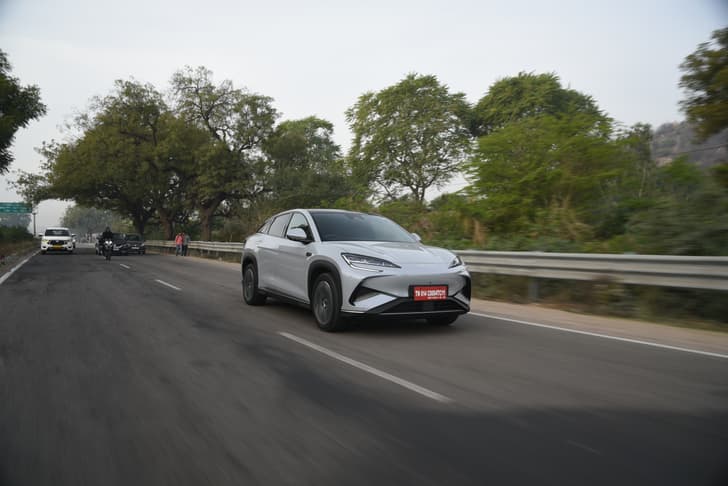
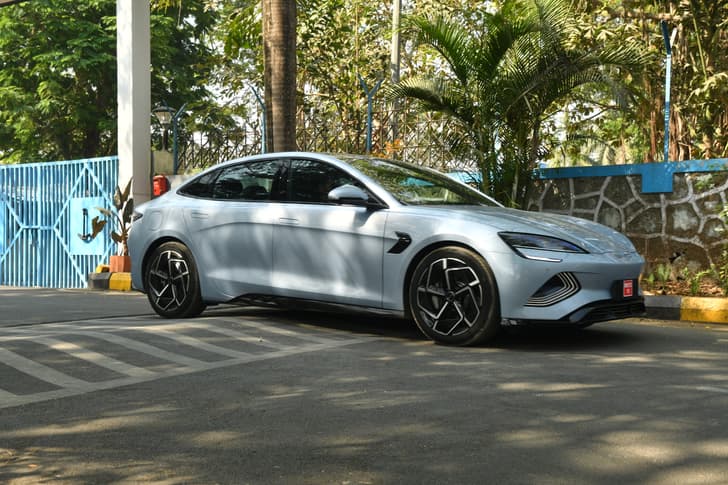
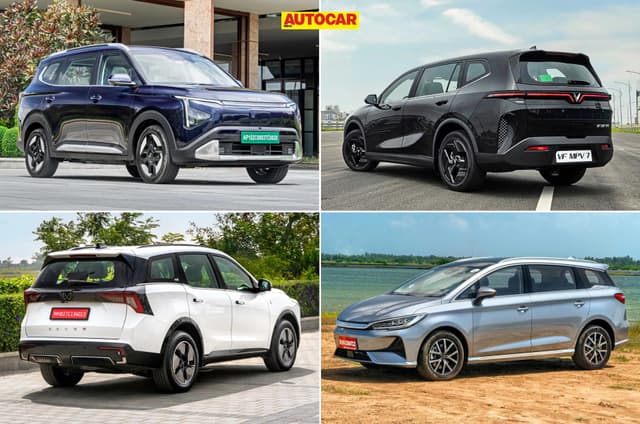
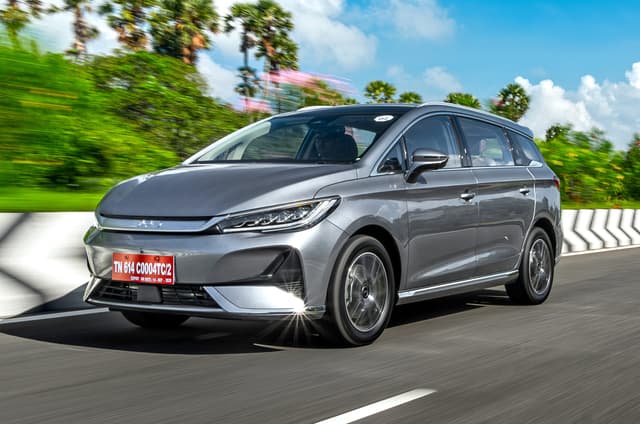
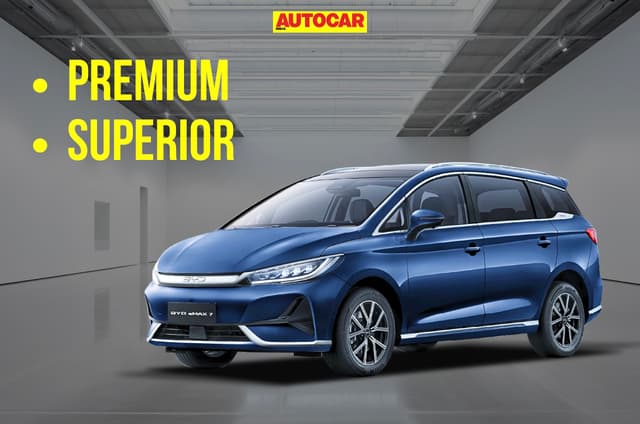
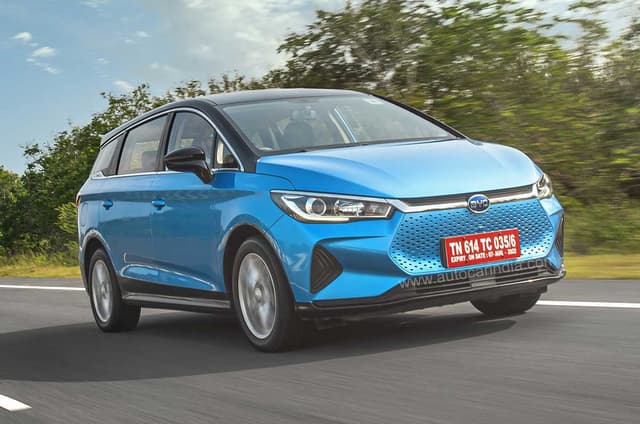
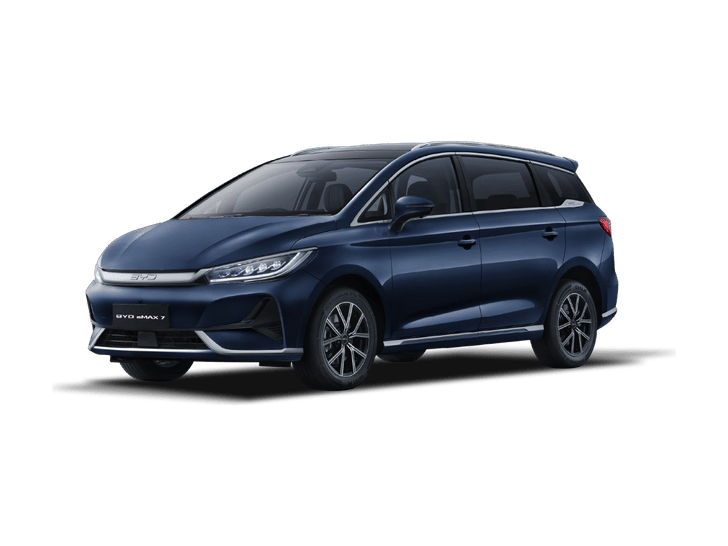
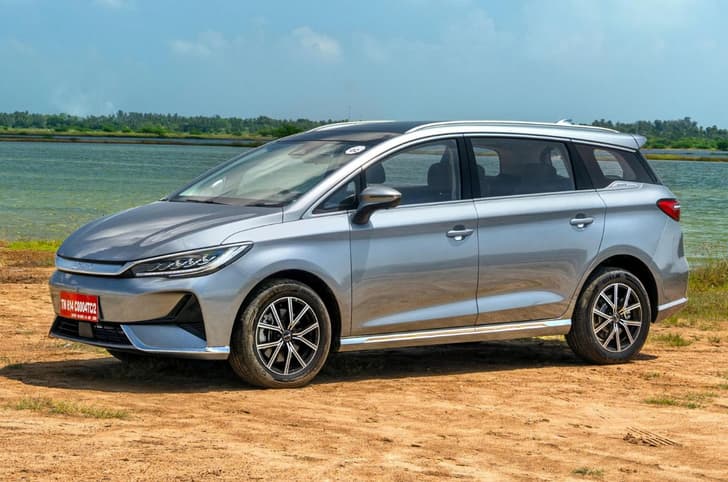
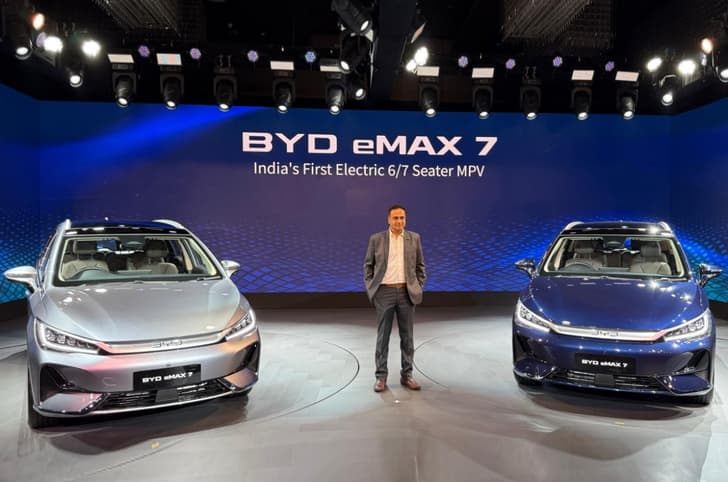
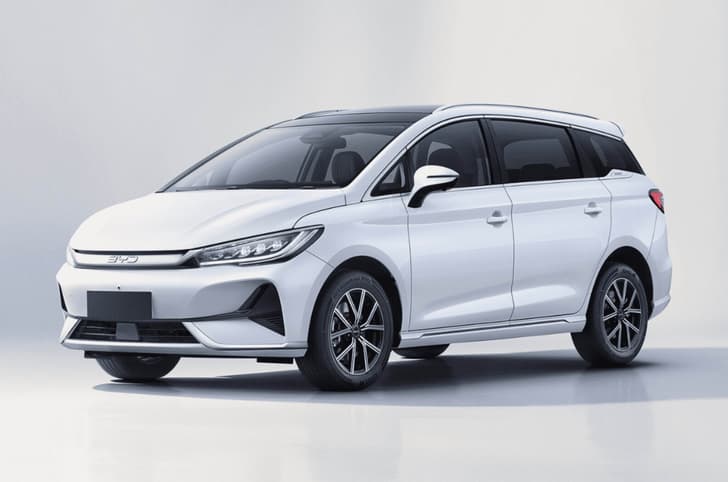
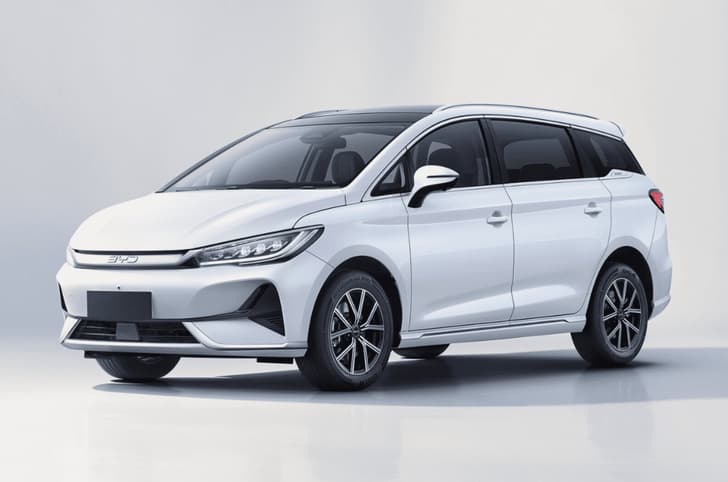
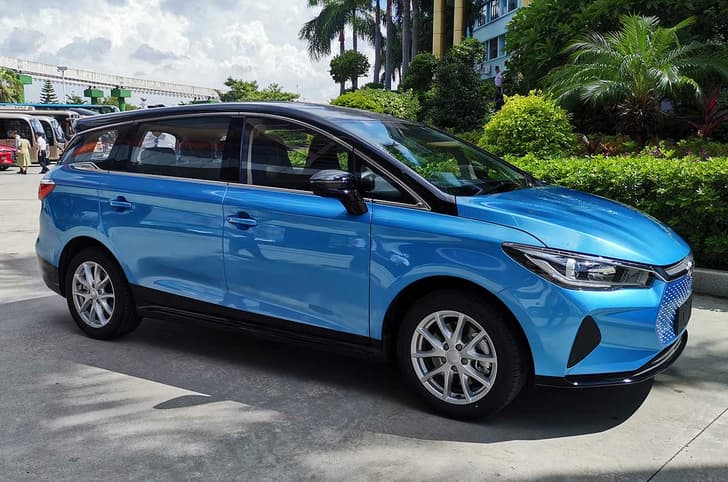
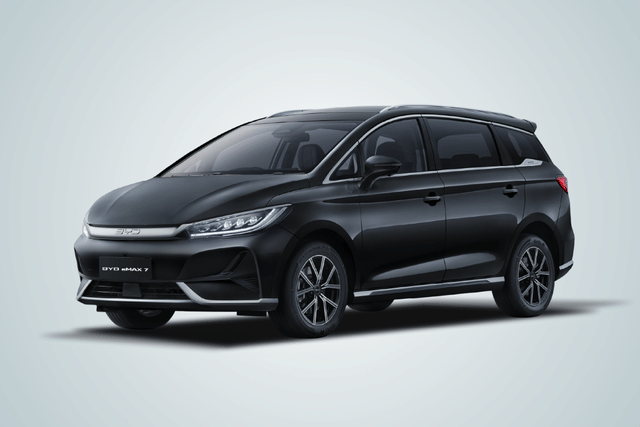
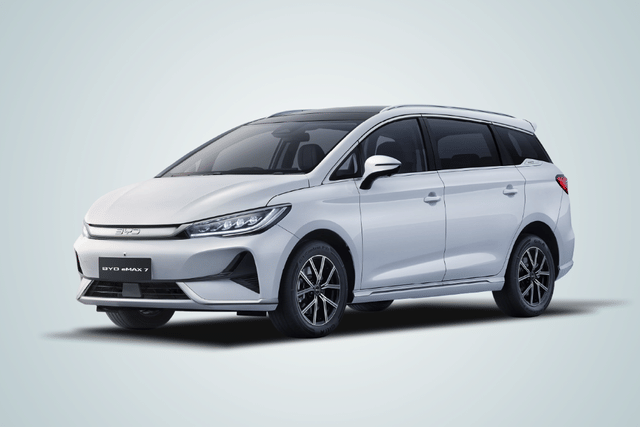
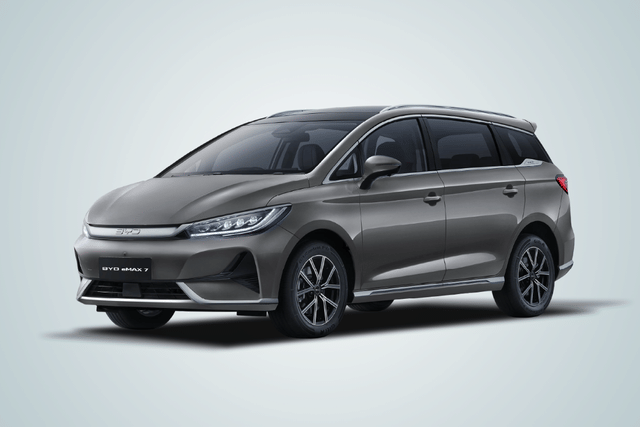
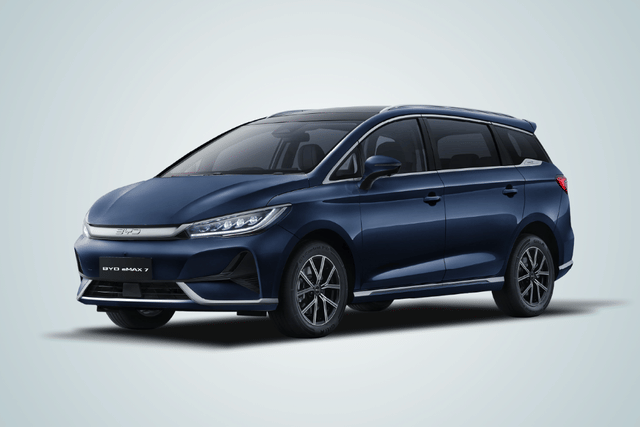
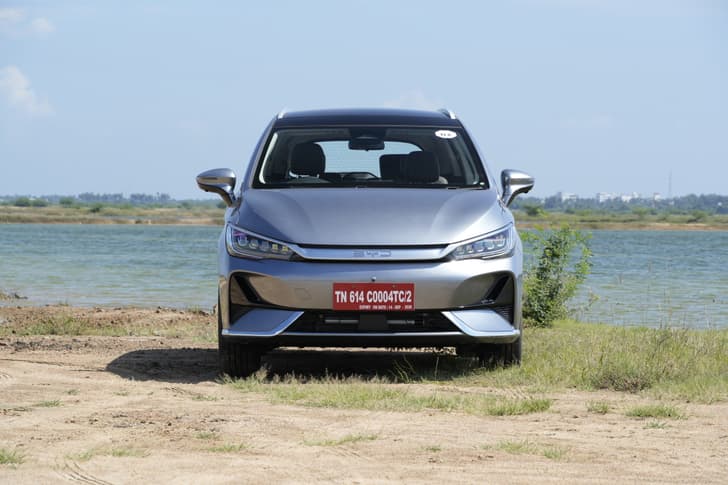
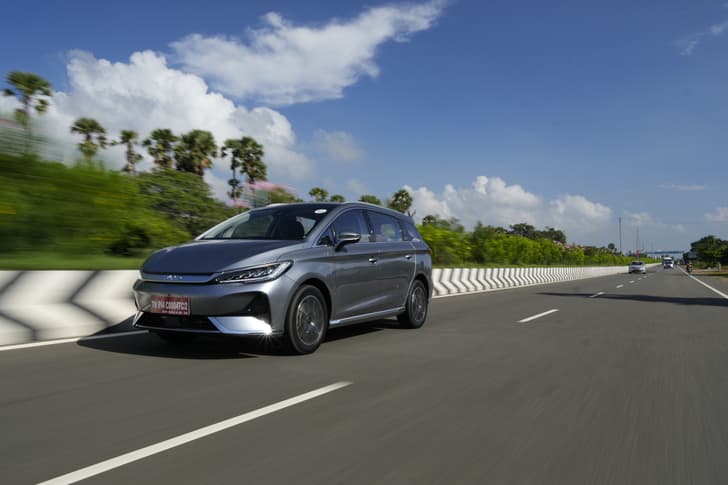
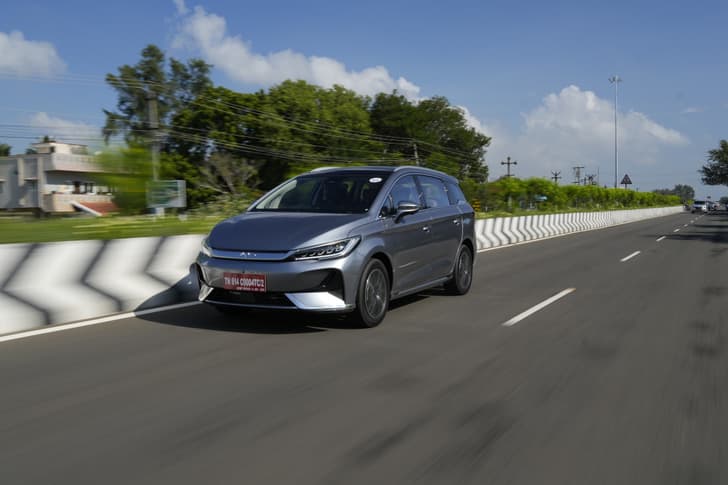
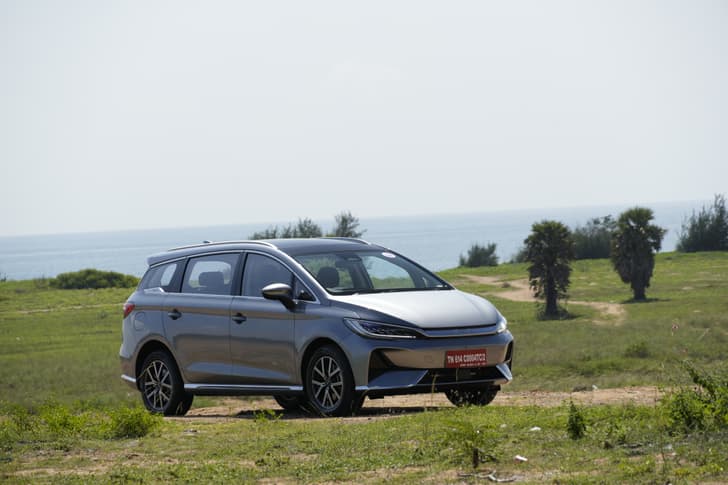
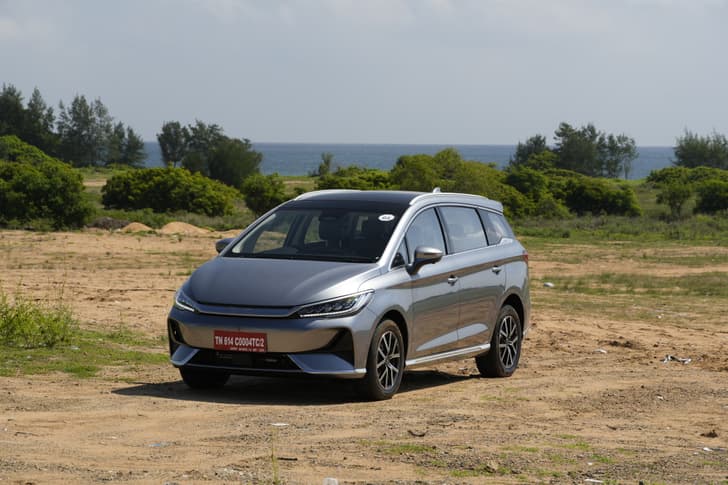
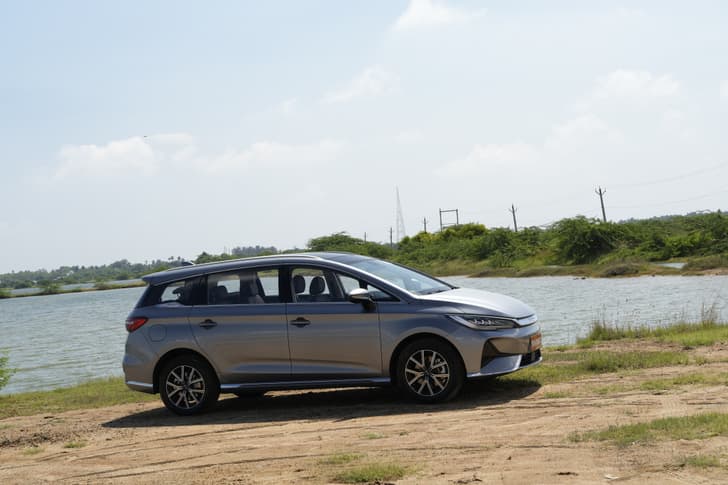
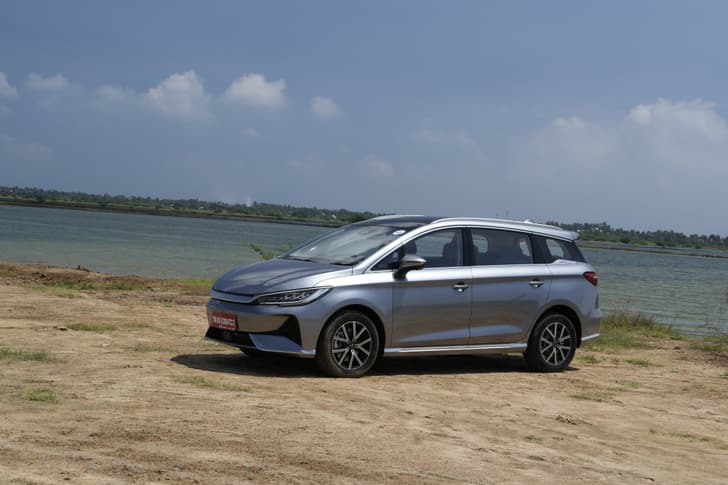
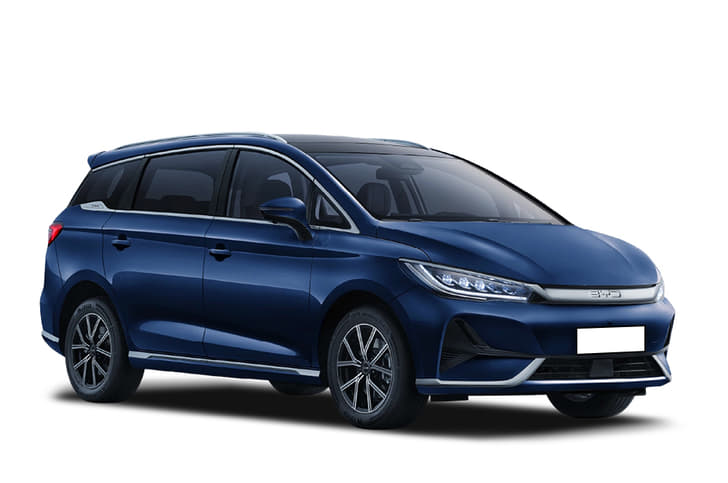
BYD currently offers 4 electric cars in India across multiple segments - 2 SUVs, 1 sedan, and 1 MPV. Its current passenger vehicle lineup includes models like the BYD Atto 3, BYD eMax 7, BYD Seal, and BYD Sealion 7. 


BYD India is the Indian arm of BYD Company and has been present in the country since 2007. The company is based in Chennai and focuses on electric mobility across segments, including buses, trucks, and passenger vehicles. In India, BYD has been steadily expanding its presence with a growing dealership network, while continuing to offer models equipped with its Blade Battery technology.


BYD Car Price in India (May 2026)

The BYD car price starts at ₹24.99 lakh for the Atto , and goes up to ₹54.90 lakh Sealion 7. The popular BYD cars in India, include names like BYD eMax 7 (₹26.90 lakh - ₹29.90 lakh) and BYD Seal (₹41.00 lakh - ₹53.15 lakh), ex-showroom.


View the latest prices of all BYD cars available for sale in India, in the table below: 


BYD Car

Price (Ex-showroom)

BYD Atto 3

₹24.99 lakh - ₹33.99 lakh

BYD eMax 7

₹26.90 lakh - ₹29.90 lakh

BYD Seal

₹41.00 lakh - ₹53.15 lakh

BYD Sealion 7

₹49.40 lakh - ₹54.90 lakh

Upcoming BYD Car in India (May 2026)

BYD India will launch Atto 2 in 2026. It will be BYD’s most affordable EV in India, positioned below the Atto 3. Here are its key specifications:


  • Estimated price: ₹18.00 lakh - ₹25.00 lakh (ex-showroom)
  • Expected launch: 2026
  • Body type: SUV

BYD Cars in India - Latest Updates (May 2026)

Here are the latest updates related to the BYD cars in India, as of May 2026:

  • 17 March, 2026: BYD India starts accepting bookings for the Sealion 7 First Anniversary Edition.
  • April 2025: 2025 BYD Seal launched at ₹41 lakh; higher trims get updated suspension.
  • February 2025: Sealion 7 launched at ₹48.90 lakh.
  • February 2025: BYD Atto 3 facelift revealed. 

Why Choose BYD Cars in India? 

Here are some of the top reasons to choose BYD cars in India:

  • All-Electric Lineup: 100% EV portfolio with SUVs, sedan, and MPV.
  • Blade Battery Technology: Safer, longer-lasting, and fast-charging.
  • Wide Range of Models: Entry-level EVs like Atto 3 to premium options like Sealion 7.
  • Strong Global Presence: Among the largest EV makers worldwide, now expanding in India.
Show more
Can't decide which car to buy?
Ask our experts and get answers to all your cars related queries.

FAQs

Currently, 4 BYD cars are available for sale in India: Atto 3, Sealion 7, Seal, and eMax 7. The Atto 2 is expected to launch this year. 

The BYD cars price in India starts at ₹24.99 lakh (ex-showroom) for the Atto 3.

The Sealion 7 is the most expensive BYD electric car in India. It is priced up to ₹54.90 lakh (ex-showroom).

The most affordable BYD car is the Atto 3, priced from ₹24.99 lakh (ex-showroom). The upcoming Atto 2 will be even more affordable, expected from ₹18 lakh.

BYD electric car price in India ranges between ₹24.99 lakh and ₹54.90 lakh (ex-showroom).

Yes. BYD offers the Seal, an all-electric sedan, priced between ₹41 lakh and ₹53.15 lakh (ex-showroom).

Yes. BYD India offers an all-electric lineup including SUVs, sedans, and MPVs.

All BYD EVs are powered by the company’s Blade Battery, designed for higher safety and durability.

Need an expert opinion on your car related queries?

Trending Questions on BYD Cars - Answered by Autocar Experts

VS

Viraj Sanghavi

23h

I need a 6- or 7-seater because I have two child seats and two nannies. I have booked the Toyota Innova Hycross ZX(O) top variant for around ₹40 lakh on-road, but it doesn’t feel premium enough for the price. I am also considering alternatives like the Kia Carens Clavis EV and the BYD eMAX 7 (2025 model), which is available at a discounted on-road price of around ₹26 lakh. However, I am unsure about long-term resale value. Between the Kia and BYD, which would you recommend? Or should I stick with the Hycross considering better resale and ownership peace of mind?

Autocar India team

Autocar India

Verified
14m

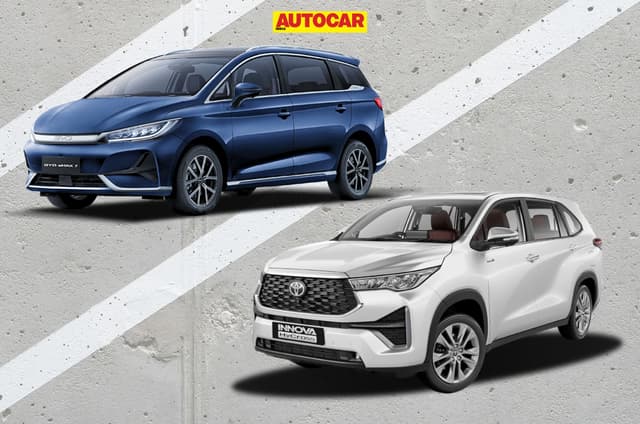
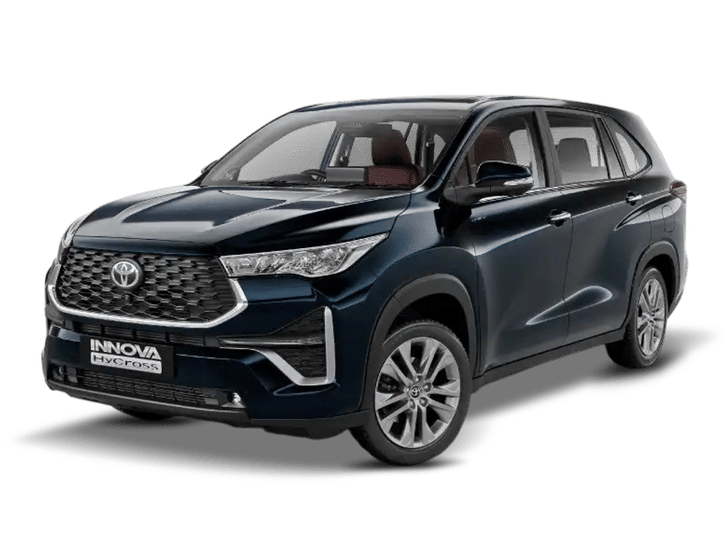
Toyota Innova HyCross may not feel special for the price, but it delivers exactly what your usage needs with genuinely usable third row space, flexibility for two child seats plus nannies. Also, it offers excellent ride comfort for family duties and, importantly, strong resale and hassle-free ownership that Toyota MPVs are known for in India. The BYD EMax 7 is the more practical of your EV alternatives, with good space and a more relaxed drive. While the Kia Carens Clavis EV would lean more towards features and a slightly more premium cabin feel. Both come with one clear trade-off today, which is that resale values are still a question mark compared to an Innova.The only drawback with the Hycross is that it does not quite justify its price in terms of outright premiumness. But overall, it remains the most complete, dependable and financially sensible choice for your needs, making it the one to stick with.

VehicleToyota Innova HyCross
VehicleBYD eMax 7
VehicleKia Carens Clavis EV
VS

Viraj Sanghavi

5d

Hi, I am planning to buy a 7-seater, as I need space to install two child seats and also accommodate additional passengers (staff). I have shortlisted the Toyota Innova Hycross, which is costing me around ₹39.8 lakh on-road. Should I go ahead with this purchase, or is it better to wait for the facelift? Also, are there any better alternatives I should consider?

Autocar India team

Autocar India

Verified
4d

You're on the right track with the Toyota Innova Hycross. The good thing about it is that it offers not just space, but also flexibility. If you choose the bench-seat second row - the 8-seater in Toyota parlance - you get more seats overall, but at a small penalty to ease of access. With the captain seats in the middle row, you can fix a child seat on each and still have a clear walkway to the third row, so the staff can get in and out without disturbing the kids. It rides comfortably over bad roads, feels very smooth and quiet in city traffic, and the hybrid makes stop-and-go driving easy. It’s also easy to live with over the years, which matters when the car will be full most days. On the facelift, there is no firm date or detail in the market right now, but a future update is likely to bring small styling and feature tweaks, not a big change to space or the way it drives, and prices usually go up. Another alternative, if you don't mind an EV, is the BYD eMax 7. Its on-road price could actually work out cheaper than the Innova Hycross with subsidies. It's not quite as spacious, but it comes close; it's well equipped, and it also offers 6- and 7-seat options. It is also even lower on running costs, but then you'll have to tailor your usage to suit an EV. Overall, however, the Innova Hycross appears to be the best bet for you.

VehicleToyota Innova HyCross
VehicleBYD eMax 7
AM

AMAR

1w

I live in Andhra Pradesh, and most of my driving is on quarry roads and double-lane roads. I drive nearly 5,000 km per month. Please suggest a 7-seater SUV, MPV, or EV with captain seats within a budget of ₹30-40 lakh.

Autocar India team

Autocar India

Verified
3d

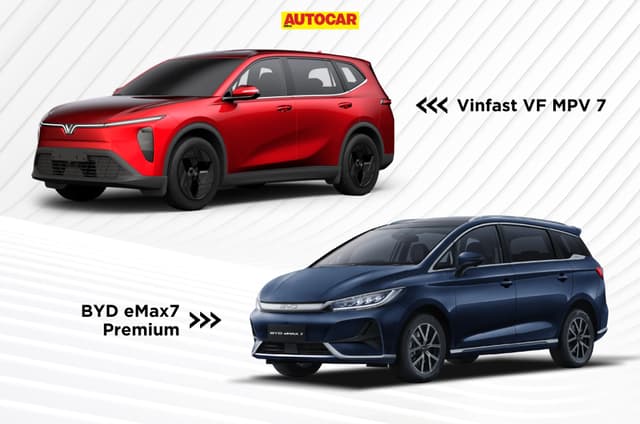
Your usage and requirements point to a tough yet comfortable diesel SUV with lots of space. In that use, the Tata Safari 6-seat diesel automatic Accomplished X+ fits you best. It rides comfortably on broken surfaces, feels steady at highway speeds, and the captain seats in the middle row are wide and easy to get in and out of, which matters when you are in the car for hours every day. They're also widely adjustable and even ventilated, which is a bonus. The diesel with an automatic gearbox means less effort in slow stretches and relaxed cruising between towns, and diesel makes sense for your monthly distance.Know the trade-offs. With all three rows up, boot space is tight, so plan for a roof carrier if you carry a lot of luggage, and Tata's aftersales and service network isn't quite as good as some other brands. If you are fine with a manual, the Toyota Innova Crysta 7-seat diesel remains a great long-term workhorse and is very reliable too. However, it's not as comfortable or well equipped as the Tata Safari.As for EVs, your two options are the Vinfast VF MP7 and the BYD eMax7. However, due to their long wheelbases, slightly lower ground clearances and underbody battery packs, we'd recommend sticking to an ICE MPV for your usage on rough roads and quarries. Additionally, their dealership and after-sales networks are still limited compared to Tata and Toyota.

VehicleTata Safari
VehicleToyota Innova Crysta
VehicleVinfast VF MPV 7
VehicleBYD eMax 7
LM

LMK

2w

I own a Maruti Ignis-Zeta AMT Petrol (9-year-old) and a Hyundai Tucson-Diesel (5-year-old). I am considering the BMW X3 30i and Volvo XC60 (not considering GLC due to poor rear seat comfort) for a new car purchase later this year. Which other car(s) should I explore? (Not considering EV unless there is something exceptionally good; not considering sedans due to poor ground clearance, but if there is any worth considering, do recommend. We prefer travelling by road and require good boot space. The rear seat comfort is equally important as is on the driver seat. We are driving enthusiasts and enjoy well-built cars.

Autocar India team

Autocar India

Verified
2w

The BMW X3 is the better driver's car, while the Volvo XC60 is the better all-rounder. The recently introduced X3 xDrive30 gives the SUV the performance its chassis has always yearned for, and some crucial interior updates like more leatherette trim for a premium feel. It handles exceptionally well and rides comfortably too, plus it meets your other requirements of ground clearance and boot space. However, it still doesn't feel quite luxurious enough, and that's despite costing nearly Rs 10 lakh more than the Volvo.We think you should go for the Volvo XC60, which, though far more relaxed on the performance and handling front, still feels capable and predictable, with more than enough power. Moreover, though, it works much better as a luxury car, with more comfortable seats, front and rear, and a much better-appointed interior. In fact, though it is much older than the X3, the fact that it feels more contemporary on the inside is a testament to this. Its infotainment system is also more logically laid out and easier to use, and it's better equipped than the BMW, including an exquisite Bowers & Wilkins audio system. Its boot isn't quite as large as the X3's, however, though it should be more than large enough for most of your needs. And it's worth bearing in mind that Volvo's dealer and service network isn't as big as BMW's.If you consider a sedan, it should be the BMW 530Li - it's even better to drive than the X3 and has a more spacious and comfy back seat, as well as plenty of boot space. More than ground clearance, it's the car's long wheelbase you have to be careful of over bumps. And if you're considering an electric car, look at the BYD Sealion 7, which is an excellent all-rounder with a luxurious interior and good range. However, if you do long drives regularly, any EV might not be worth the hassle of depending on the public charging infrastructure.

VehicleBMW X3
VehicleVolvo XC60
VehicleBYD Sealion 7

Last Updated on: 3 May 2026