
Autocar India
BYD

BYD cars in India (5)

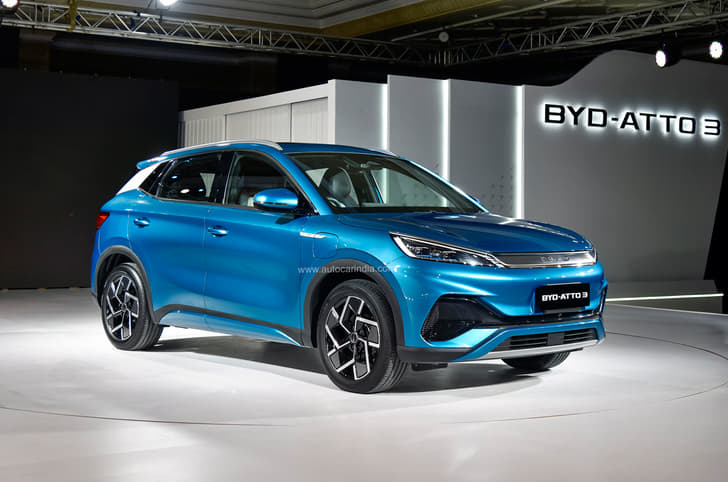
As of now, there are 5 BYD cars in India, out of which 4 are available for sale and 1 is upcoming. The BYD car price starts at ₹24.99 lakh and goes up to ₹54.90 lakh. The cheapest BYD car in India that's currently available for sale is the Atto 3, whereas the most expensive model is the Sealion 7. The upcoming BYD car, the Atto 2 is expected to launch in 2026, and is estimated to be priced between 18.00 lakh and 25.00 lakh.  Once it gets launched, it will become the most affordable model in the lineup. 


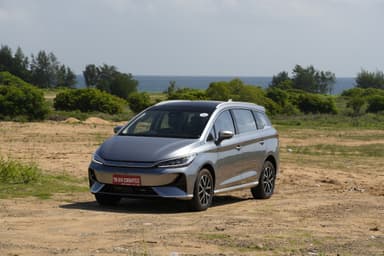
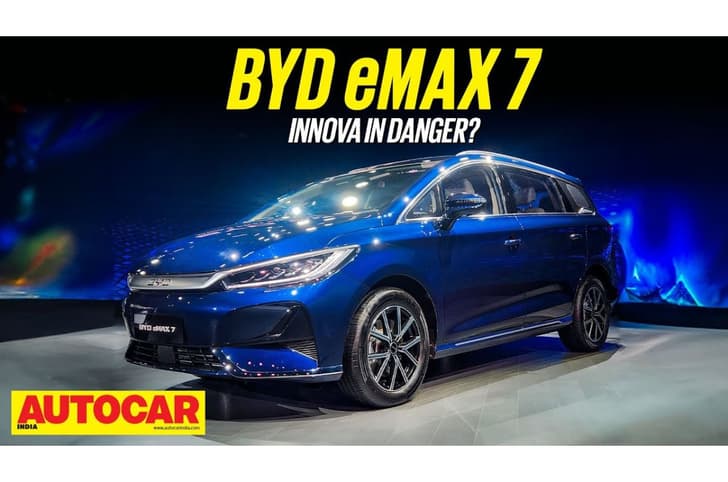
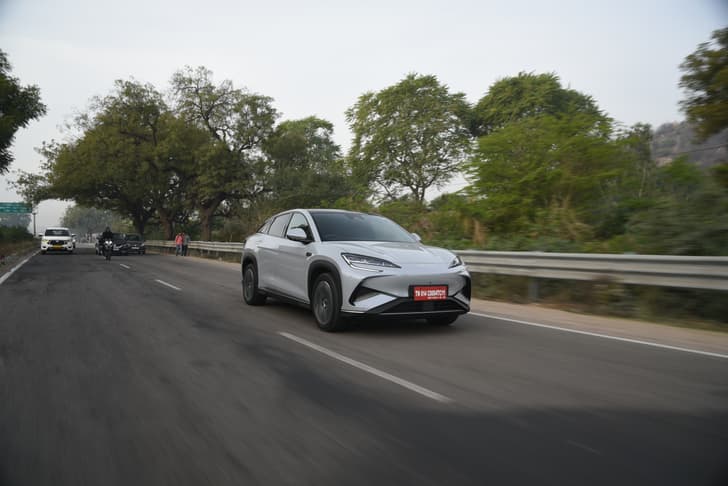
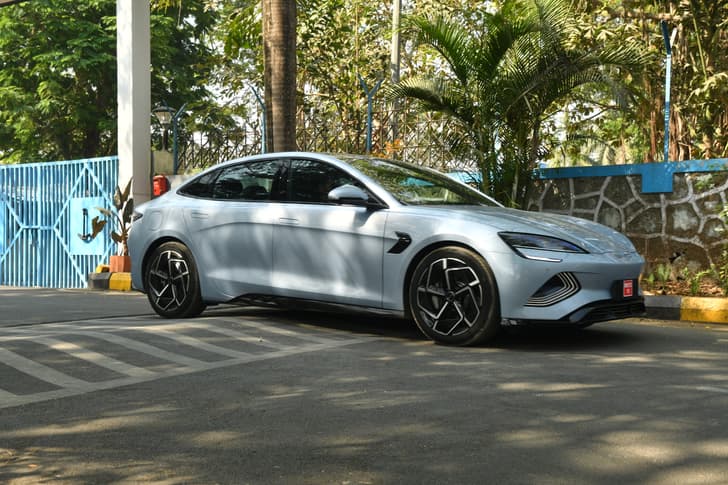
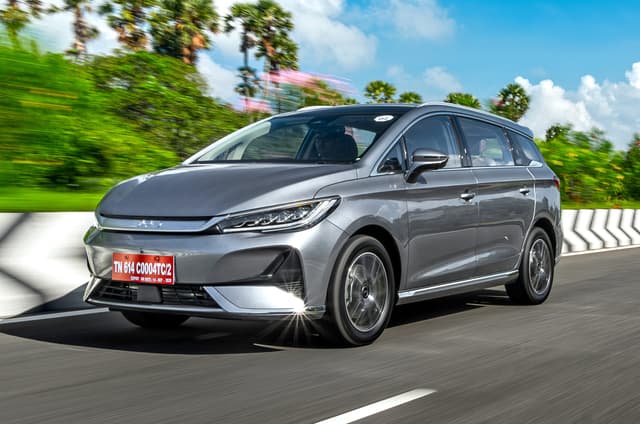
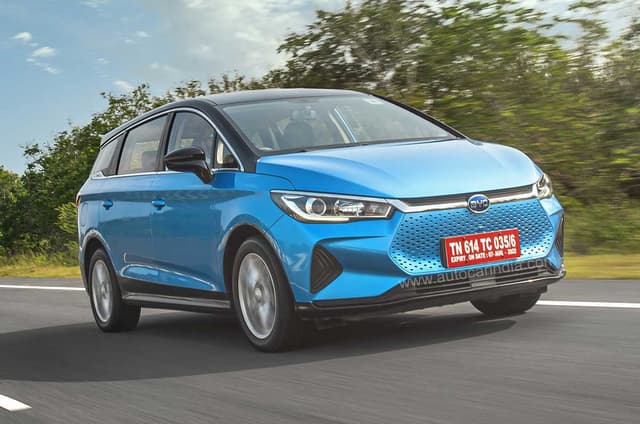
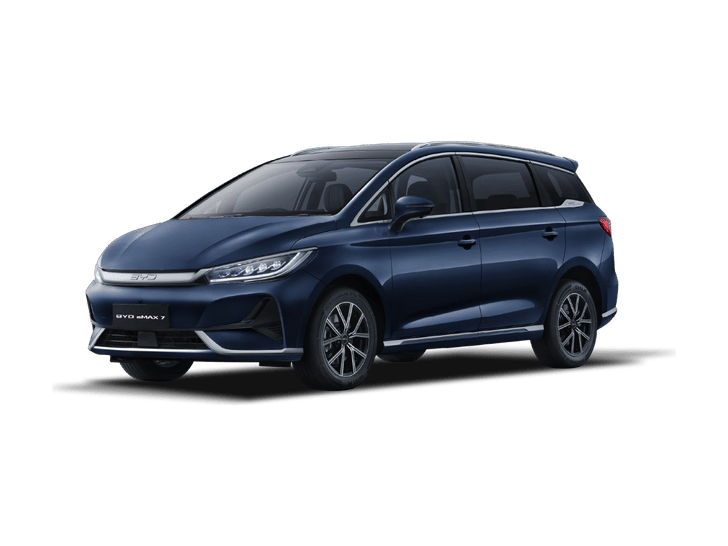
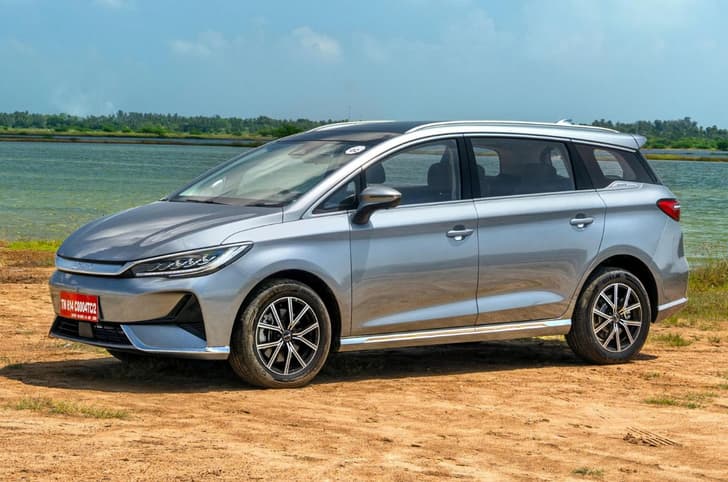
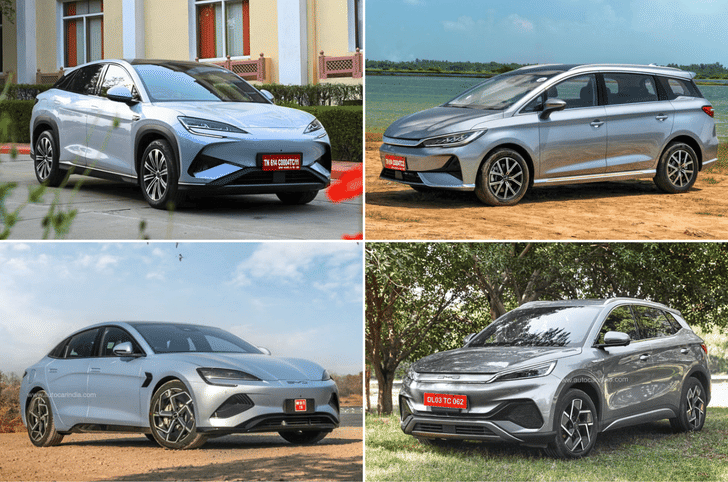
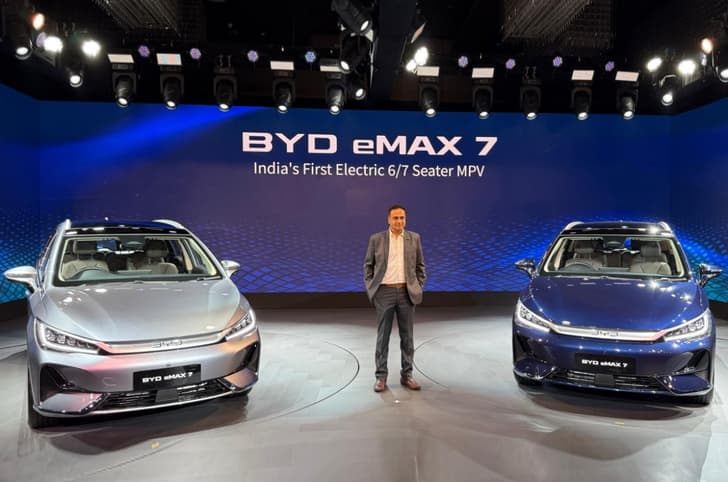
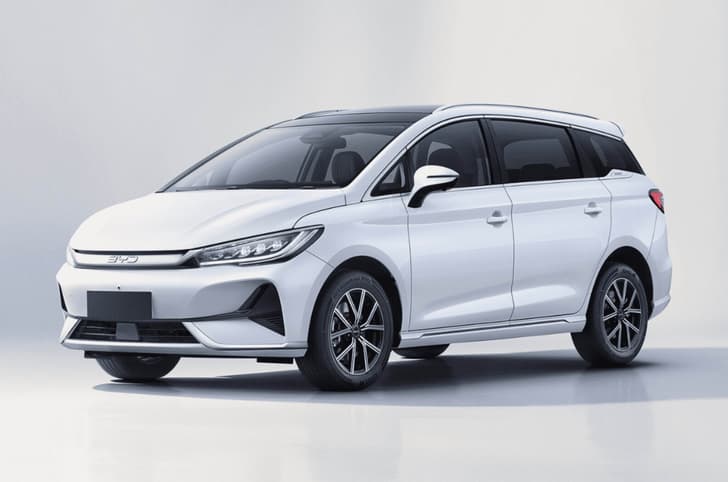
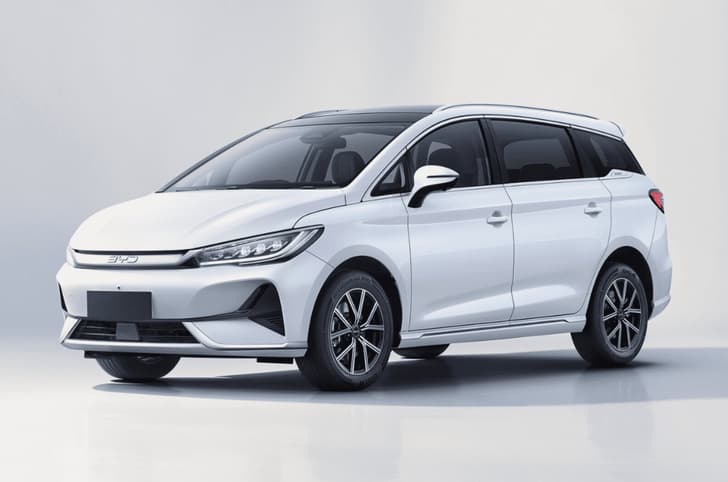
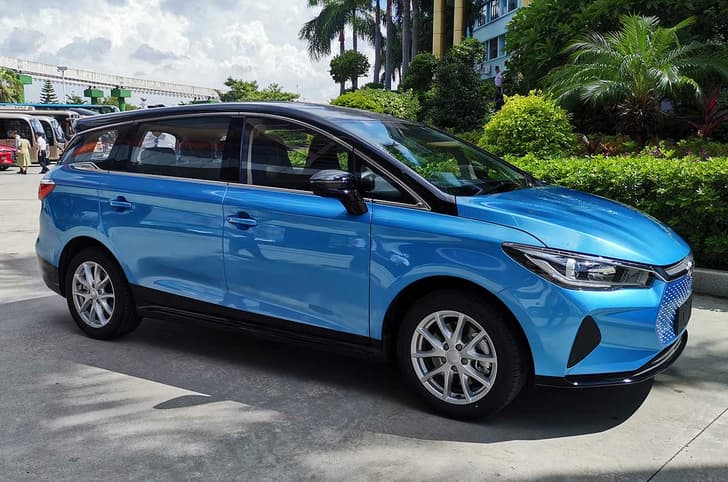
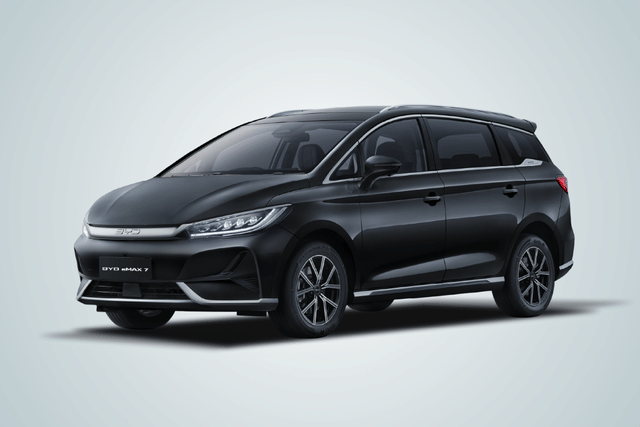
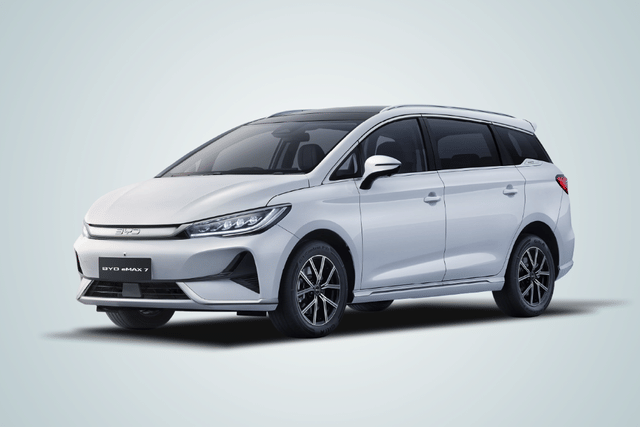
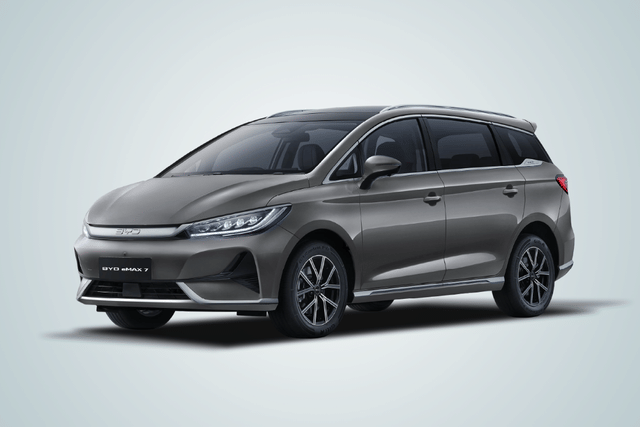
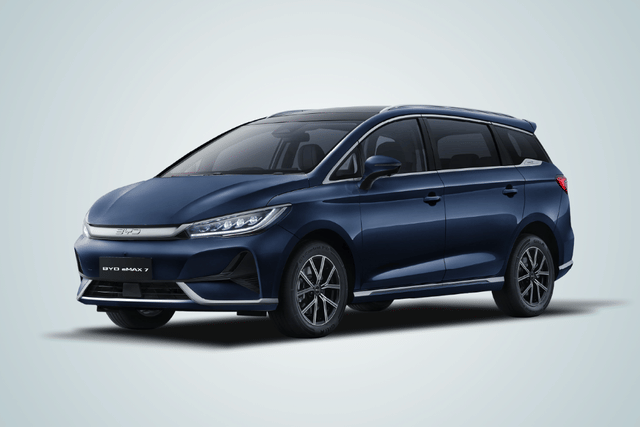
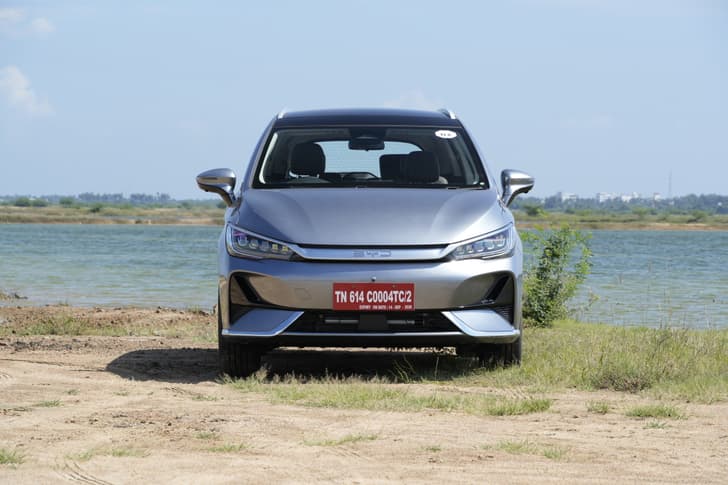
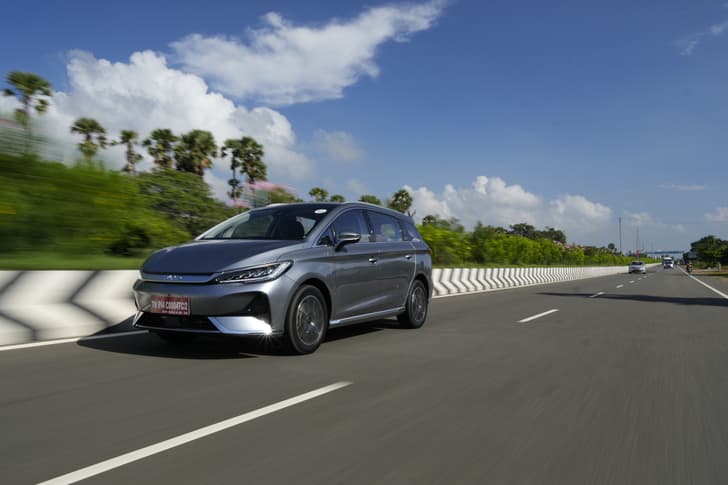
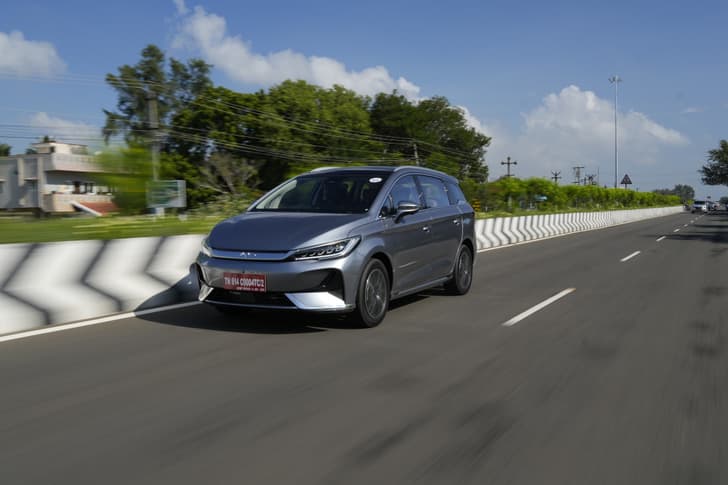
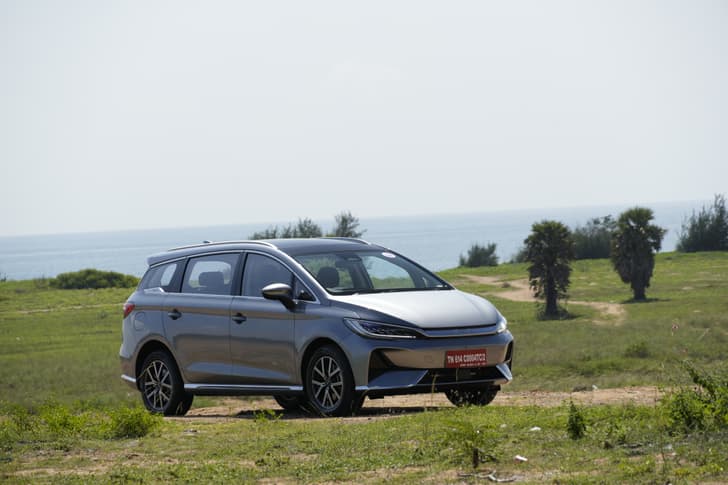
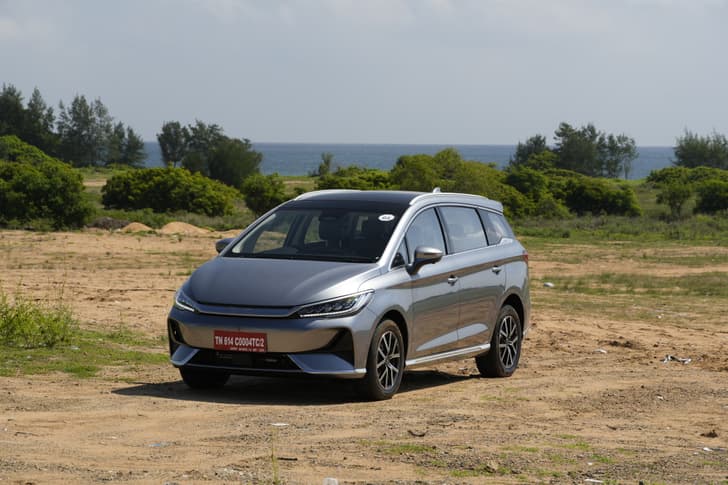
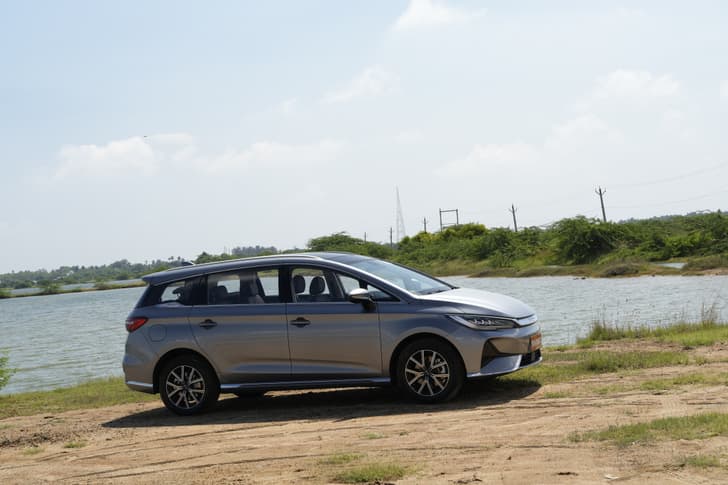
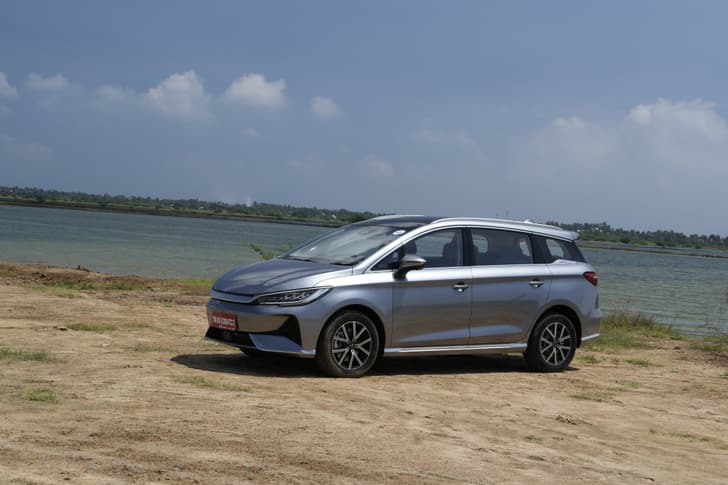
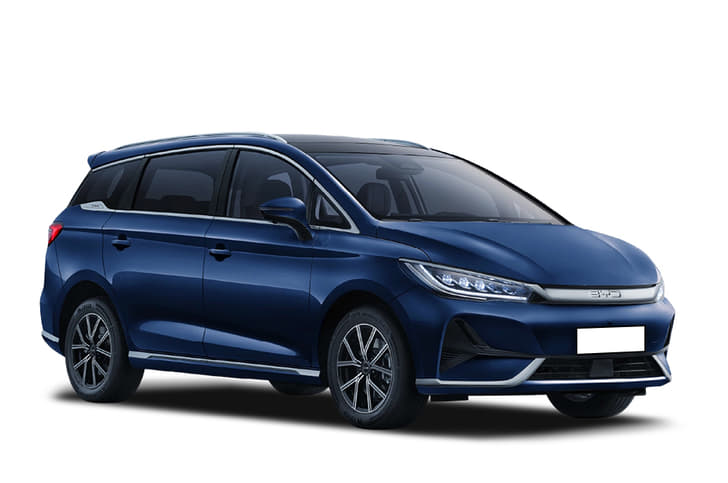
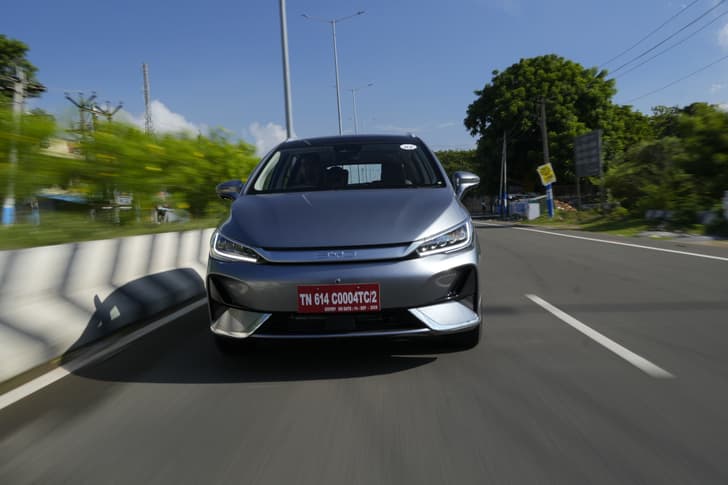
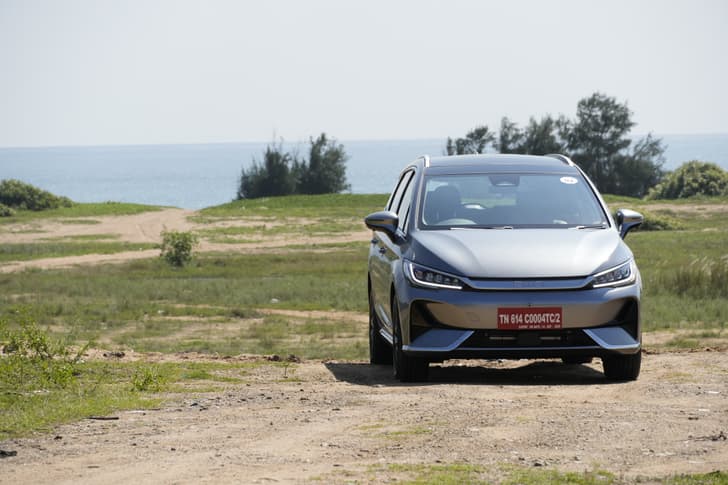
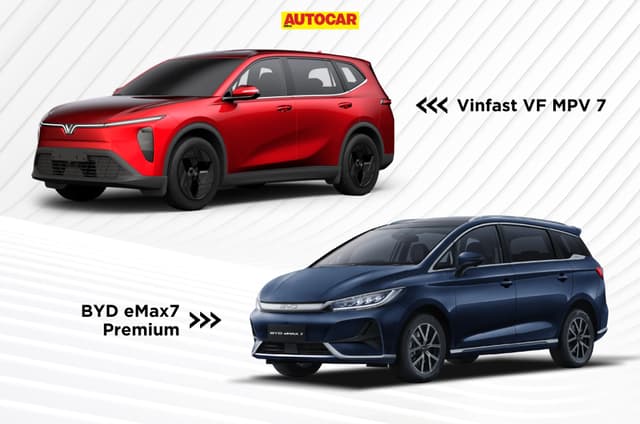
BYD currently offers 4 electric cars in India across multiple segments - 2 SUVs, 1 sedan, and 1 MPV. Its current passenger vehicle lineup includes models like the BYD Atto 3, BYD eMax 7, BYD Seal, and BYD Sealion 7. 


BYD India is the Indian arm of BYD Company and has been present in the country since 2007. The company is based in Chennai and focuses on electric mobility across segments, including buses, trucks, and passenger vehicles. In India, BYD has been steadily expanding its presence with a growing dealership network, while continuing to offer models equipped with its Blade Battery technology.


BYD Car Price in India (June 2026)

The BYD car price starts at ₹24.99 lakh for the Atto , and goes up to ₹54.90 lakh Sealion 7. The popular BYD cars in India, include names like BYD eMax 7 (₹26.90 lakh - ₹29.90 lakh) and BYD Seal (₹41.00 lakh - ₹53.15 lakh), ex-showroom.


View the latest prices of all BYD cars available for sale in India, in the table below: 


BYD Car

Price (Ex-showroom)

BYD Atto 3

₹24.99 lakh - ₹33.99 lakh

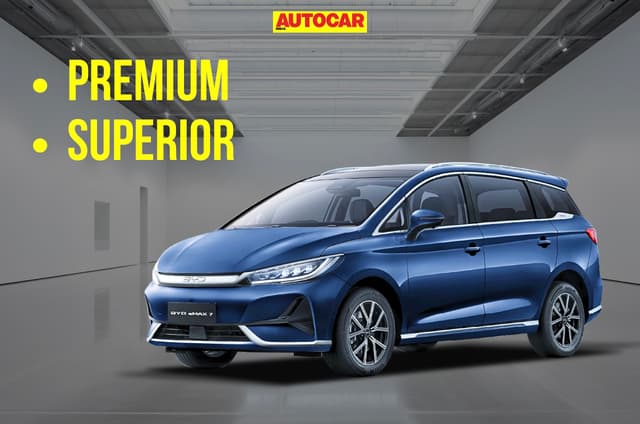
BYD eMax 7

₹26.90 lakh - ₹29.90 lakh

BYD Seal

₹41.00 lakh - ₹53.15 lakh

BYD Sealion 7

₹49.40 lakh - ₹54.90 lakh

Upcoming BYD Car in India (June 2026)

BYD India will launch Atto 2 in 2026. It will be BYD’s most affordable EV in India, positioned below the Atto 3. Here are its key specifications:


  • Estimated price: ₹18.00 lakh - ₹25.00 lakh (ex-showroom)
  • Expected launch: 2026
  • Body type: SUV

BYD Cars in India - Latest Updates (June 2026)

Here are the latest updates related to the BYD cars in India, as of June 2026:

  • 17 March, 2026: BYD India starts accepting bookings for the Sealion 7 First Anniversary Edition.
  • April 2025: 2025 BYD Seal launched at ₹41 lakh; higher trims get updated suspension.
  • February 2025: Sealion 7 launched at ₹48.90 lakh.
  • February 2025: BYD Atto 3 facelift revealed. 

Why Choose BYD Cars in India? 

Here are some of the top reasons to choose BYD cars in India:

  • All-Electric Lineup: 100% EV portfolio with SUVs, sedan, and MPV.
  • Blade Battery Technology: Safer, longer-lasting, and fast-charging.
  • Wide Range of Models: Entry-level EVs like Atto 3 to premium options like Sealion 7.
  • Strong Global Presence: Among the largest EV makers worldwide, now expanding in India.
Show more
Can't decide which car to buy?
Ask our experts and get answers to all your cars related queries.

FAQs

Currently, 4 BYD cars are available for sale in India: Atto 3, Sealion 7, Seal, and eMax 7. The Atto 2 is expected to launch this year. 

The BYD cars price in India starts at ₹24.99 lakh (ex-showroom) for the Atto 3.

The Sealion 7 is the most expensive BYD electric car in India. It is priced up to ₹54.90 lakh (ex-showroom).

The most affordable BYD car is the Atto 3, priced from ₹24.99 lakh (ex-showroom). The upcoming Atto 2 will be even more affordable, expected from ₹18 lakh.

BYD electric car price in India ranges between ₹24.99 lakh and ₹54.90 lakh (ex-showroom).

Yes. BYD offers the Seal, an all-electric sedan, priced between ₹41 lakh and ₹53.15 lakh (ex-showroom).

Yes. BYD India offers an all-electric lineup including SUVs, sedans, and MPVs.

All BYD EVs are powered by the company’s Blade Battery, designed for higher safety and durability.

Need an expert opinion on your car related queries?

Trending Questions on BYD Cars - Answered by Autocar Experts

AS

abhishek sharma

2d

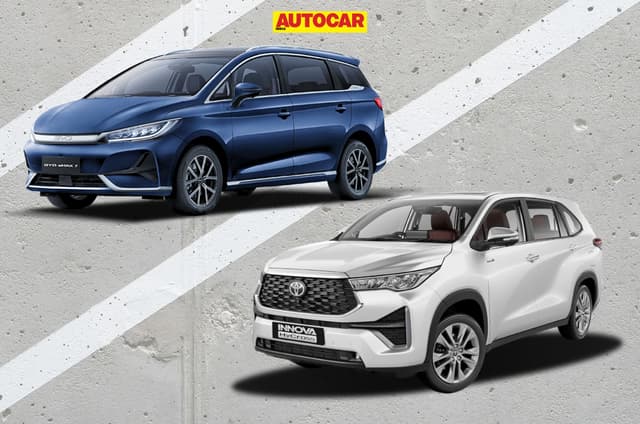
I bought a Honda City V MT about two years ago and absolutely love the car. At the time, it was the perfect choice for my usage. However, my circumstances have changed significantly since then-I now have two large dogs (a Labrador and a German Shepherd), and the City is no longer practical for transporting both dogs comfortably, especially on longer highway trips. I am trying to decide between keeping the City and buying a second EV primarily for dog transport and city use, or replacing the City altogether with a single-car solution. The vehicles I am considering include the Kia Carens Clavis EV, Mahindra XEV 9S, Mahindra XEV 9e, BYD eMAX 7, and Toyota Innova Hycross Hybrid. My priorities are: Comfortable transport for two large dogs Highway touring ability Ease of parking and city usability Long-term ownership (8–10 years) Good ride comfort Reasonable running costs Would you recommend: 1. Keeping the Honda City and adding a practical EV (such as the Clavis EV), or 2. Moving to a single-car garage and choosing something like the XEV 9S, eMAX 7, or Hycross? Also, is there a midsize SUV (EV, hybrid, petrol or diesel) that offers: A low boot loading lip, Rear seats that fold nearly flat, Enough cargo length and width for two large dogs to comfortably lie down on highway trips, While still being manageable in city traffic and parking? Which vehicle would you choose for this specific use case and why?

Autocar India team

Autocar India

Verified
17m

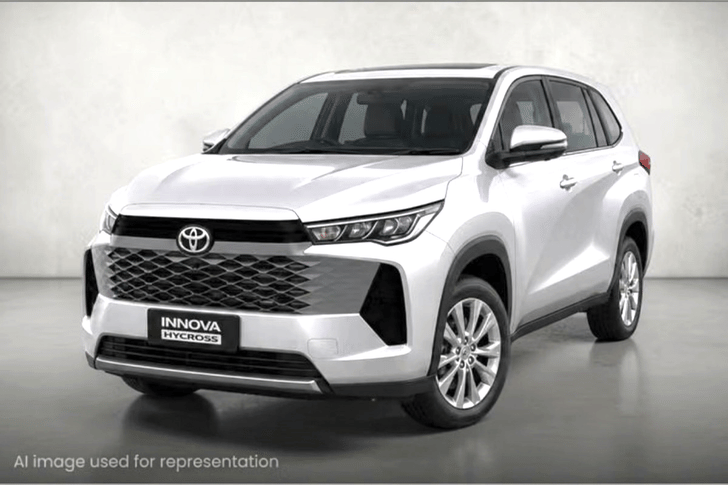
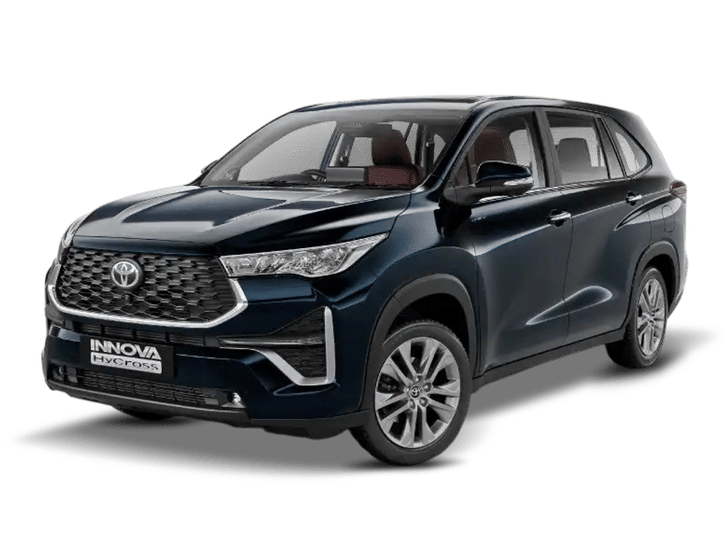
Pick a single-car solution and buy the Toyota Innova Hycross Hybrid. Your dogs get a low loading lip and a long, near-flat space with the third row folded, so they can actually lie side by side on highway runs. The hybrid makes touring simple with no charging hassles, calm cruising and a comfy ride, and Toyota’s durability fits an 8-10 year plan with sensible running costs.EV MPVs like the Kia Carens Clavis EV and BYD eMax 7 are great for city runs and dog space, but long trips with two dogs mean 30-40 minute fast-charge halts and patchy chargers once you leave big corridors. That’s a hassle you do not need. Mahindra XEV 9S and 9e are good choices, but their higher boot floors make them poorer dog haulers.You will wrestle with the Innova's size in tight parking, and it costs more upfront than adding a small EV, but day to day, it is still easy enough with light steering and cameras.If you must go smaller, the Kia Carens Clavis turbo petrol DCT is a solid choice, but fuel efficiency in the city won't be as good as the Hycross hybrid.

VehicleToyota Innova HyCross
VehicleKia Carens Clavis EV
VehicleBYD eMax 7
VehicleMahindra XEV 9S
VehicleKia Carens Clavis
SS

Shrikant Shirodkar

1w

I want to buy a sedan with an average annual running of around 5,000 km, including long-distance drive. My budget is under Rs. 50 lakh. Please suggest a suitable option. I am looking for a replacement for my X1 and would like something that is equally good or better.

Autocar India team

Autocar India

Verified
1w

There aren't many sedans left in the market, especially at that price range, but with your low yearly use, and a budget of Rs 50 lakh cap, the Audi A4 is the right fit. It feels just as solid and quiet as your BMW X1, but with a comfier ride and a quieter cabin on highways. With your usage, a petrol engine's running costs should be palatable, and the A4’s seats and sound insulation make long drives easy. It is also easy to drive in the city, with light controls and good all-around visibility for a sedan. Alternatively, the Toyota Camry - though it doesn't have a luxury badge - is among the best all-rounders for the money, offering space, comfort, mileage and tech on par with the best.Two things to note coming from the X1: you sit lower, so the view of the road is not as high, and speed breakers need a bit more care than in your old, taller car. If you want to stay in the BMW family and enjoy a sportier feel, the BMW 2 Series Gran Coupe is also within budget. It is fun and feels premium, but the back seat is less spacious, the engine is less powerful, and the ride is firmer than the A4. If you are open to an EV and have home charging, the BYD Seal brings strong performance and a very premium cabin under Rs 50 lakh.

VehicleAudi A4
VehicleBMW X1
VehicleToyota Camry
VehicleBMW 2 Series Gran Coupe
VehicleBYD Seal
PJ

PJ

3w

I am in a rather peculiar situation and genuinely need advice on how to move forward while keeping the right perspective. To give some background, I owned a used BMW 523i for four years and absolutely loved the experience. I eventually sold it because I moved back to Mumbai and only had access to open parking. By then, the car had also completed nearly 10 years in total. Over the last five and a half years, I have changed cars multiple times: Tata Nexon EV Prime (bought for ₹19 lakh, sold for ₹13 lakh) Upgraded to Nexon EV Max within 1.5 years (₹19.5 lakh, sold for ₹13.5 lakh) Upgraded again to MG ZS EV after 1.3 years (₹22 lakh, sold for ₹16 lakh) Finally bought a Skoda Kushaq top-end in September 2025 for ₹20.2 lakh through a good deal I do like the Kushaq, but now it feels slightly small after a new addition to the family (my baby), and my family also finds the rear seat less comfortable. At the same time, I still feel internally unsatisfied. It is not the badge value I miss, but rather the unmatched sense of satisfaction, thoughtful design, premium feel, and driving experience that I experienced with the BMW 523i and generally associate with luxury cars. I miss that feeling quite a lot. Luxury cars are beyond my ideal budget, but I could stretch financially with some sacrifices. I am seriously considering options like the BMW iX1 LWB, Mercedes-Benz CLA EV, or the Hyundai Ioniq 5 with the 84kWh battery. I feel I could manage the loan over seven years, and if I make this purchase, I would ideally want to keep the car for at least 10–15 years. At the same time, I worry about EV resale values in the long term, although luxury EVs seem to hold value slightly better than mainstream EVs. Given my situation, do you think moving into a premium EV makes practical and emotional sense, or should I hold on to the Kushaq for longer? I would really appreciate an honest perspective.

Autocar India team

Autocar India

Verified
3w

If you're looking to spend around Rs 53-57 lakh (on-road, Mumbai) for an EV, you have a lot of options - BYD Seal, BYD Sealion 7, Hyundai Ioniq 5, BMW iX1, Kia EV6, Mini Countryman, Mercedes CLA, Volvo C40 Recharge and Tesla Model Y.The BYD Sealion 7 is among the more affordable options here - it feels like a flagship product, with a richly appointed interior, and a solid, satisfying drive experience. The BMW iX1 gets its fundamentals right and will come closest to the BMW 523i's experience, as far as interior quality, sound insulation, and refinement go, although performance isn't its strong suit. For strong performance, a laundry list of features, and a larger and more spacious interior, consider the Kia EV6. Sure, on paper it is much more expensive; however, Kia dealers are offering mouth-watering discounts. Also, the AWD version's price is lower than the recently launched RWD Hyundai Ioniq 5.As far as resale value goes, EVs across the board don't hold strong residual values compared to their ICE counterparts, irrespective of the badge they wear or the segment they belong.

VehicleBYD Sealion 7
VehicleBYD Seal
VehicleHyundai Ioniq 5
VehicleKia EV6
VehicleBMW iX1 LWB
VS

Viraj Sanghavi

4w

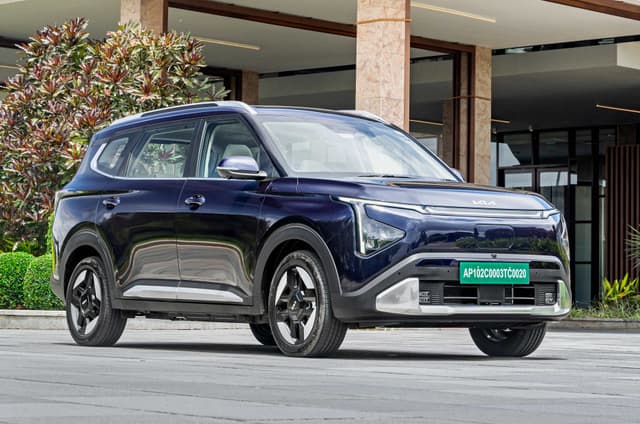
I need a 6- or 7-seater because I have two child seats and two nannies. I have booked the Toyota Innova Hycross ZX(O) top variant for around ₹40 lakh on-road, but it doesn’t feel premium enough for the price. I am also considering alternatives like the Kia Carens Clavis EV and the BYD eMAX 7 (2025 model), which is available at a discounted on-road price of around ₹26 lakh. However, I am unsure about long-term resale value. Between the Kia and BYD, which would you recommend? Or should I stick with the Hycross considering better resale and ownership peace of mind?

Autocar India team

Autocar India

Verified
4w

Toyota Innova HyCross may not feel special for the price, but it delivers exactly what your usage needs with genuinely usable third row space, flexibility for two child seats plus nannies. Also, it offers excellent ride comfort for family duties and, importantly, strong resale and hassle-free ownership that Toyota MPVs are known for in India. The BYD EMax 7 is the more practical of your EV alternatives, with good space and a more relaxed drive. While the Kia Carens Clavis EV would lean more towards features and a slightly more premium cabin feel. Both come with one clear trade-off today, which is that resale values are still a question mark compared to an Innova.The only drawback with the Hycross is that it does not quite justify its price in terms of outright premiumness. But overall, it remains the most complete, dependable and financially sensible choice for your needs, making it the one to stick with.

VehicleToyota Innova HyCross
VehicleBYD eMax 7
VehicleKia Carens Clavis EV

Last Updated on: 3 Jun 2026