Autocar India

BMW Cars in India (24)

Founded in March 1916 by Karl Rapp and Gustav Otto, BMW (Bayerische Motoren Werke) is one of the most prominent German automakers in the world. The luxury auto brand established its first Indian production facility in Chengalpet, Tamil Nadu, in 2007. This manufacturing facility makes popular BMW cars that include the 3 Series, 5 Series and 7 Series, alongside SUV models such as the X3, X5 and X7.
Show more
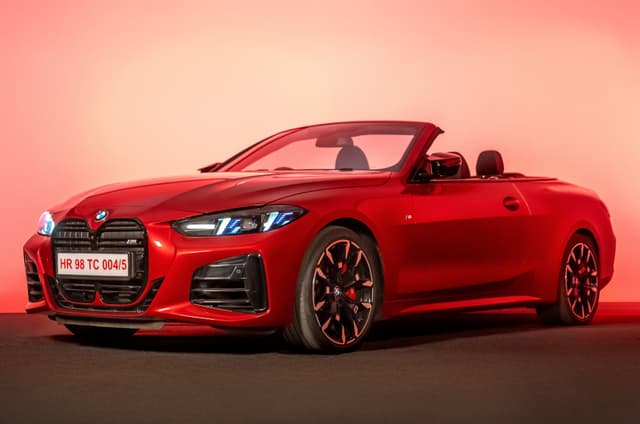
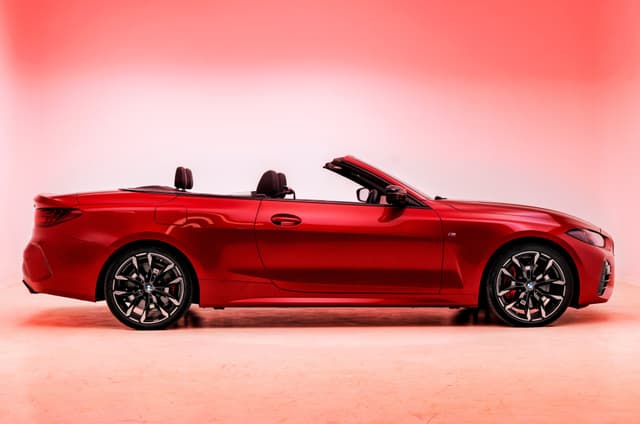
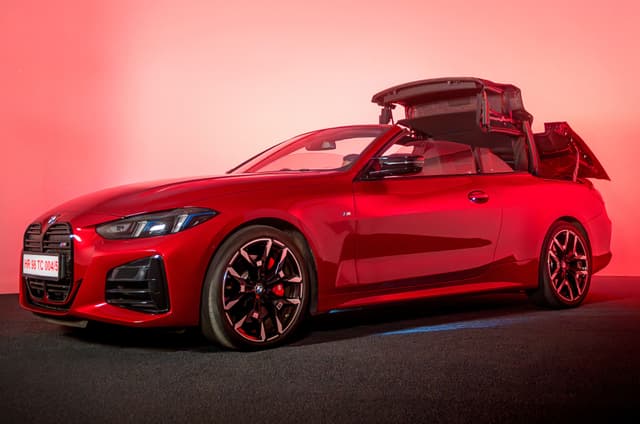
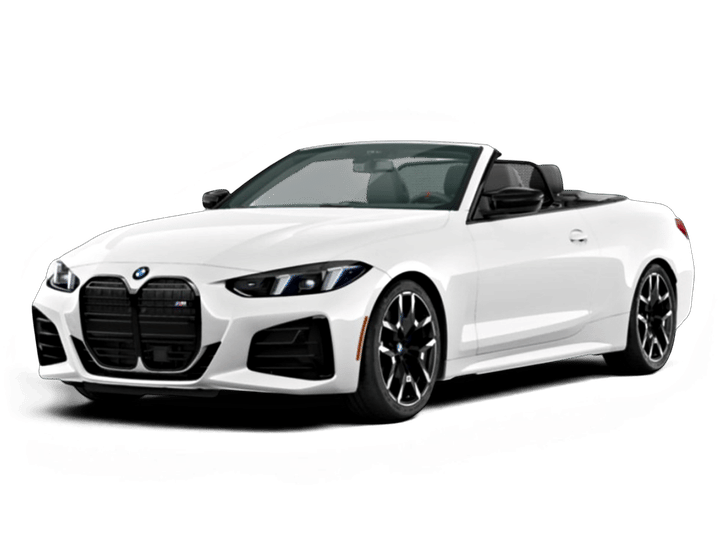
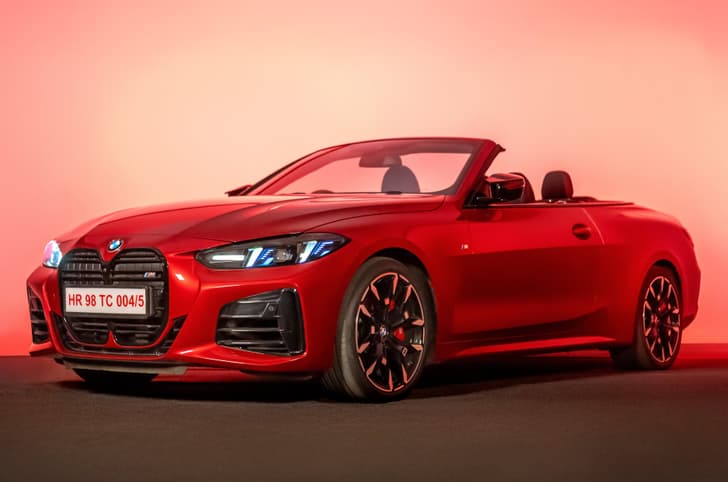
BMW 4 Series Convertible
8
10.2 kmpl
Petrol
Automatic
Upcoming
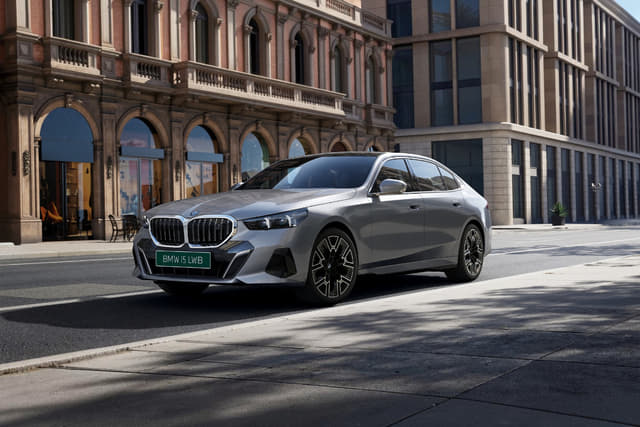
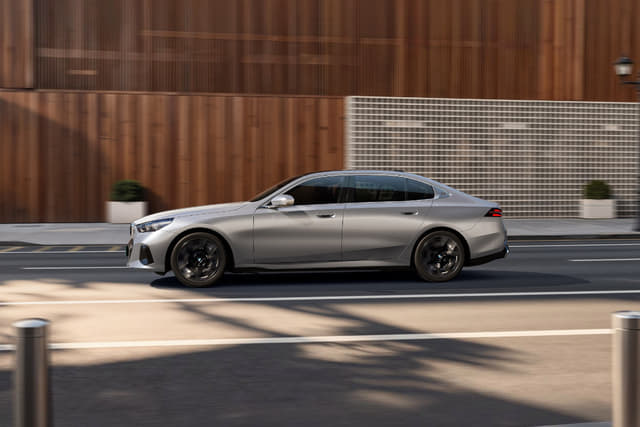
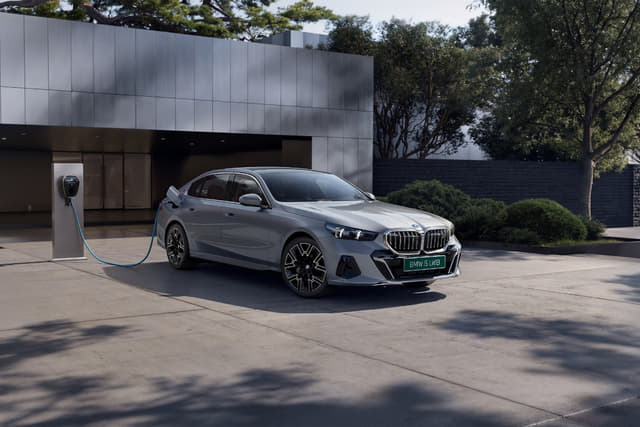
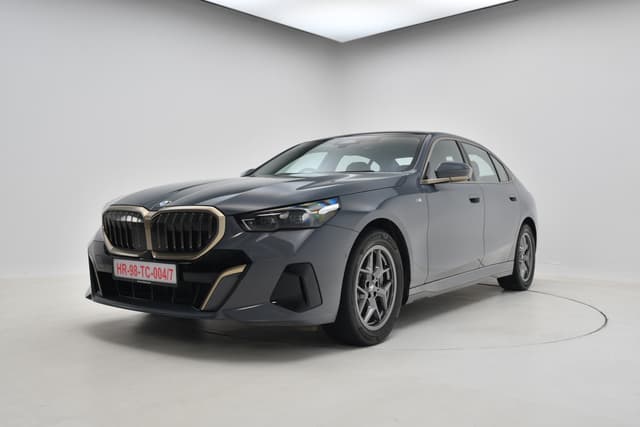
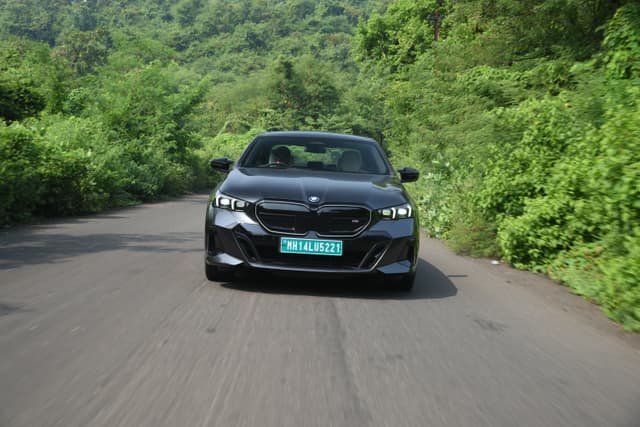
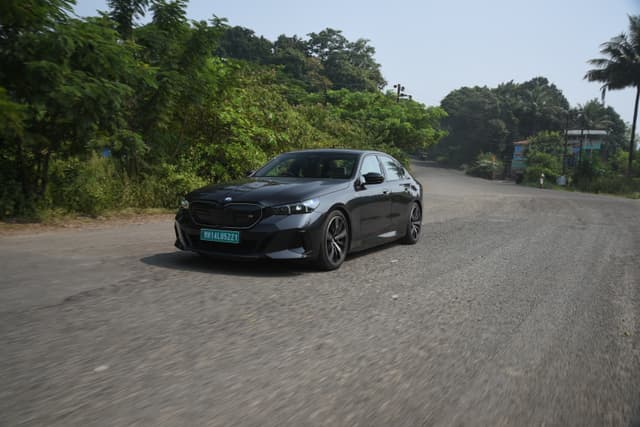
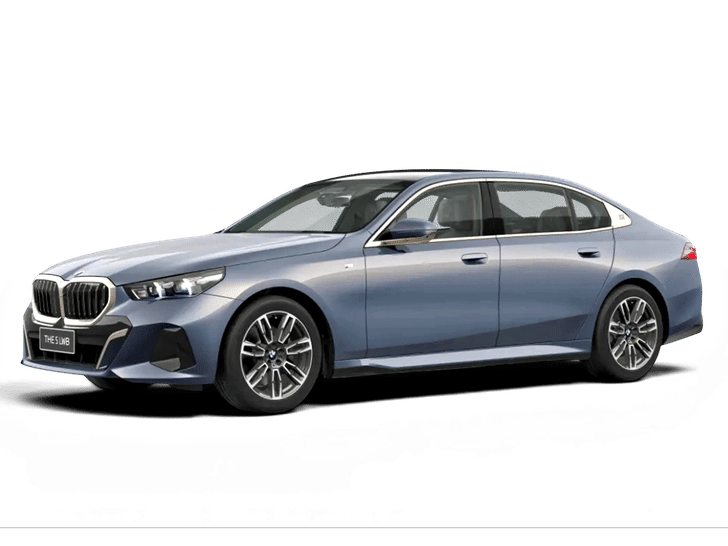
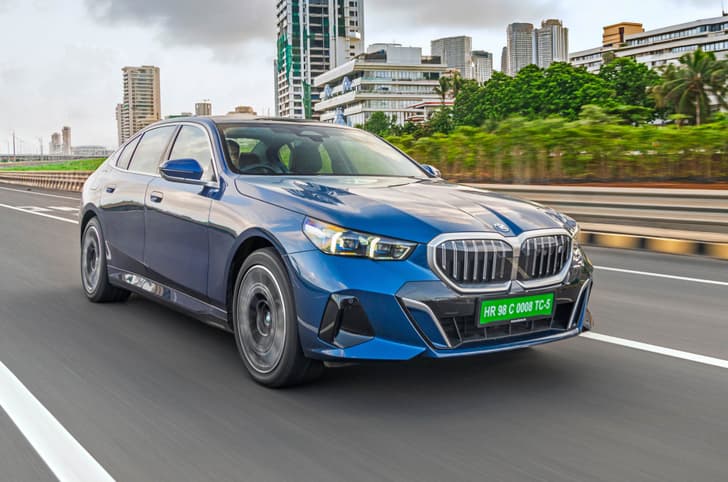
BMW i5 LWB
BMW i5 LWB
BMW i5 LWB
BMW i5 LWB
BMW i5 LWB
Mid 2026
Exp. Launch
Electric icon
Electric
Sedan
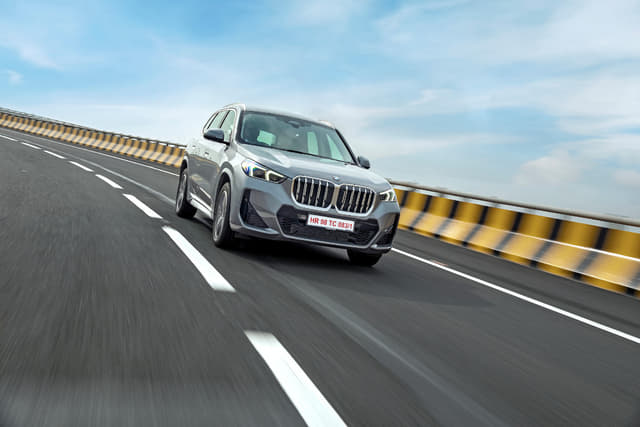
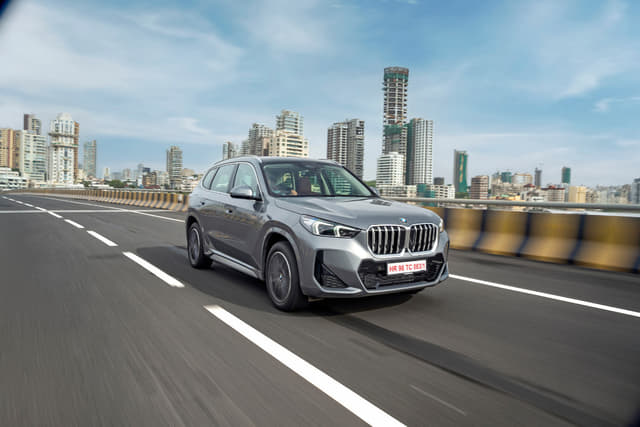
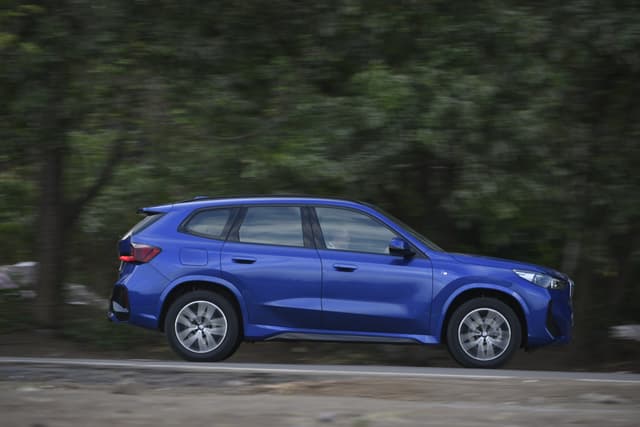
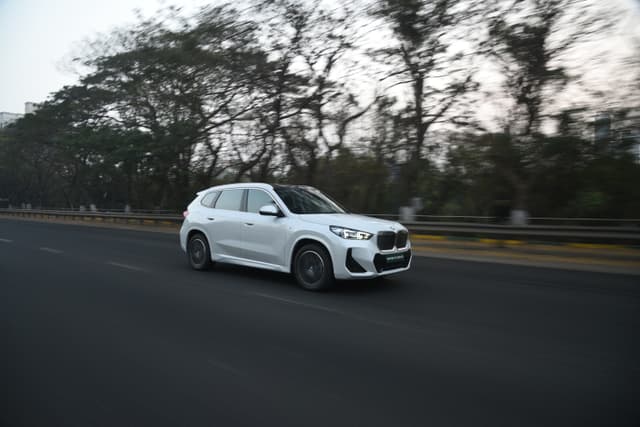
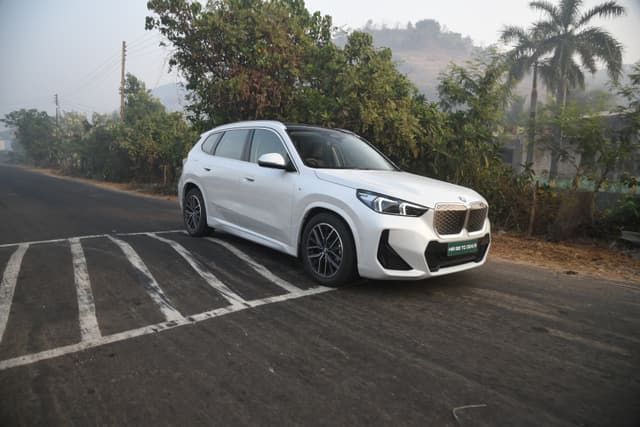
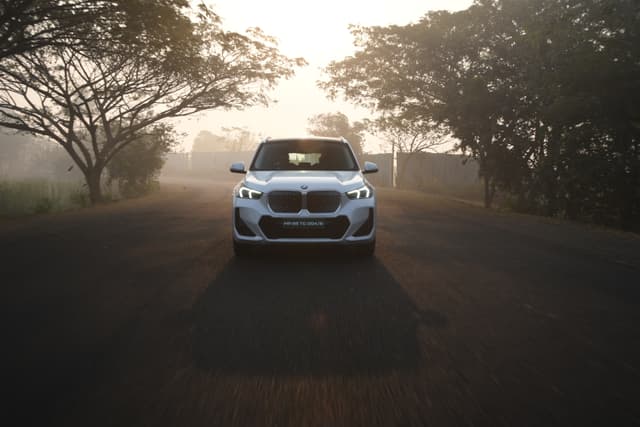
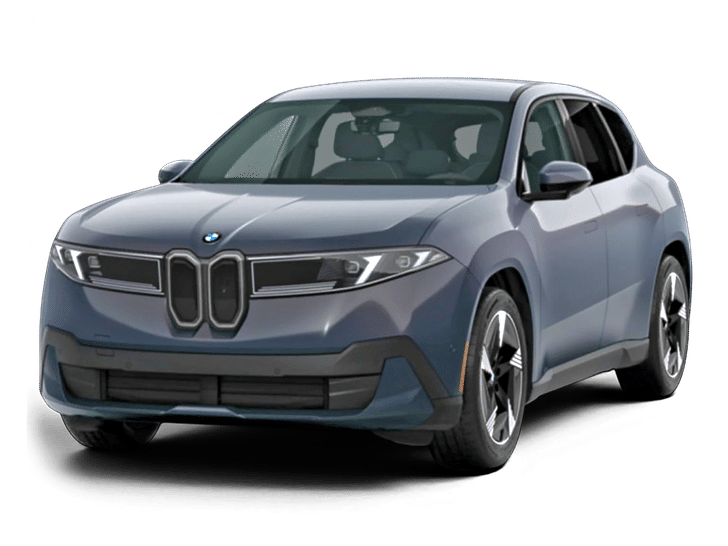
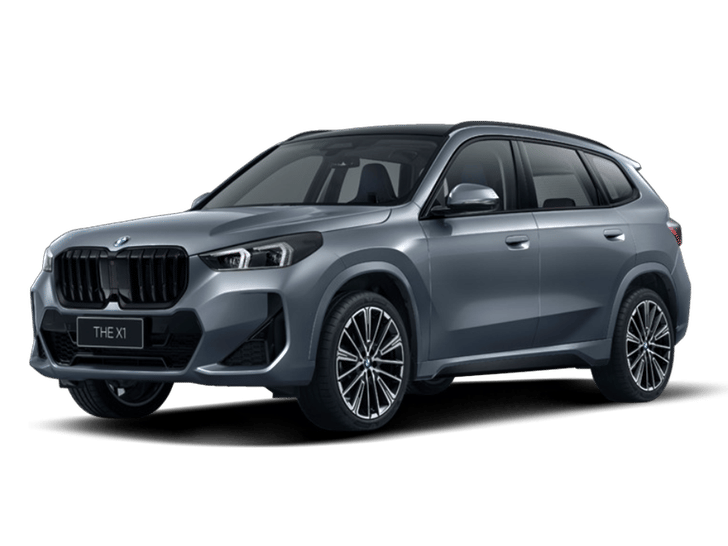
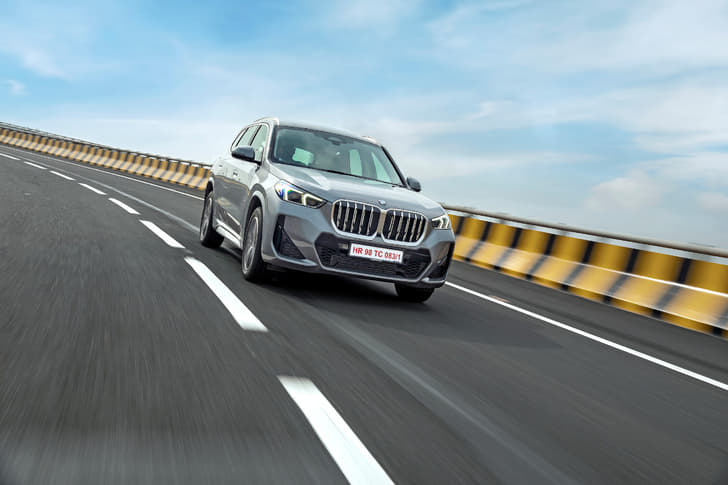
BMW X1 LWB
BMW X1 LWB
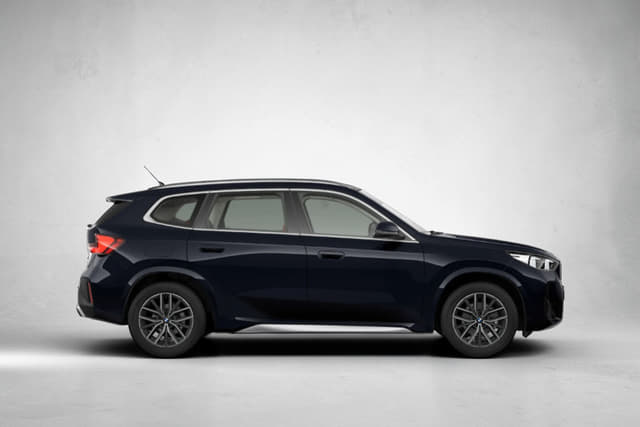
M Carbon Black color image
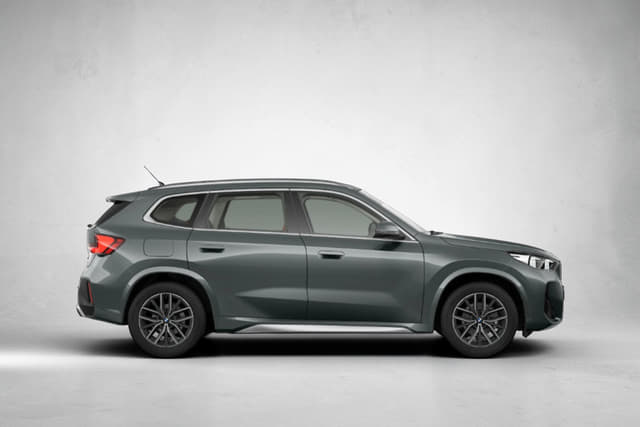
Skyscraper Grey color image
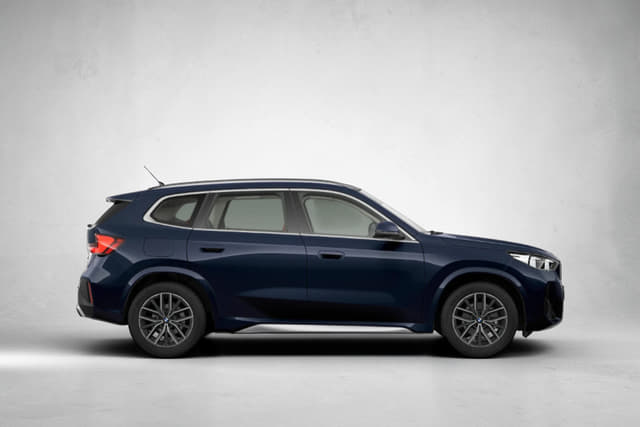
Night Dusk Blue color image
8
15.5 kmpl
Petrol
5 seater
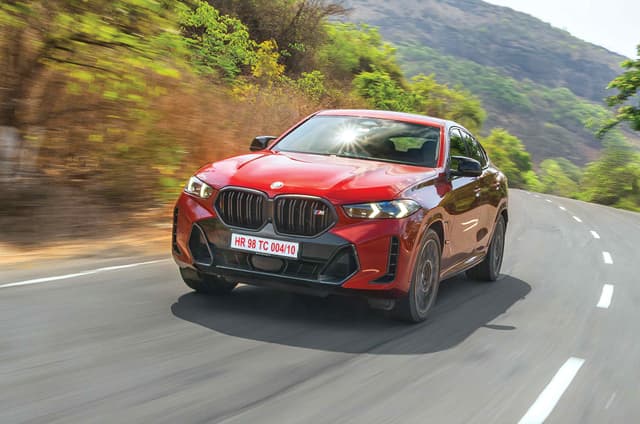
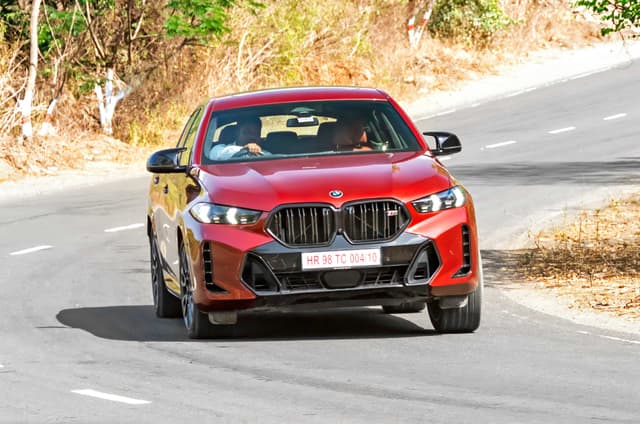
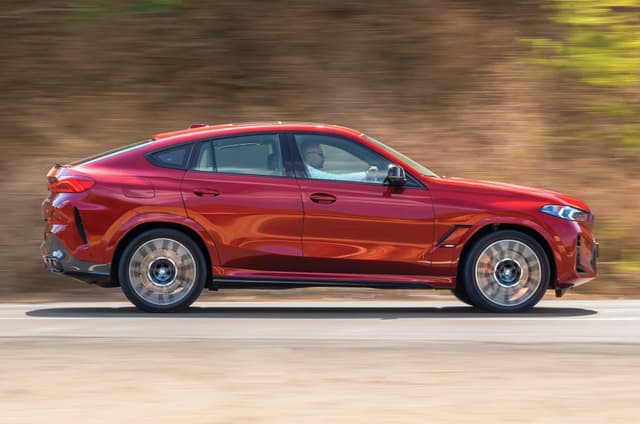
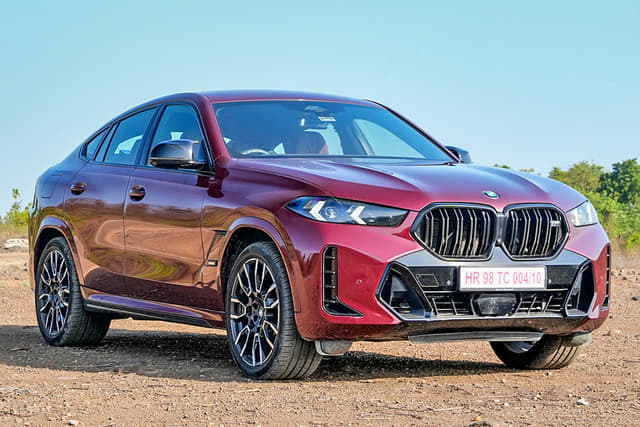
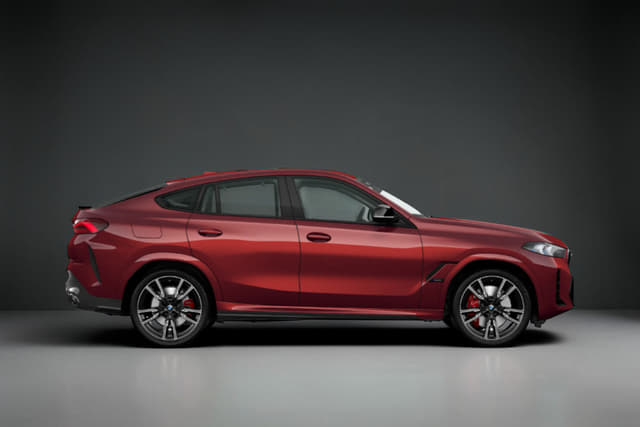
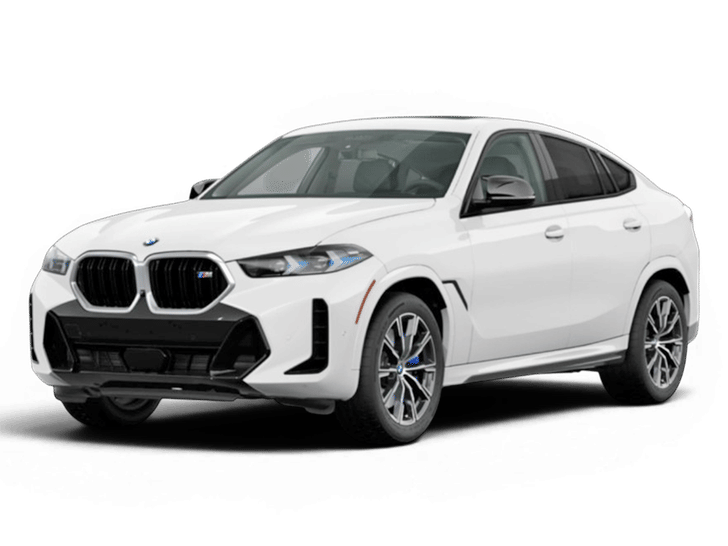
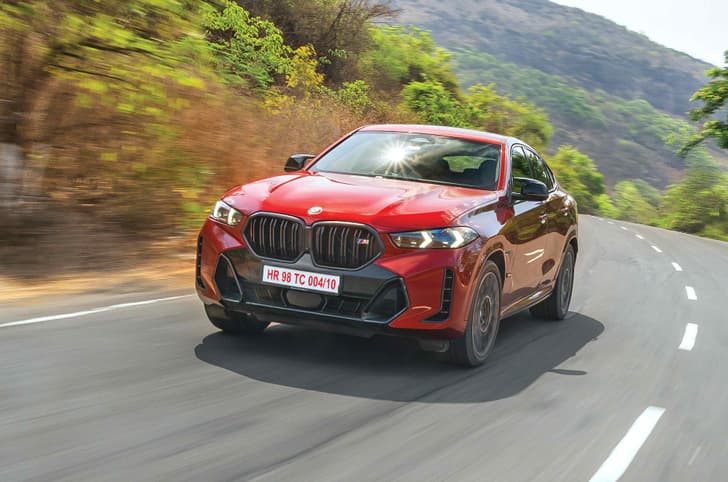
BMW X6
BMW X6
BMW X6
BMW X6
Aventurine Red color image
9
7.9 kmpl
Petrol-Mild Hybrid
Automatic
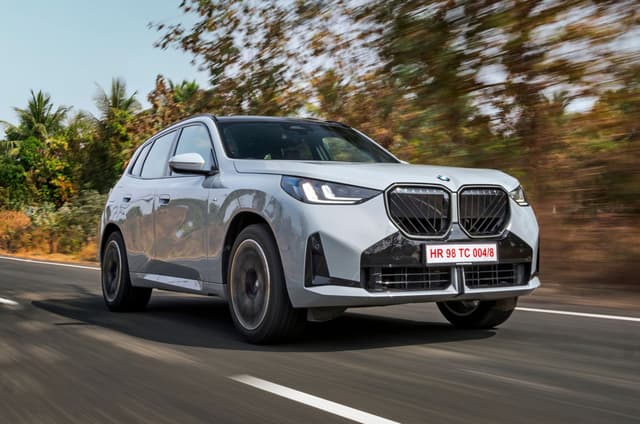
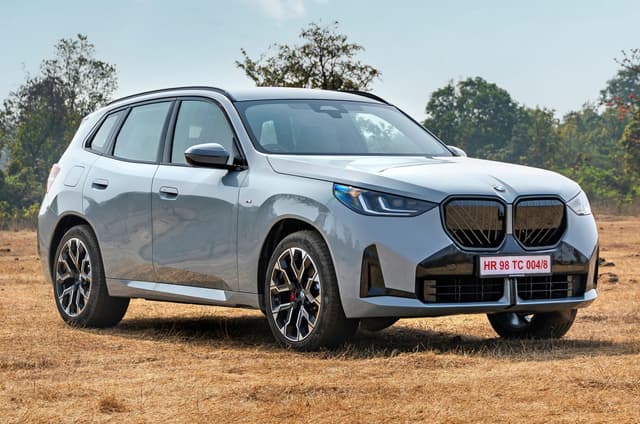
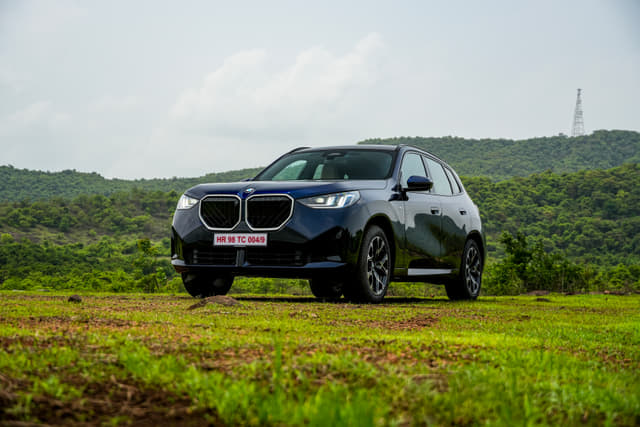
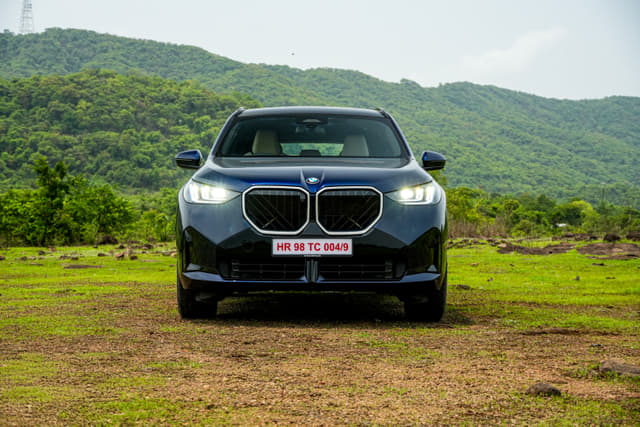
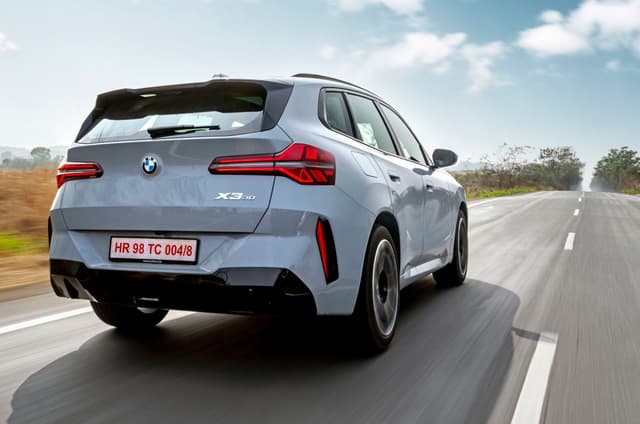
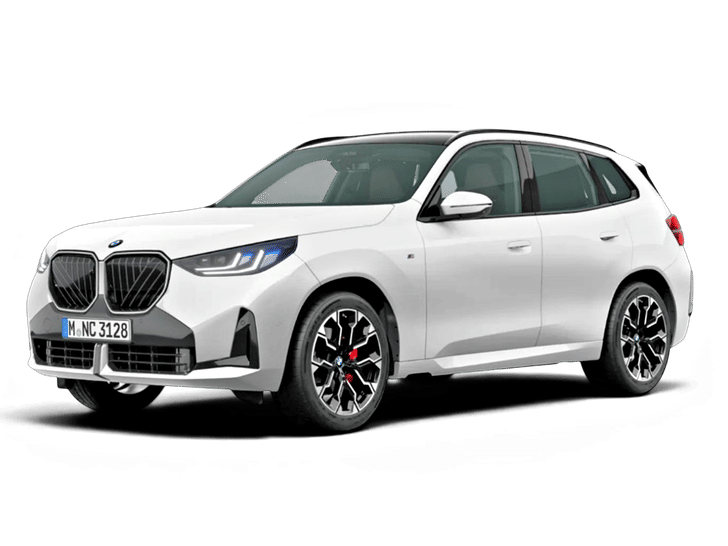
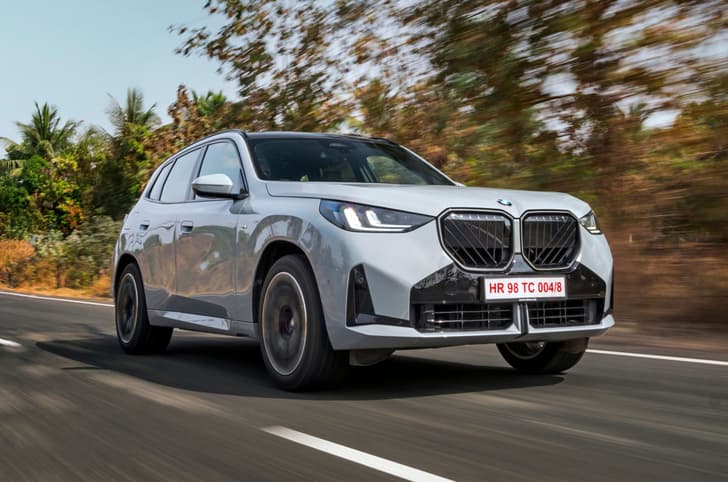
BMW X3
BMW X3
BMW X3
BMW X3
BMW X3
8
13.4-17.9 kmpl
Petrol-Mild Hybrid, Petrol, Diesel
Automatic
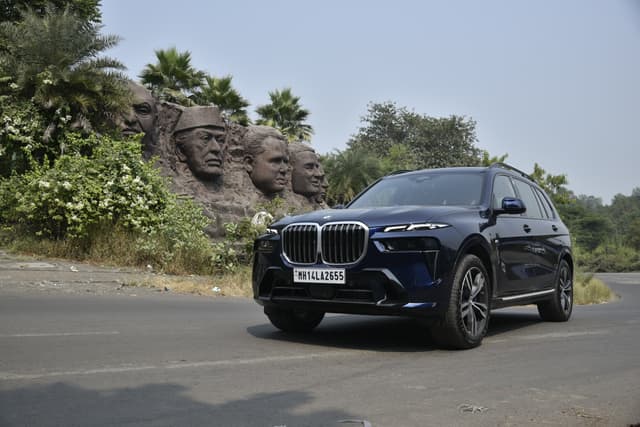
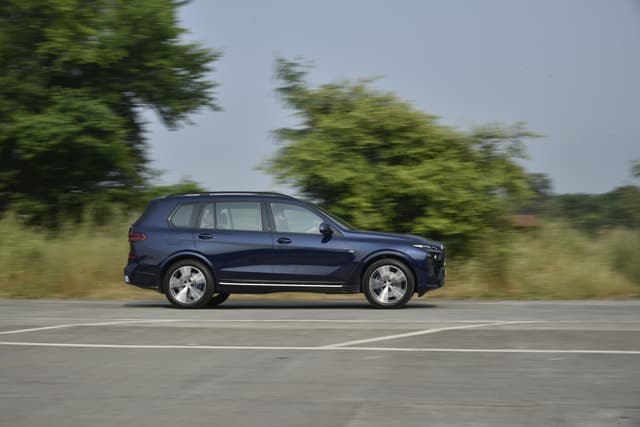
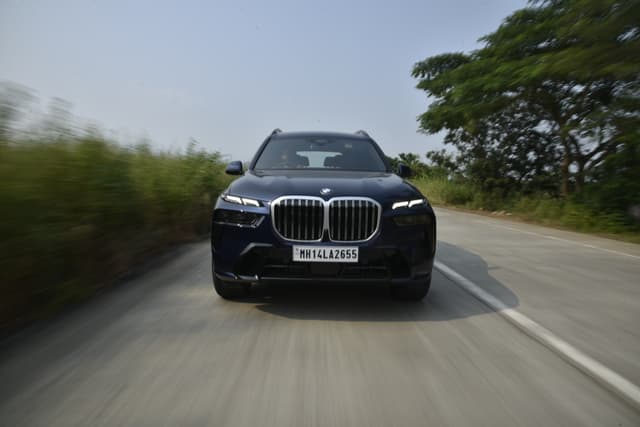
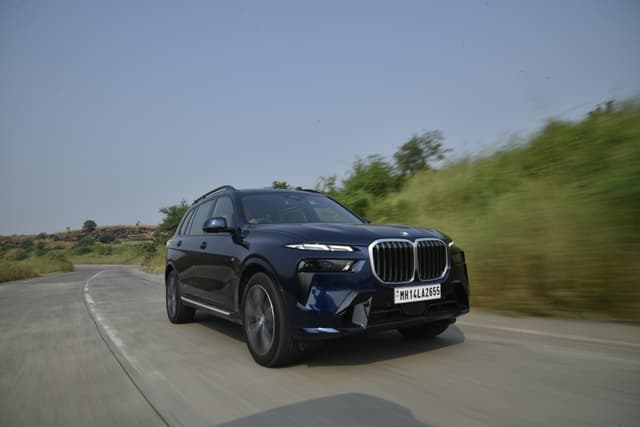
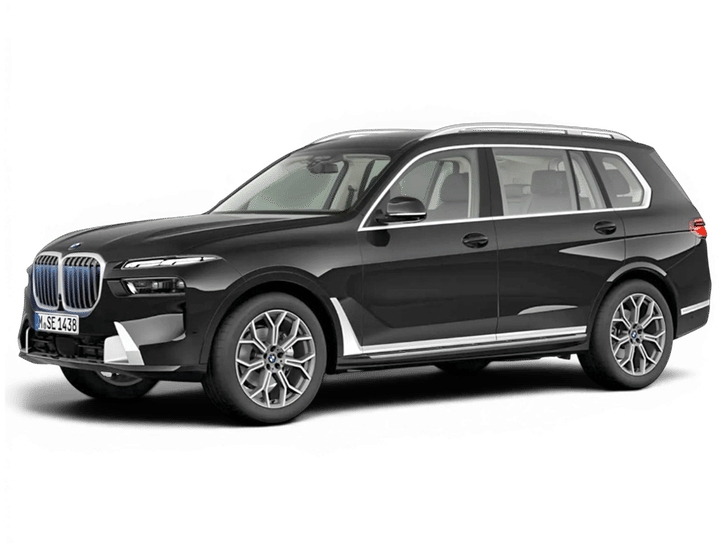
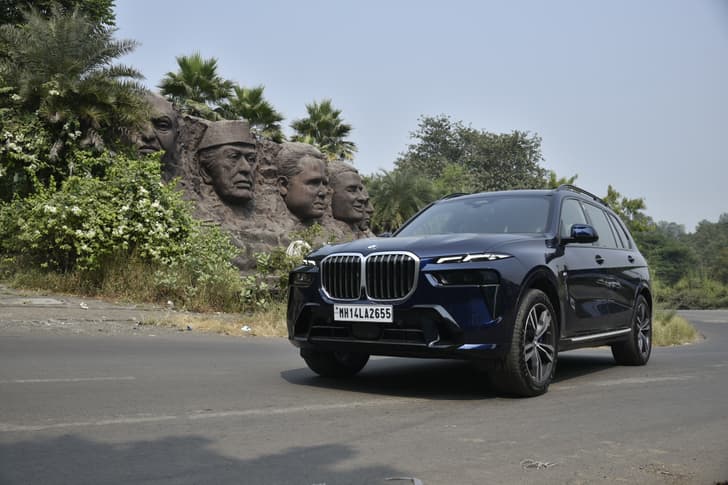
BMW X7 Front Right Three Quarter
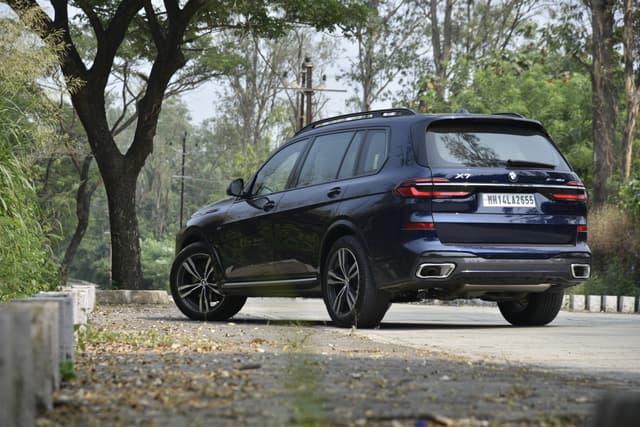
BMW X7 Rear View
BMW X7 Front View
BMW X7 Front Right Three Quarter
9
10.5-14.3 kmpl
Petrol, Diesel
Automatic
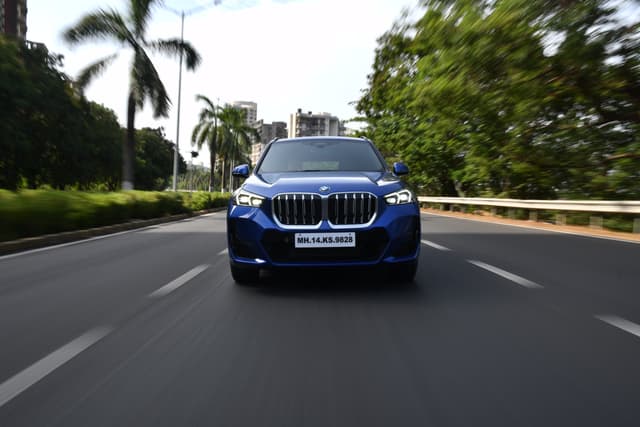
BMW X1 Front View
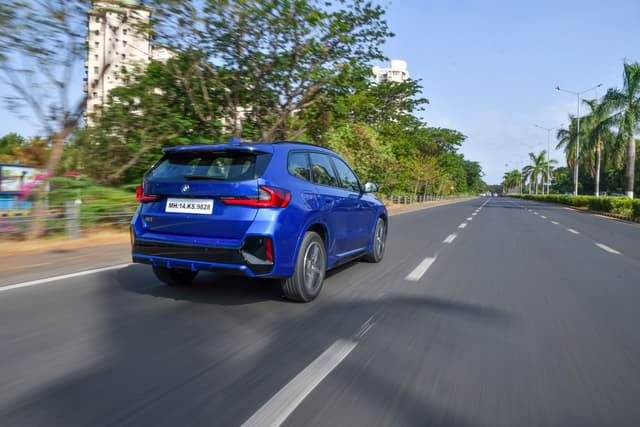
BMW X1 Rear View
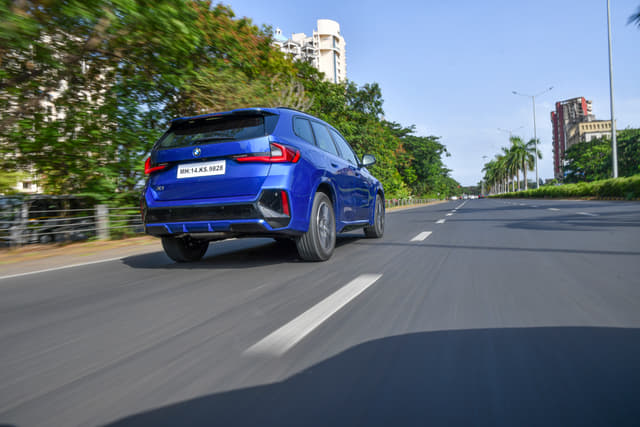
BMW X1 Rear View
BMW X1
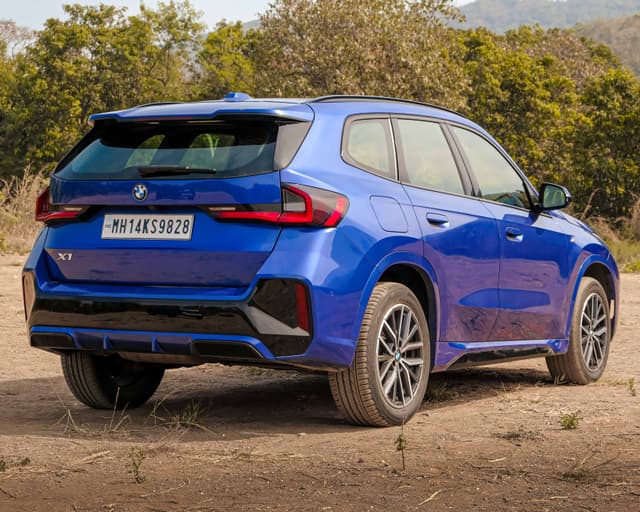
BMW X1 Front Right Three Quarter
8
16.4-20.4 kmpl
Petrol, Diesel
Automatic
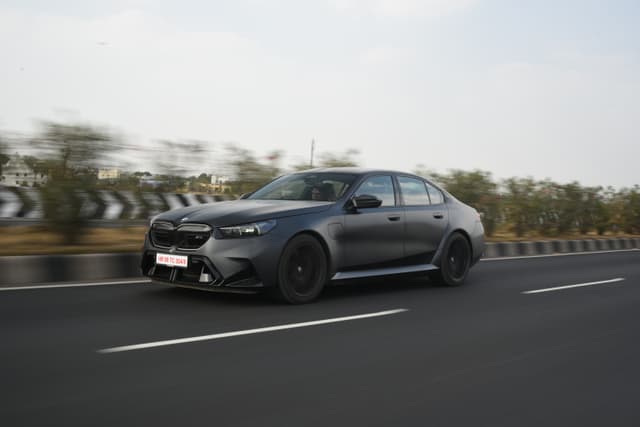
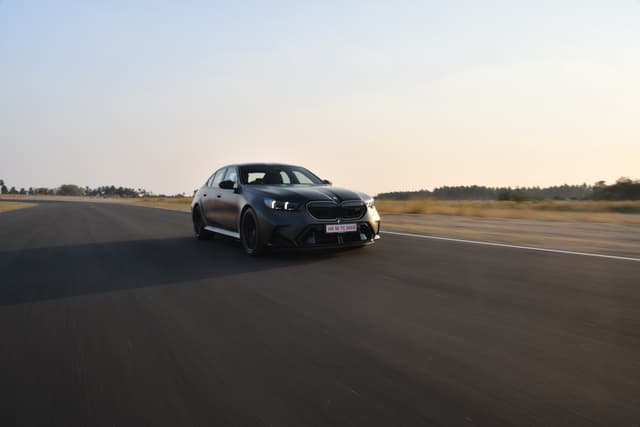
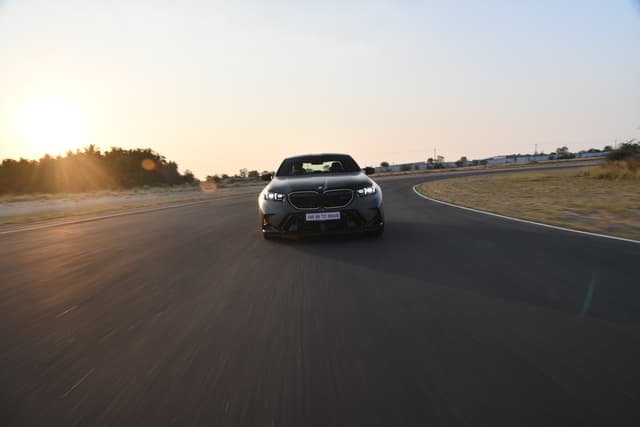
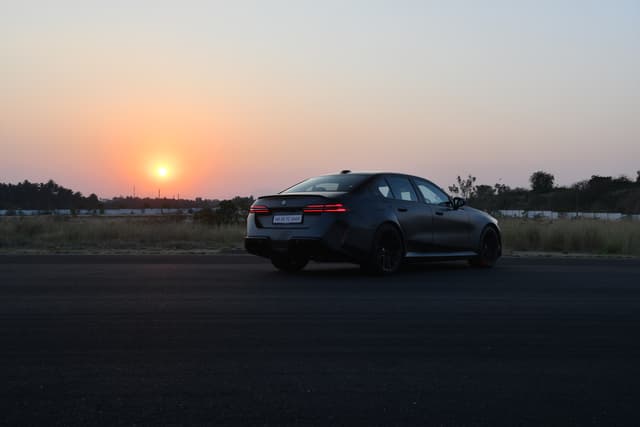
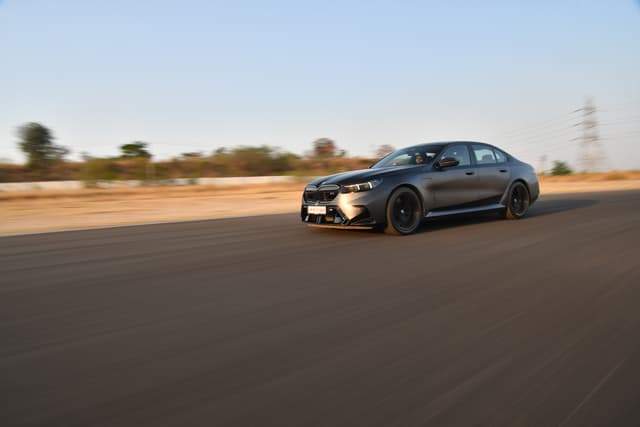
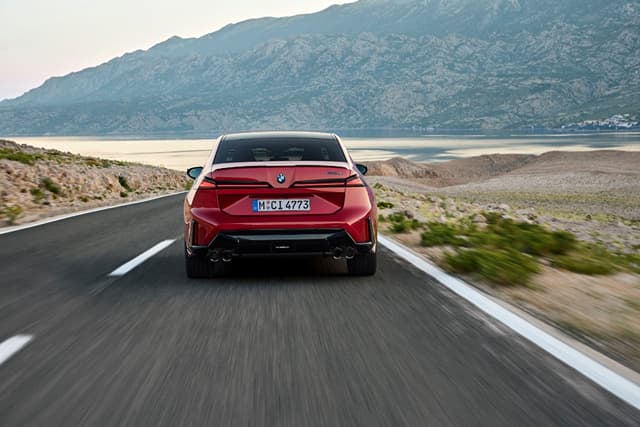
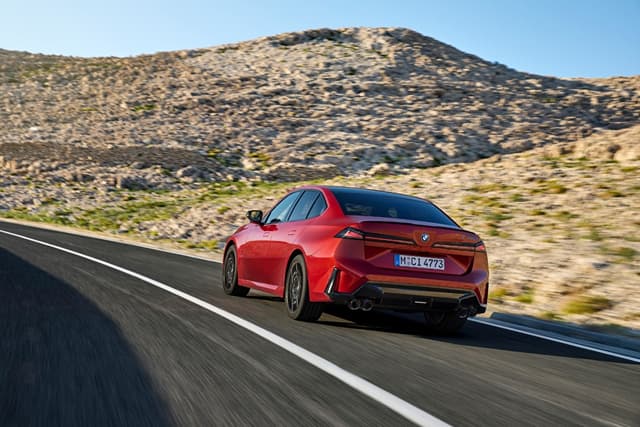
BMW M5 Front Right Three Quarter
BMW M5 Front View
BMW M5 Rear View
BMW M5 Front Right Three Quarter
8
Hybrid
Automatic
5 seater
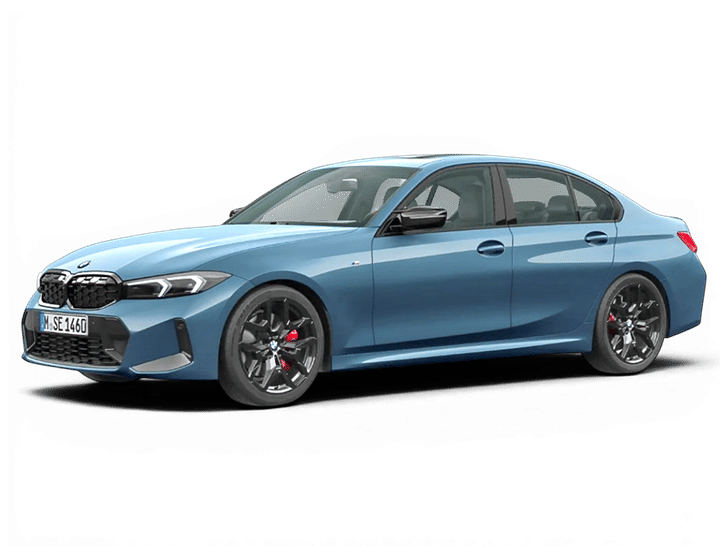
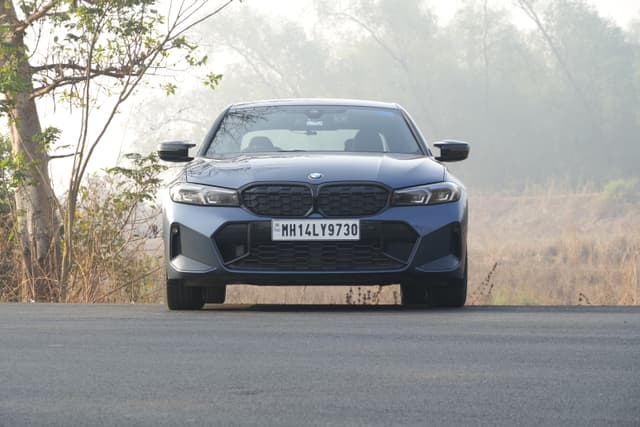
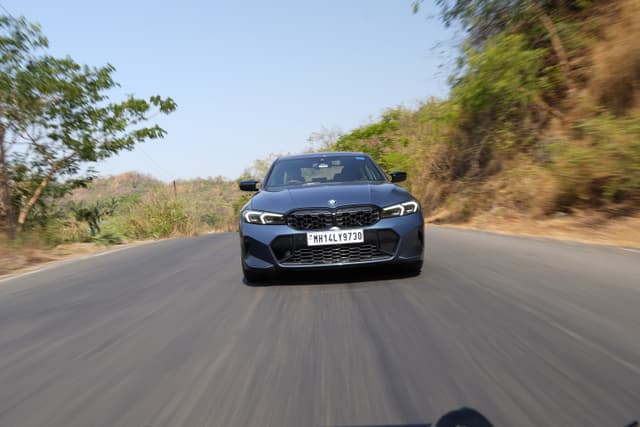
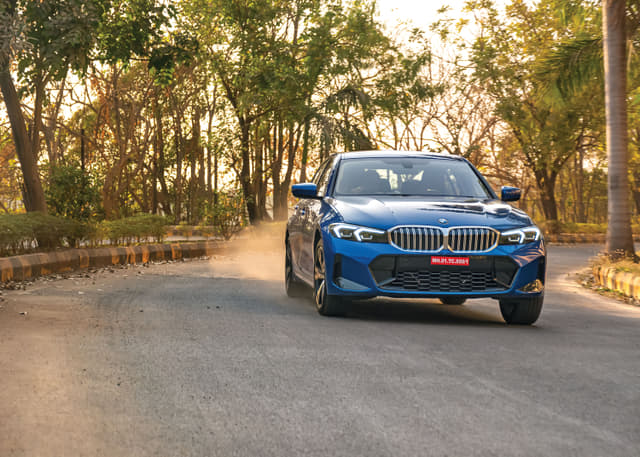
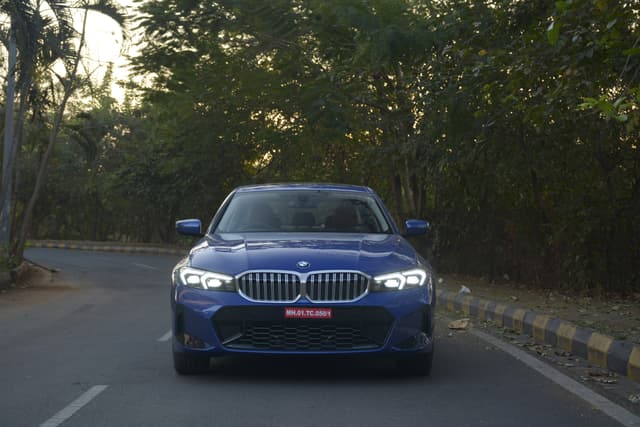
BMW 3 Series Front View
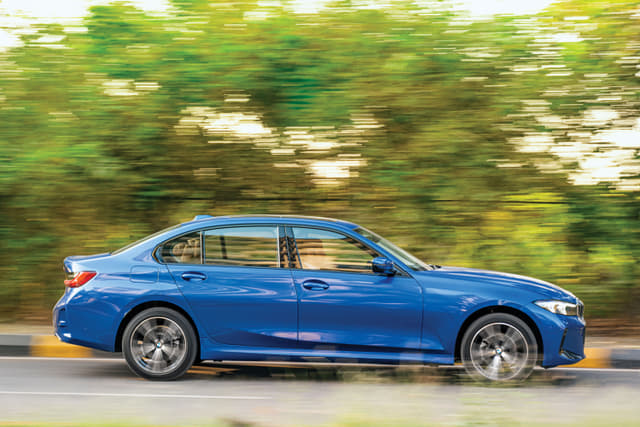
BMW 3 Series Front Left Three Quarter
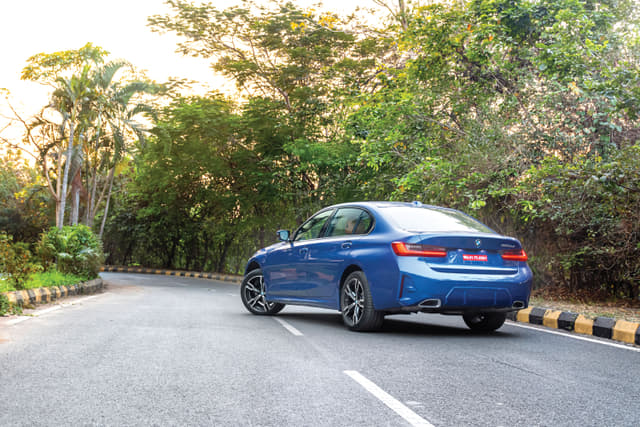
BMW 3 Series Color Blue
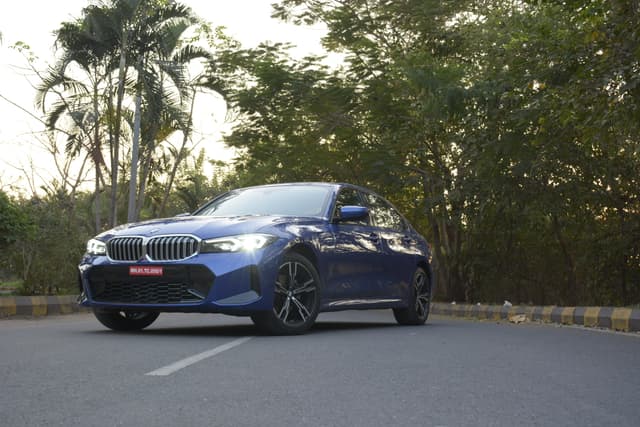
BMW 3 Series Front Right Three Quarter
9
13.0 kmpl
Petrol
Automatic
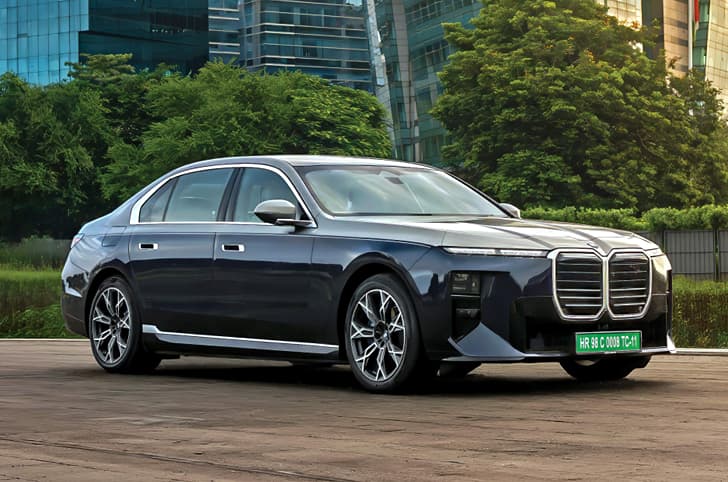
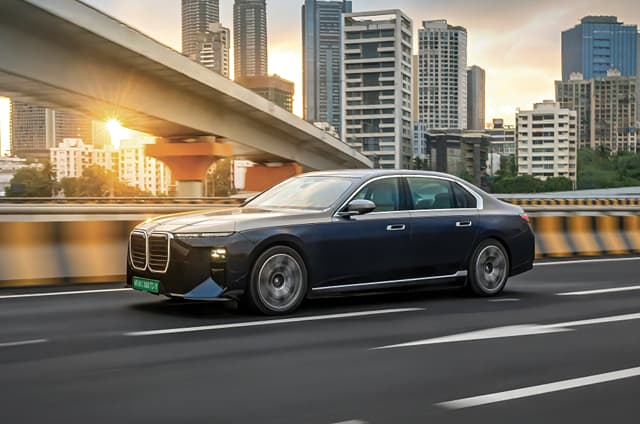
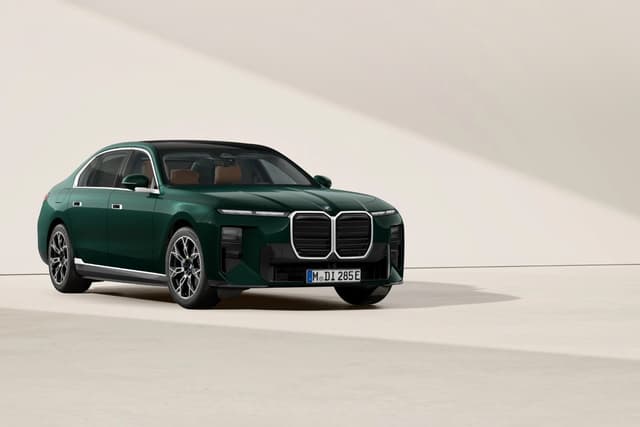
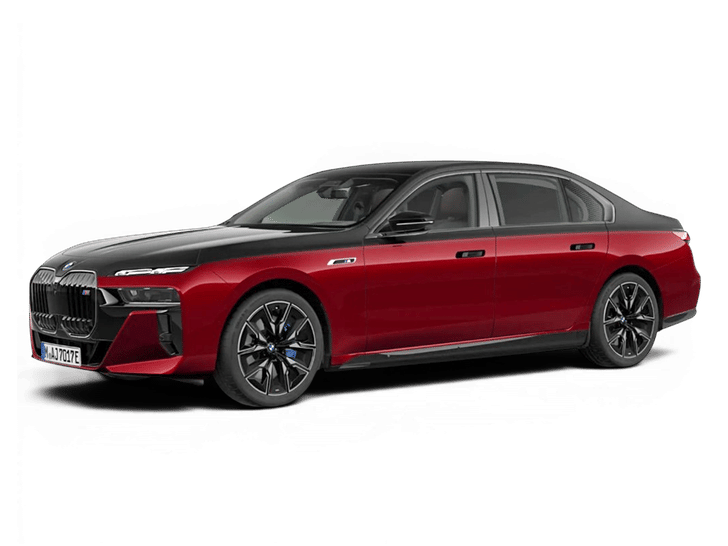
BMW 7 Series Front Right Three Quarter
BMW 7 Series Front Left Three Quarter
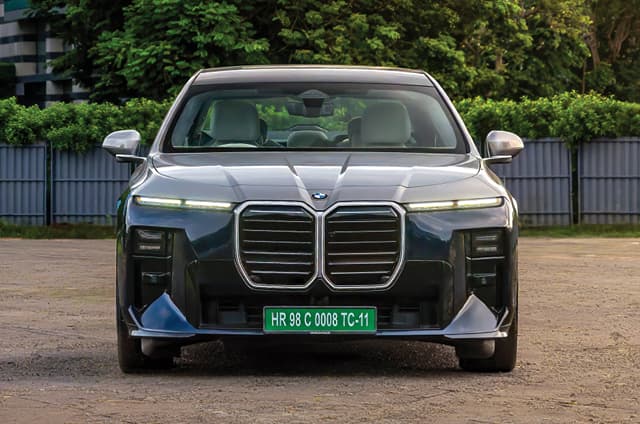
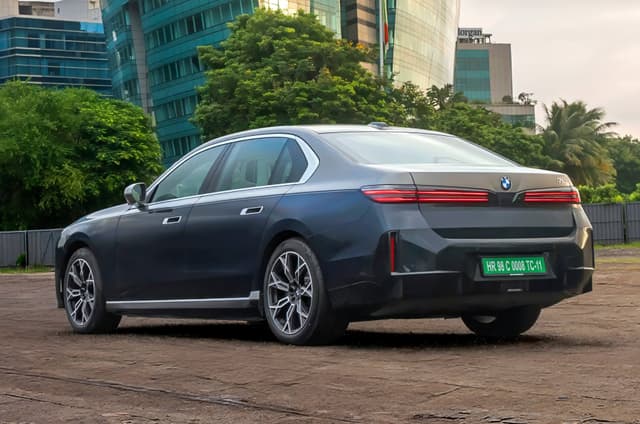
BMW 7 Series Rear View
BMW 7 Series Alloy Wheels
BMW 7 Series
9
6.0-7.9 kmpl
Petrol, Diesel
Automatic
Upcoming
BMW 7 Series Facelift
September 11, 2026
Exp. Launch
Petrol-Mild Hybrid
Automatic
Sedan
Upcoming
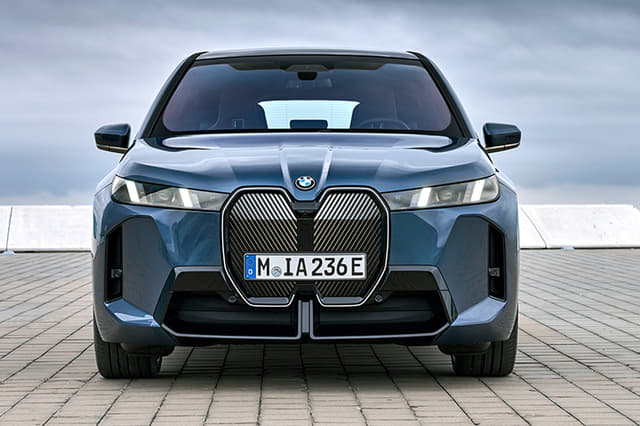
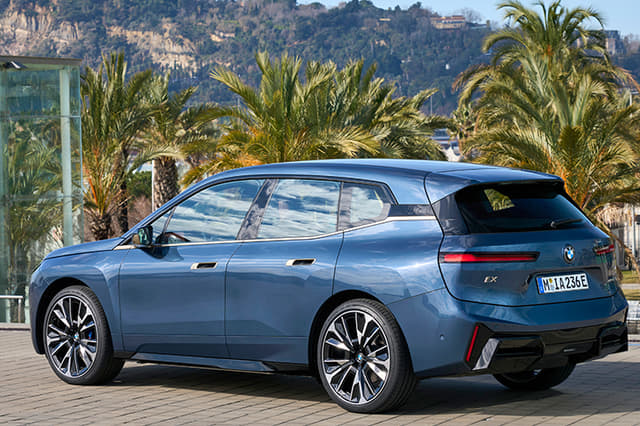
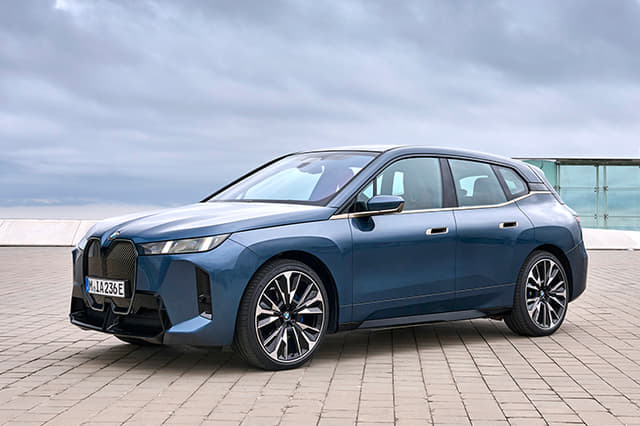
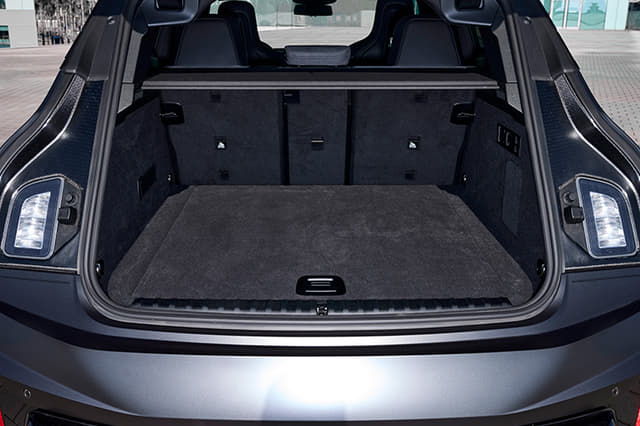
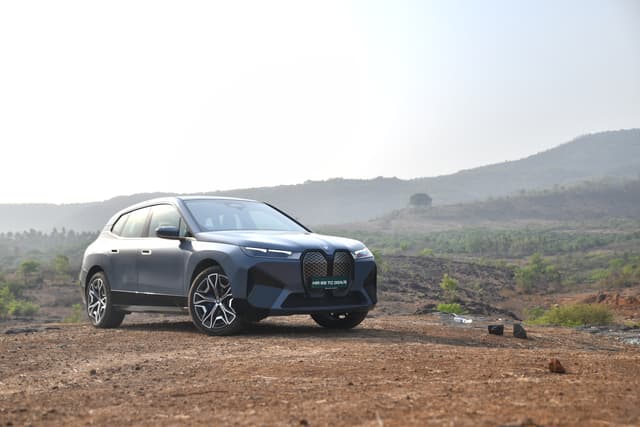
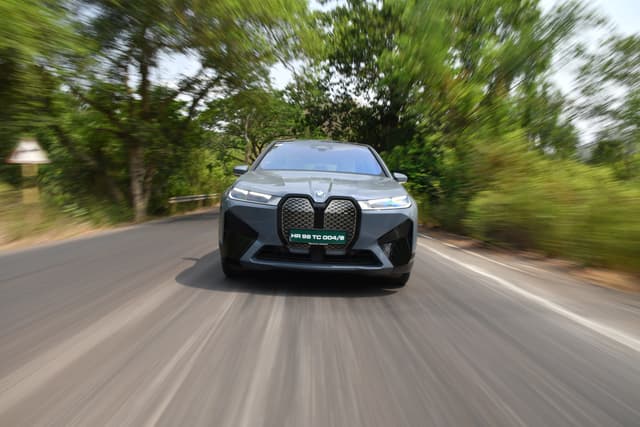
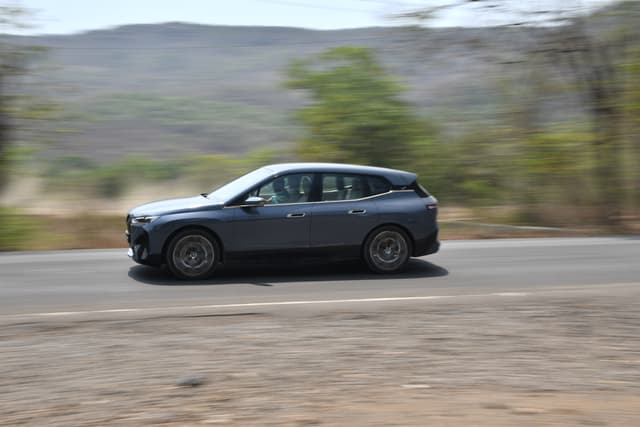
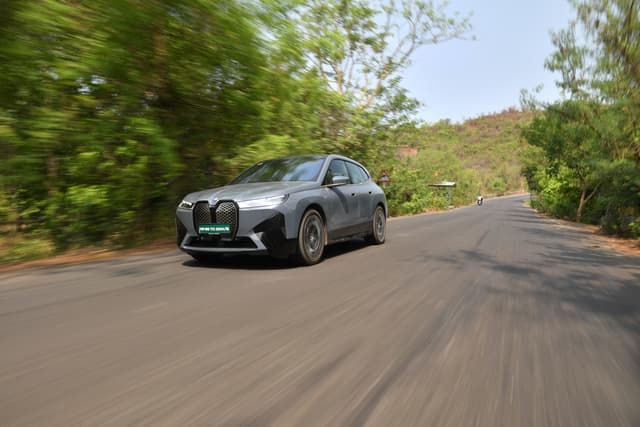
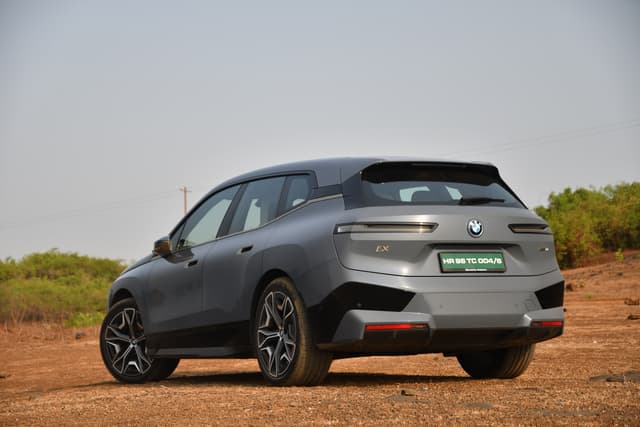
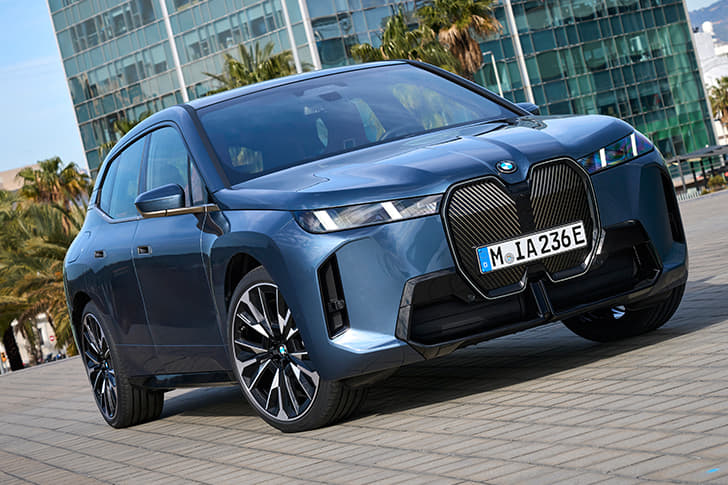
BMW iX facelift
BMW iX facelift
BMW iX facelift
BMW iX facelift
BMW iX facelift
Mid 2026
Exp. Launch
Electric icon
Electric
SUV

BMW Cars - FAQs

Emerging in 1917, BMW's highly recognisable white and blue logo signifies the colours of the Bavarian state, where the brand has its origins. It has also been reinterpreted as a rotating propeller, since BMW used to produce aircraft engines during World War 1.

BMW is a founding member of the vast BMW Group. This group owns another luxury car brand, Mini, along with the ultra-luxury car brand, Rolls-Royce. The BMW Group also owns its own two-wheeler division under the BMW Motorrad nameplate. On the other hand, Mercedes-Benz does not have any such equivalent two-wheeler brand, but it does operate its own ultra-luxury arm under the Mercedes-Maybach brand.

BMW cars have historically been for those who prioritise taut handling over outright comfort. Some of BMW's noteworthy models that have cemented their place among driving enthusiasts include cars from the brand's M division, such as the M3 and M5. Some of the reasons that made these sports sedans so good to drive was their rear-wheel drive (RWD) system, near-perfect 50:50 weight distribution, tactile steering and eager powertrains.

Need an expert opinion on your car related queries?

Trending Questions on BMW Cars - Answered by Autocar Experts

1d

Hi, I have a budget of Rs. 60 lakh (on-road). Which car should I buy between the CLA EV and Audi A4? Should I go for an SUV like BMW X1 LWB or upcoming Audi Q3? My daily driving is a maximum of 50-60 km, and I also take road trips every 3-4 months.

Verified
10h

We would wait for the upcoming Audi Q3, whose launch is just around the corner, before making this decision as it promises to be the most contemporary of its peers in the segment. Audi wants to make up for lost time with the new Q3 and we understand the brand is leaving no stone unturned with this new model, equipping it with the 2.0 TFSI engine and Quattro AWD. It also promises to have the brand's latest tech, as well as a long features list, to make it attractive in this competitive segment. While the A4 sedan is a good deal right now at the end of its life, it may feel a bit too dated, and the new A5 will arrive by the end of the year. As for the X1, unless you're chauffeur driven, it isn't the best choice here. As you're coming from a CLA, the new CLA EV might be a good option, as your usage could fit within the constraints of an EV, and the CLA EV has exceptional range. It will, however, push slightly past your Rs. 60 lakh (on road) budget. Either way, we would recommend waiting for the India-spec Q3 before making a call, as it could be the best fit for you.

VehicleMercedes-Benz CLA Electric
VehicleAudi A4
VehicleAudi A5
VehicleAudi Q3
VehicleBMW X1 LWB
1w

Which one should I buy between Mercedes E-Class and BMW 5 Series? I am confused between the E 220d, E 200 petrol, and BMW 5 Series. I drive around 1,500-2000 km per month and I’m planning to keep the car for the long term. I’m considering the E 220d mainly because it’s a diesel and seems to offer a great combination of performance, comfort, and mileage. It keeps coming back to my mind because I feel it could give me the best of all three. But at the same time, I have a concern about DPF issues with diesel cars, especially because a significant part of my driving is in the city. Is DPF clogging or regeneration really something I should worry about with my usage, or would my monthly running be enough to consider E 220d? I live in the NCR, where the 10-year diesel rule is also a major concern. So, is the E 220d actually useful for me, or would the E 200 petrol or BMW 5 Series make more sense? I drive the car myself but also spend a lot of time sitting in the rear, so I want something that is extremely comfortable, luxurious, and relaxing in the back, while its still being fun and enjoyable to drive when I’m behind the wheel. I want a proper luxury experience but also good performance and driving pleasure. If you were in my position, which one would you choose amongst E 220d, E 200, or BMW 5 Series considering my 1,500 km monthly usage, city driving, occasional highway driving, DPF concerns, comfort, performance, mileage, maintenance, long-term ownership, and overall value for money? If I choose the E 220d, how many kilometres should I ideally drive over 10 years for the diesel to actually make financial sense and be paisa vasool? And after 10 years, what resale value can I realistically expect, especially considering the 10-year diesel restriction in NCR?

Verified
1d

With 1,500-2,000 km a month, the E 220d is financially justified, but in NCR the 10-year diesel rule is a deal-breaker. Even if you drive enough to make diesel “paisa vasool”, the car is effectively worthless after 10 years, and that wipes out any savings. DPF is less of a concern at your running, but the NCR rule is the bigger problem.The E 200 petrol is the safer choice. It gives you the same luxury experience, is extremely comfortable in the rear, and is still enjoyable to drive. The BMW 5 Series is the driver’s car of the three, but the E-Class is the better all-round luxury car, especially if you spend time in the back.If you were outside NCR, the E 220d would make sense. In NCR, go for the E 200 petrol. It is the best balance of comfort, performance and long-term ownership. The 5 Series is the better driver’s car, but the E-Class is the better luxury car.

VehicleMercedes-Benz E-Class
VehicleBMW 5 Series LWB
1w

I am planning to buy my first luxury car. Right now, I’m getting good offers on Audi A6 and Q5 that are much cheaper than X3 and GLC. Will it make more sense to buy a 3 series in BMW or should I go for an Audi A6/Q5? I don’t want to spend more than 65 lakh.

Verified
1d

Audi is offering some very tempting deals on the A6 and Q5, and for obvious reasons. Both models are now well into their lifecycles and feel dated next to newer rivals, so the only way Audi can move them out of showrooms is with substantial discounts. That said, if you're getting a good deal, both are well worth considering.Yes, the cabins have aged and the tech is no longer cutting edge. The infotainment systems are a couple of generations behind what you'll find in the latest BMWs and Mercedes, and the overall cabin ambience doesn't feel as fresh or as richly appointed. But if you can live with that, these Audis remain superbly engineered cars. The 2.0-litre TFSI petrol engines are smooth, refined and genuinely fantastic, and both cars drive beautifully. Ride quality, in particular, is excellent, and better than what the Mercedes-Benz GLC and BMW 3 Series offer.Within your Rs 65 lakh budget, our pick would be the A6. It's a segment above the 3 Series, and with current discounts it slips comfortably into your price range, which makes it exceptional value. It rides with a suppleness the Germans rarely match at this price, is impressively quiet and relaxed, and drives very well indeed. The GLC and 3 Series are better equipped and have plusher, more modern cabins, but they don't drive with the same polish or offer the same space and comfort. As a first luxury car, the A6 at a discount is hard to beat.

VehicleAudi A6
VehicleAudi Q5
VehicleBMW 3 Series
VehicleMercedes-Benz GLC
6d

Is a brand-new 2025-manufactured Audi A6 Technology variant a decent buy at Rs. 56 lakh all-inclusive on-road today? The dealer is clearing stock, so the vehicle has not been used, driven, or registered. The included registration cost is for BH. My expected running is around 10,000 km per year, with 70-80% of it on highways, usually with a family of four, including me. One more consideration is that the updated A6 is already available in the international market, and it might arrive in India in another 18 months or so. Are there any other better options if this is not a good buy?

Verified
6d

Yes, a brand-new 2025-manufactured Audi A6 Technology at Rs 56 lakh on-road (BH) is a good deal, but try knocking off a couple more lakhs. The A6 is a well-rounded luxury sedan in the segment, offering a refined petrol engine, excellent ride comfort and a genuinely premium cabin experience. At this price, you are getting a significant discount over the usual on-road price, which makes it a strong value proposition.Your usage pattern of 10,000 km a year with 70-80% highway driving with a family of four suits the A6 very well. The car is comfortable, stable at speed and has enough space for long family trips. The fact that it is a 2025-manufactured, unregistered car means you are not compromising on age or warranty either.Alternatives at a similar price point would belong to a lower segment, such as the BMW 3 Series and the Mercedes-Benz C-Class. However, neither is likely to be available at this level of discount.Overall, at Rs 56 lakh on-road, the A6 Technology is a strong buy.

VehicleAudi A6
VehicleBMW 3 Series
VehicleMercedes-Benz C-Class
1w

I have a Škoda Superb L&K 2022, which comes with a front-wheel-drive (FWD) drivetrain, while in some international markets, the Superb has been offered with a rear-wheel-drive (RWD) setup. My first question is: how does FWD differ from RWD in terms of basic driving dynamics? Secondly, what does chassis weight distribution mean in a car, and what significance does it have for driving dynamics and handling? Is an ideal weight distribution necessarily associated with an RWD setup? Also, is it correct to say that RWD is always better than FWD or AWD? Finally, does a four-cylinder engine with twin turbochargers have any significant advantage over an inline-six-cylinder engine?

Verified
1w

The Skoda Superb is a front-wheel-drive car globally, including in international markets. There is no rear-wheel-drive version of the Superb. The confusion may come from the fact that some premium sedans in the same segment, such as the BMW 5 Series and Mercedes E-Class, are rear-wheel drive, but the Superb itself is not. The Superb is available in some markets with AWD (all-wheel drive), but that too is a front-biased system with the rear wheels driven only when needed.The difference between FWD and RWD is most noticeable in driving dynamics. In a front-wheel-drive car, the front wheels are responsible for both steering and putting power down, which can lead to understeer (the car does not turn as much as intended) and torque steer (the car pulls to one side on its own) when pushed hard. In a rear-wheel-drive car, the front wheels steer while the rear wheels deliver the power, which generally results in better balance and a more engaging driving experience, especially in performance driving.Weight distribution refers to how the car's mass is spread between the front and rear axles. A 50:50 weight distribution is often considered ideal because it helps the car remain balanced during cornering. This is not exclusive to rear-wheel-drive cars, but it is easier to achieve in RWD layouts because the drivetrain components are more evenly distributed along the length of the car.It is not correct to say that RWD is always better than FWD or AWD. Each layout has its own advantages. FWD is more space-efficient, cost-effective, and better in slippery conditions; RWD offers better driving dynamics; and AWD provides the best traction in all conditions.On the engine front, a 4-cylinder twin-turbo can produce impressive power and torque, and tends to be lighter, but an in-line 6 or V6 is inherently smoother and more refined. A larger-capacity engine tends to also be more effortless than a boosted low-capacity engine making the same power output. The choice between the two depends on the application: the 4-cylinder is lighter and more efficient, while the inline-6 offers a more premium and refined driving experience.

VehicleMercedes-Benz E-Class
VehicleBMW 5 Series LWB
VehicleSkoda Superb

Last Updated on: 25 Aug 2026