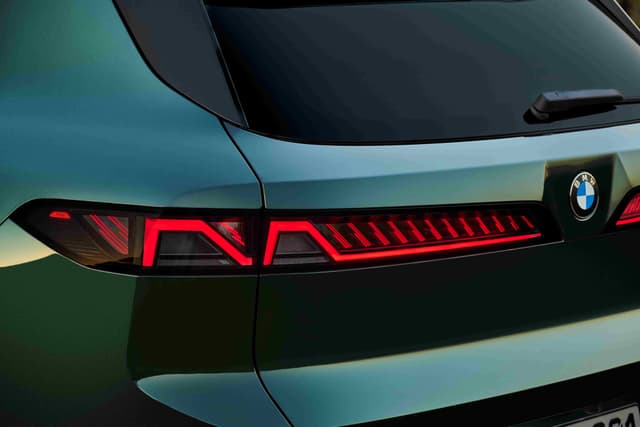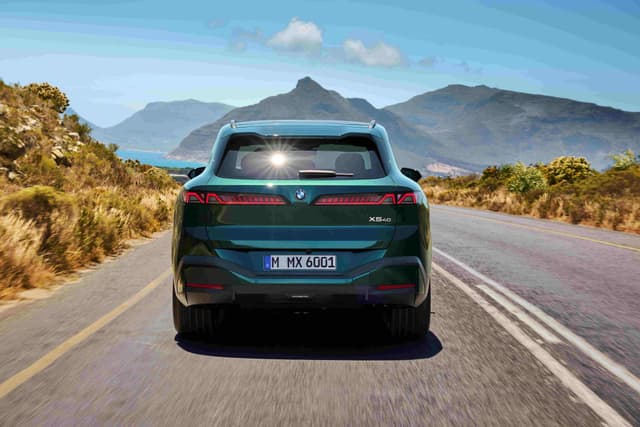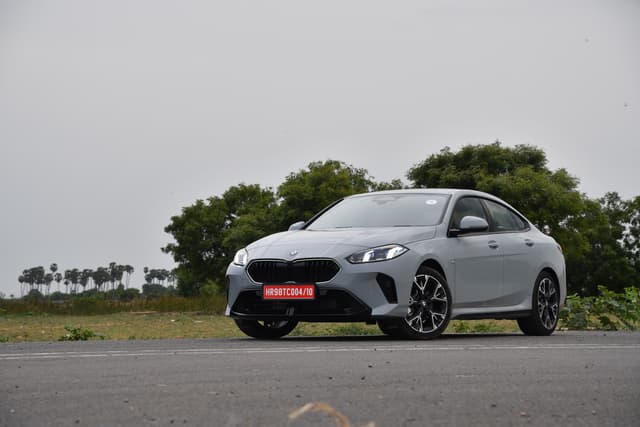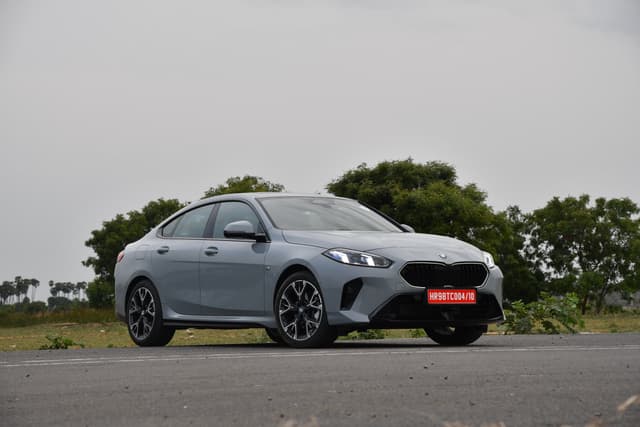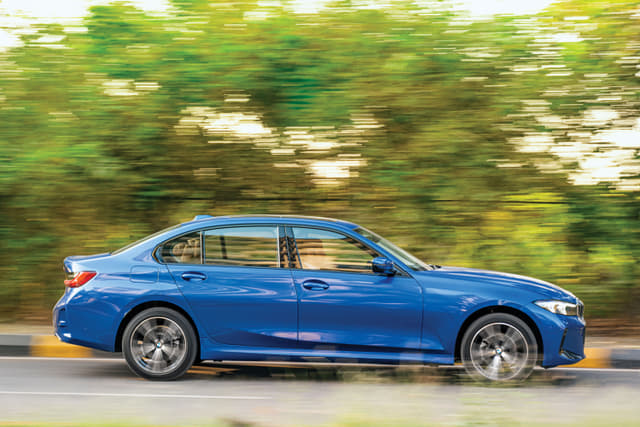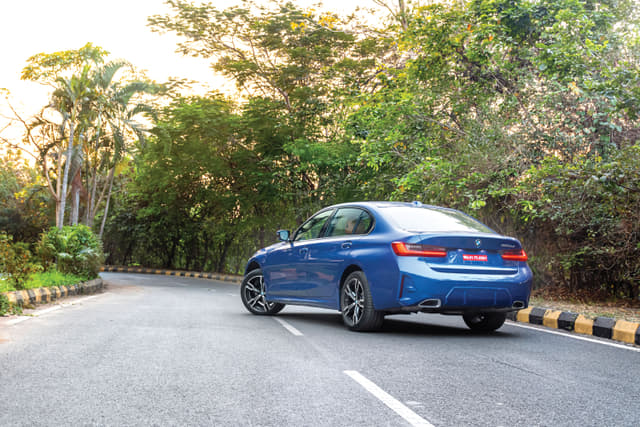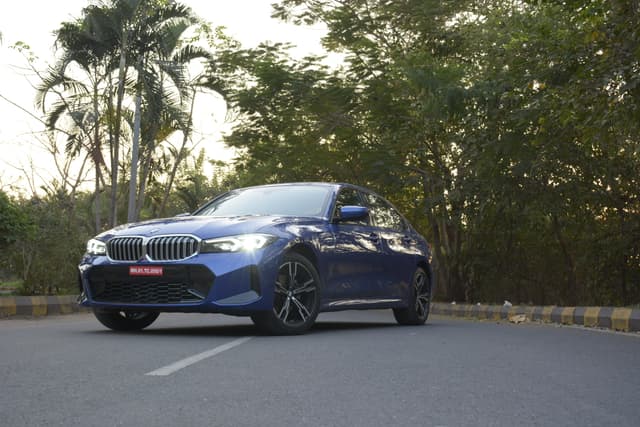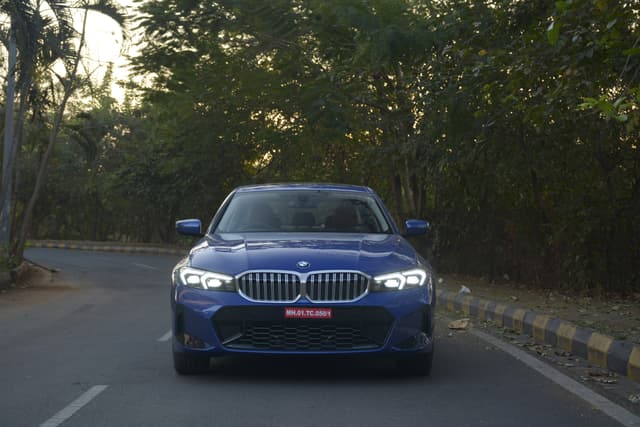
Autocar India
BMW

BMW Cars in India (26)

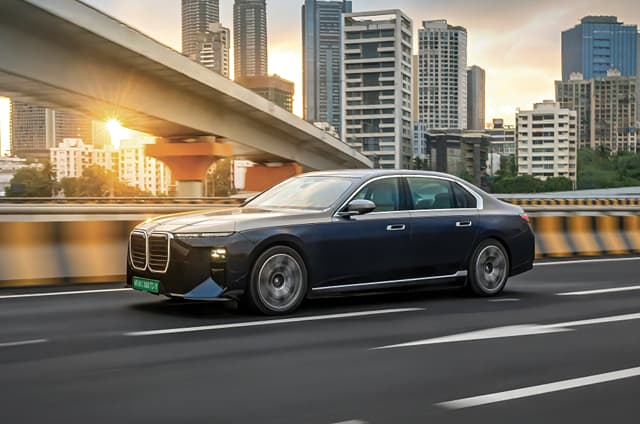
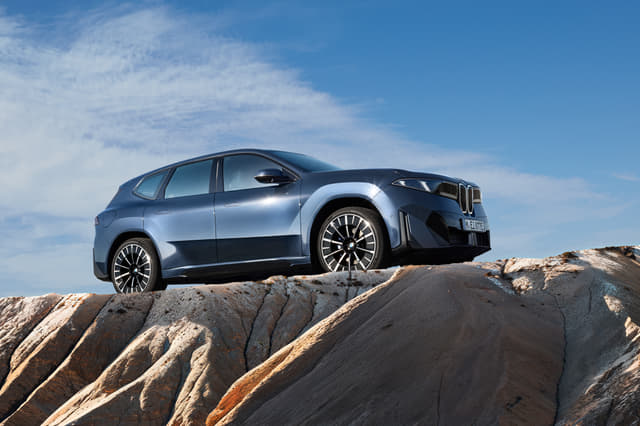
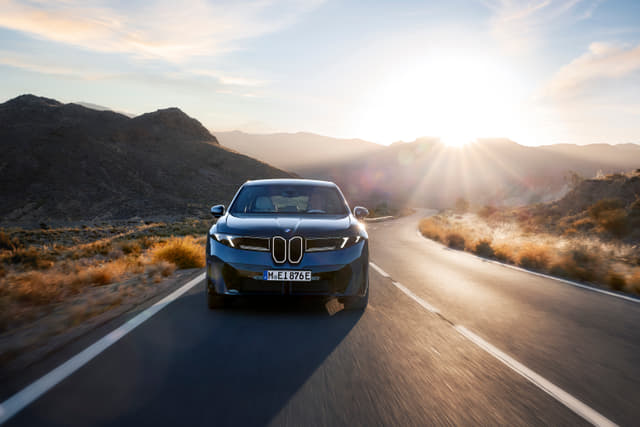
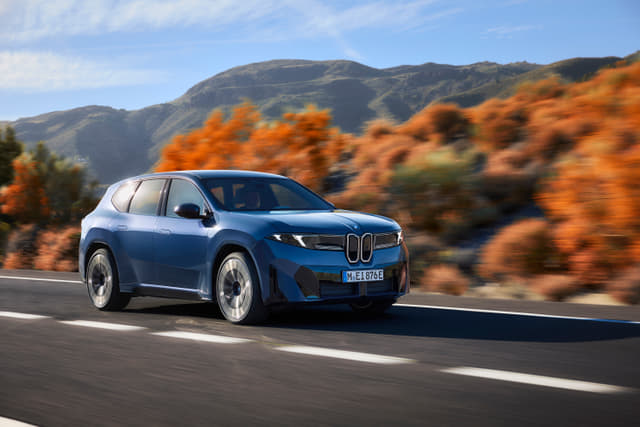
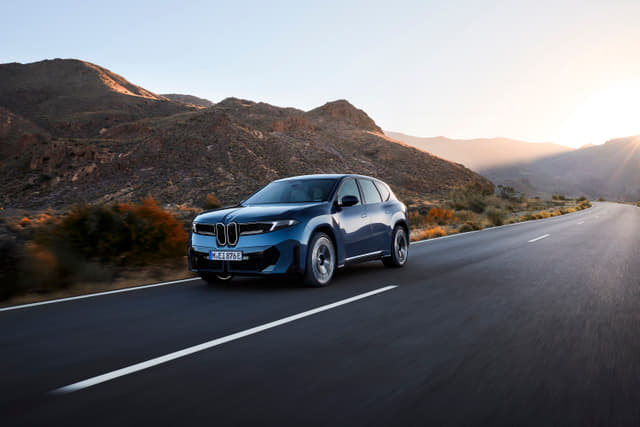
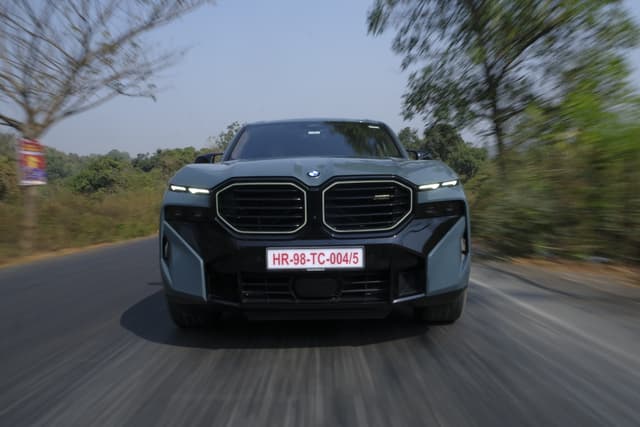
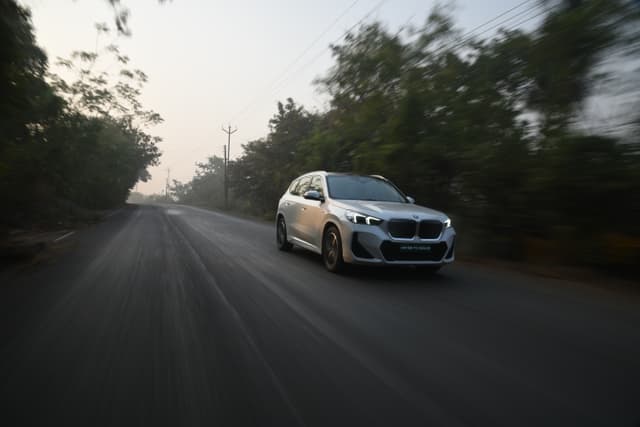
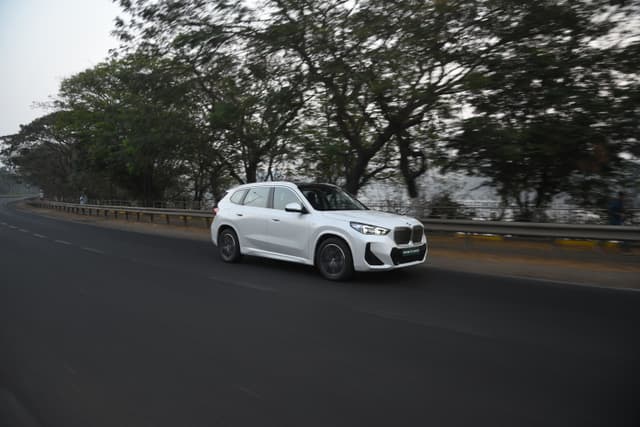
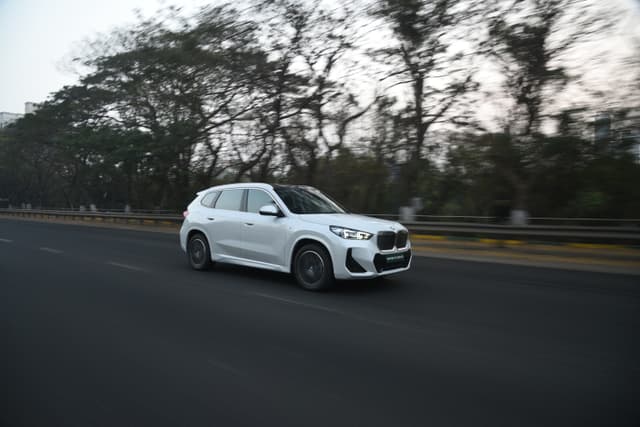
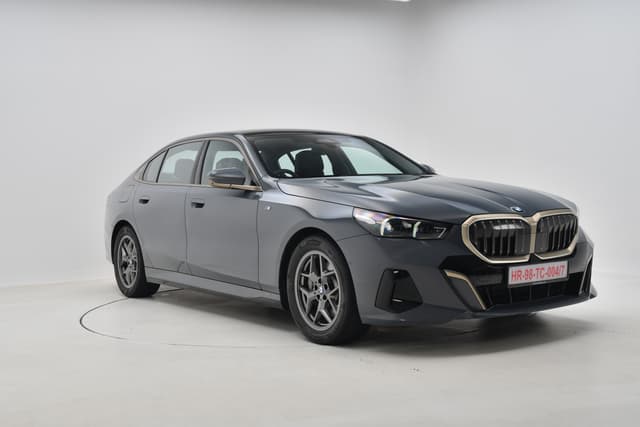
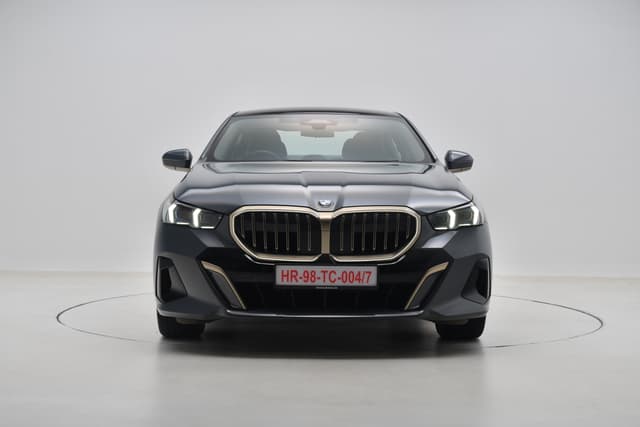
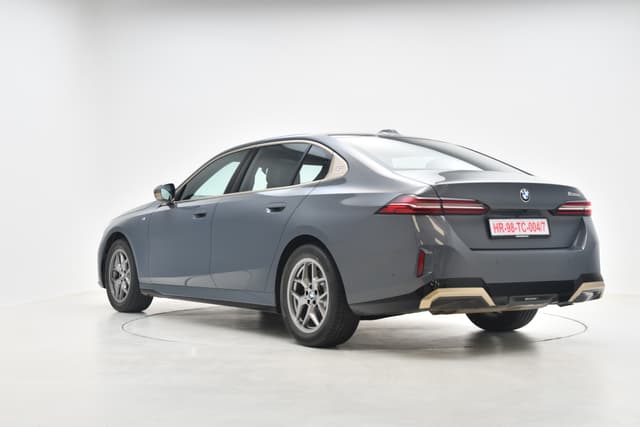
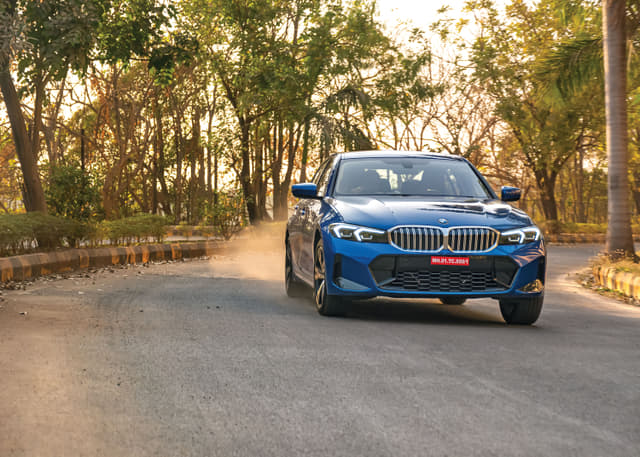
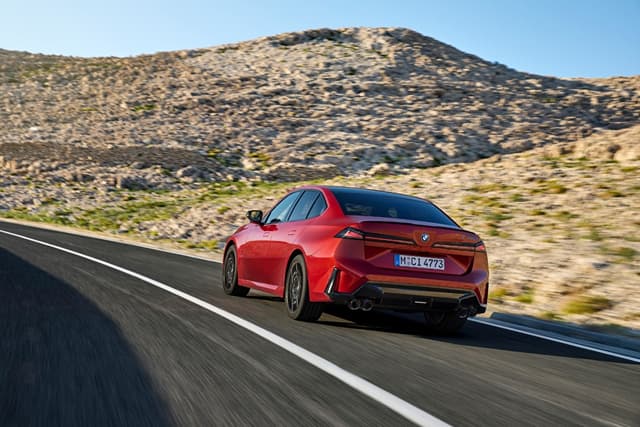
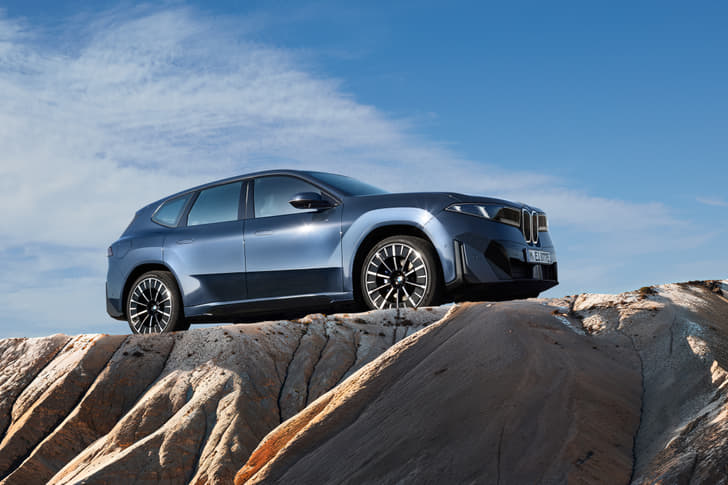
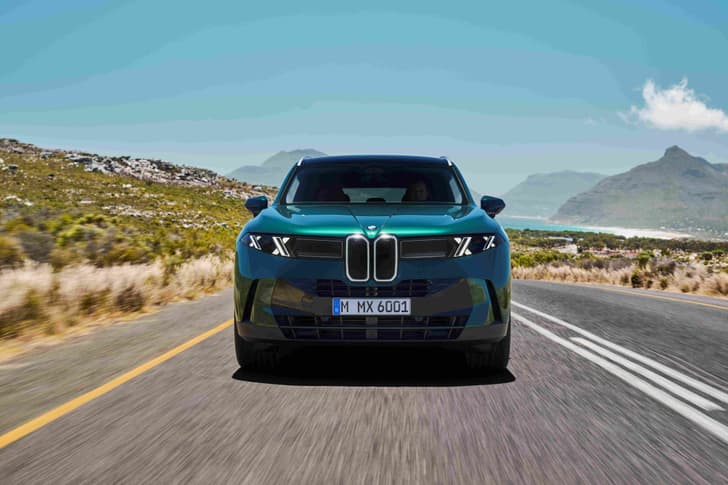
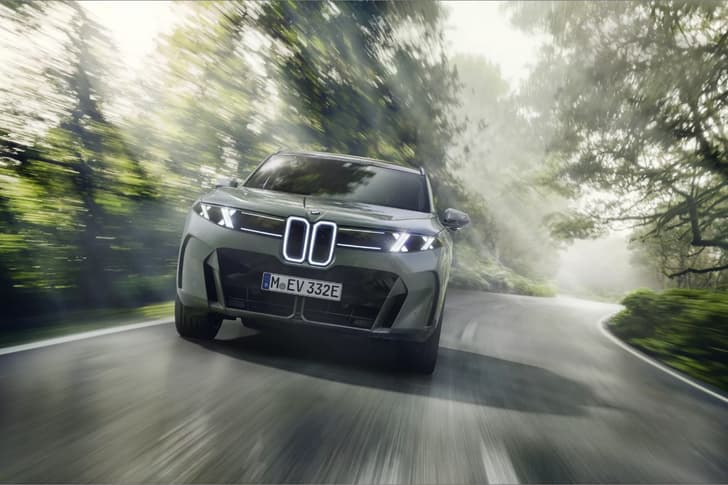
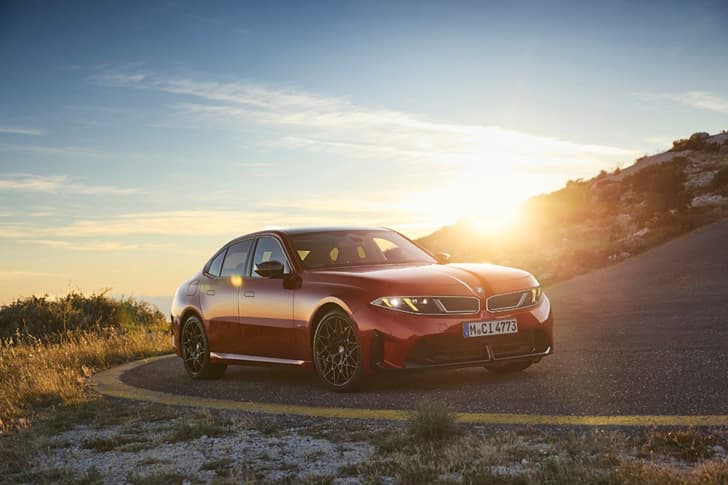
As of now, there are 25 BMW cars available in India, out of which 20 are available for sale, and 5 are upcoming. The BMW car price starts at ₹45.80 lakh and goes up to 2.58 crore (ex-showroom). The cheapest BMW car is the 2 Series Gran Coupe, whereas the most expensive model in the current lineup is the i7. The current BMW India lineup consists of 10 sedans, 3 coupes, 9 SUVs, and 2 convertibles, giving buyers a wide choice of BMW cars across segments.


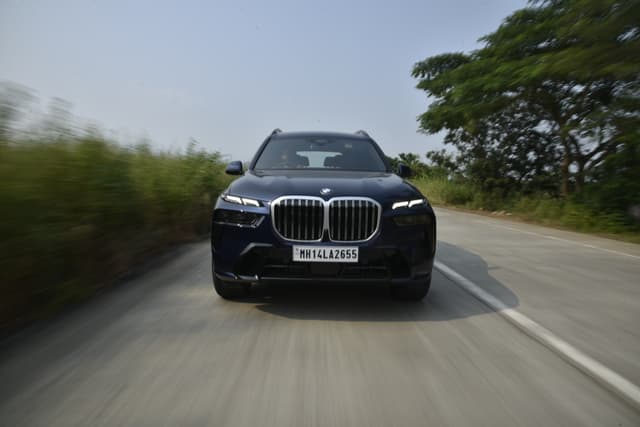
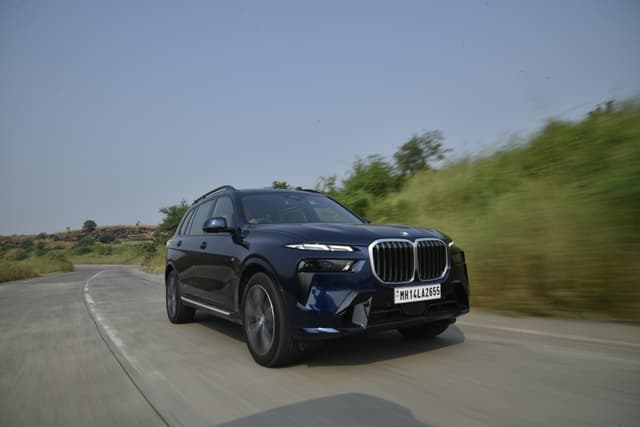
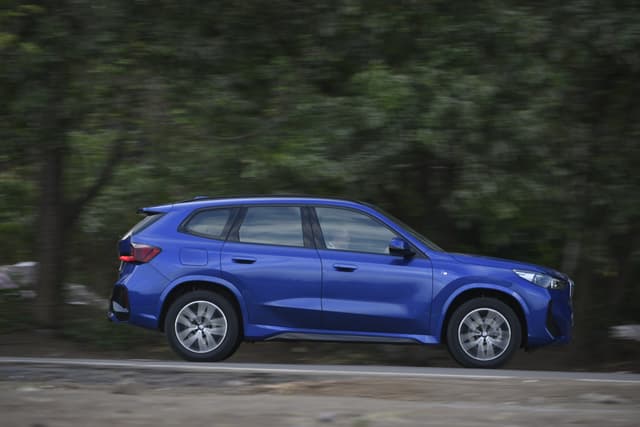
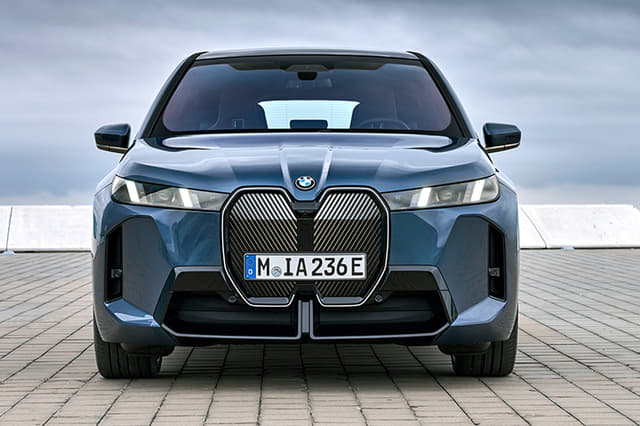
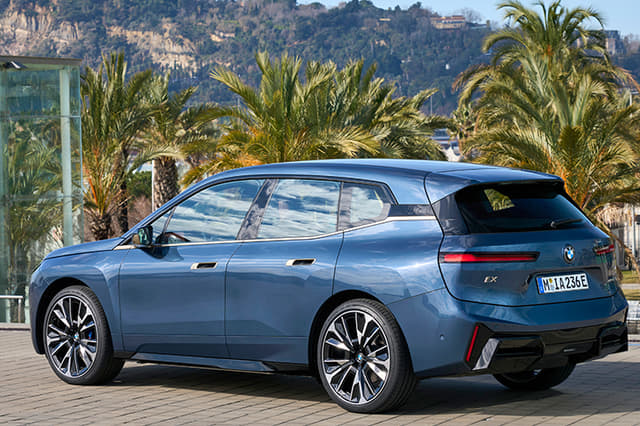
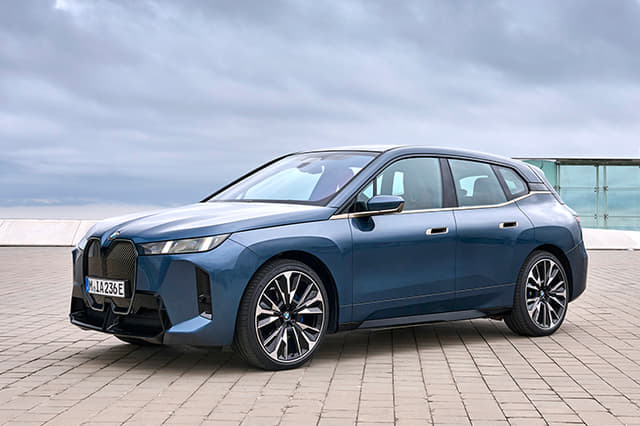
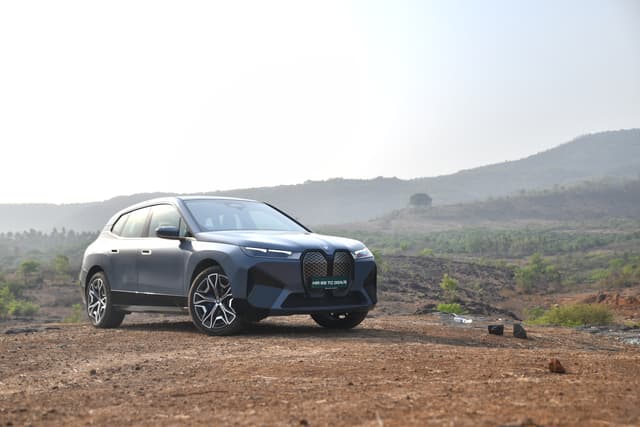
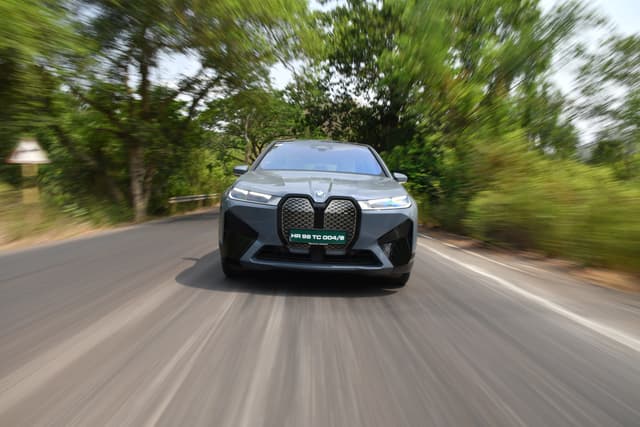
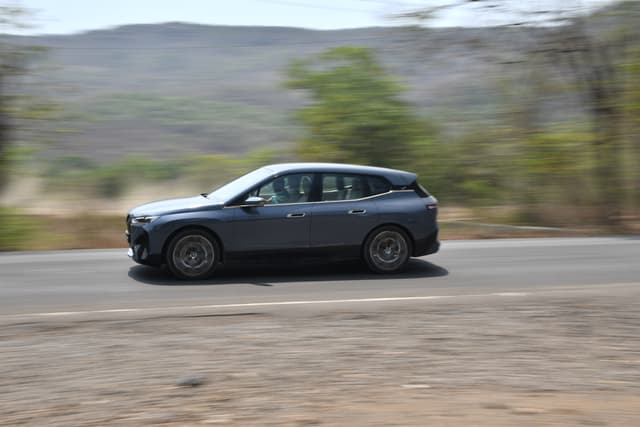
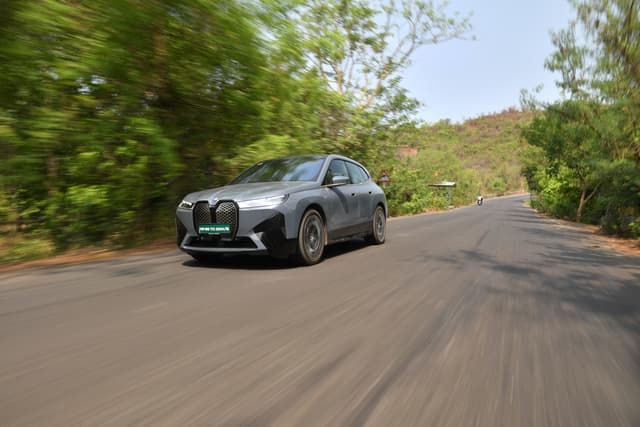
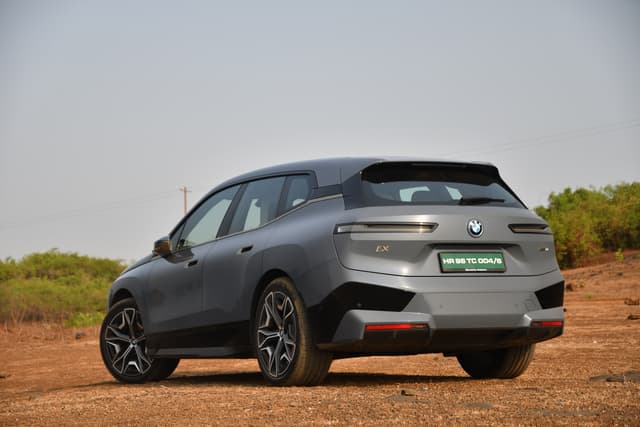
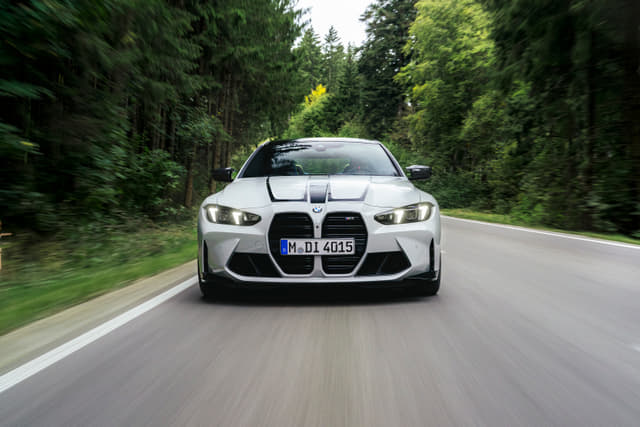
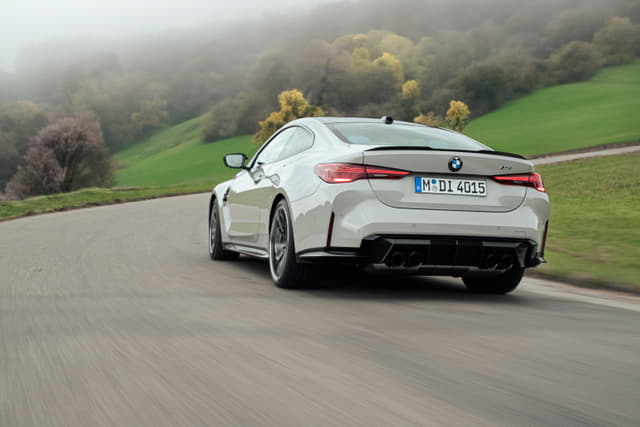
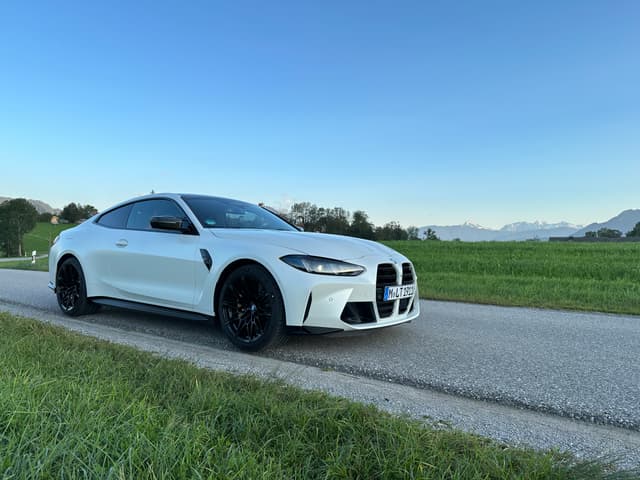
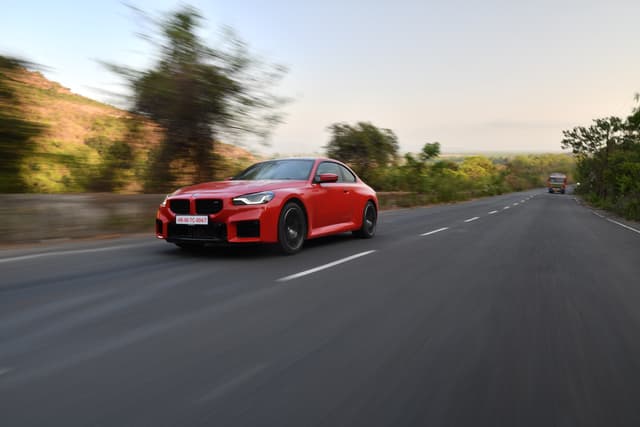
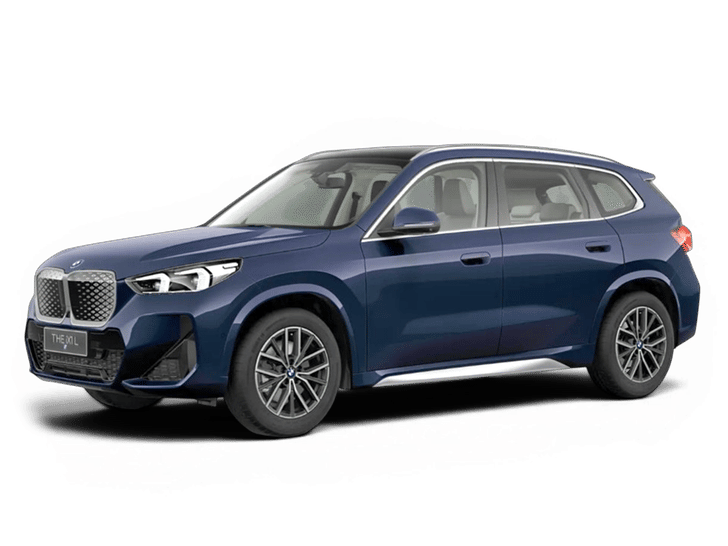
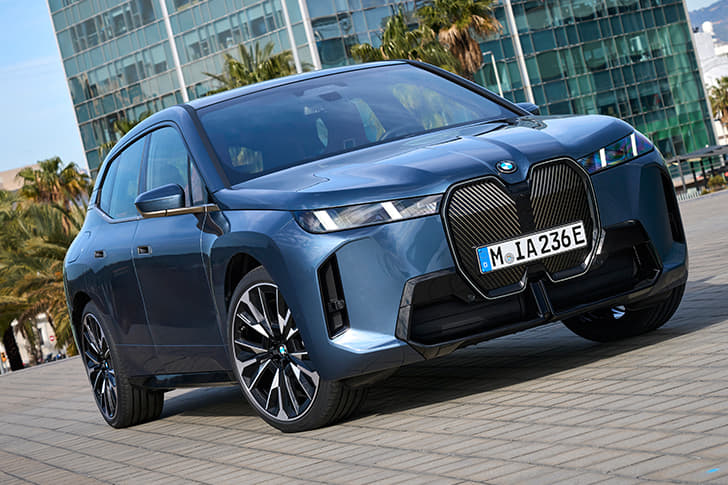
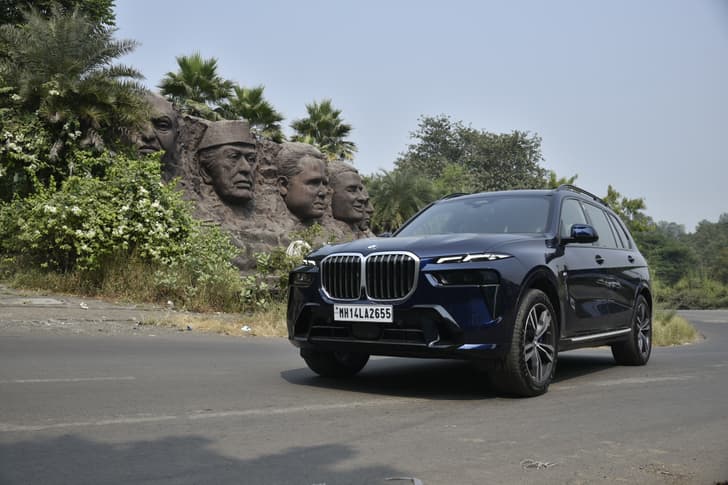
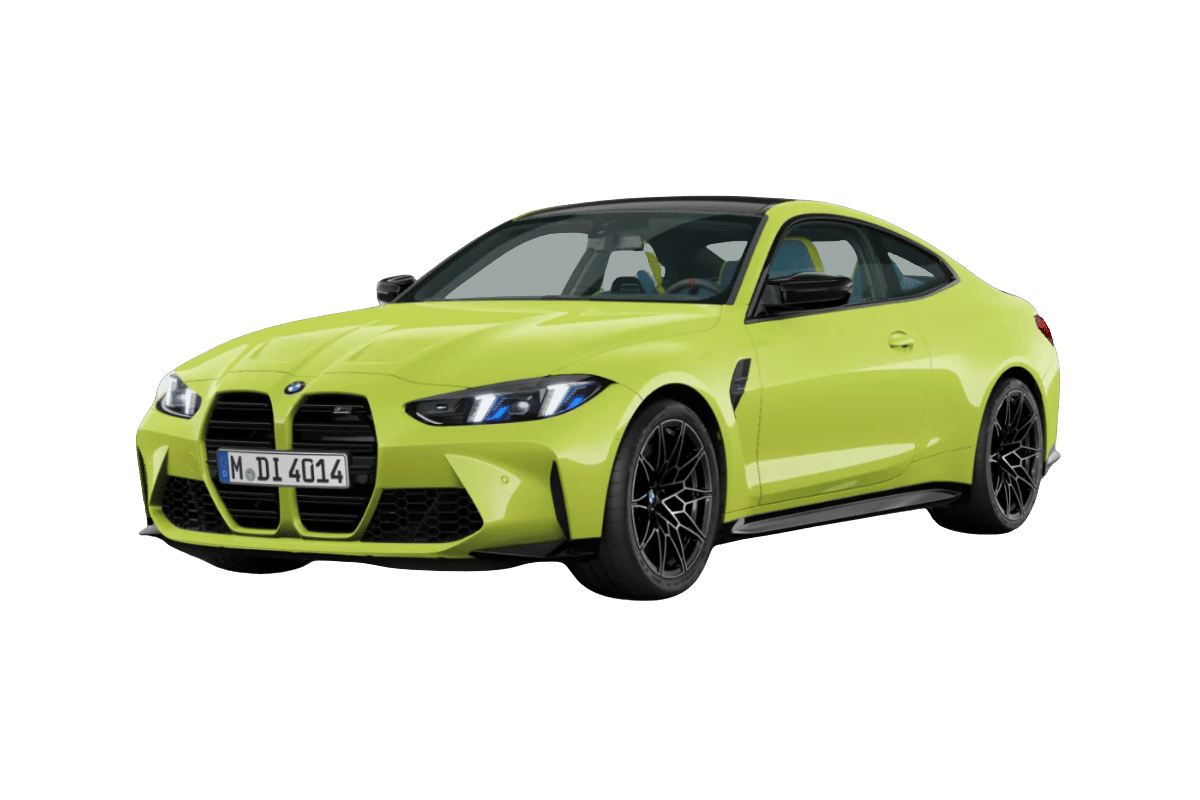
Bavarian Motor Works, or BMW, has been operating in India since 2007 and rivals brands like Mercedes-Benz, Land Rover and Audi globally. Popular BMW cars include the 2 Series Gran Coupe, 3 Series, 5 Series LWB, X1, X3, X5 and X7, along with sports cars like the Z4 and M4 Coupe. The brand is also expanding into electric mobility with BMW's latest models, such as the iX SUV and i4 sedan. 


BMW Car Price in India (May 2026)

BMW India offers a wide lineup that includes sedans, SUVs, coupes, convertibles and performance-oriented models. In India, BMW car prices start at ₹45.30 lakh for the 2 Series Gran Coupe and go up to ₹2.58 crore for the i7, BMW’s top model (ex-showroom). Many BMW cars also compete directly with rivals like the Mercedes GLA, Audi Q3, Defender, Range Rover and Jaguar F-Pace

View the latest BMW car prices in the table below:

Car name

Price (ex-showroom)

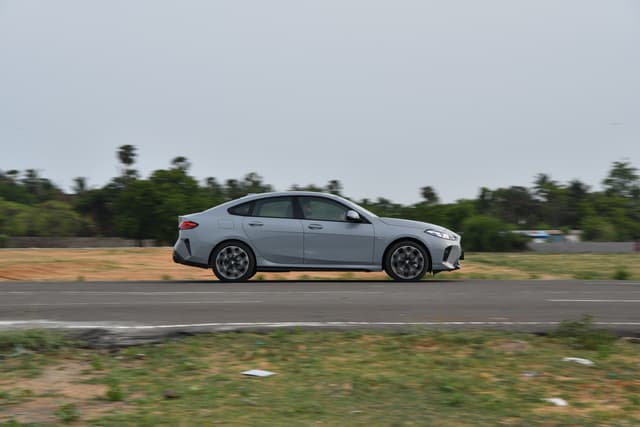
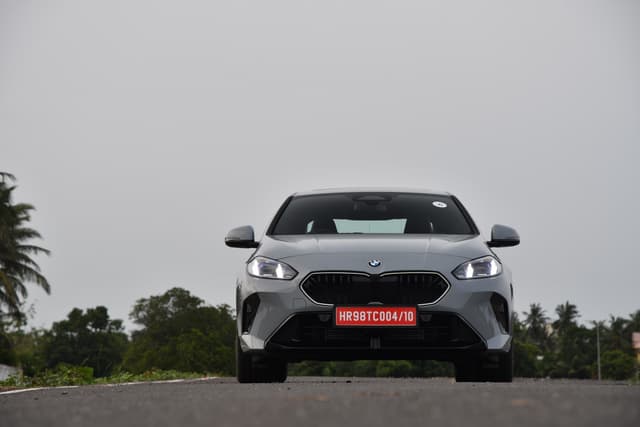
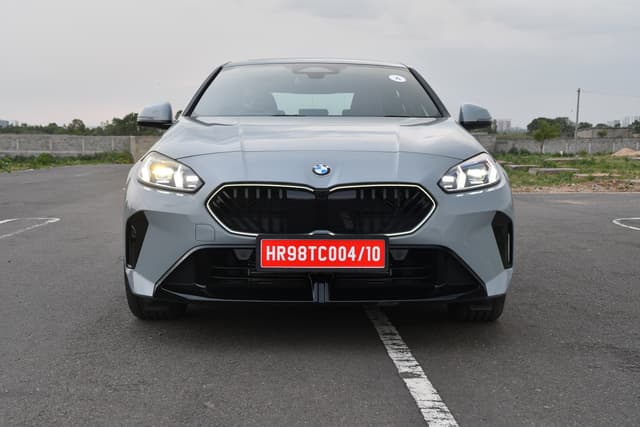
BMW 2 Series Gran Coupe

₹45.80 lakh - ₹48.20 lakh

BMW iX1 LWB

₹51.40 lakh

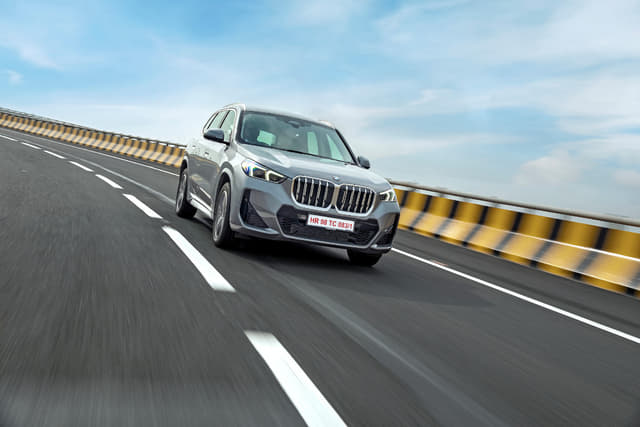
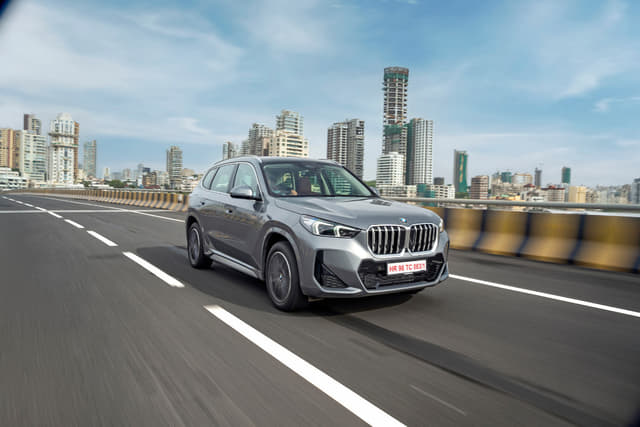
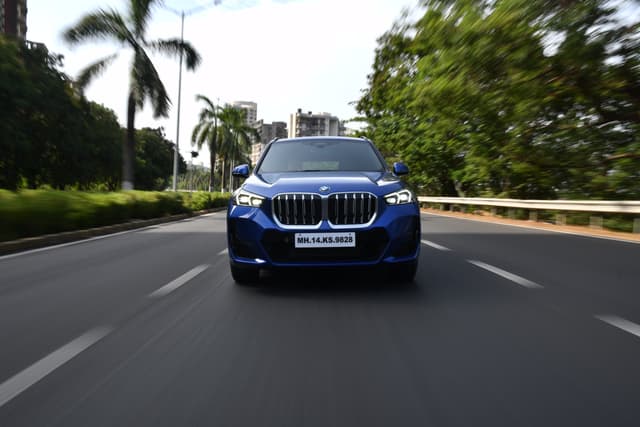
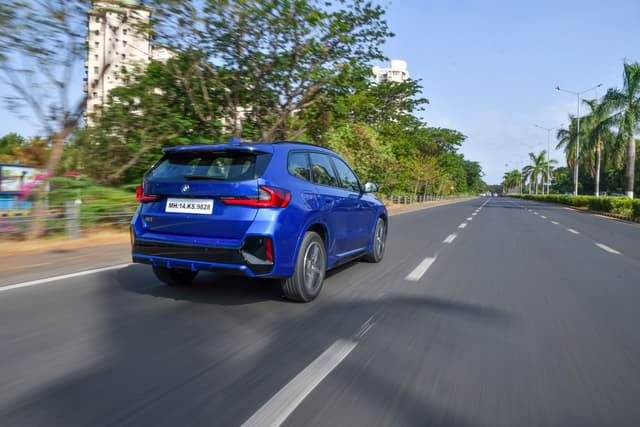
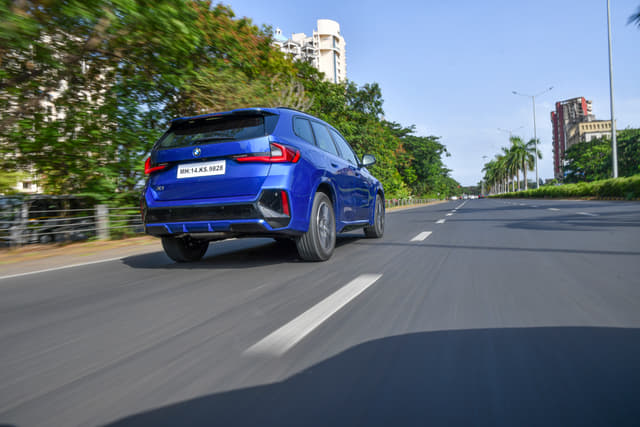
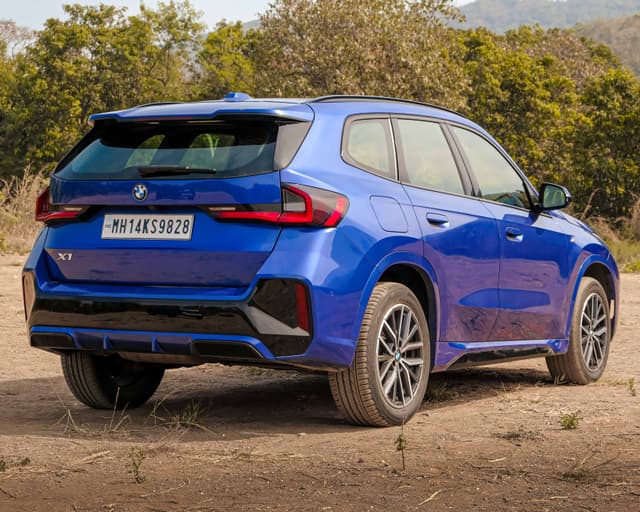
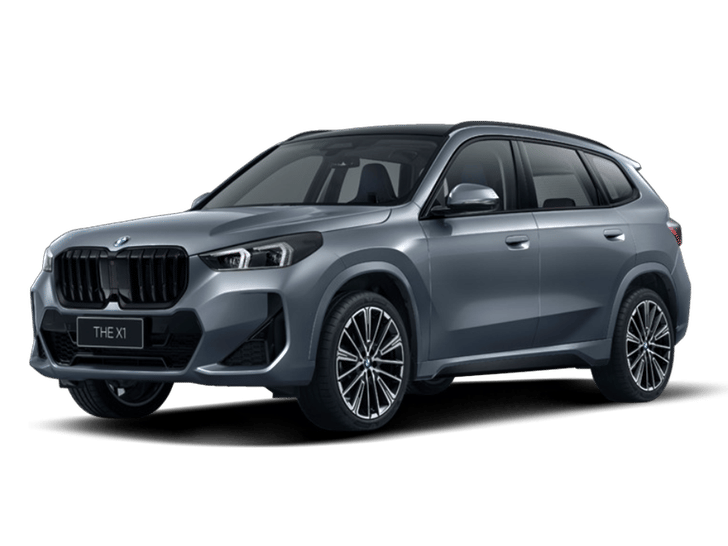
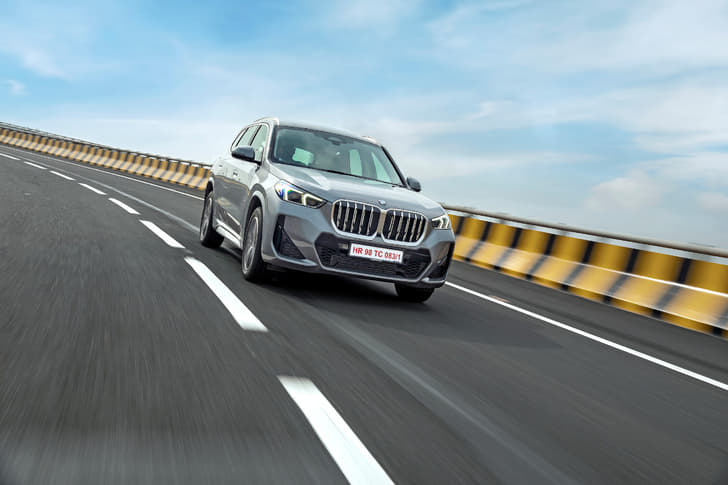
BMW X1

₹50.90 lakh

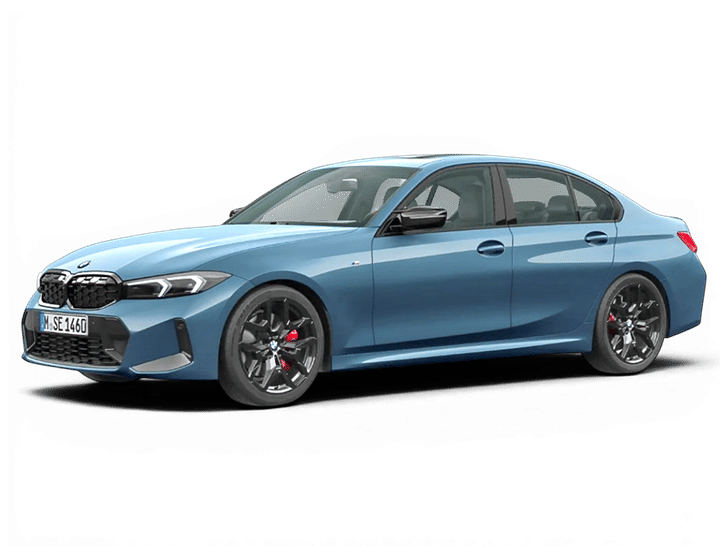
BMW 3 Series LWB

₹62.00 lakh - ₹63.50 lakh

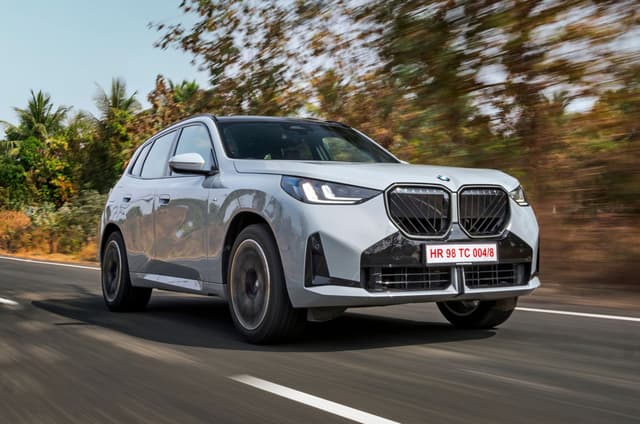
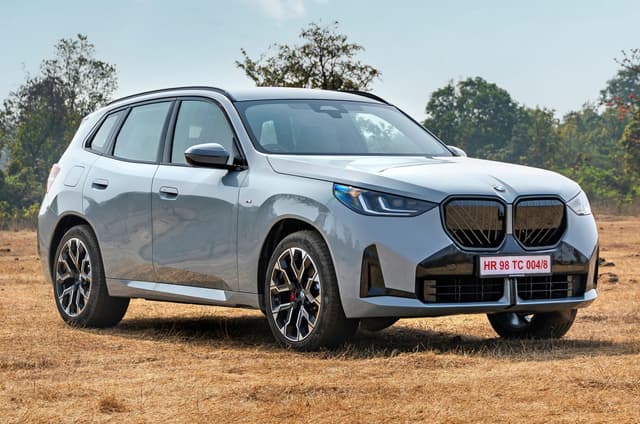
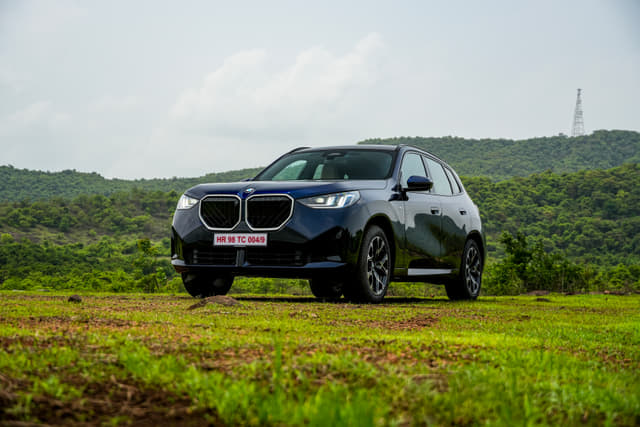
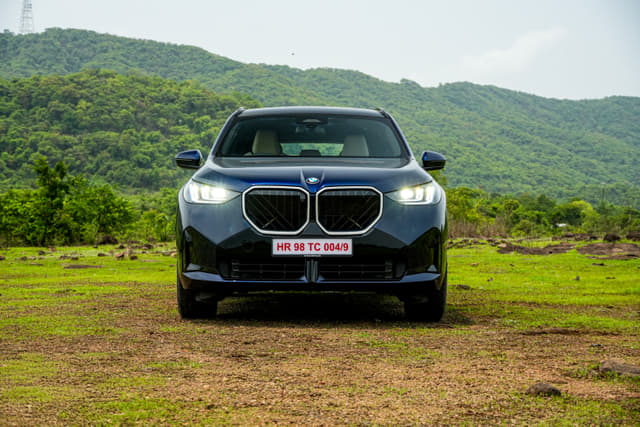
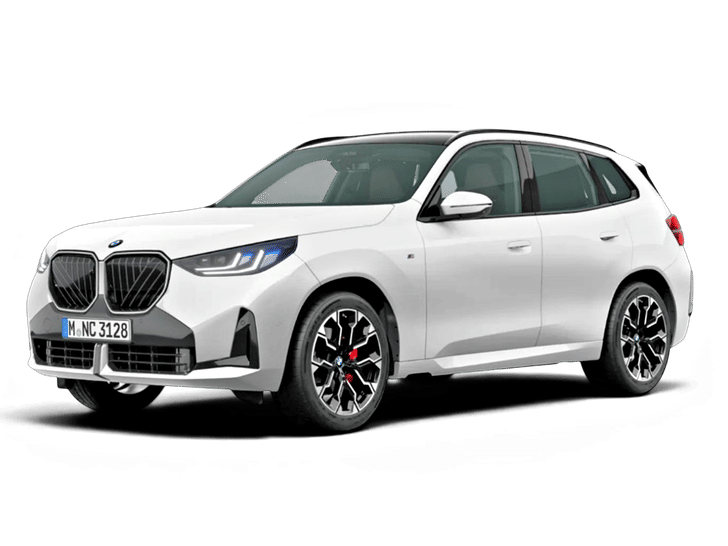
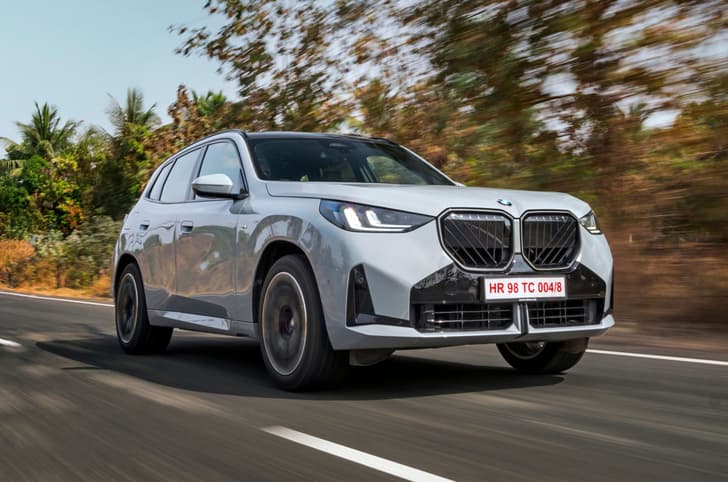
BMW X3

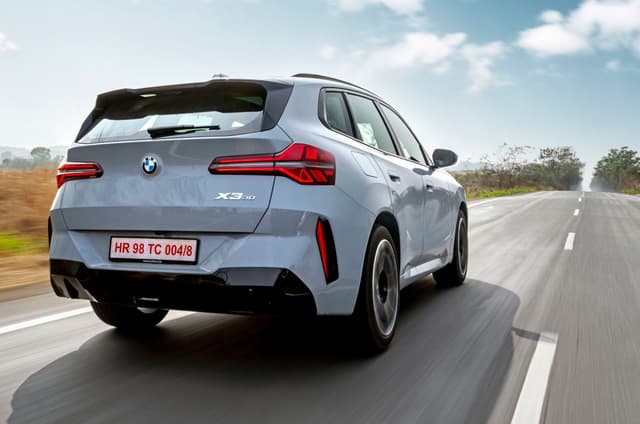
₹72.50 lakh - ₹75.00 lakh

BMW i4

₹72.50 lakh

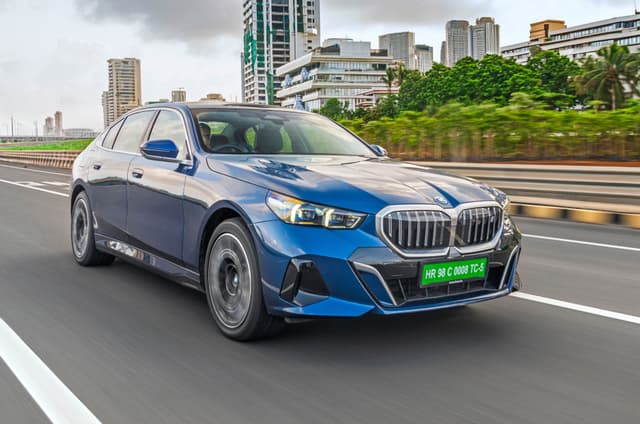
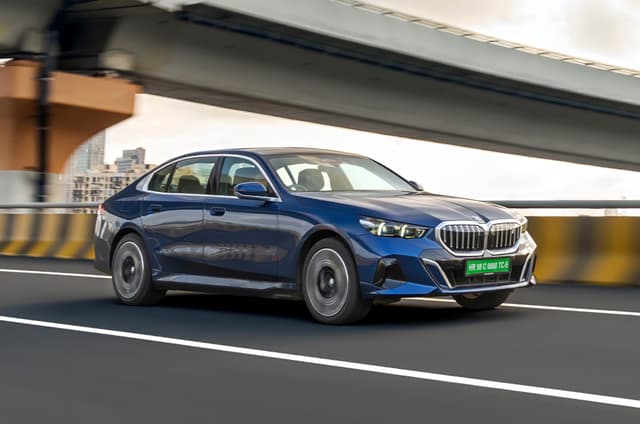
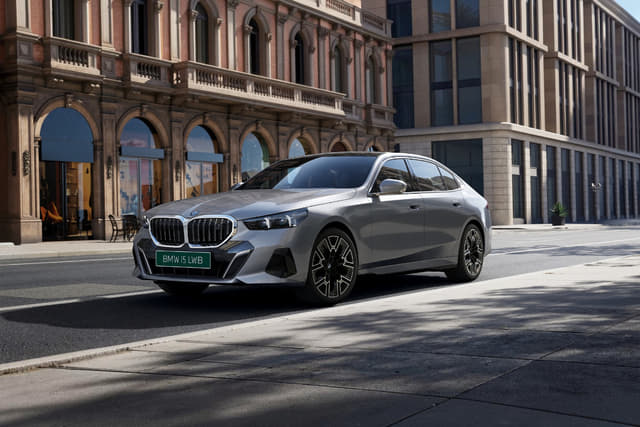
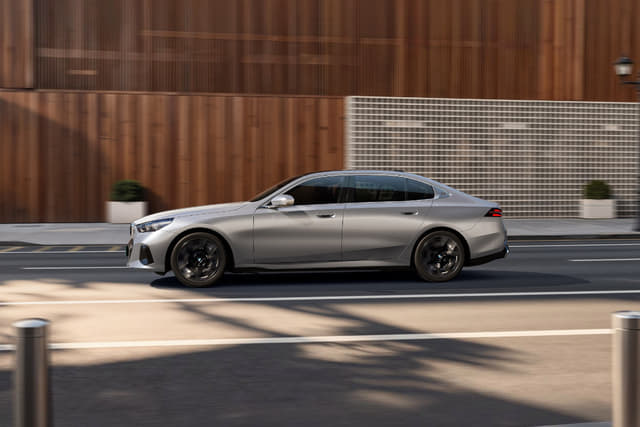
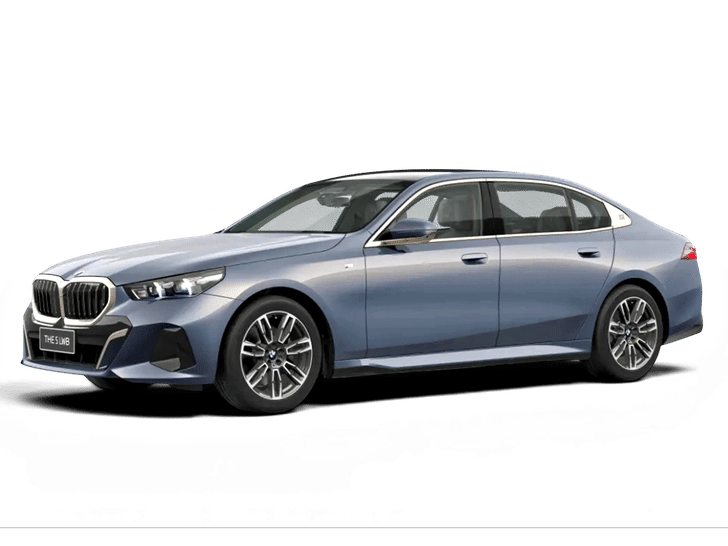
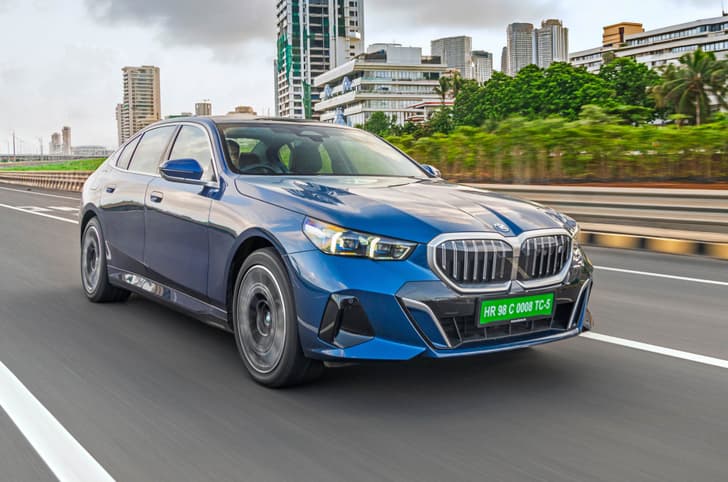
BMW 5 Series LWB

₹75.80 lakh

BMW 3 Series

₹75.40 lakh

BMW Z4

₹90.50 lakh - ₹95.20 lakh

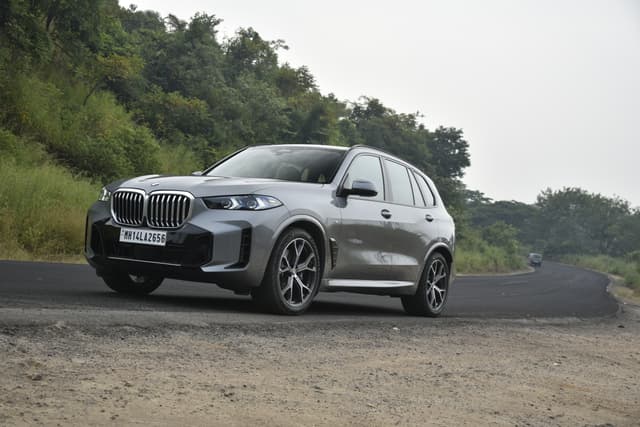
BMW X5

₹95.40 lakh - ₹1.11 crore

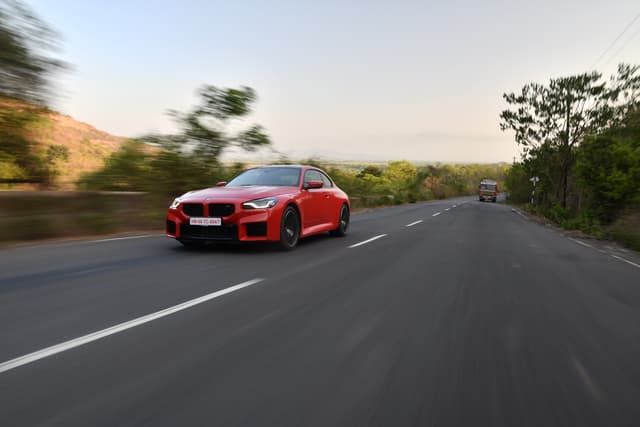
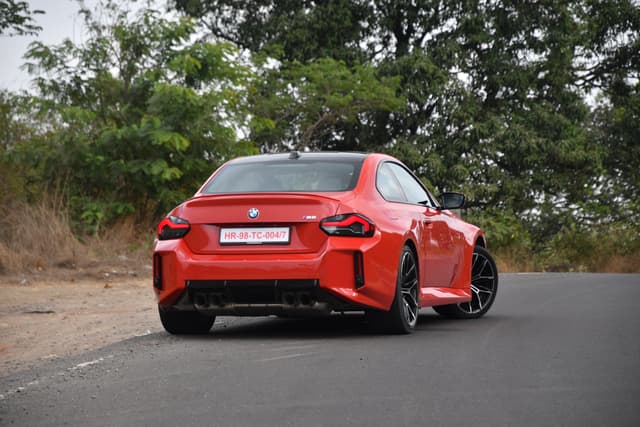
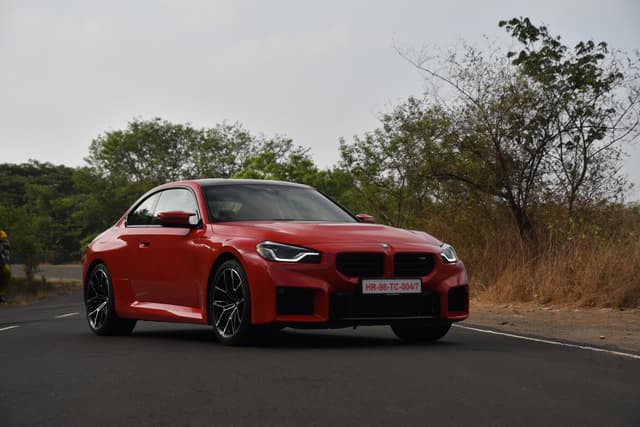
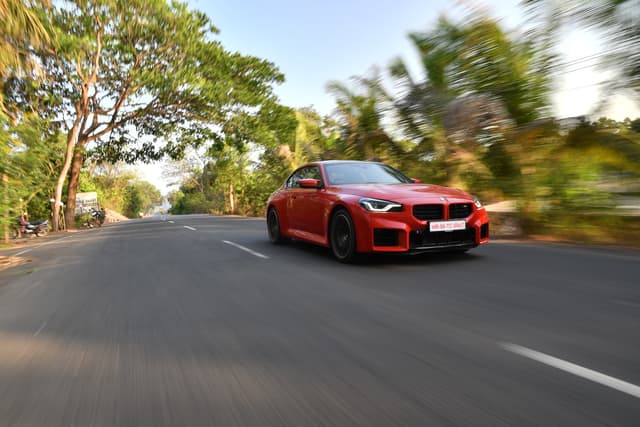
BMW M2 Coupe

₹1.02 crore - ₹1.66 crore

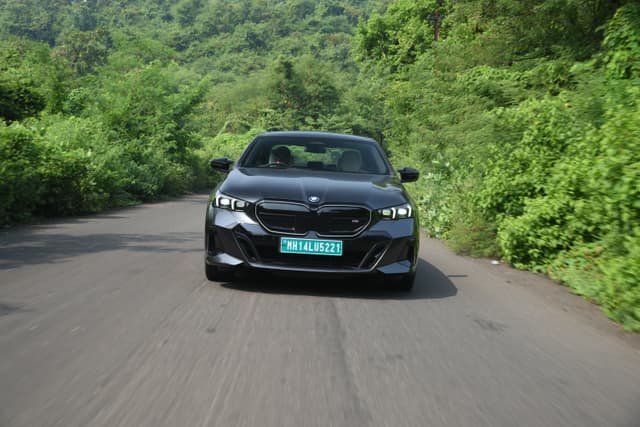
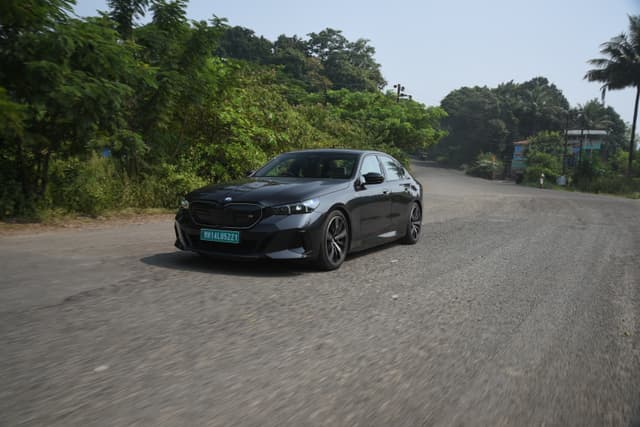
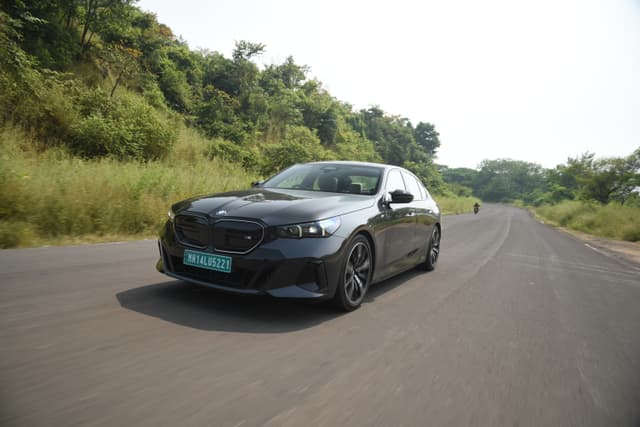
BMW i5

₹1.20 crore

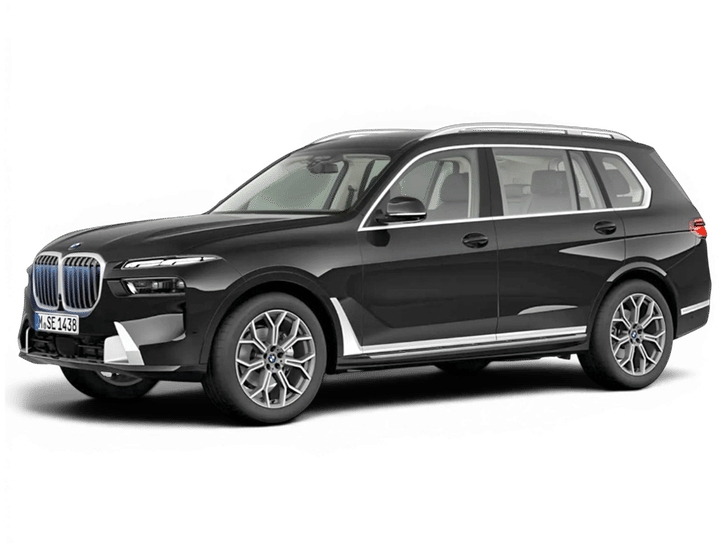
BMW X7

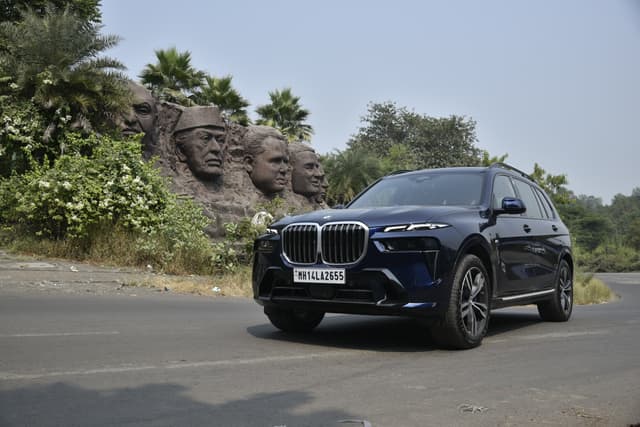
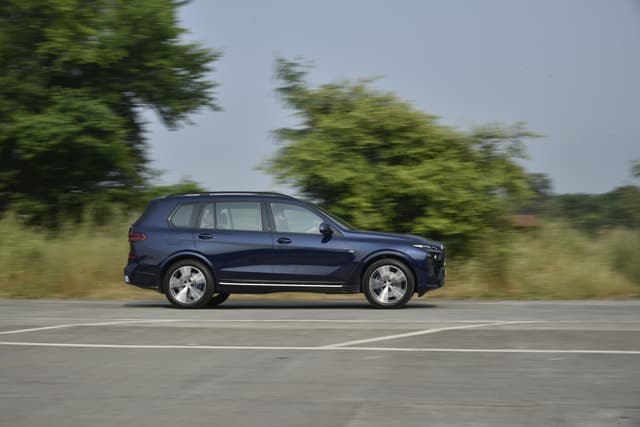
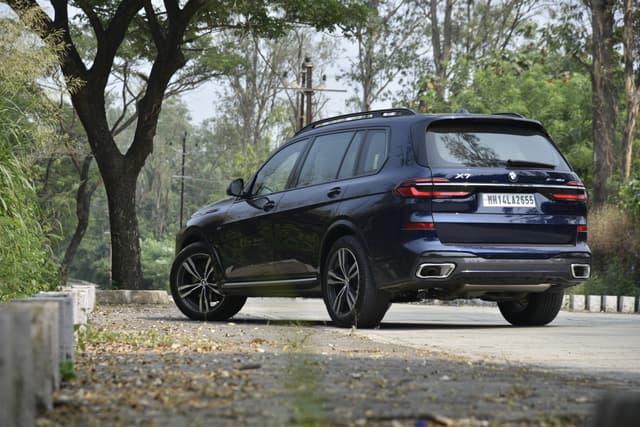
₹1.28 crore - ₹1.32 crore

BMW iX

₹1.40 crore

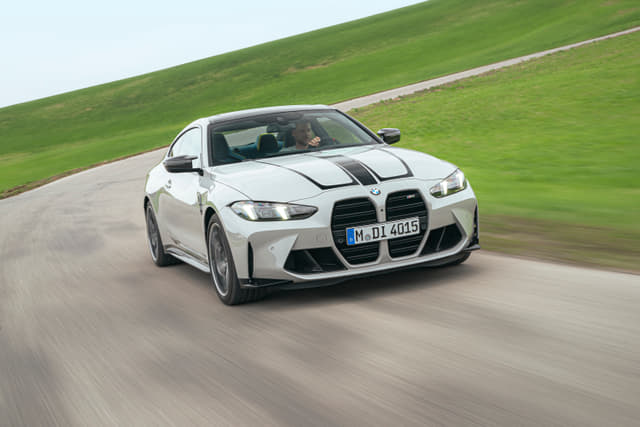
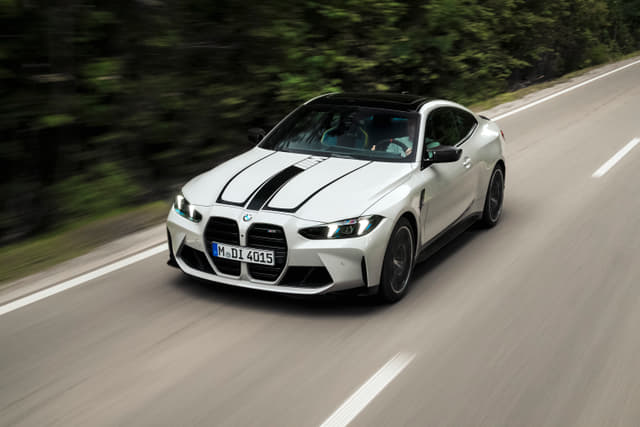
BMW M4 Coupe

₹1.55 crore - ₹1.89 crore

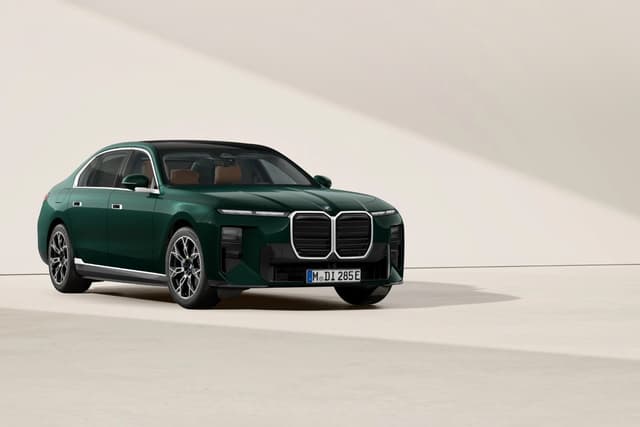
BMW 7 Series

₹1.82 crore - ₹1.83 crore

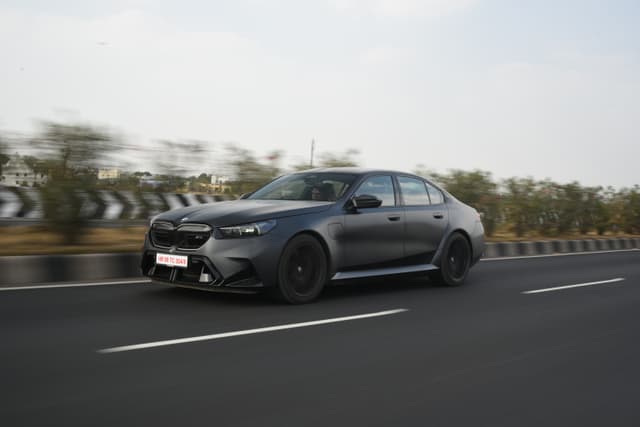
BMW M5

₹2.05 crore

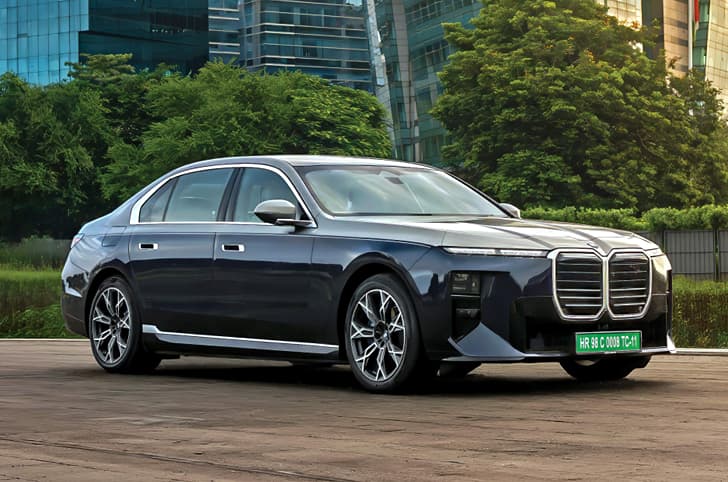
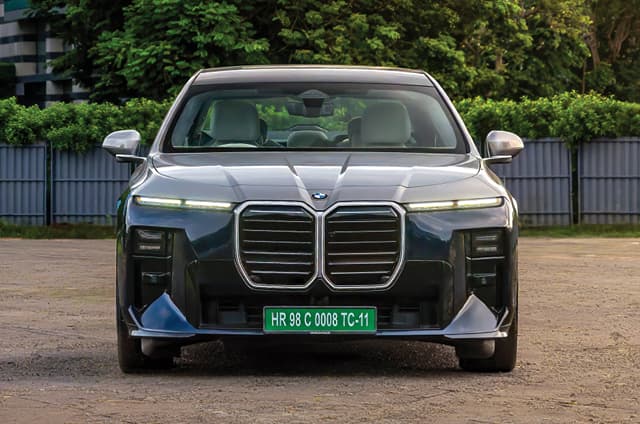
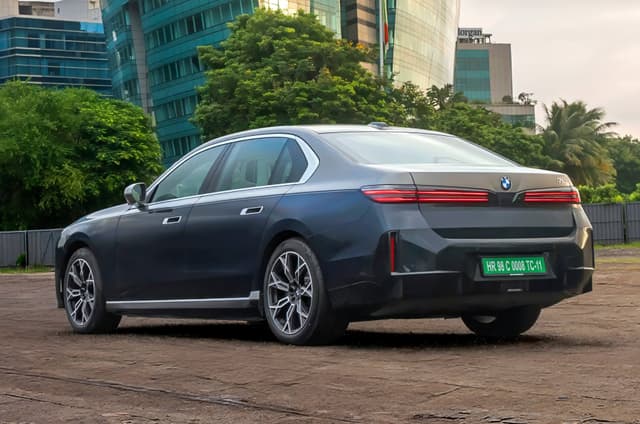
BMW i7

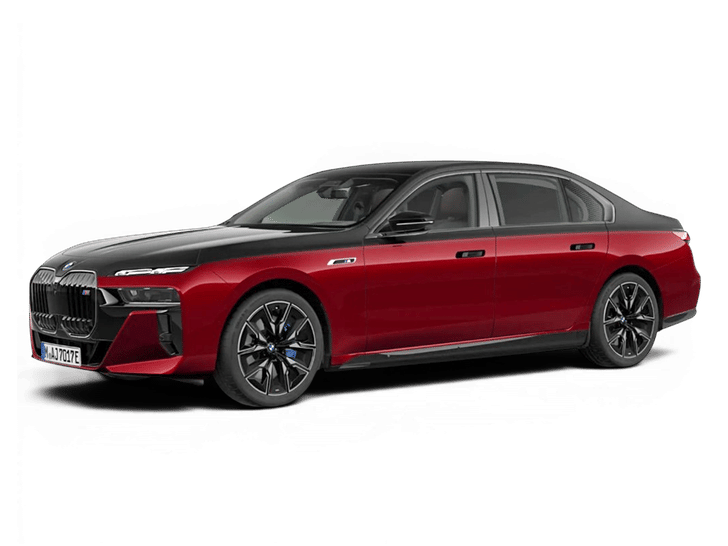
₹2.05 crore - ₹2.58 crore

BMW M8 Competition

₹2.38 crore

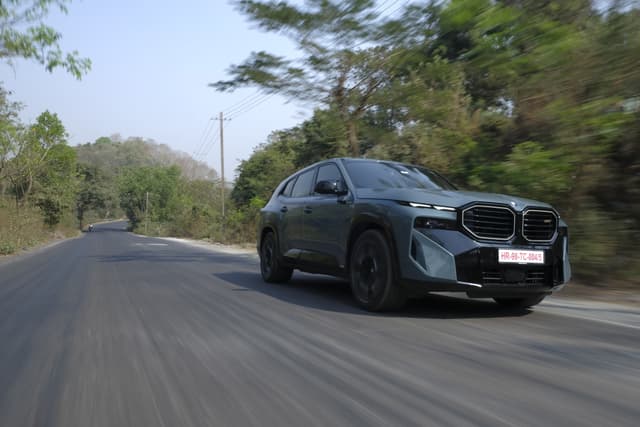
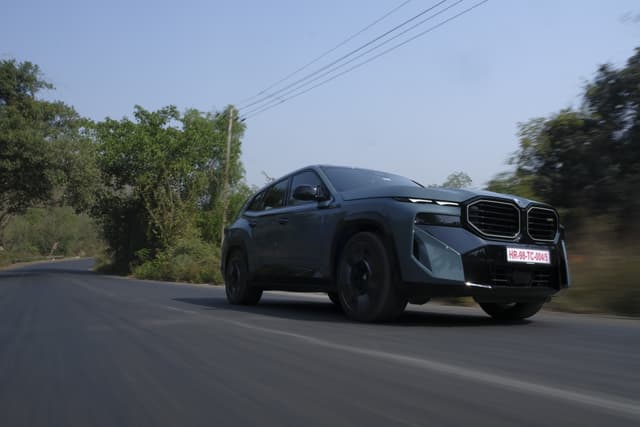
BMW XM

₹2.55 crore

Upcoming BMW Cars in India

At present, BMW has officially announced five models that are scheduled to be launched in India in 2026 and 2027.


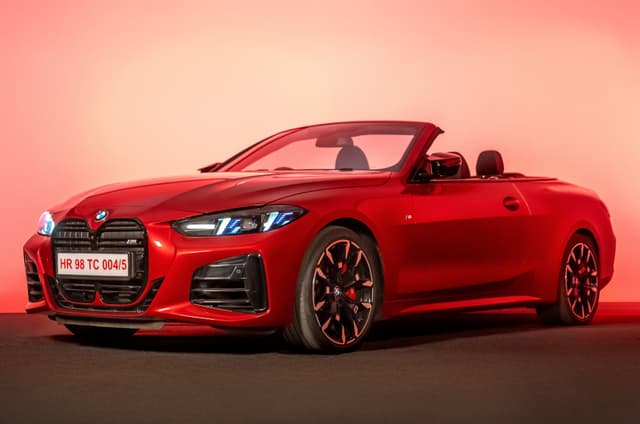
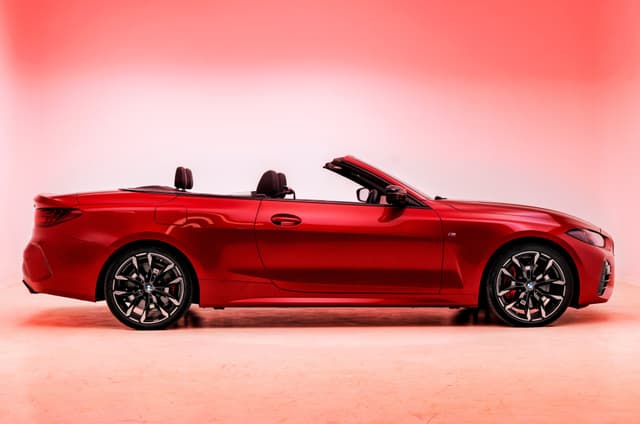
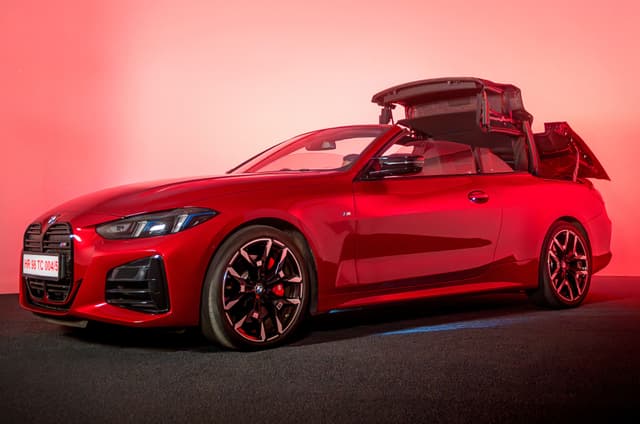
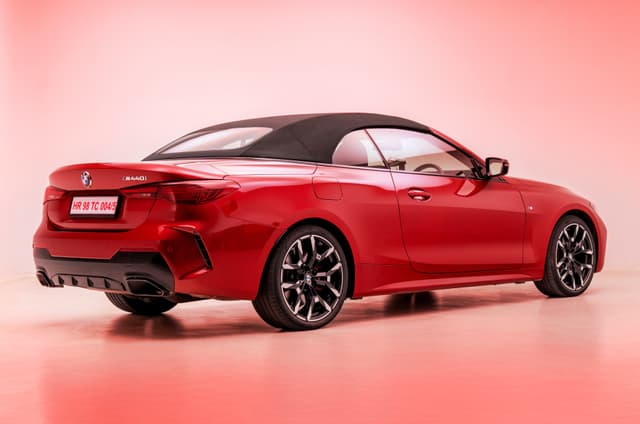
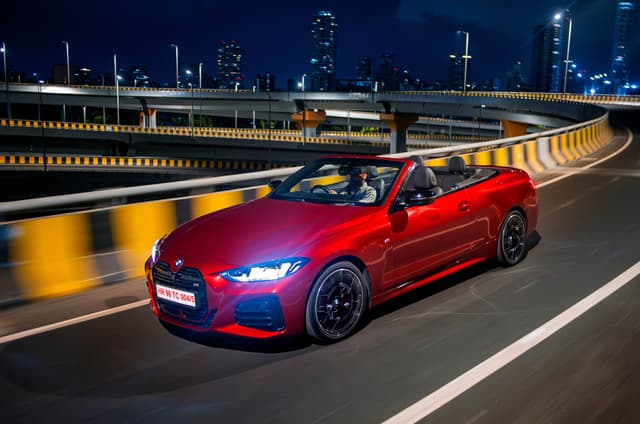
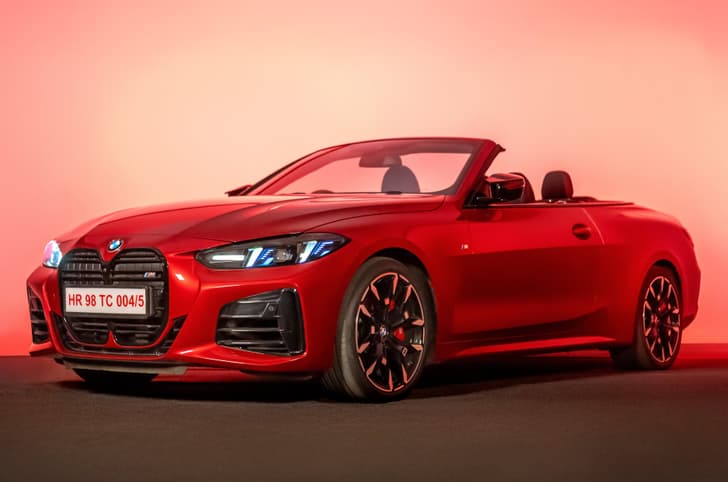
BMW 4 Series Convertible

  • Estimated Price: ₹1.00 crore - ₹1.10 crore
  • Expected Launch: Mid 2026
  • Body Type: Convertible
  • Fuel Type: Petrol


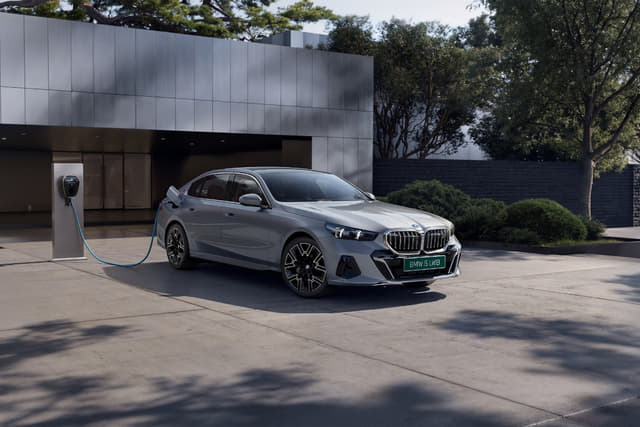
BMW i5 LWB

  • Estimated Price: ₹1.00 crore - ₹1.10 crore
  • Expected Launch: Mid 2026
  • Body Type: Sedan
  • Fuel Type: Electric


BMW iX facelift

  • Estimated Price: ₹1.40 crore - ₹1.50 crore
  • Expected Launch: Mid 2026
  • Body Type: SUV
  • Fuel Type: Electric


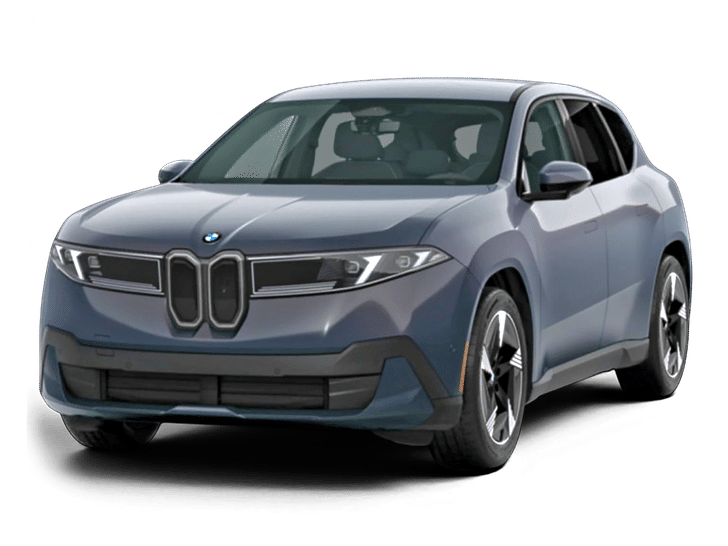
BMW iX3

  • Estimated Price: ₹77.80 lakh - ₹85.00 lakh
  • Expected Launch: Late 2027
  • Body Type: Sedan
  • Fuel Type: Electric


BMW 7 Series Facelift

  • Estimated Price: ₹1.92 crore - ₹1.93 crore
  • Expected Launch: Early 2027
  • Body Type: SUV
  • Fuel Type: Petrol

BMW Cars Latest Update

  • 22 April 2026: BMW reveals 7 Series Facelift
  • 18 March 2026: BMW M2 CS launched in India at ₹1.66 crore. 
  • 17 March 2026: BMW unveils the M3 Touring 24H ahead of its Nürburgring debut.
  • 8 January 2026: BMW iX3 showcased at CES 2026 with next-generation tech features
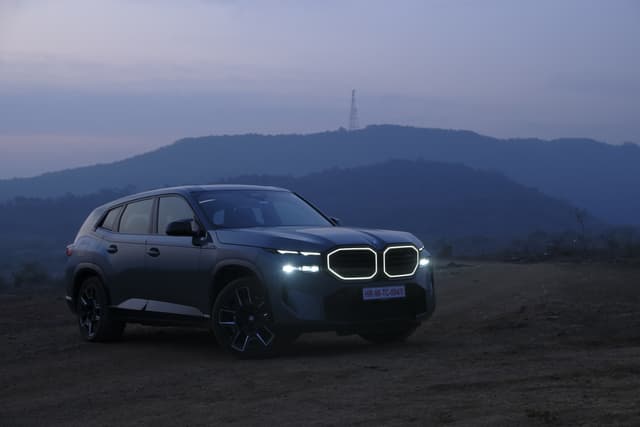
  • 11 December, 2025: BMW M440i convertible will arrive in India in 2026.
  • 5 December, 2025: BMW iX1 LWB now offered with new colour and upholstery options.
Show more
Can't decide which car to buy?
Ask our experts and get answers to all your cars related queries.

FAQs

The BMW car price in India starts at ₹45.80 lakh for the 2 Series Gran Coupe and goes up to ₹2.58 crore for the i7, depending on the model and variant.

Popular BMW sports cars in India include the BMW Z4 Roadster, BMW M4 Coupe, BMW M2 Coupe, and the high-performance BMW M8 Competition.

The BMW car starting price in India is ₹45.80 lakh (ex-showroom) for the 2 Series Gran Coupe.

The full form of BMW is Bayerische Motoren Werke Aktiengesellschaft or Bavarian Motor Works.

The BMW top model price in India is ₹2.58 crore (ex-showroom) for the BMW i7.

Yes. There are 5 BMW electric cars in India for sale as of now

  • BMW iX1 LWB
  • BMW i7
  • BMW iX
  • BMW i5
  • BMW i4

The BMW iX3 is also an electric car and is expected to launch in early 2027.

The cheapest BMW car in India is the 2 Series Gran Coupe, priced from ₹45.80 lakh onwards. The price makes the vehicle the most affordable entry point into BMW cars in India.

The BMW SUV price in India ranges from ₹50.90 lakh for the X1 to ₹2.55 crore for the BMW XM. 

In India, the BMW electric car price starts at ₹49.90 lakh for the iX1 LWB and goes up to ₹2.58 crore for the i7.

BMW sedan cars in India include the 2 Series Gran Coupe, 3 Series, 3 Series LWB, 5 Series LWB, and 7 Series, along with electric sedans like the BMW i4 and BMW i7.

There is only 1 BMW car under 50 lakh in India, the 2 Series Gran Coupe.

The best BMW car to buy depends on what you are looking for. The BMW 3 Series is ideal for sedan buyers, while the BMW X5 and BMW X7 suit those who prefer SUVs. For performance enthusiasts, the BMW M4 Coupe and BMW M8 Competition stand out.

The fastest BMW car in India is the BMW M8 Competition. In our test, the M8 Competition reached 0 to 100 in just 3.45 seconds. This flagship BMW sports car is priced at 2.38 crore (ex-showroom).

Need an expert opinion on your car related queries?

Trending Questions on BMW Cars - Answered by Autocar Experts

PJ

PJ

2d

I am in a rather peculiar situation and genuinely need advice on how to move forward while keeping the right perspective. To give some background, I owned a used BMW 523i for four years and absolutely loved the experience. I eventually sold it because I moved back to Mumbai and only had access to open parking. By then, the car had also completed nearly 10 years in total. Over the last five and a half years, I have changed cars multiple times: Tata Nexon EV Prime (bought for ₹19 lakh, sold for ₹13 lakh) Upgraded to Nexon EV Max within 1.5 years (₹19.5 lakh, sold for ₹13.5 lakh) Upgraded again to MG ZS EV after 1.3 years (₹22 lakh, sold for ₹16 lakh) Finally bought a Skoda Kushaq top-end in September 2025 for ₹20.2 lakh through a good deal I do like the Kushaq, but now it feels slightly small after a new addition to the family (my baby), and my family also finds the rear seat less comfortable. At the same time, I still feel internally unsatisfied. It is not the badge value I miss, but rather the unmatched sense of satisfaction, thoughtful design, premium feel, and driving experience that I experienced with the BMW 523i and generally associate with luxury cars. I miss that feeling quite a lot. Luxury cars are beyond my ideal budget, but I could stretch financially with some sacrifices. I am seriously considering options like the BMW iX1 LWB, Mercedes-Benz CLA EV, or the Hyundai Ioniq 5 with the 84kWh battery. I feel I could manage the loan over seven years, and if I make this purchase, I would ideally want to keep the car for at least 10–15 years. At the same time, I worry about EV resale values in the long term, although luxury EVs seem to hold value slightly better than mainstream EVs. Given my situation, do you think moving into a premium EV makes practical and emotional sense, or should I hold on to the Kushaq for longer? I would really appreciate an honest perspective.

Autocar India team

Autocar India

Verified
46s

If you're looking to spend around Rs 53-57 lakh (on-road, Mumbai) for an EV, you have a lot of options - BYD Seal, BYD Sealion 7, Hyundai Ioniq 5, BMW iX1, Kia EV6, Mini Countryman, Mercedes CLA, Volvo C40 Recharge and Tesla Model Y.The BYD Sealion 7 is among the more affordable options here - it feels like a flagship product, with a richly appointed interior, and a solid, satisfying drive experience. The BMW iX1 gets its fundamentals right and will come closest to the BMW 523i's experience, as far as interior quality, sound insulation, and refinement go, although performance isn't its strong suit. For strong performance, a laundry list of features, and a larger and more spacious interior, consider the Kia EV6. Sure, on paper it is much more expensive; however, Kia dealers are offering mouth-watering discounts. Also, the AWD version's price is lower than the recently launched RWD Hyundai Ioniq 5.As far as resale value goes, EVs across the board don't hold strong residual values compared to their ICE counterparts, irrespective of the badge they wear or the segment they belong.

VehicleBYD Sealion 7
VehicleBYD Seal
VehicleHyundai Ioniq 5
VehicleKia EV6
VehicleBMW iX1 LWB
AP

Ashish Patel

1w

I am confused between the BMW X3 30 and the Mercedes-Benz GLC 300. My driving is around 75-80% in the city, and I also enjoy driving. I want a car that is engaging to drive while still being comfortable on city roads. Rear seat comfort is important, as passengers should feel stable and not experience excessive movement. I am also open to waiting for about a year until 2027 to see if the GLC gets a facelift. The X3 has been recently launched, and I prefer buying the latest model available. Could you please help me decide which car would be the better choice?

Autocar India team

Autocar India

Verified
4d

With 75-80% city use, some fun drives on weekends, and a clear need to keep the back seat calm, the Mercedes GLC 300 4MATIC fits your brief better right now. In slow to medium city speeds, it rides softer, so speed breakers and broken patches are handled with less bounce, and people in the back do not get tossed around. The steering is light at low speeds, and the automatic gearbox, which changes gears on its own, is very smooth, so daily traffic is easy, yet the engine still feels strong when you want to make a quick overtake. It is also quieter inside, which makes city trips feel less tiring.The trade-off is that when you really push on a fast road, the GLC does not feel as eager or as tight as the BMW. Pick the BMW X3 xDrive30 if you drive yourself most of the time and want a car that feels sharper and more connected on an open road. The new X3 also gives you the freshest design and tech today, which matters to you. Just note that its ride is firmer in the city, so the back seat will feel a bit more movement on rough roads than in the GLC.On waiting: a GLC facelift by 2026-27 is possible, but India timing is uncertain, and updates may be small. If “latest” is your top goal, the new X3 gives you that today. If city comfort for family comes first, the GLC 300 is the safer bet.

VehicleMercedes-Benz GLC
VehicleBMW X3
AJ

Animesh Jha

3w

Hello, I am planning to buy a new car with a budget of around ₹80 lakh. My priorities are safety, comfort, and performance. My usage will be evenly split between city driving and highway (long-distance) trips. I am currently considering the Mercedes-Benz GLC, BMW X3, and Land Rover Discovery Sport (despite higher maintenance, I understand it offers better performance). Could you please help me choose the right option?

Autocar India team

Autocar India

Verified
3d

For what you're after, the BMW X3 xDrive20d M Sport is the one that fits your brief best. It feels the most engaging to drive without giving up daily comfort, and it feels safe and steady at speed. The 2.0 diesel has strong pull for quick passes, the 8‑speed automatic shifts very smoothly, and the rear-biased xDrive AWD focuses on driving pleasure while still providing a safety net. In the city, it is easy to drive, the engine is quiet enough at low speeds, and visibility is good. You could also consider the new xDrive 30 petrol, which is even more exciting to drive, but we feel the trade-offs to mileage and ride comfort for your mixed usage mean the 20d still feels like the better bet.The Mercedes GLC has slightly softer suspension and a more luxurious interior, but is not quite as fun to drive. And the Land Rover Discovery Sport feels tougher and has the advantage of a small third row of seats, but it simply feels too dated and not as refined in this company. Overall, we would recommend the BMW X3 for you.

VehicleBMW X3
VehicleMercedes-Benz GLC
VehicleLand Rover Discovery Sport
AT

Atul

3w

How is the Lexus RX 350h? Is it worth the price being asked compared to its immediate rivals like Volvo and BMW? I will mostly be using the rear seat, so comfort there is a key priority. Could you please advise?

Autocar India team

Autocar India

Verified
3d

If you are mostly sitting in the back seat and your use is primarily in the city, the Lexus RX 350h fits that role well. It scores high on refinement, space and luxury, with exceptional attention to detail and a uniquely Japanese take on cabin design. Being a strong hybrid, the RX 350h moves mostly on electric power in traffic, and the switchover is near imperceptible; as you can imagine, fuel consumption is incredibly low by luxury SUV standards. Noise levels are low, so calls or resting in the back seat are easy. Lexus also has a strong record for trouble-free ownership, which matters when you plan to keep the car for a long.There are a few things to note for a back-seat user. The rear seat is comfortable and reclines, but the floor is a bit high, so tall people may sit a little knee-up. It is a wide five-seater, but it does not feel as airy as the biggest rivals. If you want a roomier back seat and a more stretched-leg feel, the Volvo XC90 will feel bigger, and it also gives you seven seats if that ever helps. If you sometimes drive yourself and enjoy a sportier feel, the BMW X5 is the one that feels more lively from the front seat, though its ride can feel firmer in the back.However, both those cars are more expensive than the Lexus, which today spells exceptional value in the segment.

VehicleLexus RX
VehicleVolvo XC90
VehicleBMW X5
DS

Dr Sheshadri R

3w

I am confused between the BMW X3 30 and the X3 20d. My first concern is about the long-term reliability of E20 petrol and its impact on critical engine components, as well as future compatibility with higher ethanol blends like E30. Diesel, on the other hand, is ethanol-free. Secondly, both variants produce the same 400 Nm of torque, so does the difference between 197 hp (diesel) and 258 hp (petrol) make a significant real-world impact? Which variant would be the smarter choice for hassle-free maintenance, good mileage, and ownership over the next 5-7 years?

Autocar India team

Autocar India

Verified
1w

Your concerns about E20 fuel impacting the BMW X3 30's engine are understandable, but largely overblown. The current BMW X3 xDrive30 with its 2.0-litre petrol engine is fully E20-compliant, and BMW has built in sufficient engineering margins to handle even higher ethanol blends like E27 should they become standard. Any potential wear from ethanol exposure typically manifests only after 5-6 years of use, and replacement of affected components is primarily fuel system seals and sensors, which aren’t prohibitively expensive or complex. So don't let E20 worries push you toward diesel, which brings its own maintenance headaches, particularly DPF regeneration issues that require regular long-distance driving to prevent clogging.Regarding performance, while both variants produce 400Nm of torque, the power difference between the 197hp diesel and 258hp petrol is quite significant. The X3 30 petrol reaches 0 to 100kph in 6.3 seconds, whereas it takes 7.7 seconds for the 20d, making it noticeably quicker in real-world driving. That said, the diesel's torque delivery at lower revs makes it more relaxed for highway cruising and better suited for hill driving, where you need strong pulling power without downshifting.The smart choice boils down to your driving pattern. Choose the X3 xDrive20d if you regularly cover long highway distances or frequently drive in the hills where low-end torque matters. For typical urban-suburban use with occasional highway runs, the X3 30 petrol offers stronger performance, modern mild-hybrid efficiency, and genuinely hassle-free ownership over your 5-7 year horizon. Either way, both are reliable choices when maintained properly.

VehicleBMW X3
LM

LMK

3w

I own a Maruti Ignis-Zeta AMT Petrol (9-year-old) and a Hyundai Tucson-Diesel (5-year-old). I am considering the BMW X3 30i and Volvo XC60 (not considering GLC due to poor rear seat comfort) for a new car purchase later this year. Which other car(s) should I explore? (Not considering EV unless there is something exceptionally good; not considering sedans due to poor ground clearance, but if there is any worth considering, do recommend. We prefer travelling by road and require good boot space. The rear seat comfort is equally important as is on the driver seat. We are driving enthusiasts and enjoy well-built cars.

Autocar India team

Autocar India

Verified
3w

The BMW X3 is the better driver's car, while the Volvo XC60 is the better all-rounder. The recently introduced X3 xDrive30 gives the SUV the performance its chassis has always yearned for, and some crucial interior updates like more leatherette trim for a premium feel. It handles exceptionally well and rides comfortably too, plus it meets your other requirements of ground clearance and boot space. However, it still doesn't feel quite luxurious enough, and that's despite costing nearly Rs 10 lakh more than the Volvo.We think you should go for the Volvo XC60, which, though far more relaxed on the performance and handling front, still feels capable and predictable, with more than enough power. Moreover, though, it works much better as a luxury car, with more comfortable seats, front and rear, and a much better-appointed interior. In fact, though it is much older than the X3, the fact that it feels more contemporary on the inside is a testament to this. Its infotainment system is also more logically laid out and easier to use, and it's better equipped than the BMW, including an exquisite Bowers & Wilkins audio system. Its boot isn't quite as large as the X3's, however, though it should be more than large enough for most of your needs. And it's worth bearing in mind that Volvo's dealer and service network isn't as big as BMW's.If you consider a sedan, it should be the BMW 530Li - it's even better to drive than the X3 and has a more spacious and comfy back seat, as well as plenty of boot space. More than ground clearance, it's the car's long wheelbase you have to be careful of over bumps. And if you're considering an electric car, look at the BYD Sealion 7, which is an excellent all-rounder with a luxurious interior and good range. However, if you do long drives regularly, any EV might not be worth the hassle of depending on the public charging infrastructure.

VehicleBMW X3
VehicleVolvo XC60
VehicleBYD Sealion 7

Last Updated on: 10 May 2026