video|17 Oct 2026
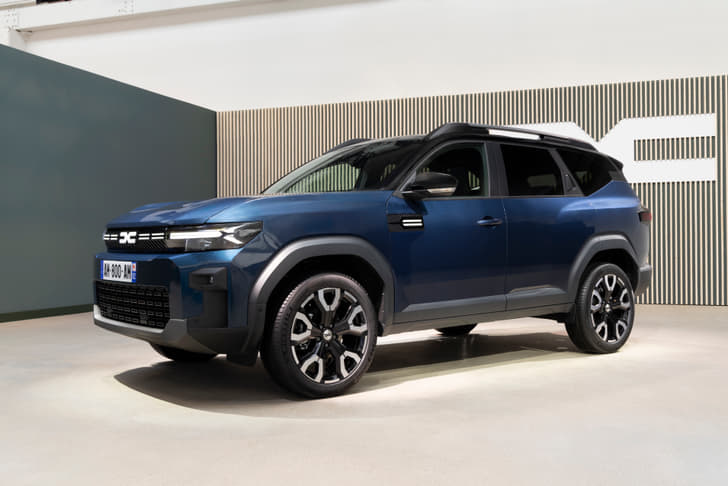
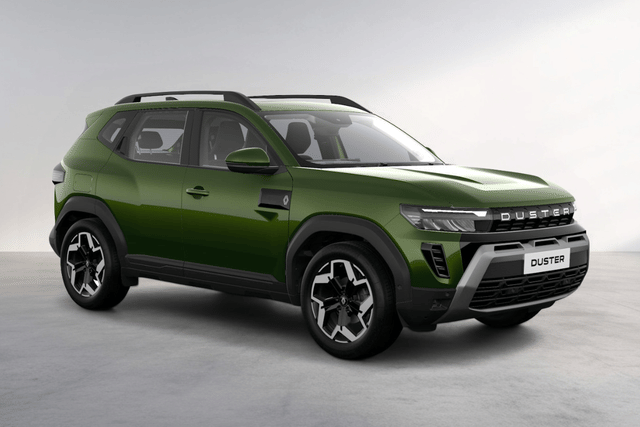
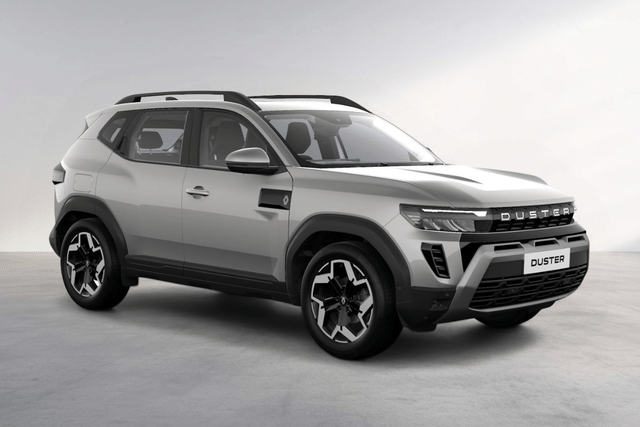
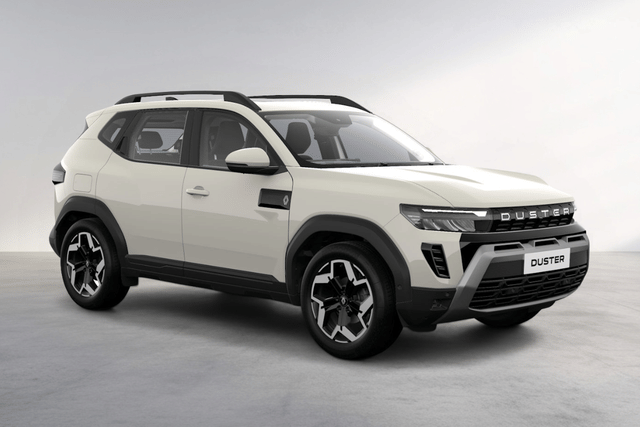
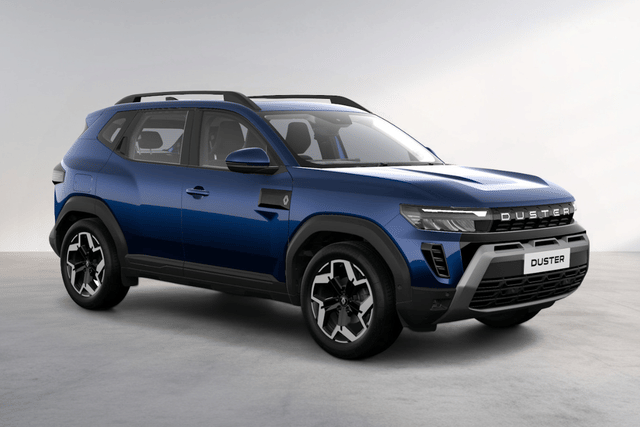
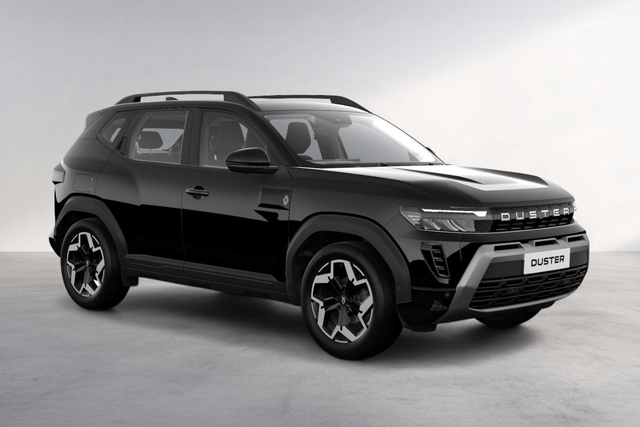
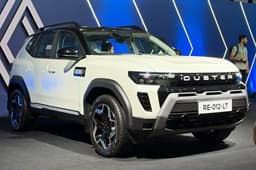
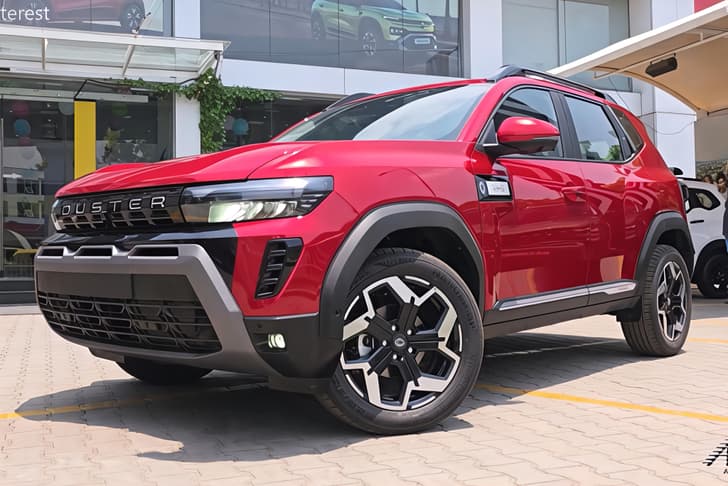
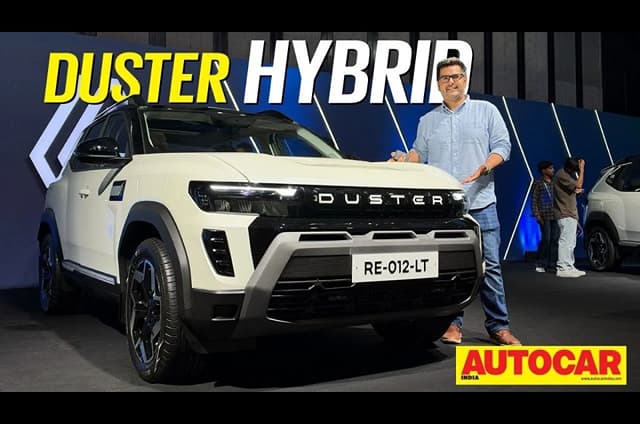
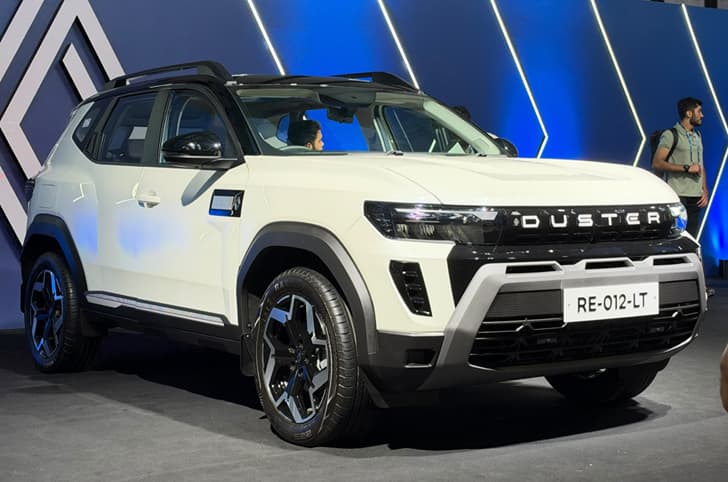
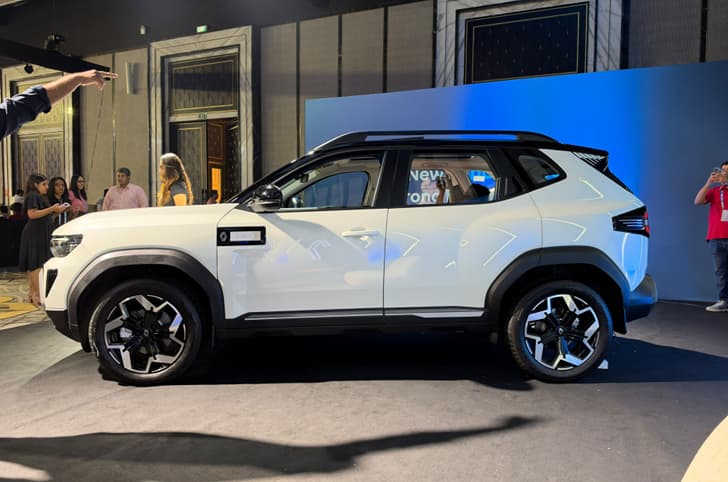
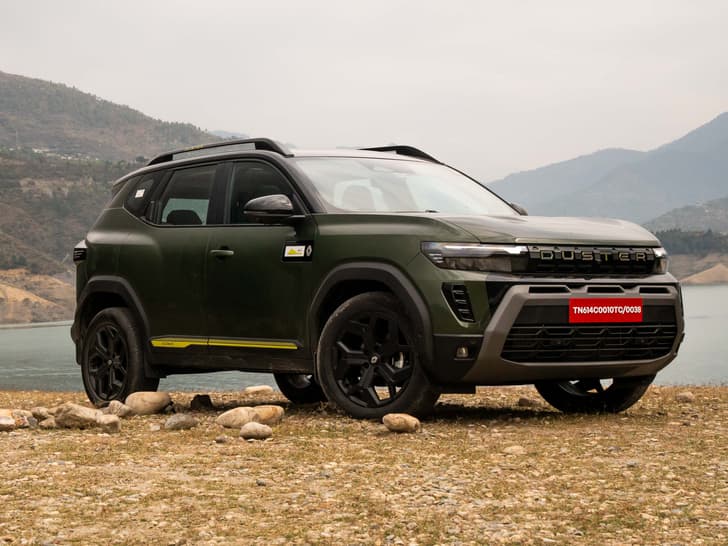
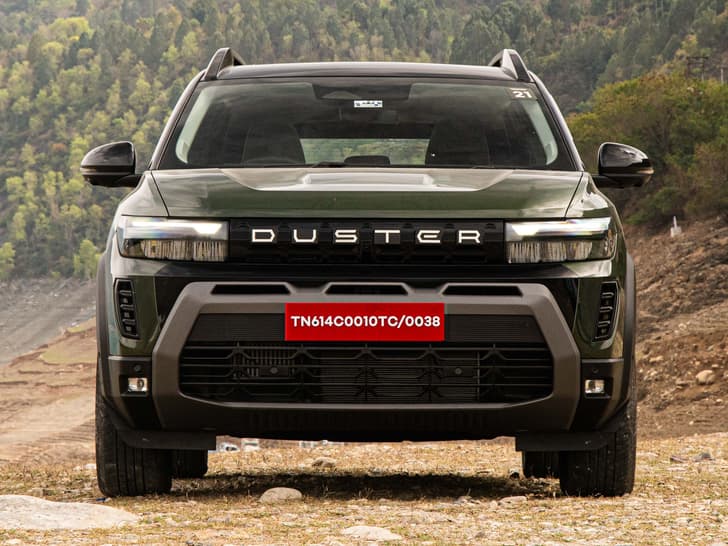
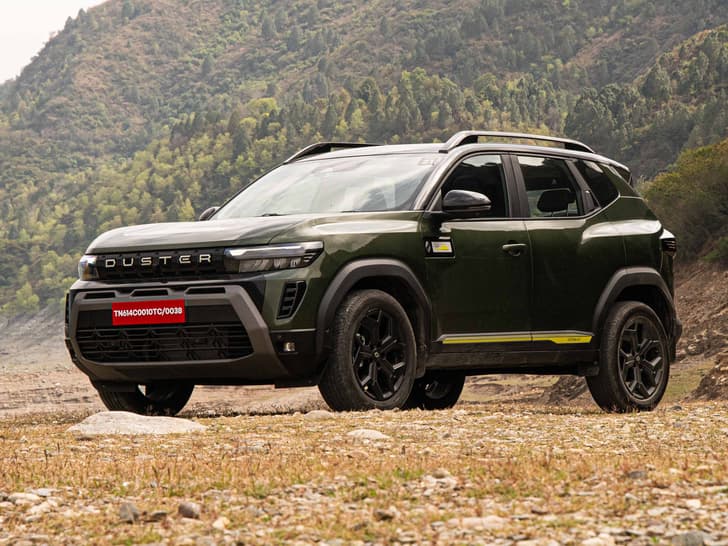
Renault Duster Hybrid walkaround video


Last Updated on: 18 Oct 2026
| PowertrainThe combination of engine type, fuel, and transmission that powers your vehicle and determines how it drives and what it runs on. | ARAI MileageMileage certified by the government, tested under controlled lab conditions. Real-world mileage will vary. | Autocar Tested MileageAutocar's experts test each vehicle on fixed city and highway routes under standardised conditions - single occupant, AC running, manufacturer-recommended tyre pressures. Tanks are filled to the brim before and after each run to calculate efficiency. Results reflect realistic real-world usage. |
|---|---|---|
Petrol-Manual 999 cc | 19.41 kmpl | NA |
Petrol-Manual 1333 cc | 17.75 kmpl | NA |
Petrol-Automatic (DCT) 1333 cc | 18.45 kmpl | 9.97 kmpl |
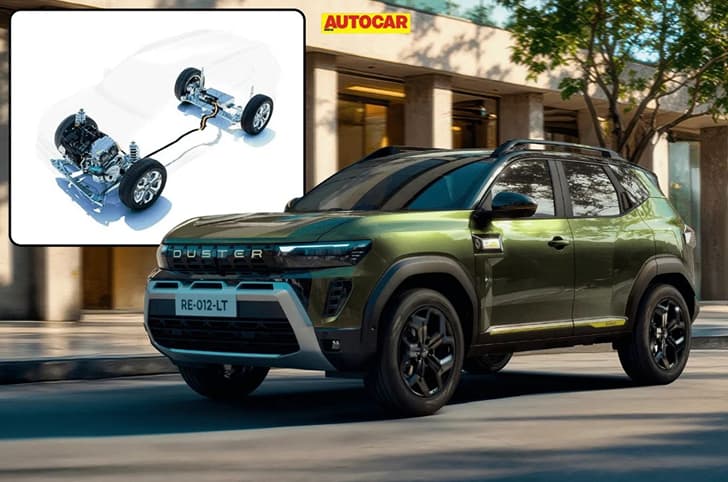
Petrol-Electric Hybrid-Automatic (Auto) 1789 cc | 29 kmpl | NA |
Renault Duster Official Brochure
Download the complete brochure with specs, features, and variants.
Tell us about your experience





I am planning to buy a new car under a budget of Rs. 22-23 lakh. I drive a 12-year old Chevrolet Sail diesel now. I really enjoy driving this car, particularly its MultiJet engine with a good mid-range torque. I value driving dynamics and pleasure of driving more than fuel efficiency and features. I prefer sedan over an SUV. My dad owns a 2022 Skoda Slavia 1.0 MT. I really like that car but in city driving, I've felt noticeable turbo lag at low speeds. Other than that, Slavia is a very good car. So I have shortlisted 2026 Slavia 1.5 TSI DSG. But only thing that I worry about is the reliability of a DSG with its dry clutch system, because I tend to keep the car for at least next 7-8 years. Also, I have doubts about its city driving manners. But I live in a tier-2 city and encounter stop and go traffic rarely. I hit the highways often though. So, will the Slavia 1.5 satisfy my needs coming from a good torquey diesel engine? Another SUV that I am interested is the Duster/Tekton, because I have heard that they are the closest to the German twins in driving pleasure and dynamics. Can I go with the Slavia 1.5 DSG or should I go with Duster/Tekton 1.3 DCT?

 Skoda Slavia (2022-2026)Renault DusterNissan Tekton
I am looking for a fun-to-drive manual car around the Rs 15 lakh budget. I live in a city with very little traffic and already have two sensible cars, so I now want something small, manual and fun to drive. Automatic transmission and mileage are not priorities. I am also an enthusiastic driver and enjoy revving the engine to extract performance. I am currently considering the Kylaq Sportline, which I can get for around Rs 13 lakh. Would the XUV 3XO or lower variants of the 1.3-litre Duster be better choices? I am also open to sedans such as the Honda City and Hyundai Verna, but I may not always be able to avoid bumps and broken roads when driving fast, so I would prefer something with more ground clearance. I also find them relatively large compared with what I am looking for.
Skoda KylaqMahindra XUV 3XORenault DusterI’ve been driving a Maruti Ritz Diesel for approximately 7 years and am looking for a proper upgrade. My running is around 750-1,000 km/month, with 75-80% highway driving, and typical long trips of 200-250 km one way. My budget is roughly Rs. 19-22 lakh (on-road) in Bangalore. I generally keep my cars for a long time, so long-term reliability and highway performance matter more to me than just features. I have shortlisted Kia Seltos 1.5 Turbo DCT that is around Rs. 20.6 lakh. This is probably the most fun of all the options. The turbo feels strong and the DCT is quick and smooth. My concern is long-term ownership because it is a dry-clutch DCT, and I’m wondering about DCT/turbo-petrol reliability over 5+ years. It is also around Rs. 1 lakh cheaper than the diesel. Another shortlisted car is Kia Seltos 1.5 Diesel AT for around Rs. 21.6 lakh. This feels like the natural upgrade from my Ritz Diesel. It generates 250 Nm torque, highway performance and potentially better mileage that are better for my usage. But my running is only 750-1,000 km/month, so I’m wondering whether the extra 1L and diesel-specific considerations, particularly DPF, are worth it when I don’t drive that much in the city. Would love to hear from long-term Seltos diesel owners. Another shortlisted car is Renault Duster 1.3 Turbo DCT Adventure that costs around Rs. 19 lakh. I’ve driven it multiple times and really like the way it feels. It feels more rugged and planted than the Seltos, with better suspension and less body movement at highway speeds. I can physically feel the difference in the heavier boot/doors and overall solidity. I know both cars are 5-star rated, so I’m not equating weight or feel with crash safety. The Duster has a wet-clutch DCT, unlike the Seltos dry clutch, which is another reason I’m considering it. The compromise is features and rear space as the Seltos has noticeably better knee/legroom. However, the Duster is still perfectly comfortable for my family’s height, so I can live with that. I have also shortlisted Kia Seltos 1.5 NA CVT/IVT that is priced around Rs. 19.65 lakh. I would select it for its simplicity. I know I’ll compromise significantly on torque as compared to the turbo and diesel, especially coming from a diesel Ritz, but a 4-cylinder NA petrol is a relatively straightforward option and potentially fewer powertrain-related headaches will be there compared to DPF and modern turbo/GDI systems. If I go this route, I may also wait for the Elevate facelift. Although the current Elevate’s poor thigh support is a major concern for me. My wife strongly prefers the Seltos, so realistically, my biggest dilemma is Seltos Turbo DCT vs Diesel AT. Duster is the wildcard because I personally like its ruggedness and driving character, while NA petrol is the fallback for its simplicity. I am looking for genuine 5-year ownership experience, highway performance, reliability, DCT/DPF experience, mileage and maintenance opinions rather than just brochure figures.
Kia SeltosRenault DusterI have owned my Skoda Rapid 1.5 TDI DSG for 6.5 years, and it has crossed 1 lakh km. It still runs like a dream and has been extremely reliable, with no major mechanical issues apart from regular servicing. My only concern now is the possibility of expensive repairs as the mileage increases, especially related to the DSG or injectors. Another issue is that the Rapid feels quite bare-bones compared to newer cars. I am considering upgrading to something under Rs. 25 lakh, mainly looking at the Duster 1.3 DCT and Taigun 1.5 TSI. My question is: should I keep the Rapid for a couple more years, or would the Duster/Taigun be a worthwhile upgrade? Or is there anything else under Rs. 25 lakh that would make a good replacement? Please suggest.
Renault DusterVolkswagen TaigunHi Autocar Team, I am planning to buy a midsize SUV and can wait for about six months. My main confusion is between the upcoming Renault Duster, specifically the strong-hybrid variant, and the Kia Seltos. We are leaning towards the new Duster because of its rugged design, impressive 212 mm ground clearance, interior colour theme, and expected hybrid fuel efficiency. However, the Kia Seltos remains a compelling choice due to its generous rear-seat space and feature-packed cabin. Given that we are a family of three, our priorities are design, ride quality on bad roads, and fuel economy, while also considering rear-seat passenger comfort. Is it worth waiting six months for the Duster Strong Hybrid instead of buying the Seltos now? How does the Duster's rear-seat legroom and overall highway comfort compare with the Seltos? Looking forward to your advice!
Kia SeltosRenault DusterThe 1.0-litre turbo-petrol manual is ARAI-rated at 19.41kpl. The 1.3-litre turbo-petrol returns 17.75kpl with the manual and 18.45kpl with the dual-clutch automatic. The Strong Hybrid E-Tech 160 has an ARAI-certified mileage of 29kpl. Real-world mileage will vary with driving conditions and usage.
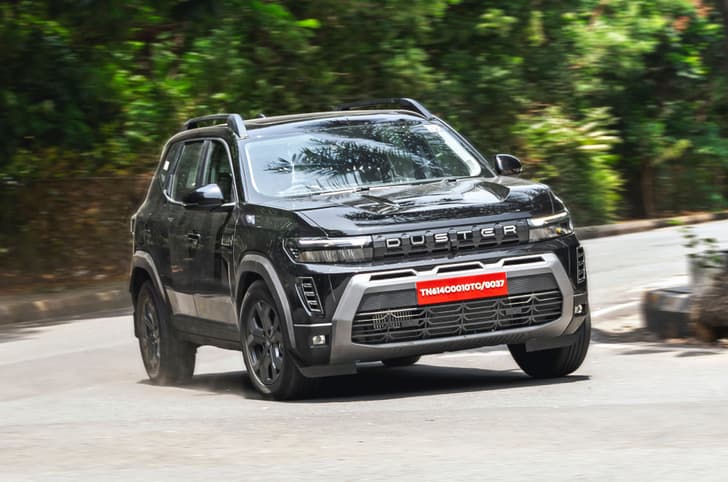
We have tested all powertrain options of the Renault Duster, and in our real-world tests, we have found that the 1.0L turbo-petrol manual option offered a fuel efficiency of 10.98kpl, the 1.3L turbo-petrol manual offers 10.64kpl fuel efficiency and the 1.3L turbo-petrol DCT offered 10.47kpl real-world mileage.