

video|04 Mar 2023
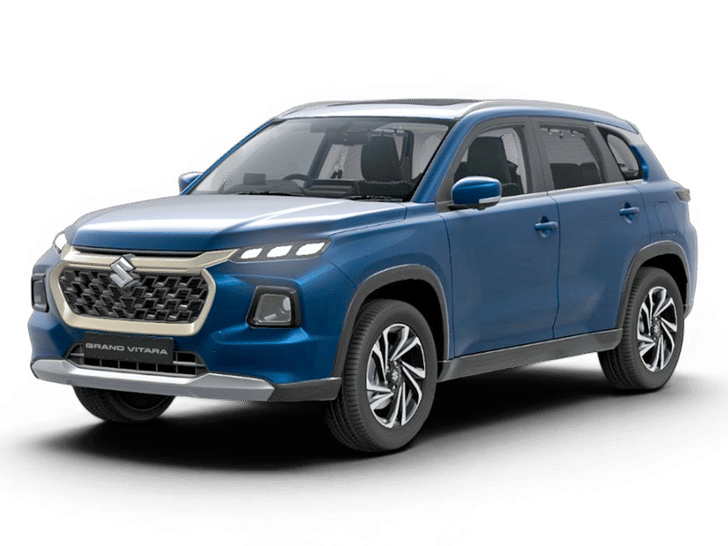
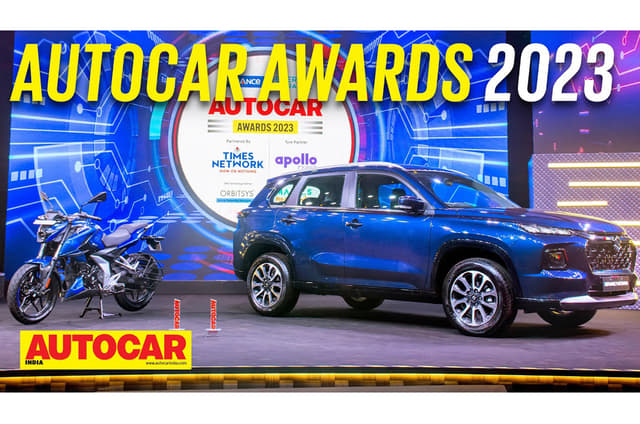
Autocar Awards 2023 video: Maruti Grand Vitara, Bajaj Pulsar N160 bag top honours


Last Updated on: 17 Oct 2026

| PowertrainThe combination of engine type, fuel, and transmission that powers your vehicle and determines how it drives and what it runs on. | ARAI MileageMileage certified by the government, tested under controlled lab conditions. Real-world mileage will vary. | Autocar Tested MileageAutocar's experts test each vehicle on fixed city and highway routes under standardised conditions - single occupant, AC running, manufacturer-recommended tyre pressures. Tanks are filled to the brim before and after each run to calculate efficiency. Results reflect realistic real-world usage. | User Reported MileageMileage figures are reported by vehicle owners and represent the approximate real-world efficiency you may experience. Actual mileage will vary based on driving conditions, habits, and vehicle condition. |
|---|---|---|---|
Petrol-Manual 1462 cc | 21.11 kmpl | NA | 18.61 kmpl |
CNG-Manual 1462 cc | 26.6 km/kg | NA | 17.91 km/kg |
Petrol-Automatic (Torque Converter) 1462 cc | 20.58 kmpl | 13.45 kmpl | NA |
Petrol-Electric Hybrid-Automatic (CVT) 1490 cc | 27.97 kmpl | NA | NA |
Maruti Suzuki Grand Vitara Official Brochure
Download the complete brochure with specs, features, and variants.
Tell us about your experience



Hi Autocar Team, I own a Maruti Suzuki Grand Vitara AT (non-hybrid) and spend around Rs. 12,000-14,000 per month on petrol. Its city mileage has dropped from around 13 kmpl to 10 kmpl. I also have solar panels at home, so EV charging would be almost free or cost a maximum of Rs. 3-4 per unit. I am confused about whether I should replace the Grand Vitara with an EV or keep it and buy a Tata Tiago EV for daily city use. Am I thinking too much about fuel savings? Should I simply keep the Grand Vitara and avoid buying a second car altogether? I would like to hear from people who have been in a similar situation. What makes more financial sense in the long run?

 Maruti Suzuki Grand VitaraTata Tiago EVKia Syros EVHyundai Creta ElectricKia Carens Clavis EVMG Hector Tomahawk EV
I am looking to buy a petrol automatic SUV primarily for city use, with occasional highway trips. I have shortlisted the Maruti Suzuki Grand Vitara mild-hybrid and Kia Seltos. My priorities are real-world city and highway mileage, reliability, maintenance costs, long-term ownership (8-10+ years), comfort, and overall value for money. I would appreciate advice from owners/users, especially regarding actual mileage in heavy city traffic, maintenance costs, and any issues they have faced over the years.
Maruti Suzuki Grand VitaraKia SeltosLooking to buy a new car and am currently confused between the Hyundai Creta 1.5 Petrol Automatic and the Maruti Suzuki Grand Vitara Zeta AT Mild-Hybrid. The car will be driven around 1,000 km per month, mostly in city traffic, with occasional highway trips. My main priorities are real-world city and highway mileage, long-term reliability, maintenance costs, comfort, performance, and overall ownership experience over 8-10+ years. I would really appreciate opinions from owners/users of either car, especially regarding actual city mileage in traffic, maintenance costs, and any issues experienced during long-term ownership.
Maruti Suzuki Grand VitaraHyundai CretaI am looking to buy a petrol automatic SUV primarily for city use, with occasional highway trips. I have shortlisted the Maruti Suzuki Grand Vitara Zeta AT mild-hybrid and Kia Seltos HTK(O). My priorities are real-world city and highway mileage, reliability, maintenance costs, long-term ownership (8-10+ years), comfort, and overall value for money. I would appreciate advice from owners/users, especially regarding actual mileage in heavy city traffic, maintenance costs, and any issues they have faced over the years.
Maruti Suzuki Grand VitaraKia SeltosI am looking to buy a petrol automatic SUV primarily for city use, with occasional highway trips. I have shortlisted the Maruti Suzuki Grand Vitara Zeta mild hybrid and Kia Seltos HXO, both with petrol engines. My priorities are real-world city and highway mileage, reliability, maintenance costs, long-term ownership of 8-10+ years, comfort and overall value for money. The car will mainly be driven by my father, who drives fairly calmly. I would appreciate advice from owners and users, especially regarding actual mileage in heavy city traffic, maintenance costs and any issues faced over the years.
Maruti Suzuki Grand VitaraKia SeltosJoin the Discussions
The Maruti Suzuki Grand Vitara has one of the most fuel-efficient engines in the midsize SUV segment. As per our real-world tests, the Grand Vitara hybrid returned an average fuel efficiency of 22.08kpl. The naturally aspirated petrol engine with an automatic gearbox returned a fuel efficiency of 13.45kpl in real-world conditions.