


Airplanes and cars share a deep-rooted relationship that can be traced back to the early 20th century. While the car had a nearly 20-year head start over the then-nascent aviation industry, it still owes several of its features and innovations to technologies that first emerged in aerospace. Some of these you may already know about, but others will likely come as a surprise.
1. Head-up displays and night-vision systems
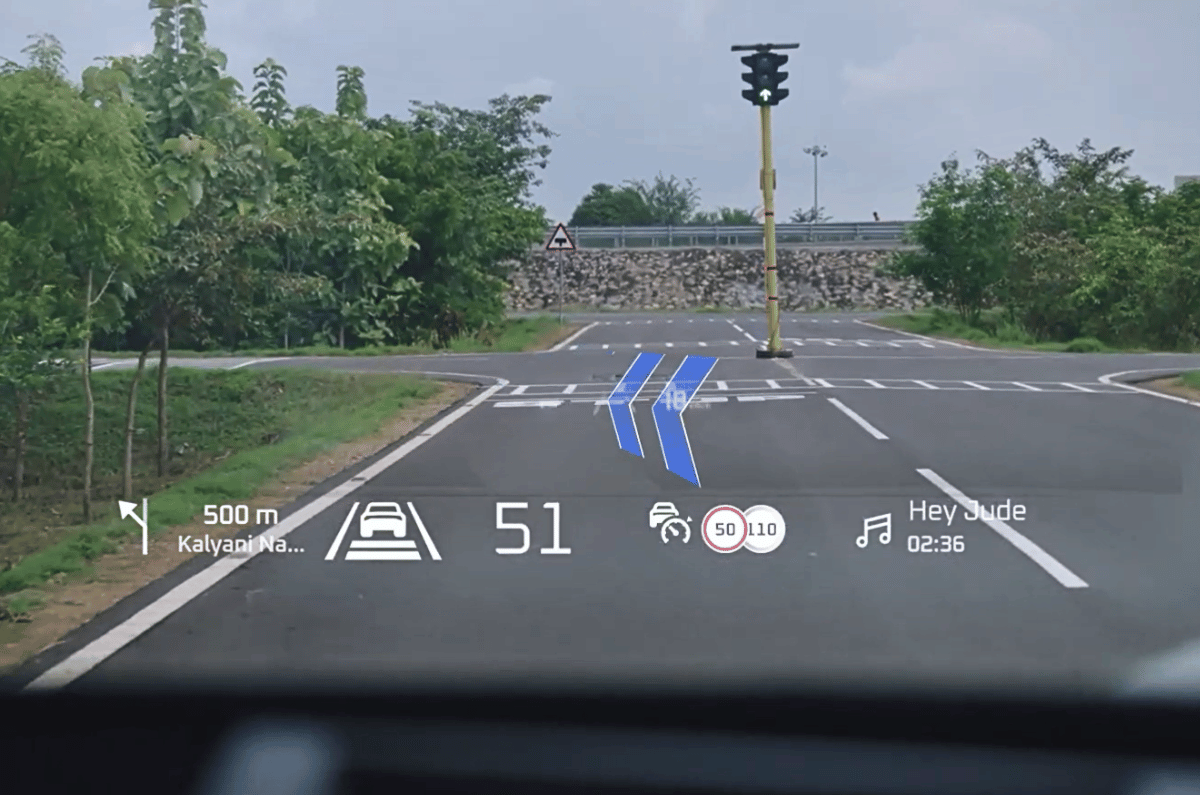
Plenty of cars now feature a head-up display (HUD), making it easier for drivers to keep their eyes on the road while still being presented with relevant data. However, this technology has been in active use in military aviation since the 1960s, with rudimentary designs going back to the 1940s. Modern airliners like the Boeing 787 and all fighter jets in active service today come equipped with an HUD.

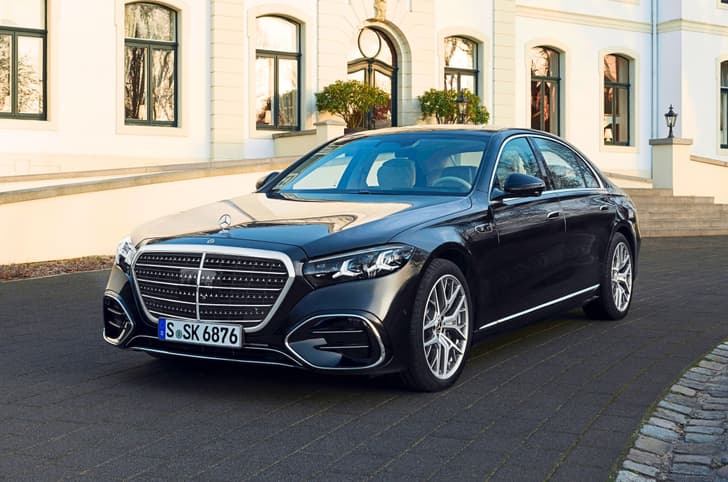
As for night-vision systems, they have also been used in military aviation applications since the 1960s and perfected in the 1970s. Unlike head-up displays, night-vision equipment is rarer to find in cars. Having said that, in 2000, the Cadillac DeVille became the first-ever car to feature a night-vision system, co-developed by automaker General Motors and aerospace giant Raytheon, with sensor technology originally engineered by Texas Instruments. The system was later offered by Mercedes-Benz as the ‘Night View Assist’ in the S-Class, where it is still available in certain markets.
2. Global Positioning System (GPS)
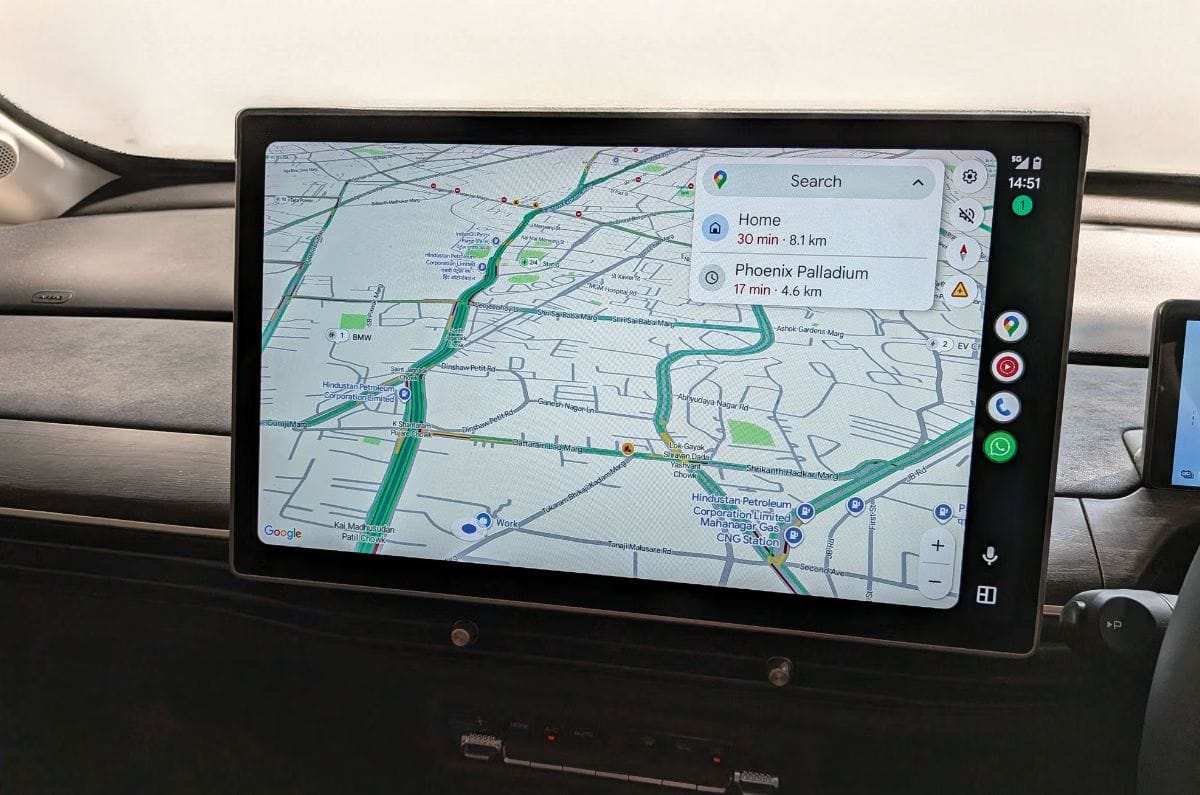
A common feature in modern cars, becoming more accessible after the arrival of Android Auto and Apple CarPlay, the Global Positioning System (GPS) was first used in military aviation in the 1970s. After the accidental downing of Korean Air Lines flight 007 in September 1983 due to a navigational error, the then US President Ronald Reagan signed an executive order allowing the US military’s NAVSTAR GPS system to be used for commercial services. Understandably, GPS made its way into commercial airplane cockpits before trickling down to cars in 1990.
3. Drive-by-wire (DBW), steer-by-wire (SBW)

Military aviation has been using fly-by-wire (FBW) technology since the late 1950s, with the F-16 also featuring it in 1974. The first commercial airliner to get fly-by-wire was the Anglo-French Concorde in 1969. This not only allowed aircraft manufacturers to make their planes lighter (owing to fewer mechanical components) but also to integrate flight-envelope protections. Meanwhile, the first car to get a drive-by-wire system was the 1987 BMW 750iL. The system works by sending an electric signal to an ECU (electronic control unit) based on throttle pedal position, which then manipulates the engine’s valve timing and positioning, as well as the fuel-air mixture.
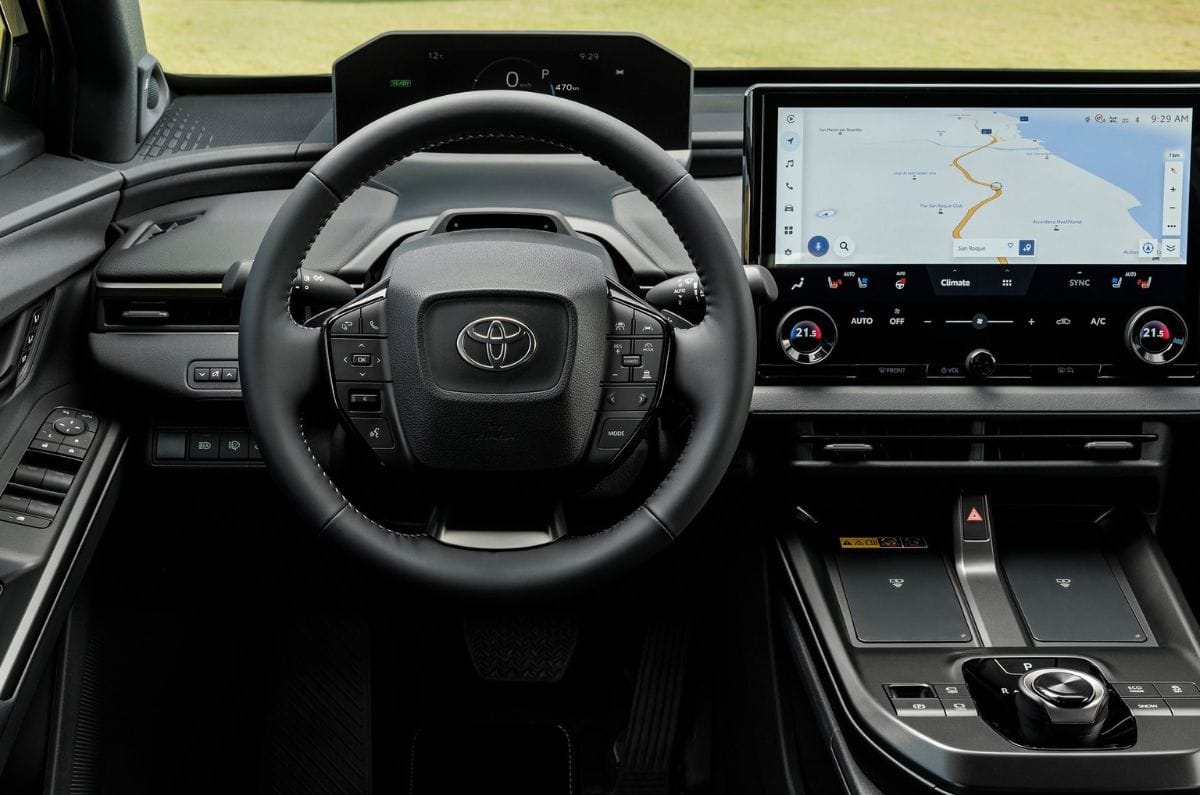
In the Airbus A320, the FBW system receives control inputs from the pilot, while flight augmentation computers relay them to the external surfaces such as the rudder, ailerons, elevators, flaps/slats and spoilers. Meanwhile, the steer-by-wire mechanism, first showcased in the 2013 Infiniti Q50, digitally translates the steering wheel’s position to the actual movement of the front wheels. In premium cars that get rear-axle steering, the function is controlled electronically by a steer-by-wire system. Cars that feature steer-by-wire technology include the Mercedes-Benz EQS, Tesla Cybertruck and Toyota bZ4X. Together, these digital control technologies allow carmakers to integrate autonomous driving aids more effectively and update crucial functions over time.
4. Antilock braking system, carbon brakes
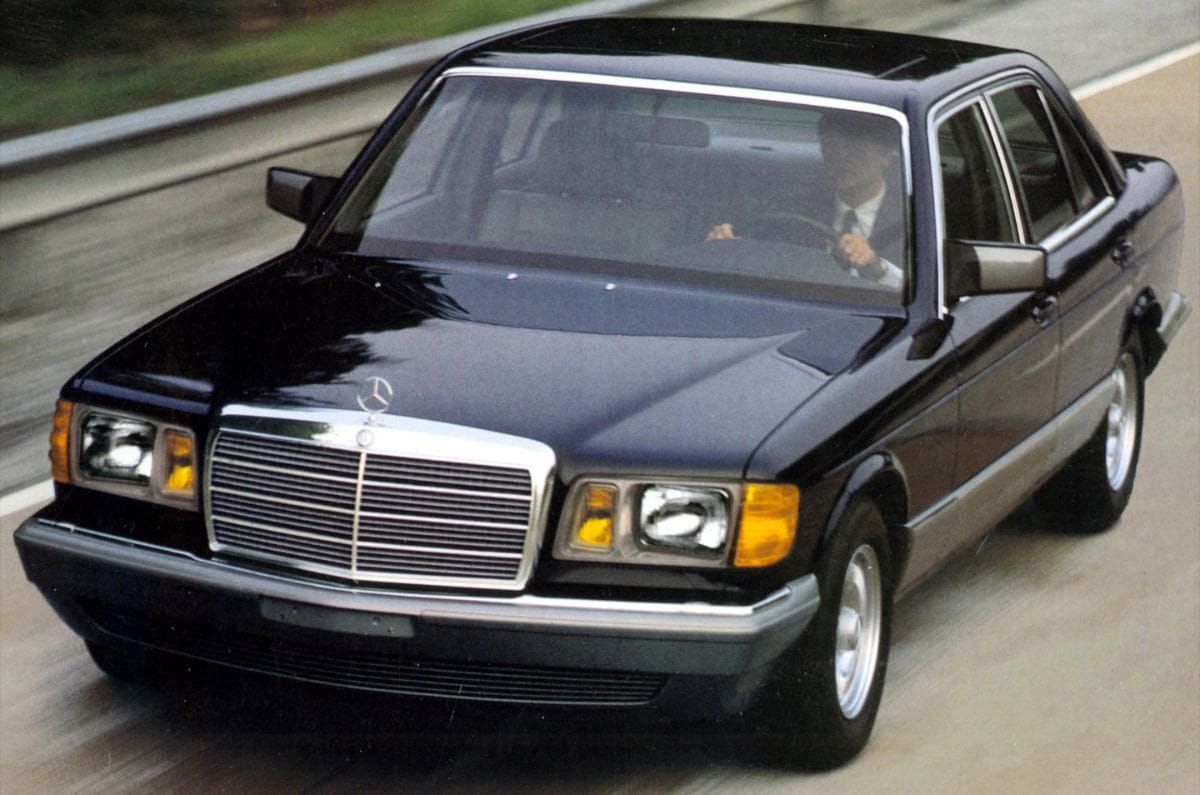
The technical blueprint for what would eventually become modern-day anti-skid systems in planes has its origins going back to the late 1920s. The first aircraft to feature a fully operational version of this system was the Boeing B-47 bomber in the 1940s, followed by the British-built Avro Vulcan bomber in the 1950s. It wasn’t until the latter half of the 1960s that the antilock braking system (ABS) finally made it into production cars. Meanwhile, the template used for modern-day ABS, first co-developed by Bosch and Mercedes-Benz, debuted with the S-Class in 1978.
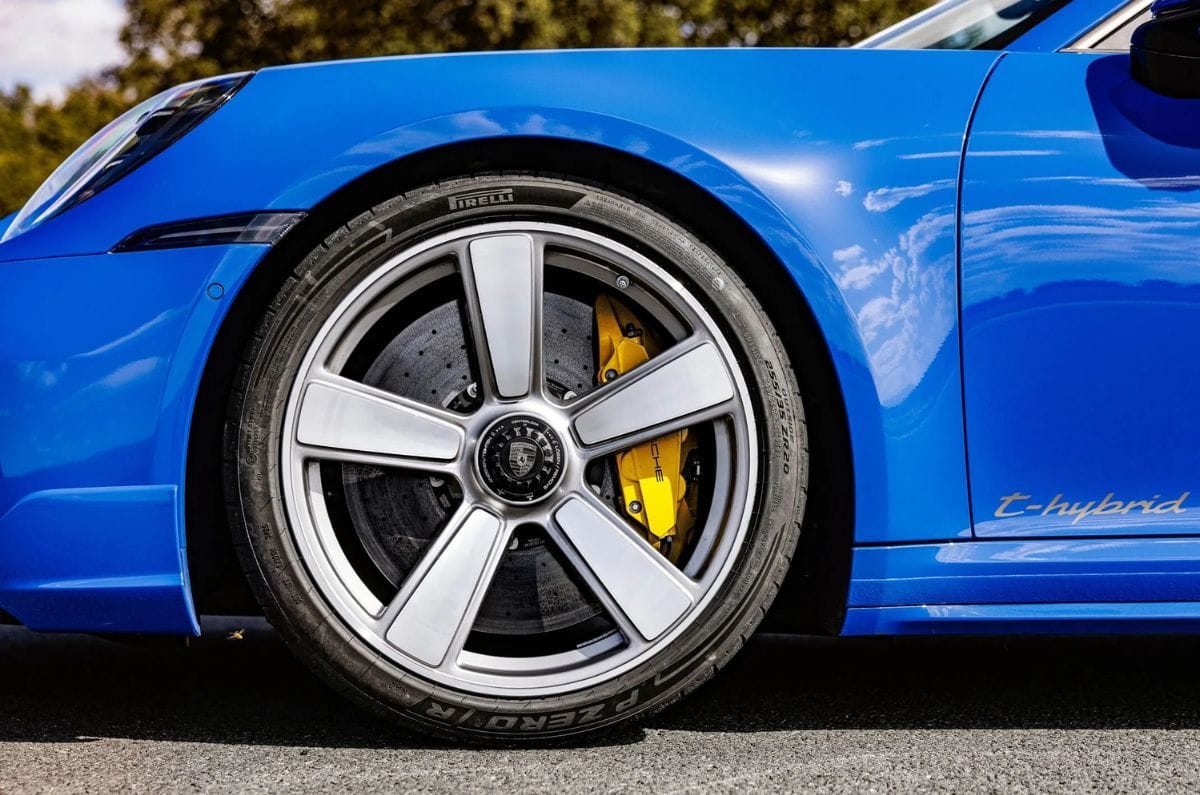
The high temperatures generated during the deceleration of large airplanes require the use of carbon brakes that can handle such demanding conditions. Even when brakes of large airliners get extremely hot, specially designed fuse plugs melt well before the tyres burst. In comparison, high-performance cars are also equipped with carbon brakes, but these use a blend of certain ceramic compounds to extend their life and lower overall costs.
5. Electronic stability control

The stability control system has become one of the most important safety features in modern cars. However, this, too, has its origins in the world of aerospace technology, specifically the Inertial Measurement Unit (IMU) first deployed in fighter aircraft and missiles in the 1950s. The system originally consisted of accurate but complex three-axis gyroscopes and accelerometers to calculate and track an aircraft’s (or missile’s) pitch, roll, yaw and spatial orientation. The first production car to feature electronic stability control was the Mercedes-Benz S600 Coupe in 1995. Instead of the mechanical gyro-based system used in aerospace at the time, the Mercedes unit utilised a compact micro-machined gyro chip from Bosch.
6. Monocoque construction and carbon-fibre body
A monocoque construction is one in which the outer skin carries the structural load instead of a heavy internal frame. This engineering concept was first pioneered by the French-origin Deperdussin Monocoque racing plane of 1912. Its hollow wooden fuselage created a streamlined shape, allowing it to set a speed record by flying faster than 160kph.
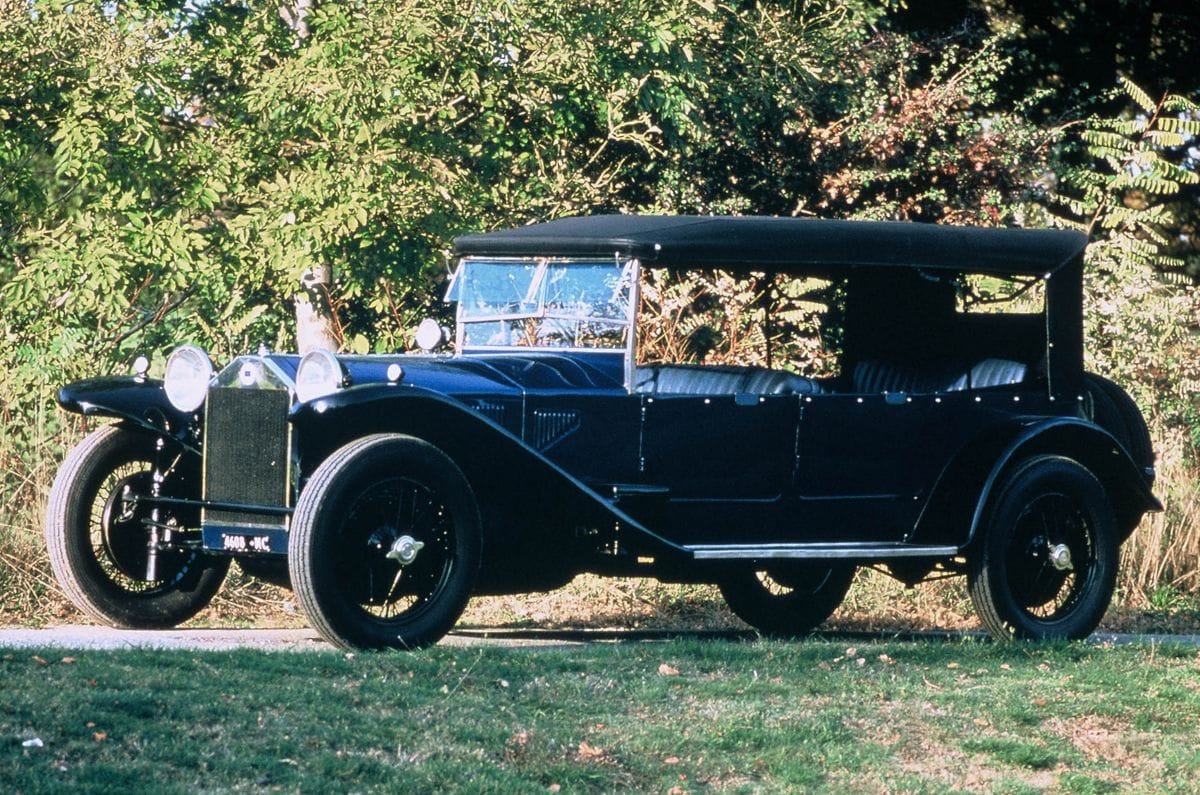
A decade later, the Lancia Lambda was built fundamentally using the same construction technique, but replaced lightweight wood with heavier steel panels as the main load-bearing material. Today, the closest ‘monocoque’ production cars are the likes of the V12-powered Aston Martin Valkyrie and V10-powered McLaren Solus GT, whose carbon-fibre tubs and engines form the primary load-bearing elements of the car. Almost no modern-day car (or an aircraft) uses a pure monocoque body as the Lancia did (or the Deperdussin) over a century ago. Aside from a few limited-volume hypercars, most cars are technically semi-monocoques.
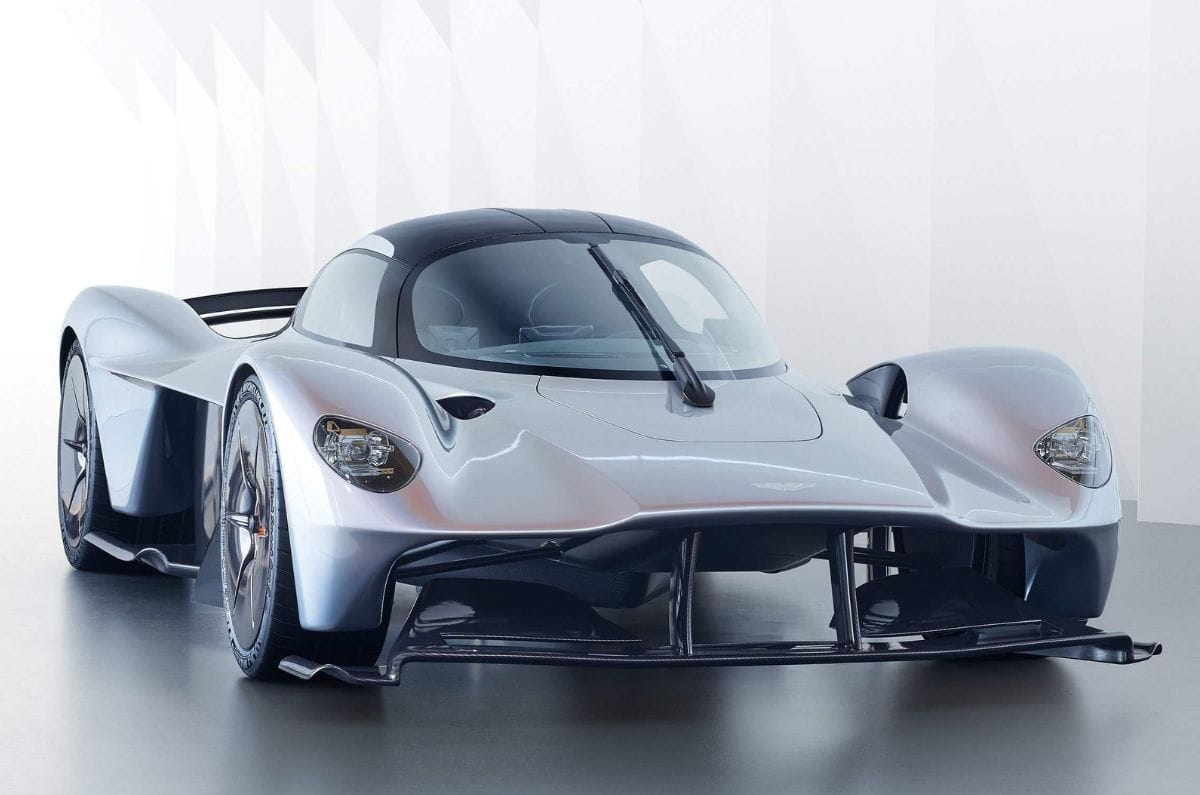
In a semi-monocoque construction, metal sub-frames, usually aluminium or high-strength steel, are spot-welded or bolted directly to the vehicle’s main occupant cell. Underneath the smooth outer skin of most aircraft are structures such as longerons, stringers, beams and bulkheads to help maintain the fuselage’s cylindrical shape and overall strength. In cars, the sub-frames aid in keeping mechanical vibrations from powertrain and suspension components in check.
7. Active aerodynamics
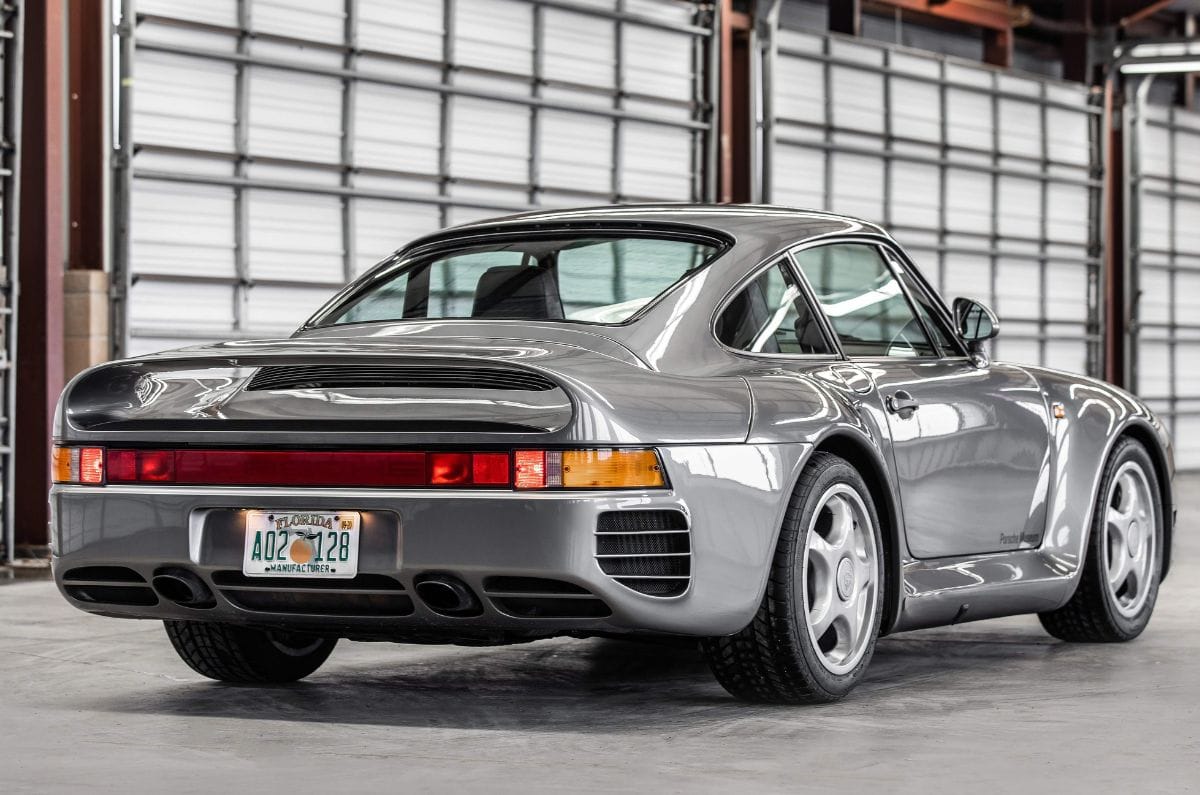
The first production car to feature a functional front spoiler was the 1984 Alfa Romeo 90, wherein it helped increase front-end downforce and fuel efficiency. This was followed by the Porsche 959, whose computer-aided aero management software handled ride height and tilt angles to improve handling and stability.
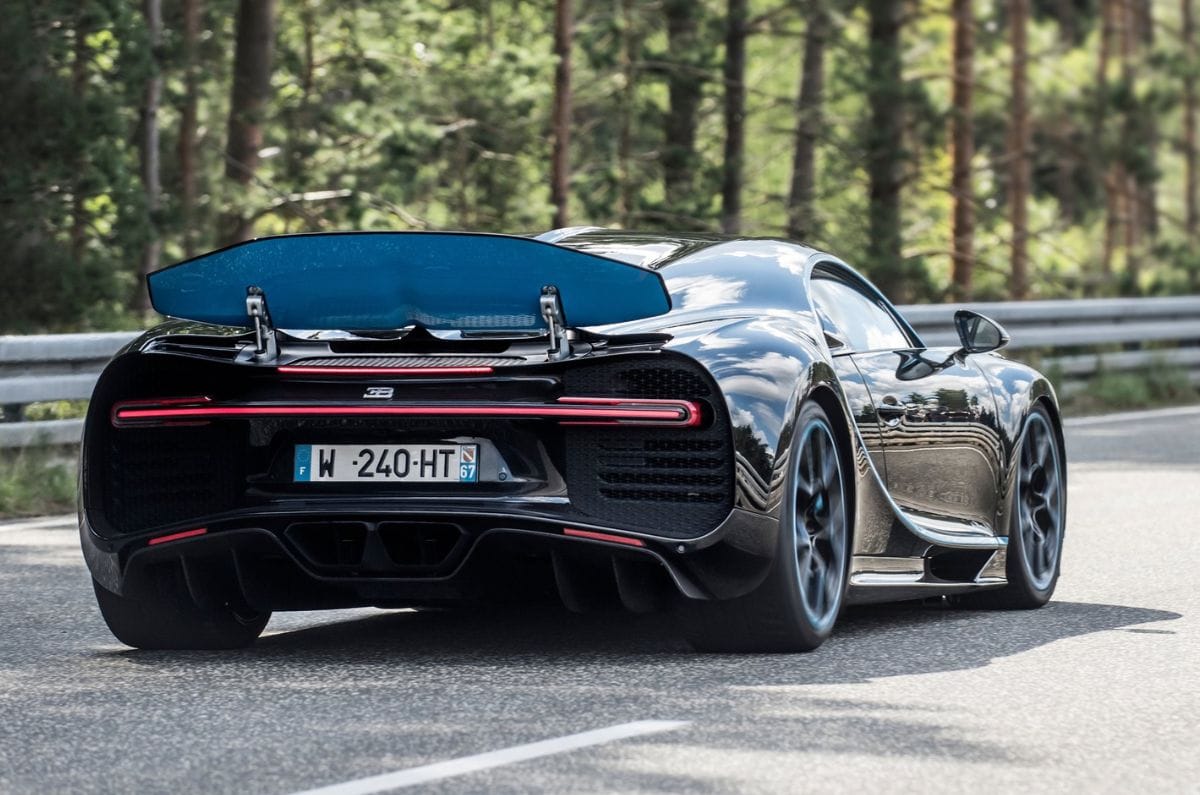
The four independent flaps on the Pagani Huayra aid stability around high-speed corners and are direct (road-going) descendants of airplane ailerons. Similarly, the massive active rear wings of the Bugatti Veyron and Chiron are also ideas that come straight from aviation. In the case of these Bugattis, the rear spoiler can generate upwards of 300kg of pure aerodynamic stopping power – this is exactly how wing spoilers on airplanes work.
8. Vortex generators and air ducts
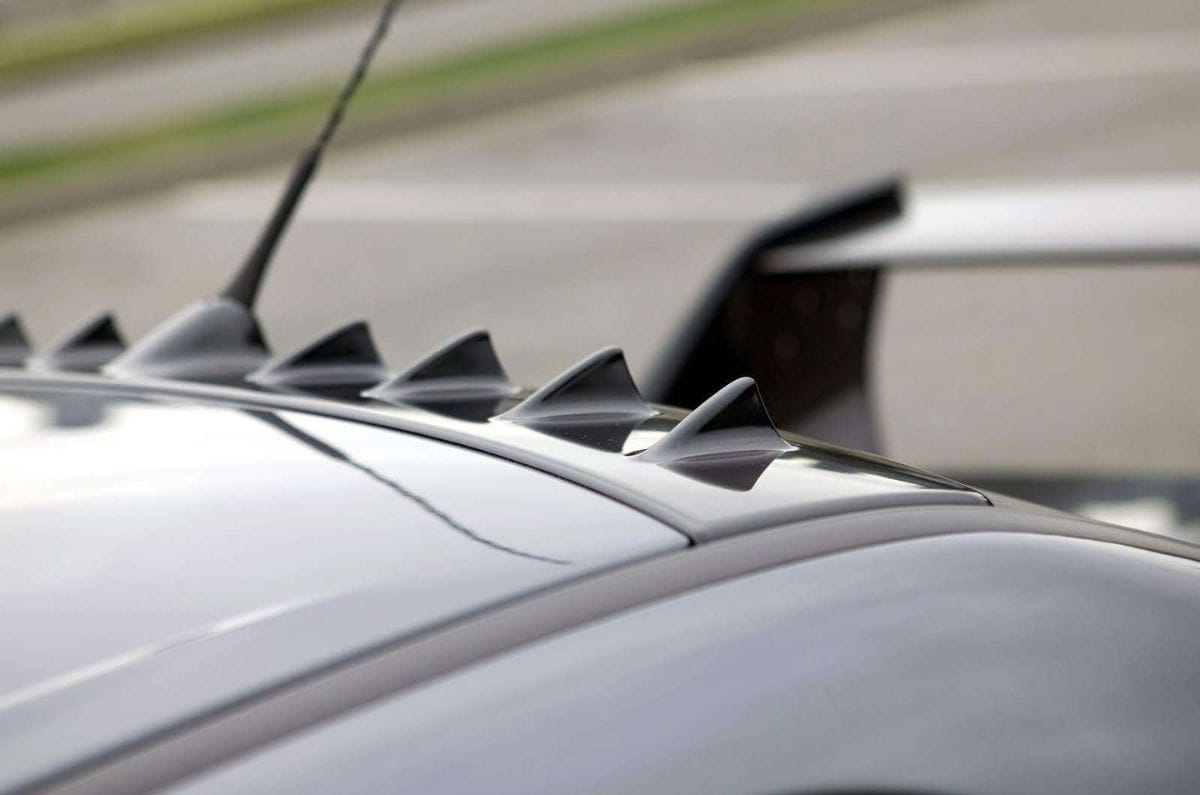
The goal of vortex generators is to enhance lift as an aircraft approaches critical angles of attack or low speeds, both of which can lead to a stall. Some of the earliest military aircraft to integrate these devices were the Boeing B-47A and Gloster Javelin of the 1950s. It took nearly half a century for these to make it into production cars – the Mitsubishi Lancer EVO 8 MR was the first to use them effectively. The eight 25mm-tall fins helped increase the airflow down the rear window, effectively pushing the performance sedan down to the ground at higher speeds while also reducing air resistance.
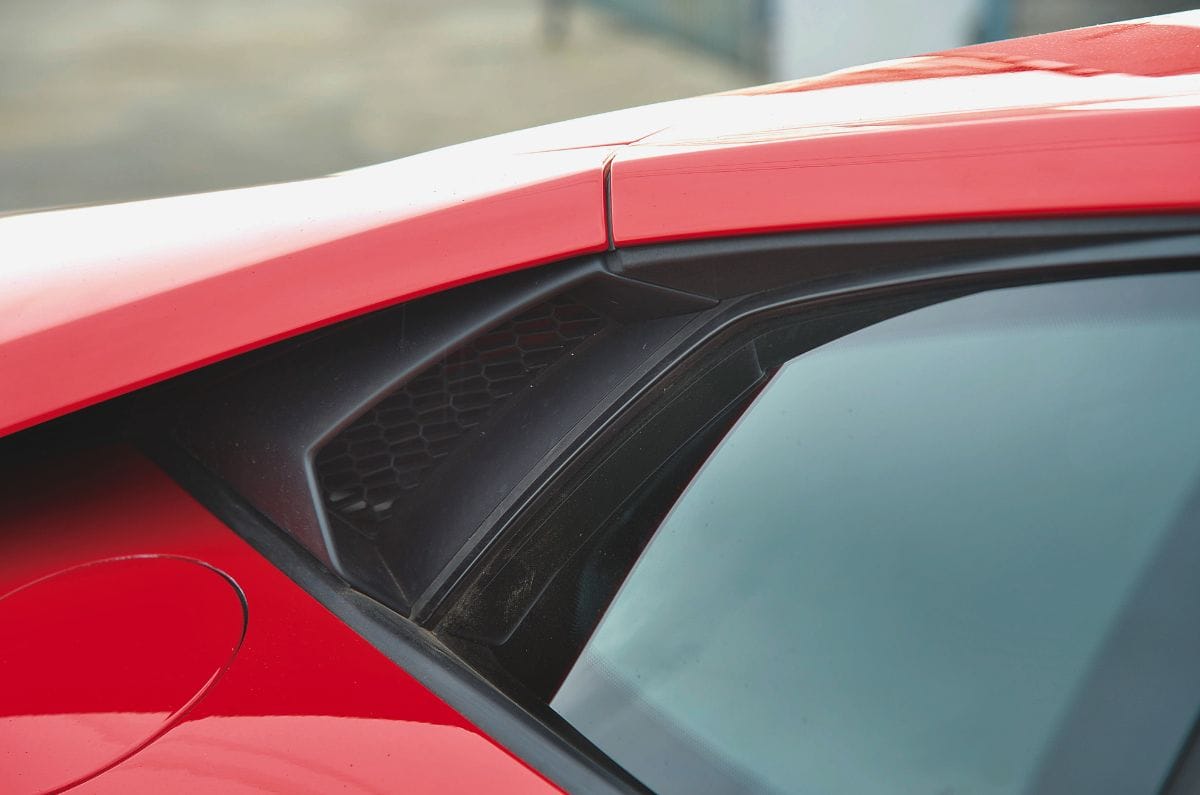
As planes approached the 500kph mark and began flying higher in the 1930s and 1940s, engineers had to develop specially designed air ducts to prevent engine failure. Their enclosed design not only improved engine cooling but also cut wind resistance by a fair margin. The first full-fledged versions were used in the 1939 Heinkel He 178 and the 1941 British-built Gloster fighter jets. It wasn’t until the mid-1960s that engineers realised the automotive applications of such ducts for cooling a car’s brakes or for increasing airflow into the engine. Some of the first cars to feature air ducts were the 1965 Shelby Cobra and the 1967 Pontiac GTO.
9. Wind tunnel testing
Automakers today utilise wind tunnels to test and refine the aerodynamic efficiency of their cars, especially high-performance models and EVs. They are also a cornerstone of motorsports, with companies spending millions of dollars tweaking the design of their race cars for optimal aerodynamic performance. The Wright brothers used a wind tunnel as early as 1901, prior to their first flight two years later. The aerospace industry started using massive wind tunnel facilities in the 1930s, and their use expanded rapidly with the advent of the modern jet age in the 1950s.
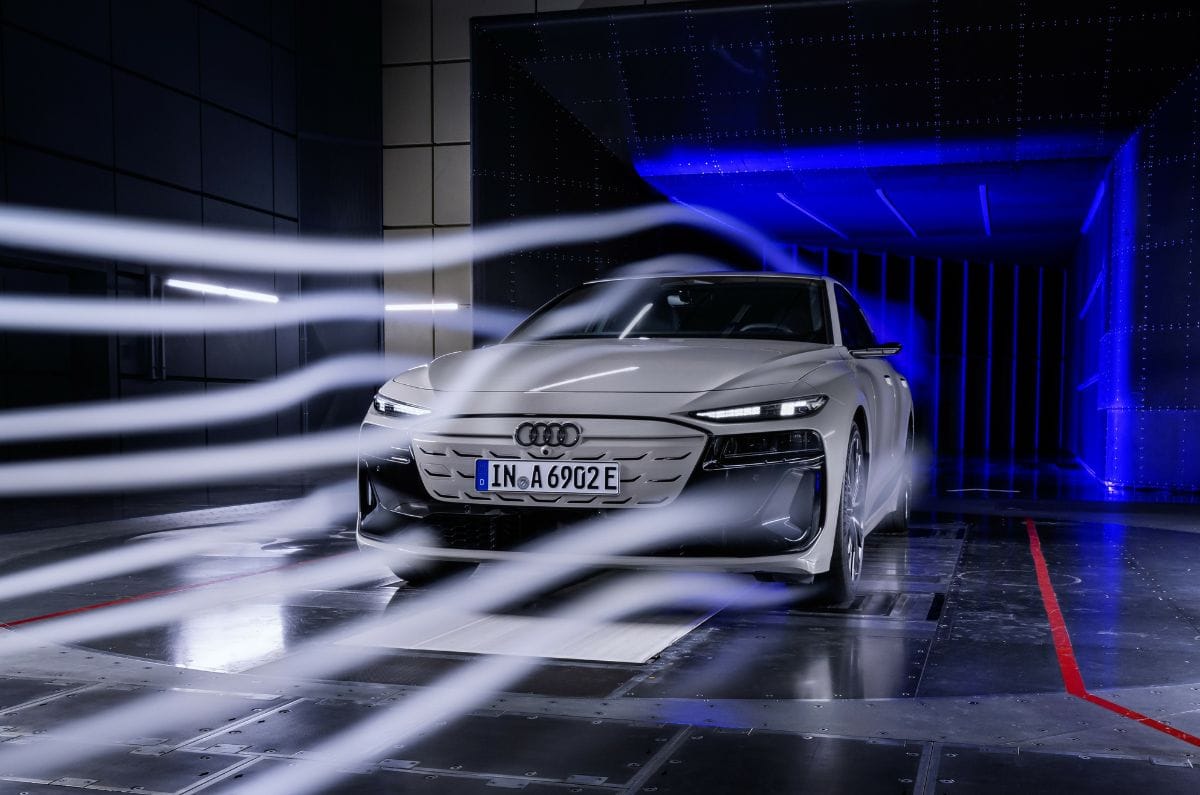
The first car to be tested in a wind tunnel was the 1921 ‘Teardrop car’ (Rumpler Tropfenwagen) by aircraft engineer Edmund Rumpler. Meanwhile, the 1934 Chrysler Airflow became the first production-scale model to benefit from this type of testing. The first dedicated automotive wind tunnel, opened by Daimler-Benz in collaboration with aerodynamics researcher Wunibald Kamm in Stuttgart, Germany, wouldn’t be ready until 1943.
Long story short, some of the splendid technologies that we may take for granted in cars have the world of aviation to thank – be it complex engineering solutions for practical problems or the need for advanced instrumentation. The two fields have been intertwined more than most of us realise.

 Dipan Sur
 Uday Singh
 Saptarshi Mondal
 Viraaj Bhatnagar