

As per the Ministry of Road Transport and Highways (MoRTH) data, India reported 4,80,583 road accidents in 2023, resulting in close to 1,72,890 deaths and 4,62,825 injuries – that's over 470 lives lost each day. These were mainly caused by intentional, avoidable acts like overspeeding and wrong-side driving, and to curb these, MoRTH stated that “citizens must be made aware of the importance of road safety to instil responsible behaviour and a sense of shared responsibility on our roads”.
in_car.jpeg?w=700&c=0)
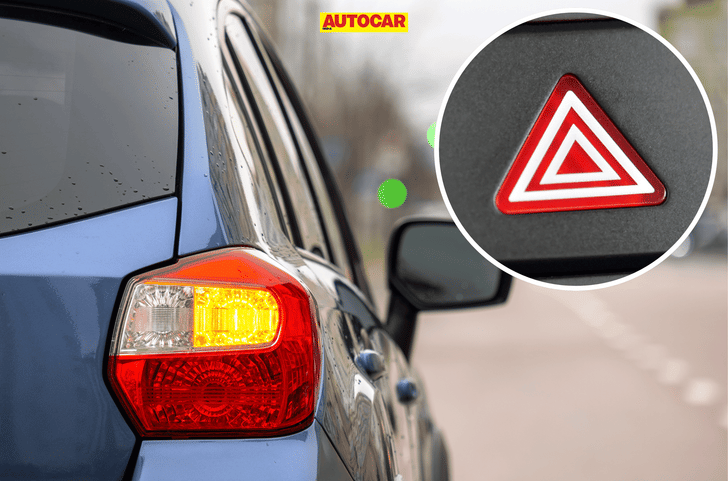
One way of being a part of this extremely important initiative is by correctly using the hazard/emergency lights, which are often misunderstood or misused. The hazard lights – where the left and right indicators blink together – are activated via a button that's usually marked with a red triangle (pictured above). This makes it easier for other road users to notice your vehicle. As the timing to use this safety feature is crucial, let us consider: a) when, and b) when not to use them.
When to turn on hazard lights
1. Mechanical breakdown, flat tyre.
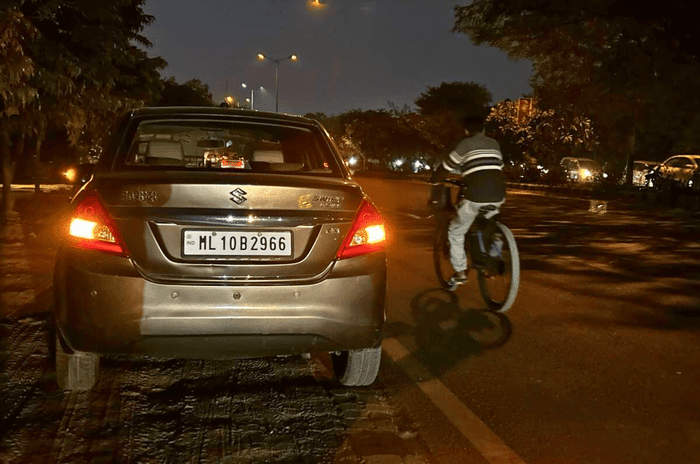
If your car breaks down or has a flat tyre, switch on the hazard lights right away. These flashing lights tell other drivers that your car has a problem. It helps them notice your vehicle from a distance, slow down and pass safely. When parked on the side of the road, hazard lights also warn other drivers that your car is stationary.
2. Post an accident.
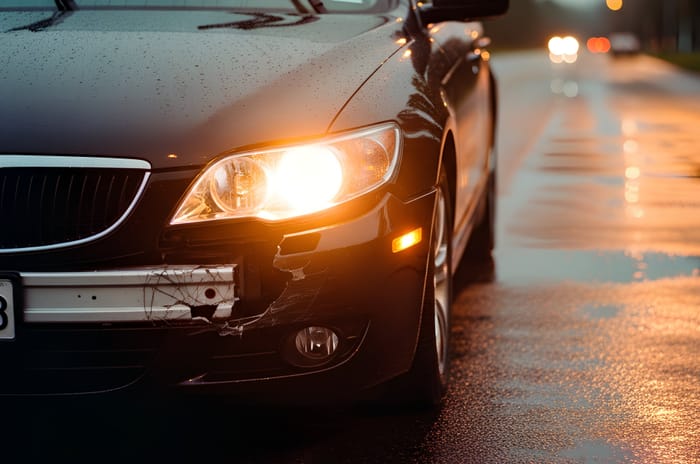
When a car ends up blocking a part of the road after an accident, turning on the hazard lights warns others to slow down and steer clear. The warning lights make your vehicle more visible and gives other drivers enough time to react safely.
3. While the car is being towed.
Keeping the hazard lights on while a vehicle is being towed makes it easier for other to realise it isn't moving under its own power. This helps them keep a safe distance and drive more carefully around it.
When not to use hazard lights
1. Fog or low visibility conditions.
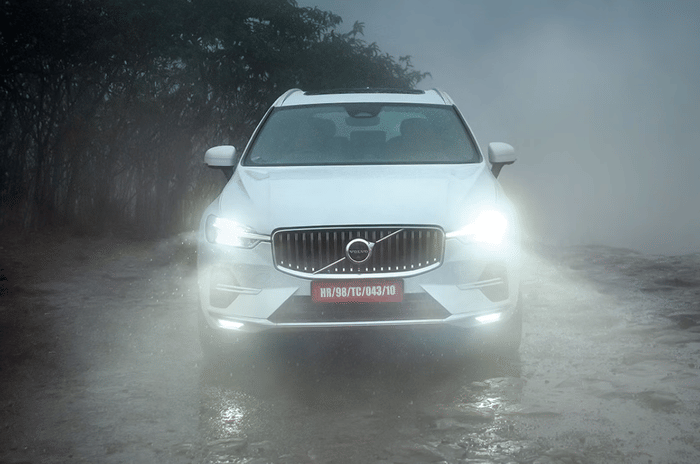
A common mistake drivers make when driving in fog, rain or when visibility is low, is turning on the car's hazard lights. This doesn't make the car more visible; rather, it can confuse others about whether you are stationary or moving. It is ideal to use fog lamps and headlights (in low beam setting) so that other drivers can judge your position and direction.
2. Tunnels.
.jpeg?w=700&c=0)
Driving through a tunnel does not require using your hazard lights, as it is not an emergency situation. In fact, keeping them on can confuse drivers, who might assume your car has stopped or broken down. Just use your headlights and let others see you easily.


 Saptarshi Mondal
 Viraaj Bhatnagar
 Saumil Shah