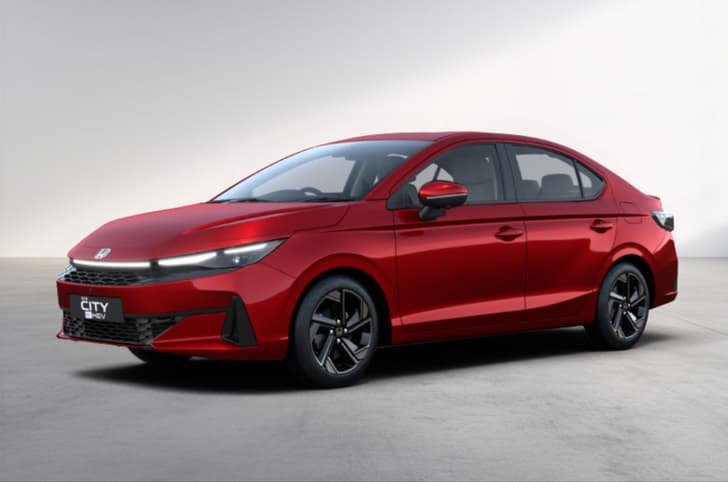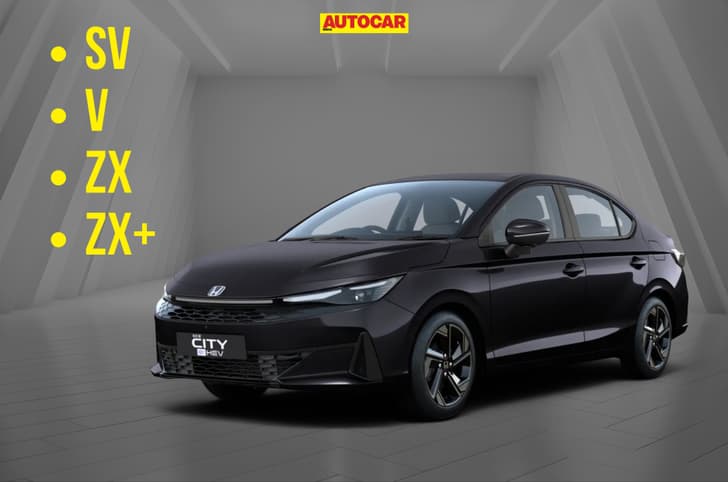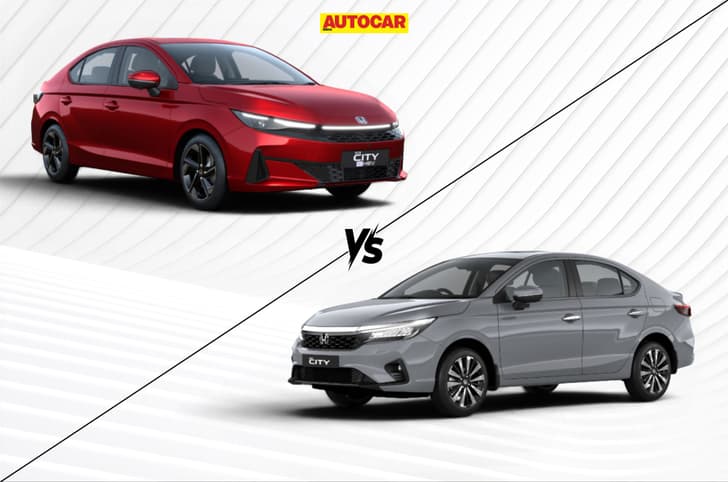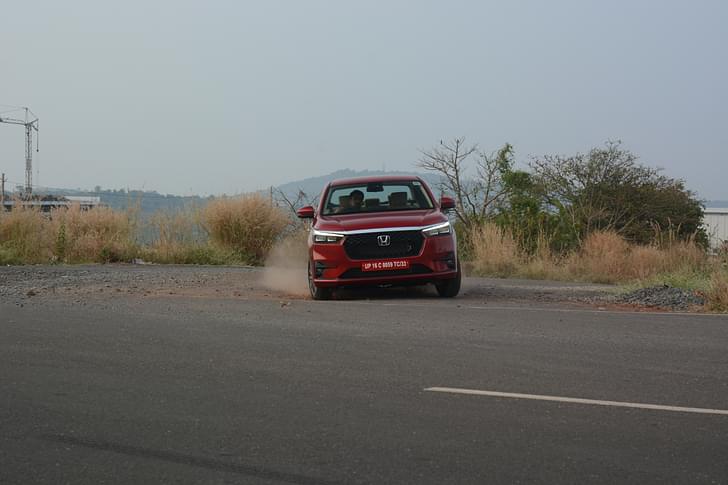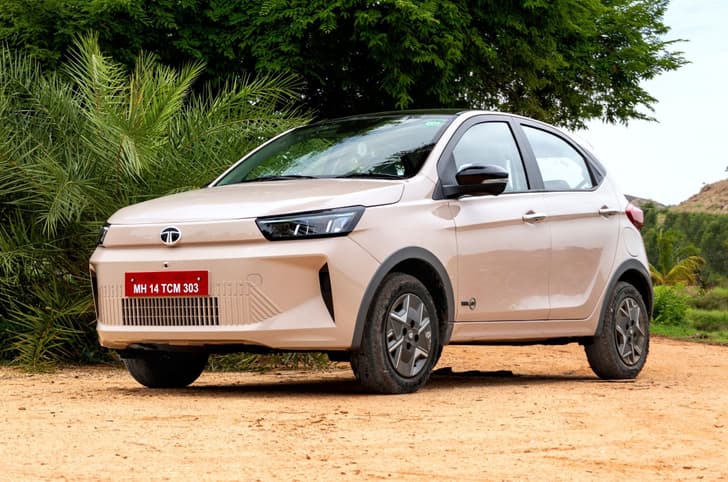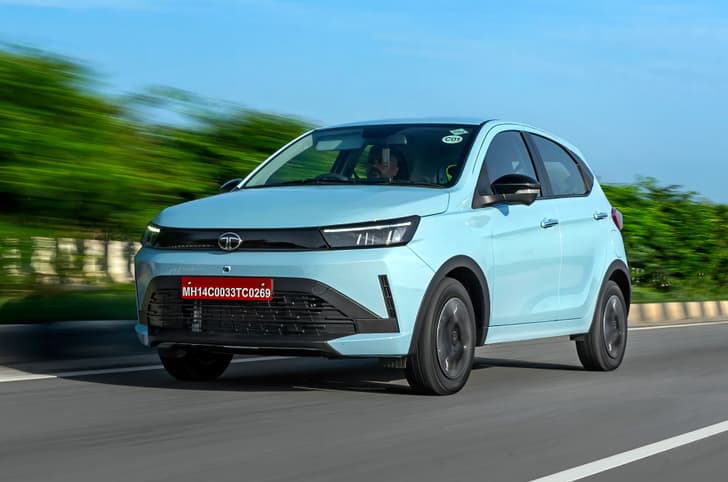


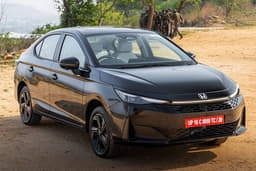


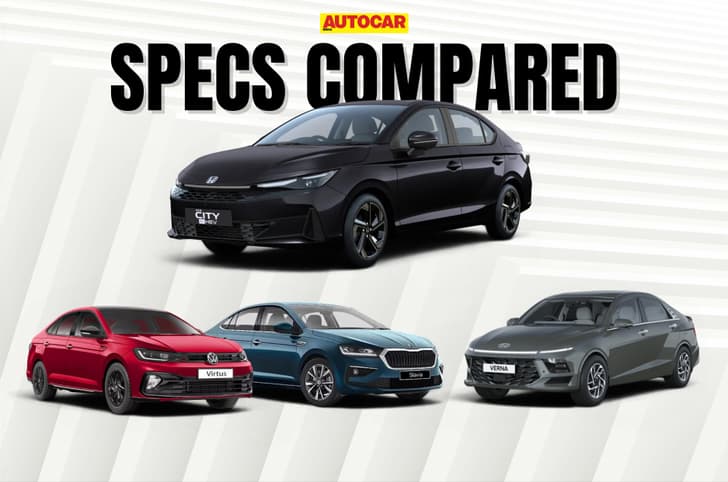
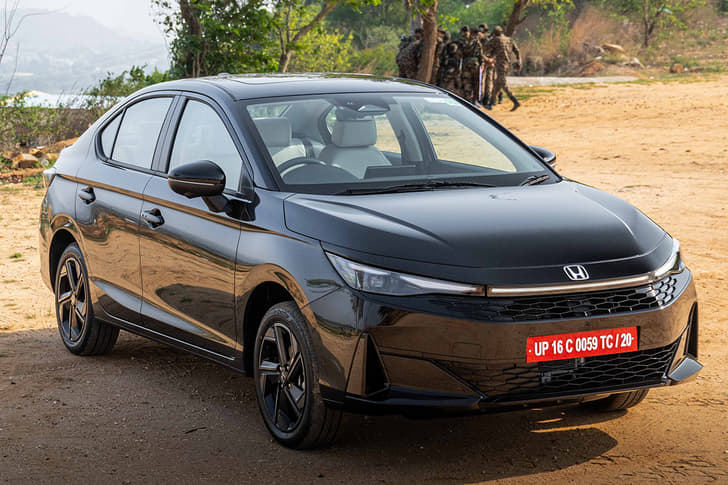
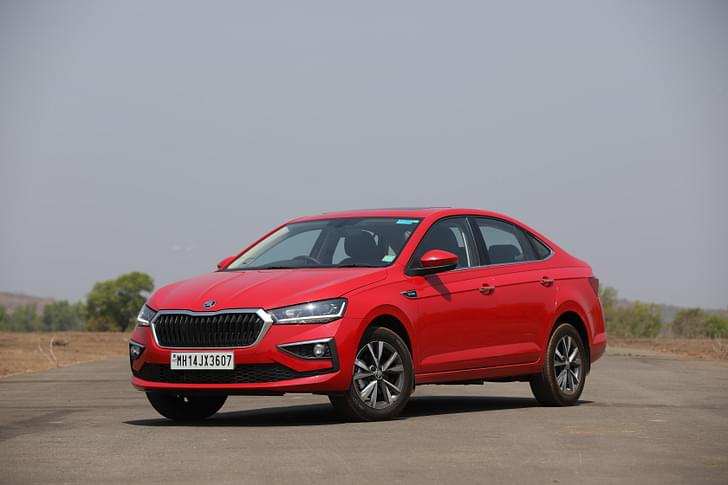
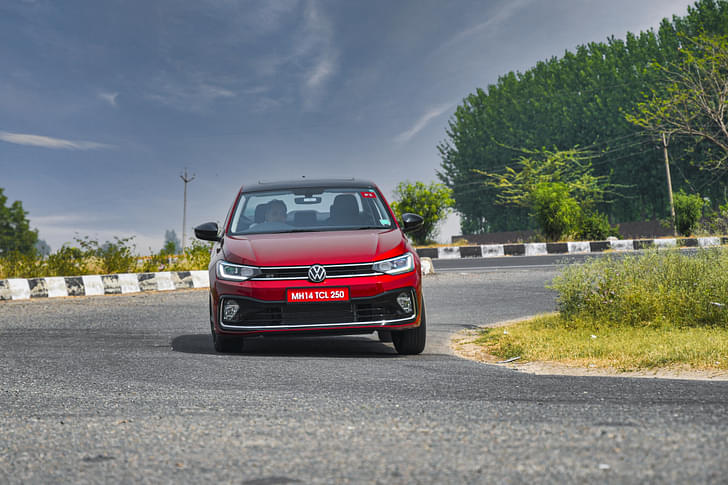
Honda has introduced a comprehensive update to the fifth-generation City. The MY26 City receives new design elements and feature additions while retaining its powertrain options. But how does the sedan stack up against its rivals? We compare its specifications and price to alternatives such as the Volkswagen Virtus, Skoda Slavia and Hyundai Verna.
Honda City vs rivals: Dimensions
The facelift has made the Honda City the longest in the segment at 4,594mm. However, it has the shortest wheelbase – 70mm shorter than the Hyundai Verna’s class-best 2,670mm figure. Also, the Verna is the widest and has the largest boot in the segment. Meanwhile, the Slavia and Virtus are taller and ride the highest above the ground. All sedans get 16-inch alloy wheels in their respective top-end trims.
Honda City vs rivals: Powertrain options
* P: Naturally aspirated petrol, H: Strong-hybrid, T: Turbo-petrol
The City facelift carries over the naturally aspirated (NA) petrol and strong hybrid engines from the previous model. Its NA unit delivers more power and torque than that of the Verna, the only other sedan to offer such a mill. Except for the City, all three cars offer turbo-petrol engines, and the Verna has the highest output in that company. Notably, the City has the distinction of a segment-only 126hp/253Nm 1.5-litre strong-hybrid engine paired to an e-CVT.
Honda City vs rivals: Price
In this comparison, the Honda City has the highest starting price of Rs 12 lakh. The Slavia is the most affordable, offering its base variant at under Rs 10 lakh. Top-end petrol-CVT versions of the City and Verna are priced identically. In turbo-petrol guise, the Volkswagen Virtus is the priciest. But considering all powertrain options, the City strong-hybrid is the most expensive in the segment.


 Dipan Sur
 Uday Singh
 Saptarshi Mondal
 Viraaj Bhatnagar