



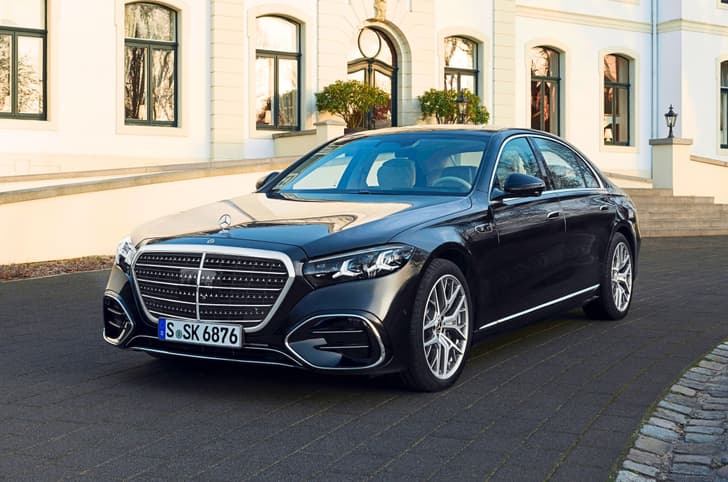
Mercedes-Benz is set to bring the facelifted S-Class to India in the late 2026 to early 2027 window. The 2026 S-Class facelift continues to rival the BMW 7 Series, which, coincidentally, also received a facelift this year. Now that we’ve reviewed the S-Class facelift, here are four reasons it should be on your luxury sedan shortlist, and two reasons why you may want to think twice.
Pros
Useful driver aids
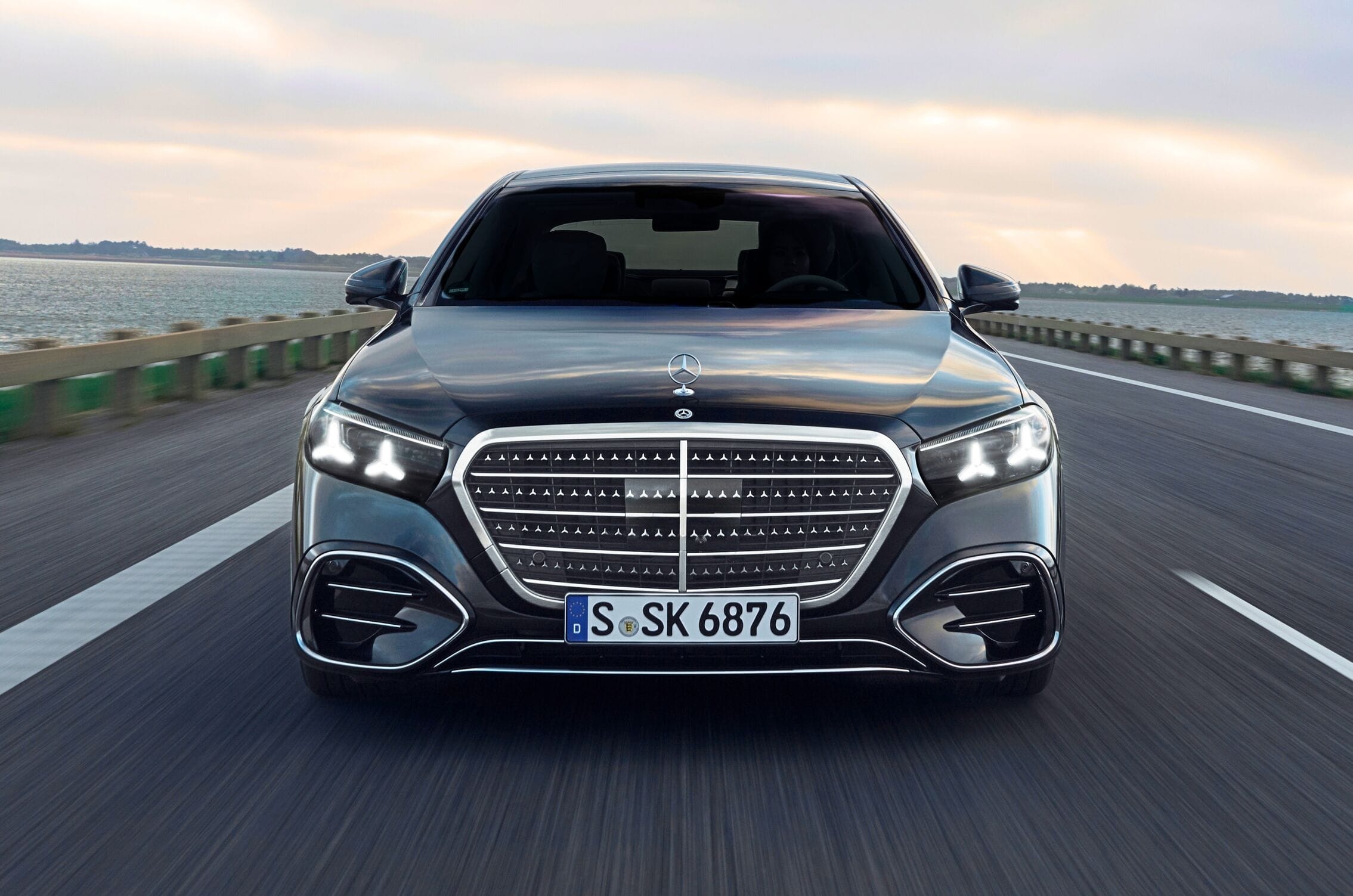
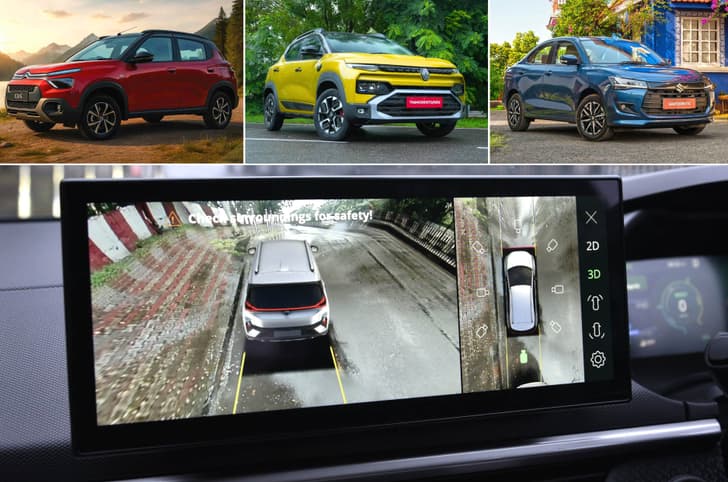
The S-Class facelift has received many upgrades on the tech front, the most notable being a host of new driver assistance features that Mercedes has labelled ‘Level 2++’. These are powered by 10 cameras and five radar sensors on the car’s exterior, with functions such as steering assist, lane-change assist and evasive steering support, among others. A particularly useful addition to the S-Class facelift is an automated reverse manoeuvre system that can retrace the exact path the car took into a tight spot, helping the driver back out of narrow lanes or dead ends.
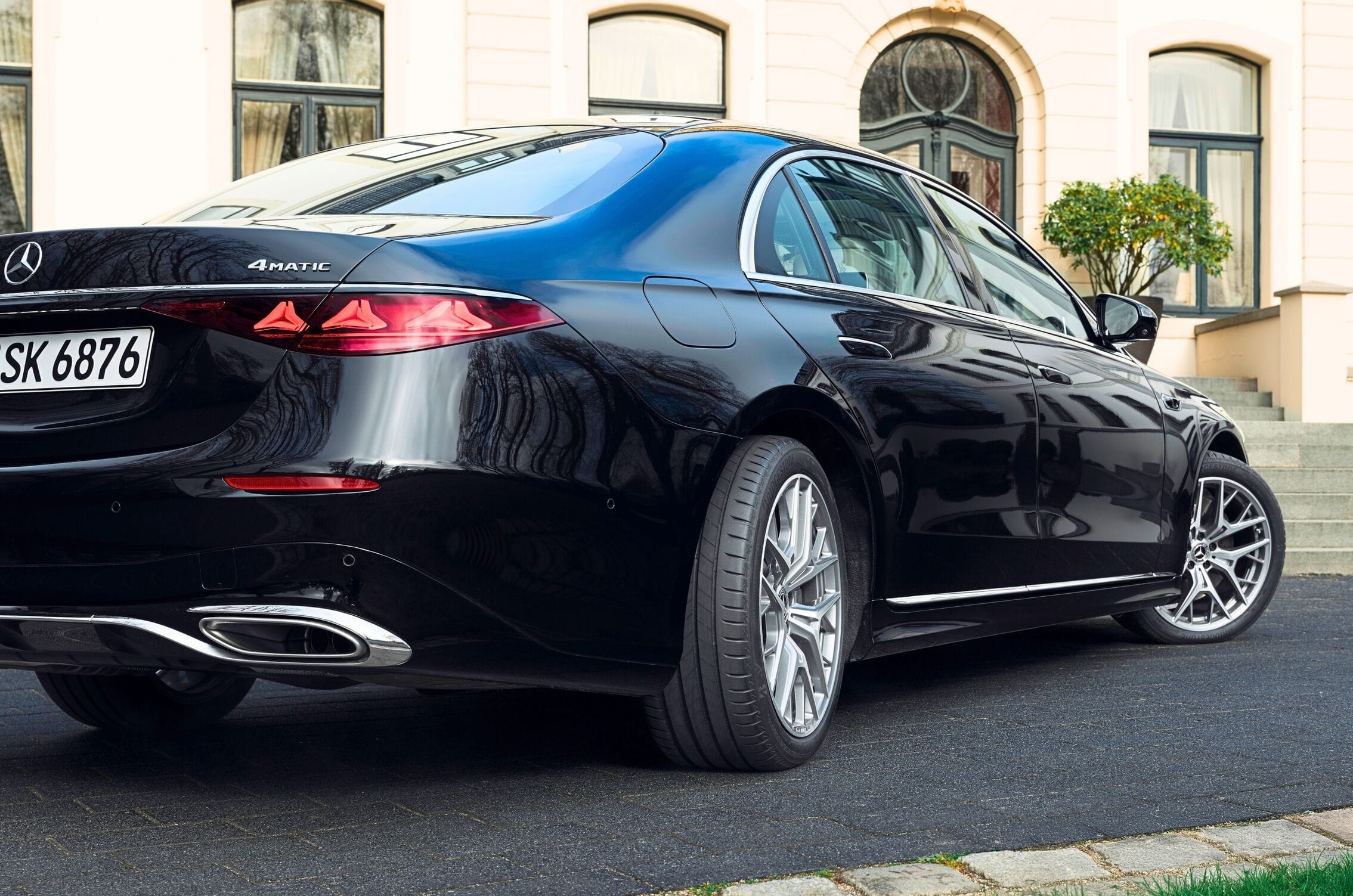
There’s an upgraded parking assistant, too, which can identify and park in available spaces without needing to drive past them or rely on well-marked bays, making it much easier to manoeuvre a car of this length in congested areas. The S-Class also comes with all-wheel steering, which, depending on spec, turns the rear wheels by either 4 degrees or 10 degrees. This shortens the turning circle by nearly 2 metres and further improves manoeuvrability.
Smooth engines
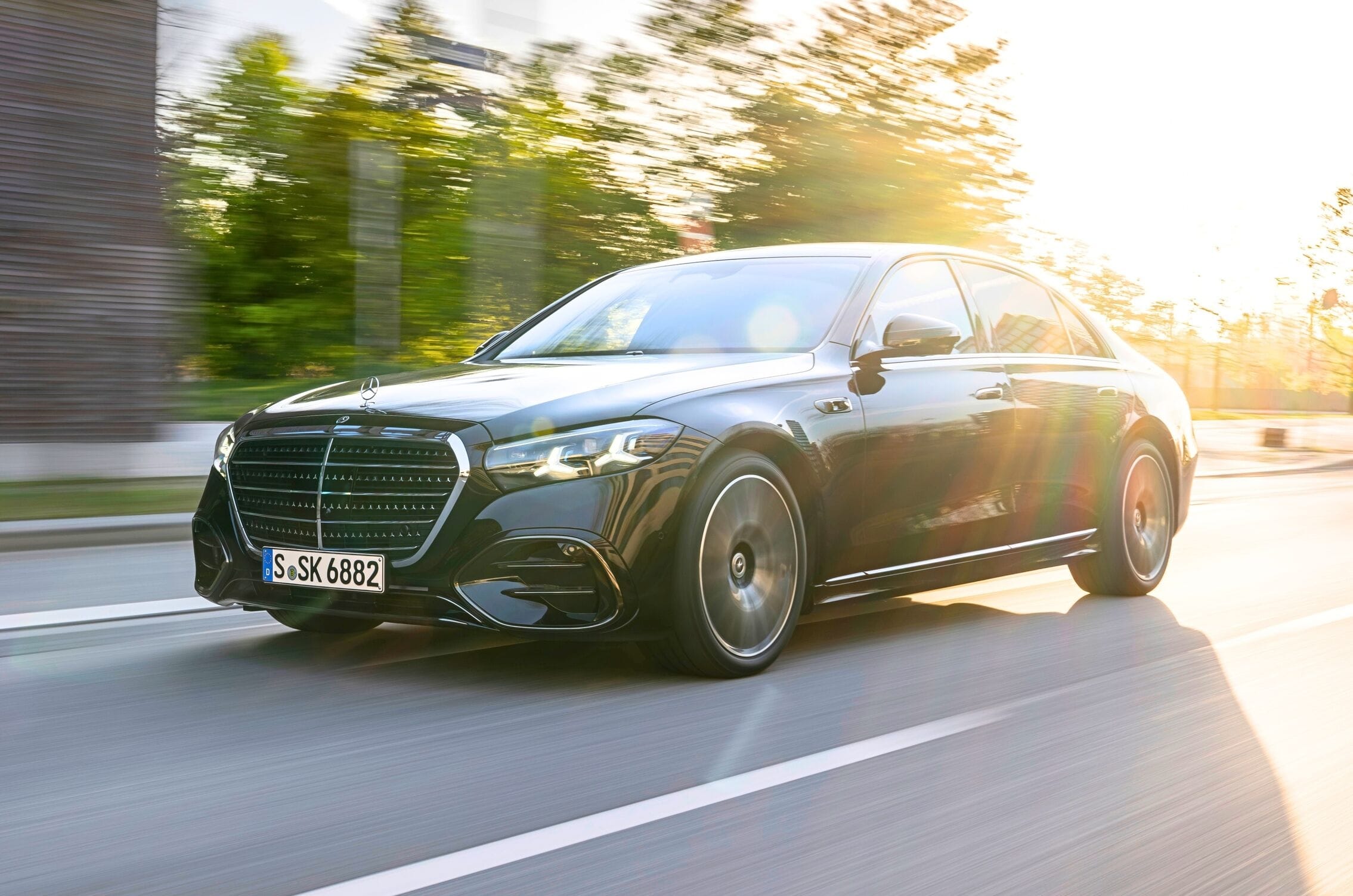
Mercedes has retained the existing engine options for the S-Class facelift but introduced numerous updates, including compliance with Euro 7 and BS7 emission norms. Of them, the pure-petrol S 450 will be the mainstay of the range, offering a 404hp 3.0-litre inline-six engine mated to a 48V mild-hybrid system and a 9-speed automatic gearbox.
As before, this engine feels very smooth, with progressive and measured power delivery. Out on the highway, the S 450’s engine is barely audible, and NVH levels are stellar overall, though there is still a touch of wind rustle around the A-pillars at higher speeds. The diesel S 350d, powered by a 3.0-litre inline-6, is also on offer globally, but it’s unclear whether it will be sold in India.
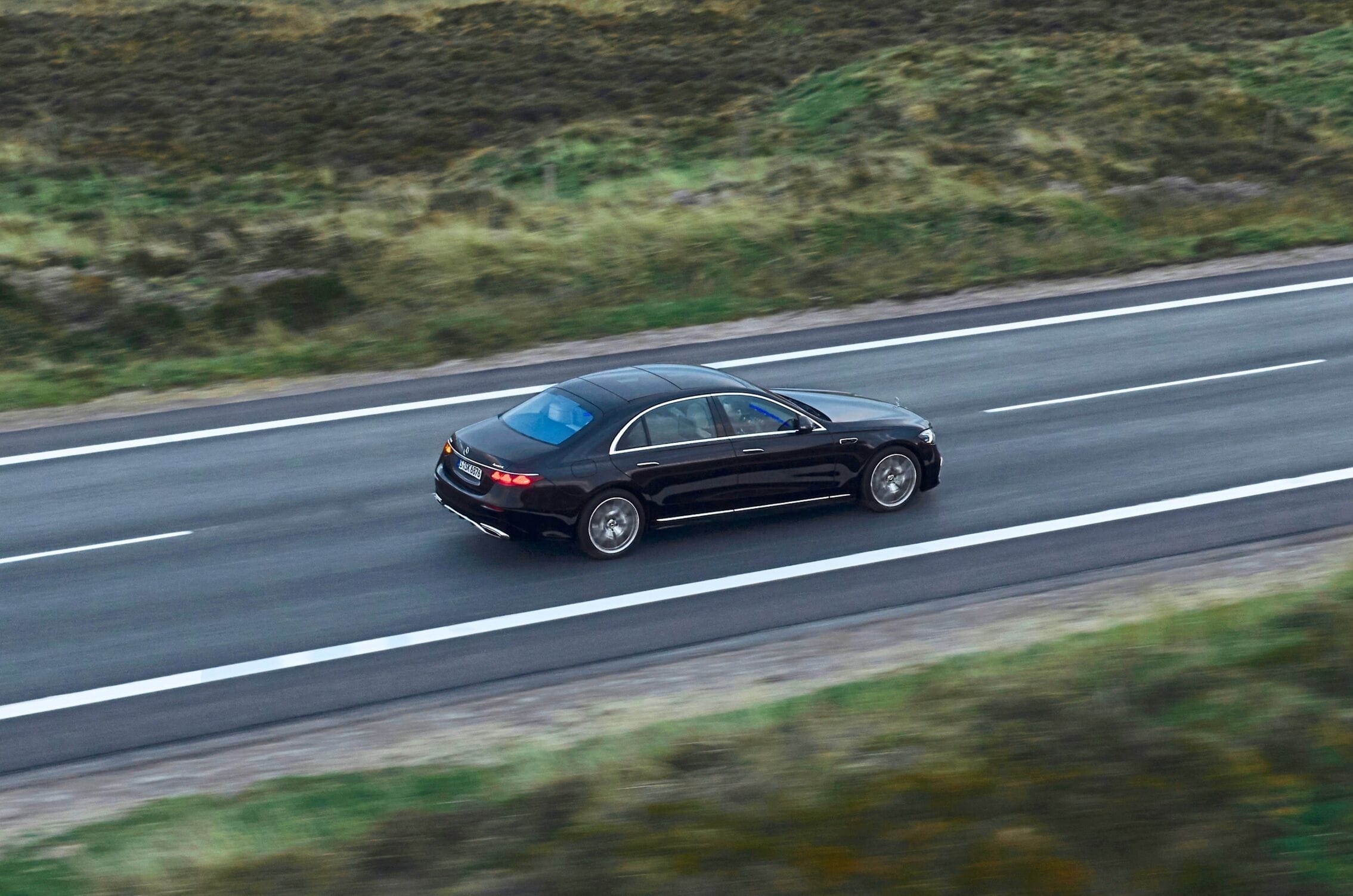
The S-Class facelift will also be available in the S 450e plug-in hybrid guise when it launches here, making it Mercedes-Benz’s first PHEV for the country. The S 450e combines a 3.0-litre turbocharged inline-six, a 22kWh battery pack and a rear-mounted motor for a combined output of 435hp and 680Nm. The all-electric range for the S 450e is pegged at up to 100km.
Top-class comfort
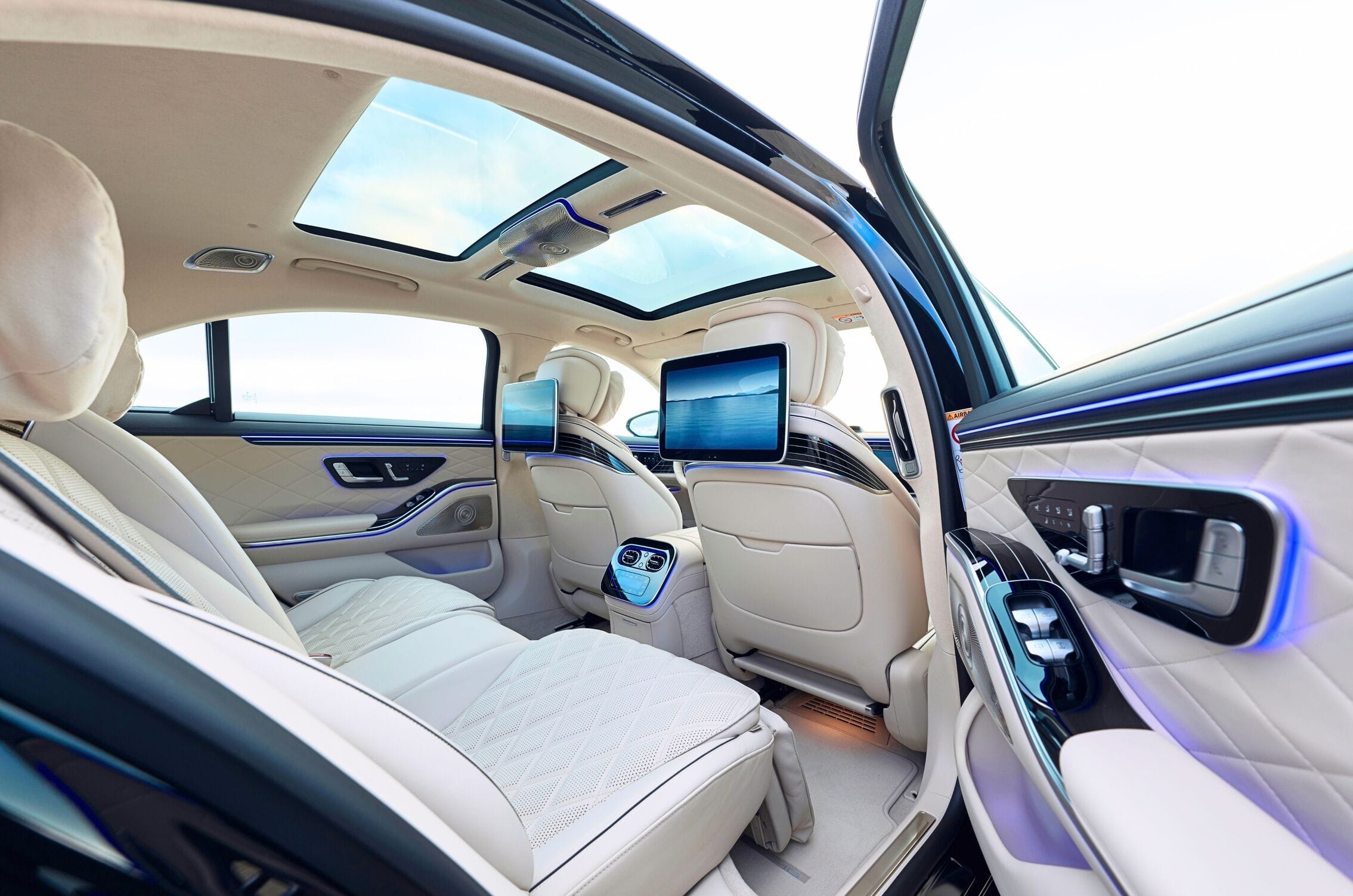
The highlight of the S-Class has always been its rear-seat experience, and the facelifted model continues to excel in this regard. Mercedes hasn’t made many changes to the existing layout, which means you get generous legroom, excellent under-thigh support, massaging, heating and ventilation functions for the seats, 43-degree reclining rear seats, and more.
Further enhancing the comfort is the ride quality. Thanks to plush air suspension, careful seat tuning and hushed NVH levels, the S-Class remains hard to beat as a long-distance luxury car. The S-Class facelift’s ride was characteristically supple and well-controlled on the smooth German roads we drove it on, but how much of that translates to Indian conditions remains to be seen.
Loads of features
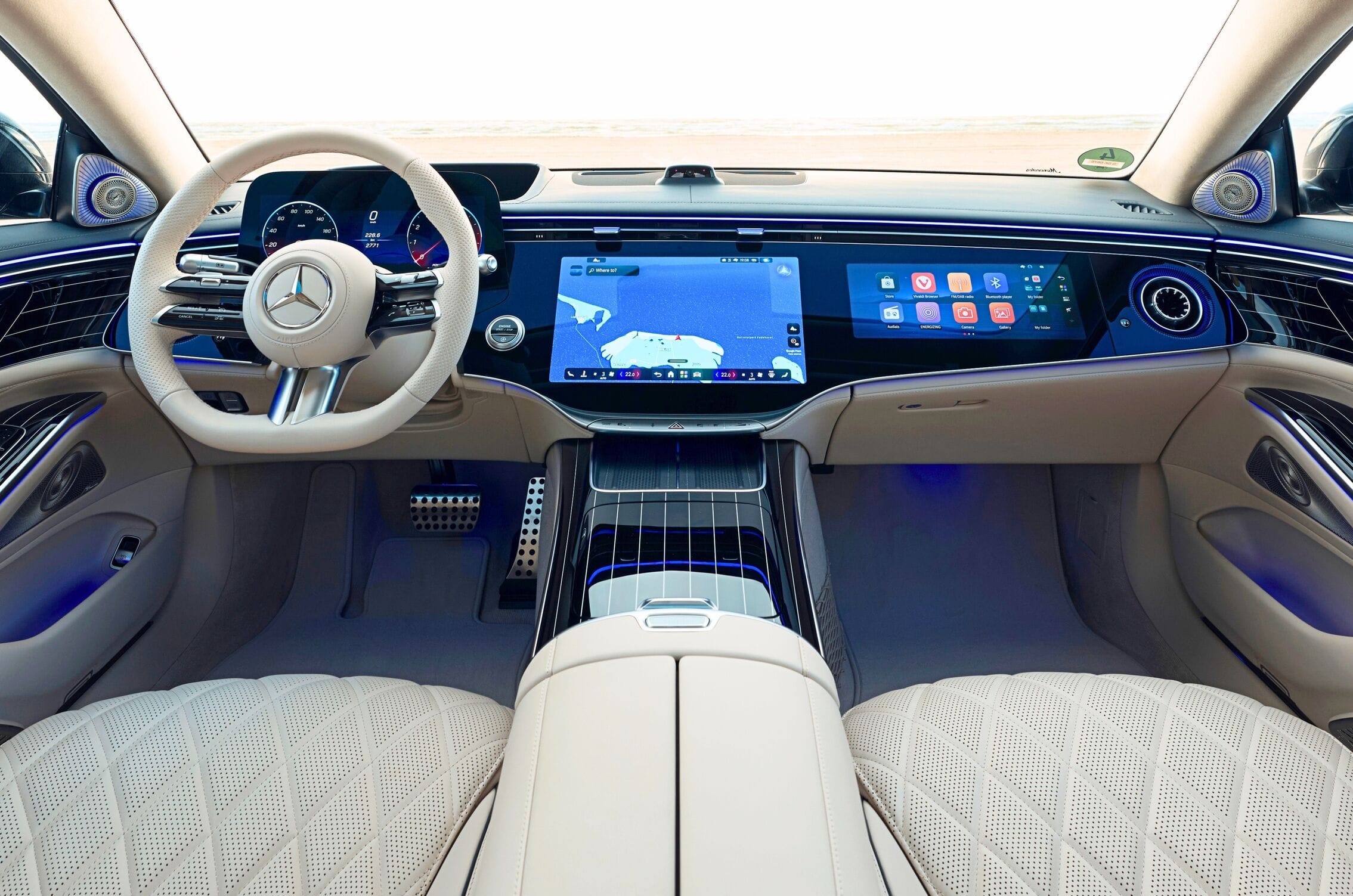
As mentioned previously, there’s a lot of new tech onboard the S-Class facelift. The dashboard is dominated by a ‘Superscreen’ triple-display setup, comprising a 12.3-inch digital instrument cluster, a 14.4-inch central touchscreen and a 12.3-inch passenger display. It runs Mercedes’s latest MB.OS software, offering upgraded graphics and noticeably snappier responses. Features such as ambient lighting, a dual-pane sunroof, a 360-degree camera, a Burmester surround-sound system and 4-zone climate control are also included.
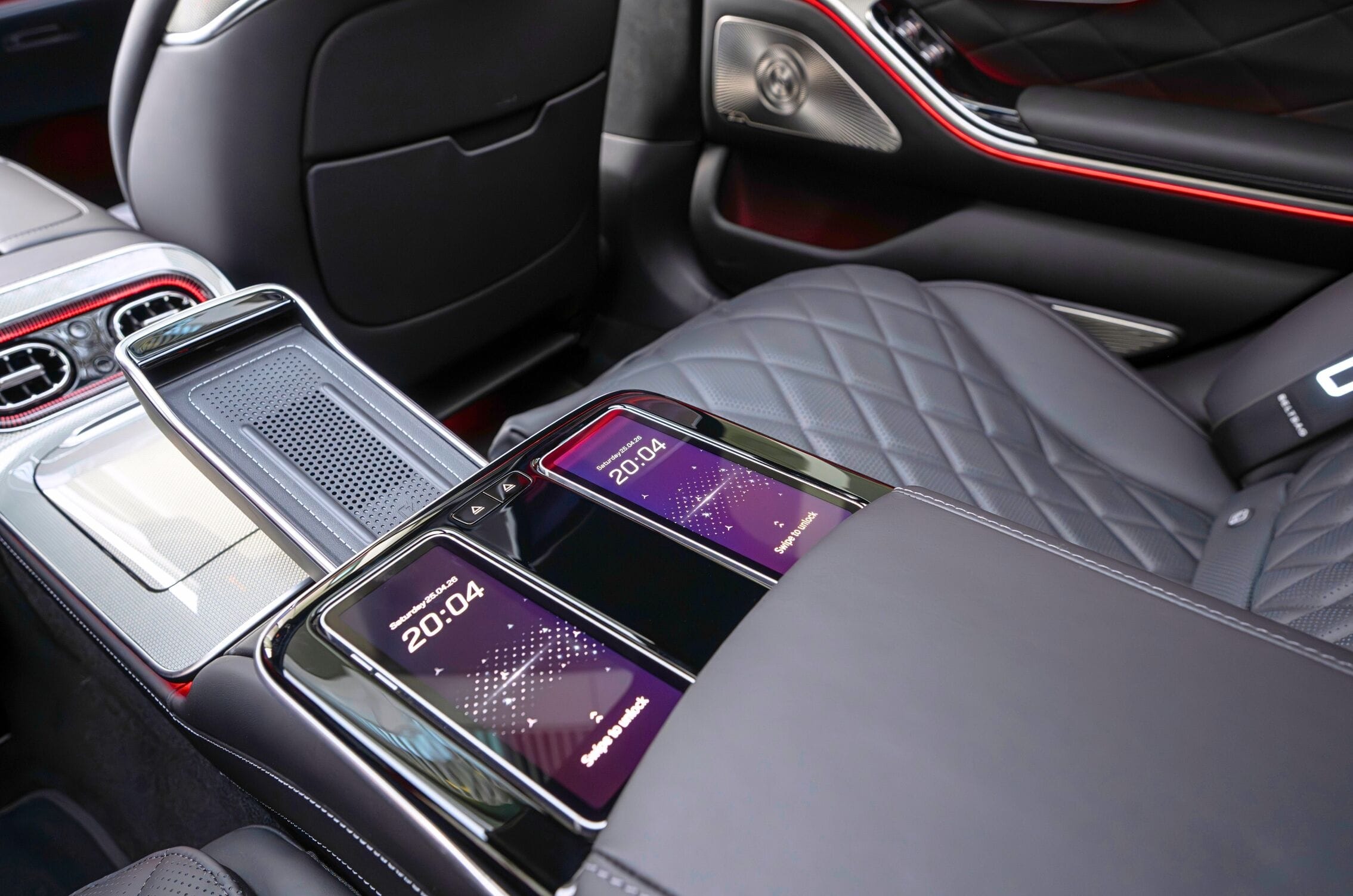
At the back, Mercedes has replaced the fixed control panel with a removable, smartphone-style remote, which can be used to adjust settings, control media, stream video, join video conferences, and even operate the in-cabin cameras for selfies. Rear-seat occupants also get a pair of 13.1-inch entertainment screens.
Cons
Over-reliance on screens
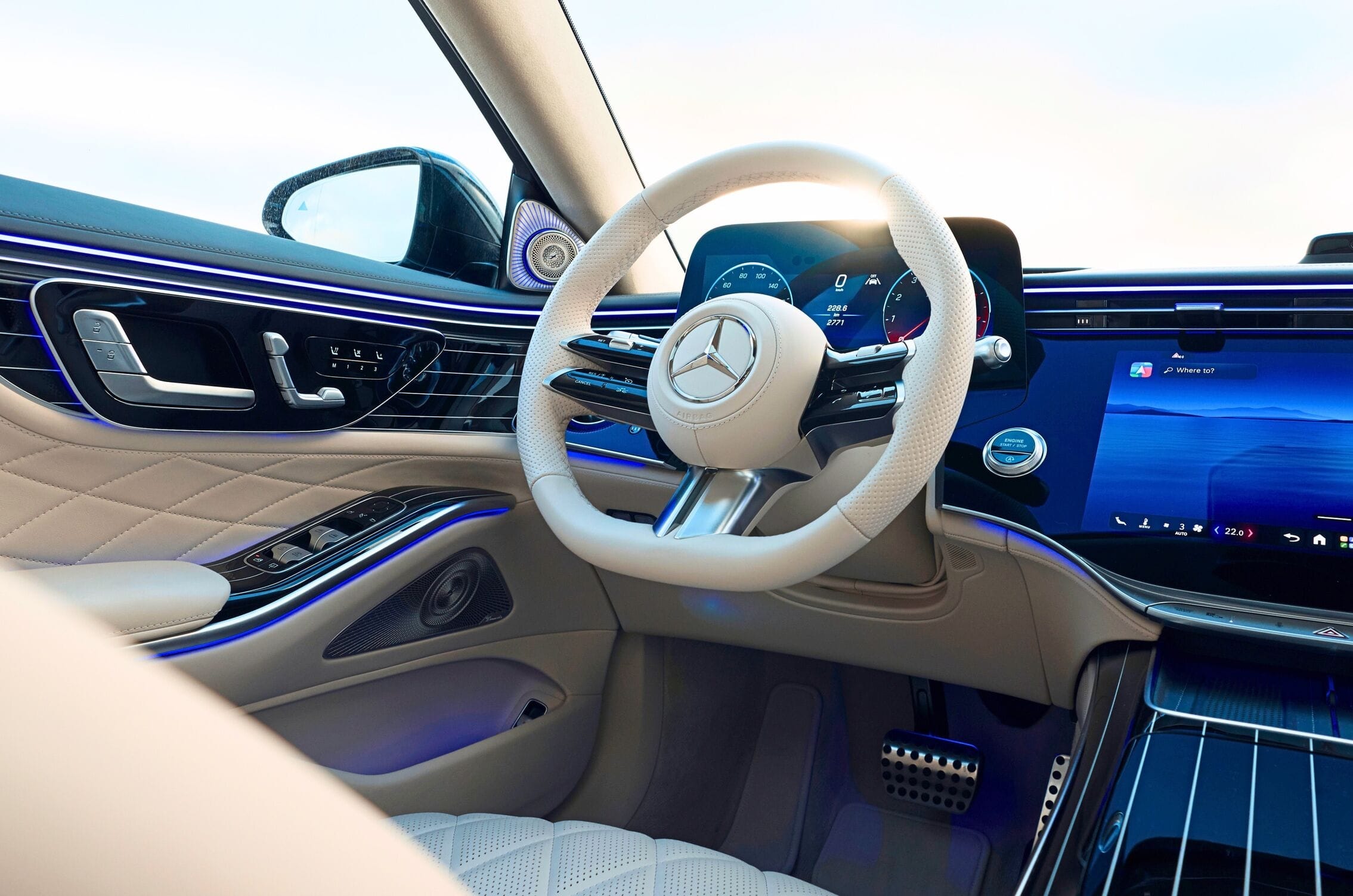
With the inclusion of the Superscreen, the S-Class facelift’s cabin has seen a reduction in the number of physical controls. Core functions, such as climate control, AC vent adjustment, mirrors and lights, are now buried in the central touchscreen, which robs the cabin of the intuitiveness that physical knobs and sliders offer and can be distracting while on the move. Thankfully, the side vents remain manually adjustable and can be fully shut off, and Mercedes has included a few physical controls on the steering wheel.
Significant price increase expected
Owing to the tech and powertrain upgrades, the S-Class facelift is likely to command a steep premium over the outgoing model, and even more so for the S 450e PHEV, which is expected to retail as a full CBU import.



 Dipan Sur
 Uday Singh
 Saptarshi Mondal