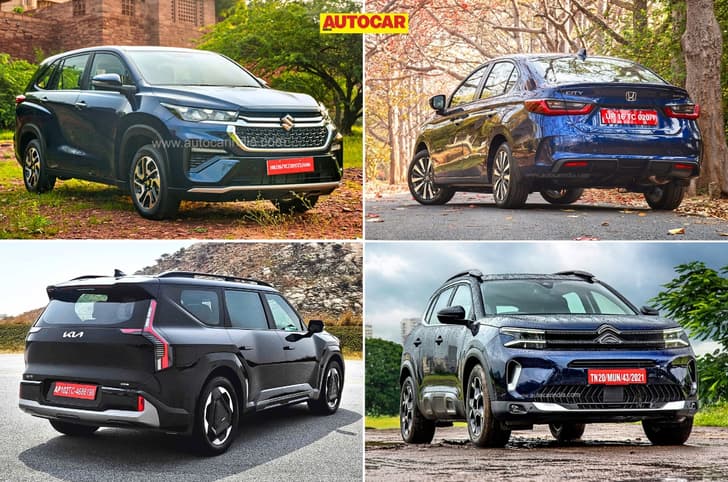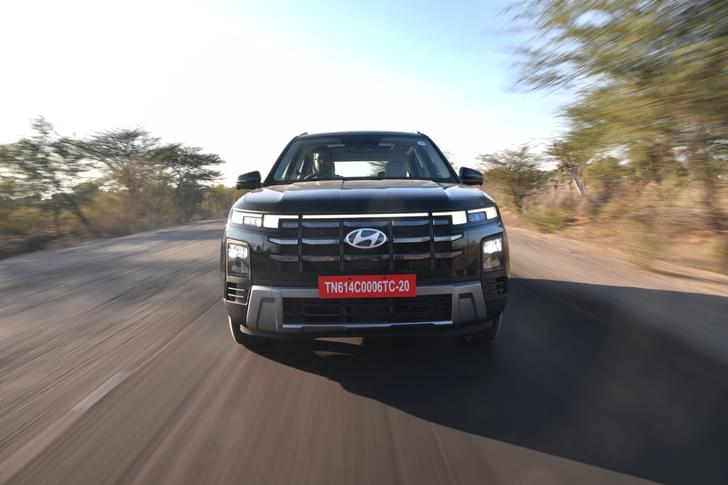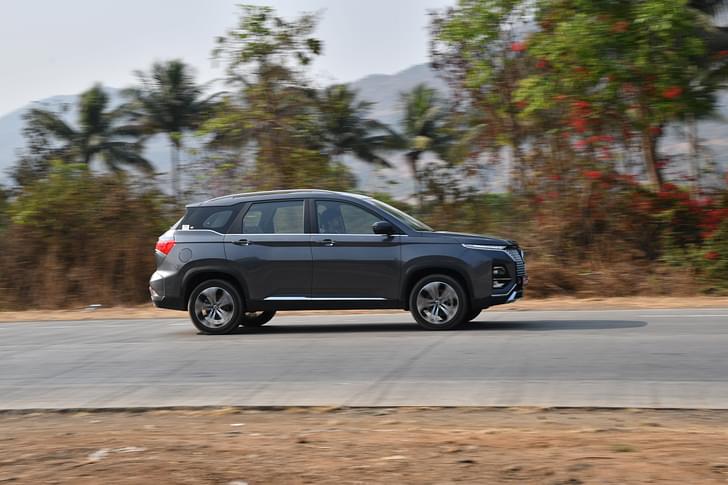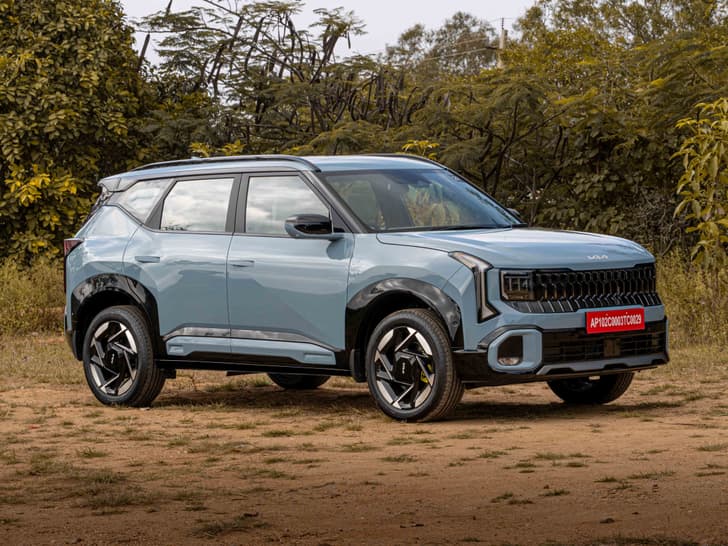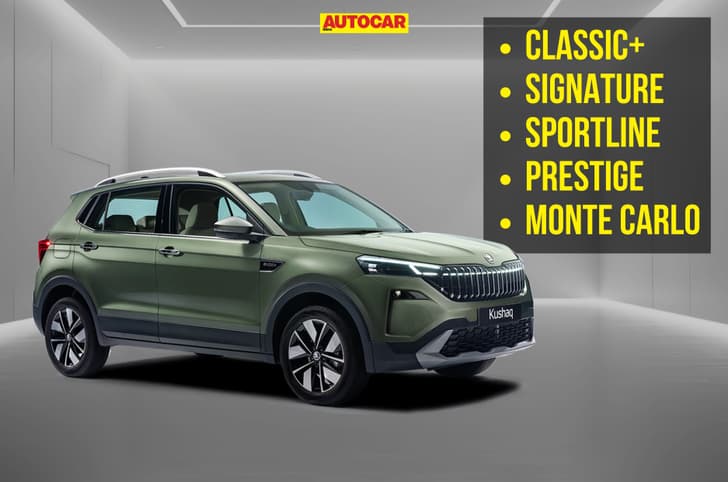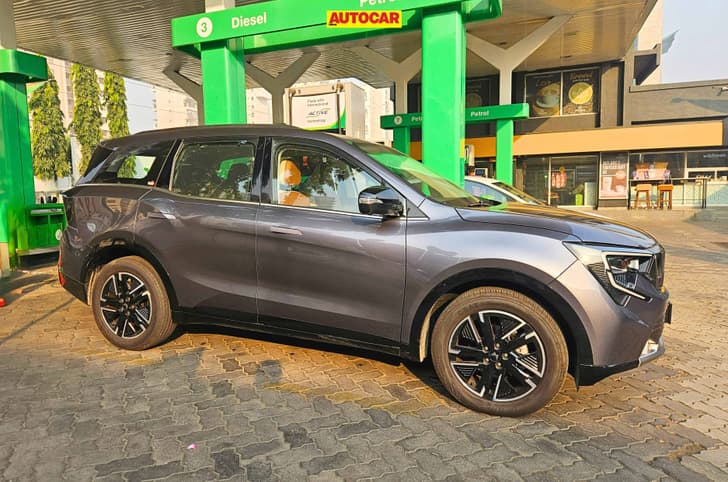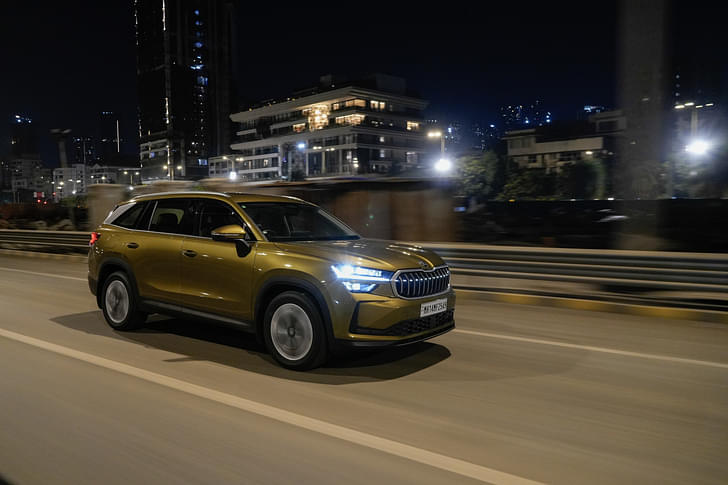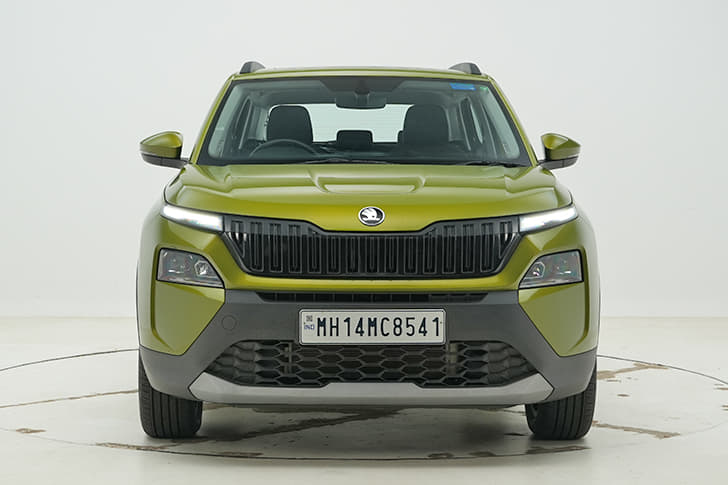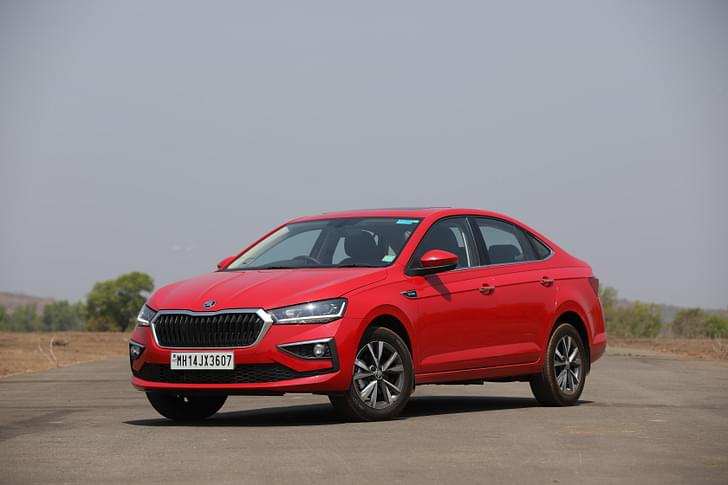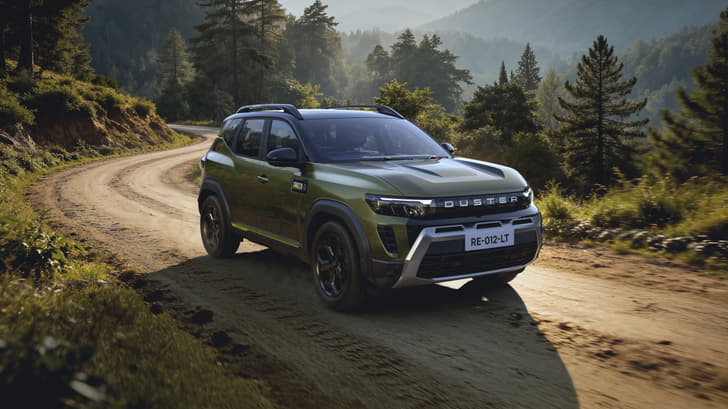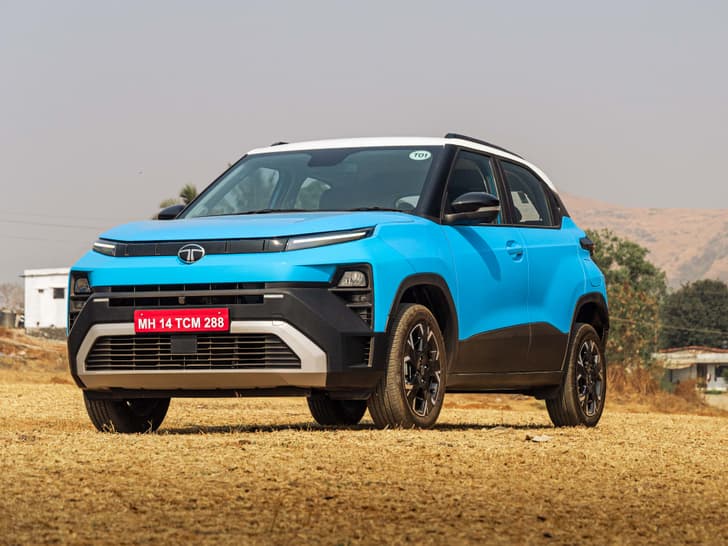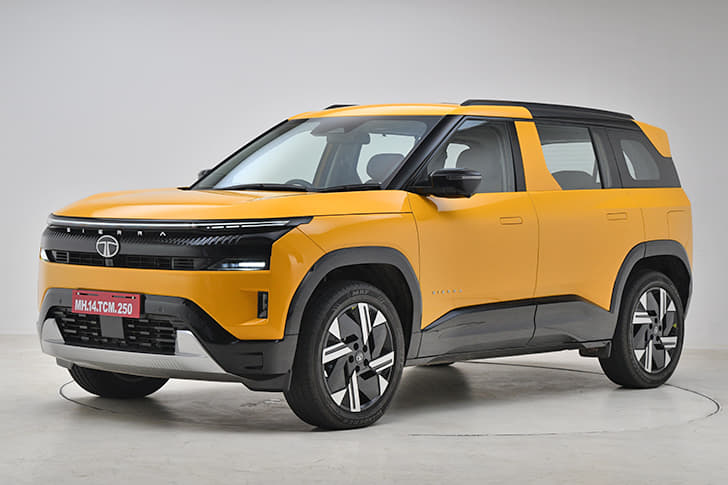

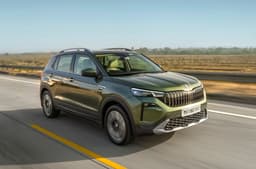

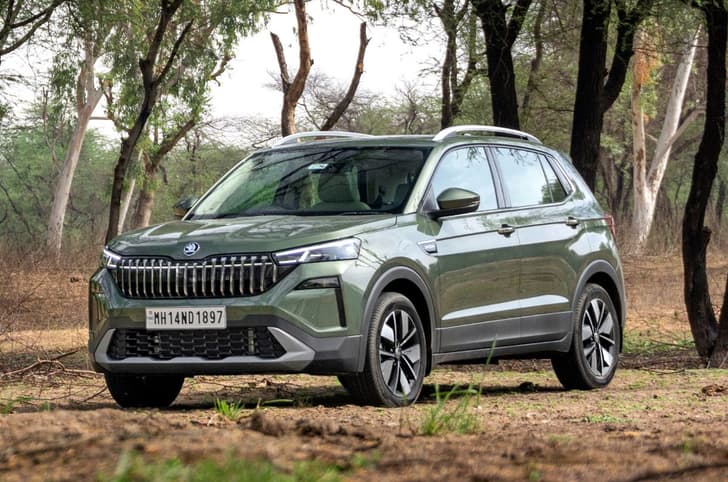
The mid-cycle update to the Skoda Kushaq brings subtle design tweaks, a few feature additions and even a new automatic gearbox. Like before, it competes in the hotly contested midsize SUV space with rivals such as the Hyundai Creta, Tata Sierra, Maruti Grand Vitara, and more. We have now driven the updated Kushaq, and here are three reasons that make a strong case for it, and two areas where it could do better.
Pros
Smooth and quick-shifting 8-speed AT.
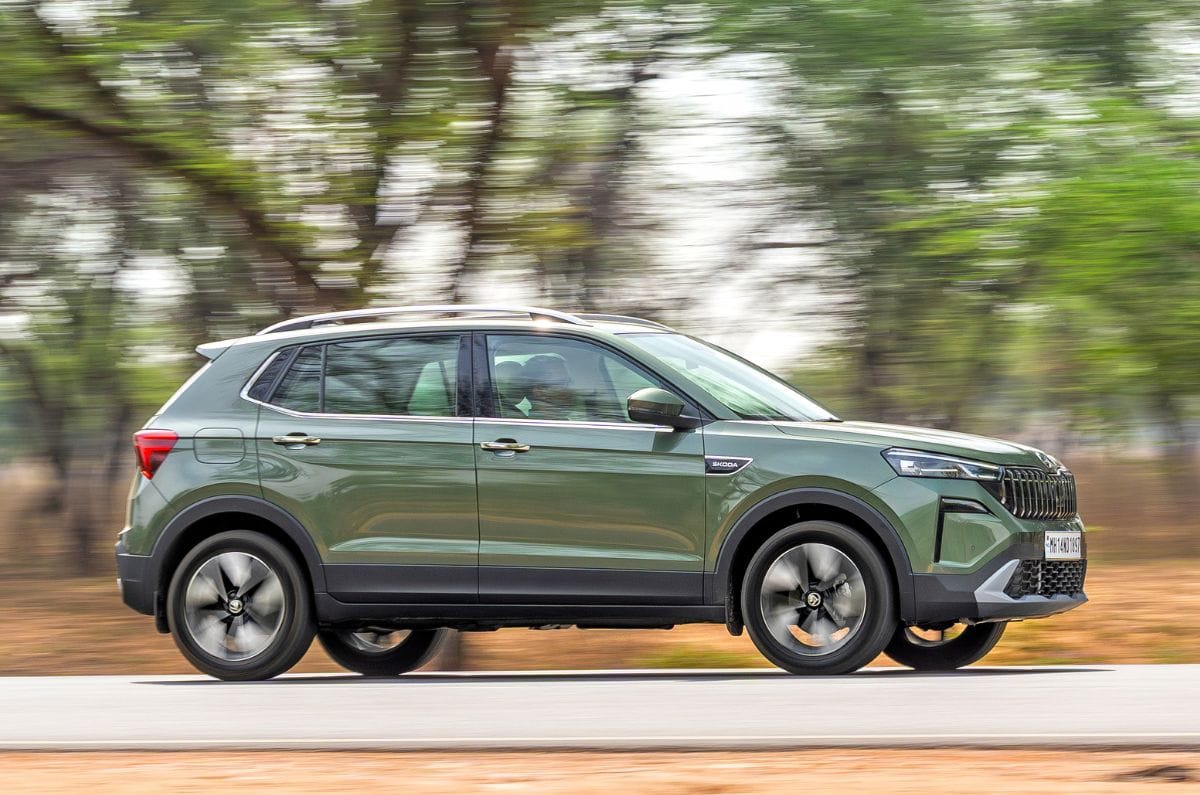
The biggest update on the Kushaq facelift is the new 8-speed torque converter automatic (AQ300) paired with the 1.0-litre turbo-petrol engine, replacing the older 6-speed unit. On the move, as expected from a torque converter, the shifts are smooth. What stands out is how quick it shifts in manual mode – whether using the paddles or the gear lever – and it feels almost like a dual-clutch automatic transmission. In manual mode, the gearbox holds gears longer, allowing the engine to rev up to around 5,800rpm in first and second, and up to the 6,000rpm redline in third before shifting.
Quick and energetic drivetrains.
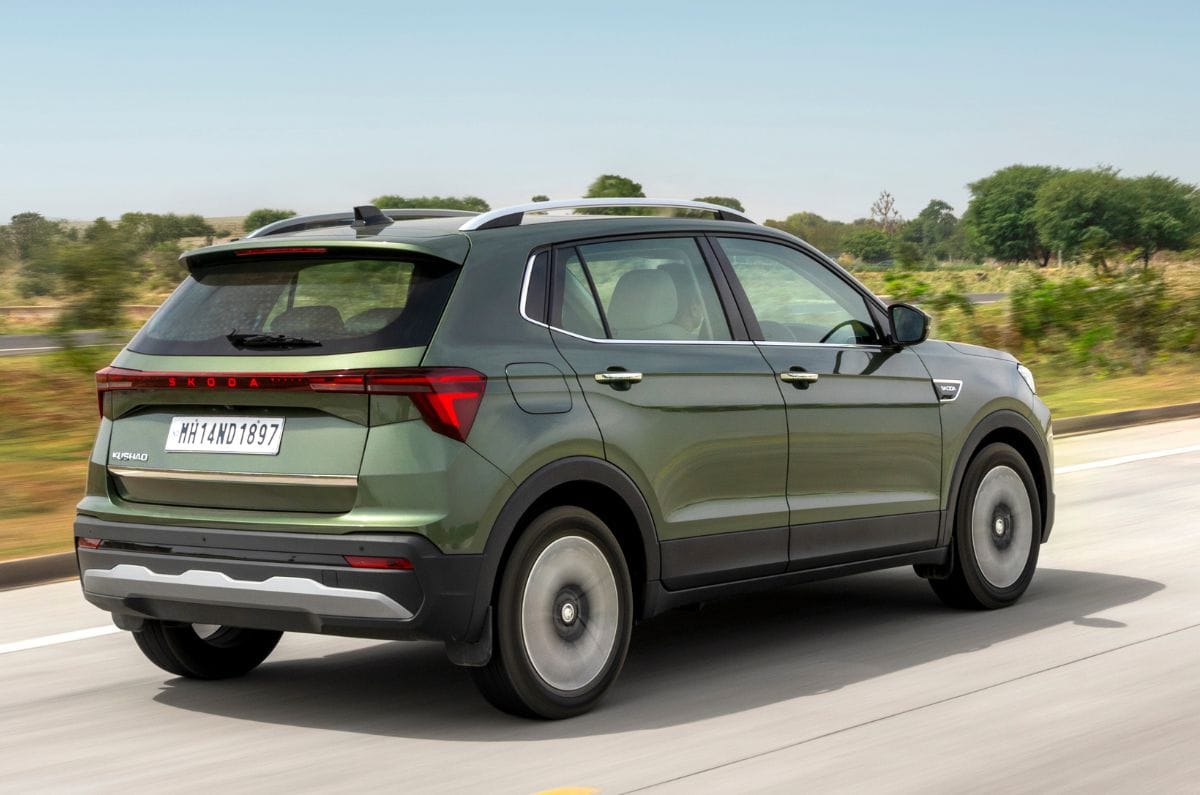
As before, the Skoda SUV continues with its two direct injection turbo-petrol engine choices: a 115hp 1.0-litre and a 150hp 1.5-litre. The 3-cylinder 1.0 TSI's tendency to lurch forward from standstill has reduced with the new 8AT gearbox. The car still feels slightly eager off the line, but it's much better controlled. It feels responsive and offers decent performance, managing to sprint from 0-100kph in 11.57 seconds in our initial tests; 1.59 seconds quicker than the earlier 6-speed AT's 13.16 seconds.
Speaking of the larger 4-cylinder 1.5 TSI unit, it continues to deliver strong performance with smooth, quick shifts via the paddles. For reference, the pre-facelift Kushaq hit 0-100kph in 9.54 seconds, and this should stay similar. Between the two, this engine stands out for its stronger performance and smoother feel.
Good body control and high-speed manners.
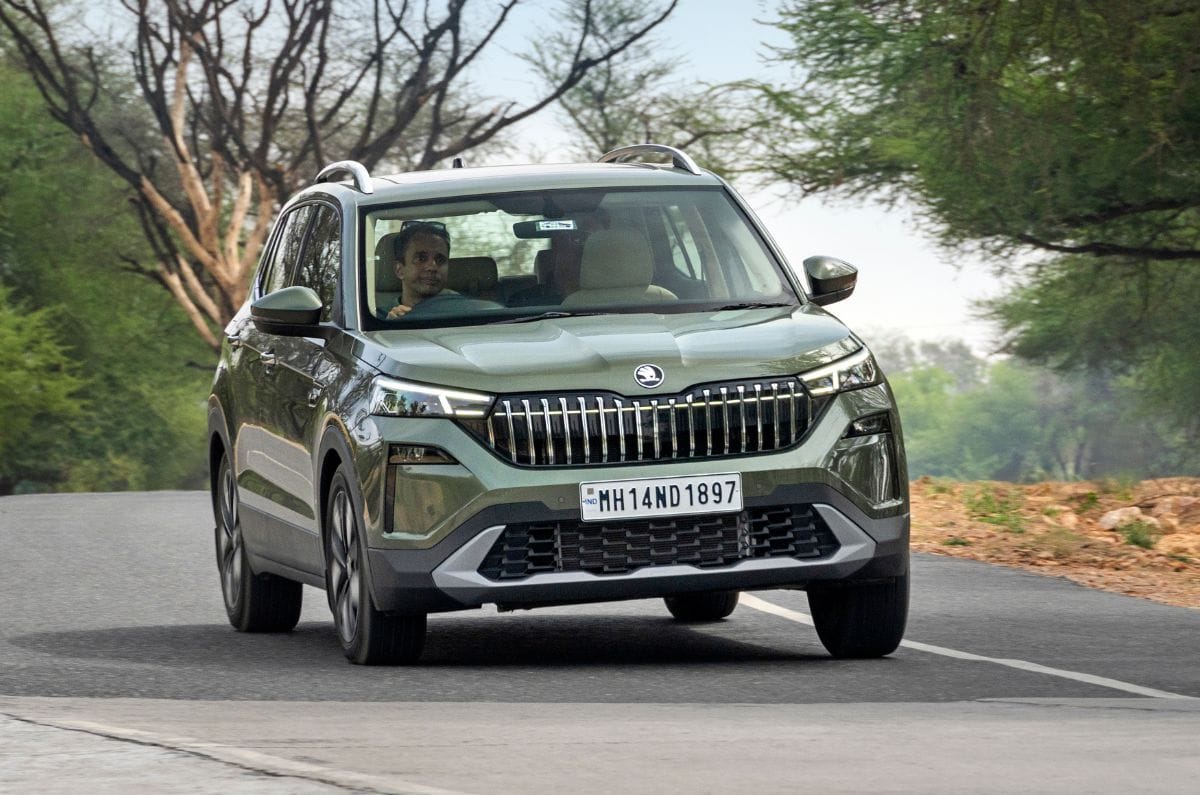
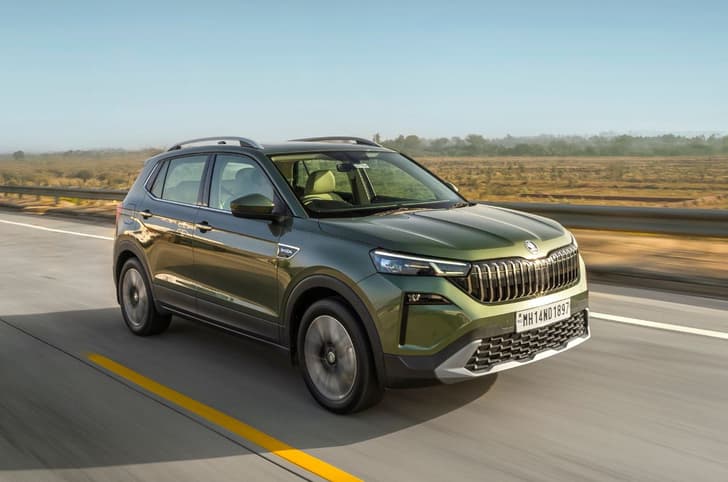
When driving at high speeds, the ride becomes quite comfortable and the 1.5 TSI version feels slightly better cushioned than the 1.0 TSI. Even over dirt trails, the Kushaq maintains good ride quality and body composure. Body roll is well controlled in corners, and grip levels are reassuring. On the braking front, the 1.5 TSI models add rear disc brakes, and stopping performance feels strong and confidence-inspiring.
Cons
Ride has a firm edge at lower city speeds.
Talking about ride and handling, they have a typical European feel. At low speeds, the ride is on the firmer side and you can feel sharp edges over potholes and broken roads. There’s also some suspension noise that filters into the cabin due to lower cabin insulation, which further adds to the firm ride impression.
Overall NVH needs improvement.
For the smaller engine, refinement could be improved. More sound insulation would have also helped, as engine noise is noticeable inside the cabin. On the larger engine, the same issue carries over. While the engine likes to rev, it gets quite loud when pushed. Road noise from rough surfaces also filters into the cabin easily, pointing to a need for better insulation.


 Saptarshi Mondal
 Viraaj Bhatnagar
 Saumil Shah