I’m a first-time car buyer. My usage will be around 40% city driving and 60% on state highways, with a monthly running of approximately 800-1,000 km. The roads are somewhat okay, with some bad stretches but mostly good roads. I’m looking for an automatic transmission. Hatchbacks, compact sedans, and compact SUVs are all fine. My budget is flexible, between Rs. 12 lakh and Rs. 14 lakh. I have shortlisted 3-4 vehicles, namely: 1. Honda Amaze ZX CVT 2. Maruti Brezza ZXi Automatic 3. Mahindra XUV 3XO AX5 Automatic Any other car recommendations are also welcome. I am currently posted in Varanasi, if that helps.

 Mahindra XUV 3XOMaruti Suzuki BrezzaHonda AmazeSkoda Kylaq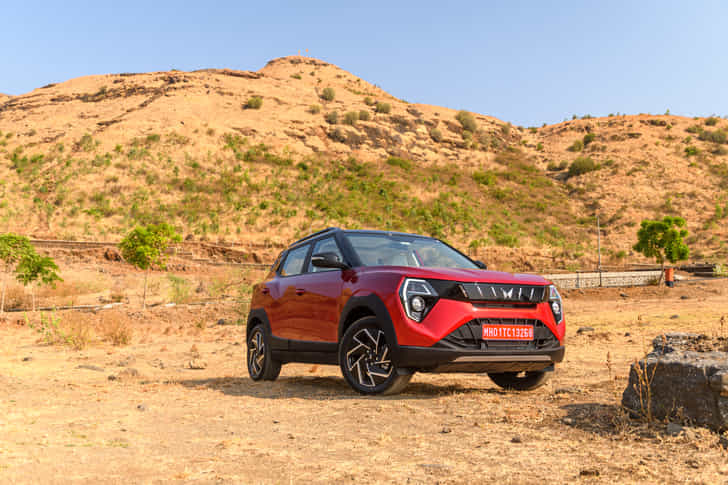
Upcoming launch buzz
Community discussions on upcoming launches
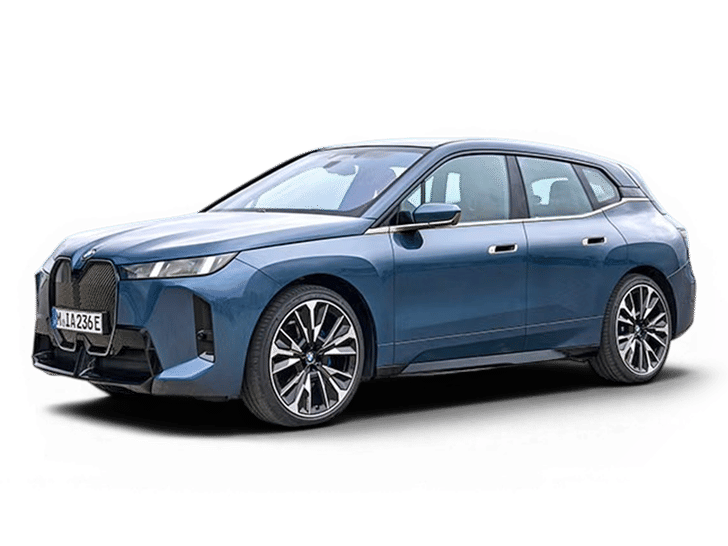
BMW
iX facelift
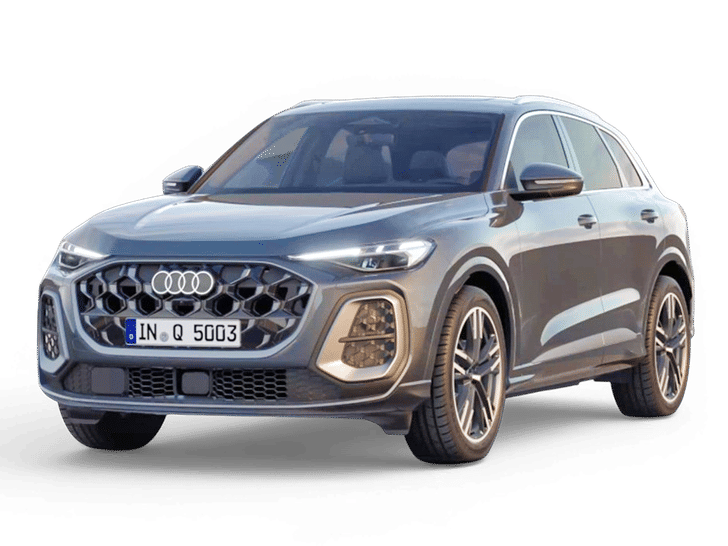
Audi
New Q5
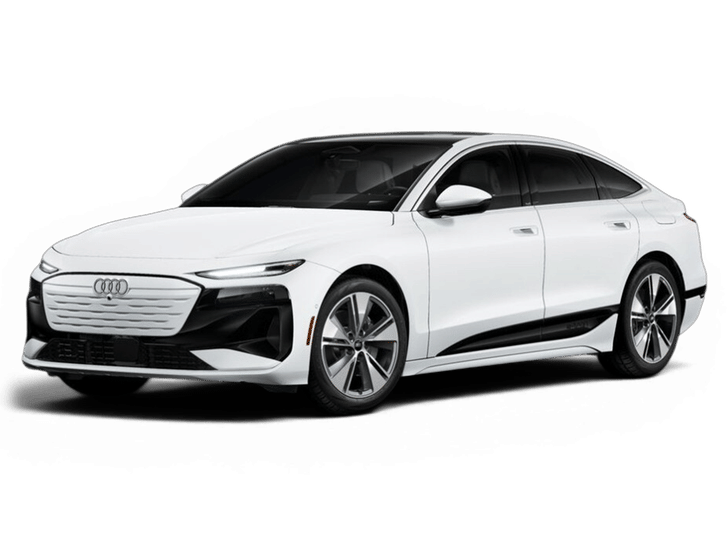
Audi
A6 e-tron
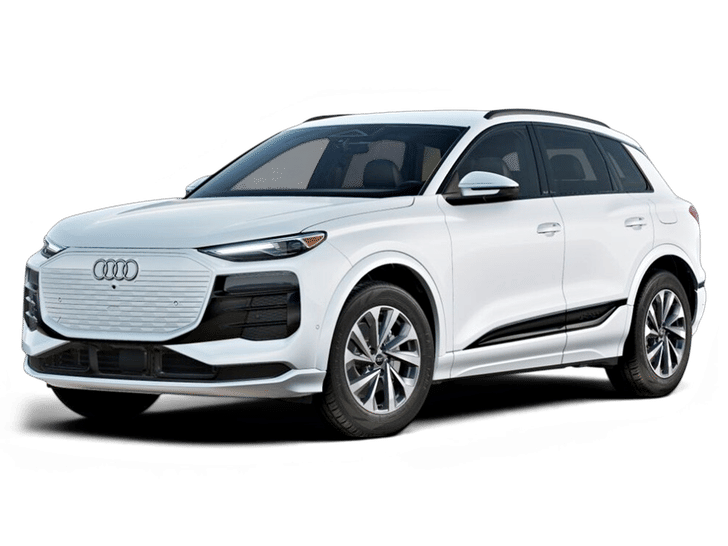
Audi
Q6 e-tron
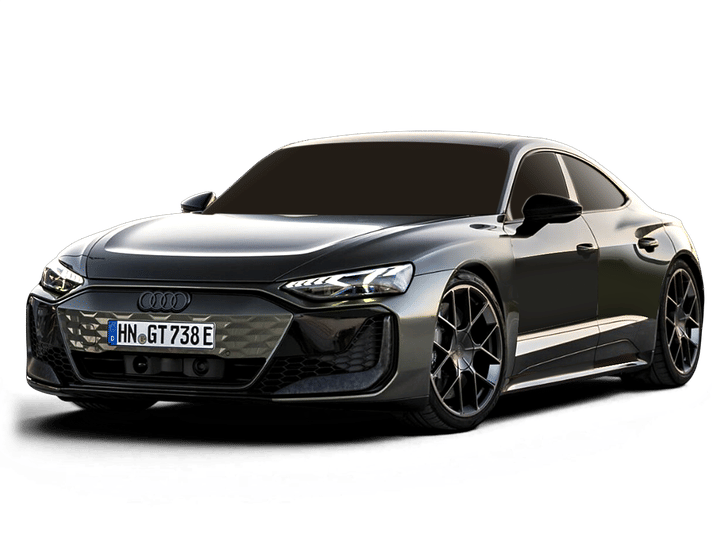
Audi
e-tron GT facelift
Volkswagen
Virtus facelift
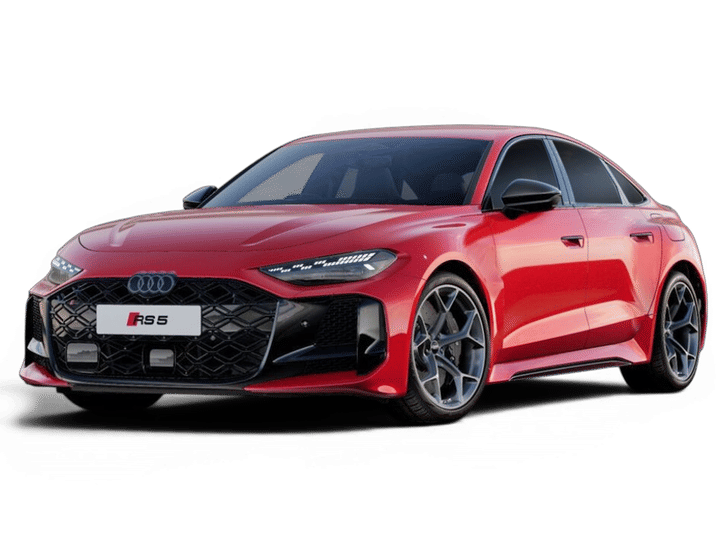
Audi
A5

Vinfast
VF5
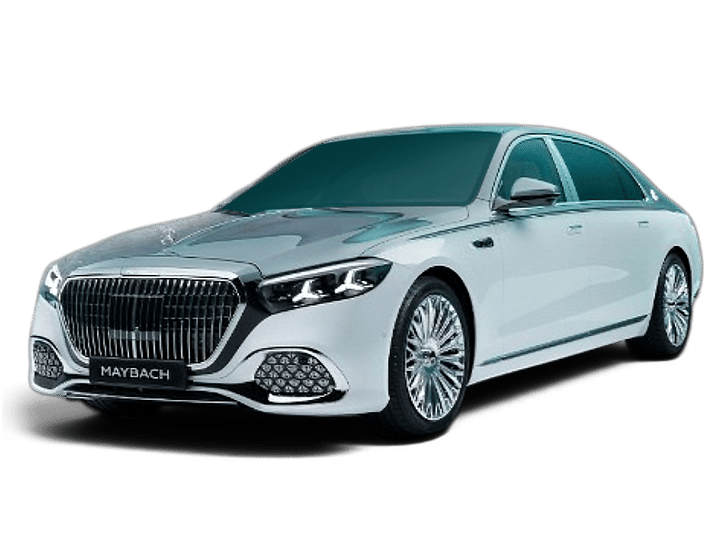
Mercedes-Benz Maybach
S-Class facelift
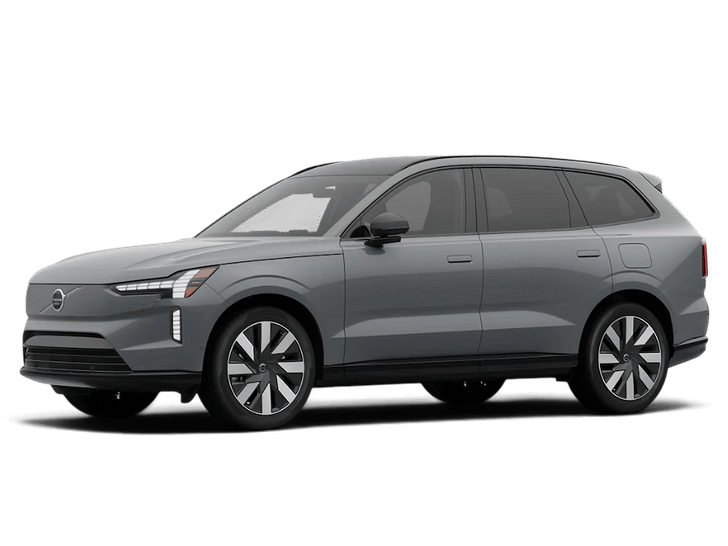
Volvo
EX90
I’m planning to buy my first car, and my primary goal is daily office commuting. The distance from home to office is 30 km one way in Mumbai, which is roughly 1,000 km a month. My requirement is an automatic car. Which fuel type should I choose - petrol or diesel? My budget is Rs. 10-15 lakh.
Maruti Suzuki BrezzaSkoda KylaqI am planning to buy a new car and currently considering the Toyota Urban Cruiser Hyryder Strong Hybrid S. My primary reasons for considering the strong hybrid are fuel efficiency and the combination of adequate power with smooth city driving Here is my typical usage: Daily running: Around 30-40 km Main usage: Office commute within Mumbai Traffic: A significant part of my daily driving is in bumper to bumper/heavy city traffic Highway usage: Around 4-5 trips per year Hometown distance: Approximately 450 km one way from Mumbai Priority: Fuel efficiency, reliability, comfortable city driving and reasonable performance Expected ownership: Long-term However, before making the final decision, I would really appreciate opinions from Hyryder owners and automobile experts.
Toyota Urban Cruiser Hyryder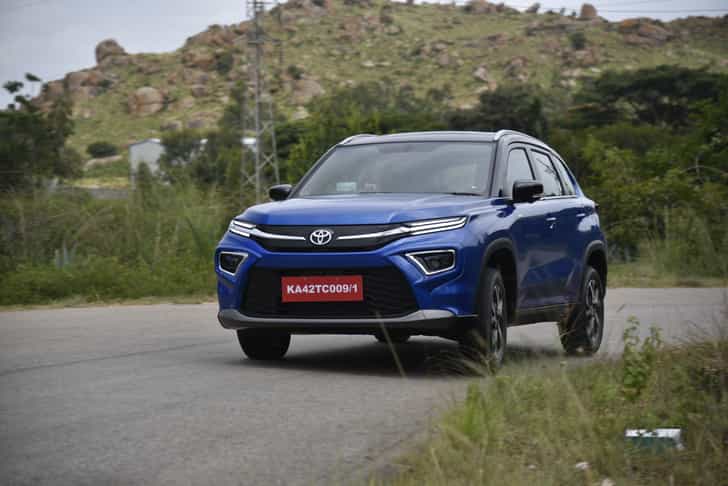
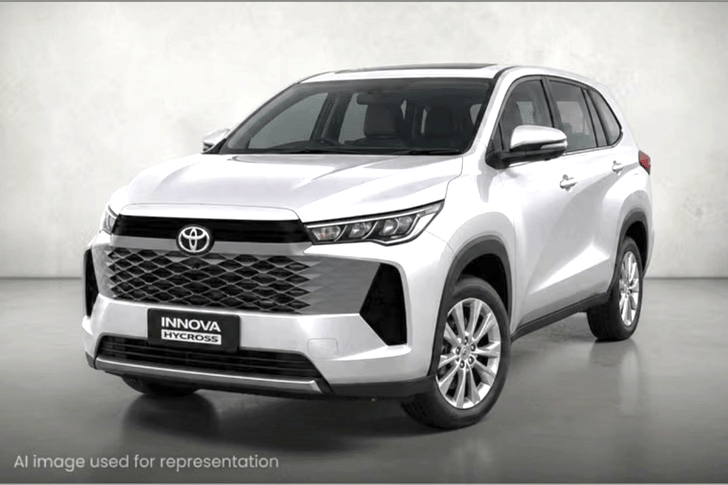
I am confused about choosing between the Invicto Zeta Plus 8-seater and the Hycross Hybrid VX 8-seater. My annual running is around 30,000-40,000 km. Which one would cost less in terms of maintenance and be more beneficial in the long run? As of now, if I choose the Invicto, I will save approximately Rs. 3 lakh upfront, but I will miss out on a few features that the Hycross offers. Please suggest.
Maruti Suzuki InvictoToyota Innova HyCrossHi, as a first-time car buyer, which car would be preferable around a Rs. 15 lakh budget? The budget is not a hard ceiling and is slightly flexible. Requirements: I’m looking for a long-term family car for the next 6-8 years, but it should be fun to drive as well. It should have adequate power with passengers and luggage, especially on hills. My monthly running is approximately 800-1,100 km, mostly in the city. We usually take a trip every 3-4 months, and most of these trips are to hill stations. I’m looking for good automatic petrol options only. My shortlist: 1. 3XO RevX-A AT - Drawback: Boot space (I have experienced this firsthand). 2. Seltos HTK(O) - preferably the Turbo DCT Drawback: Slightly above budget, but I can consider it if it is really worth the extra cost. 3. Elevate V CVT Drawback: Feels like it is missing some premium features. I’m open to other suggestions as well.
Kia SeltosSkoda KylaqMahindra XUV 3XOHonda Elevate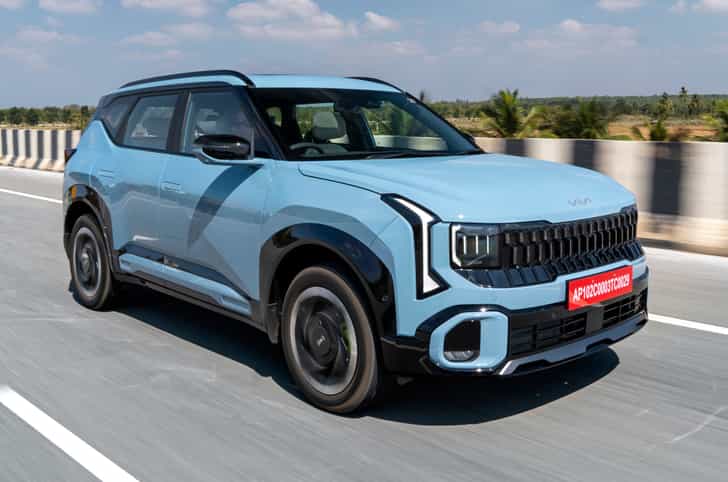

I would like some advice on selecting a strong-hybrid car for a family of five. My driving is mostly in the city, with occasional weekend trips to nearby hill stations or cities. My monthly running will be approximately 800-1,000 km.
Maruti Suzuki VictorisToyota Urban Cruiser Hyryder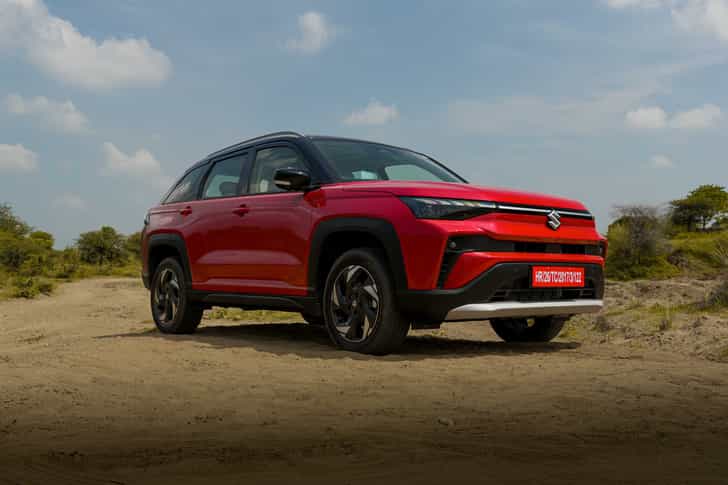
Hi, I'm looking for a new second car, mainly for city use and occasional highway trips, maybe once a month. My top priorities are comfort, space, and a good driving experience. My average daily usage would be around 50 km, mainly for household work. I'm considering an EV for its silent and smooth drive. My shortlisted cars are:Tomahawk EV, VF7, XEV 9S, Sierra EV My budget is Rs. 25-30 lakh.
MG Hector Tomahawk EVMahindra XEV 9SVinfast VF7I’m 26, and we’re planning to buy a new car. We have shortlisted two options: the Hycross GX(O) 7-seater and the Seltos HTX(A) Turbo Petrol. We removed the Kushaq from the list due to concerns about spare parts availability and maintenance costs. We also ruled out the Creta, as it feels outdated compared to the Seltos, and the turbo-petrol variant is much more expensive. Around 80% of my driving will be in the city, but I want a good engine and a comfortable ride, as my parents will be travelling with me at times. Although the Hycross is lower on features and there are talks of a facelift, I don’t know why, but it still feels like something different.
Toyota Innova HyCrossKia Seltos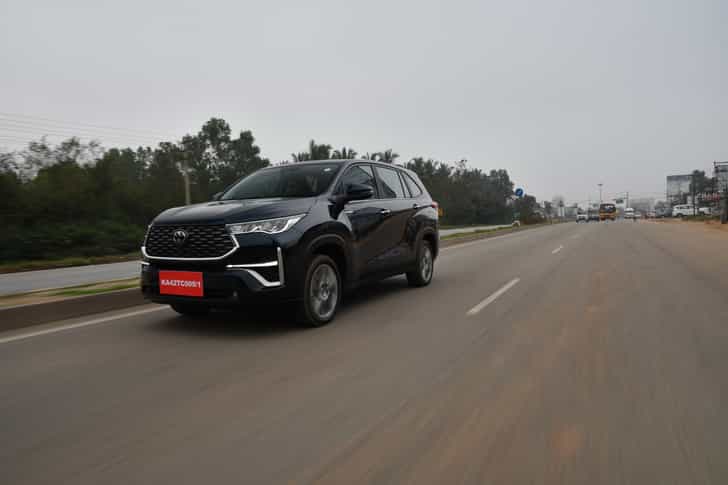
I am planning to buy a sub-4-metre SUV with a budget of around Rs. 11-14 lakh. The car will mainly be used for weekend driving within the city, along with around 2-4 trips to my hometown each month, with each round trip being approximately 280 km. I also have the option of installing a home charging facility if I decide to go for an EV. I am confused about which powertrain would be most suitable for my usage-petrol, CNG, hybrid, or EV. I would like your valuable suggestion
Tata Punch EVMaruti Suzuki FronxMaruti Suzuki BrezzaTata PunchI am a car enthusiast and love driving cars with great tech, music systems, and features. I currently drive a Honda Jazz Diesel V variant, which I have owned since October 2015. The car has clocked close to 1.5 lakh km. Due to restrictions in Delhi/NCR on diesel vehicles that are more than 10 years old, I have no choice but to sell the car, even though it is still in good condition, thanks to Honda’s bulletproof reliability. I am looking to replace it with a petrol car within a budget of Rs. 13-14 lakh on-road in UP. I have shortlisted the Hyundai i20 N Line N8 DCT. Is this a good choice, or are there any other equivalent options I should consider?
Hyundai i20Skoda KylaqToyota Urban Cruiser TaisorMaruti Suzuki Fronx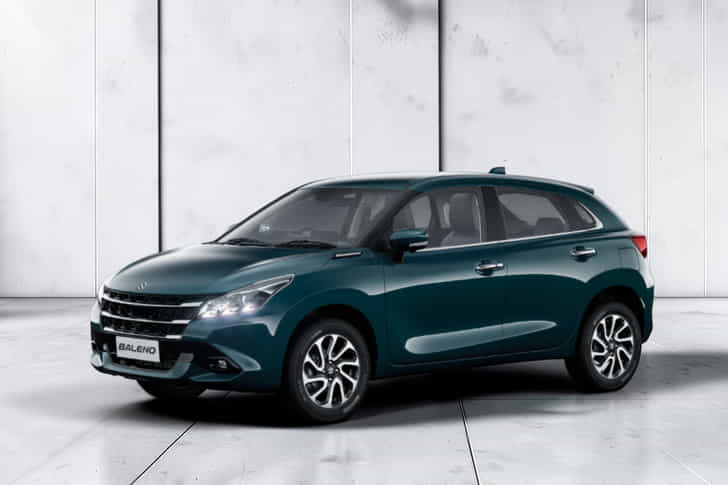
I currently own a 2016 Hyundai i20 Elite Sportz and am planning to upgrade to an SUV, but I am a bit confused. My budget is Rs. 20 lakh. I am looking for a reliable engine, low maintenance costs, and decent mileage. Since my family consists of six members, I am particularly interested in a 7-seater. Would the Tata Safari be a good option, or should I consider other alternatives?
Kia Carens ClavisTata HarrierTata Safari