
What is it?
Land Rover took the wraps off the facelifted Range Rover Evoque in February 2015 at the Geneva Motor Show, so you can imagine our disappointment in March 2015 when the ‘updated’ car launched in India wasn’t this one. That was a locally assembled version of the old car, with the new nine-speed automatic gearbox and a bit more standard equipment. Now, however, just eight months on, the ‘proper’ Evoque facelift has been launched.
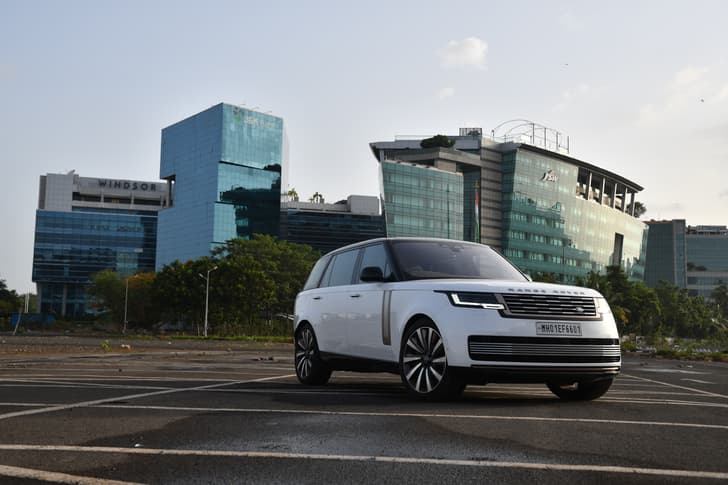
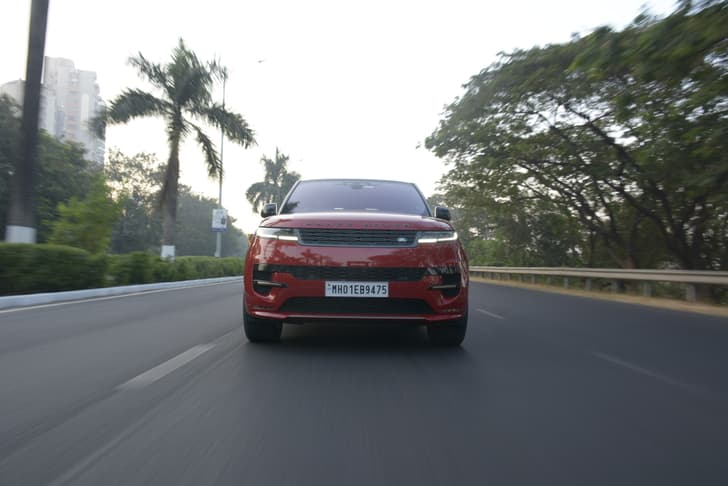
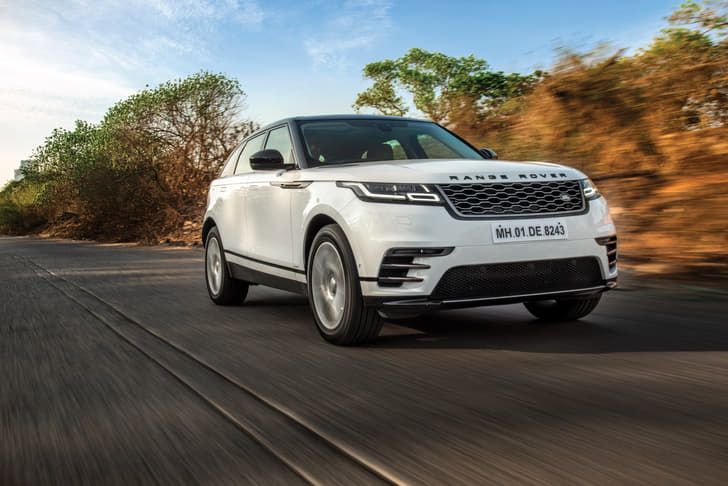
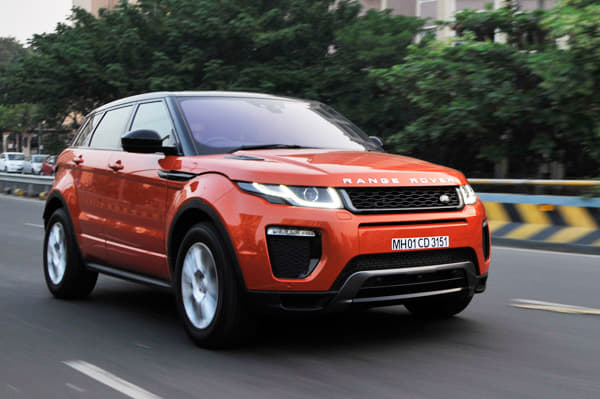
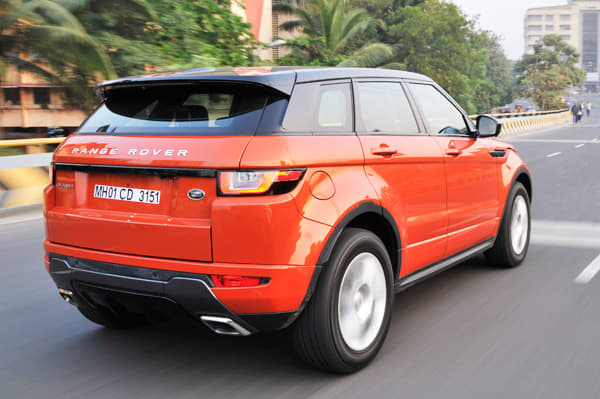
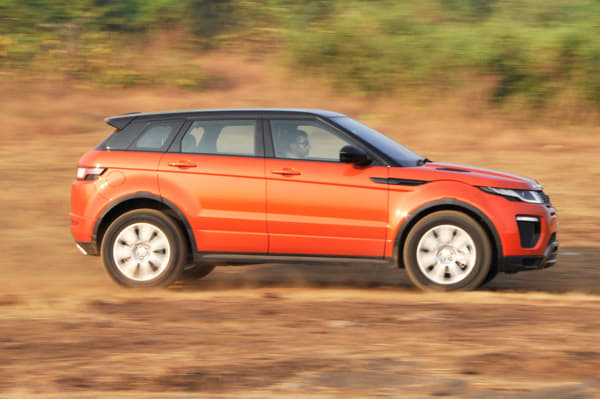
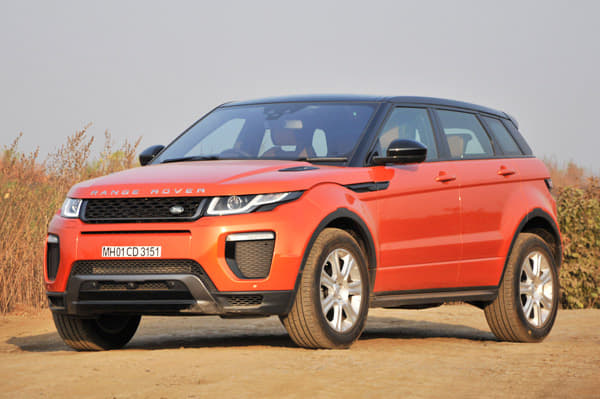
Trouble is, since so many updates were added to the previous car, nothing substantial has been added this time around. The obvious change is the look, which has been brought in line with the bigger Range Rovers, and consequently, now looks a little more different from the lesser Discovery line of SUVs. You’ll find RR’s new signature W-shaped LED running lights, a glossy black grille and a front bumper with two massive faux air intakes, similar to the functional ones on the powerful Range Rover Sport SVR. The rear has a more aggressive looking diffuser and a new design for the tail-lamps. And finally, a new design for the 18-inch alloy wheels on top-spec cars and this fetching new Phoenix Orange paint shade round off the visual changes.
What’s it like on the inside?
Absolutely nothing has been changed on the inside, save for the introduction of new upholstery colour options. But don’t fix what isn’t broken, right? The soft-touch, textured leather surfaces is just sublime, and though some of the plastics could be a little more substantial, the overall sensation of luxury combined with robustness, as with any Range Rover, is abundant here too. All the great equipment from before returns too, with 360-degree cameras, ambient lighting, a heads-up display and an exemplary 825-watt, 17-speaker Meridian sound system, but nothing new. Interestingly, while the home screen of the touchscreen infotainment system resembles JLR’s new ‘InControl’ interface, it’s merely a skin, under which lies the clunky interface from before. The model range is now split into four variants rather than three, with the base Pure trim now costing a little less than before.
What’s it like to drive?
The powertrain is the same too – JLR’s 2.2-litre, four-cylinder diesel in its more powerful 188bhp SD4 guise, mated to the new nine-speed gearbox. It’s not an exciting or rev-happy motor; instead it’s quite linear, but it does pack a pretty decent punch. The gearbox makes the Evoque an unstressed and fuel-efficient highway cruiser, but when shuffling through the bump and grind of traffic, it tends to fumble around its many ratios and is not as smooth as the eight-speed ZF auto used by the bigger, longitudinal-engine Range Rovers and Jaguars. It’s a bit better in Sport mode, where the ’box isn’t as eager to upshift as frequently.
Should I buy one?
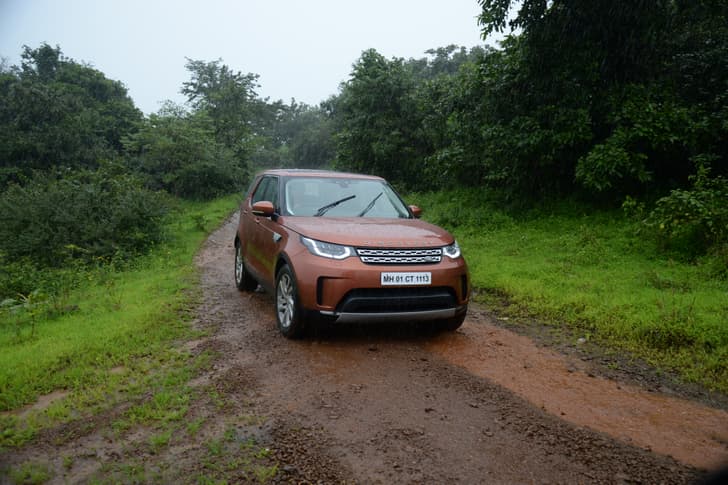
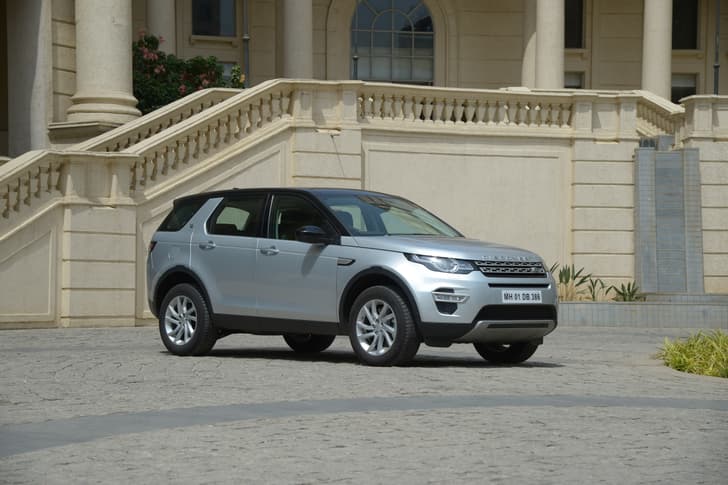
It’s best to think of this not as a second update, but as a completion of the first update that started in March 2015, as the Evoque now feels like a substantial improvement on the original 2011 car. It was always a good-looking SUV, but somehow, JLR has managed to make it a whole lot more attractive with very minor modifications. Also attractive is the price, which from Rs 47.1-63.2 lakh, is a world away from the full-size Rangies. There’s just one thing – the Evoque’s cousin, the Land Rover Discovery Sport, that’s also on sale. It may not have the prestige of the Range Rover badge, but for roughly the same money, you get the same mechanical package, looks that are just as attractive and a whole lot more space with the option of seven seats. However, the Evoque’s style quotient remains its biggest selling point, and to that end, it’s only gotten better.
 Saumil Shah
 Soham Thakur
 Sergius Barretto
 Hormazd Sorabjee
 Lenny D'sa