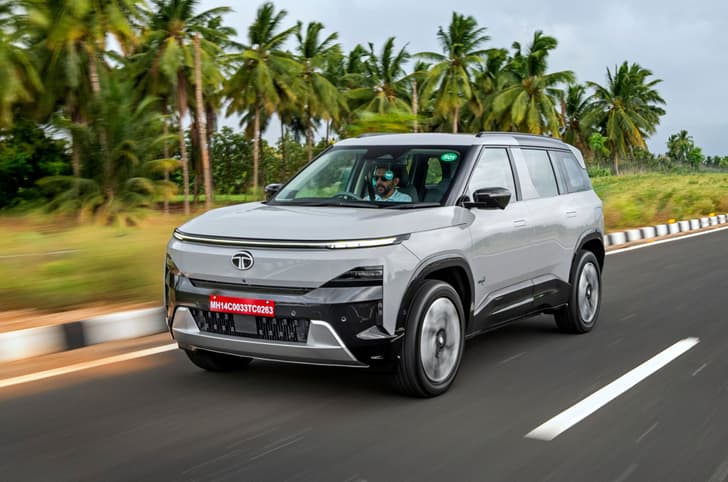

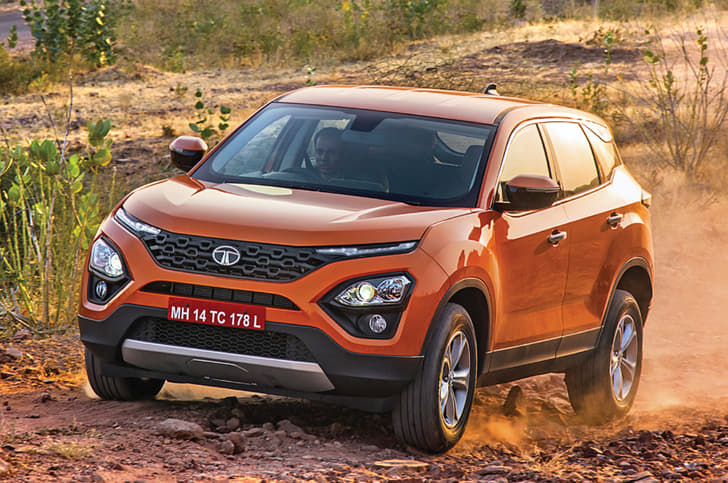
If there’s a model that repeatedly ‘broke the internet’ in 2018, it was the Tata Harrier. Right from the time the SUV was revealed as the H5X concept at the 2018 Auto Expo, there was unrelenting curiosity about what is Tata’s most ambitious SUV to date. And the interest only piqued when the final product’s pricing was announced in early 2019. Priced between Rs 12.69 and 16.25 lakh (ex-showroom, Delhi), the near-4.6m-long SUV has single-handedly thrown established pricing structures out of whack. See it as a larger-than-average mid-segment SUV or an exceedingly well-priced premium one, if there’s one common thread, it’s that the Harrier is big on value.
The Harrier is also a landmark product, being the first model built on Tata’s new OMEGA Arc platform that’s derived from Land Rover’s D8 platform. In fact, the Harrier is the first new Tata built with subsidiary Land Rover’s know-how from the get go. In the pipeline is an automatic-transmission-equipped version, a higher-powered and BS-VI emission norms-compliant diesel that will come by April next year, a 1.6-litre turbo-petrol is in development and an all-wheel drive option is an outside possibility as well. Come 2020, a larger seven-seat version, previewed by the Buzzard concept earlier this year, will also go on sale. For the moment, however, there’s only one version – a 140hp diesel with a 6-speed manual – on sale and that’s the one that’ll be under the scanner in this test.
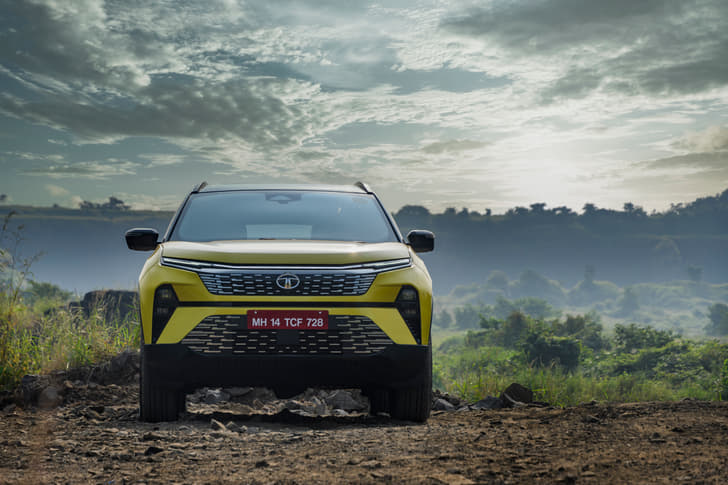
Tata Motors hit it out of the park with the futuristic H5X but few thought the production version would stay so true to the concept. Sure, certain elements have been toned down for production but the Harrier still looks like a concept car for the road. The styling makes heads turn and, without fail, you’ll see an expression of shock when people notice the Tata badge on the grille. The Harrier is the first product styled to Tata Motors’ evolved Impact Design 2.0 philosophy and the look sure makes an impact.
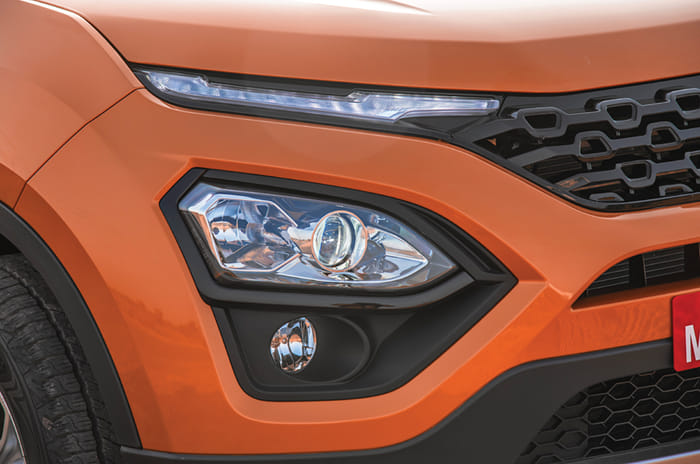
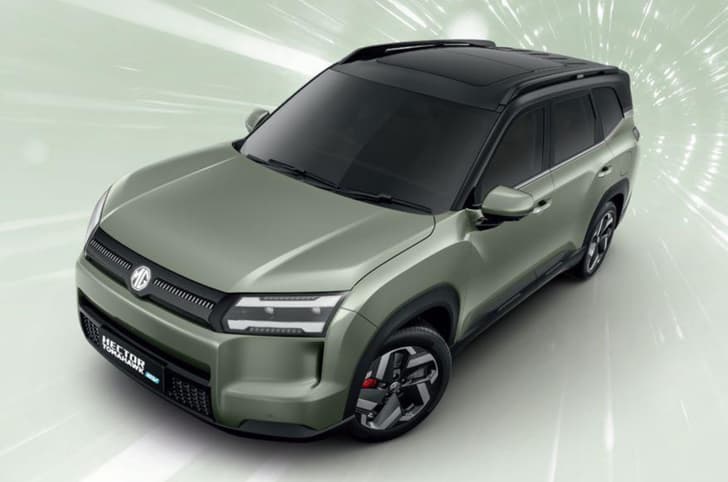
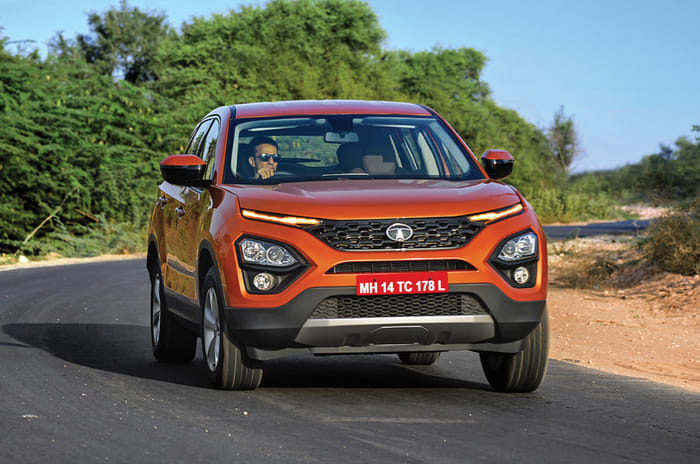
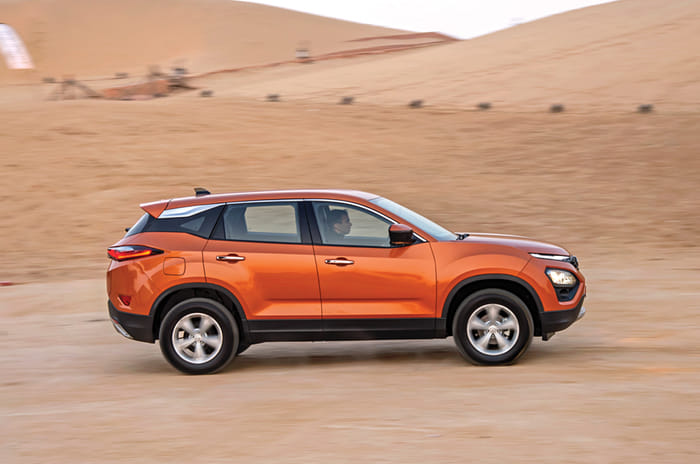
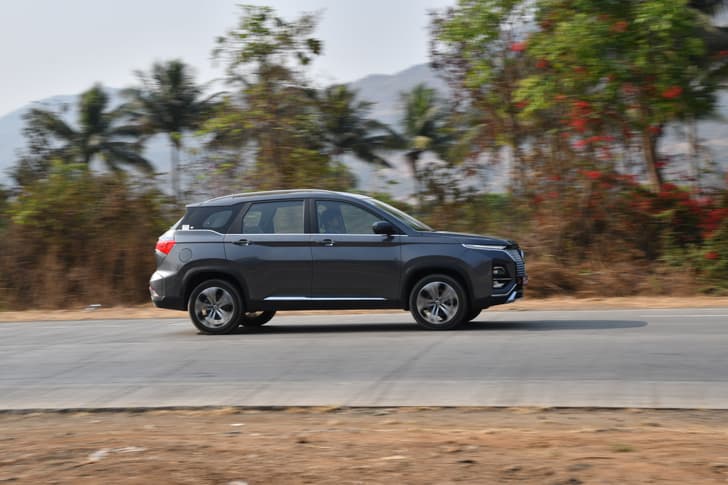
Being 4,598mm long, 1,894mm wide and 1,706mm tall, the Harrier is a fairly substantial SUV to begin with, and the high-set bonnet only gives it more road presence. You could describe the Harrier’s frontal styling as busy and it may not resonate with buyers who like their SUVs plain and simple but, going by online chatter, the radical face has more fans than ‘haters’. The front end is characterized by a strip of high-set LEDs that seemingly flow into the large grille. Mind you, the LEDs merely function as daytime running lights and turn signal indicators; the main headlamps sit lower down on the bumper in a ‘tri-arrow’ enclosure. The split headlight look is radical but, curiously enough, the Harrier won’t be the only SUV to sport it. The Hyundai Venue compact SUV and MG Hector (that will compete with the Harrier) also feature a similar arrangement. Lower down, there’s the de rigueur scuff plate, and what’s also nice is how Tata’s designers have used body cladding to give the Harrier a high riding look.
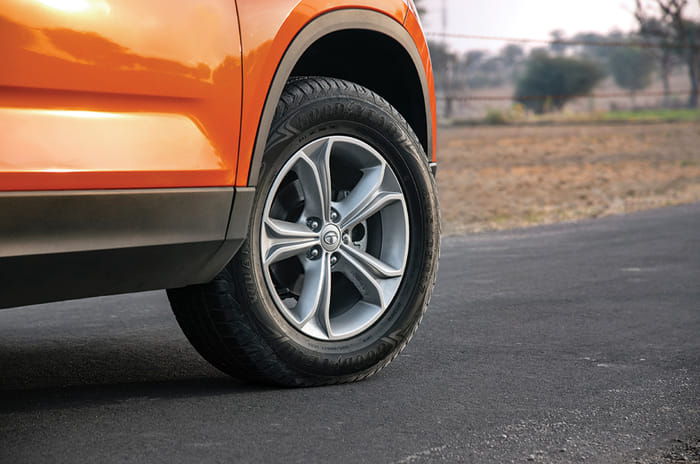
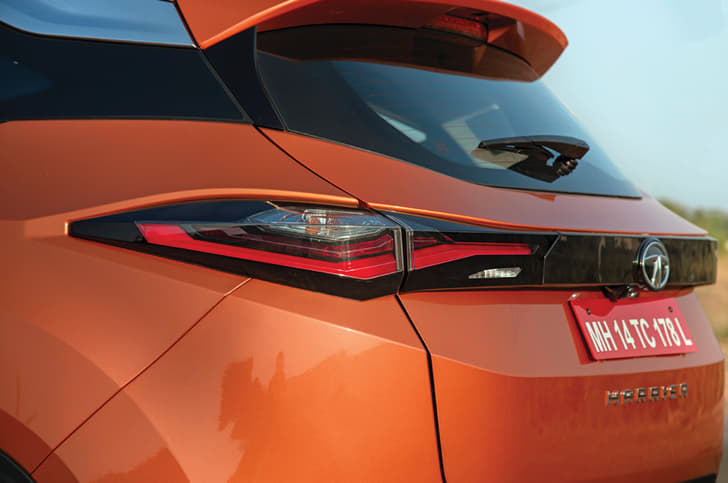
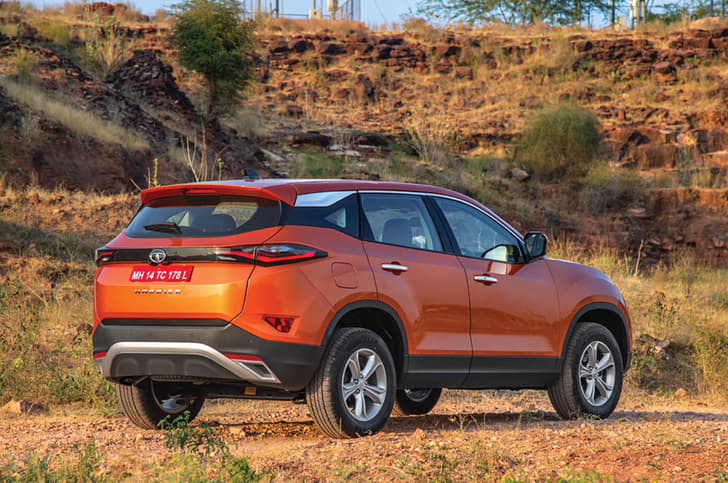
The Harrier is distinctive in profile too and the pinched glasshouse is particularly attractive. However, while the large wheel arches, which are a vital element of Impact Design 2.0, add mass to the design, they also make the 17-inch rims (16-inchers on lower trims) look a size small. Snazzier wheels would be more in keeping with the Tata’s look too. Styling at the rear is slick, though. The linked tail-lights are particularly smart and, if you look closely, you’ll also note the pronounced crease on the tailgate looks neat.
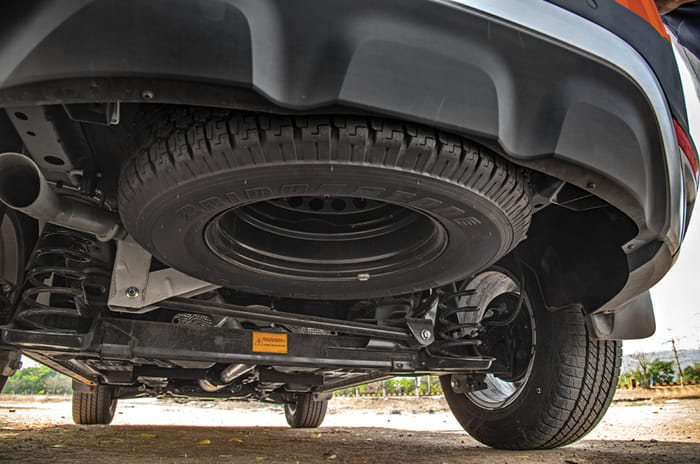
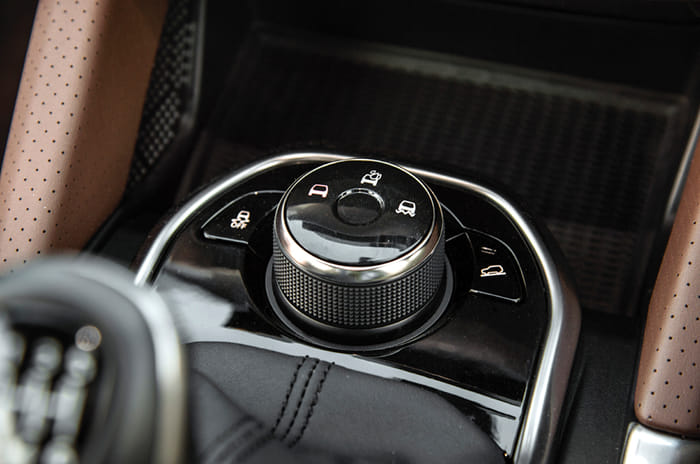
As mentioned, Tata’s OMEGA Arc platform is derived from Land Rover’s transverse engine D8 platform that underpins the Land Rover Discovery Sport. Note, ‘derived’ is the operative word here. And that’s because, while the Harrier shares many hard points with the Discovery Sport, the platform itself has been re-engineered for lower costs. Aluminium has made way for high- strength steel, the Disco Sport’s complex integral link rear suspension has been replaced by a simpler torsion beam arrangement (tuned by Lotus) and hydraulic assist has been adopted in place of the costlier but more efficient electric power steering. What’s a shame is that the Harrier also misses out on rear disc brakes, which is something you’d expect on an SUV that weighs upwards of 1.6 tonnes. The Harrier does, however, conform to India’s latest safety norms, with base versions equipped with dual airbags, front seat seatbelt reminder, speed warning system and rear parking sensors. Top-spec versions get six airbags and the addition of traction control and ESP with off-road modes.
Powering the Harrier is what Tata calls the ‘Kryotec’ engine. This mill is none other than the 2.0-litre Multijet II diesel engine that you’d find under the hood of a Jeep Compass, albeit in a lower state of tune. The Harrier also shares its 6-speed manual gearbox with the Jeep, though Tata uses a lower-geared final drive.
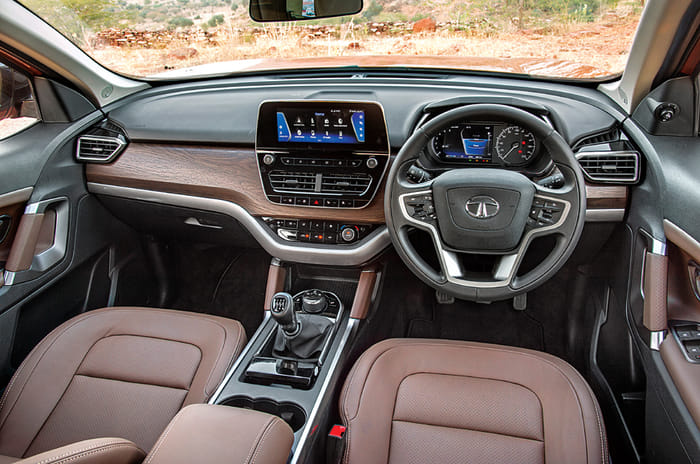
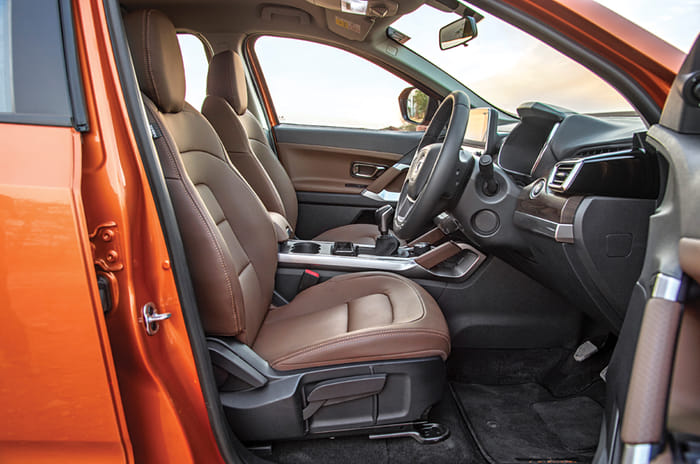
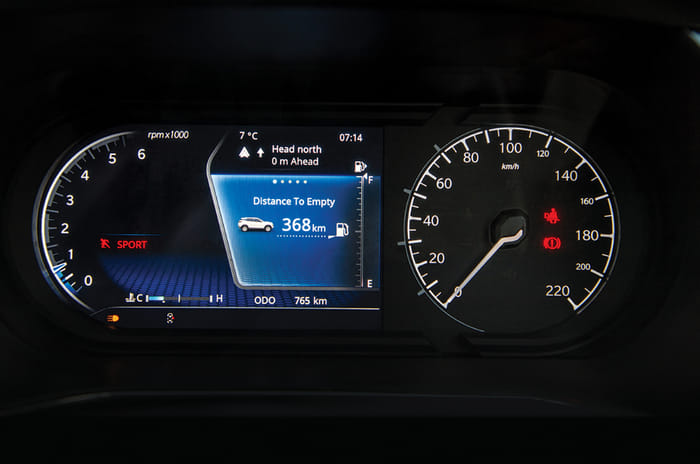
Thanks to a cabin that sits at just the right height, you walk into rather than climb aboard into the Harrier. And the large doors open to welcome you into Tata’s best interior to date. Top-spec XZ trim Harriers, like our test car, make generous use of leather (including on the door pads), the faux wood on the neatly styled dash looks convincing, the free-standing 8.8-inch touchscreen is sleek and even the metal-like element that splits the dash horizontally (à la the Nexon) appears premium. An all-digital instrument cluster would have taken things to the next level but even the informative part-digital (the speedo is analogue) display does its bit to up the ambience. Yes, there are some average plastics in the cabin but you have to hand it to Tata for the strides it has made in the department of perceived quality.
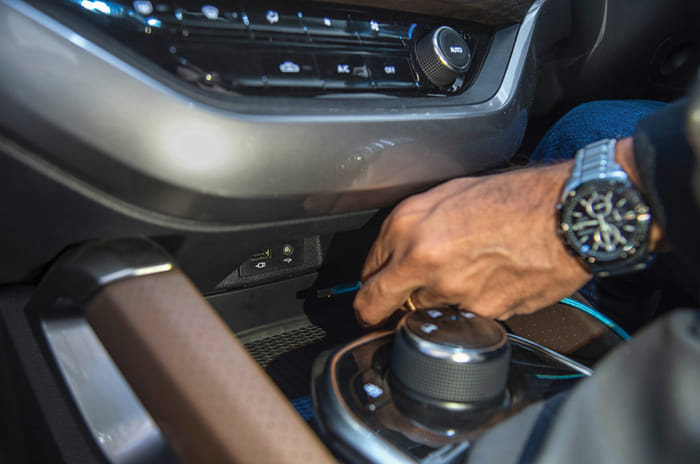
Drivers sit at a nice height in the Harrier, and the commanding seating position gives that feeling
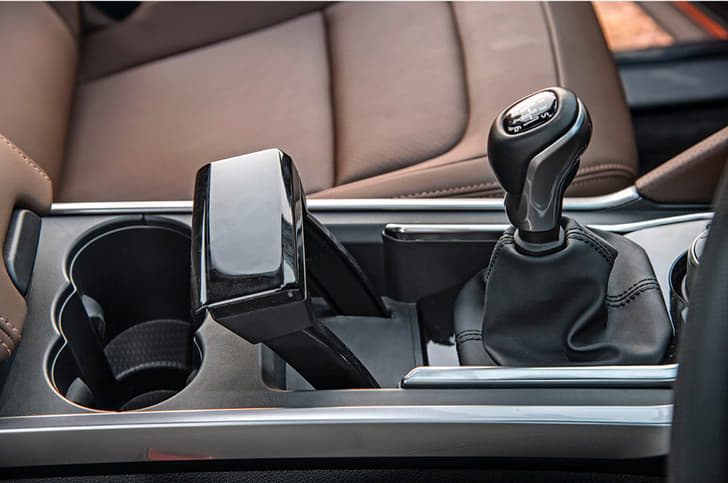
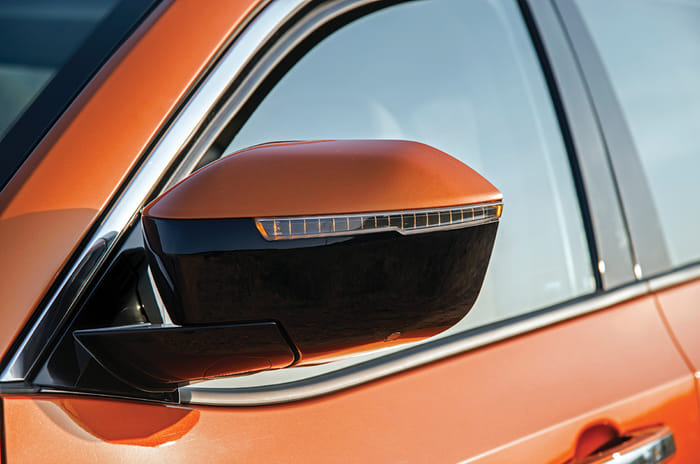
of being in something substantial – something that SUV buyers tend to appreciate. However, all’s not perfect. Over long stints, some of us found the large, lumbar-adjustable front seats excessively bolstered in the region of the lower back. And though there is a dead pedal, folding your left leg will result in your knee brushing uncomfortably against the centre console. A bigger issue is the sheer size of the external mirrors. They are large and create a blind spot large enough to cover SUVs, let alone two-wheelers. If there’s a model that needs the Audi e-Tron’s camera-based Virtual Mirrors, this is it. Even within the cabin, you’ll have a tough time locating the USB slots that are positioned out of view under the centre console. We also weren’t sold on the thrust control-like lever for the handbrake. You do learn to live with these things but they are irritants nonetheless.
The Harrier might share its 2.0-litre diesel engine with the Compass but the Tata can’t quite match the Jeep on outright performance. On the Tata, the engine makes 140hp and 350Nm (the Compass uses a 173hp and 350Nm version of the unit) and also has to lug nearly 100kg more of SUV. This should partly explain the big difference in their 0-100kph acceleration times; the Harrier takes 12.24sec to 100 while the comparable Compass 4x2 records a sub-10sec time of 9.97sec. However, the gap becomes much smaller when talking of the more relevant yardstick of in-gear acceleration. The Compass is only marginally quicker from 10-30kph in second, 30-50kph in third, 50-80kph in fourth and 80-100kph in fifth gears. The Harrier’s relatively low-geared final drive comes into play and also helps the Tata better the 300kg lighter Hyundai Creta through the gears.
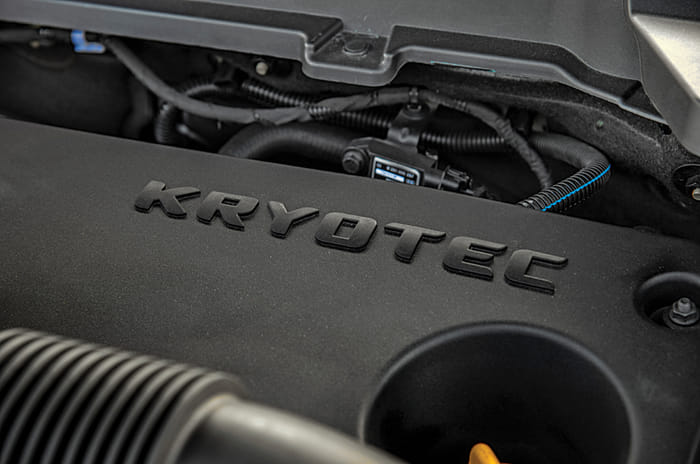
Engine refinement was a serious issue on our pre-launch drive of the Harrier but the good thing is that Tata engineers took the feedback to heart and there has been a noticeable improvement in the production cars. In fact, one of the reasons for the production delays is because of the NVH tweaks carried out retrospectively. The engine is now quieter and the vibrations coming through the pedals are more subdued. However, it’s still not as refined as we would have liked. Idle is grumbly, the engine sounds buzzy after 2,000rpm and you’ll even hear a clunk from the driveline ever so often. The 6-speed gearbox doesn’t operate with the same slickness as it does in the Compass but it is light enough. Thankfully, the Harrier clutch isn’t heavy or snappy like the Compass’, and is actually quite convenient to modulate but you need to give it a wee bit of ‘gas’ to avoid stalling the engine. Also, we can’t help but wonder how much better the whole experience would be once the Hyundai-sourced, smooth-shifting torque converter 6-speed automatic gearbox eventually makes its way onto the Harrier.
The Tata Harrier has robust underpinnings and you can feel as much when you drive over broken roads. The combination of a long travel suspension and chunky 65 profile tyres that absorb much of the initial shock make light work of the largest of potholes. There’s little road shock at the steering too and the overall sensation is of being in a vehicle that’s built to take a beating. What’s more, the Harrier doesn’t feel out of place in the rough either. There’s more than ample ground clearance and, so long as you don’t get too adventurous in tricky terrain (it is front-wheel drive only after all), the Tata will not disappoint. Top-spec versions get hill descent control and there’s also the much publicised three-mode Terrain Response system that alters ESP settings on the Harrier. The latter system seemingly does its work covertly because we didn’t notice much of a difference at the wheel between Normal, Rough and Wet modes.
The Harrier also makes for a good high-speed cruiser. It feels confident at triple-digit speeds and, again, the excellent bump absorption plays its part in taking the edge out of poorly paved patches. There’s a good enough feeling of connect at the steering wheel too, but the way it weights up is a bit inconsistent and doesn’t feel as precise or fluid as the Compass, which corners with more poise. Also, there’s a bit of whine from the power steering pump at full lock.
Where the Tata doesn’t feel quite as special is in town. The steering requires some effort to twirl and you are always aware you are piloting a big car. A Hyundai Creta simply feels much more manageable in city confines, for instance. Not helping matters is the fact that rear visibility on the Harrier isn’t the best and what makes life particularly tough are the massive blind spots created by the elephant ear-sized outside mirrors. Also, at low speeds, the suspension can’t completely smoothen out surface imperfections. There’s a degree of lumpiness to the ride (more so on concrete surfaces), and the movements are far more pronounced at the back.
The Harrier fared quite well in our braking tests, coming to a halt from 80kph in 27.83 metres. Braking force is strong and there’s good grip too, though more feel at the pedal and a sharper bite would be welcome. Tata should consider upgrading the brakes with the rear discs in the future.
Compare the Harrier’s fuel economy to its price rivals and the numbers might not impress. However, for what is a fairly large and heavy SUV, efficiency is pretty respectable. In town, in City drive mode, the Harrier returned 9.8kpl. Relaxed cruising out on the highway in City mode saw the number rise to 14.2kpl.
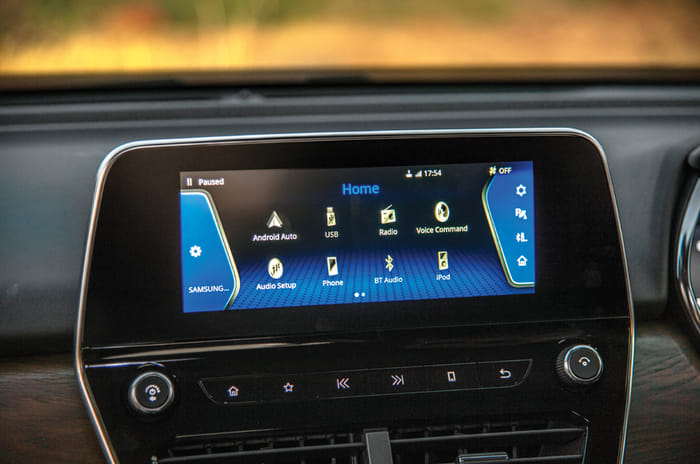
While middle-spec Harriers feature 7.0-inch touchscreen units, the top-spec XZ gets a larger 8.8-inch touchscreen-based infotainment system. The latter is the smoothest unit we’ve seen from Tata yet but it’s still not the slickest in the business. Android Auto is standard (Apple CarPlay comes soon), and what’s nice is that the screen also lets you access the car’s functions when the smartphone interface is on. However, with connectivity being the buzzword now, Tata will need to upgrade the system soon. The Harrier XZ’s JBL sound system comprises four speakers, four tweeters and even a subwoofer. Sound quality is good, not exceptional.
With its Land Rover-derived platform and Fiat-sourced engine wrapped in a confident and new-age Tata design, the Harrier promises the best of all worlds. And for the most part, it delivers. The striking look will be the hook for many but the Harrier’s positives extend to its spacious cabin, tough build and excellent high-speed ride.
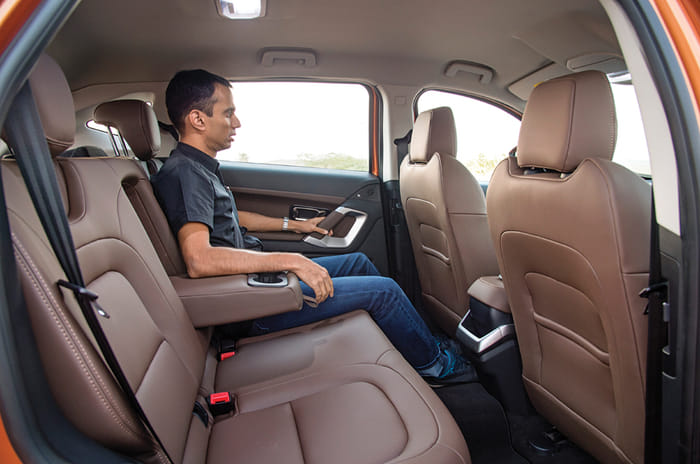
There are a fair few ergonomic guffaws, long-term reliability is unproven as yet and, at few places, the Harrier feels rough around the edges too. The absence of all-wheel drive will be missed by only a handful of off-roaders but the lack of an automatic will be a deal breaker for many and should have been an option right from launch. Still, see what you get for the price and it’s hard not to feel you are getting more than your money’s worth.
Tata’s reinvention started with the Tiago and Hexa. And just like the Nexon did two years ago, the Harrier takes the process into a higher gear.
 Lenny D'sa
 Sergius Barretto
 Saumil Shah
 Soham Thakur
 Nikhil Bhatia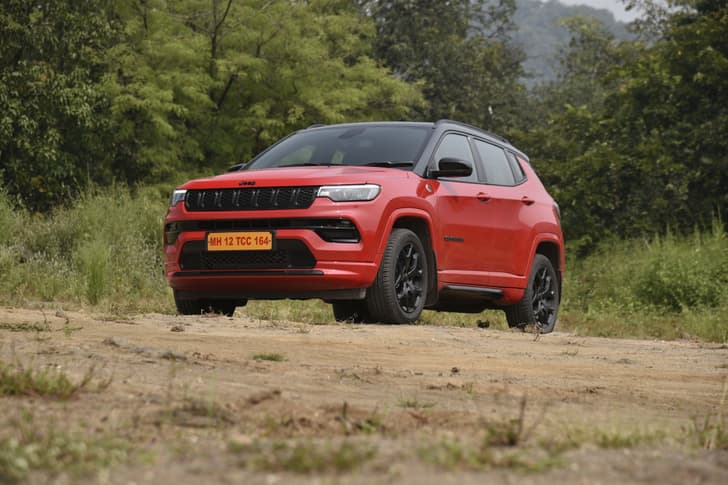
.jpg?w=728&q=75&fm=auto)
.jpg?w=728&q=75&fm=auto)
.jpg?w=728&q=75&fm=auto)