
What is it?
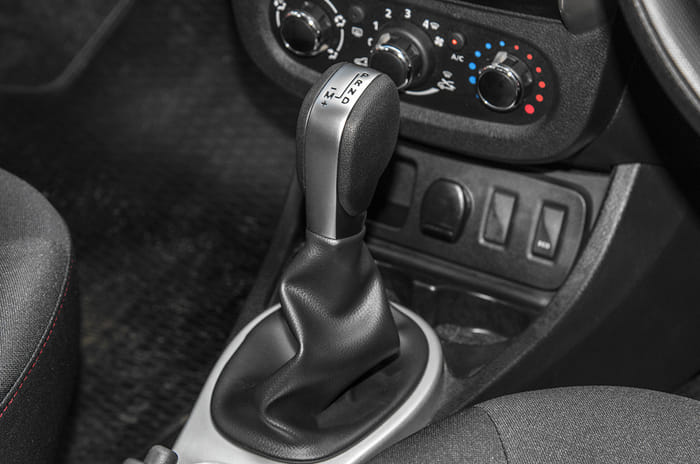
A few years ago, having the option of a petrol-automatic SUV would have been quite unthinkable, but given the rise in preference for clutchless driving, manufacturers today offer auto gearboxes on many of their models, and with both diesel as well as petrol engines. Renault too has joined the bandwagon and introduced the option of an auto gearbox on its petrol and diesel Duster. While the Duster diesel gets an automated manual transmission (AMT), the petrol gets a continuously variable transmission (CVT).
Renault offers the diesel AMT only in the top-spec RxZ trim, while the CVT is available only in the RxS trim, which is one level below the top-spec. This means if you go for the CVT model, you miss out on bits like an auto AC and a reverse camera, but you get the touchscreen, and all the safety kit like ABS, EBD and dual airbags. The RxS also gets ESP and hill start assist.
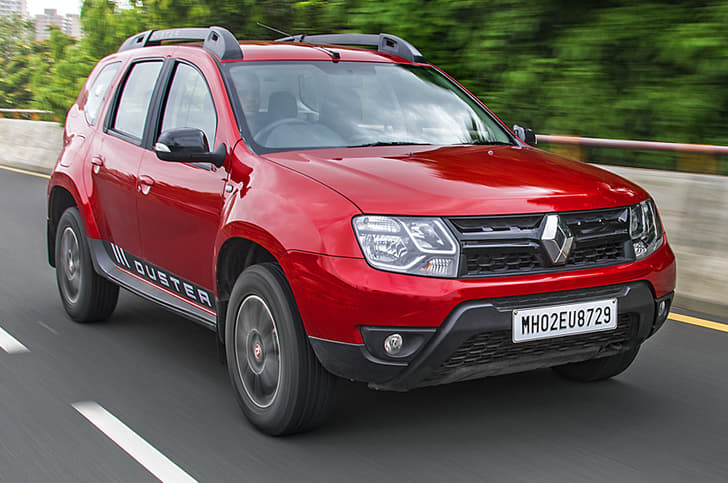
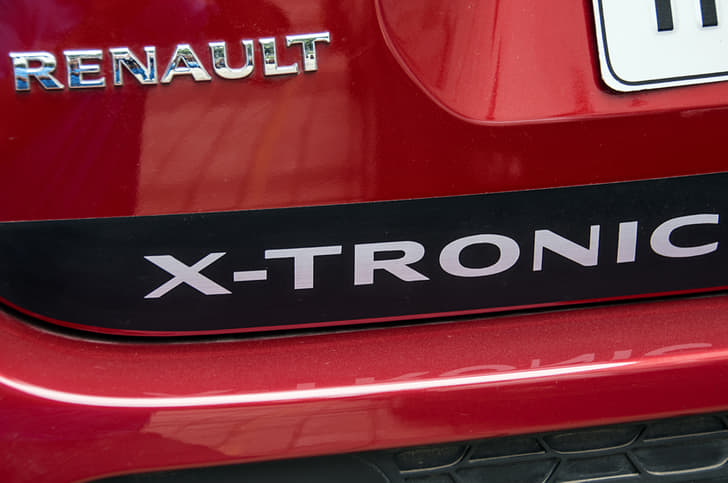
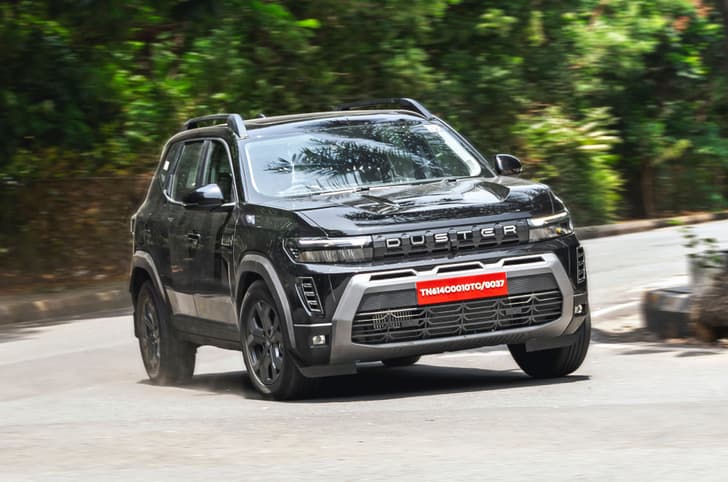
Apart from the Xtronic lettering at the rear, there isn’t much on the outside to differentiate the CVT from the rest of its siblings, and so you get the same square headlights, twin-slat grille, cladding and scuff plates, 'S'-shaped LED tail-lamps as well as thicker roof rails with 'Duster' spelled across. On the whole, the design is a bit too familiar now, but it still looks macho and very SUV-like; an important point for our market.
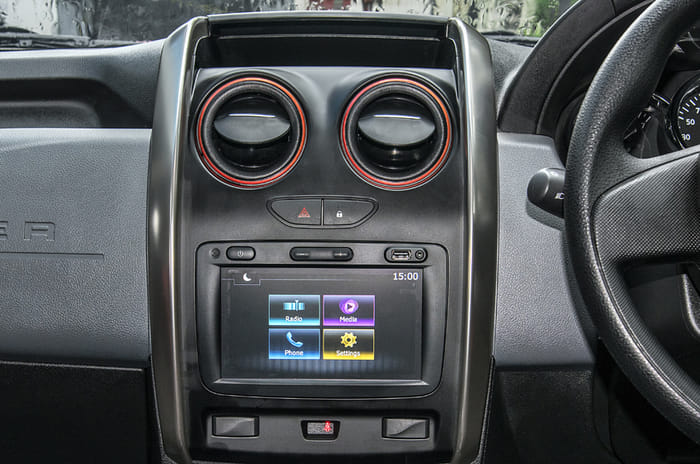
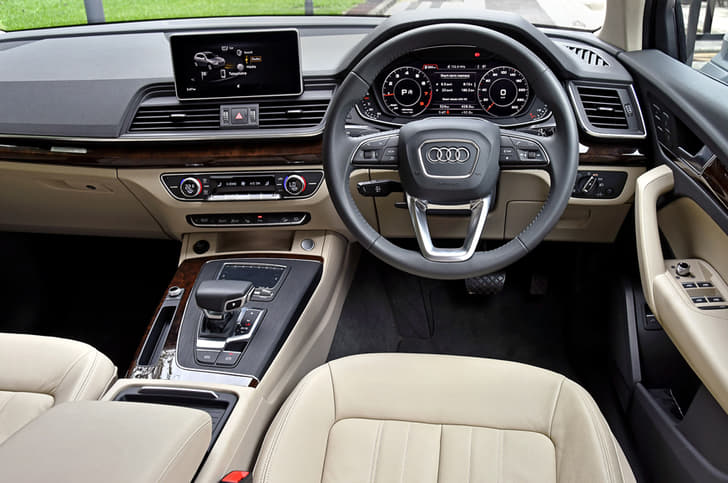
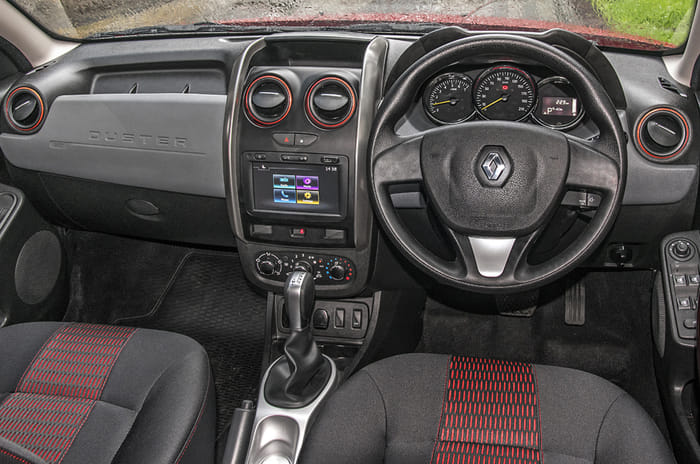
The insides too are the same as the rest of the range and here is where its age shows. Plastics and fit and finish are not up to segment standards and the touchscreen feels very dated and unrefined in its user-interface design and operation. The cabin, however, does have a few strengths. The space on offer is more than ample and the seats are very comfortable. Legroom and headroom at the rear are great and the large side windows make the cabin feel open and airy.
What’s it like to drive?
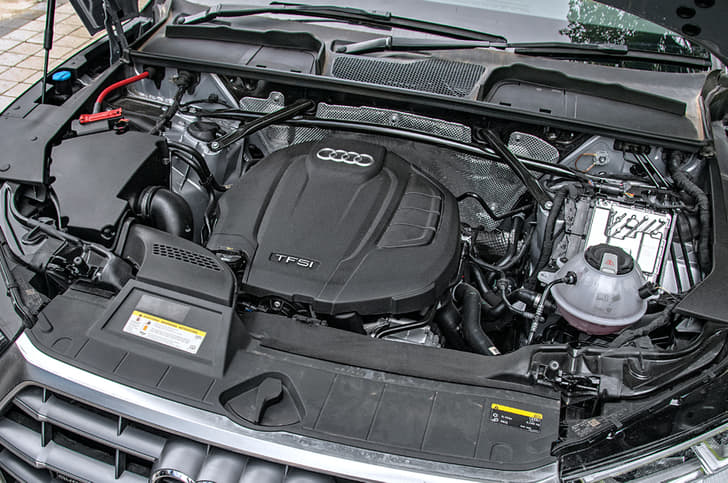
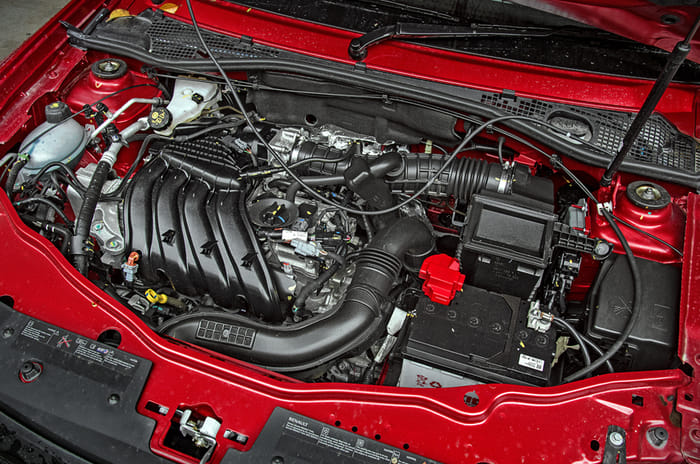
The engine is a new 106hp, 1.5-litre H4K petrol motor, instead of the 104hp, 1.6-litre unit used previously. If the combination of a 1.5-litre petrol and CVT sounds familiar, it's because this Nissan-sourced powertrain has done duty in the Sunny/Scala before. The company has made various improvements with things like the drive belt system as well as the transmission fluid, and it claims the Xtronic CVT is smaller, lighter and also shifts about 30 percent faster than its previous CVTs.

Driving around town, the 1.5-litre engine certainly feels more modern and refined in comparison, and it’s quite a silent performer too. Power delivery is linear but sedate and slow, and that's because of the gearbox which feels like its doling out power in a very measured manner. Furthermore, the throttle has a dead zone at the beginning of its travel, where nothing much happens. All this makes it a rather lazy performer and you can’t really nip into gaps quickly or make a green light that's about to change.
Being a CVT, there is no typical shifting of gears – just the belt moving across the two pulleys providing a continuous ratio. The Duster does have a manual mode as well, with six set points effectively giving you six speeds and you will need this to help with timing your acceleration bursts, but the performance only gets a little better in this mode. What’s great about this gearbox, however, is the shift speed and feel; the rubber band effect or stretchy feel while accelerating, typical of most CVTs, is very minimal here, and the shifts are nice and smooth. On the whole, this isn’t a car for a spirited drive but more for a relaxed cruise.
As for the rest of the drive experience, this is a Duster, so the ride is excellent with the suspension easily soaking up the bumps on our uneven roads, and the handling is quite surefooted and predictable too. As for the steering, the early Dusters had road shock coming through, but on the new Duster, this has been minimised.
Should I buy one?
The Duster has been around for a while now and there’s no getting away from its age. The design is all too familiar now and the interiors look pretty dated, as far as material feel and design go, and it’s not the segment leader in terms of equipment either. However, it does have its fair share of strengths; the design still has the quintessential SUV appeal and the cabin is very spacious and comfortable. The ride is also a major highlight, especially on our roads, but the Duster CVT’s trump card is that, at a price of Rs 9.95 lakh (ex-showroom, Delhi), it’s a good Rs 3.5 lakh cheaper than a Creta automatic, and, in fact, just Rs 20,000 over a base Ecosport automatic, and that’s pretty hard to ignore.
 Lenny D'sa
 Saumil Shah
 Soham Thakur
 Nikhil Bhatia