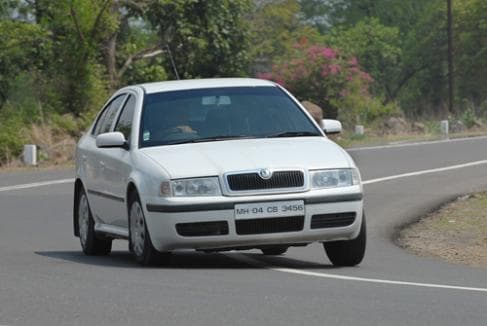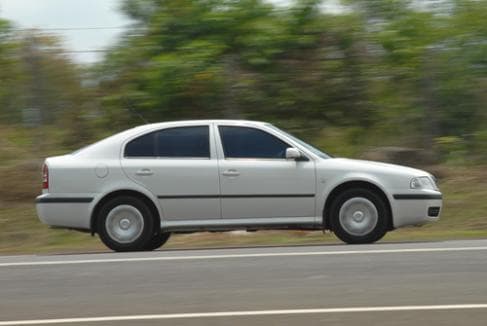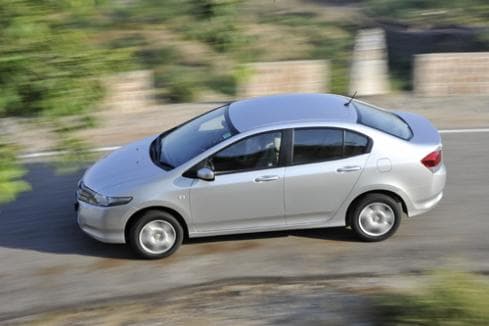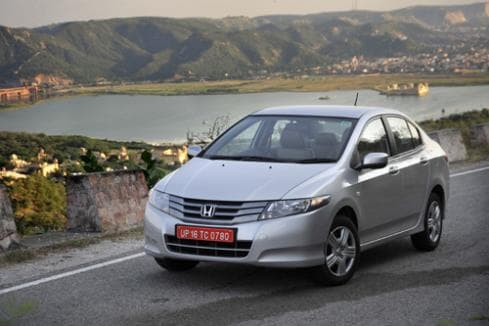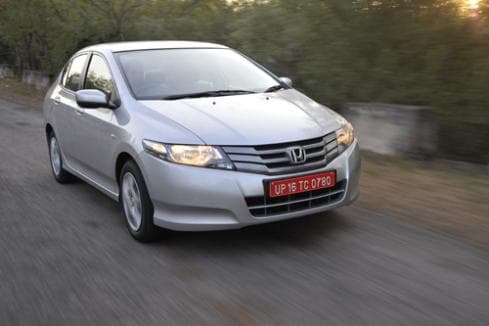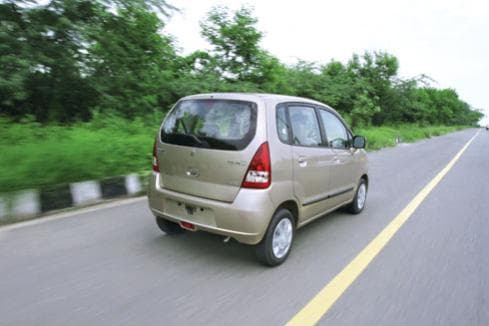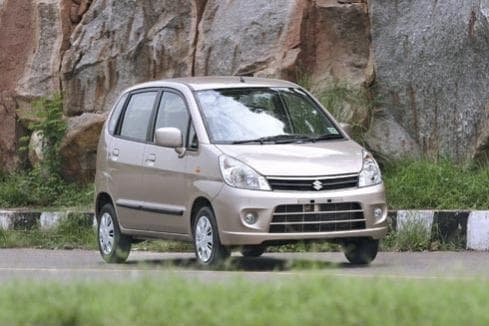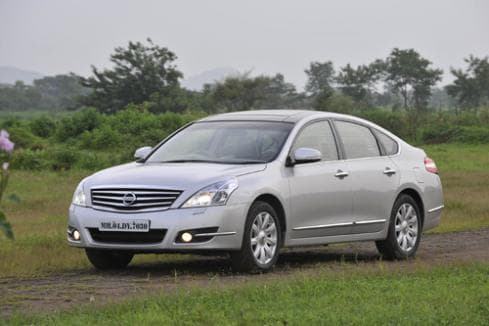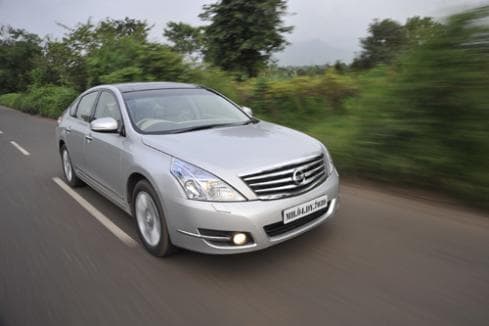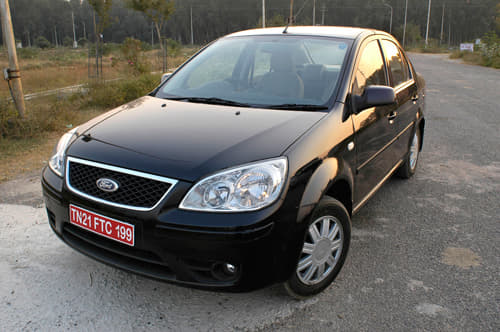
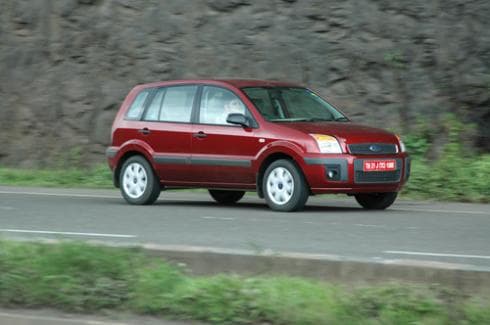
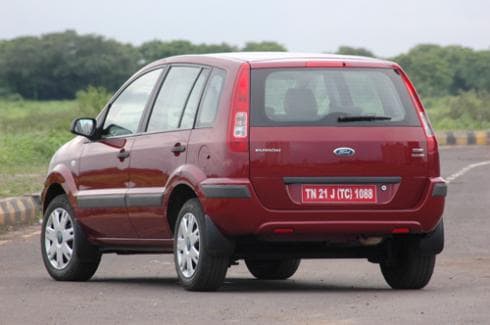
From the outside, it is virtually impossible to distinguish the diesel Fusion from its petrol sibling. The only clues are the ‘TDCi’ badge on the tailgate and the new rear bumper. To shoehorn the Fusion into sub-four-metre-length category, essential for meeting the small car norms (and thereby saving eight percent tax), Ford has redesigned the rear bumper to reduce the overall length of the car by 29mm. However, the change to the rear bumper is almost impossible to spot and you need a tape measure to tell the difference.
The build of the car is typically European — it feels stiff and tough enough to take the hammering delved out by our roads. he Fusion is built with ‘tailored blanks’ or steel panels which are thick only where they need to be. This gives strength without adding weight. However, tipping the scales at 1140kg, the Fusion isn’t exactly light for a car of this size but a lot of the weight comes from beefed- up components like the heavy duty suspension and high strength sections. The front suspension has MacPherson struts with tall offset springs for reduced friction. It features an extremely rigid sub-frame for support, and to isolate road harshness. The non-independent rear suspension uses estate-car-like springs under the floor as well as wide spaced dampers. This reduces intrusions into the loading or luggage bay.
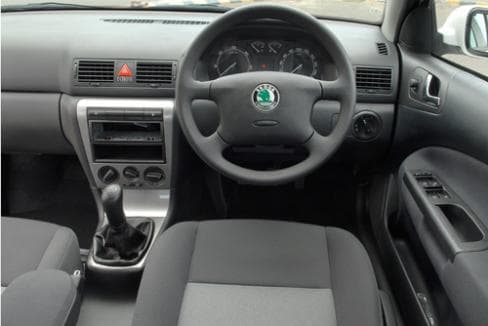
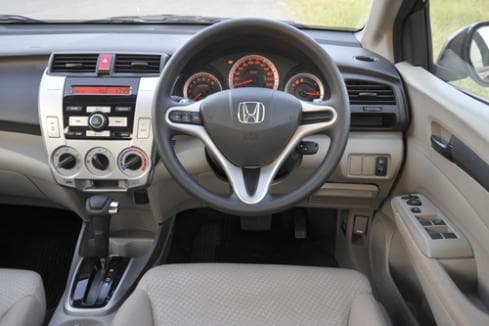
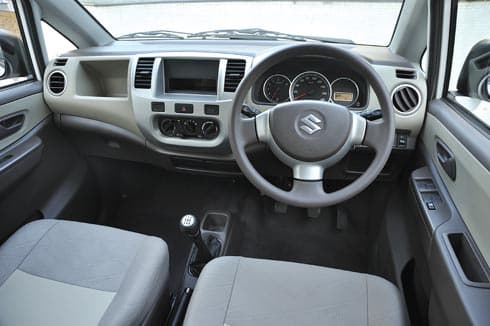
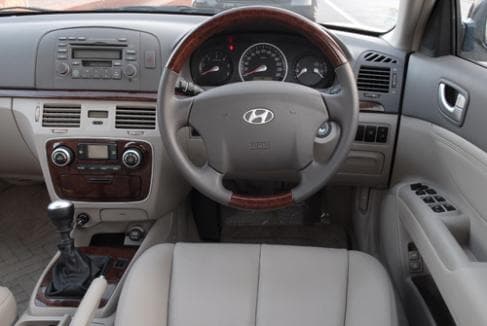
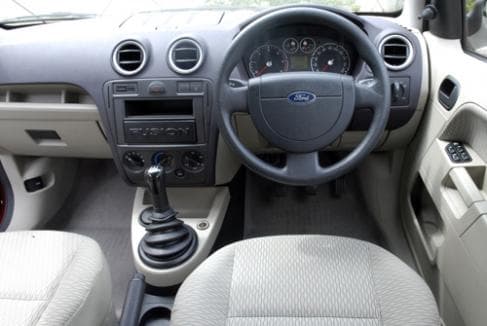
On the inside, the Fusion diesel is identical to its petrol sibling. The only clue about this car’s change in diet is the rev-counter which has a 4500rpm redline unlike the petrol car’s 7000rpm redline.
The dashboard texture has been improved after the face-lift but the plastics and seat fabric still have that downmarket feel though. The dashboard is full of clever little cubbyholes like the one just below the audio system’s slot. It has a small rubber mat inside, so the plastic won’t scratch your CDs or cellphone. There’s a big bin on top of the dash and another one under the centre console. The front passenger seat-base also lifts up to reveal a small storage box. But equipment levels are hardly generous for a car in this class — an audio system isn’t standard and thankfully safety features like ABS and airbags are available as options .
The Fusion’s biggest strength is passenger comfort. Though it is a hatchback and is substantially shorter than every saloon in the same price range, the car has generous interior space. The seats are extremely comfortable, aided by the high stance that results in an upright seating position and makes it easy to get in and out of the car.
The commanding view from the driver’s seat also gives a sense of comfort even though the front seats are flat and lacking in support. The rear seats are superb, with loads of width, head and legroom. The luggage area is quite huge by hatchback standards and the 60:40 split/folding rear seats dramatically increase luggage-carrying capability.
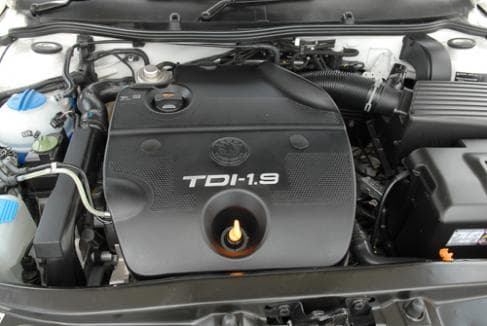
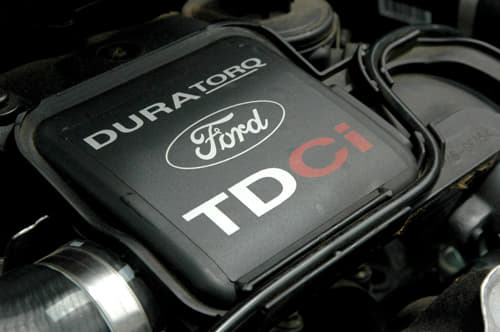
The 1.4-litre Duratorq engine may be identical to the one under the Fiesta’s hood. But the diesel Fusion weighs 30 kilos more than the diesel Fiesta and it differs from the Fiesta aerodynamically. To compensate for this, the ECU was re-calibrated to make the Fusion as responsive as the Fiesta. The gearbox is similar, with an identical set of gear ratios, but the final drive is taller with the aim of eking out even better economy. With only 68bhp on tap, we didn’t expect the Fusion to smoke its 195/60 R15 tyres. After all, the Fiesta diesel was never a quick car. Its strength lay in the fantastic responsiveness at low speeds. The Fusion diesel shows a similar eagerness at low revs but the throttle response is definitely blunted by the taller gearing and re-mapped ECU. Where the Fiesta picks up cleanly, the Fusion hesitates a bit before the turbo kicks in. Make no mistake, the power delivery is quite acceptable especially when you compare the Fusion with other modern diesels like the Verna and even the Optra Magnum, which have greater turbo-lag. It’s just that the Fiesta remains the class best when it comes to driveability. As a result, the Fusion is considerably slower in the 20-80kph and 40-100kph acceleration times, in third and fourth gear respectively. If you want instant performance, you do have to downshift a bit more often than in the Fiesta. Outright performance is also only average with the dash to 100kph coming up in a shade under 18 seconds, and though in the same league as the Fiesta, is light years behind the quicker and cheaper Swift diesel. As expected, the Fusion engine is extremely smooth but it is a little more audible than in the Fiesta, especially at idle. Sound-deadening material and the body structure seem to be better optimised for the saloon than the cross-over. The Fusion didn’t turn out to be as fuel-efficient as the Fiesta and that’s not surprising. Taller gearing penalised the Fusion in the city while the large frontal area took its toll on the highway. But despite this, the Fusion diesel returned an impressive 13.05kpl in the city and 17.9kpl on the highway.
Ride quality is a substantial improvement over the petrol model. To compensate for the additional weight of the diesel motor, Ford has used longer but softer springs in the front to achieve the same static ground clearance as the petrol.
The petrol Fusion’s harsh and clunky ride has been replaced by a more absorbent feel in the diesel. The car no longer crashes through potholes and bad roads are dispatched with a muted thud.
The steering, which is now more weighted, feels nicer especially on the highway. Feedback at high speeds is superb and the Fusion, despite its tall stance, feels pretty stable, except in cross-winds. The high ground clearance is another huge benefit and you simply don’t have to worry about speedbreakers or dropping two wheels onto the earthen shoulders of the highway.
 Saumil Shah
 Soham Thakur
 Sergius Barretto