Autocar India

Government bans bullbars on vehicles in India

The government has deemed bullbars illegal and in violation of Section 52 of the Motor Vehicles Act, 1988; accessory negates effect of safety systems.
1 min read•19 Dec '17
Nikhil Bhatia
103K+ views

The Ministry of Road, Transport and Highways has banned fitting bullbars on vehicles in India and has authorised states to take strict action against their illegal fitment. The government has declared the use of bullbars as a contravention of Section 52 of the Motor Vehicles Act, 1988.

While the government notification was brief, it was very clear that the move was to lessen the risk of injury to pedestrians and vehicle occupants, alike, in the event of an impact.

For a long time, vehicles in India have been accessorised with bullbars – often available at the point of sale, itself. While some feel the accessory adds to the look of their vehicles, others are of the opinion that bullbars and crash guards can help protect their vehicle’s body in low-impact scenarios. However, the facts state that these extraneous parts can actually reduce the effectiveness of safety systems built into the car’s structure. This is because bullbars are typically fixed to the vehicle’s body structure at two points; in an impact, the crash energy is transmitted directly to these two points rather than being dispersed through the car's crumple zone. Furthermore, bullbars can also hamper the functioning and timely deployment of the airbags in crashes.

Pedestrian safety is also hugely compromised by bullbars. Cars are, at stock, designed to meet pedestrian safety standards. The fitment of bullbars, however, actually offsets the benefits of a pedestrian-friendly front-end design, as mandated by latest vehicle norms. The rigid bullbars have proved lethal in many car-to-human accidents.

Interestingly, several countries such as Australia do allow the fitment of bullbars – which is only subject to the accessory meeting their well-laid-out safety norms.
Hear from the

Autocar Community

50+Experts
20,000+Members
7,000+Posts

Vintage and classic cars exempt from NGT ban

Vintage and classic cars registered under the Motor Vehicles Act are exempt from the tribunal's ban on cars older than 15 years.
1 min read•19 Dec '17
Autocar India News Desk

Toyota's global line-up to have 10 EVs by early 2020s

Carmaker outlines plan to introduce EVs in India; Electrification strategy includes sales of 5.5 million electrified vehicles by 2030.
2 min read•19 Dec '17
Autocar India News Desk

Hyundai Kona achieves five-star Euro NCAP rating

The Euro-spec SUV gets nine airbags and various driver assistance systems, which aid its score.
1 min read•19 Dec '17
Autocar India News Desk

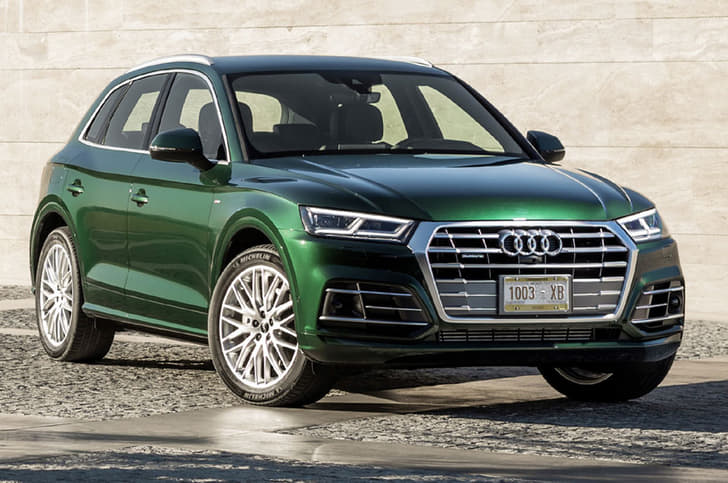
New Audi Q5 India launch on January 18, 2018

The all-new Q5 is expected with a 2.0-litre diesel, a 2.0-litre petrol, and a 3.0-litre diesel engine; estimated prices range from Rs 48-56 lakh.
2 min read•18 Dec '17
Autocar India News Desk

Android Auto now available across Maruti range

Smartplay-equipped Baleno, Ciaz, Dzire, Ertiga, Ignis, Vitara Brezza and S-Cross now get Android Auto as well; older systems can be updated.
1 min read•18 Dec '17
Autocar India News Desk

The SmartPlay infotainment system on the Maruti Ignis.

Poll of the month

There will be 12 new Citroen and Jeep launches by 2030. Will this boost interest in these brands?

Yes, fresh models is just what's needed.
Only if sales and service expands alongside.
Won't be enough. Established brands are too strong.
769 votes•79 days remaining

Upcoming Cars

Nissan Terrano
Nissan Terrano

₹40.00 - ₹45.00 Lakhs

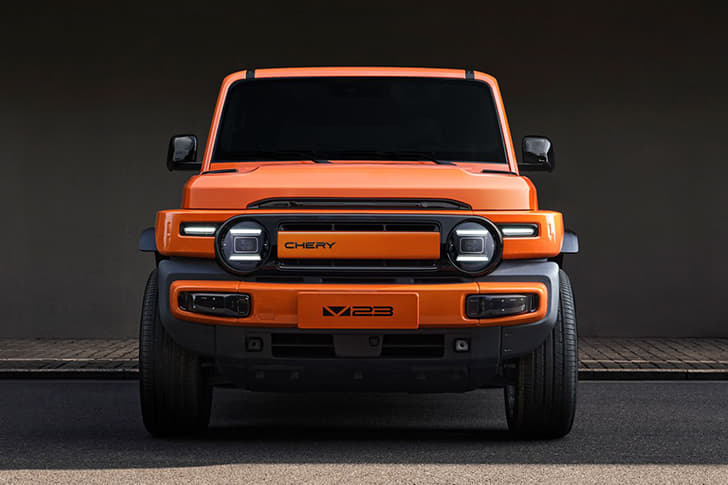
JSW Motors Chery iCAR V23

₹17.00 - ₹20.00 Lakhs

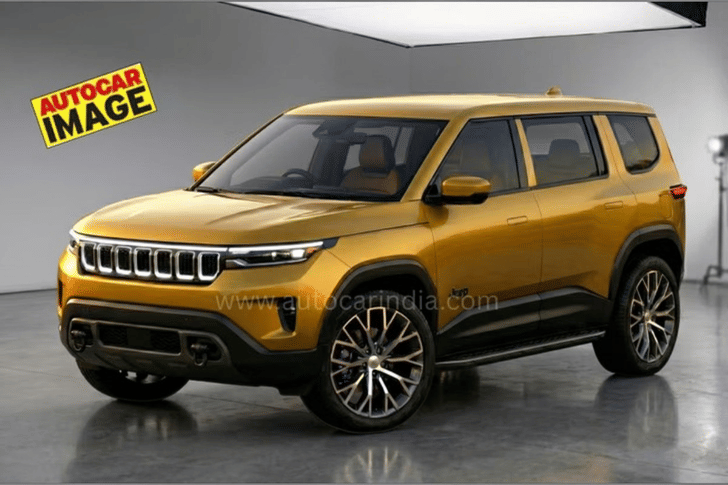
Jeep SUV
Jeep SUV

₹15.00 - ₹20.00 Lakhs

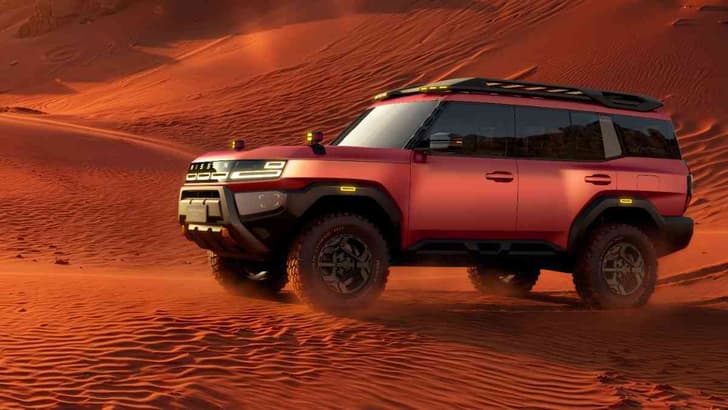
Toyota Land Cruiser FJ

₹30.00 - ₹35.00 Lakhs

Hyundai Palisade
Hyundai Palisade

₹50.00 - ₹55.00 Lakhs

Trending Cars

Latest Cars