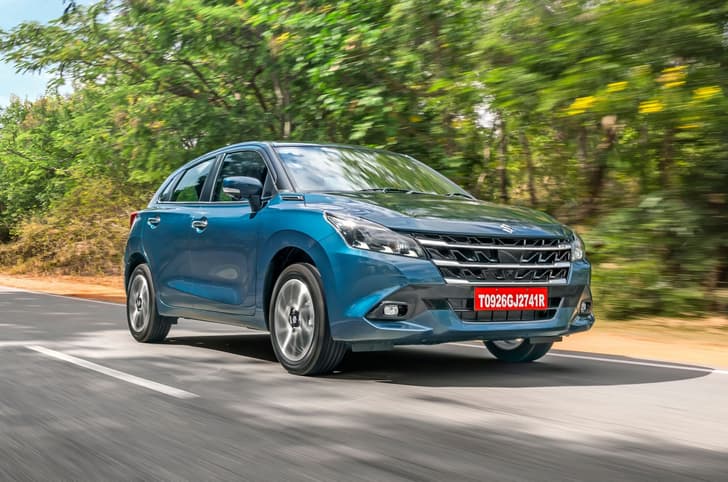

A few months ago, I said goodbye to the first long-term car I truly grew attached to. Our Maruti Baleno 1.2 VVT Alpha may have had its flaws, but it ended up being everything I wanted in a daily driver – compact and easy on the wallet, yet spacious and practical enough, loaded with all the equipment you could shake a stick at, and a peppy petrol engine to boot. Finding a worthy replacement, then, wasn’t going to be easy.
I tried a Ford Aspire diesel but found its powertrain a bit too jerky for my traffic-crawl of a commute. And I even spent a week with a Tata Hexa, which, though superbly comfortable and with the road presence of an African bull elephant, felt about as manoeuvrable as a pachyderm too. Despite the smorgasbord of vehicles in the Autocar fleet, I secretly craved another small Maruti. So, the moment I heard a new Dzire was coming our way, I swooped down on it like a peregrine falcon would onto a small forest rodent.
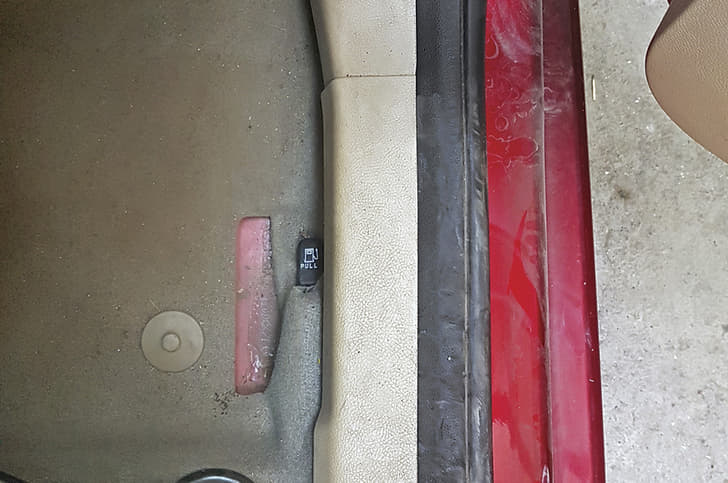
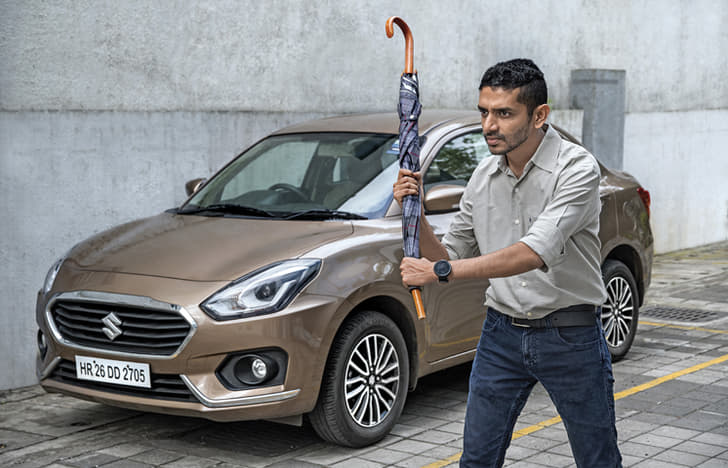
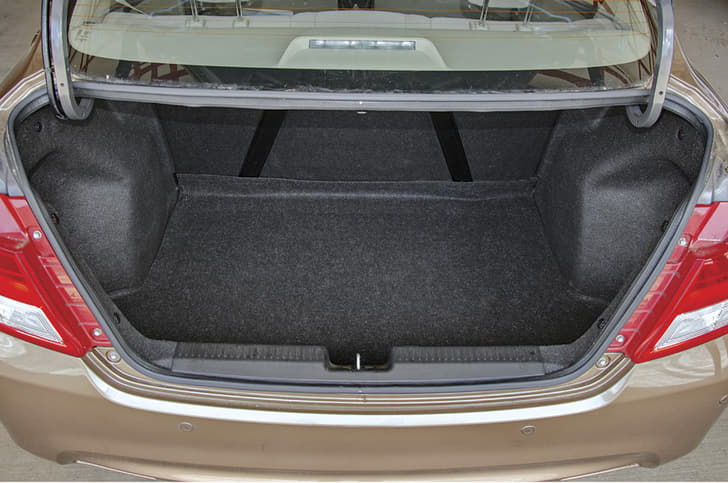
HR 26 DD 2705 turned up for our big, small-sedan comparison shoot that featured in the July 2017 issue, and we were told we could just keep it after we were done. So, immediately, I began to get possessive about it. Anyone who went near it during the shoot was told to wipe their feet first – the carpets are beige, which is really not what you want during the monsoon! Despite my best efforts, however, some nasty mud stains did make their way to the footwells, and one careless colleague even spilled a glass of fizzy drink into the boot. Suffice to say, heads rolled. Besides that, I went at the car with the same ritualistic fervour I did when I first claimed the keys to the Baleno. I set the seat and mirrors to my driving position and checked the fluid and pressure levels. Sure, everyone pairs their phone to a car’s Bluetooth system, but when you let it access all your contacts and text messages, that’s called commitment!
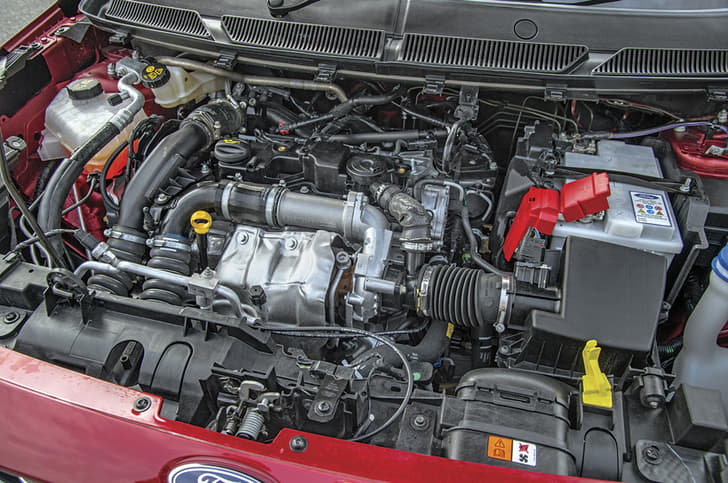
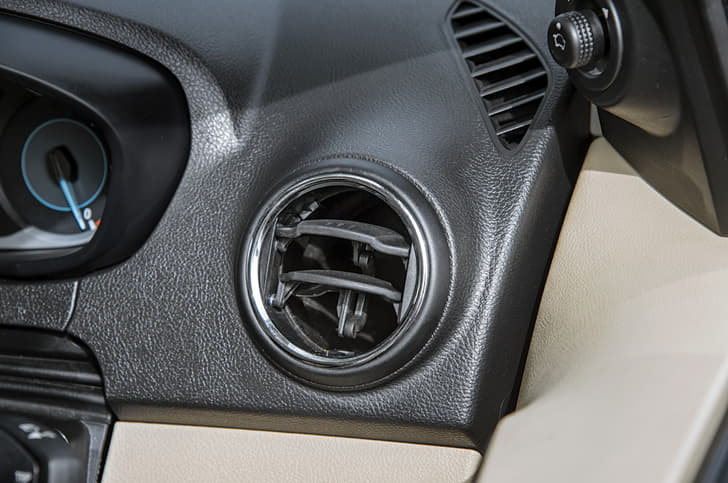
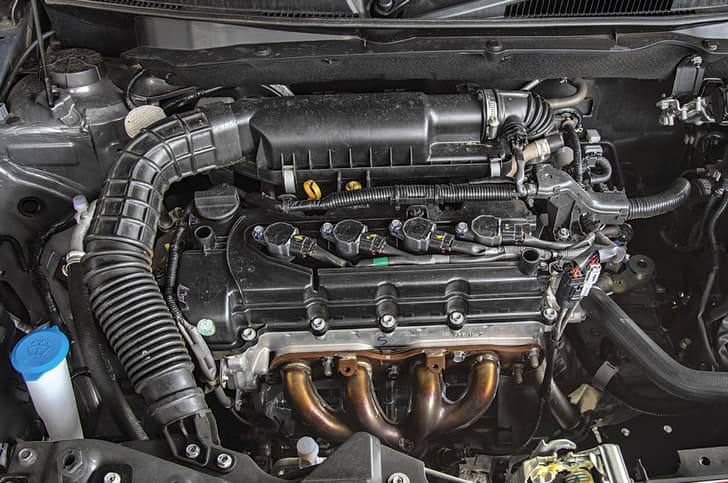
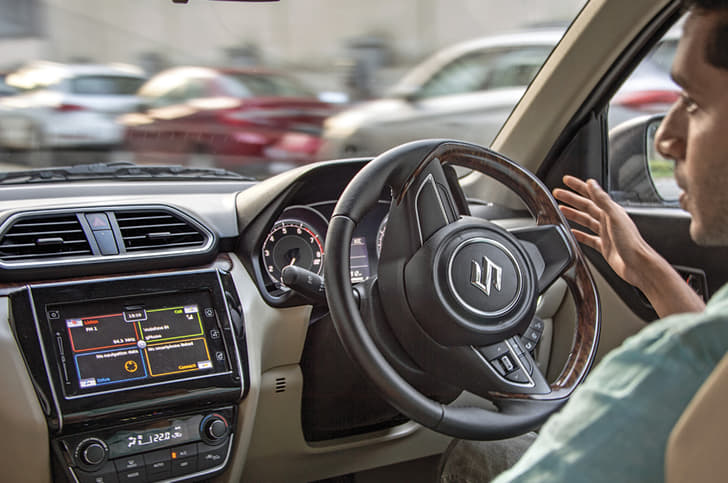
I’ve been running the car for well over a month now and, blissfully, it has been almost exactly what I expected in a successor to the Baleno. They are built on the same platform and use the same engine and gearbox, after all. Of the 1.2-litre naturally aspirated petrol engines, this remains one of the better ones; rev happy when the moment takes you but still tractable enough low down for the agonising trudge through Mumbai traffic. The clutch and gearbox too, are just so smooth and easy; like I said earlier, my commute is all traffic. But I also like what’s new: the dashboard and steering wheel design (apart from the brown plastic masquerading as wood), the fact that the SmartPlay touchscreen seems to have ironed out the bugs of early models, and the fact it now has Android Auto! Score one for the vast number of us who don’t use iPhones.
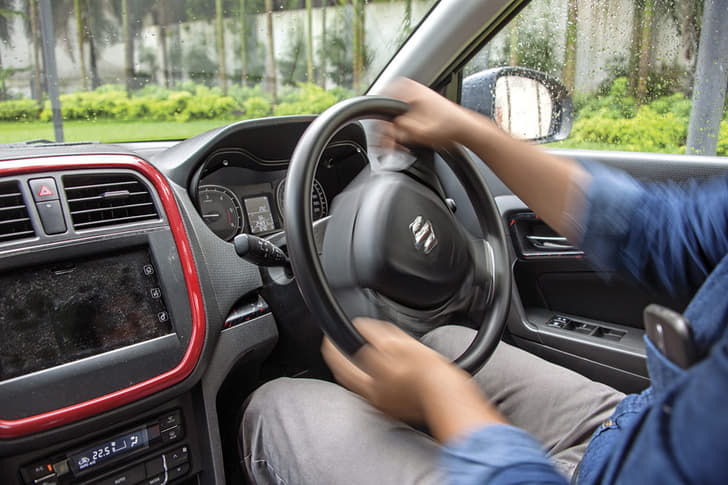
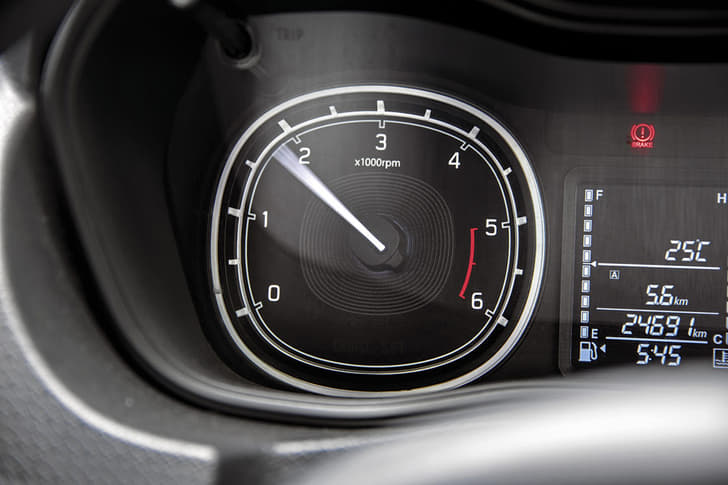
There are some annoyances too; of course, there are. The monochrome multi-info display between the dials is mostly blank, with fuel and trip info appearing in a small line of text at the base. In automatic cars, some of the blank space is used to show you which gear you’re in, but in the manual, it’s just a massive waste of space. I never liked our Baleno’s steering because it was too light, too vague and didn’t return freely to centre. It was remedied to a great extent in the Baleno RS, but somehow, in the Dzire, it’s even worse than before! Sure, you might scoff and say that ‘for most drivers, this won’t be an issue and this is just an enthusiast nitpicking’. But, picture this: sheet rain, almost no visibility, you take your left hand off the wheel to shift gears, you momentarily loosen your grip of your right hand to flick the indicator stalk. The car hits a pothole concealed by the rain and veers wildly to the left, almost two lanes across, all in the short moment before you grab the wheel back and force a correction. You need good reflexes for this car and all because the steering doesn’t self-centre, and left on its own, will carry on in the steered direction until you correct it. It’s not a mild grouse in this lightweight car, it’s a hazard.
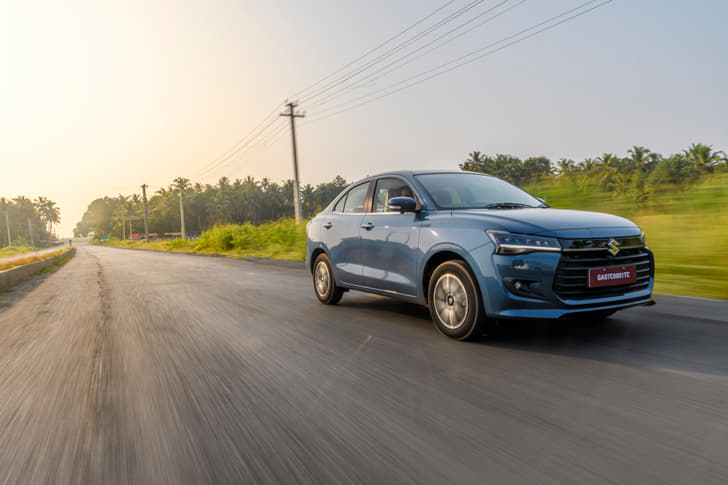
Luckily, I do have pretty good reflexes, and I’m quickly getting used to the ‘free-spirited’ steering. Everything else is all good – the space, the ride quality, the equipment (although speed-sensitive door locks seem an odd omission) and, of course, the running costs. Hell, I even like the colour. I think it’s safe to say I’ve found my new long, long-termer. Hands off guys, this one’s mine!
 Sergius Barretto
 Hormazd Sorabjee
 Nikhil Bhatia
 Lenny D'sa