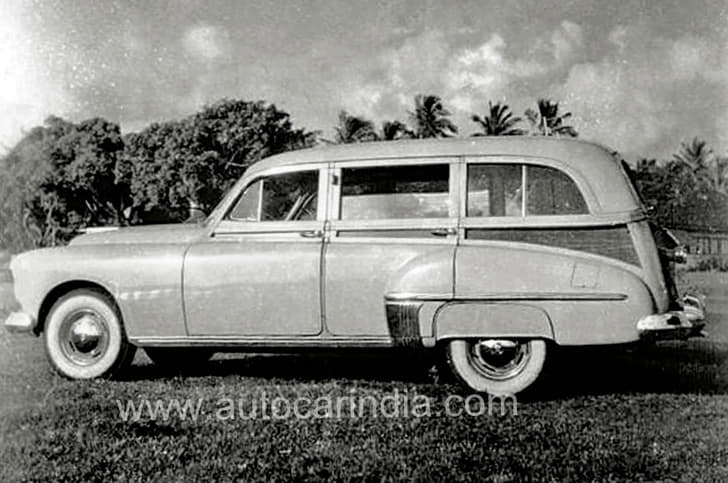
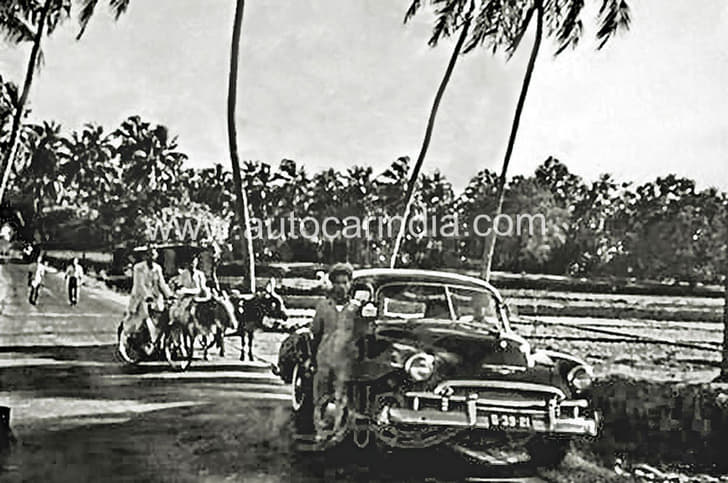
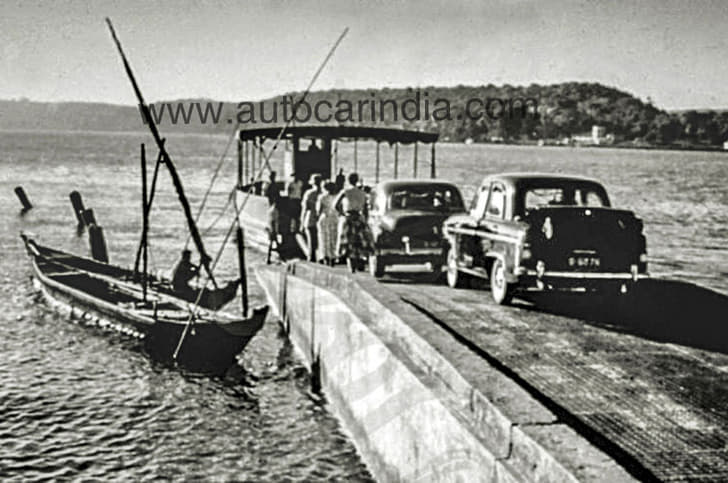
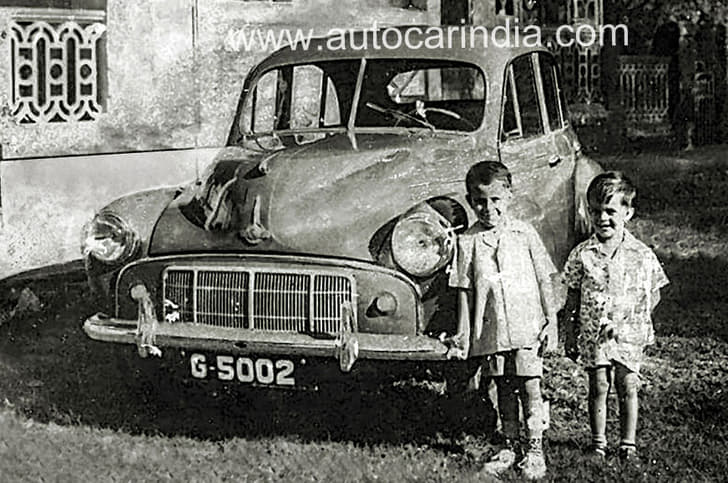
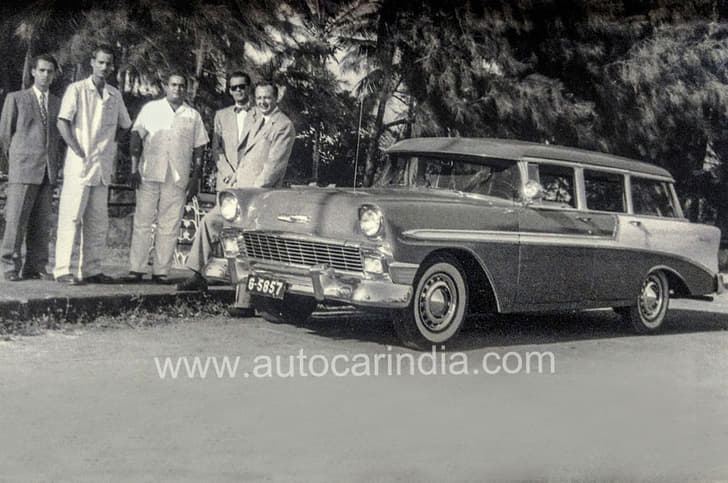

Sights and tales of Goa’s gorgeous beaches and magnificent architecture are renowned world over and have inked pages of many a glossy magazine. This, however, is Autocar India and instead of sunny beaches, gorgeous churches and other snippets of Goan history, we want to take you back in time to be part of its automotive journey. And the period is from 1947 to December 1961 before Goa was liberated from the Portuguese.
Post-independence in 1947, India’s socialist government meant that by the mid-fifties, one could only choose between Hindustan Motors, Premier Automobiles, Standard or Mahindra & Mahindra. Carmakers like General Motors, Ford and the Rootes Group, which offered Hillman, Humber and Sunbeam, had exited India by then. However, a Goan, at least until 1961, could import any car from anywhere in the world.
Milind Angle, a Goan automotive historian and a septuagenarian who witnessed this era, estimates that more than 10,000 cars bearing ‘IG’ initials were registered in Goa up until 1961.
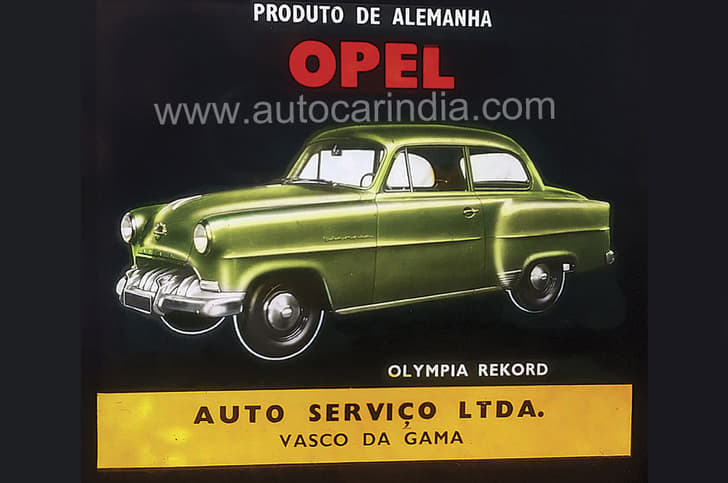
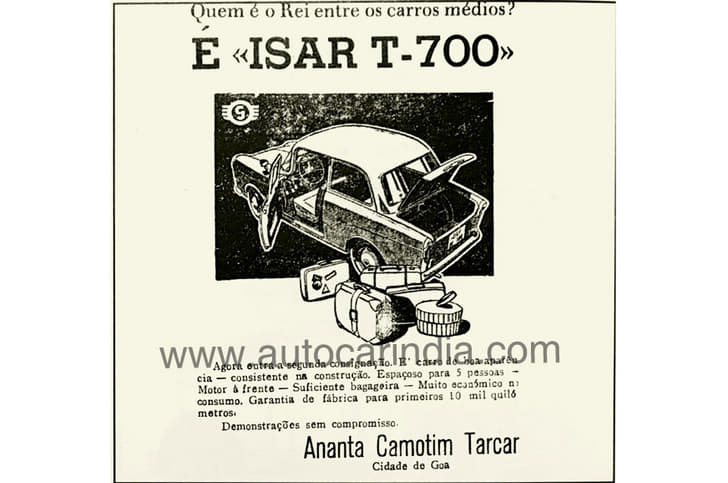
Car brands from UK were Austin, Essex, Jowett, Lanchester, Land Rover, Vauxhall and Wolseley. American brands imported were Cadillac, Chevrolet, Chrysler, Dodge, Lincoln, Nash, Oldsmobile, Rambler and Willys. From Europe came the German brands BMW, Borgward, IFA, Isar, Opel, Mercedes-Benz, NSU and Volkswagen; French brands included Panhard, Peugeot, Simca and Renault, while Fiat came in from Italy. Japanese marques like Datsun, Nissan, Prince and Toyota.
Dealer Brands | MSB Caculo Ford (American & European models), BSA motorcycles | Upendra SB Caculo Hillman, Sunbeam, Rover, Humber, Hudson, Triumph motorcycles, Velocette motorcycles |
Xavier George Standard cars | Pundolica Anta Quenim Essex and Fiat (upto ’32) | Vishnu V Camotin Tarcar Willys, Mitsubishi |
Agencia E Sequeira Buick Cadillac, Pontiac GMC, Holden and Mazda | Intercontinental (India) Limitada Zundapp, Borgward, IFA | V S Dempo & Cia Dodge (upto ’54), Plymouth, Austin and Prince |
Dr Robert Hepp Volkswagen | K W Quenim Studebaker, Ariel, Sunbeam | Vernecar & Filhos BMW motorcycles and cars |
Ananta Camotin Tarcar Isar, Mandimpex, Alfa Romeo twin-cabin pick-up | Damodar Mangalji e Cia (India) Limitada Fiat (‘57 onwards) | Agencia Universal Fiat (‘56-57) |
Nachinolcar Limitada Lambretta and Honda motorcycles | Stuart Silva Skoda |
Compiled with inputs from Milind Angle
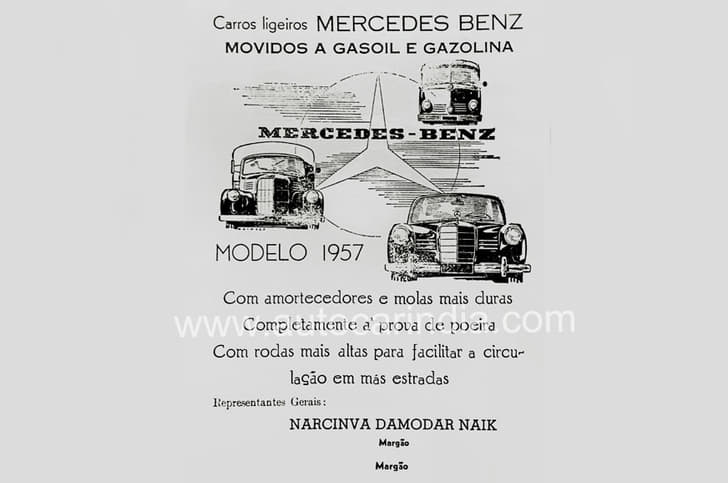
Giving me more insight into that period, Angle says, “Goa had more than 30 different importers and dealers for cars before liberation. And vehicle imports usually landed on Goan shores, astride any of the three Portuguese ships – the NM Timor, NM Rovuma and SS India.” And what about promotion? Car dealers would waste no time in buying advertisement space in local dailies and periodicals to market their latest four-wheelers. The more established dealers would display new cars in their showrooms and also feature ads at the talkies.
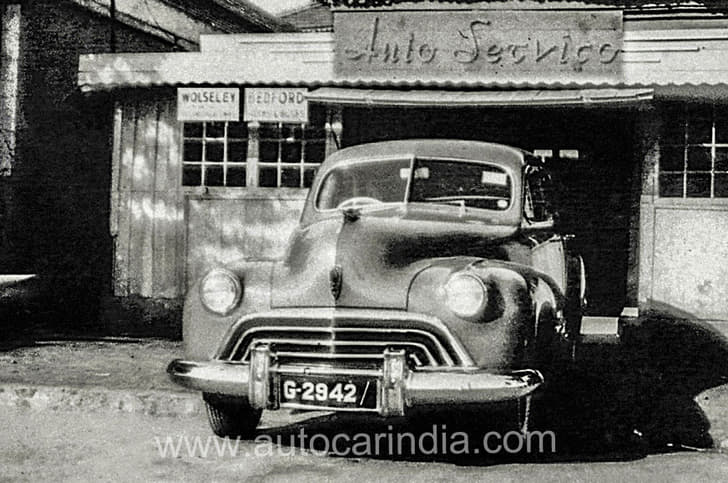
But sellers had to employ some novel techniques. Pushkar Joshi, a third-generation automobile dealership owner recalls, “Selling cars was a different ball game back then. My father, Vasant Joshi would often drive around town with a new import to attract prospective buyers. Once, during one such outing in a freshly imported Wolseley, he stopped to buy a loaf of bread. The baker was very impressed with the car but was hesitant because of the high asking price. Sensing this, my father gave him the option of monthly payments and with a token amount or sinal (in Portuguese) handed him the car. Sometime later for my sister’s wedding, this same baker provided the bread free of cost. Trust, word of the mouth and respecting the dignity of an individual were very crucial factors and could easily make or break one’s reputation overnight.” Many of these dealers entrenched themselves in the business so much so that they are still selling cars today.
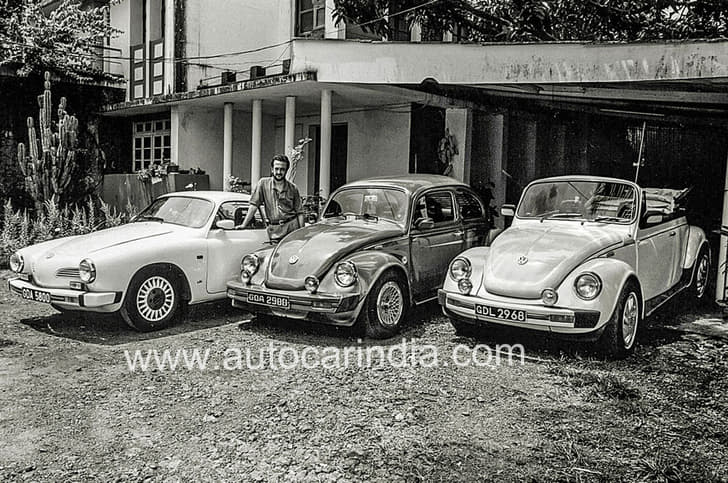
Dr Robert Hepp, a German national who came to Goa after World War II, imported a Volkswagen Beetle in 1956. Thereafter, he opened a dealership in Panaji and the brand, especially the Beetle, proved to be very popular with the Goans. According to Avelar Barretto, a restorer of VW cars in Goa, “Volkswagens were very reliable for the time, with their strong build quality and go-anywhere nature. The German brand became a bestseller in Goa and close to 1,000 VWs were sold, the majority of which were the Beetle and Type 2 van, along with some Karmann Ghias and 1600s.”
Dealer Brands | Narcinva Damodar Naik Mercedes-Benz, DKW | P.G. Virgincar & Cia Chevrolet, Opel |
J Pereira & Filhos NSU cars and motorcycles | Crisna Naraiana Naik Peugeot | Caculo Limitada Land Rover |
Quexova Sinai Cundo Rambler | Agencia Universal Renault, Nash |
Compiled with inputs from Milind Angle
Affordable cars like the Austin Cambridge, Volkswagen Beetle, Ford Consul, Mercedes 180 and Morris Oxford made up the bulk of the sales numbers. Their prices ranged from Rs 8,000 to 15,000. The elite, on the other hand, preferred larger brands like Mercedes-Benz, Cadillac, Chrysler, Oldsmobile and Lincoln, whose prices ranged from Rs 20,000 to Rs 25,000.
HALL OF FAME
“The Governor-General of Goa was chauffeured around in a black Cadillac Fleetwood Series 75. This 20.5ft-long limo was powered by a 6.4-litre V8 engine and came replete with power steering, an electrically adjustable glass partition and electric windows including quarter panels. And also part of his garage was a Mercedes 220S limousine. Prominent industrialists, the Dempos family also had a Cadillac Series 75 sedan in their fleet, while their counterparts, the Chowgules, preferred the Chevrolet Bel Air. A Ford Fairlane was used by the Directorate of Accounts, while the General Manager of Banco Nacional Ultramarino owned a 1954 Lanchester Leda. The American Lincoln was the preferred choice of both the Portuguese Military General as well as Goa’s Archbishop Patriarch,” says Angle.
The Willys Jeep CJ was the popular choice among those who had to negotiate off-road conditions prevalent in Goa’s mines. Other choices in this space included early versions of the Land Rover, the Toyota Land Cruiser and the Nissan Patrol.
Dealer Brands | Auto Serviço Limitada Morris, Vauxhall, Bedford, Wolseley, Lanchester, Opel | Chowgule & Cia Datsun, Dodge (’54 onwards), Chrysler |
VM Salgaoncar and Irmão Limitada Simca, AGS motorcycles, Puch motorcycles |
Compiled with inputs from Milind Angle
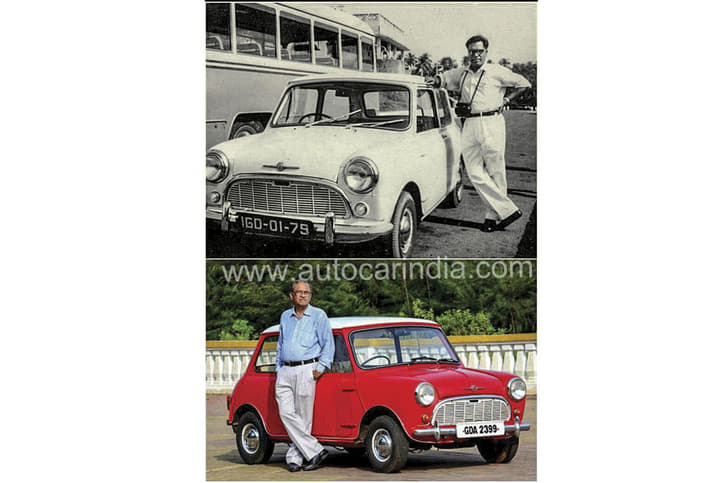
Interestingly, some of cars that were imported in the 1947-1961 period are in the unique position of being the foremost examples of their kind in India today. A consignment of the first edition of the iconic Morris Mini was imported by Auto Serviço Limitada in 1959. The five cars, two of which still remain, were the very first Minis to make it to India. If antecedents can be verified, there could be a high probability of discovering several other cars (maybe a 1961 Volkswagen Karmann Ghia, a 1960 Datsun Fairlady or a 1957 BMW Isetta bubble car) that could potentially have such claims.
TAXI HEAVEN
Back then, getting a driving license was no easy task and involved a gruelling driving test with the Comissão Técnica de Automobilismo (a military man with a rank of captain or higher) or, simply put, the director of transport. Commit the smallest folly while driving and you’d be disqualified immediately. Taxi-driver license seekers had an additional requirement of learning basic mechanical skills to tackle running repairs.
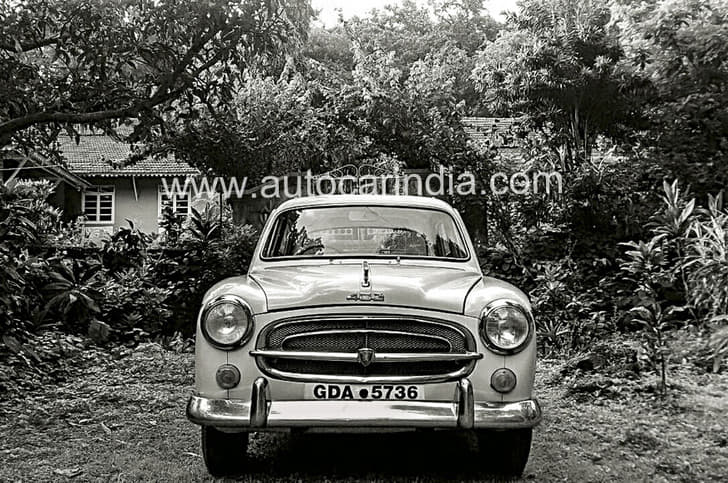
A majority of Goans, however, relied on public transportation. This comprised of the Camião, Carrera, locally assembled people carriers and buses. Taxis, too, were a common mode of transport and mainly comprised the Ford Consul and Anglia, Vauxhall Velox, Cresta, Peugeot 403, Morris Oxford and Cowley, and Mercedes-Benz 180. A service, referred to as piquete, was put into effect and it ensured that, round the clock, at least four taxis were available outside police stations in case someone had to get somewhere in an emergency; all this at regular fares. Motorcycle taxis were also widely used. The fleet included BMWs, Sunbeams, Nortons and Zundapps. This concept continues even today, but the bikes are now smaller and more fuel-efficient.
Post-liberation, Goa became a Union Territory and started to assimilate with the rest of India (it achieved statehood only in 1987). Imports of cars stopped entirely in the subsequent years and soon the Fiat 1100, HM Ambassador and Mahindra’s jeep became mainstays.
Of late, however, there seems to be a resurgence of interest levels for these automobiles and quite a few are embarking on journeys to restore barnyard finds. Pradeep Naik, who runs the Ashvek Vintage World car museum in Nuvem, Salcete, is one such enthusiast and has quite a collection of old cars and automotive memorabilia of that era. Also, the state’s annual vintage car rally sees a gathering of many of these old beauties. If you really delve in, you’ll unearth a slice of automotive history that’s hidden away in our country’s smallest state, and is one that’s worth protecting, preserving and savouring.

 Uday Singh
 Glenn Noronha
 Dipan Sur