

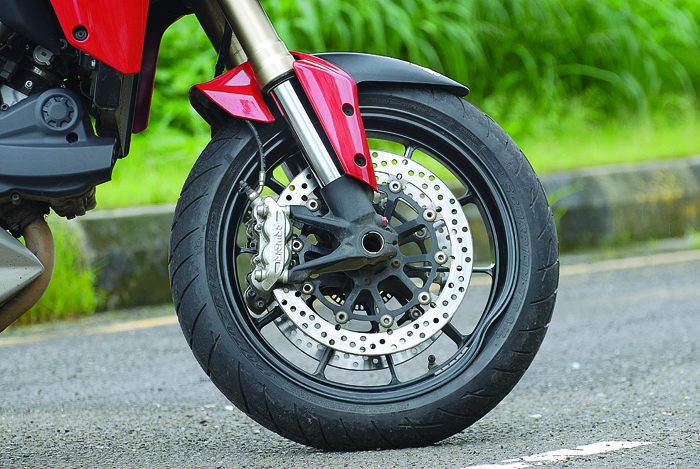
Poor roads, and often the equivalent of no roads are common across India. Crumbling infrastructure nationwide ensures ample terrain for rugged motorcycles like Ducati’s path-breaking Multistrada 1200 and BMW Motorrad’s trusty R 1200 GS to tackle and conquer. Certainly, few other motorcycles makes more sense in this country, than adventure-tourers like these, born and bred to deal with every possible environment.
Provided you can afford them, this pair represents the crème-de-la-crème of motorcycles on offer in India today. We bring these European rivals face-to-face in a no holds barred duel to find out which is the best of the best?
Dashing or sober, take your pick
The Ducati Multistrada 1200 and BMW’s R 1200 GS are both large, pretty tall motorcycles, each with individual character. The Ducati is decidedly sportier, oozing an Italian air of flamboyance, while the Beemer looks relatively sober and industrial, a more appealing bike to mature motorcyclists who’ve had their fill of sportsbikes.
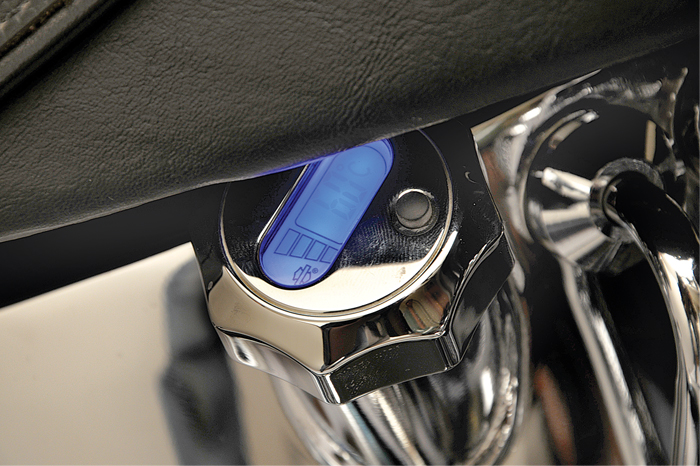
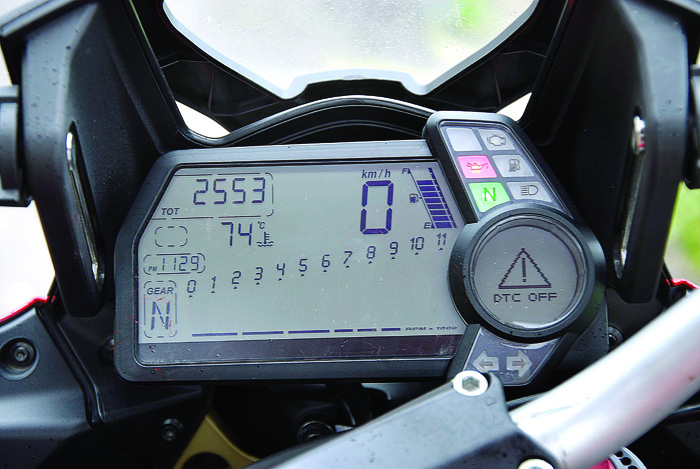
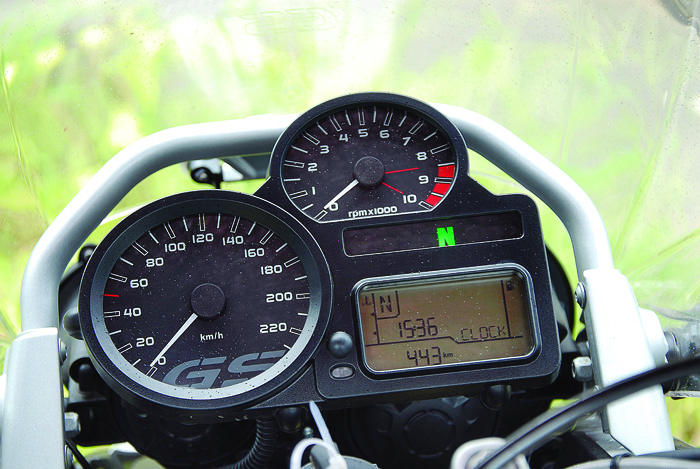
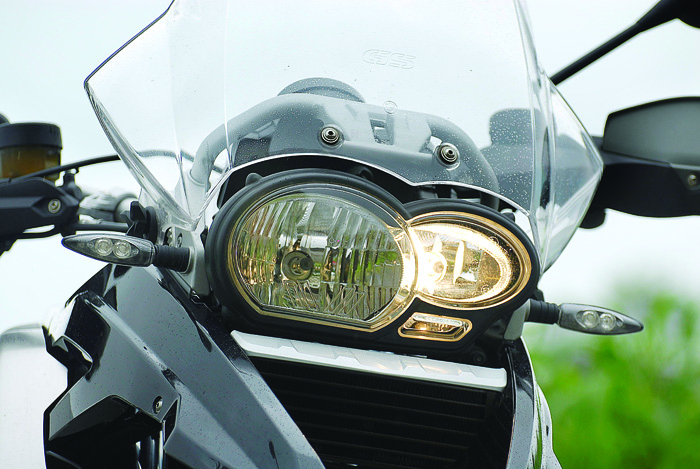
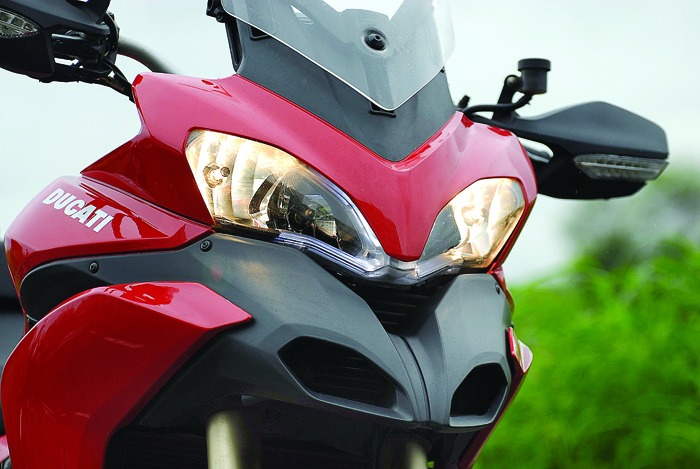
The Multistrada comes with a sharper snout, led by twin intake vents and sleek headlights, while the GS has a more practical face with its asymmetrical headlight cluster. Both motorcycles provide manually adjustable visors, a boon when pushing either of these bikes over 140kph, which they are so easily capable of. Space age, digital instrumentation and a keyless ignition system wow you on the Mustistrada, where the GS sticks more to the conventional, using comparatively ho-hum, still easy on the eye analogue dominated instrumentation.
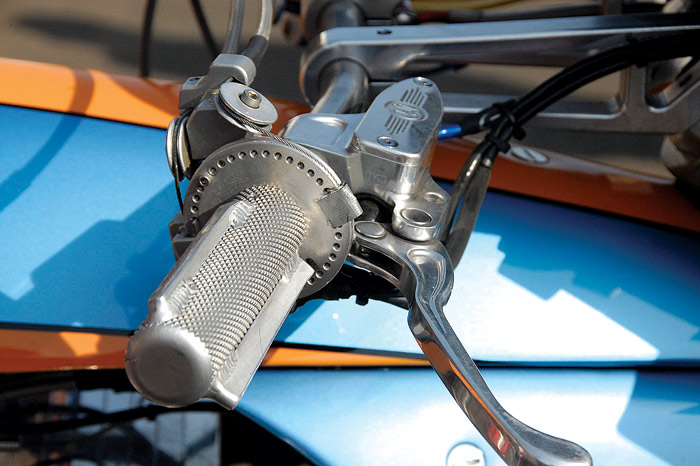
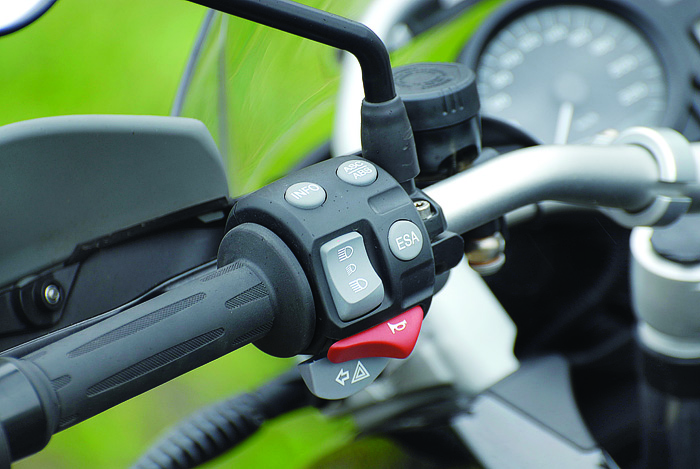
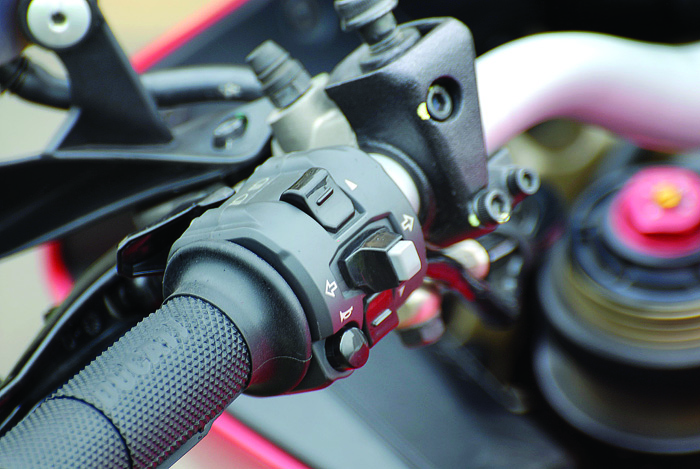
Ideal motorcycles for your Himalayan dream ride, touring the frozen landscapes of Ladakh or any other mountainous terrains of Northern India, both rugged motorcycles attempt to keep you comfortable through every eventuality, with heated grips, knuckle protection and reach adjustable levers. Indian riders will prefer the simpler Multistrada switches, which isn’t to say much is wrong with the solid, built to last GS controls, barring their cumbersome individual turn signal switches.
Both motorcycles offer superb tank grip, comfortable riding saddles and the option of ample pannier space, the Mutistrada looking stylish despite when handicapped with their extra bulk. Exposed rear wheels add zing to both sturdy motorcycles.
The GS fails to match the panache that’s yours for the asking on the Mustistrada, as seen in its exposed trellis frame flanks, smart belly scoop and stubby silencers, but, the GS likewise enjoys a forte of its own. Like any BMW bike, you get the feeling a GS can outlive its owner, with such terrific overall quality and fit-finish as to make even the high quality Multistrada seem a notch lower.
Twin treats
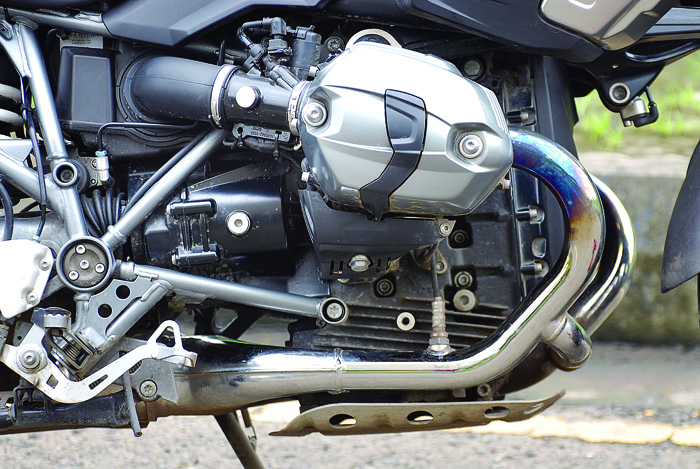
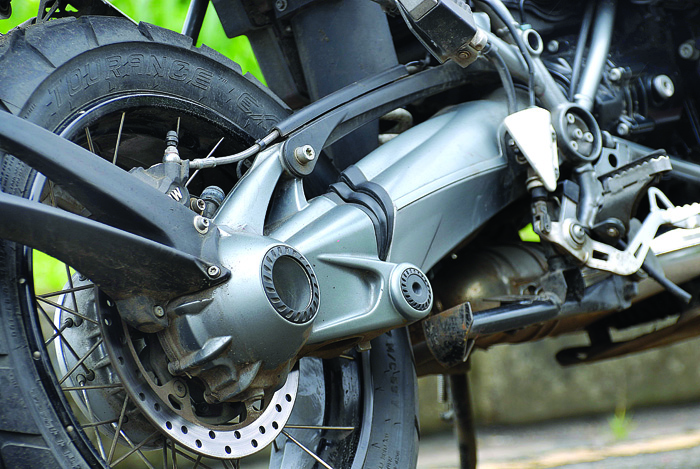
Both motorcycles use distinctive four-stroke engines, the Multistrada’s (1198.4cc) installed as an L-twin with desmodromic valve actuation, while the R 1200 GS (1170cc) sticks to BMW’s traditional ‘boxer’ format, a horizontally opposed twin. Fuel-injection is standard, although the Multistrada is liquid-cooled, transferring its 150bhp via chain drive whereas the air-and-oil cooled GS puts down 110 horses through shaft drive. Although the Multistrada and GS are both content to toodle around and mingle with city traffic at low speeds thanks to their meaty torque curves, the GS enjoys an advantage in being smoother. The Multistrada has a more hard-edged, raw feel to it that’s always goading you to give it some gas. The Multistrada’s 12.1kgm of peak torque spins free at 7500rpm, outdone by the GS’s flat-twin that liberates 12.23kgm at 6000rpm.
Both big bikes go with hydraulic clutch operation and six-speed gearboxes. The clutch and gearshifts offer slick, smooth action on the Beemer, these still positive and precise but calling for more effort to operate on the Ducati.
You can’t help but fall for both motorcycle’s exhaust tones, the Ducati sportier where the BMW strikes a smoother, more sedate note. In fact, everything about the R 1200 GS’s engine is just so much more relaxed, the Multistrada giving you this more direct, exciting feedback that’s evident in the cracking response its ride-by-wire throttle feeds your wrist, especially in ‘Sports’ mode, where the engine mapping is at its aggressive best.
The GS rocks playfully to the right when given a blip of its throttle at idle, but stick it in gear, dial in some throttle, and you find yourself cresting an unending wave of liquid-smooth power, as the bike pulls seamlessly through its broad, flawless power band. The Multistrada feels more a sportsbike than adventure-tourer when shown the whip, lightening its front end while effortlessly distorting all its surrounding scenery into one big blur. Traction control can be had on both powerful motorcycles, the Multistrada offering this in eight varying stages of assist depending on the riding mode you choose, ‘Sports,’ ‘Touring,’ ‘Urban’ or ‘Enduro.’
The Multistrada is the bike to own if speed is your thing, as performance runs riot through its all Italian veins, this powerful motorcycle easily able to jostle the GS into its mirrors, then well beyond their reach as it accelerates hard, satiating all your high speed thrills.
The GS offers a different kind of experience, as it roars along with a refined, gentlemanly politeness the Ducati can never match.
Two-wheeled hovercrafts
Motorcycle riding positions don’t come more commanding than on the Ducati Multistrada 1200 and BMW R 1200 GS. These tall steeds seat their riders in near identical, higher than regular, upright positions that are certain to impress you. You feel the master of these machines, arms stretching out to their wide handlebars.
Frames and suspension setups are electronically controlled on both motorcycles provided you buy top of the line models. The Ducati uses a combination of a magnesium sub-frame ahead of its steering column, a steel-trellis around the engine and a cast alloy brace to hold its single side, alloy swingarm. Electronically controlled, fully adjustable Ohlins suspension comes with the Multistrada 1200 S, which uses upside-down telescopic forks and a monoshock at the rear.
On the Beemer you get a twin section frame, BMW Motorrad’s signature Telelever five-way adjustable suspension with a single strut in front, a single side, alloy swingarm and fully adjustable Paralever rear suspension.
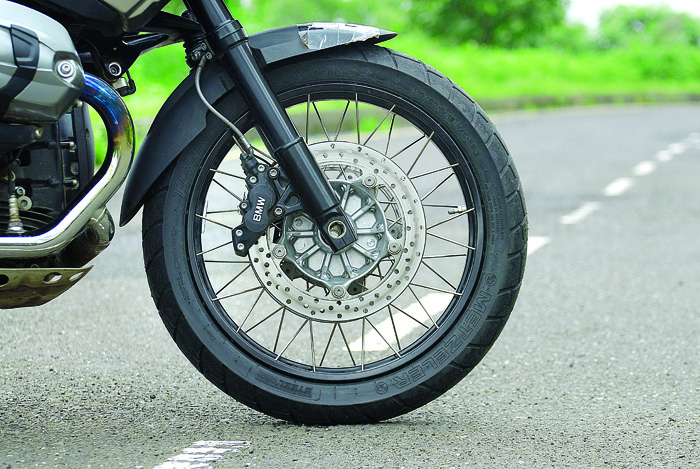
ABS is available for both bikes, and disc brakes are standard.
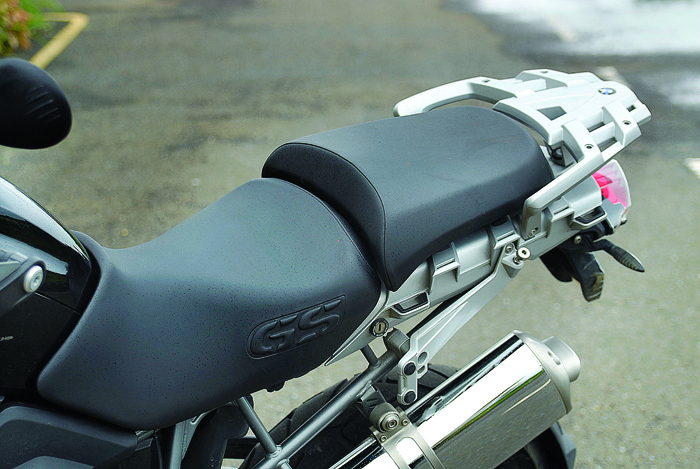
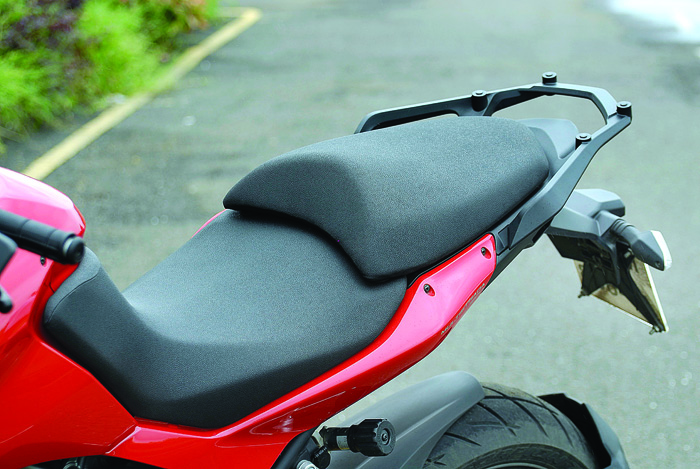
You can alter damping to suite the terrain, or your riding style and ride quality simply doesn’t get any better than astride both these capable motorcycles, the Multistrada and GS capable of gliding over potholes, cocooning their riders so well as to keep them just as cosseted as atop a magic carpet. Both seats are broad enough to offer superb support, but the Multistrada drops a wee bit short of matching the softer BMW’s saddle.
There’d be few Indians who would actually take these bikes off-road, but Indian roads often being just as good as riding off-road is what makes them so sensible for us. Find a well surfaced highway though, and the Multistrada starts shining through. Its superior performance is complemented by lighter, sharper handling, which has the BMW feeling heavier, never as quick to turn in and really struggling to keep up when having fun scything through twisty tarmac. The Multistrada corners as well as—if not better than—expected from a motorcycle of this segment, while the GS does feel relatively reluctant to play catch up in the corners. Wide handlebars on both bikes provide excellent leverage when negotiating congested conditions.
The Ducati comes with tailor made multi-compound Pirelli tyres, where the BMW sticks with Metzeler rubber, footprints that generate prodigious grip for both machines with ample stopping power always at hand to haul these motorcycles down safely from high speed. Front end dive is reduced on the BMW thanks to its innovative Telelever suspension, but all said and done, we’d never hesitate to choose the Ducati over the Beemer as our date to the handling prom.
 Ved Janve
 Ketan Thakkar
 Dinshaw Magol
 Joy Chaudhuri
 Azaman Chothia