
Autocar India
•25w

Is it worth considering buying an Audi in India at the moment over rivals like Mercedes-Benz or BMW? Could you please explain whether there are any risks associated with purchasing an Audi currently?

Verified
•25w

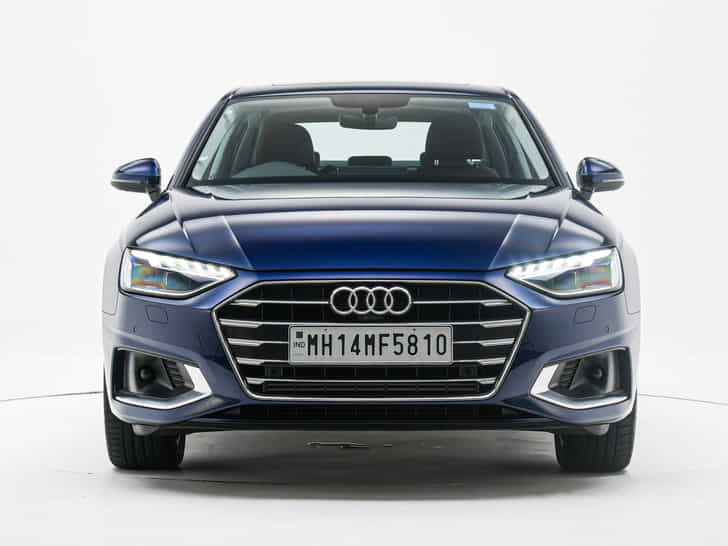
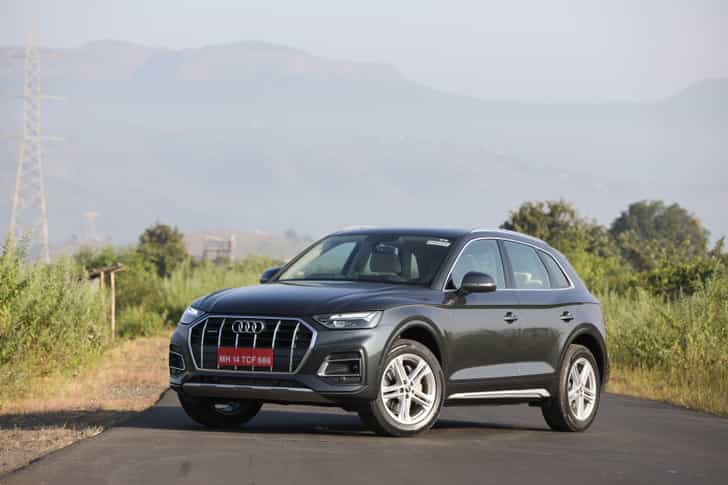
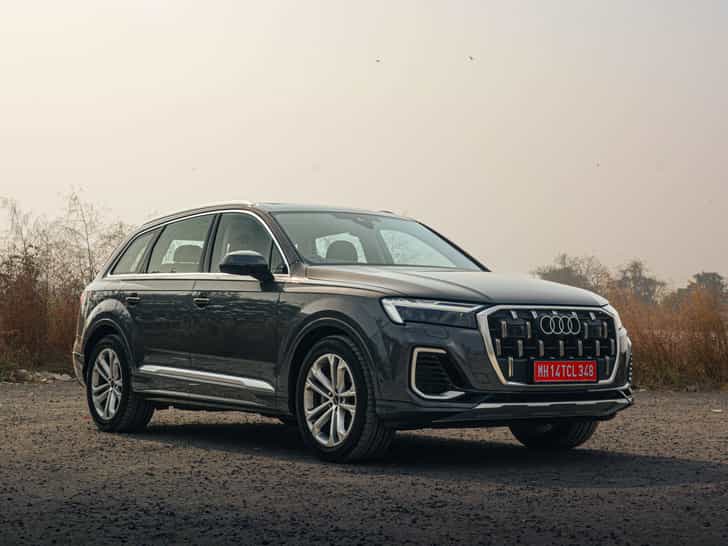
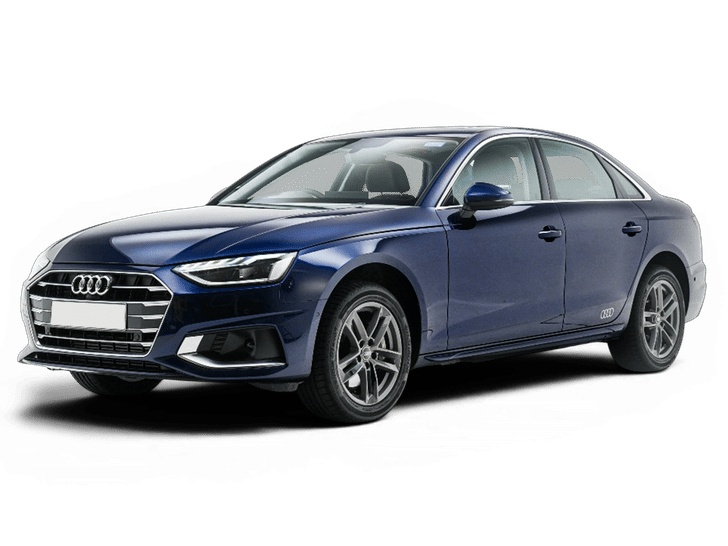
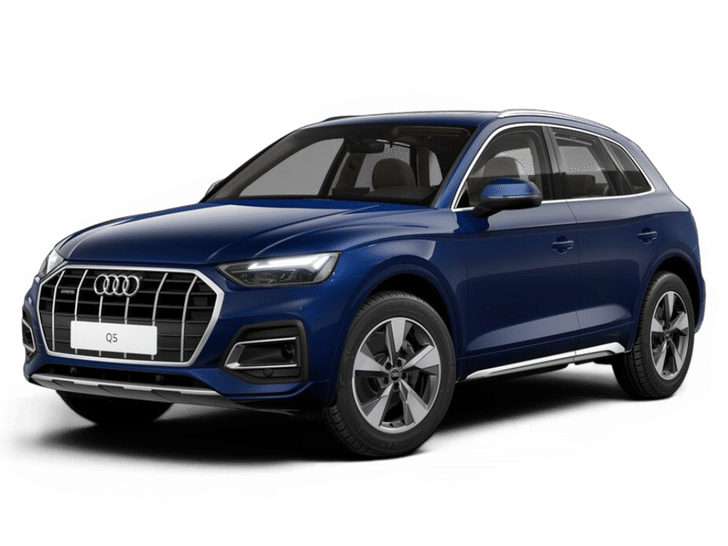
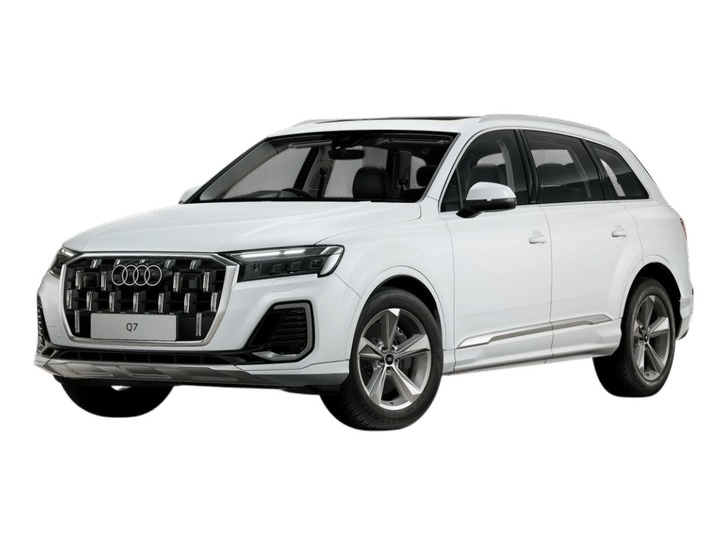
From a pure product perspective, Audi cars like the A4, Q3 and the Q7 remain genuinely strong. Cabin quality is excellent, refinement is top-notch, quattro-equipped models are hugely capable, and the overall ownership experience can be perfectly satisfying. 

Where Mercedes and BMW currently have the edge is brand momentum, product freshness and showroom pull. Mercedes-Benz car has the broadest luxury portfolio, while BMW arguably has the more engaging cars to drive in several segments. Audi, by comparison, has felt quieter in recent years, with fewer headline launches and slightly less buzz.

Audi India remains committed, and service support for existing owners is not a concern in the way people sometimes fear.
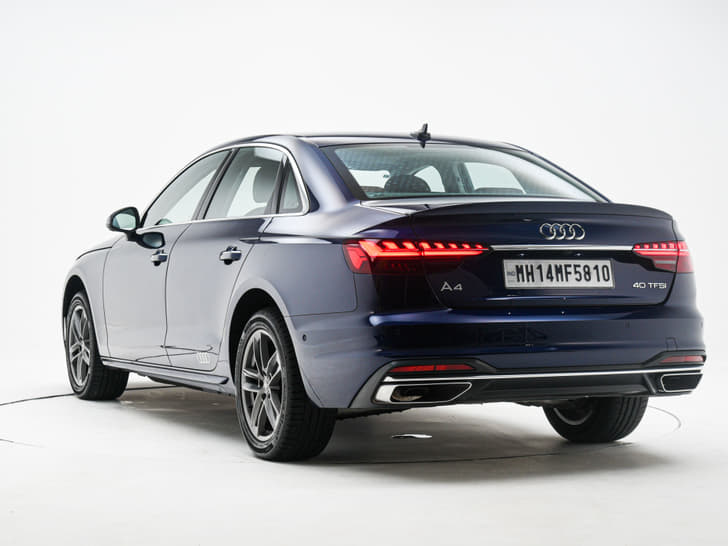
Audi A4

Audi A4

•25w•

I own an Audi Q5 2017 diesel S line model. ODO meter is 175000, no major issues so far, no service problems at Audi Service Centres.

•25w•

Audi - is in between MB and BMW ! Great to own and drive , but quite sedate . Where as MB has more appeal and snob value , BMW has more driving pleasure and Audi is the dark horse with long life and few problems , if any !! Go for it man and bargain hard on the purchase price .

•24w•

I think you should not buy Audi because its just avaliable in petrol when you open fuel capacity its strictly mentioned that RON 95 and above if government forcefully applies E 30 and above blending it will be huge problem and always filling XP 100 will be highly cost burdened and mostly importantly its not available everywhere running cost will be very high currently in Mumbai XP 100 is Rs 160/- per liter it may increase also go for MB or BMW with diesel powertrain.

•24w•

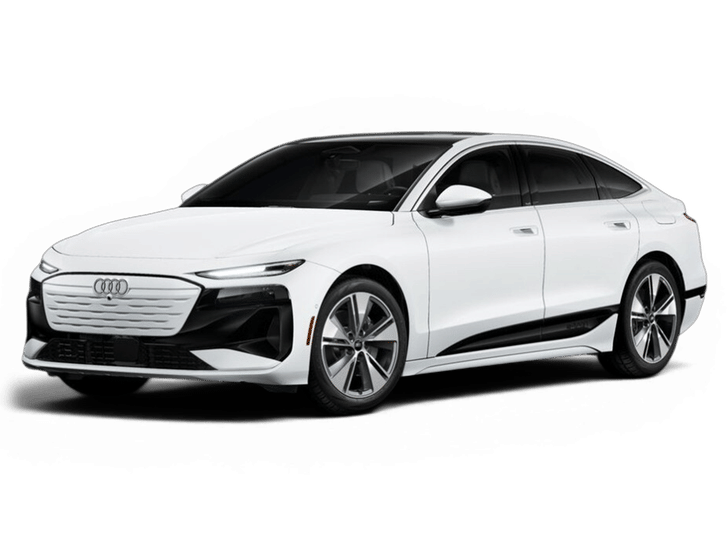
Audi a6

More posts on similar cars

•5d

I am very confused between Kylaq AT and Syros DCT 1.0 petrol. Driving wise, Kylaq seems very good but Syros seems like a more practical car with a beautiful cabin. Rear seat comfort and leg room is so good in Syros along with a better AC, rear view camera and audio. Which one should I go for if I have 60% highway use as well as long distance travel? If two adults have to sit in the rear seat of Kylaq for a 5-6 hours drive, is it going to be comfortable? For suspension, quality, VFM and stability, which one is best for 7-8 years of ownership?

Verified
•2d

From a practicality perspective, the Kia Syros is a better choice than the Skoda Kylaq. Its cabin is easily the most spacious in the sub-4-metre segment, and it gets practical features such as a sliding rear bench, which lets you free up more boot space or increase rear passenger legroom. Accommodating two adults in the back seat on long journeys is no problem at all. Highway performance from the 1.0-litre turbo-petrol engine and DCT combination is also very good, while high-speed stability is decent too. Ride quality is a touch firm, though, which is also the case with the Kylaq.The Kylaq is the more engaging car to drive, and its torque converter automatic is smoother in city traffic. The DCT in the Syros can feel a bit clunky at times in the city, but since most of your driving is on the highway, this is unlikely to be a deal-breaker.Pick the Kylaq if driving dynamics are your top priority, but when it comes to practicality, the Syros is hard to beat.

VehicleKia Syros
VehicleSkoda Kylaq
•4d

I owned a 2019 Maruti Vitara Brezza ZDi+ manual and sold it in 2024 to buy a Virtus GT DSG. I regret selling the Brezza, although the Virtus is a great car. I bought it because my wife wanted a sedan, and I chose the automatic partly for her, but she hardly drives it. The Virtus has covered nearly 60,000 km in two years. I’m planning to replace it with a new car. I drive at least 80% on the highway and 20% in the city. At least twice a month, I make a round trip of 640 km, and my annual mileage is at least 25,000 km. I’ve decided that my next car should be a diesel. I like the Tata Harrier, but I’m concerned about reliability and potential issues. I’m also considering the Kia Seltos, Mahindra XUV 7XO, and the upcoming Hyundai Creta. I’d choose a top-end variant and am open to either a manual or an automatic. If I go for an automatic, it must have a torque-converter gearbox. What would you recommend?

Verified
•2d

Between your picks, the Kia Seltos diesel automatic is the easiest recommendation. Its diesel powertrain is very refined and is paired with a slick 6-speed torque converter automatic. It also offers enough performance for highway driving, while ride quality is significantly better than that of the previous generation. The cabin feels premium, with good-quality materials, more space than the previous generation and an infotainment system with a very user-friendly interface.The Mahindra XUV 7XO offers better outright performance from its 2.2-litre diesel engine and a more plush ride quality. It also has a more commanding road presence, thanks to its sheer size. The cabin is premium and spacious, with the added advantage of a third row. However, its size can make it cumbersome to park in the city, while its infotainment interface takes some getting used to.If you can wait, the next-generation Hyundai Creta is expected sometime in mid-2027. It will move to the K3 platform, just like the Seltos, making it larger than the current model and allowing for a more spacious cabin. It is expected to retain the current Creta's powertrain options, so a diesel variant should still be on the cards. Other details are scarce at the moment, but it could make for a compelling alternative to the Seltos.Overall, if you don't need the third row or the added performance, the Seltos is a better fit for your needs than the XUV 7XO. While it doesn't have the outright performance of the Mahindra, it offers a good balance and better fuel efficiency.

VehicleKia Seltos
VehicleMahindra XUV 7XO

Has E20 fuel affected your mileage?

Is ADAS worth paying extra for in a car?

Popular discussions right now

•1w

improve the grammar and write it in a paragraph - Hi Autocar, Iam looking to book a car this week. I have narrowed it down to one of 3 cars. Petrol Automatic IVTs. My running is mostly going to be 95% city (office to work in Mumbai traffic). Daily commute is around 15km, so I don't want a turbo in traffic. That's roughly 5k annual running. I am 6ft tall so wouldn't want something that is cramped 1. New Seltos HTK(O) 2. New elevate VX 3. Bayon HX 8 All of these are close to the 16L ex showroom price. I've driven the Seltos and Elevate. I really liked both of them. The Seltos feels more premium from the inside and I feel like that is something worth having in a daily car. The elevate is brilliant, but it seems cheap on the inside. No pani sunroof too, although I would maybe use it 1 day in year, it's priced the same as the Seltos, so that felt a miss. I know Honda engines are top, but at my running and limited enthusiast journey, I'm not sure if that does justice to need. Now comes the bayon. I have not done a test drive yet as its not available, but the bayon pricing at Hx6 and hx8 seems very close to the Creta currently.. I am tempted to go for the hx8 as it as a 360 camera,( I think that might be usefull for parking etc as I am coming from a hatchback ) but I am getting a "lesser car" vs the Seltos here I wonder.. Which one would you recommend? I am keen on booking before diwali, will see if there are any discounts on the Seltos (unlikey though)

Verified
•1w

All things considered, the Kia Seltos is the better fit for your needs. Since you are on the taller side, you will appreciate the extra room it has to offer compared to the Hyundai Bayon. Opting for the Bayon does get you a higher variant with a 360-degree camera, which can be helpful in tight spots. However, once you get used to the size of the vehicle, you might find yourself using the camera less often.As for the Honda Elevate, as you rightly mentioned, the Seltos feels more premium inside and costs about the same. The Elevate does offer a bit more performance from its 1.5L naturally aspirated engine, but since 95% of your driving is in slow-moving Mumbai traffic, the added performance won't really make much of a difference.Overall, the Seltos is the right fit for your needs.

VehicleKia Seltos
VehicleHyundai Bayon
VehicleHonda Elevate
•2w

Dear Autocar India team, I am planning to purchase my first family car with a budget of Rs 11 lakh and have already booked the Kia Sonet HTK+ variant. However, concerns raised on social media about the performance of its 1.2-litre naturally aspirated petrol engine have made me reconsider my decision. Since our monthly usage is relatively low and the car will primarily be used for occasional trips, would the Sonet HTK+ be a suitable choice for our requirements, or should I consider another model or an alternative powertrain within the Sonet range? I would appreciate your professional guidance in making the right decision. Thank you in advance for your assistance.

Verified
•1w

If your usage is primarily in the city, the 1.2-litre Kia Sonet will serve you just fine. It has a smooth, refined engine paired with a light clutch and gearbox, which makes it easy to drive in city traffic. Where it falls short is on the highway, where it may need a downshift to make an overtake.If you frequently travel on the highway with three or more passengers, you would be better off looking at a turbo-petrol version of the Sonet. Alternatively, consider something like the Maruti Suzuki Brezza or Hyundai Venue with a turbo-petrol engine. However, the trade-off for better performance from a turbo-petrol engine is lower fuel efficiency in the city.If you only plan on using the Sonet around town, stick with the naturally aspirated engine. But if highway performance is important, the turbo-petrol is a worthwhile upgrade.

VehicleKia Sonet
VehicleHyundai Venue
VehicleMaruti Suzuki Brezza

Upcoming launch buzz

Community discussions on upcoming launches
Posted on: 20 May 2026