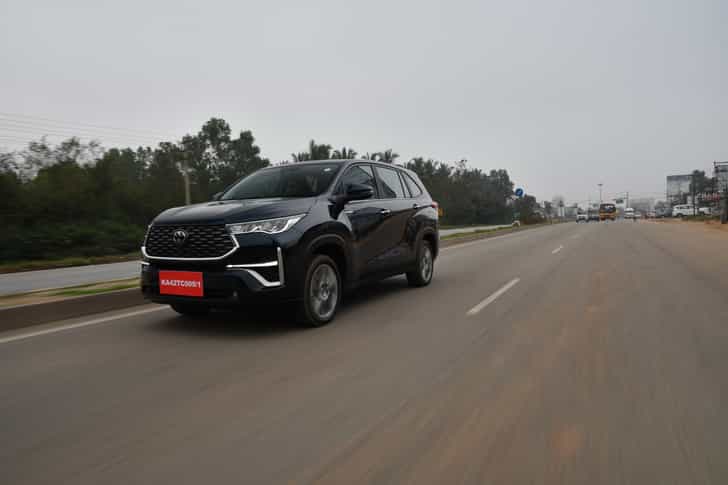

Latest questions answered by experts
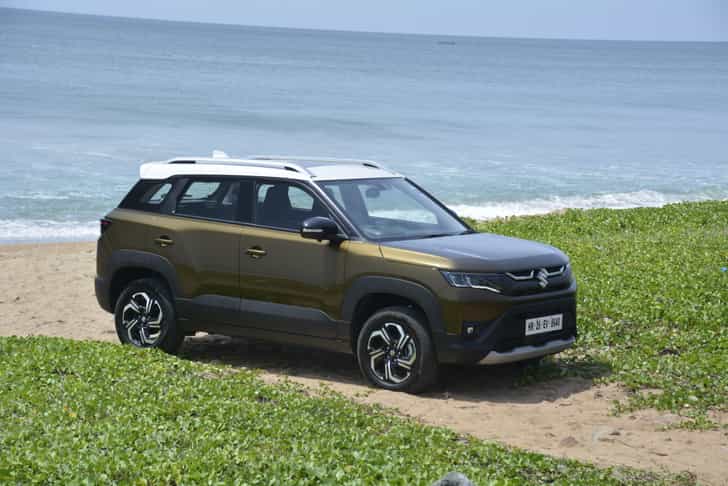
What about the Maruti Suzuki Brezza Automatic? Is it a good car?
Yes, the Maruti Suzuki Brezza automatic is a good, no-drama everyday SUV, especially if most of your driving is in the city. The torque converter automatic is smooth and reliable, the steering is light, and the suspension handles bad roads well. It is also roomy for four adults with a comfortable back seat, and the high seating and good visibility make it stress-free to drive.Where it is less impressive is the performance. The 1.5 naturally aspirated petrol is calm rather than quick, so fast highway overtakes need a firm right foot and some patience. City fuel economy in the automatic is only okay, not great, and the cabin feels more functional than premium. If you want a fuss-free, comfortable urban SUV with strong service support and plan to keep it long, it fits nicely.
Hi. I have been driving an i20 diesel for the last 8 years, and it has covered 1.15 lakh km. The car has been maintained well. I recently moved to Bengaluru, and the urge to upgrade has come up. I looked at the Skoda Kylaq and even booked the Signature Plus Automatic, with my i20 valued at Rs. 4.6 lakh in exchange. However, after a test drive, my family now wants me to buy the Slavia 1.0 Automatic instead. I am also concerned about the ethanol-blending issue. Should I go ahead with the purchase or continue using the i20 for a few more years? I am getting the Slavia Prestige at Rs. 18 lakh on-road.
Go ahead with the Skoda Slavia 1.0 automatic. For Bengaluru traffic and family use, it will be nicer daily, and the current car is E20-compliant too.The Slavia’s 6‑speed automatic is smooth in stop‑go, the cabin and boot are a clear step up from your i20, and its high ground clearance for a sedan handles bad roads and speed humps without drama. Skoda’s 1.0 TSI is built to run on E20, so you won’t harm the engine or void the warranty. You may see a small dip in mileage with higher ethanol and, versus your diesel, expect higher fuel bills.Since you’d booked the Kylaq, know this: it drives almost similarly to the Slavia with the 1.0 automatic. Pick it only if you really want the higher seating and compact dimensions. If your running is mostly in the city and if your family prefers a sedan, the Slavia makes sense.Rs. 18 lakh on road for Prestige is fair in Bengaluru, and Rs. 4.6 lakh for your i20 diesel at 1.15 lakh km is about par. Unless you’re happy to keep the i20 another year just to save cash, there’s no strong reason to wait.
I previously owned a 110hp, 6-speed diesel Renault Duster, which I have since sold. I am now looking to buy a new diesel SUV and am currently managing with a Maruti Celerio. My daily running is around 60-70km, mostly in and around the city, although I do travel outside the city regularly. I have shortlisted the Tata Sierra 1.5 Diesel Automatic and the 2026 Kia Seltos Diesel Automatic. Which one would you recommend? I have also been told that the Sierra diesel does not require AdBlue. I would appreciate your advice as I need to make a decision soon.
The Kia Seltos Diesel Automatic would be the recommendation here. Coming from a Duster diesel, both the Seltos and Sierra will feel like significant upgrades, but the Seltos is the more rounded package today. The 1.5-litre diesel is refined, proven and very efficient, while the automatic gearbox is smooth and well-suited to your 60-70km daily running. It also offers a premium cabin, good ride comfort and a strong ownership experience.The Tata Sierra Diesel Automatic is certainly appealing. It offers more road presence, a spacious cabin and should be an excellent long-distance cruiser. One advantage is that its diesel engine does not require AdBlue, as Tata has achieved the latest emission norms using a different emissions control strategy. However, it is important to remember that the Sierra still has a DPF, so it isn't completely free of modern diesel emissions hardware. Fortunately, your usage pattern of 60-70km a day with regular out-of-town driving is well-suited to a modern diesel and should help keep the DPF healthy.
I am considering buying a Toyota Innova HyCross ZX(O) Hybrid as my second car. My current car is a 2020 Toyota Glanza MT, which I plan to retain and continue using for city needs in Bangalore. The HyCross will mainly be used for weekend road trips and long-distance family travel, with annual usage of around 8,000-10,000 km (between both the car) Given the reports about a possible flex-fuel HyCross, should I buy the current Hybrid now or wait a few months?(I have booked the car already and has a two month waiting period, I will get full refund if I cancel ) Do you expect a flex-fuel version to launch within the next 6-12 months, and would it offer any significant advantage over the existing strong hybrid in terms of ownership costs, practicality, or resale value?
There is no reason to cancel your booking and wait for a potential flex-fuel version. For your usage pattern, the Toyota Innova HyCross Hybrid ZX (O) already makes a lot of sense. It will primarily be used for weekend trips and long-distance family travel, while the Glanza continues to handle city duties.More importantly, there is no certainty that a flex-fuel Hycross will launch within the next 6-12 months. Even if Toyota does introduce one, the current strong hybrid is likely to remain the more efficient and refined option, especially in mixed driving conditions. The hybrid system is already proven, offers excellent fuel efficiency for a vehicle of this size and should continue to be highly desirable in the used car market.
Suggest to me between the Tata Nexon Diesel Automatic and the Maruti Suzuki Grand Vitara Petrol Mild Hybrid Automatic. My running is 30 to 50 kilometres a day.
The Maruti Suzuki Grand Vitara Petrol Mild Hybrid Automatic would be the recommendation here.With a monthly running of just over 1000km, you're right on the cusp where a diesel's fuel-efficiency advantage starts becoming less compelling, especially if a significant portion of that driving is in the city. The Grand Vitara's naturally aspirated petrol engine and torque-converter automatic are smooth, refined and easy to live with, while the mild-hybrid system helps improve fuel efficiency in urban conditions. It also offers a more spacious cabin, better ride comfort and a more premium overall experience than the Nexon.The Tata Nexon Diesel Automatic will undoubtedly be more fuel efficient on longer journeys and offers strong low-end torque. However, it is still a modern diesel with a DPF, and if your driving includes frequent short trips or heavy city traffic, it may not be the ideal fit over the long term.
Hi, My height is 5 feet 3 inches. Now, I am planning to buy a bike. Should I buy the Meteor 350 or another bike? Just looking for a comfortable bike for a city drive. The budget is around 5 lakhs. Can u suggest plz thnks.
The Royal Enfield Meteor 350 you have shortlisted would be the best machine within your budget for your use case. It has a charming, torque-rich engine with a heart-tugging soundtrack, a low seat height and pretty decent comfort (for a cruiser). You could also look at the Goan Classic 350, which has very distinctive styling and bright colours with similar strengths to the Meteor, like a low seat and a comfortable (ish) ride. We'd advise sticking with the RE 350s and not stepping up to the 650cc models because the bigger ones, which a shorter person like you will consider, aren't very comfortable and also they are quite heavy.Take test rides of both the Meteor and the Goan Classic before you make your decision.
Need expert advice?
Ask the Autocar community and experts.