
Latest questions answered by experts
I am planning to buy a car and am confused between the Tata Nexon CNG and Kia Sonet. My running is irregular and does not exceed around 500km a month. Which would be the better choice?
With a monthly running of around 500km, a CNG car like the Tata Nexon CNG does not make financial sense. The fuel savings from CNG are only meaningful when running is significantly higher, and at your usage level, the additional cost and inconvenience of CNG ownership are not justified. The Kia Sonet is the better choice here. It is a more refined and well-rounded product, with a smoother petrol engine, better overall ownership experience and no compromises on boot space or convenience. The Nexon is a good product in its own right, but CNG only makes sense when running is high enough to offset the additional cost and inconvenience. At 500km a month, petrol is the sensible choice.
Upcoming launch buzz
Community discussions on upcoming launches

BMW
iX facelift

Audi
New Q5

Audi
A6 e-tron

Audi
Q6 e-tron

Audi
e-tron GT facelift

Volkswagen
Virtus facelift

Audi
A5

Vinfast
VF5

Audi
New Q3

Hyundai
Bayon
Hi Autocar team, I am planning to buy the Hyundai Creta automatic but am confused between the petrol and diesel versions. I currently own a Swift diesel and drive around 10,000km a year, with a mix of city and highway use. I usually take 300-600 km trips every one or two months, along with occasional longer drives with family or friends. My city use includes hospital visits, school pickups and drops, shopping and family occasions. I am worried about DPF issues with diesel and petrol mileage. Which should I choose?
Go for the Hyundai Creta petrol automatic. With around 10,000 km a year and a genuinely mixed usage pattern, petrol is the safer and more sensible choice. Diesel will give you better fuel economy on your longer highway runs, but with your annual running, the savings are unlikely to justify the higher upfront cost and the potential hassle of DPF-related issues, especially given your city usage. Modern diesel cars are far better than they used to be, but short city runs and stop-start traffic can still cause the DPF to clog over time if the car is not regularly driven at sustained speeds.The petrol automatic is smooth, refined and well suited to your city driving, school runs and hospital visits, while still being perfectly capable on your longer highway trips.
Hi Autocar team, I am confused between the Hyundai Creta EX(O) and the facelifted Honda Elevate V CVT. Which offers better value for money, and which is easier to overtake in?
Go for the Honda Elevate V CVT. Between the two, the Elevate's NA engine offers a bit more performance and will make overtaking easier. In terms of value, both are great choices, but the Elevate is a bit cheaper to purchase, while the Hyundai Creta offers a few more features in the trims you are looking at. Overall, they are both very evenly matched, but if highway performance is more important to you, then the Elevate is the stronger pick.
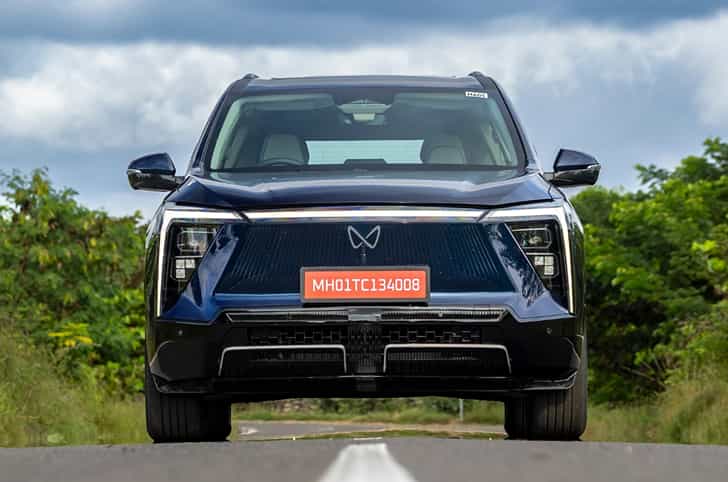
Has the introduction of captain seats in the six-seater Mahindra XEV 9S improved rear-seat comfort? Will the new seating layout prevent motion sickness?
The captain chairs will help a little, but they won’t cure motion sickness, because they don’t change what causes it in the Mahindra XEV 9S. We haven’t tested the six-seater yet, but in our review the 9S’s suspension soaked up bumps and potholes brilliantly. On gently undulating roads, though, it kept moving up and down, and that became more noticeable at speed. That constant bobbing is what tends to make passengers queasy, and the seat layout can’t fix it.What does help is the firmer damping in Race mode, which we found reduces that vertical movement. There’s also a custom mode that pairs the firmer damping with lighter steering and relaxed throttle settings, so you can use it every day. Smooth driving makes a big difference too.

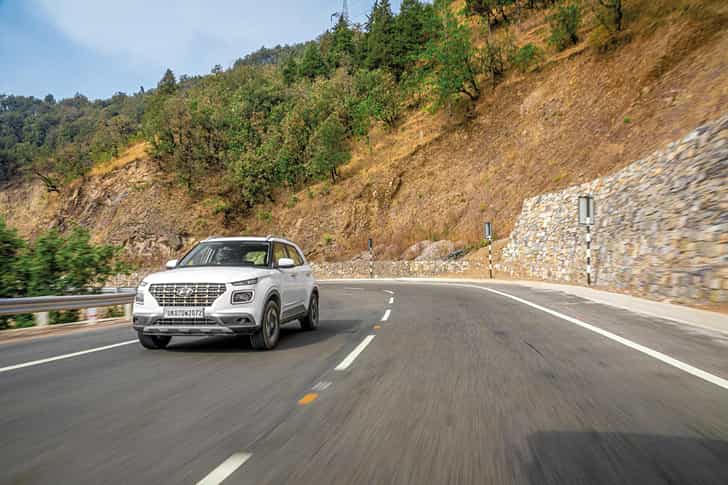
I am confused between the Hyundai Venue HX5 diesel AT and Mahindra XUV 3XO AX5 diesel AMT. Which one should I choose?
Go for the Hyundai Venue HX5 diesel automatic. Both cars are similarly priced, and both have a 5-star Bharat NCAP rating, so the deciding factor is how they drive every day. The Venue’s torque-converter automatic is far smoother than the 3XO’s AMT, which pauses between gears and nods, especially in slow traffic. Since comfort is one of your priorities, you’ll feel that difference on every drive. The Venue’s diesel is also refined, and its cabin feels more premium.The Mahindra XUV 3XO has two real advantages. Its rear seat is wider and fits three adults more comfortably, and its diesel has more pulling power, which helps on the highway. It’s also likely to be a bit more efficient, as AMTs usually are. So if you regularly carry three people in the back, or mileage matters more to you than smoothness, the 3XO makes sense.
I have a 2023 Grand Vitara AT (non-hybrid) and spend around Rs. 12-14k per month on petrol. City mileage has dropped from around 13 to 10 kmpl. I have solar at home, so EV charging will be almost free or cost a maximum of Rs 3-4 per unit. I'm confused about whether to replace the Grand Vitara with an EV or keep it and buy a Tiago EV for daily city use. Or am I overthinking the fuel savings? Should I just keep the Grand Vitara and avoid buying a second car altogether? Would like to hear from people who have been in a similar situation. What makes more sense financially in the long run?
You are not overthinking the fuel savings, but the decision is not purely about fuel cost either. At Rs 12-14k per month on petrol, your running is high enough that an electric car makes strong financial sense, especially with solar at home.The bigger question is whether to replace the Grand Vitara or add a Tiago EV. If your daily usage is mostly city driving and the Grand Vitara is not being used for regular highway trips or family duties, replacing it with an EV is the cleaner financial decision. You eliminate the petrol expense entirely and avoid the depreciation and maintenance of a second car.If the Grand Vitara is still needed for highway trips, family use, or you simply enjoy owning it, then keeping it and adding a Tiago EV for city use is a sensible approach. The Tiago EV is a cost-effective city runabout and will take the bulk of your daily running, while the Grand Vitara remains available for longer trips.Financially, the biggest savings come from replacing the Grand Vitara with an EV. Adding a second car makes sense only if you genuinely need both vehicles. If the Grand Vitara is not essential, do not keep it just for occasional use.
I am confused between the Tata Sierra Pure petrol manual, Hyundai Creta S (Optional) petrol manual, and Kia Seltos HTK (Optional). I am getting all three for under Rs. 14 lakh on-road through CSD. I want a reliable car with low maintenance costs and an expected city mileage of 14-15 kmpl. I am also looking for a practical car for everyday use. Which one should I choose?
Go for the Kia Seltos HTK O petrol manual. This Kia car is the most balanced choice here, offering a proven ownership experience, good reliability and low maintenance costs. The 1.5 petrol is smooth, efficient and well suited to city driving, and Kia's service network is strong. The Seltos also offers a comfortable ride, a spacious cabin and a well-rounded feature set in the HTK O trim. The Tata Sierra is a more interesting product with a larger and more premium-feeling cabin, but Tata's service consistency is still not quite at Kia or Hyundai's level. The Creta is a good alternative, but the Seltos is the newer, larger car and is the better value proposition here. Overall, the Seltos is the safest and most practical choice for long-term ownership.

Need expert advice?
Ask the Autocar community and experts.