Latest questions answered by experts
I recently bought a Tata Safari Stealth Black Accomplished+ and am very happy with its performance. It returns around 13kpl in the city and 14-15kpl on the highway. I also own a Maruti Suzuki Ritz diesel VDi, which I have used for 10 years and driven 2.3 lakh km with regular servicing and genuine synthetic oil. Is it time to replace the Ritz? If so, what would be a good diesel or petrol car around Rs 15 lakh? My usage is a mix of city and highway driving, around 75-100 km a day. I also have three older family members above 60 who will use the car occasionally. I am considering the 1.0-litre Skoda, the new Thar 1.5-litre and other options. I am not interested in a sunroof or other fancy features. I do track racing, so strong performance, suspension, stability and an engaging driving experience are important to me.
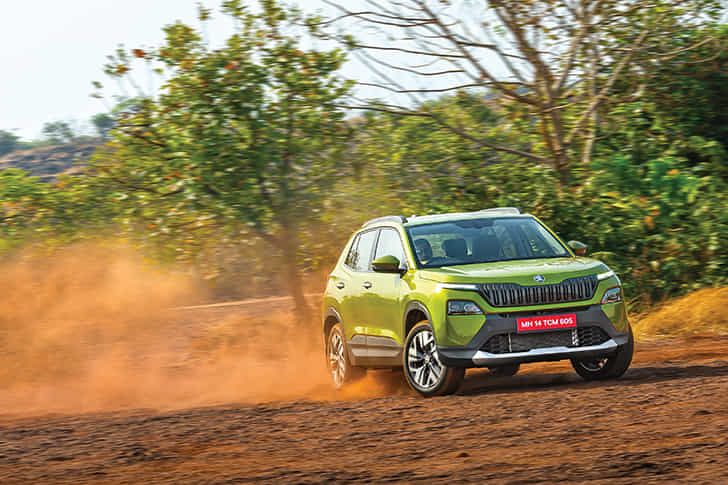
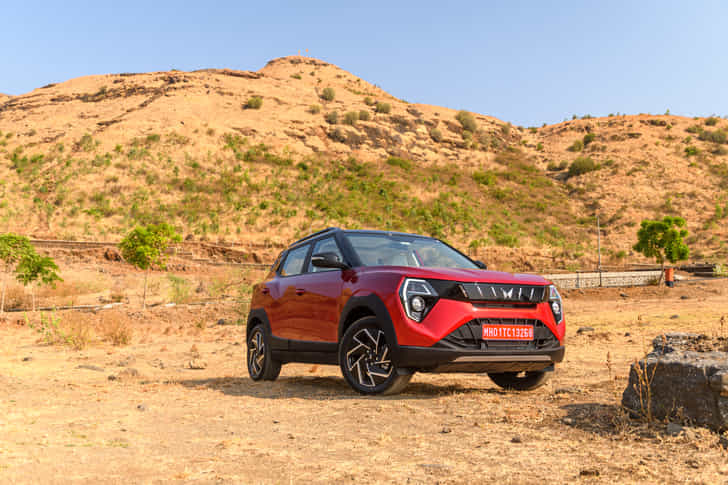
Yes, it's time to retire the Ritz. Of the two cars you're considering, the Skoda 1.0 TSI is the right one. Both the Kylaq and the Kushaq use it, and either suits an enthusiast far better than the Thar. The engine is eager, the steering is sharp, and the chassis feels planted when you push it. Those are the things you'll value as someone who drives on track.The catch is your mileage. At 75-100 km a day, you'll cover close to 30,000km a year, and the petrol Skoda will cost noticeably more to run than a diesel. If that bothers you, test-drive the Mahindra XUV 3XO diesel. Its 1.5 diesel is one of the punchiest in its class; it has a roomy rear seat for your parents, and it'll be much cheaper to run, though it isn't as sharp to drive as the Skoda.The new Mahindra Thar isn't a good fit. It's tall to climb into for older passengers, the rear is cramped, and it isn't as settled as a regular SUV over 100km a day.Your Ritz has done well. Its 1.3 diesel runs a timing chain rather than a belt, which is why it's lasted. Drive the Skoda car and the 3XO back to back, and decide how much the extra fun is worth to you.

I want to move from a hatchback to a midsize SUV. I am looking for a reliable family SUV with good comfort, legroom and boot space. My daily driving is only 10-20 km, but every fortnight I drive 200km to work. I have no fixed budget and am ready to buy now, but the reviews of the new Kia Seltos are confusing. With so many new cars being launched, should I wait? Petrol seems ideal, but should I consider a diesel or hybrid instead? I am based between Bengaluru and Puttaparthi in Andhra Pradesh and work at both places for 15 days each. I am also considering buying the car from Gujarat, my home state, as I could save a significant amount. Is this sensible, or could I face any issues with the RTO?
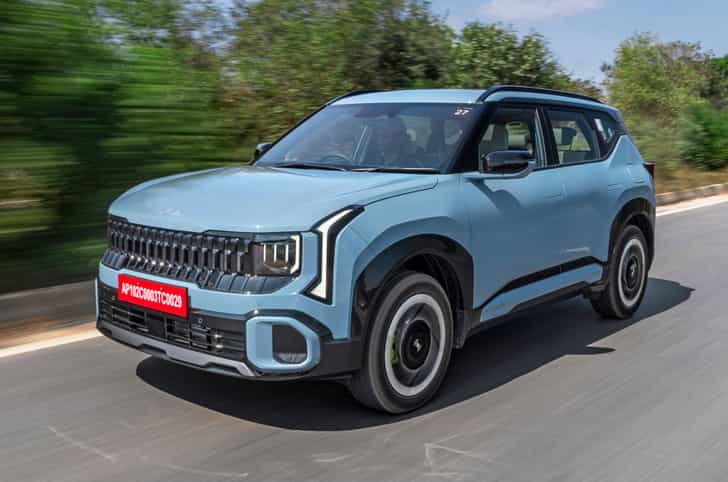
Go for the new Kia Seltos petrol, and there's no need to wait. Your driving is fairly light: short daily runs plus a 200km trip every fortnight, and that's exactly what the 1.5 petrol with the IVT gearbox does well. It's smooth in Bangalore traffic and settles down nicely on the highway. A diesel only pays off if you drive a lot more than you do. A strong hybrid would sip less fuel in town, but it costs more and eats into the boot, and you've said boot space matters.As for waiting, the Seltos you're looking at is the brand-new generation, so it isn't about to be replaced. If you want a second opinion on the road, drive the Hyundai Creta too, but keep in mind that an all-new one is due next year.On buying in Gujarat, we'd advise against it. Road tax goes to the state where the car is registered and used. Once it's running in Karnataka or Andhra Pradesh, you'll have to re-register it and pay tax there anyway. Whatever you save upfront will likely disappear, and you'll have the paperwork on top. Register the car where you live and drive most, and check the exact charges with your local RTO.
I am looking for a good B2-segment car. My requirements are that the mid variant should cost less than Rs. 10 lakh on-road in Bangalore, with a 70:30 city-to-highway driving ratio. I am looking for decent fuel economy of around 13-15 kmpl in the city and 18-20 kmpl on the highway, along with a manual transmission and a 4-cylinder, naturally aspirated engine. Currently, I’m confused between the Hyundai i20 Sportz and the third-generation Honda Amaze.
Between your two picks, the Honda Amaze is the better fit. Your requirements are very clear: a naturally aspirated 4-cylinder engine, manual transmission, good fuel efficiency and a budget of under Rs 10 lakh on-road in Bangalore. The Amaze's 1.2-litre i-VTEC engine is smooth, refined and reliable, and Honda’s long-term ownership reputation is excellent. The Amaze also offers a comfortable ride, a spacious cabin and a large boot, making it a practical choice for both city and highway use. Your 70:30 city-to-highway split means comfort and efficiency matter more than outright performance, and the Amaze delivers well on both fronts.The Hyundai i20 is a good car, but the 1.2-litre engine is not as efficient or refined as the Honda’s, and the i20’s higher variants can push the budget. Overall, the Amaze is the more sensible and satisfying long-term choice for your requirements.
Upcoming launch buzz
Community discussions on upcoming launches
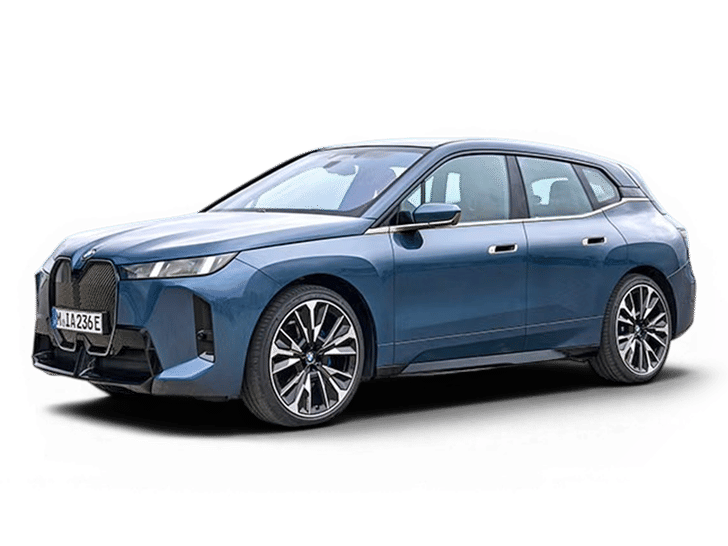
BMW
iX facelift

Audi
New Q5
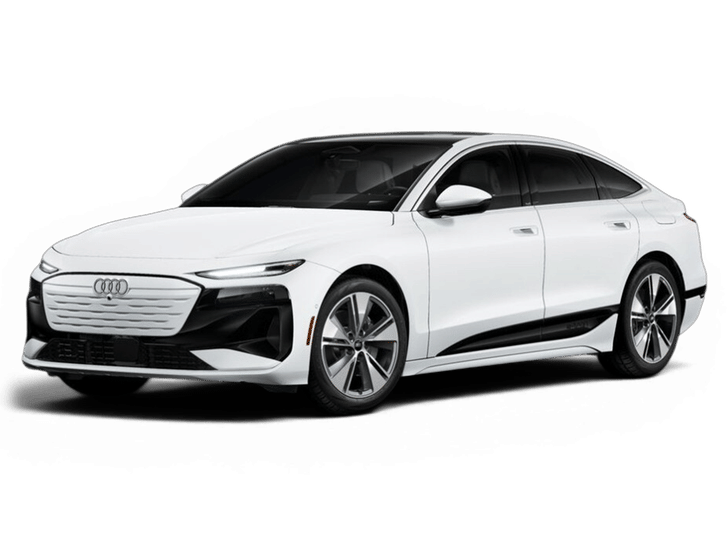
Audi
A6 e-tron

Audi
Q6 e-tron

Audi
e-tron GT facelift

Volkswagen
Virtus facelift

Audi
A5

Vinfast
VF5

Volvo
EX90
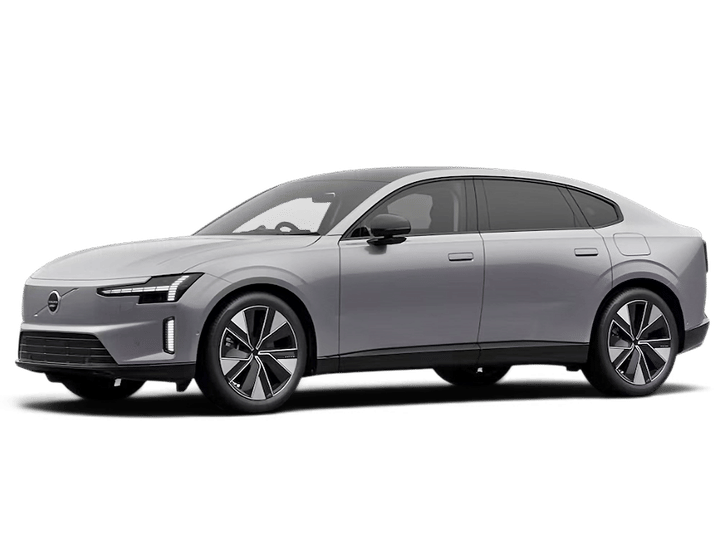
Volvo
ES90
Hello Experts, We are looking to replace our Suzuki Ciaz and are considering the new Seltos. Although mileage is not a major concern, could you please suggest whether going for the IVT would be a better option than the DCT? I have personally driven the IVT, and it does feel a bit underpowered for the weight of the new Seltos. Also, please suggest other cars that we should consider. We are upgrading from a sedan and are open to other options as well. Thank you.
Go for the Seltos 1.5 turbo petrol DCT. Coming from a Ciaz, you will appreciate the stronger performance and the DCT’s quick shifts, especially on highways and during overtakes. The IVT is smooth and reliable, but it does feel a bit flat in a car of this size, and since mileage is not a big concern for you, the turbo petrol is the more satisfying choice. The DCT is not as seamless in stop-start traffic as the IVT, but it is a well-sorted unit and should not be a deal-breaker.If you are open to alternatives, the Tata Sierra is worth a look. It offers a more premium cabin, excellent ride comfort and a genuinely spacious rear seat, which makes it a great upgrade from a sedan. The turbo petrol is mated to a torque converter auto that is smoother than the Seltos' DCT in stop-and-go traffic.Another option is the new Honda Elevate. It has a naturally aspirated CVT engine like the Seltos IVT but it offers a bit more performance.Overall, the Seltos turbo petrol DCT is the best fit for your requirements. It offers the right balance of performance, refinement and features, and it will feel like a genuine step up from your Ciaz.

Hello, I want to buy a Kia Seltos. My daily running is around 40 km in the city, with occasional 200-400 km highway trips a month. I’m confused between the HTX A Petrol IVT and HTX A Diesel Manual. I’m not a fan of automatic variants, but I’m considering the automatic because the HTX A petrol manual comes with 16-inch steel wheels. Please suggest which variant I should go for.
Go for the Seltos HTX(A) diesel manual. With about 40km of city driving a day plus a few highway runs, you'll cover roughly 17,000- 19,000 km a year. At that mileage, the diesel's better fuel efficiency adds up to a real saving, enough to recover its price premium over the petrol IVT within a few years. It also lets you keep the manual gearbox you prefer.Be aware that the diesel is relaxed rather than punchy, and its clutch is heavier than the petrol's, so daily city traffic will take a bit more effort. Your regular highway trips will also help keep the diesel particulate filter healthy.If you'd rather not spend extra on the diesel, there's another option. Buy the HTX(A) petrol manual and fit good aftermarket alloys for a fraction of the price difference. You keep the manual and save around Rs 2 lakh upfront, but at your mileage, the diesel will win on running costs over the long term.
I am confused between the Brezza ZXi Automatic and ZXi+ Automatic. Which option would be better for long-term ownership? I took quotations from the Pune Suzuki Arena showroom, and the ZXi Automatic is coming at Rs. 14,21,598, while the ZXi+ Automatic comes at Rs. 16,21,955. So, there is a difference of almost Rs. 2 lakh. Should I go for the ZXi Automatic or the ZXi+ Automatic? Most of my driving is in the city, with occasional highway trips. The major features missing on the ZXi are cruise control and a rear wiper, which I cannot get installed as genuine accessories. If I choose the ZXi, I can add fog lamps, a front armrest, and all four diamond-cut alloy wheels for a more premium feel. Is it okay to buy and add genuine accessories separately, or should I avoid doing so?
Since you are planning to keep the car long term, go with the Brezza ZXi+ Automatic. There is a Rs 2 lakh-plus difference, but it does offer a significant upgrade in terms of features. It adds ventilated seats, a 360-degree camera, a larger infotainment screen, cruise control, a rear wiper and a day/night mirror. While some of these can be added as accessories, as you mentioned, factory fitment will just be a lot cleaner. Adding diamond-cut wheels will also add about Rs 40,000 to the ZXi, significantly reducing the Rs 2 lakh delta between the two variants anyway.The only reason to opt for the lower ZXi is if you are having to stretch your budget too far for the higher trim. Since your use is primarily in the city, the lack of cruise control is not a deal-breaker. However, you will find the rest of the additional features on the ZXi+ quite useful even in urban use. Overall, the ZXi+ is the better choice long term, but if you are on a tight budget and don’t see the point of the additional features, the ZXi will also serve you well.
I am a 6 ft driver who loves driving. I've driven the Swift 2013 petrol, Creta 1.6 Diesel Auto and the XUV500 the most on long trips. Now that I am planning to buy a car with a strict budget, do you think the 3XO AX5 TCMPFI petrol variant will be a wise decision to make, as I will be travelling once a month for short trips from Bangalore to Coorg, Pondicherry, GOA, and Mangalore? Which other car can be a perfect match for me, keeping a budget of 12 lakhs max? Also, the 3XO AX5 I'm getting from a friend who has hardly driven 6k km for 10 lakhs.
Go for the Mahindra XUV 3XO AX5 TCMPFI petrol from your friend for Rs 10 lakh. At that price, it is a very good deal and a sensible upgrade from your Creta 1.6 diesel automatic. The 3XO is one of the most spacious compact SUVs in the segment, with a wide cabin and good rear seat comfort, which will make your long drives to Coorg, Pondicherry, Goa and Mangalore more comfortable. The turbo petrol engine is smooth and is well suited to both city driving and highway cruising. At Rs 10 lakh for a car with only 6,000 km on the clock, you are getting a nearly new car at a significant discount, which makes it a far better value proposition than buying new.If you are looking for alternatives under Rs 12 lakh, the Skoda Kylaq 1.0 TSI manual is the best option for an enthusiast driver. The new Brezza turbo-petrol could also be a good choice. Overall, the 3XO from your friend is the most sensible choice. It offers a good balance of comfort, reliability and value, and will serve you well on your monthly road trips.
Hi, I’m confused about buying a car. My budget is below Rs. 11 lakh on-road. I’m looking for an automatic car, primarily for city driving in Chennai and its suburbs, with occasional highway trips. Reliability, safety, and fuel economy are also priorities.
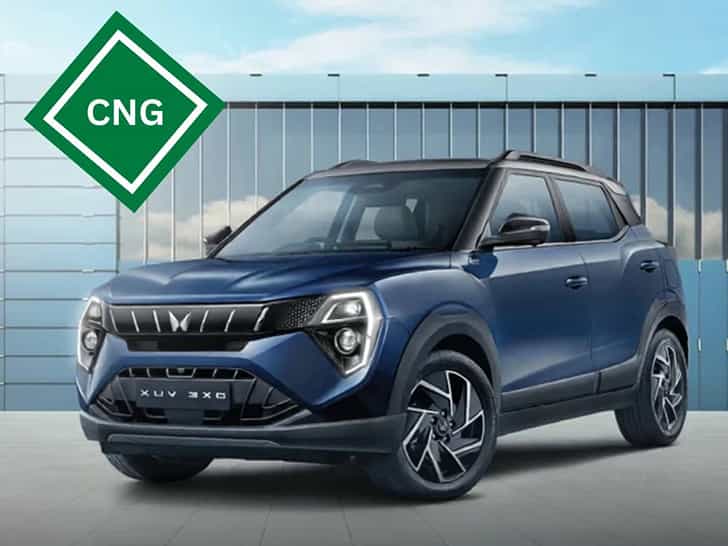
At your budget, the automatics available are mostly the AMTs (automated manual transmission), which are cost-effective and efficient but a bit jerky during the shifts. This can be a bother in traffic, and given that most of your driving is in the city, we would recommend that you avoid these. A good option would be the Honda Amaze; it comes with a CVT transmission, which is smoother than AMTs, and the car meets your other criteria of reliability, safety and mileage very well. You could consider the XUV 3XO too, which has a torque converter gearbox and is the smoothest type of autobox around. It's also a very safe car; however, the mileage would not be very high.
Is driving a turbo-petrol car preferable for the health and longevity of the turbo, especially in the case of a 2022 Skoda Superb? My daily commute is only 6-10 km. Would it be better to switch to an NA engine?
With a daily commute of just 6-10 km, the concern is not the turbo itself, but could be for the engine not reaching optimal operating temperature, so your fuel efficiency may not be good. Beyond that, there is no major concern for the health of the turbo itself. However, a downside of the turbo DI engine - like in the Superb - is that they are sensitive to throttle inputs, so during constant short drives with traffic, your efficiency is likely to drop further unless you are very precise with your throttle inputs. For this reason, you could consider an NA engine; otherwise, the turbocharged engine will be fine. A good general habit with a turbo is to avoid revving the engine just before shutting it down, as this raises the turbo's turbine RPM and it then spins free with less lubrication. So arrive at your stop at a sensible speed, leave the car for just a few seconds and then shut it down.
I am confused between the Tata Punch AMT iCNG, Tata Aeris AMT iCNG and Honda Amaze automatic with CNG. Which would be better for a family of four with a mix of city and highway driving?
For a family of four doing a mix of city and highway driving, the Tata Aeris iCNG AMT is the best all-rounder of the three. Being a sedan, it gives you more rear-seat room and better highway stability than the Tata Punch. Its twin-cylinder CNG setup also leaves you a usable 227-litre boot, so weekend luggage isn't a problem.The Punch iCNG AMT uses the same twin-cylinder layout and gets a 210-litre boot. Its higher ground clearance and compact size make it easier to live with in tight city traffic and on bad roads. However, it's a smaller car overall, and four adults will feel more cramped on long drives.The Honda Amaze is the most refined car here, and its CVT is far smoother than the AMTs in both Tata cars. Keep in mind, though, that Honda doesn't sell a factory-fitted CNG Amaze. CNG comes as a dealer-fitted kit, so check with your dealer that it's offered on the CVT. That kit uses a single large cylinder, which takes up most of the Amaze's 416-litre boot.

I am 73 years old and want to upgrade from my Ford Aspire Titanium AM. I am considering the Honda Elevate and Hyundai Creta. An automatic gearbox is important, and front-seat comfort is my main priority. Which one would you recommend?
Go for the Hyundai Creta automatic. At 73, your priorities are clear: ease of use, comfort and a stress-free ownership experience. The Creta’s automatic gearbox is smoother and more refined than the Honda Elevate’s CVT, especially in stop-start traffic, and the overall ride quality is softer and more comfortable, which makes a real difference on longer journeys. The front seats are comfy, and the cabin feels more premium and better insulated from road noise.The Honda Elevate is a good car, but its CVT can feel strained under hard acceleration, and the ride is a bit firmer. Do note, however, that there is a completely new-generation Creta due in about 4 to 5 months' time, so we would recommend you wait for that if you can, or bargain hard for a good deal on the current car.
I’m planning to buy a car with a budget of around Rs. 15 lakh. I’m 183 cm tall and weigh 140 kg. Please suggest the best car for me, considering fuel economy and driving comfort.
At 183cm and 140kg, your priority should be a car with a genuinely accommodating driving position, easy ingress and enough seat and cabin width, while keeping running costs reasonable. The Brezza is one of the better options around Rs 15 lakh because of its spacious, boxy cabin and seats that accommodate larger adults well. We found the current Brezza capable of comfortably seating five adults, with good overall space and a comfortable driving position.If you want something more spacious and can stretch slightly, the Honda Elevate is worth a serious test drive. Its front seats are particularly comfortable, ergonomics are excellent, and the elevated driving position gives plenty of room around the driver. Its ride and handling are also very good.
Need expert advice?
Ask the Autocar community and experts.