Delhi

Every helpful action can earn a badge.
•47w
I have purchased the XUV 3XO AX5 Diesel AMT in white. My primary usage is my daily office commute, which is approximately 13km one way. I chose the diesel variant due to uncertainty around future fuel blends like E27, E30, E50, and E100. Please suggest what my driving habits should be to avoid DPF issues as much as possible.

It’s unfortunate that a lot of half-baked stuff and wrong information online and on social media about E20 and ethanol has ended up confusing buyers — and, in your case, steered the decision the wrong way. There’s really no reason to worry about E20 with any new car. Every manufacturer has already set up their engines and fuel systems to handle it comfortably. Yes, you might see a drop in mileage, but there’s no question of faster wear or parts damage. Even when higher ethanol blends come in down the line, E20 will stay available as the regular grade, so compatibility isn’t going to be an issue.
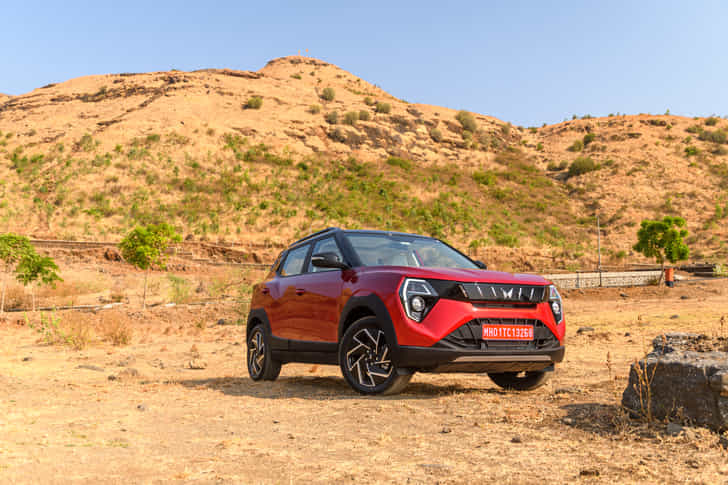
For the kind of driving you do, the Mahindra XUV 3XO turbo-petrol with the six-speed auto would’ve been the sweeter pick. It’s a smooth, effortless engine–gearbox pairing, far nicer to drive than the diesel-AMT combo. Given your daily run of under 30 km, the diesel’s lower running cost doesn’t really add up over time either.
Now, about the DPF — that’s a system fitted to modern diesels to trap fine soot and burn it off once the exhaust gets hot enough. The catch is, on short city runs, the exhaust doesn’t reach those temperatures, which means the soot just keeps building up. The fix is simple: give it a proper highway run every few weeks so the system can heat through and clean itself.
Still, the diesel 3X0 does score on economy, and when you stretch its legs, that lazy torque and low running cost won’t make you feel so bad about picking it over the petrol variant!
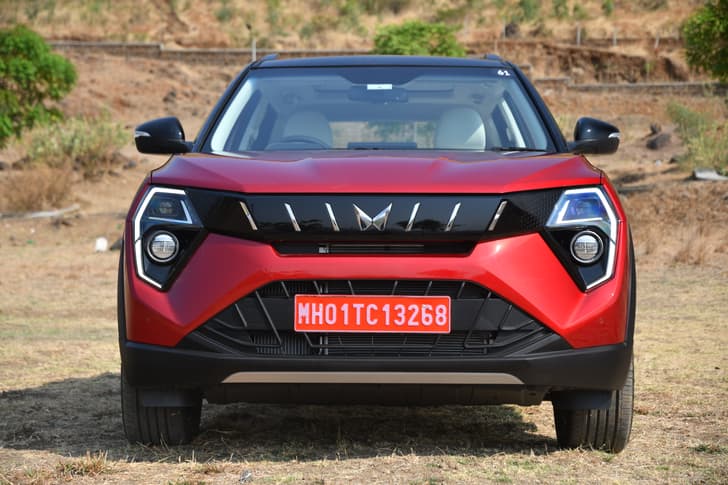
Mahindra XUV 3XO
Explore cars mentioned
More posts on similar cars

Has E20 fuel affected your mileage?

Expert reviews worth reading

Is ADAS worth paying extra for in a car?
Popular discussions right now
Upcoming launch buzz
Community discussions on upcoming launches
BMW
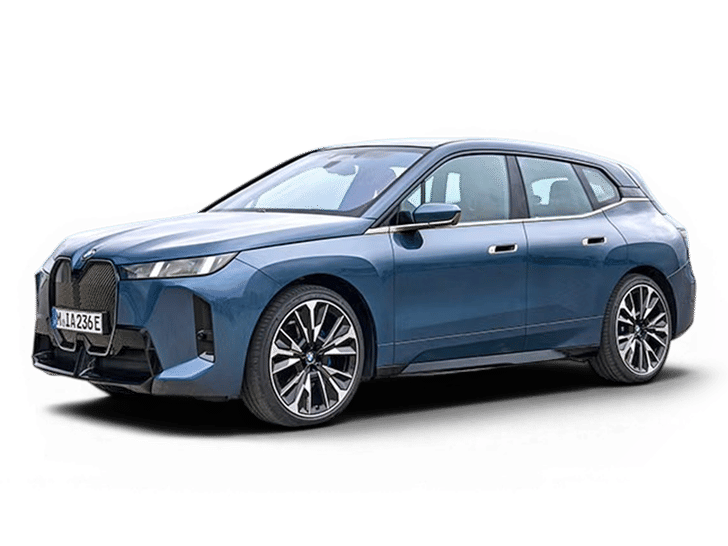
iX facelift
72 Views
Join discussion

Audi
New Q5
62 Views
Join discussion

Audi
A6 e-tron
38 Views
Join discussion

Audi
Q6 e-tron
26 Views
Join discussion

Audi
e-tron GT facelift
35 Views
Join discussion

Volkswagen
Virtus facelift
100 Views
Join discussion

Audi
A5
28 Views
Join discussion

Vinfast
VF5
59 Views
Join discussion

Audi
New Q3
29 Views
Join discussion

Hyundai
Bayon
456 Views
Join discussion

Want to sell your car?
Sell your car at the right price, without the stress.



Posted on: 10 Dec 2025