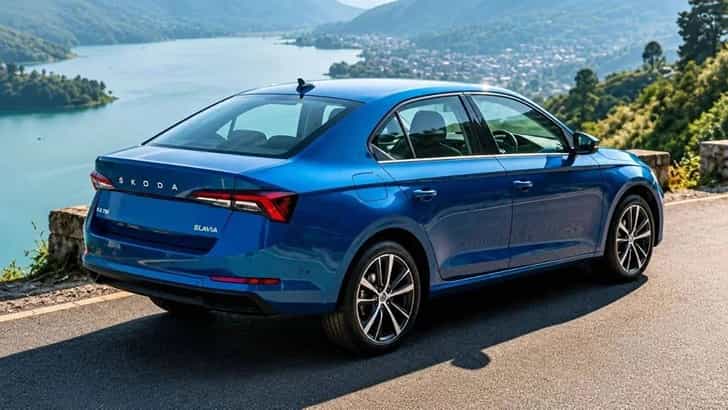
I have Ciaz AT (2023 model) that has clocked 60,000 km. Last week, we met an accident with Slavia and my car right side quarter got hit but Slavia didn't have a scratch. For safety purpose, I am planning to change the car for 14.5 lakh but now they are offering Rs. 6.5 lakh. Can I keep the car or move in to new vehicle?
Tap if an answer actually helped you decide.

 Skoda Slavia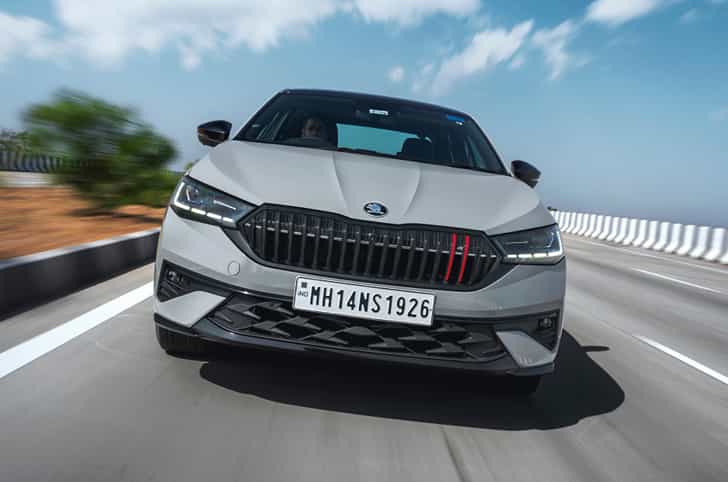
I already have 2 cars including Celerio automatic and i20 diesel. My family needs a six-seater car and budget is not a problem but we want a car for driving within the city and in this case, parking is the problem. I drive less than 10,000 kilometer annually. I drive with all family members mostly within the city and my entire family is shorter than 5 feet 3 inches. I am thinking of having an i20 for highway riding as four of us usually go out. I am planning to buy Triber turbo for 6 family members within the city and for occasional highway trips rather than buying costly cars like Clavis or HyCross.
Renault TriberKia Carens ClavisToyota Innova HyCrossHyundai i20Hello, I want to upgrade from my current Dzire diesel (2009 model). My running is nearly 7 thousand which is very low. My budget is 10 lakh mostly within city driven but with few highway trips every quarter. So please suggest some reliable comfortable car. I have taken the test drive of Maruti Suzuki Fronx AGS but space in the back is also an issue. I have also taken the test drive of Brezza Turbo and I found it smooth and easy . Anything else I should go for ?
Maruti Suzuki BrezzaUpcoming launch buzz
Community discussions on upcoming launches
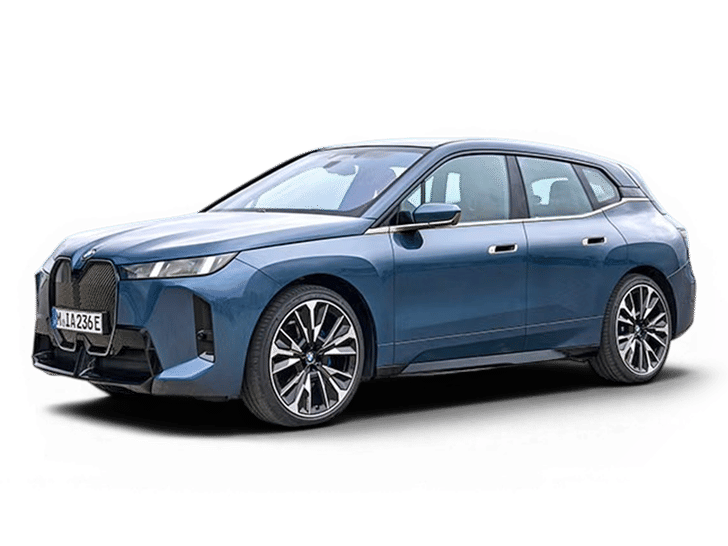
BMW
iX facelift
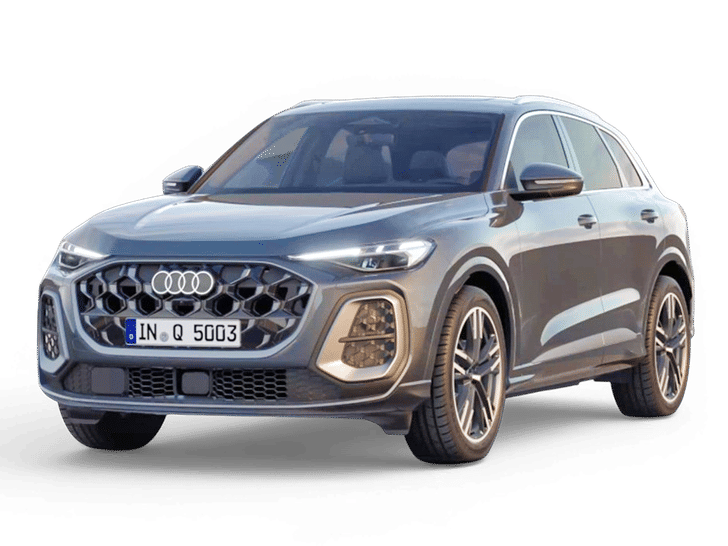
Audi
New Q5
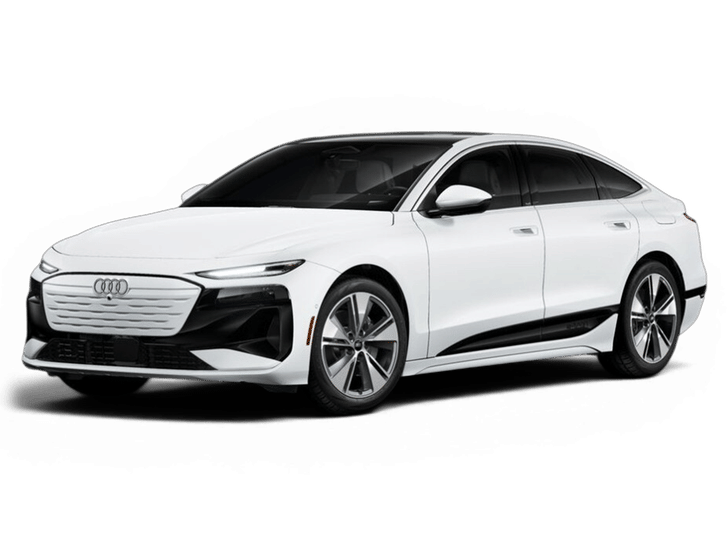
Audi
A6 e-tron

Audi
Q6 e-tron
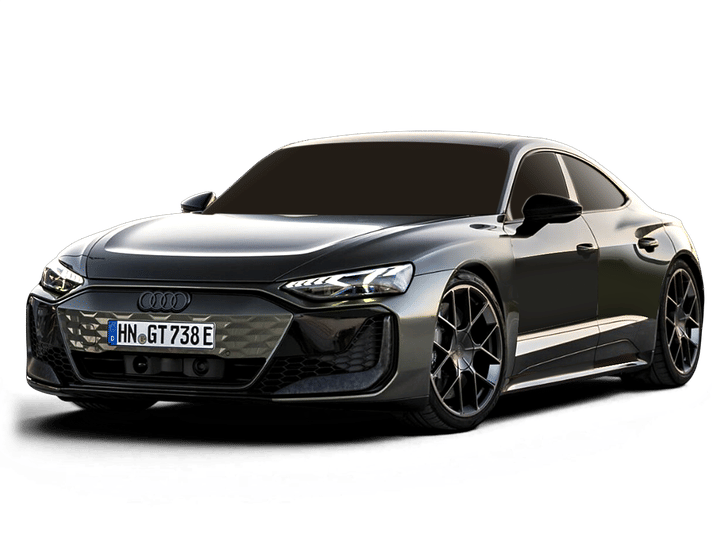
Audi
e-tron GT facelift
Volkswagen
Virtus facelift
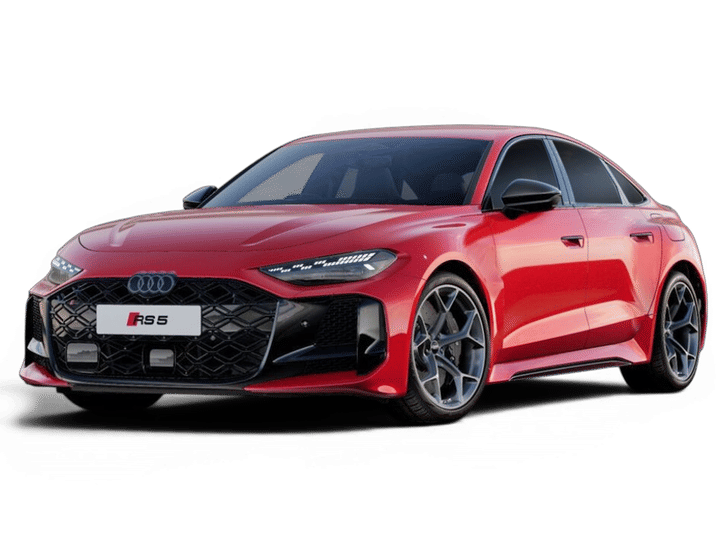
Audi
A5

Vinfast
VF5
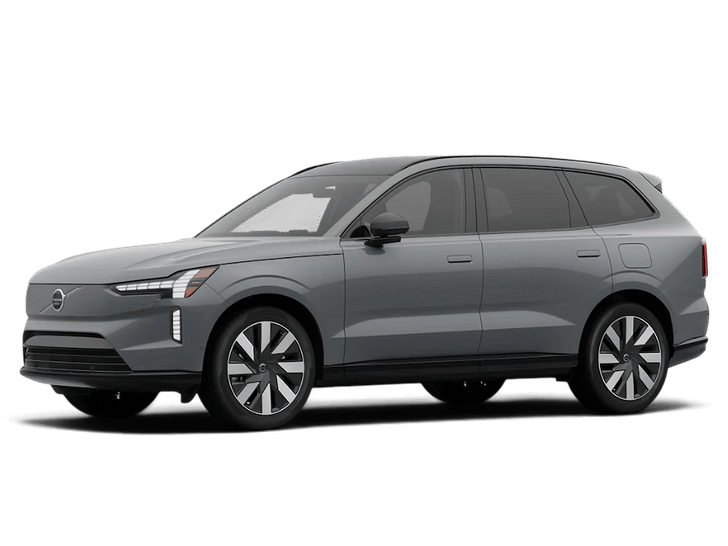
Volvo
EX90
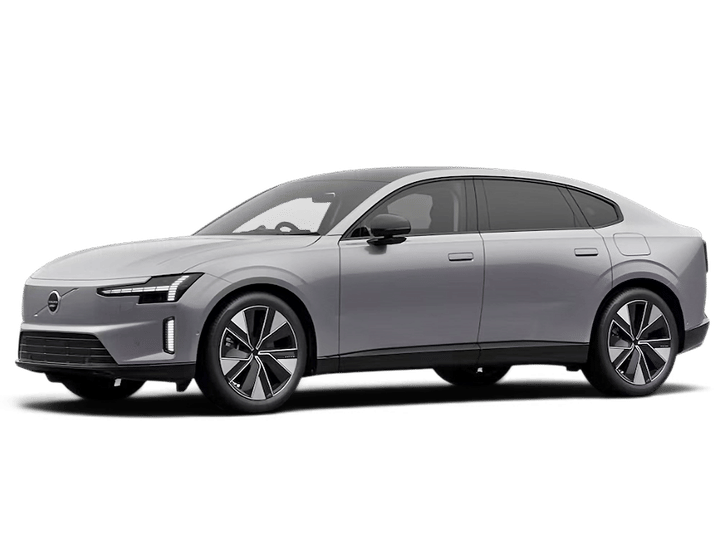
Volvo
ES90
Hi, I was planning to buy a Mahindra Thar Roxx AX7L Diesel AT 4WD this month, but have recently seen posts that mention that Thar Roxx facelift is being tested and expected to launch soon. Should I wait for the upgrade or proceed with the current one? When can I expect the updated Thar Roxx launch?
Mahindra Thar OGMahindra Thar Roxx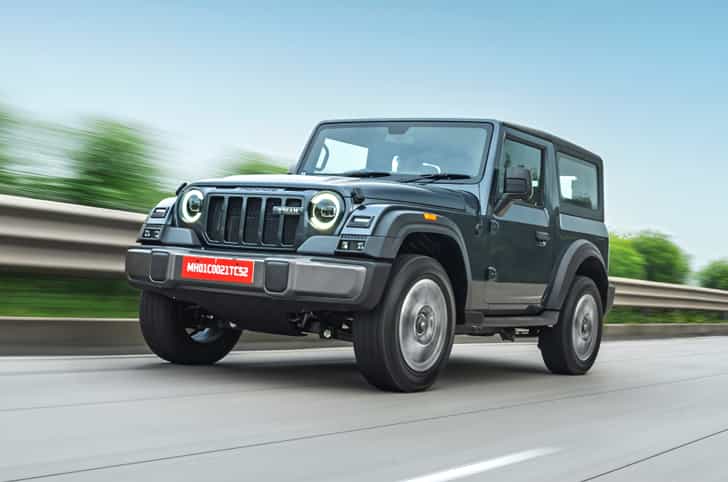
I am planning to buy Mahindra XUV 7XO Petrol AX7-T Model. I live in Bangalore and my driving would be around 8000-10,000 km annually, 70% city, 30% highway. I want to understand how has been its owner feedback for it, as it has been on sale for 9 months. I need to know the feedback specifically about driving dynamics, build quality, reliability, electronics and driver aids, and fuel efficiency.
Mahindra XUV 7XO
I am Sagar and am planning to purchase Kia Seltos in Pune. I drive 20 km every day and around 30 km every weekend. I currently own a Honda Jazz. In a typical year, I undertake around 2-3 round trips under 500 km. I need your help to make decisions. First, is ADAS worth for my usage? I am unsure how useful ADAS would be. Should I go with turbo or naturally aspirated engine? Should I choose HTX or GTX without ADAS?
Kia Seltos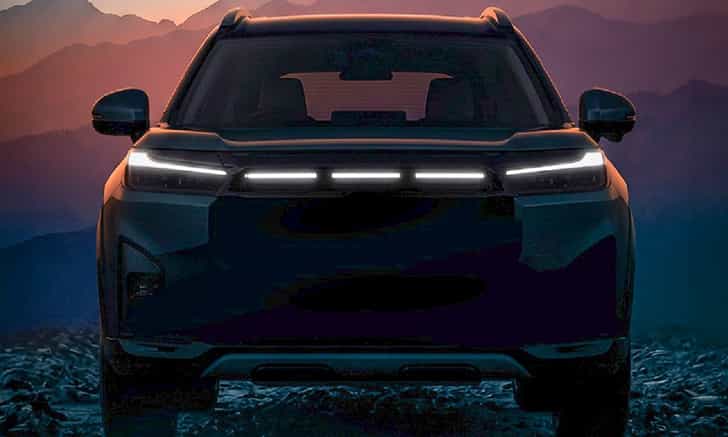
Hi, I'm planning to buy a Thar but I'm in a dilemma choosing between the newly launched Thar OG and Thar Roxx, both diesel 4x4 MT. The car will be mainly used for long trips. I'm the kind of a person who prefers less congested village roads over a neat highway with heavy traffic. My monthly running is approximately 1,500-1,800 km. The value-for-money factor pushes me towards the Thar Roxx MX5 over the ZXT variant of the Thar OG but one major factor holding me back from choosing the Roxx is the colour of interior. I don't like white in cars and the Mocha interior didn't impress me either. So which car should I choose? And if you suggest the Roxx, is Mahindra planning to introduce a full black/Ebony edition?
Mahindra Thar RoxxMahindra Thar OG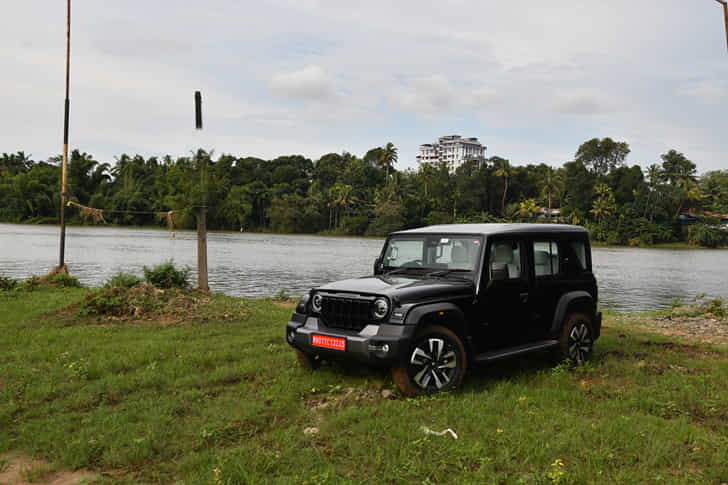
Regarding the Crysta option, I have found a 2024 Innova Crysta ZX manual with only 10,000 km on the odometer, available for sale at an authorised showroom. Is it wise to prefer this sparingly used Crysta over a brand-new GX or GX Plus variant? I find the deal quite attractive.
Toyota Innova CrystaI am a first-time motorcycle buyer looking for a bike in the Rs 2.0-2.5 lakh range. I am 5ft 3in, so I need something with a lower seat height and manageable weight for comfortable use. My usage will be around 80% in the city, with occasional 300-400 km highway trips. I have shortlisted the TVS Ronin, Yamaha XSR 155 and Royal Enfield Hunter 350. Which would be the most suitable option for me, and are there any other bikes I should consider at my height?
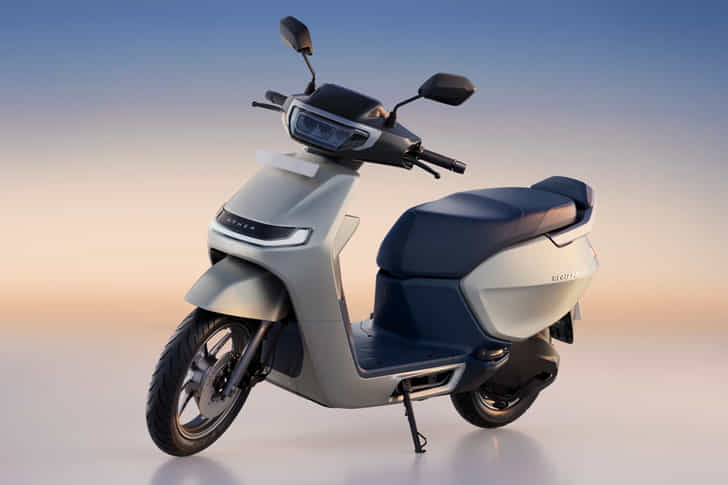
I am 48 years old and want to buy a reliable electric scooter for short city commutes. My key requirements are excellent ride comfort over rough roads, good ergonomics and seating, and a setup that will not cause back pain. I also want good reliability and serviceability in South India. My daily commute will be a maximum of 10km. Fast charging would be a bonus. Which electric scooter would you recommend?
I am a new learner and am planning to buy a two-wheeler in Pune. With so many options available, I am quite confused. I want something that is not too heavy and is smooth to ride, as I will be commuting 30-40 km every day. I also want a reliable engine that does not require frequent maintenance or servicing, as I plan to keep the vehicle for as long as possible. I am 5ft 7in, so it should also be suitable for my height. I would prefer an ethanol-compatible petrol two-wheeler that will not give me trouble. Which bike or scooter would be suitable for me?
I have a budget of Rs 6 lakh. My family previously used a Tata Manza and had a great experience with it. We currently have a 2007 Honda Civic, but our family has grown, and I now need a seven-seater. I am considering a used Tata Hexa, around a 2017-2018 model, with one owner and about 80,000km on the odometer, which I can get within my budget. Should I consider buying it? Can I expect it to be reliable up to 150,000-160,000 km?
Maruti Suzuki Ertiga