Hi, my car usage is around 3,000km per month. Currently, I drive a 2020 Ford Endeavour diesel AT 4x4 and a 2017 Mahindra Thar CRDe 4x4 for rough and countryside roads. I enjoy driving both cars on these kinds of roads, although I experience quite a bit of body roll and physical strain. For city driving and highways, I use a 2017 Skoda Rapid diesel MT and an Innova Crysta diesel. I particularly enjoy driving the Skoda, while I prefer travelling as a passenger in the Crysta because of its comfort. As you can see, I have been a diesel car owner so far, but with diesel cars becoming less common in the market, should I consider switching to a petrol engine or a hybrid? My usage covers almost every type of Indian road, including metro cities, countryside roads, highways and hilly terrain, so I am finding it difficult to decide which car would suit my requirements best within a budget of Rs 40 lakh, with an automatic transmission. My top priorities are safety, with zero compromise, followed by driving comfort and the highest possible mileage.

 Toyota Innova HyCrossToyota Innova CrystaKia Sorento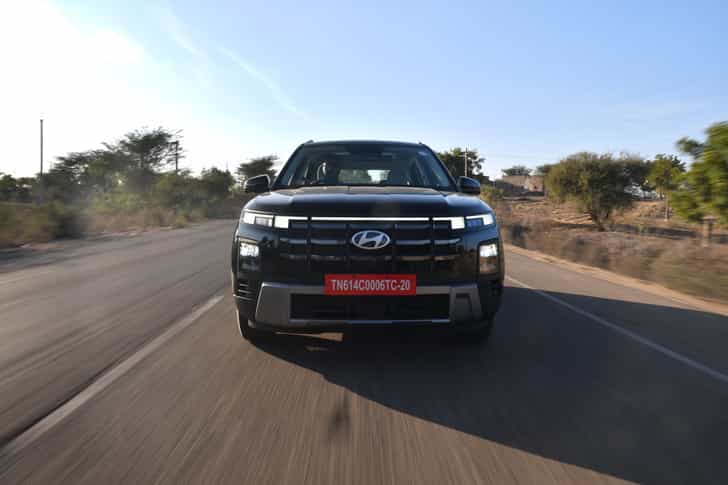
I am planning to buy a new bike, but I am confused between the RTX 300 and the KTM ADV 250. My height is 182 cm, and I am a college student and a weekend rider. I have seen several ownership reviews of the RTX 300, and many users seem to be facing issues, which has confused me. Please suggest which one would be the better choice for me.
Hi, I am looking to buy a scooter for my 71-year-old dad, who is currently using a 2012 model Activa. Kindly suggest some petrol scooters for him, as I am not considering an EV. His usage is limited to a maximum of 50-80 km per month. Please suggest some suitable options and the best one, considering ride quality and comfort for his age. Thank you in advance!
I am planning to buy a 7-seater car. My daily running is approximately 15-20 km, with occasional trips of 60-70 km once a week. I have shortlisted two cars based on my preferences: the Innova Hycross and XUV 7XO. I am confused between the two. Which one would be the best for my requirements, and which fuel option should I choose?
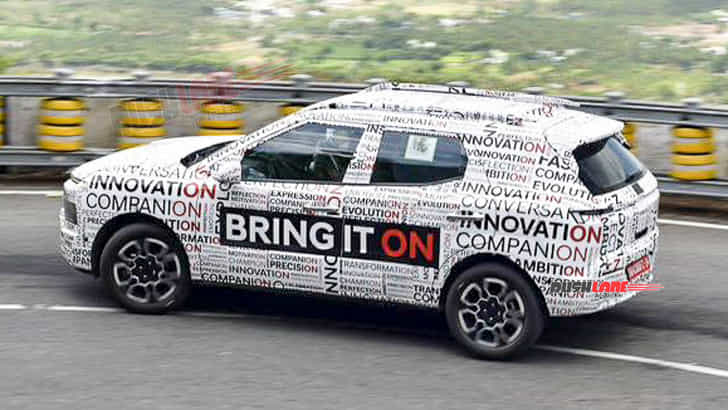
Toyota Innova HyCrossMahindra XUV 7XOMy budget is under Rs. 14.5 lakh. I can get an automatic variant in the sub-4-metre segment, while in the above-4-metre segment, I would have to choose a manual, such as the Duster, Tekton or Seltos. Which one should I buy? I mostly travel within the city, but I prefer above-4-metre SUVs. Could you please suggest the better pick for my requirements?
Mahindra XUV 3XORenault DusterNissan TektonKia SeltosHonda Elevate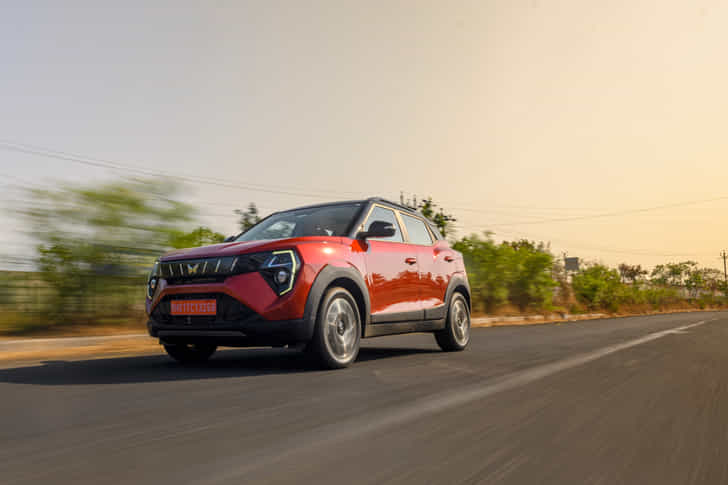
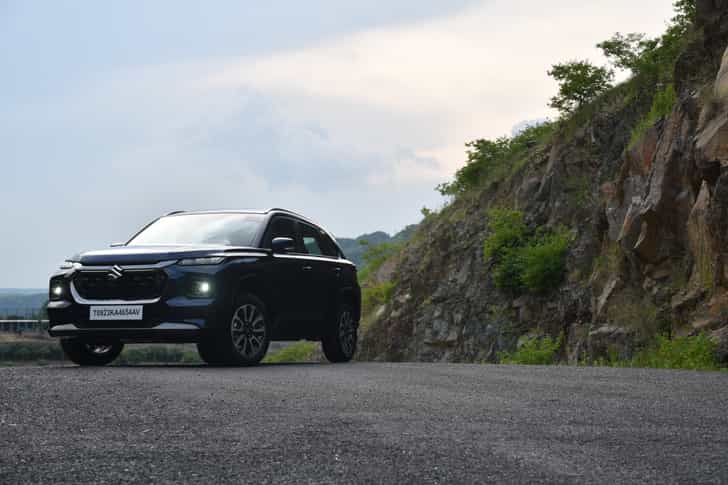
I am looking to buy a petrol automatic SUV primarily for city use, with occasional highway trips. I have shortlisted the Maruti Suzuki Grand Vitara Zeta AT mild-hybrid and Kia Seltos HTK(O). My priorities are real-world city and highway mileage, reliability, maintenance costs, long-term ownership (8-10+ years), comfort, and overall value for money. I would appreciate advice from owners/users, especially regarding actual mileage in heavy city traffic, maintenance costs, and any issues they have faced over the years.
Maruti Suzuki Grand VitaraKia Seltos
I need your expert advice on purchasing a new automatic CNG car. I am currently considering the Honda Amaze VX CVT with a government-approved sequential CNG kit retrofit and the factory-fitted Tata Punch Accomplished Plus S CNG AMT. I am also open to other recommendations within this price range. My on-road budget is a maximum of Rs 12 lakh, and my monthly running is around 900-1,200 km, with 80% city driving in heavy traffic and 20% weekend highway trips. I am based in Delhi-NCR and want a reliable CNG setup paired with an automatic transmission. My main concern is dealing with heavy traffic, bad road patches, potholes and severe waterlogging during the Delhi monsoon. I am specifically considering the top-spec Punch because I intend to keep the car for at least 10 years. I want a well-equipped, future-proof car so that I do not regret missing out on features later. If CNG retrofitment is possible on the top-spec Honda Amaze, I would consider that version as well. My key priorities are a stress-free automatic driving experience, sufficient ground clearance to tackle potholes and waterlogged roads, and low long-term maintenance costs. Given these requirements, which car would offer the most durable, hassle-free and enjoyable ownership experience?
Tata PunchHonda Amaze
Hi Team, I am confused between the Mahindra XUV 7XO diesel AX7T and Tata Harrier EV Fearless Plus. My concern is that diesel vehicles may be phased out sooner, which could affect diesel engines in general. Since there is no proper hybrid vehicle in this segment and reliability concerns around EVs in India are causing some uncertainty, I am a bit unsure. Any advice would be appreciated.
Mahindra XUV 7XOKia SorentoMG Hector Tomahawk PHEVTata Harrier EV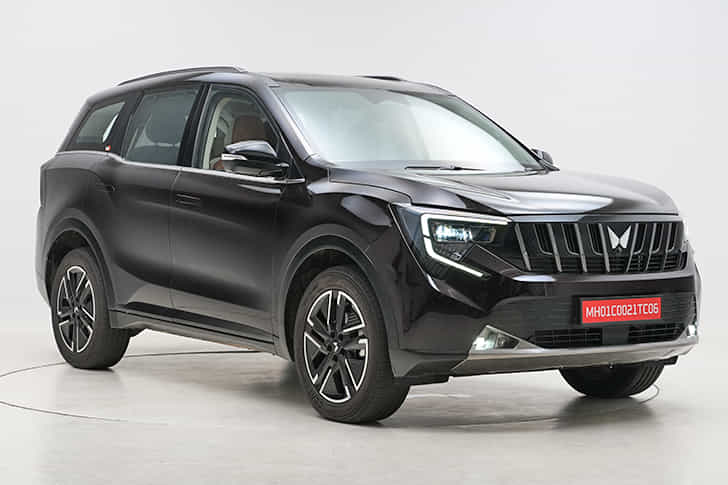
I am looking to buy a petrol automatic SUV primarily for city use, with occasional highway trips. I have shortlisted the Maruti Suzuki Grand Vitara Zeta mild hybrid and Kia Seltos HXO, both with petrol engines. My priorities are real-world city and highway mileage, reliability, maintenance costs, long-term ownership of 8-10+ years, comfort and overall value for money. The car will mainly be driven by my father, who drives fairly calmly. I would appreciate advice from owners and users, especially regarding actual mileage in heavy city traffic, maintenance costs and any issues faced over the years.
Maruti Suzuki Grand VitaraKia Seltos