Autocar India
Introducing Badges

Every helpful action can earn a badge.

•46w

For daily city driving of 80-100 km within Mumbai, will the Tata Sierra diesel auto be a better choice? I have heard that DPF causes regeneration issues if the new diesel cars are not driven on long highway trips in their highest gear. The car will be mainly driven in Mumbai traffic and will take around 1,000 km outstation trips once every 4-5 months. Please explain whether a diesel auto, a good combination for convenience and mileage, can be troublesome (DPF troubles) in city use. Thank you.

Verified
•44w
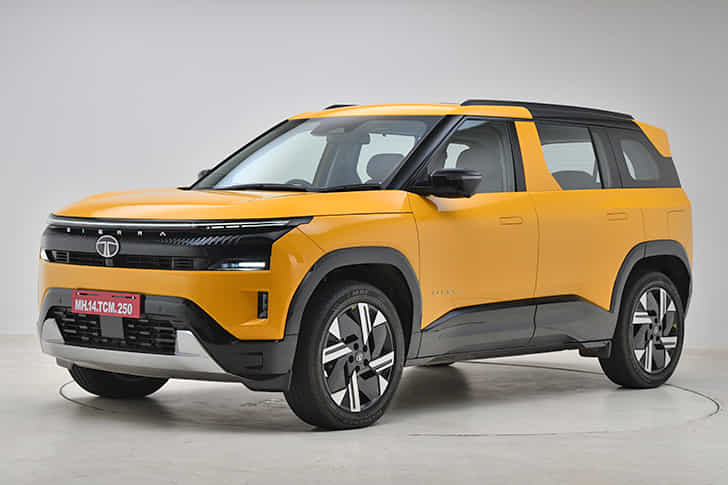
If your daily round covers 80 to 100km, the Tata Sierra diesel automatic is the one that fits your brief best. The diesel’s far more efficient than the petrol for that sort of running, and Tata’s six-speed Aisin torque-converter auto is a well-matched companion for the 1.5-litre engine. It keeps the motor in its sweet spot without feeling strained, whether you’re crawling through traffic or cruising along the coastal road.
There’s often a bit of anxiety around diesels and their particulate filters, but that’s largely a non-issue in your case. The DPF’s job is to trap soot from the exhaust and burn it off once the system gets hot enough — something that happens naturally when the engine is under load for a reasonable duration. Problems usually arise only when the car is constantly driven short distances and quits before it can complete this self-cleaning process.
Since your daily commute is fairly long, the exhaust will reach optimum temperature often enough for regeneration to go through smoothly. Even within Mumbai, stretches like the Sea Link or a run-down to south Mumbai allow the DPF to do its passive cleaning without any driver input. So with your usage, the diesel auto won’t just be easy on fuel — it should also remain hassle-free in the long run.
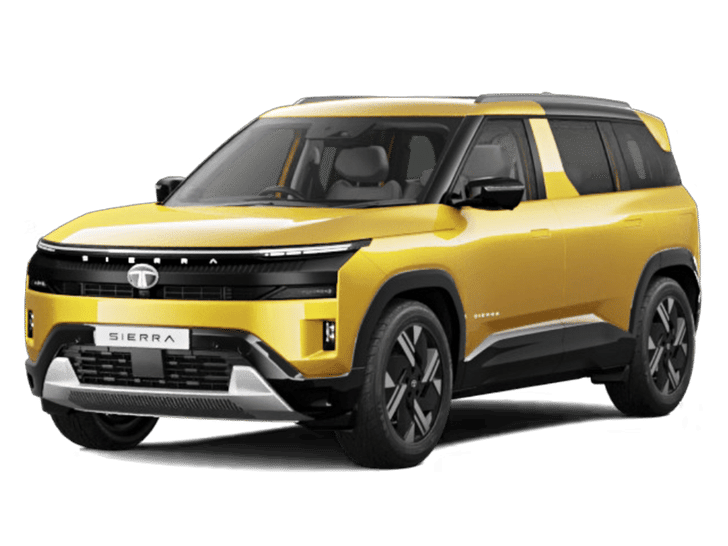
Tata Sierra

Tata Sierra

Explore cars mentioned

More posts on similar cars

•3d

I own Toyota Etios and now want to purchase a new car under the budget of Rs. 20 to 25 lakh. I am planning to get a 7-seater as sometimes I need it (around 10% of the times). I am considering XUV 7XO (diesel). Please suggest a suitable vehicle.

Verified
•1d

Given your usage pattern, where only about 10 percent of your driving genuinely requires a third row, the Mahindra XUV 7XO diesel is a sensible choice. It is one of the most complete 7-seaters in the segment, offering a strong diesel engine, good highway manners and a genuinely usable third row when needed. The diesel engine is particularly well suited to long-distance touring and occasional heavy loads, which aligns with your requirement for a car that can comfortably accommodate seven passengers on demand. Alternatively, consider the Kia Carens Clavis diesel if you want a seven seater with a smaller footprint. However, it is worth considering whether a 7-seater is truly the best fit for your needs. If 90 percent of your usage is as a 5-seater, you may be better served by a more spacious and comfortable 5-seater SUV, such as the Kia Seltos or the Tata Sierra, both of which offer excellent comfort and practicality.If you genuinely need the third row even 10 percent of the time, the XUV 7XO diesel is a strong recommendation. If those occasions are rare and can be managed with alternative arrangements, a 5-seater may actually deliver a better ownership experience over the long term.

VehicleMahindra XUV 7XO
VehicleKia Carens Clavis
VehicleKia Seltos
VehicleTata Sierra

Has E20 fuel affected your mileage?

Expert reviews worth reading
Is ADAS worth paying extra for in a car?

Popular discussions right now

•1w

I currently own a Jeep Compass and want to get an additional car for my father, with good reliability, unlike the Jeep. My father still drives a 2008 Honda City, and I am torn between a few choices: the Honda City, Skoda Slavia, Nissan Tekton and Toyota Hyryder. Or should I wait for the Virtus facelift or the new-generation Creta? His usage is low, at almost 500 km per month. Please suggest.

Verified
•4d

With just 500km a month, petrol is the clear choice, and reliability and ease of ownership become the most important factors. The Honda City is the safest recommendation here. It is a proven product with a strong reliability record, a comfortable ride and a familiar ownership experience that your father will appreciate, especially coming from a 2008 City. The Skoda Slavia and Volkswagen Virtus are both excellent to drive, but the 1.0 TSI engine can feel a bit laggy at low speeds, and the 1.5 TSI is overkill for this kind of usage. The Nissan Tekton is a good value proposition, but engines are not responsive at low speeds and Nissan's service network is not as strong as Honda's, which matters more for a low-running, long-term ownership scenario. The Toyota Urban Cruiser Hyryder is a solid option if you specifically want an SUV, but the hybrid premium does not make financial sense at this running, and the naturally aspirated petrol is not as refined as the City's engine. The new-generation Hyundai Creta is worth waiting for only if your father specifically wants an SUV; otherwise, the City remains the more sensible choice. Overall, the Honda City is the most reliable, comfortable and hassle-free option for your father's usage.

VehicleHonda City
VehicleSkoda Slavia
VehicleVolkswagen Virtus
VehicleToyota Urban Cruiser Hyryder
VehicleNissan Tekton
•1w

I’ve almost finalised the Skoda Kylaq Signature Automatic, and I really like the car. However, I’m a little worried about Skoda’s long-term service and maintenance costs, especially after the warranty period. I’m planning to keep the car for around 7–8 years. Would you recommend taking the Service Maintenance Package (SMP) along with the car? Is it worth the additional cost considering regular servicing and potential maintenance expenses? Also, compared with the Brezza and Nexon, how is the Kylaq Signature Automatic in terms of long-term reliability, service costs and parts replacement? Would really appreciate your advice before I make the final purchase decision.

Verified
•4d

If you like the Skoda Kylaq Signature Automatic, go ahead and buy it. It is a genuinely good car and one of the best driver’s cars in the segment. The 1.0 TSI engine paired with the 6-speed torque converter automatic is a proven combination, and Skoda’s reliability has improved significantly in recent years. The bigger concern is not reliability but long-term maintenance costs, which can be higher than Maruti or Tata once the car is out of warranty.This is where the Service Maintenance Package (SMP) makes sense. It locks in your service costs for the first 4-5 years, covers all scheduled maintenance and gives you peace of mind during the most expensive ownership period. If you are planning to keep the car for 7-8 years, it is worth the additional cost because it protects you from unexpected bills and helps you budget ownership costs more accurately.Compared to the Brezza and Nexon, the Kylaq is the better driver’s car with a more engaging driving experience and a stronger engine. The Brezza is the benchmark for long-term reliability and low maintenance costs, while the Nexon sits somewhere in between. The Kylaq is not unreliable, but parts and service can be more expensive once you are out of warranty.If you are buying the Kylaq, take the SMP and enjoy the car. If long-term ownership costs are your absolute priority, the Brezza is the safer financial choice.

VehicleSkoda Kylaq
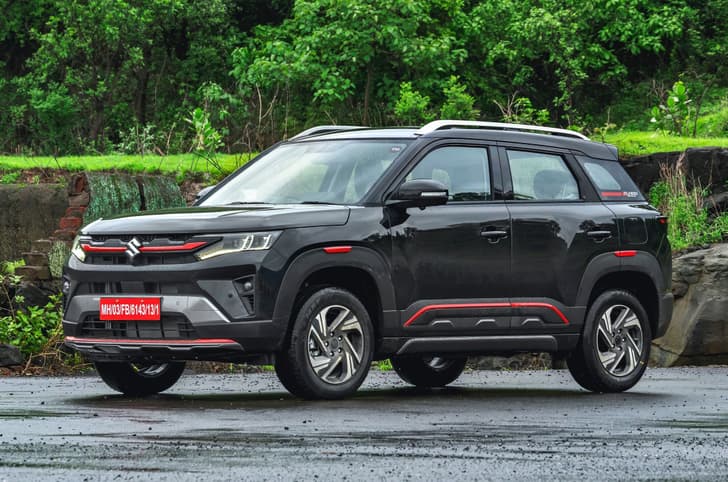
VehicleMaruti Suzuki Brezza
VehicleTata Nexon

Upcoming launch buzz

Community discussions on upcoming launches
Want to sell your car?

Sell your car at the right price, without the stress.
Add a photo of your Sierra

First sightings, real road conditions, delivery buzz

Posted on: 10 Dec 2025