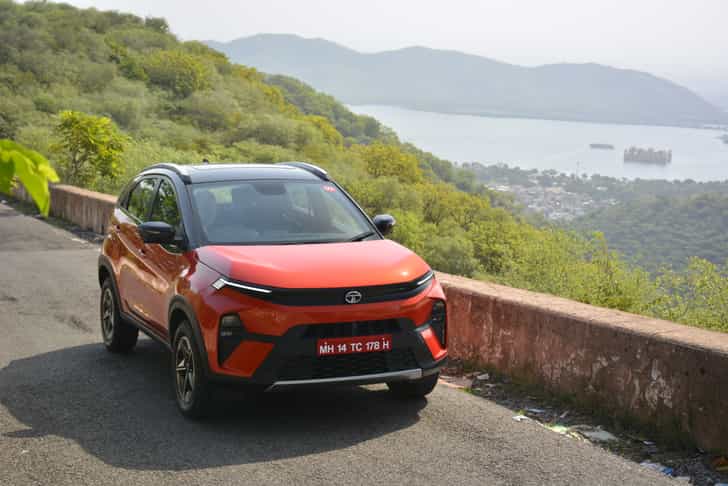
I want to buy a sub-4-metre SUV, as most of my driving will be in the city, with tight parking spaces and short trips. I will occasionally take it on hill getaways. I like the Skoda Kylaq, but it misses out on a 360-degree camera and a proper digital instrument cluster. Its older user interface also feels familiar because I already own a Volkswagen Virtus. The Hyundai Venue does not feel special enough for its price, while the Mahindra XUV 3XO has awkward proportions and an uncomfortable rear seat, despite having the best suspension, engine and transmission combination. Should I wait for the new Kia Sonet or another launch expected by early next year? I also find DCTs less suited to city driving, although I realise no car can offer everything.

 Maruti Suzuki FronxKia New SonetToyota Urban Cruiser Taisor
Upcoming launch buzz
Community discussions on upcoming launches
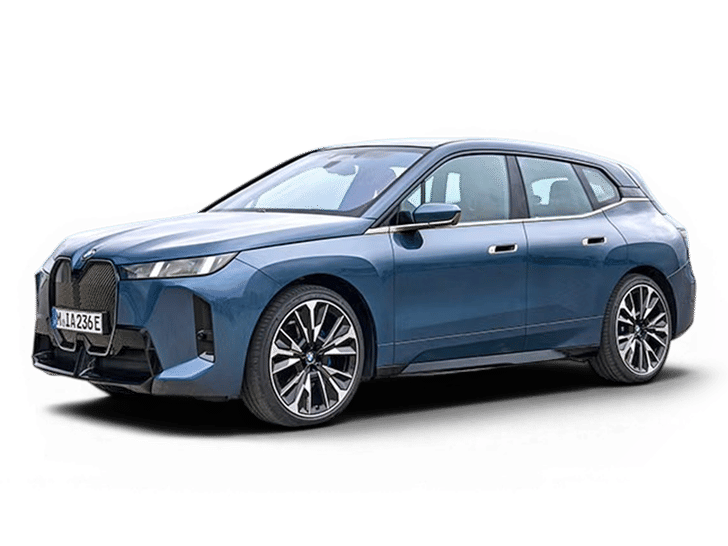
BMW
iX facelift
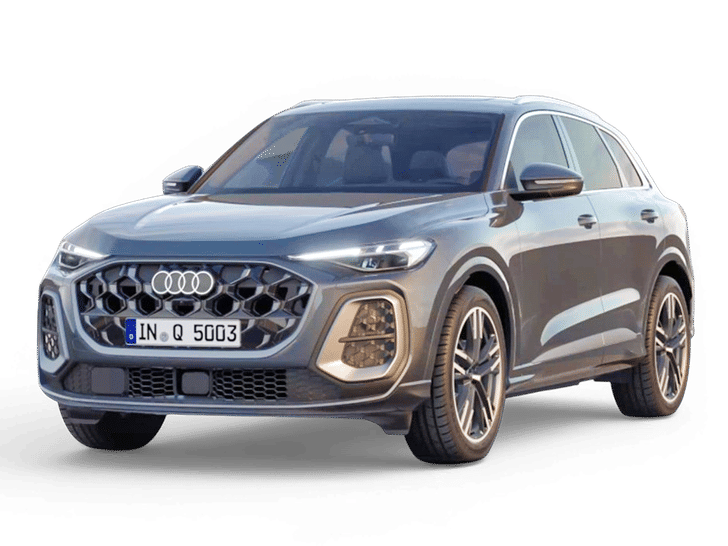
Audi
New Q5
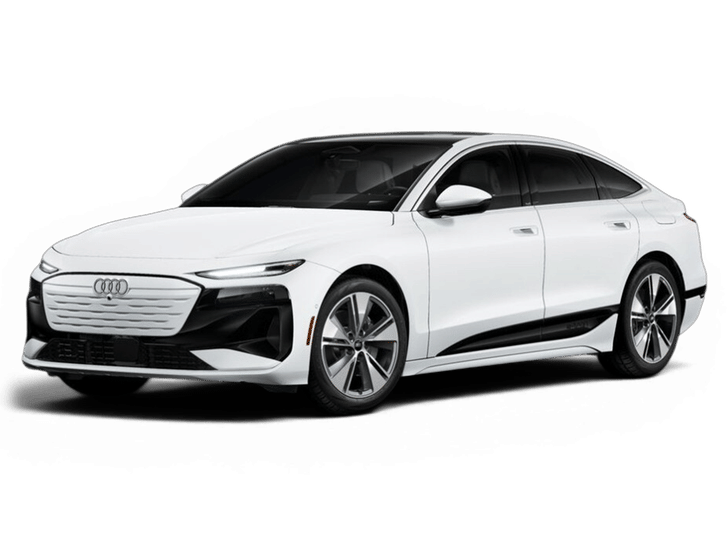
Audi
A6 e-tron
Audi
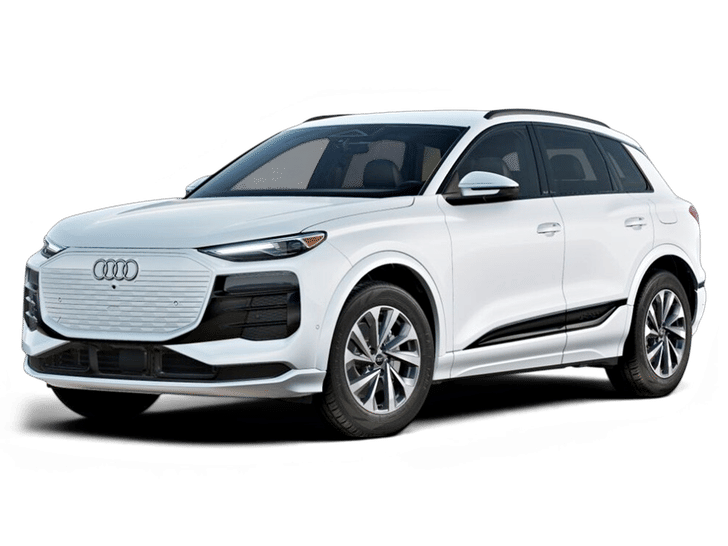
Q6 e-tron
Audi
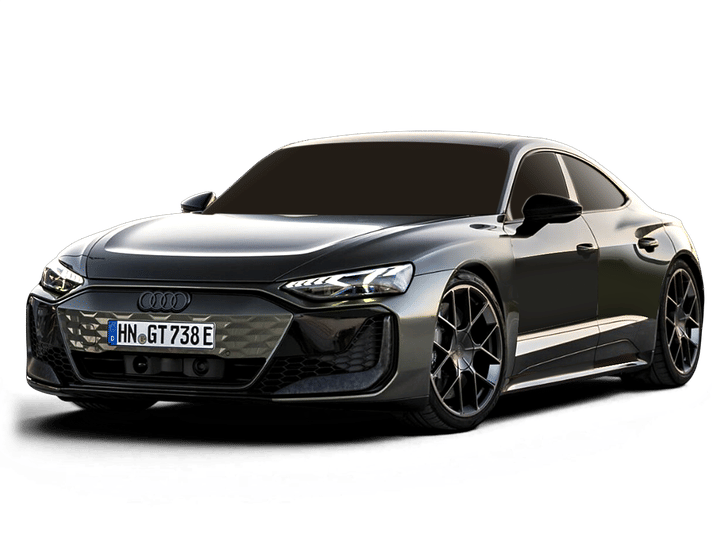
e-tron GT facelift
Volkswagen
Virtus facelift
Audi
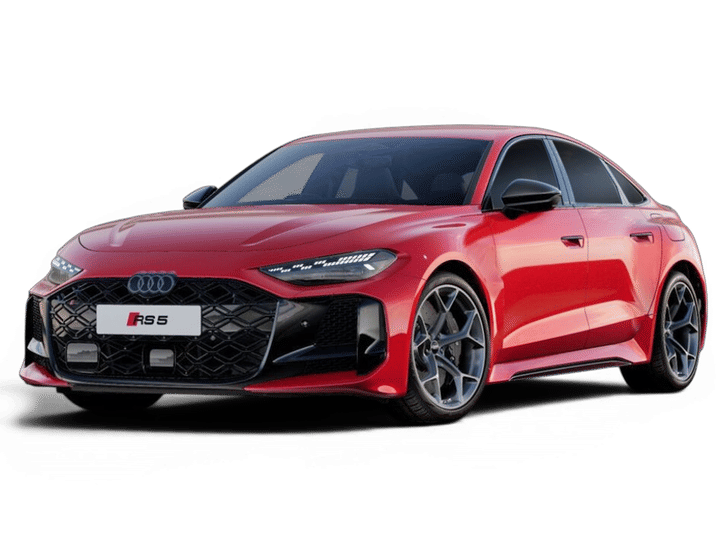
A5

Vinfast
VF5
Volvo
EX90
Volvo
ES90
Why would anyone pay Rs 3-5 lakh more for a 1.5-litre naturally aspirated petrol SUV like the Honda Elevate over a 1.0-litre turbo-petrol car like the Skoda Kylaq, especially when the Kylaq offers more torque and a torque-converter automatic? The turbo produces around 178Nm from 1,800rpm, while the naturally aspirated engine makes about 145Nm at around 4,300rpm. The turbo should also lose less power at altitude, and the torque-converter automatic avoids the concerns associated with a dry-clutch DCT. Is the Elevate really worth the premium for long-term reliability and refinement?
Skoda KylaqHonda Elevate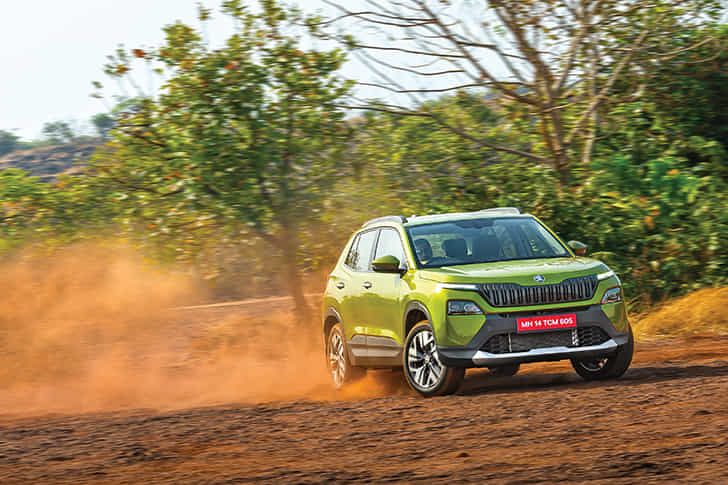
Which bike should I choose between the new KTM 390 Adventure, KTM 390 Duke and Royal Enfield Guerrilla 450? I am upgrading from a TVS Ronin 225, and I feel it lacks power on highways, especially while overtaking. I am also looking for a new riding experience. I am 5'3" tall and weigh 75kg. Please guide me on which bike would suit me best, considering my height, riding comfort and performance. Or would it be better to stick with the TVS Ronin?
Hello, I am a resident of New Delhi and own a 2005 Hero Honda Karizma that is no longer permitted to run on Delhi roads. Since I live in an apartment complex, I have been able to keep the motorcycle parked within the premises. However, I would like to know whether there are any rules prohibiting me from keeping it parked there and whether the authorities can tow it away even if it is not being driven on public roads. I would appreciate any information or clarification on the applicable rules and regulations. Thank you in advance.
I am 5'6" and have previously owned or ridden a Hero Glamour (2007–2010), a Bajaj Pulsar 125 (2012–2013), a Royal Enfield Electra (2013–2020, at my hometown) and an Apache RTR 160 (2016–2018, in the city where I worked). Currently, I use my father's Honda Aviator for short trips. Of all these bikes, I enjoyed the Royal Enfield Electra the most, particularly for its ride comfort and low-end torque. However, I did face some issues with the kick-start mechanism and gearbox. Since 2014, I have primarily used a car, and I am now looking for a motorcycle mainly for leisure and occasional rides. I am 40 years old, and my riding will mostly involve city commutes in bumper-to-bumper traffic, with a longer weekend ride once every three months. I prefer retro or classic styling and am not particularly interested in speed. Comfort, easy handling and looks are my priorities. The motorcycles I am considering are the Honda CB350C, Honda Rebel, Yamaha XSR (mainly because of its relatively low weight), Triumph T4 and Royal Enfield Meteor. My previous experience with the older Royal Enfield UCE engine makes me a little hesitant about buying another RE, although I am open to considering the Meteor if the newer J-series engine is a significant improvement. Considering my height, riding requirements and preferences, which one motorcycle would you recommend? I would appreciate advice based on real-world ownership experience, particularly regarding comfort in city traffic, ease of handling and long-term reliability. Thanks in advance for your suggestions.
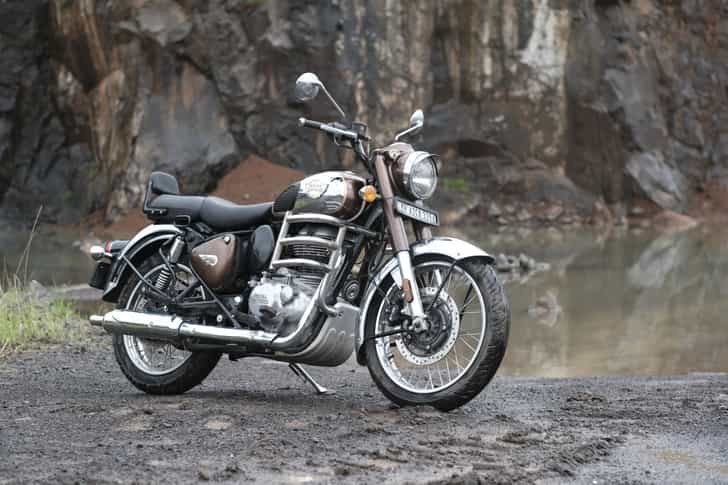
I am looking to buy a new scooter primarily for city commuting, with a typical daily riding distance of around 7 to 8 km. My pillion rider is a senior citizen, so ease of getting on and off, comfortable seating, and a stable ride are important considerations. Price is not an issue. Kindly suggest a suitable scooter that would meet these requirements.
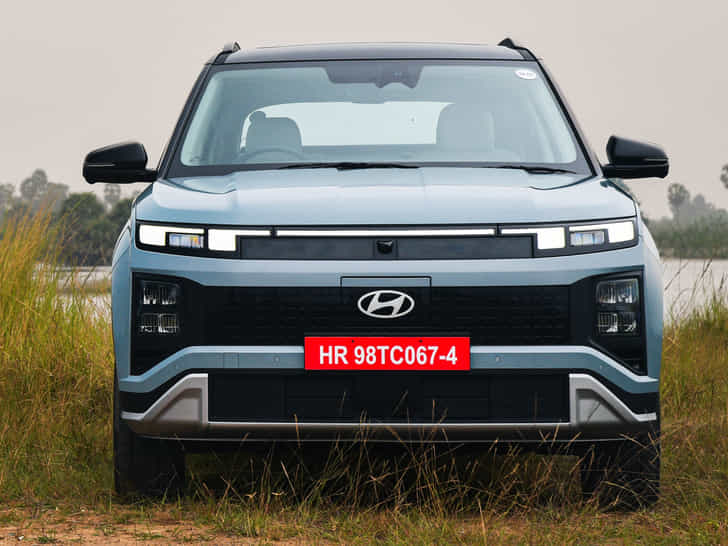
I have owned a Polo 1.2 Petrol for over 8 years and am now looking to upgrade. My annual running is 6,000-7,000km, with 60% city driving in Delhi NCR and the rest on highways, including 2-3 mountain trips a year. With a budget of Rs 18 lakh, these are my options: Citroën Aircross X AT Škoda Kushaq 1.0 AT Renault Duster 1.3 DCT Pre-facelift Volkswagen Taigun 1.5 DSG (Rs 2.5 lakh discount) Which would be the best option for my requirements and long-term ownership?
Volkswagen TiguanCitroen AircrossI am confused between the Brezza ZXI Automatic and Brezza ZXI+ Automatic. Which option is best to buy for the long term? I took the quotation from the Pune Suzuki Arena showroom, and the ZXI Automatic is coming at Rs 14,21,598, while the ZXI+ Automatic comes at Rs 16,21,955. So, there is almost a difference of Rs 2 lakh. Should I consider the ZXI Automatic or the ZXI+ Automatic for the long term? My running is mostly in the city, with occasional highway trips. The major features missing on the ZXI are cruise control and the rear wiper, which I can't get installed as genuine accessories. If I plan to consider the ZXI, I can add fog lamps, a front armrest and all-four diamond-cut alloy wheels for a more premium feel. Is it okay to buy and add genuine accessories later, or should I avoid doing so?
Maruti Suzuki Brezza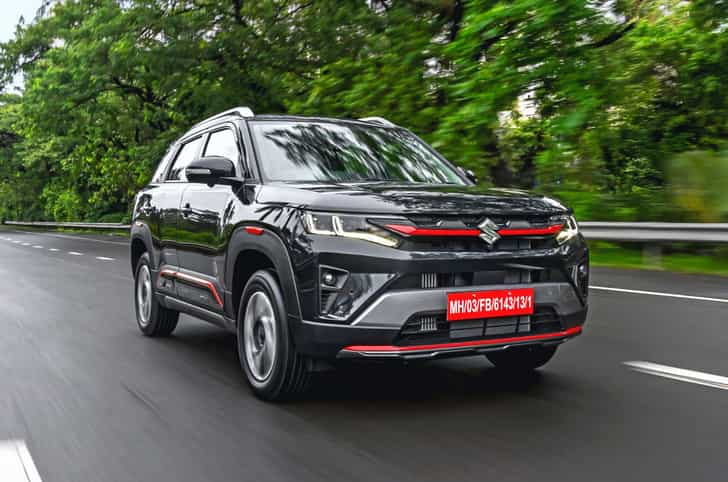
Hello team, I’m looking for a petrol automatic SUV that is safe, smooth, reliable, and suitable for long-term ownership (10 years), with a 60:40 city/highway usage pattern. My budget is Rs 15 lakh. I’m getting the following on-road deals: XUV 3XO AX5: Rs 13.5 lakh Creta EX(O): Rs 17 lakh (may be Rs 16.5 lakh) Both are petrol automatics. Is it worth stretching my budget for the Creta EX(O)? Is it advisable to wait for upcoming launches, or are there any other current alternatives I should consider? I’m not interested in fancy features like a sunroof, etc.
Mahindra XUV 3XOHyundai CretaHello, With the new Honda Elevate now launched, how would you suggest choosing between the Kia Seltos and the new Elevate? I had finalised the Seltos HTK(O) six months ago, but I was not able to purchase it for some reason. Now, I am keen to book a new car next month, around Diwali. My primary usage will be commuting to and from the office, which is around 20km daily. There will also be occasional highway trips of around 200km from Mumbai to small hill stations. Which car would you recommend for a 6ft-tall person? I will definitely go for a petrol automatic, but I’m confused between the two.
Honda ElevateKia Seltos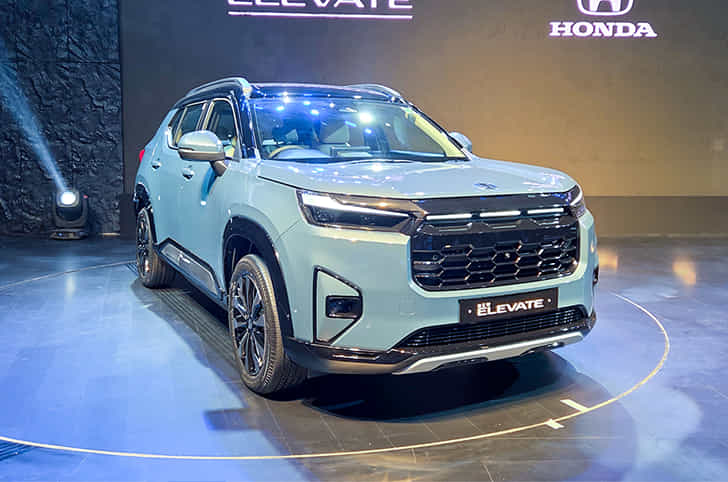
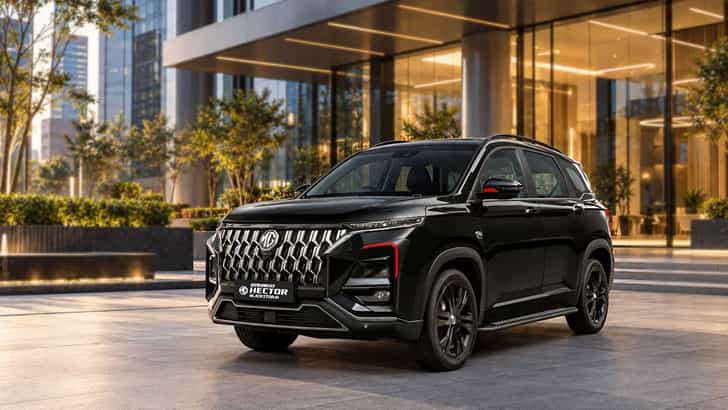
I am buying a new seven-seater EV and have shortlisted the MG Hector Tomahawk Exclusive and Kia Clavis SR HTX. I am confused about which one to choose. The Clavis has better build and ride quality, but it uses a smaller NMC battery and does not come with a 7.5kW charger. The MG Tomahawk is slightly larger and offers better range, although I have some concerns about its build and ride quality. I expect to drive around 2,000km a month, mainly in semi-urban Goa, with a mix of short highway and city driving. I am not planning many outstation trips. Which one would suit my usage better?
MG Hector Tomahawk EVKia Carens Clavis EV