Latest questions answered by experts
Ask or share your thoughts
Get opinions from India’s growing automotive community
Discover topics
Follow topics to stay in the loop
Comparisons
2127 posts
Upgrades
1465 posts
General Buying Advice
982 posts
EVs & Hybrids
558 posts
Two-Wheeler
539 posts
Family & 7-Seaters
491 posts
First-Time Buying
444 posts
Variant & Spec Selection
260 posts
Ownership Experience
217 posts
Safety & ADAS
101 posts
CNG Vehicles
94 posts
Mileage & Running Costs
93 posts
Road Trips & Adventure
91 posts
Luxury Segment
83 posts
Service & Maintenance
70 posts
Accessories & Modifications
42 posts
Performance & Enthusiast
36 posts
I drive around 30,000km annually and plan to keep my car for 6-7 years. I am considering a mid-size SUV like the Maruti Suzuki Grand Vitara or a larger 7-seater like the Kia Carens Clavis DCT. Given my usage, which would be the better choice: a naturally aspirated petrol automatic, a DCT or a diesel automatic? I would also like to understand which of these powertrains offers better long-term engine reliability and how many kilometres they can typically cover before requiring major repairs. Kindly advise.
The suitability of an engine and gearbox combination largely depends on the kind of driving conditions and not necessarily on the overall mileage. If your driving has a majority of heavy start-stop traffic then a naturally aspirated torque convertor or CVT gearbox is ideal as the engine will not have any turbo lag; turbos tend to produce a sudden power increase which makes des not give you a smooth drive in constantly varying traffic speeds. The torque convertor gearbox is also the smoothest type of autobox around with seamless shift, the CVT too works ok and better than DCT's and AMTs as these can be jerky shifting in traffic. If however your driving is more highway then a turbo DCT would be fine and you could enjoy a more peppy drive. As for repair expenses most modern powertrains are very reliable however a naturally aspirated engine with a torque convetor gearbox would be the most robust powertrain to have.
More posts from
Comparisons
Is the Jeep Compass Sport manual a good car for long-term ownership? I am looking for a car with good handling, driving dynamics and long-term reliability. Would the Compass Sport manual be a sensible choice for keeping over several years?
In terms of handling the Jeep Compass Sport MT is very good indeed and it strikes just the right ride and handling balance. The steering feel too in good and as is high speed stability. The clutch is heavy and in constant start-stop traffic this could be bothersome, otherwise the drive experience is good. As for long term use the Compass is ok but it has had its share of problems and isn't as reliable as say a Toyota or a Hyundai / Kia would be, in that scenario get the extended warranty for some peace of mind.
Hi team, I am over 55 years and at present, I own a Wagon R VXi which is over 21 years old. I am planning to change my car. My preference is Maruti Suzuki Brezza. I am confused between Brezza VXi 1L Turbo and Brezza VXi 1.5L. My running is around 400km a month which is mostly within the city. Which one should I choose? Feel free to suggest any other car.
Go for the 1-litre turbo-petrol version of the Brezza. Drivability is very good with minimal turbo lag, and pulling power on the highway will feel a bit more effortless too. Even the clutch is light, and the 6-speed manual gearbox is smooth. The 1.5-litre petrol commands a significant premium over the 1.0-litre turbo-petrol, which is mainly due to the higher tax levied on it due to its higher engine displacement. Hence, we'd suggest the 1.0 version - it is better value for money.
Upcoming launch buzz
Community discussions on upcoming launches
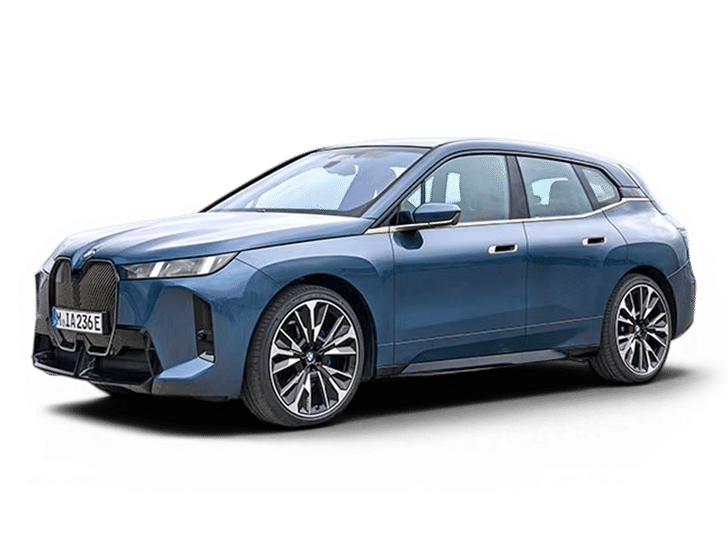
BMW
iX facelift
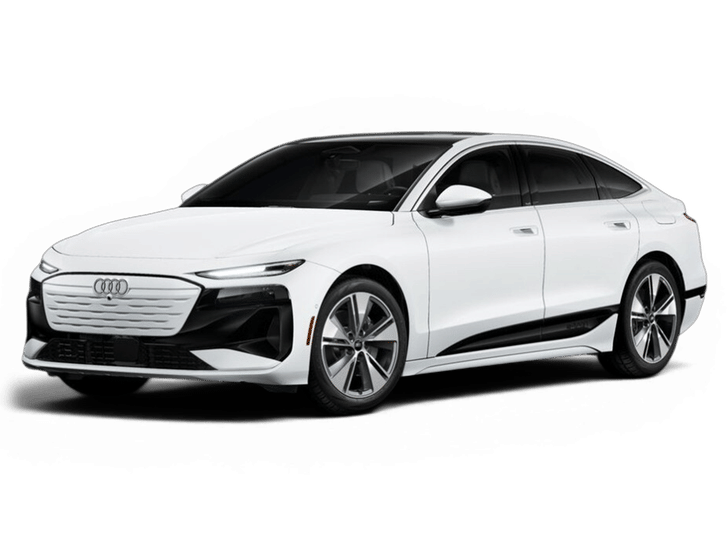
Audi
A6 e-tron
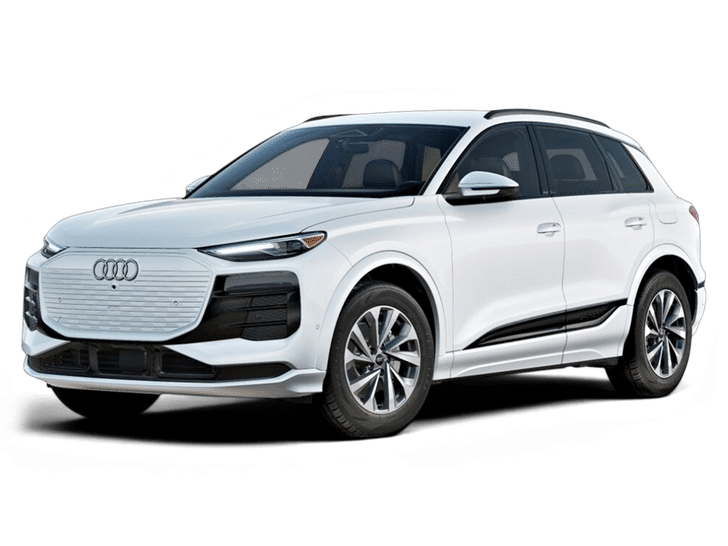
Audi
Q6 e-tron
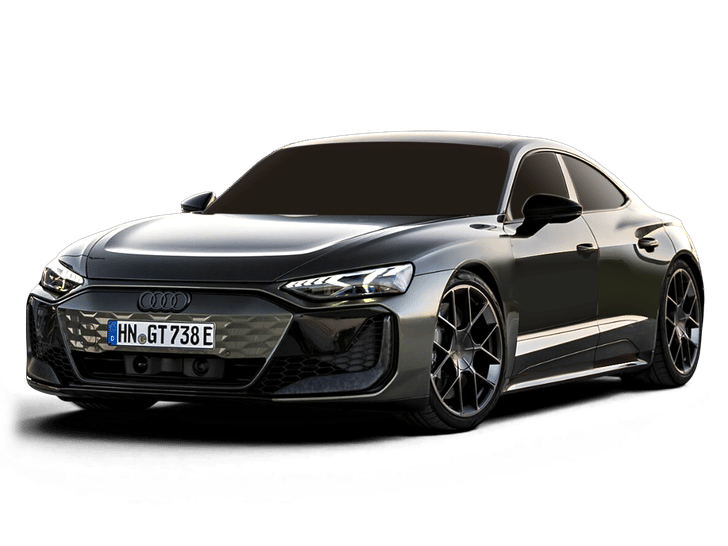
Audi
e-tron GT facelift

Vinfast
VF5
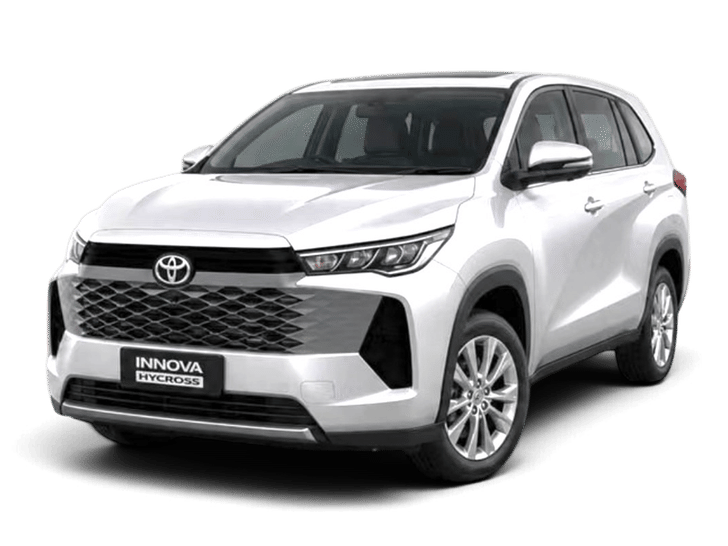
Toyota
Innova HyCross facelift

Mini
Cooper Electric
Volkswagen
Virtus facelift
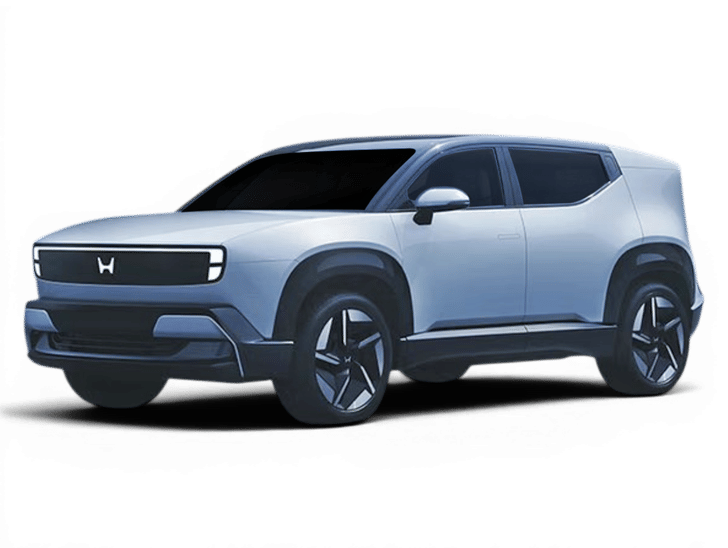
Honda
ALPHA
JSW Motors
Combat
Still have more question?
Get answers from Autocar experts and owners
- 9,000+discussions
- 20,000+users online
- 10,000+members
I am 38 years old and am planning to buy a scooter or bike under Rs. 1.9 lakh. I mostly travel around 25-30 km daily. I have persistent back pain due to which good suspension is my primary requirement. Please suggest a suitable two-wheeler.
Given your long daily run, we'd recommend you to look into the 200-250cc category that will offer you a blend of both engaging performance as well as good fuel efficiency. The Bajaj Pulsar N250SS is a straightforward sporty commuter option which will be a good fit for your needs. It has a neutral riding position, comfortable suspension and a peppy engine. If you are open to trying something from a more niche category, the Hero MotoCorp Xpulse 210 makes a good case for itself. The liquid-cooled motor has good tractability and performance, its suspension is sublime and its ergonomics are commanding yet neutral - all good attributes to have. Do bear in mind that the Xpulse is taller and heavier than the Pulsar but brings in a completely different level of bump absorption to the table. Take test rides of both before you make your decision.
Find related posts in one place
Explore topics to stay in the loop
Still have more question?
Get answers from Autocar experts and owners
- 9,000+discussions
- 20,000+users online
- 10,000+members
I ride Himalayan 450 but I am not at all fond of off-roading. I love touring. Will Himalayan 750 be a good upgrade?
From our first experience with the new Royal Enfield Himalayan 750, it seems like it has all the fundamentals in place to be a comfortable and quick long-distance touring machine. Make sure you get a test ride once the twin-cylinder Himalayan is launched in India so that you can gauge for yourself how the bike fares for you. Like with every other new platform, our advice would be to wait at least 6 months to a year for the machine to prove itself before investing your money in it.

Will the Maruti Suzuki Brezza get a torque converter automatic transmission with its new turbo-petrol engine? If so, when can we expect it to launch?
There is no confirmed plan or launch timeline for a torque converter automatic with the Brezza's new 1.0-litre turbo-petrol engine. Currently, the turbo-petrol is offered exclusively with a six-speed manual, while the six-speed torque converter automatic continues to be available with the 1.5-litre naturally aspirated petrol engine. Although the same Boosterjet engine is offered with a six-speed automatic in the Fronx, Maruti has not announced plans to bring this combination to the Brezza.
Still have more question?
Get answers from Autocar experts and owners
- 9,000+discussions
- 20,000+users online
- 10,000+members
I am planning to buy a used Hyundai Venue. The seller is offering one that was upgraded with 16-inch Hyundai alloy wheels before delivery. The car has covered just 1,400km on the odometer and was registered in September 2026. I can get it for around Rs 9 lakh. Would this be a good deal, and are there any concerns I should be aware of?
At Rs 9 lakh, this could be a good deal, but whether it is attractive depends largely on which variant of the Hyundai Venue is on offer. With just 1,400km on the odometer and a September 2026 registration, it is practically a new car, but the price needs to be compared with the current on-road price of the same variant before making a decision.The 16-inch Hyundai alloy wheels will certainly improve the Venue's stance and fill the wheel arches better. However, the larger wheels come with a lower profile tyre, which means a firmer ride and less cushioning over potholes and broken roads compared with the smaller wheel setup. Also check that the wheels and tyres are genuine Hyundai accessories and are covered by the manufacturer's warranty.
Find related posts in one place
Explore topics to stay in the loop
Hi, I am considering a petrol automatic SUV under Rs 18 lakh. My daily office commute in Panipat is around 6km each way, with occasional trips to my hometown, Amethi in Uttar Pradesh, and other tourist destinations. My annual running is around 6,000-8,000 km. My priorities are reliability, a 5-star safety rating, hassle-free servicing, good value for money, cruise control and enough seating space for five people. I do not want a sunroof, although it is not a deal-breaker if the car has one. What are my options? Please rank your top three recommendations.
We would recommend the Kia Seltos HTK IVT. It fits the budget and offers a good combination of a smooth petrol automatic, spacious cabin, useful features and a five star Bharat NCAP safety rating. The HTK variant also gets cruise control, which is an important requirement. Its naturally aspirated 1.5 litre petrol engine and IVT gearbox should work particularly well for the short daily commute, while being comfortable enough for occasional highway trips.The Honda Elevate CVT would be our second choice for its straightforward powertrain and practical cabin, while the Hyundai Creta IVT takes third place as a comfortable, well-equipped alternative.

Still have more question?
Get answers from Autocar experts and owners
- 9,000+discussions
- 20,000+users online
- 10,000+members
Hi team, I plan to drive around two or three times a year, covering nearly 1,200km one way to reach my hometown. I will be travelling with four family members, including senior citizens. I am looking for an automatic car that offers a comfortable ride for everyone, ideally without having to stop along the way. What would you recommend?
You haven't mentioned your budget, so it'll be difficult to give you an accurate response. Given that you're upgrading from a Fronx, you could consider the Maruti Suzuki Victoris Strong Hybrid. It is a comfortable car, and its hybrid powertrain is exceptionally efficient too. In theory, with a 45-litre fuel tank and claimed 28.65 kpl mileage, it is possible to drive 1,200km non-stop.Alternatively, you could consider a Kia Seltos diesel-automatic, although with its 47-litre tank and claimed 17.8kpl, you will have to stop to refuel, at least once along the way. Ideally, we would recommend that you take periodic stops on such long drives, particularly to avoid driver fatigue.Both of these cars are comfortable four-seaters.
Find related posts in one place
Explore topics to stay in the loop
Still have more question?
Get answers from Autocar experts and owners
- 9,000+discussions
- 20,000+users online
- 10,000+members
I am a bit confused between the BMW i5 and the Lexus ES 500e. The Lexus ES 500e costs Rs 91.2 lakh (ex-showroom), which is Rs 11 lakh more than the BMW i5 at Rs 79.6 lakh. For the additional amount, the Lexus offers the following features: Manual rear window sunblinds Soft-close doors Head-up display (HUD) Front-seat heating and ventilation, along with a heated steering wheel. The i5 gets ventilated seats. Transparent bonnet mode Higher performance from its dual-motor AWD setup, producing 343hp compared with the i5's 268 hp Longer standard vehicle warranty of 8 years/2 lakh km, compared with BMW's 2-year standard warranty Dedicated spare wheel space I have driven both cars and liked them. Does the Lexus justify the additional Rs 11 lakh for these differences? Is there a significant difference in interior quality between the i5 and ES 500e?
The Lexus ES 500e has its merits, but it does come at a considerable premium over the BMW i5. Sure, if you want to stand out, prefer its stronger performance, and want the peace of mind of a longer standard warranty, go for the Lexus ES. In comparison, the BMW i5 is a well-rounded electric car which is very comfortable to drive and be driven in. And given the fact that it is more affordable, as a luxury EV, the BMW i5 seems like the more sensible option. Alternatively, you could consider the new GLC 400 (EV), which packs in stronger performance, promises healthier range, and is more affordable than both the BMW i5 and Lexus ES.
Still have more question?
Get answers from Autocar experts and owners
- 9,000+discussions
- 20,000+users online
- 10,000+members
Hi Autocar India team, I would appreciate your advice on choosing a used automatic car for around Rs 12 lakh. I currently own a 2009 Maruti Alto LPG, which has covered 1.1 lakh km. My annual running is around 7,000km. My village is about 350km away, so I make two to three highway trips there every year. I have a family of four and want to keep my fuel expenses within Rs 5-6 lakh over the next 10 years. My priorities, in order, are an automatic gearbox, good road presence and reliability, followed by maintenance costs, as I have a close friend who is a mechanic. I want to avoid diesel cars, DCT gearboxes and gimmicky features. The Nexon, Venue and Punch feel a little too small for my needs. I would also prefer to avoid 1.2-litre three- or four-cylinder engines, as I don't want too much vibration at highway speeds. My shortlist, with all these cars test-driven and available for around Rs 12 lakh, includes the Hyundai Alcazar 2.0, Maruti Grand Vitara mild-hybrid, Hyundai Creta/Kia Seltos IVT and Honda Elevate CVT. I am also open to MPVs and sedans as a last resort. I have a few questions: 1. Which of these would you pick, and why? 2. If E30, E85 or E100 petrol is introduced, would retrofitting the Alcazar with a CNG kit make sense? I do not need the third row. 3. Are there any other used cars I should consider? 4. Would a 2019 Toyota Camry Hybrid be worth considering at around Rs 6-9 lakh? 5. What about a Toyota Innova Crysta for around Rs 9 lakh? 6. Should I consider EVs? I would love to hear your opinion.
Since you don't need the Alcazar's extra third row, why not consider a Hyundai Creta 1.5 IVT instead? It is a smooth, spacious, comfortable and sensible choice. You should get a 2022-23 manufactured, well-maintained example in your Rs 12 lakh budget.Alternatively, in case you're looking for road presence, you could also consider a used Jeep Compass diesel-automatic. It is an excellent highway car, and the 2.0-litre diesel and 9-speed torque converter automatic combination will ensure that your fuel costs are in check compared to its petrol-automatic version.
Find related posts in one place
Explore topics to stay in the loop
Need expert advice?
Ask the Autocar community and experts.